
MicroProse began in 1982 with a bet between a designer and a fighter pilot. Bill Stealey, ex-Air Force, told Sid Meier he could not possibly write a better flight game than the arcade cabinet they were standing at. Meier said give me a week. The company they built on that bet spent the 1980s owning the military simulation, then spent the 1990s inventing and perfecting the strategy game, the genre that swallows whole nights one turn at a time.
This is the studio's whole arc: the cockpits and submarines and stealth fighters, the moment Sid Meier's Civilization rewired what a computer game could be, the turn-based terror of X-COM, and the tycoons and 4X empires that followed. Here is the map.
The essential MicroProse
Start here


From the cockpit to the war room
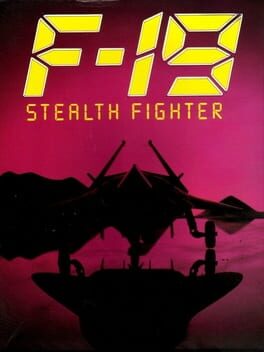
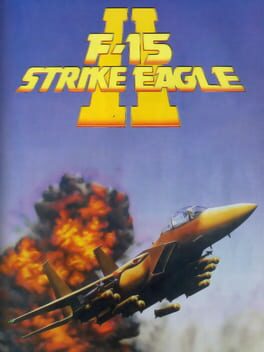
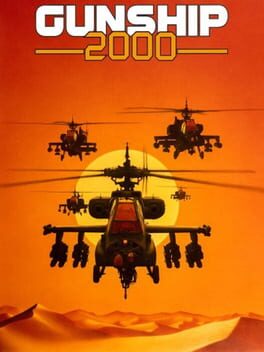
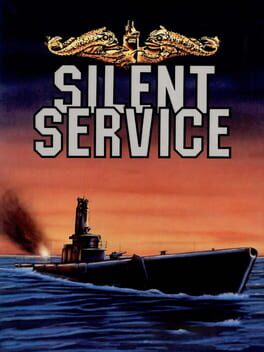
MicroProse's first empire was the sky. Bill Stealey's Air Force pedigree gave the studio a credibility no rival had, and it poured that into F-15 Strike Eagle, the stealth fantasy of F-19, the helicopter gunships and the silent submarines. Then Sid Meier grew bored of planes and turned to systems: pirates and railroads and secret agents and, finally, whole civilizations. The studio's genius was that both halves were built by people who cared about the same thing, the deep, tuned machine humming under the surface.
The flight and combat sims
MicroProse's first empire
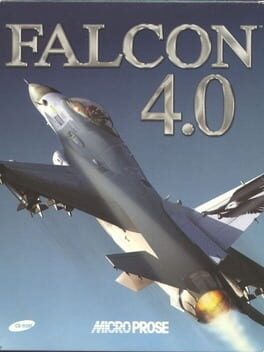
Sid Meier's golden decade
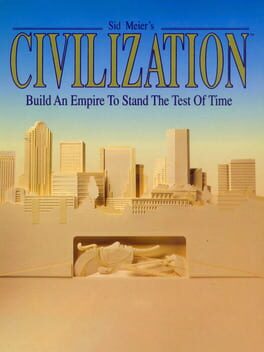
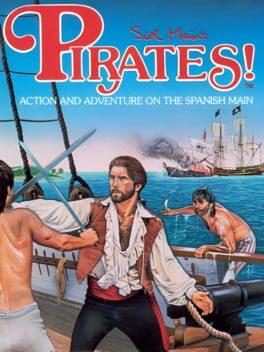
For about ten years Sid Meier could not miss. Pirates! let you be a swashbuckler in a living Caribbean sandbox in 1987, decades before open worlds were a thing. Railroad Tycoon made laying track feel like poetry. Covert Action juggled a whole spy thriller. And then Civilization rewrote the rules for everyone. His name went on the box because it had become a promise: a game built from clean, deep, endlessly replayable systems. Few designers have ever had a run like it.

The strategy and 4X empires
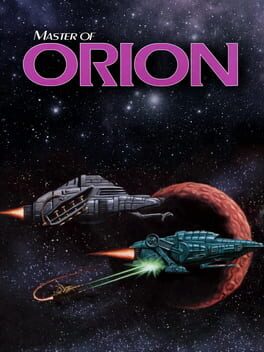
Civilizations, galaxies and worlds of magic
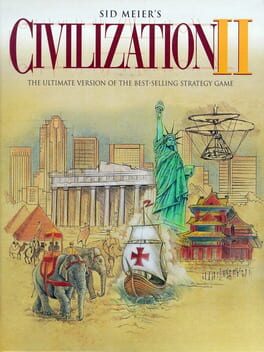
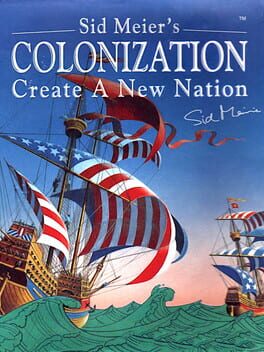
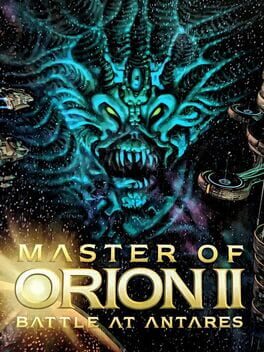
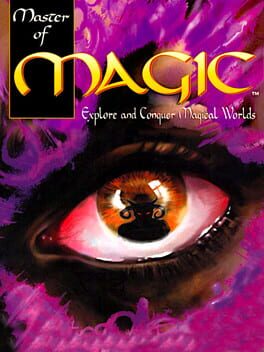
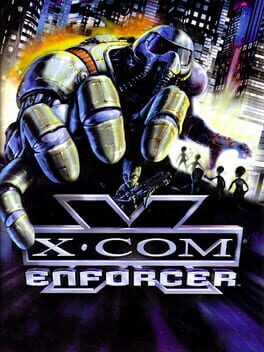
The X-COM war
Manage the panic, then lose your soldiers in the dark
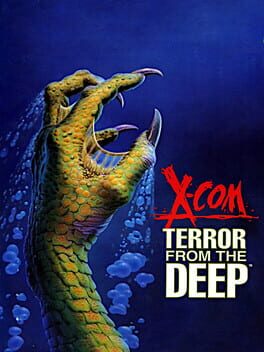
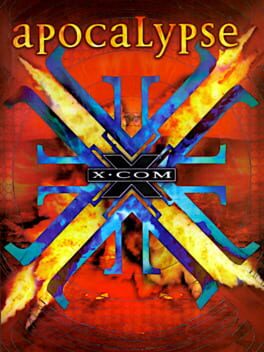
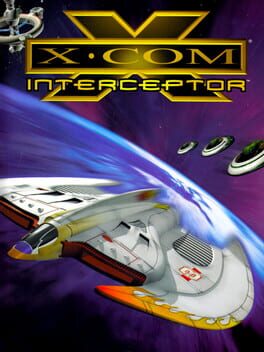
The tycoons and the mechs
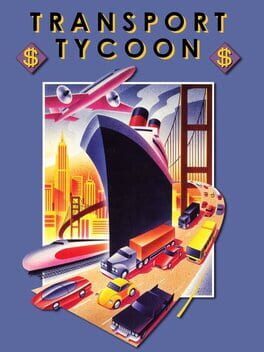
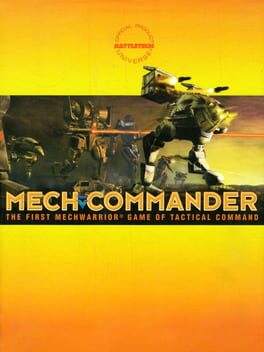
Build an empire, or pilot one

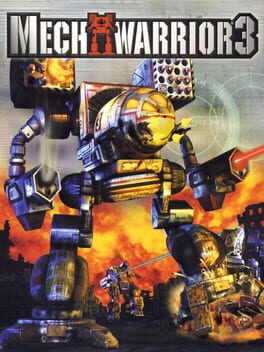
Deeper cuts worth your time
The catalogue beyond the classics

A short history of MicroProse
- 1982Sid Meier and Bill Stealey found MicroProse after a bet over who could make a better flight game.
- 1985Silent Service and the F-15 Strike Eagle sims make MicroProse the name in military simulation.
- 1987Sid Meier's Pirates! proves Meier can build a living open world, not just a cockpit.
- 1991Sid Meier's Civilization defines the 4X strategy game and swallows the next thirty years of bedtimes.
- 1994X-COM: UFO Defense, from Julian Gollop, fuses strategy and tense tactical combat into a classic.
- 1996Sid Meier leaves to co-found Firaxis; MicroProse's independent golden age begins to wind down.
- 1998Hasbro Interactive acquires MicroProse; the brand passes through Infogrames and Atari before a 2019 revival.
The people who built MicroProse
The designer, the pilot and the tacticians. Follow any of them to their full catalogue.
Keep listening on Podfriend
Shows and themes that go deep on this era of gaming.
More golden-age studios
Every studio in the series. More on the way.
A fighter pilot bet a designer he couldn't build a better flight game. The designer said give me a week, and built an empire.
Frequently asked
Who founded MicroProse?
Sid Meier and Bill Stealey founded MicroProse in 1982. Stealey, a former Air Force pilot, ran the business while Meier designed the games. The company's name became synonymous first with flight simulators and then with strategy games.
What are MicroProse's most famous games?
Sid Meier's Civilization, Sid Meier's Pirates!, the X-COM series, Master of Orion, Railroad Tycoon, and the F-15 / F-19 flight simulators, among many others.
Why is Sid Meier's name on so many games?
MicroProse put 'Sid Meier's' on the box as a mark of quality, one of the first times a designer was branded that way. It signalled a systems-deep, endlessly replayable game and followed Meier to Firaxis, the studio behind the modern Civilization games.
What happened to MicroProse?
Sid Meier left to co-found Firaxis in 1996. Hasbro Interactive acquired MicroProse in 1998, and the brand later passed through Infogrames and Atari before being revived as a new company in 2019.