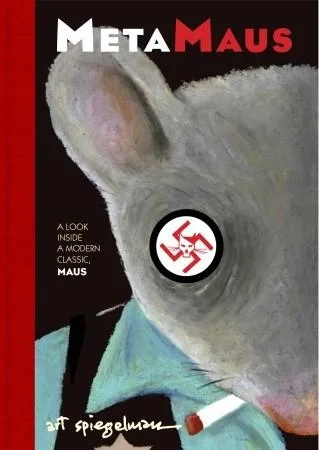
MetaMaus (2011)
MetaMaus is a 2011 cartoonists book written by Art Spiegelman.
Twenty-five years after Maus, Art Spiegelman turns back to look at how he made it. Built around a long interview with scholar Hillary Chute, MetaMaus works through the three questions the book keeps drawing: why the Holocaust, why mice, why comics. Spiegelman opens his archive of sketches, family photographs, rejection letters, and taped conversations with his survivor father Vladek, and reflects on turning that testimony into a work drawn with animals. Part memoir, part craft study, part act of remembrance, it reads as a companion to the classic and a serious book on the creative process in its own right.
Similar books
Explore MetaMaus guides
A few thoughts on MetaMaus
Readers should sit with Barefoot Gen, Keiji Nakazawa's comic that channels his own survival of Hiroshima into drawn testimony, the same act of turning atrocity into ink. Claude Lanzmann's documentary Shoah gathers survivor and witness voices with the patience Art Spiegelman brings to his father's tapes.
True accounts of surviving history's cruelest regimes
MetaMaus circles back to the tape-recorded conversations behind Maus, Vladek Spiegelman's account of surviving Auschwitz and the guilt his son carried in retelling it. Shoah gathers that same firsthand testimony on camera, while Fear No Evil and Refugee follow people who lived through the Gulag and Nazi-era flight. Barefoot Gen and Persepolis do it in the same drawn panels Spiegelman used, memory rendered by the hand that survived it.