

Most games want your attention for an evening. A Bethesda game wants your winter. You start with a single character and a distant objective, and then a road forks, a ruin glows on the horizon, a stranger asks for help, and six hours later you are somewhere the main quest never mentioned, doing something the designers only half-anticipated. That feeling, of a world that keeps going whether you follow the plot or not, is the thing Bethesda Game Studios has chased better than almost anyone.
Out of a small Maryland team came two of the biggest role-playing franchises in the medium: The Elder Scrolls, high fantasy with an obsessive sense of place, and Fallout, a blackly funny irradiated America. Then came Starfield, the same philosophy pointed at a thousand planets. This is the map of it, series by series.
The Elder Scrolls
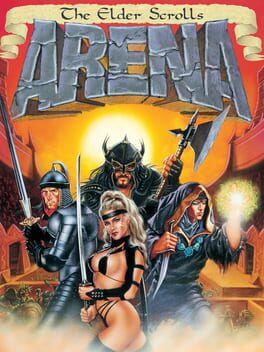
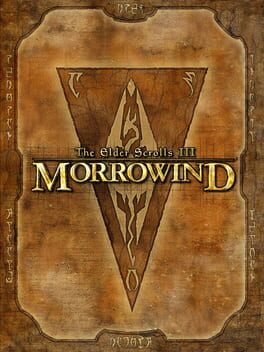
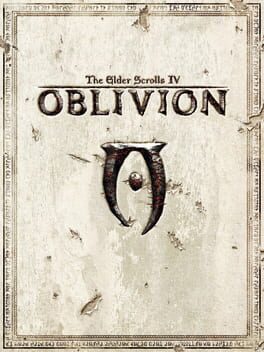
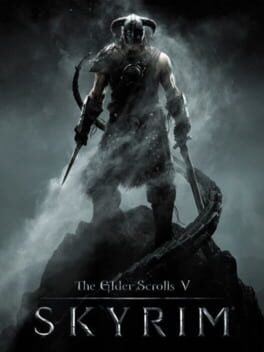
Tamriel, from the ash of Morrowind to the peaks of Skyrim

From high fantasy to the wasteland
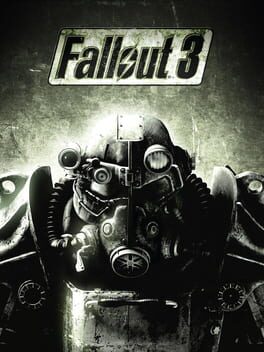
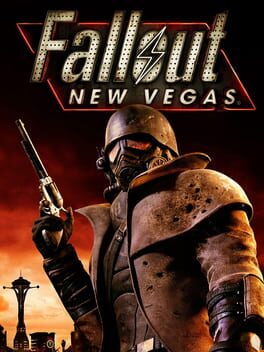
When Bethesda took over Fallout, a series born as an isometric tactical RPG, plenty of fans expected a betrayal. Instead the studio did the thing it does best: it built a world you could stand inside. Fallout 3 dropped you out of an underground vault into a ruined Washington, D.C., and let the retro-futuristic nightmare unfold at walking pace. The formula was pure Bethesda, first-person exploration and open-ended quests, but the tone was its own, a mordant, jukebox-scored joke about the end of everything.
Fallout
Vault doors, ghouls and the ruins of the American dream


Starfield
The Bethesda formula pointed at the stars

The face of Bethesda
The director whose name has fronted the studio's biggest worlds for two decades. Follow him to his full catalogue.
A short history of Bethesda Game Studios
- 2002The Elder Scrolls III: Morrowind arrives, an alien fantasy island that rewards patience and pays off exploration.
- 2006The Elder Scrolls IV: Oblivion brings fully voiced characters and a lush, storybook Tamriel to a new console generation.
- 2008Fallout 3 reinvents the post-apocalyptic series as a first-person open world in the ruins of Washington, D.C.
- 2011The Elder Scrolls V: Skyrim launches and becomes one of the most-played and most-ported RPGs ever made.
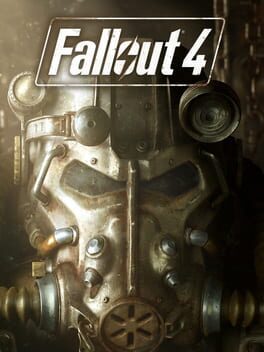
- 2015Fallout 4 adds settlement building and sharper combat to the wasteland formula.
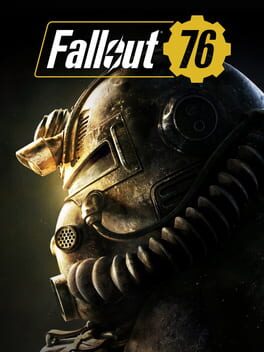
- 2018Fallout 76 takes the world online, launches rough, and is rebuilt over years into a game its community stays with.
- 2023Starfield opens Bethesda's first new universe in decades, a hand-built frontier of ships and a thousand planets.
More modern studios
Every studio in the series. More on the way.
Most games want your attention for an evening. A Bethesda game wants your winter.
In the magazine
Which Elder Scrolls Should You Play?
Oblivion Remastered reaches Nintendo Switch 2 this Tuesday with every expansion attached, which makes a twenty-year-old ranking fight suddenly practical.
Read the story →Frequently asked
What is Bethesda Game Studios best known for?
The two open-world role-playing franchises The Elder Scrolls and Fallout, plus the space RPG Starfield. Its signature is the huge, systemic sandbox you can explore in almost any order, from the fantasy world of Skyrim to the irradiated America of Fallout 3.
Is Bethesda the same studio that made Fallout from the start?
No. Fallout began as an isometric tactical RPG from Interplay and Black Isle Studios. Bethesda later acquired the series and reinvented it as a first-person open world starting with Fallout 3 in 2008, while keeping the setting's dark humour and retro-futuristic style.
Which Bethesda game should I start with?
Skyrim is the easiest way in: it is the most accessible Elder Scrolls game and available on almost every platform. If you prefer the post-apocalyptic tone, Fallout 4 is the smoothest starting point, and Fallout 3 is the studio's classic take on the wasteland.
Who is Todd Howard?
Todd Howard is the game director and executive producer who has led Bethesda Game Studios' biggest projects for two decades, including Morrowind, Oblivion, Skyrim, the Fallout games and Starfield. He is the public face most associated with the studio's open-world design.