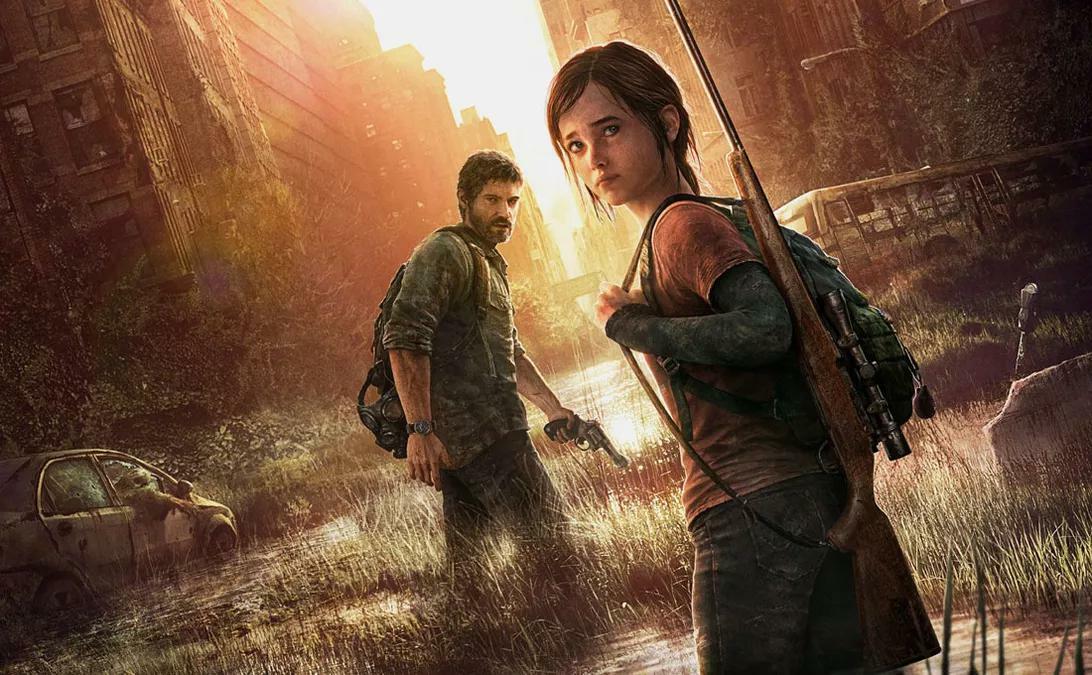

From the page to the pulse
Stephen King published Cell in January 2006, just as mobile phones were cementing themselves as permanent fixtures of daily life. The novel imagines a single catastrophic moment: a signal broadcast over the cellular network (King calls it the Pulse) instantly lobotomises every person who hears it through a phone, reducing them to savage, flocking creatures. Graphic artist Clay Riddell is one of the handful spared, and the story follows his journey through a New England that has become an open-air asylum.
King has said the book grew from his own ambivalence about the always-connected world, and from watching strangers walk through cities with phones pressed to their ears, oblivious to everything around them. The horror is baked into the metaphor: the device that connects you is the thing that destroys you.
The novel was optioned quickly, but the film adaptation had a notoriously long and troubled journey, spending nearly a decade in development before finally arriving in 2016. The screen version reunited two actors who had shared a King adaptation before: John Cusack and Samuel L. Jackson, who had starred together in 1408. Beyond that one film, Cell has remained largely a literary property, its ideas migrating culturally into a wave of zombie and post-apocalyptic narratives rather than into direct sequels or spinoffs. The book stands alone.
Cell across the years
The novel is the only version worth your time
King's Cell works as a novel because it can live inside Clay's dread. The prose earns the apocalypse slowly, moving from a single chaotic afternoon on a Boston street to a cross-country reckoning with what humanity has become. The 2016 film, despite capable leads, was shot cheaply and quickly and never found a tone. Critics savaged it. It went straight to VOD. The book is the real thing.

The film has one good half-hour
The 2016 Cell is not entirely the disaster its reputation suggests. Cusack and Jackson bring genuine history between them, and the opening airport sequence delivers as effective a set piece as you will find in straight-to-VOD horror from that era. The film collapses in its third act, and the ending (changed from King's deliberately ambiguous novel conclusion) satisfies nobody. See it once if you love the book, then never again.
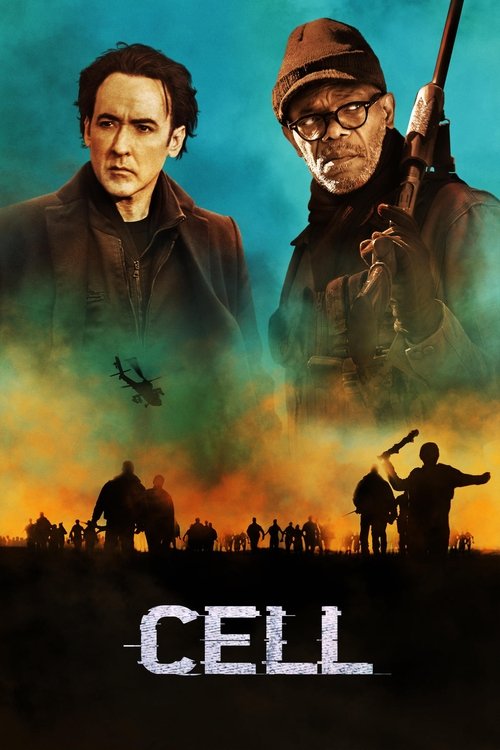
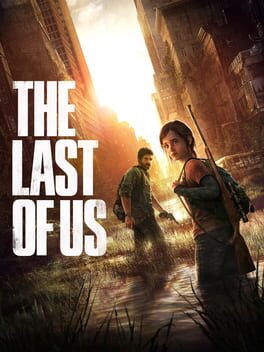
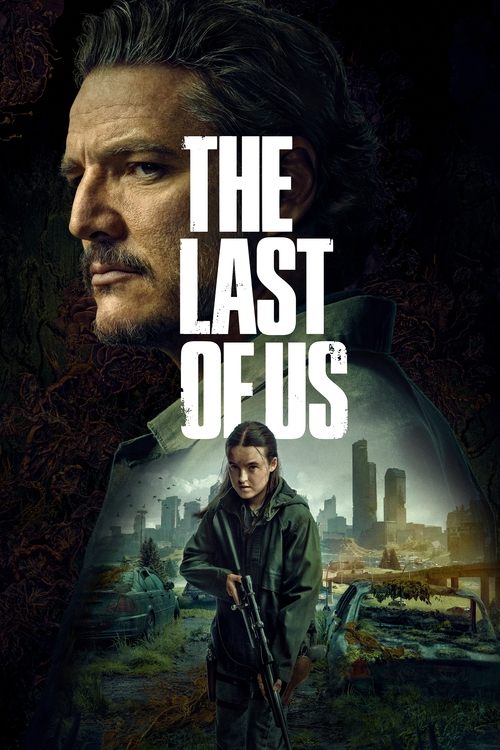
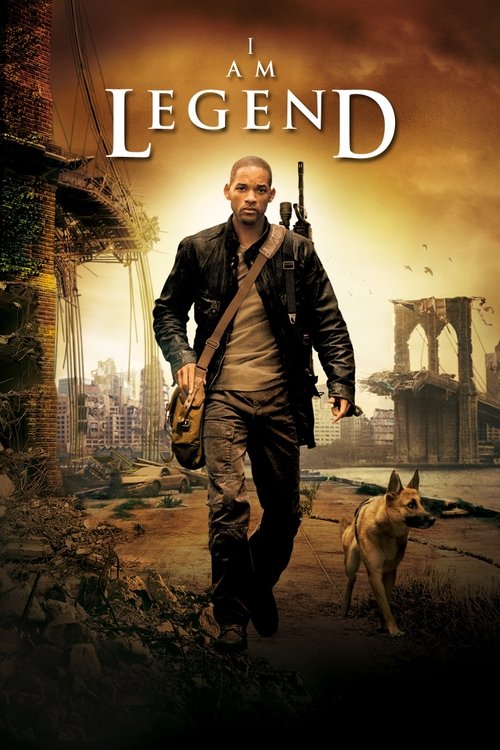
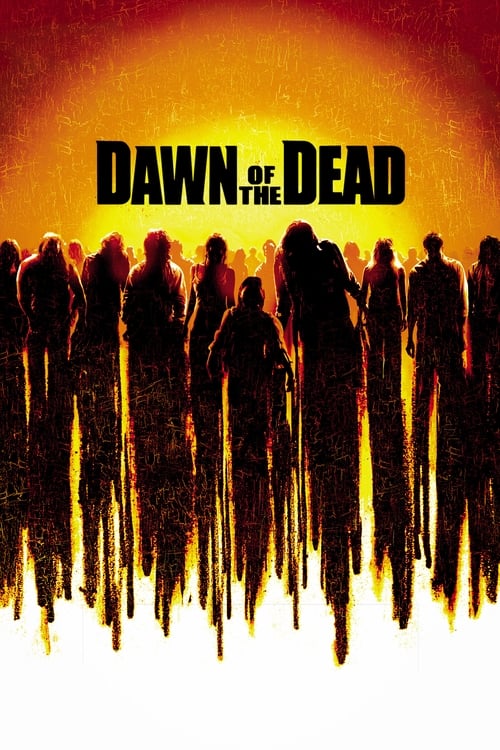
If you love Cell: the zombie apocalypse shelf
Stories about civilization collapsing overnight and the survivors who keep walking
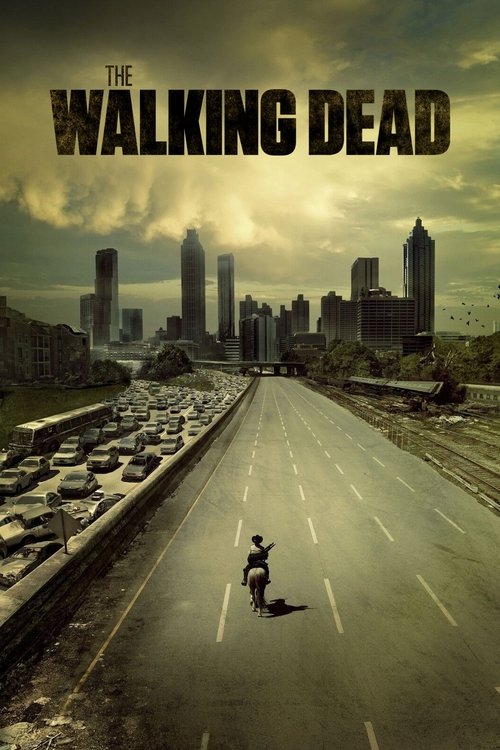
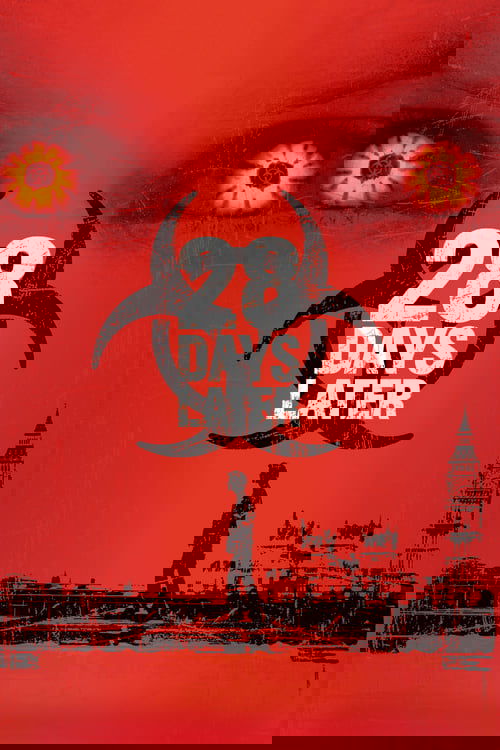




If you love Cell: technology as the destroyer
Horror and thriller stories where the tools of modern life become the source of catastrophe


If you love Cell: Stephen King's other catastrophes
King has ended the world several times; here is where else he left survivors standing in the rubble

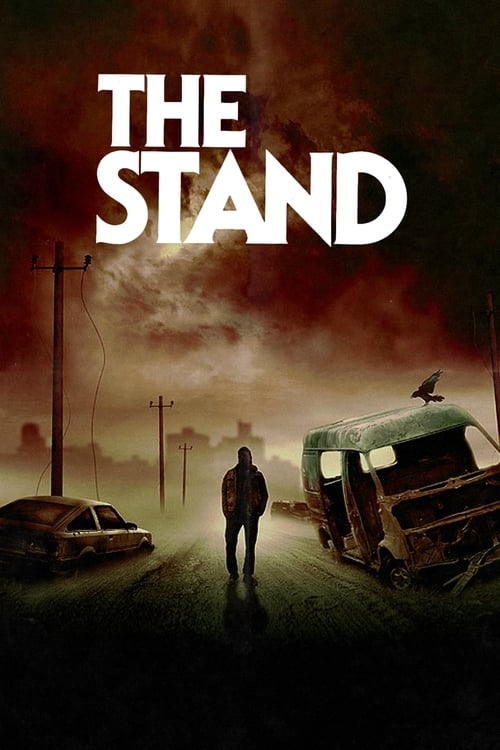
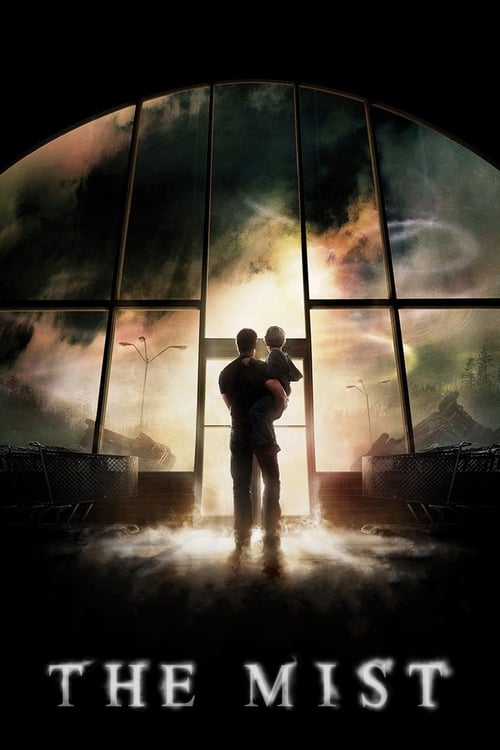
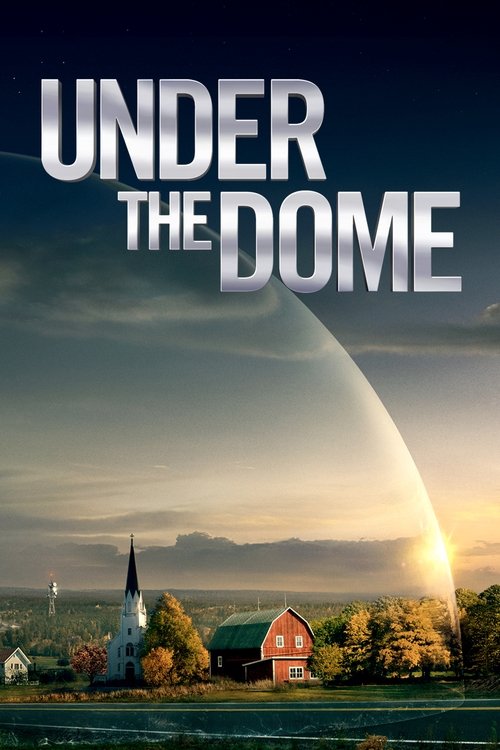
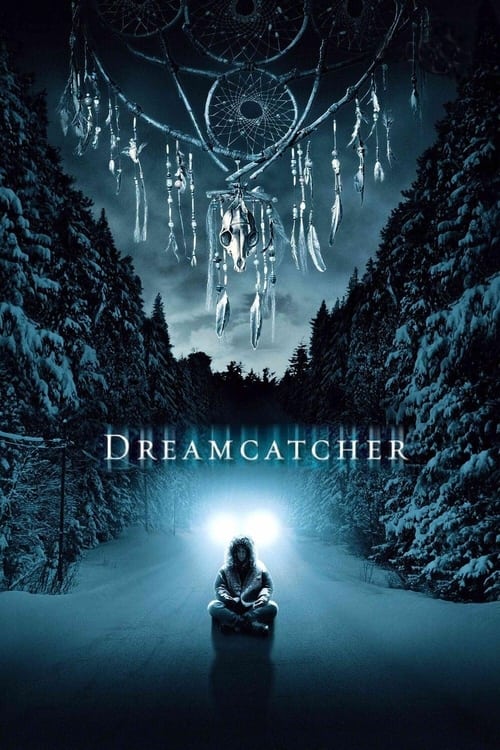

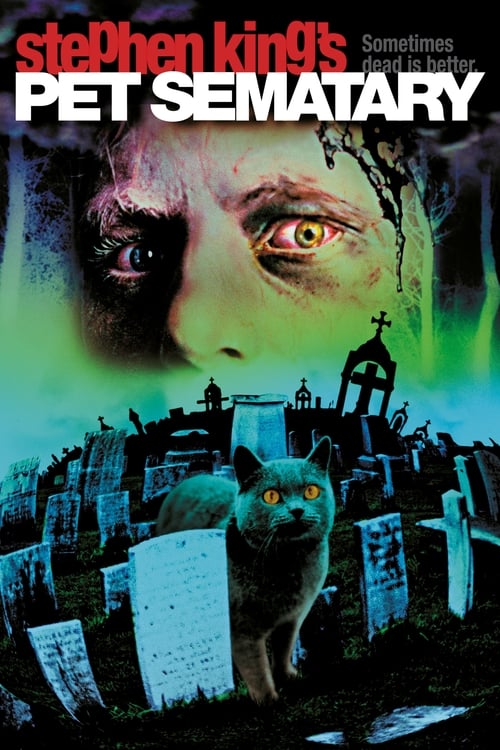
More Stephen King, More Apocalyptic Dread
For Fans of Stephen King
Explore the For Fans of Stephen King guide →The Pulse came out of every telephone in the world at the same time. It came out of cell phones, iPhones, Blackberries, and regular phones. Payphones, too.Stephen King, Cell (2006)