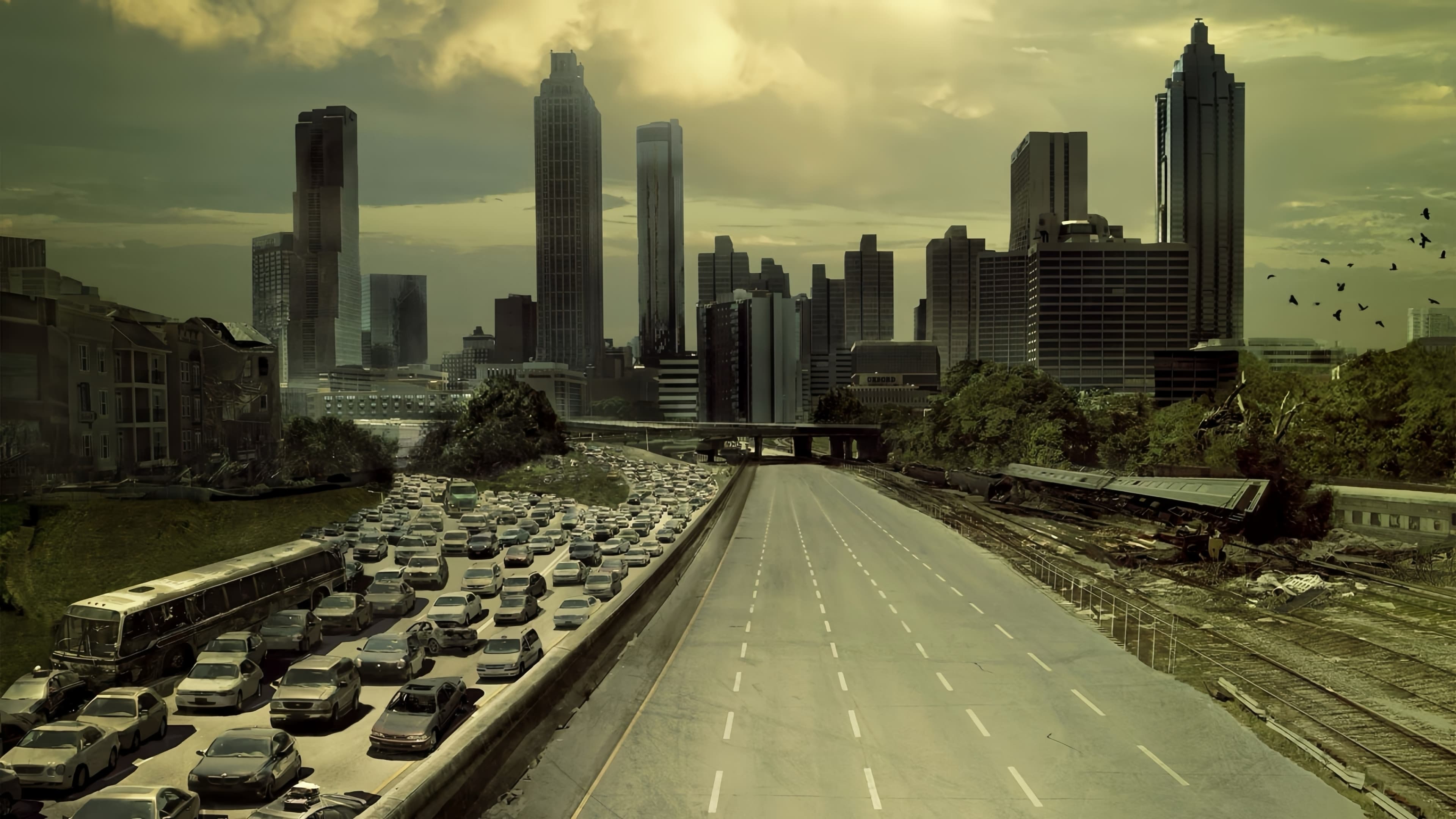

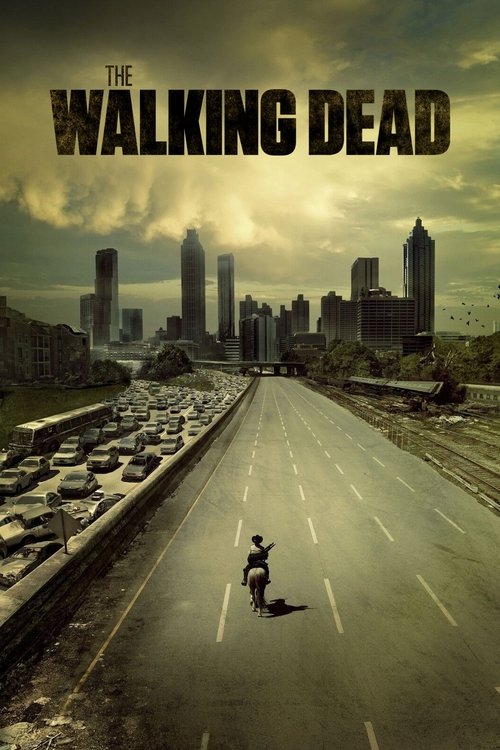
The Walking Dead premiered in 2010 on a single image: a sheriff's deputy on horseback riding into a dead Atlanta, surrounded by silence. That image set the contract with its audience. The zombies (never called that on screen) are atmosphere, not antagonists. The real drama lives in the spaces between survivors: the prison council, the Governor's forced community, Negan's tribute economy, the Commonwealth's class hierarchy. Robert Kirkman's comic had been making this argument since 2003, and the AMC adaptation stretched it across twelve seasons, two spin-off series, and a franchise that kept reinventing its own terms. If you responded to the show's specific pull, the combination of pastoral dread, community collapse, and characters who stay morally legible even at their worst, here is where to go next.
Essential The Walking Dead
The core series and its direct extensions, in viewing order
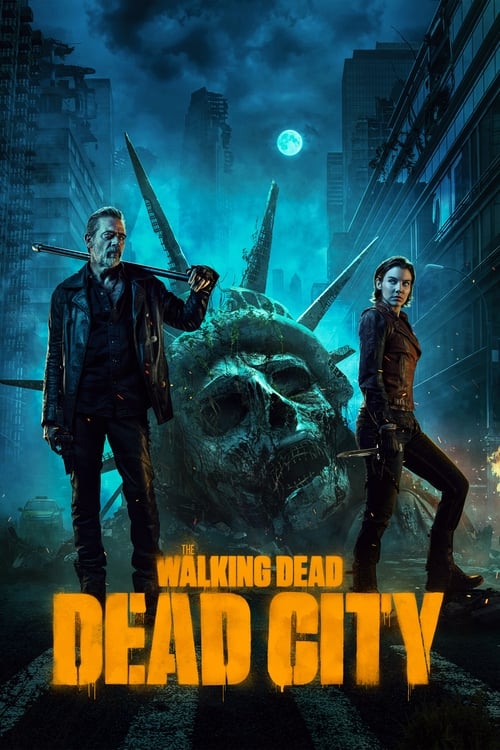
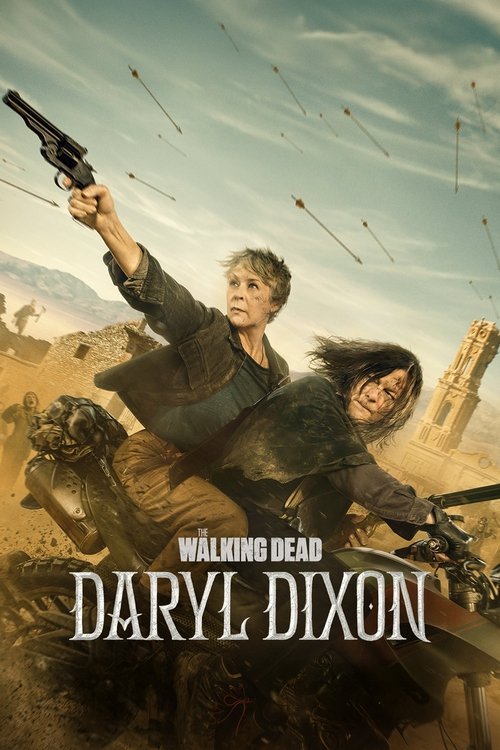
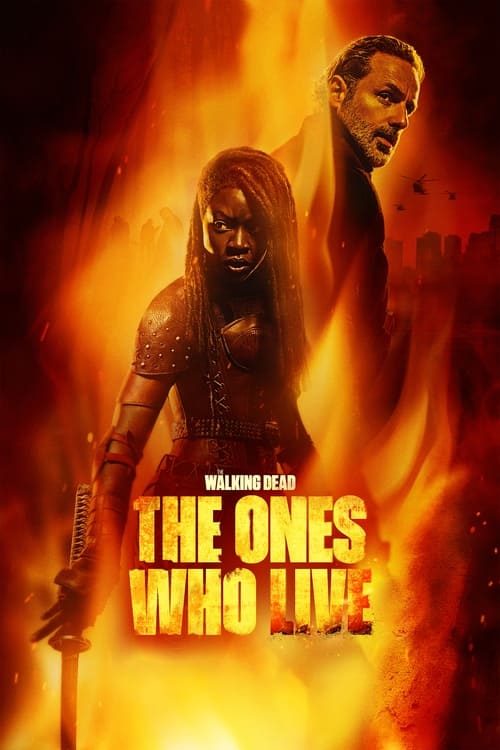
Survivors on Television
Series that share the show's DNA: small groups, fractured communities, the ethics of staying alive
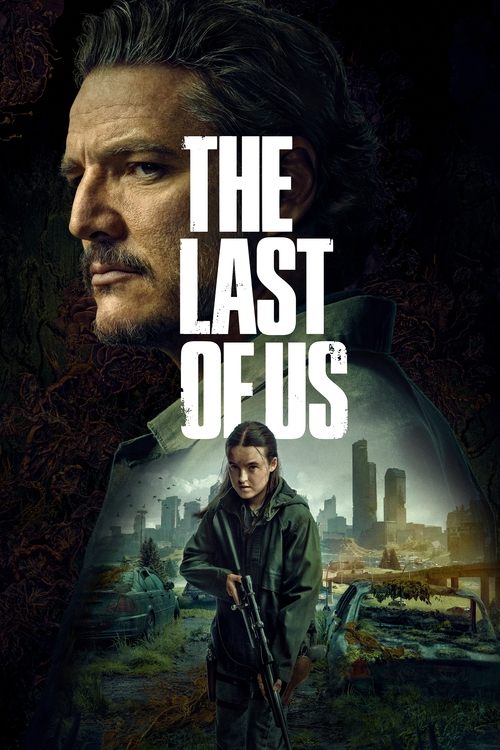
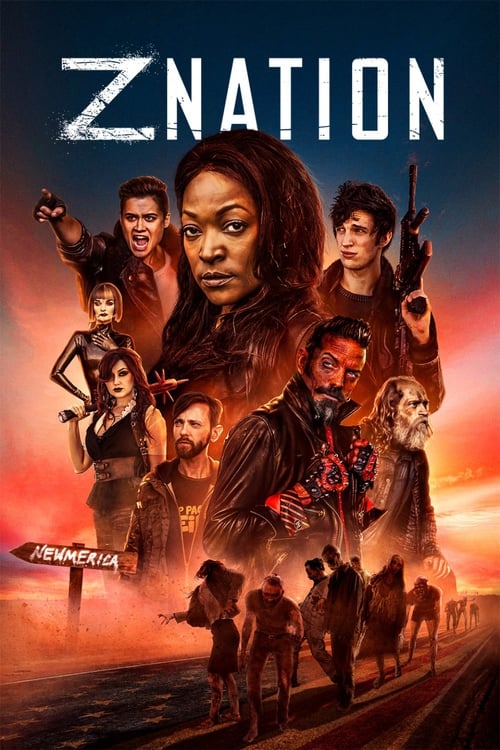
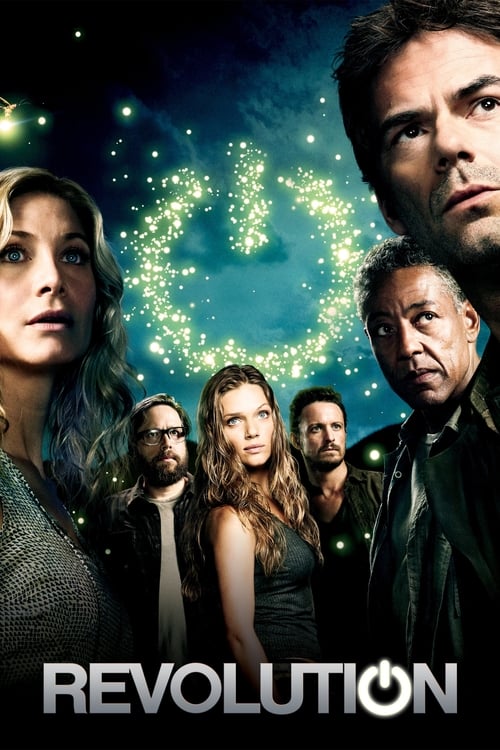
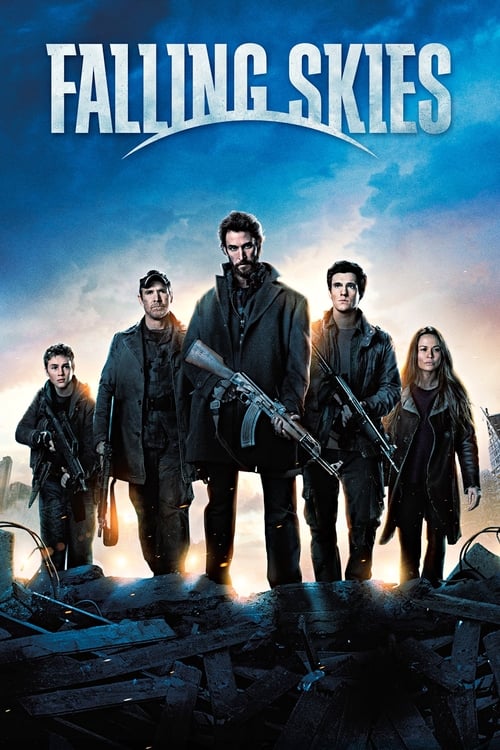
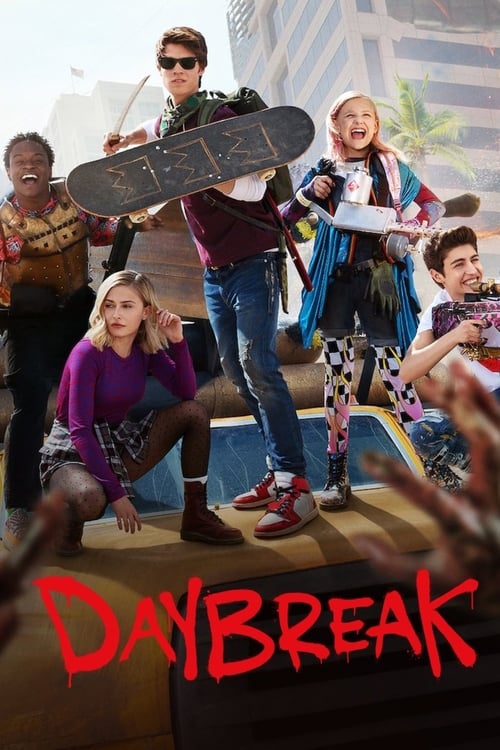
The Apocalypse on Screen
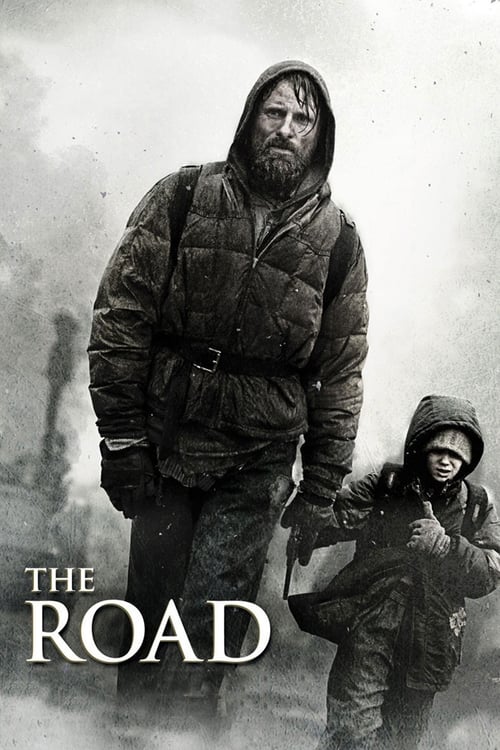
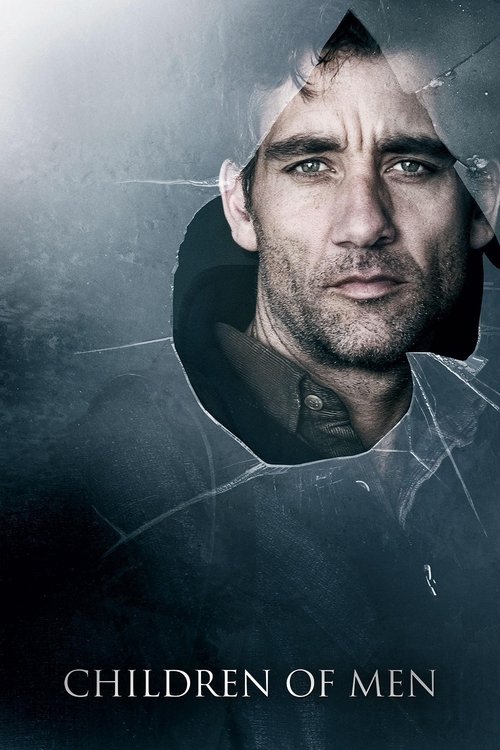
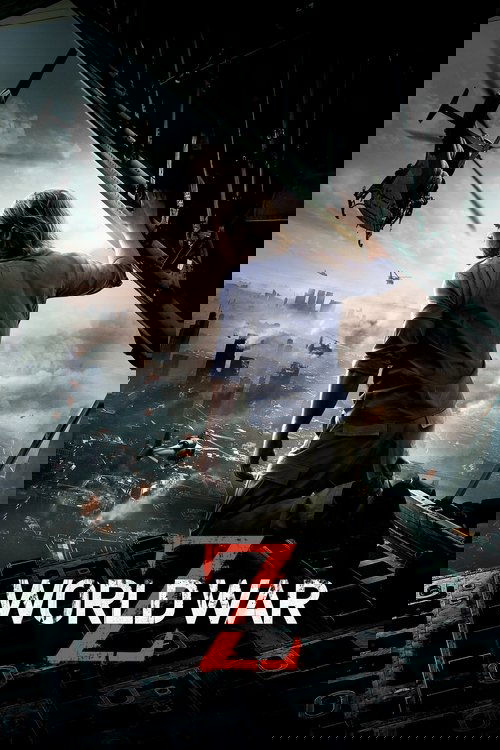
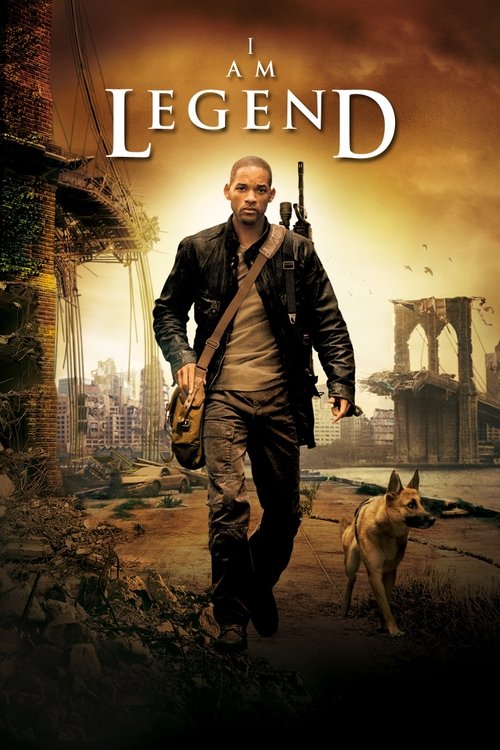
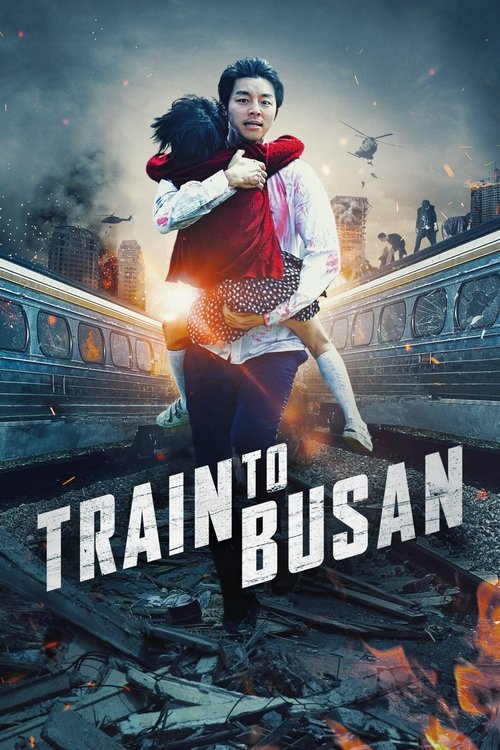
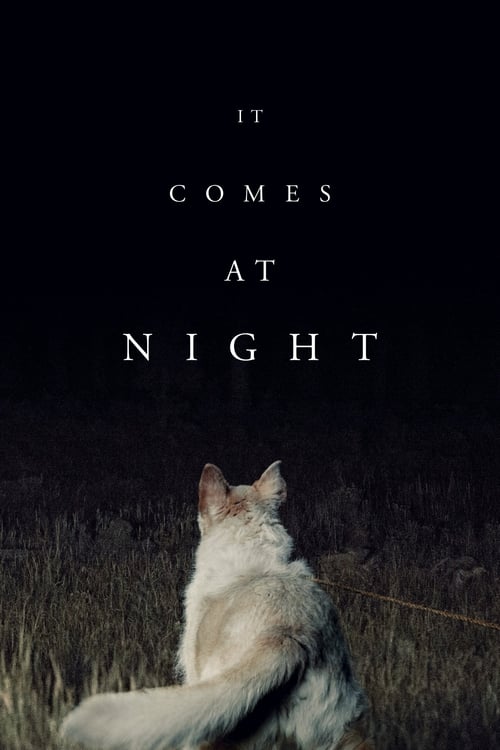
Films that capture the same slow dread, moral weight, and landscape-as-character

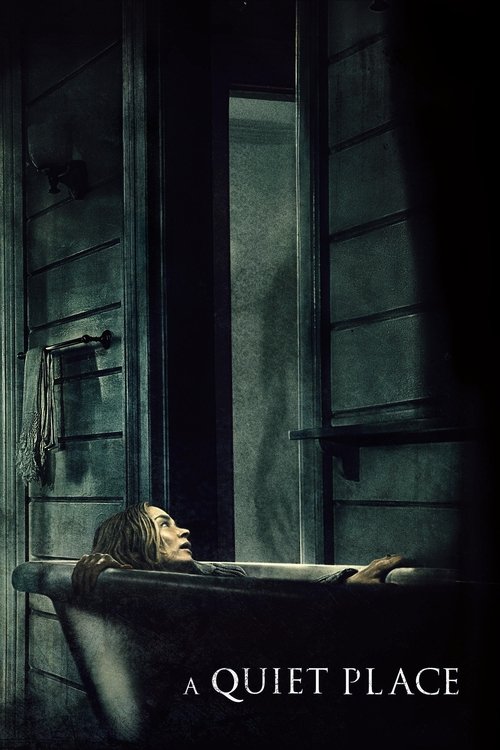

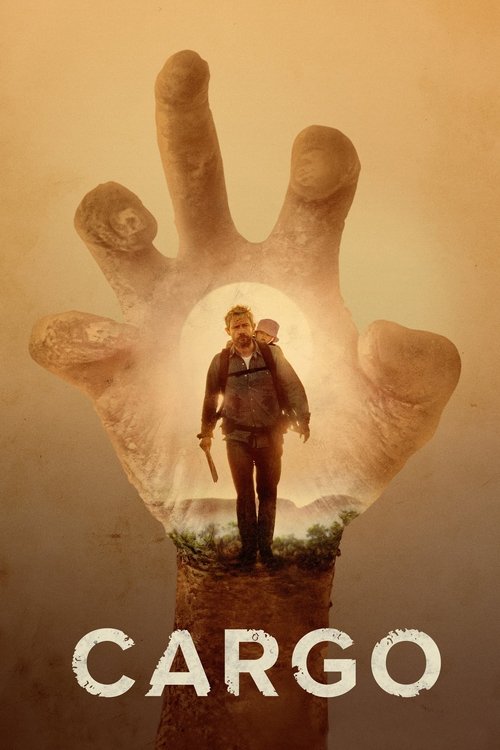
Play the End of the World
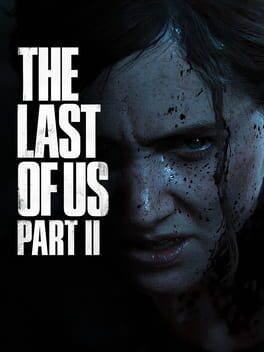
Games where survival, community, and impossible choices are the whole point
The Books That Built the Genre
Novels and comics that mapped collapse, community, and the human cost of surviving


The Governor Was Right (Sort of)
Every major villain in The Walking Dead builds a version of order and then corrupts it. The Governor at Woodbury, Negan at the Sanctuary, the Commonwealth's Milton, each of them is less a monster and more a warning: order maintained by violence is still violence. The show is at its best when it refuses to let Rick's group off the same hook. Terminus was founded by survivors, too. The hardest question is not whether to build walls. It is who decides the rules inside them.
Kirkman's Comic Was a Different Beast
Robert Kirkman ran The Walking Dead comic for 193 issues and ended it in 2019 with a decision that would have been unimaginable on television: a sudden, off-panel death for the protagonist, followed by a time-skip into a rebuilt society. The comic is harsher, faster, and less interested in redemption arcs than the show. Characters who survived seasons on AMC were killed in their first few pages of the source material. Reading Kirkman alongside the adaptation is one of the more interesting case studies in how the same premise generates genuinely different art depending on the form it lives in.
Telltale's Lee and Clementine Are the Emotional Peak of the Franchise
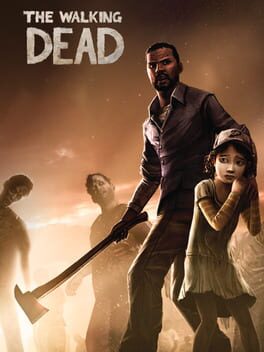
Telltale's The Walking Dead (2012) arrived in the same year the AMC show found its footing, and it did something the show could not: it made the player the parent. Lee Everett is not a hero and not a villain. He is a man with a past making impossible calls for a child named Clementine. The first season's final sequence remains one of the most affecting endings in the history of the medium, not because of what happens but because of what the game spent five episodes making you feel about two people. Season 2, which flips the dynamic and plays as Clementine, pushes the argument further. These are not action games. They are grief machines built in episode format.
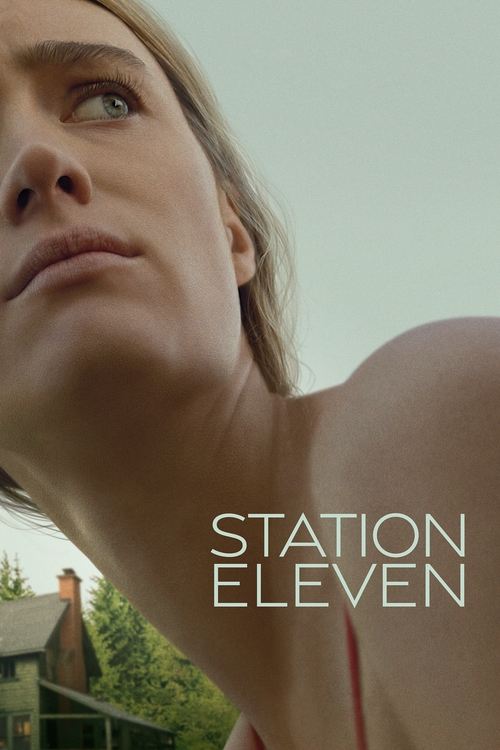
Station Eleven Is What TWD Would Be If It Trusted the Quiet
Station Eleven (2021, HBO Max) adapts Emily St. John Mandel's novel about a Shakespearean theater company traveling a post-flu Great Lakes region twenty years after civilization collapsed. It shares Walking Dead's premise: a scattered group of survivors, a destroyed world, communities forming in the rubble. It takes that premise somewhere TWD rarely went: toward beauty, memory, and the question of what art is for when everyone is gone. The two series are a useful double feature, one exploring what people will kill for, the other exploring what they will carry.
How the Dead Took Over
- 1968George Romero's Night of the Living Dead establishes the modern zombie as a social metaphor, not a horror creature Night of the Living Dead
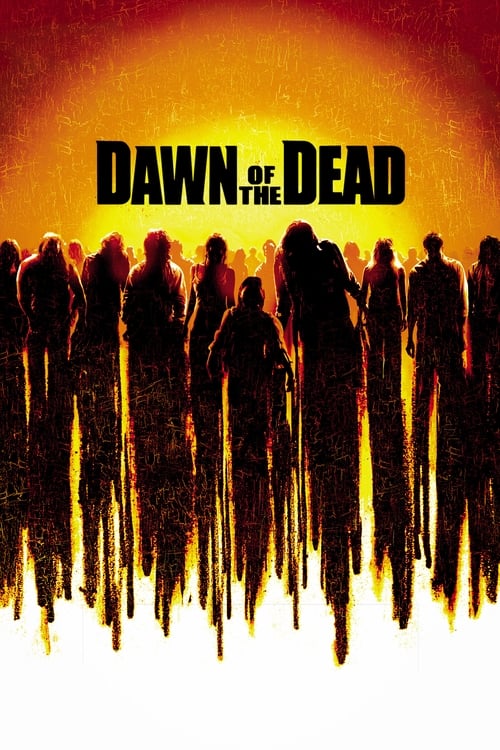
- 1978Dawn of the Dead moves the action to a shopping mall and sharpens the consumerism critique that Romero had been building Dawn of the Dead
- 1954Richard Matheson publishes I Am Legend, the novel that sets the template for the lone-survivor-in-an-empty-world story I am Legend
- 2003Robert Kirkman and Tony Moore launch The Walking Dead comic with issue one; the series would run uninterrupted for 193 issues
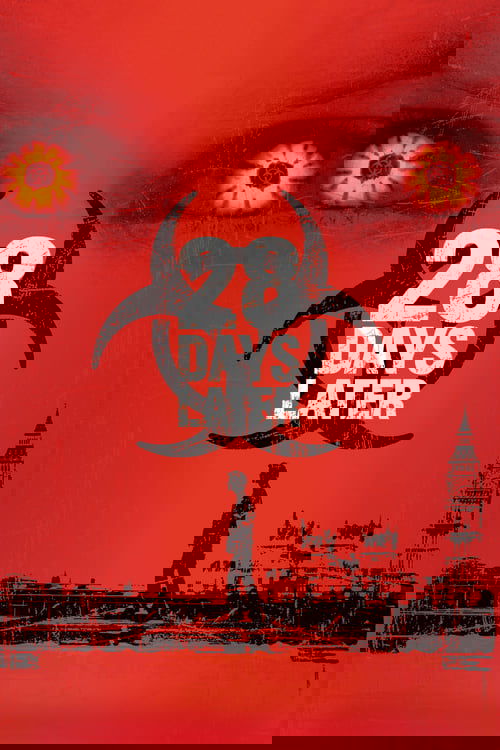
- 200228 Days Later arrives in UK cinemas and reintroduces rage-infected speed to the genre; the slow walker becomes optional again 28 Days Later
- 2006Max Brooks publishes World War Z as an oral history of a zombie war; its bureaucratic and geopolitical scope is unlike anything before it
- 2010The Walking Dead premieres on AMC with Frank Darabont directing the pilot; six million viewers for the first episode The Walking Dead
- 2012Telltale's The Walking Dead game wins Game of the Year at multiple outlets, pushing the zombie genre firmly into interactive drama The Walking Dead
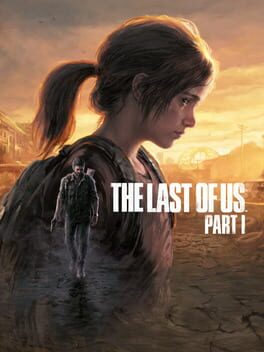
- 2013The Last of Us releases on PS3 and reframes the post-apocalypse as a story about a specific relationship, raising the bar for the genre in games The Last of Us Part I
- 2014Emily St. John Mandel publishes Station Eleven; it wins the Arthur C. Clarke Award and shows literary fiction could take the premise seriously Station Eleven
- 2022The final season of The Walking Dead concludes after twelve years; the franchise immediately splinters into multiple concurrent spin-offs The Walking Dead
- 2023The Last of Us series on HBO becomes the highest-rated video game adaptation ever made, bringing the post-apocalyptic drama format to a new peak The Last of Us
Zombies and life after the end
Zombies
Explore the Zombies guide →We are the walking dead.Rick Grimes, The Walking Dead Vol. 24