
Where It Began
Creepshow did not begin with a script. It began with a trash can.
In 1982, Stephen King and George Romero made a film as a direct tribute to the EC Comics horror anthologies their parents had tried to throw away: Tales from the Crypt, The Vault of Horror, The Haunt of Fear. Those comics, published by William Gaines through the early 1950s, were famously lurid, moralistic in a ghoulish way, and so disturbing to the U.S. Senate that a 1954 crackdown effectively killed them. Both King and Romero grew up sneaking them.
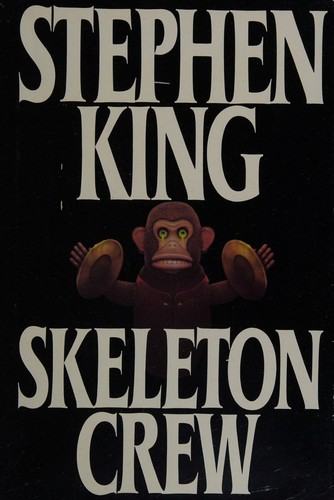
The 1982 film gave the EC format a literary spine. King wrote the screenplay, adapting several of his own short stories (from Night Shift and Skeleton Crew) plus one original piece, and Romero directed the whole thing with exactly the garish color palette and arch tone the comics had. The framing device, a boy whose father throws out his horror comic, made the tribute explicit. Berni Wrightson, the artist behind the original Swamp Thing, drew the animated comic panels that stitched segments together and illustrated the official tie-in graphic novel released the same year.
From there the property scattered: a sequel with diminishing returns, a decade-long silence, a dismal direct-to-video installment, and then a genuine second life on Shudder starting in 2019, where the anthology format keeps expanding with new writers and directors paying their own respects to the same EC tradition.
Every Version of Creepshow
The original film, its sequels, the TV revival, the Wrightson graphic novel, and the EC comics and King stories that fed it
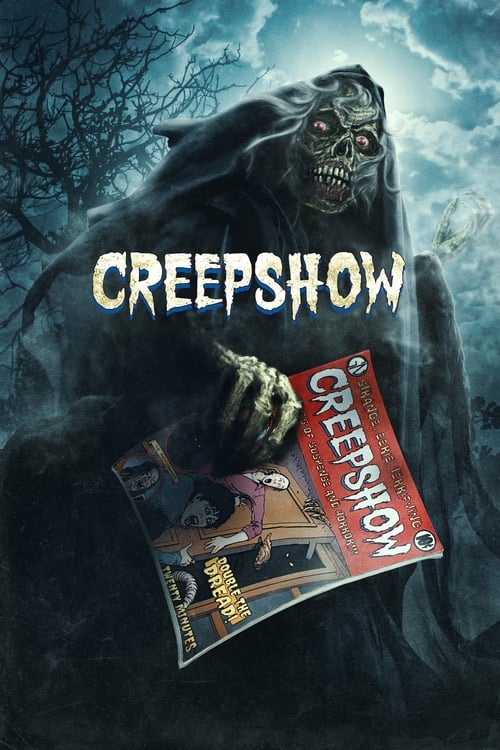


Creepshow Through the Decades
- 1950EC Comics publishes Tales from the Crypt, the direct inspiration for the whole franchise
- 1954U.S. Senate hearings lead to the Comics Code, effectively killing EC's horror line
- 1978Stephen King publishes Night Shift, collecting short stories that would feed the film
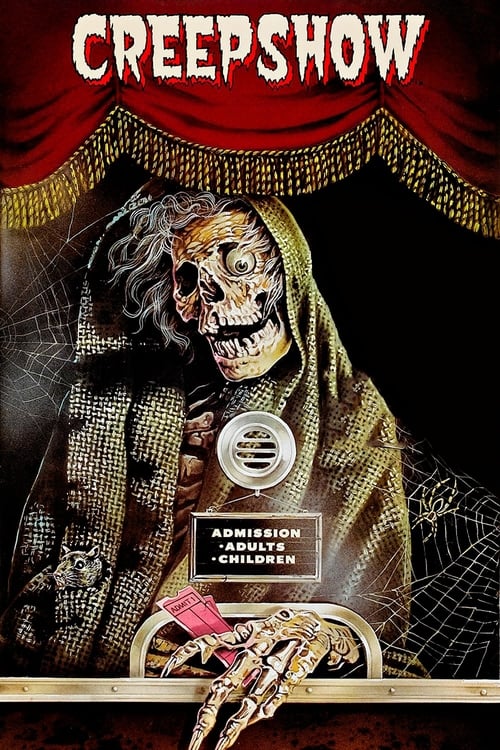
- 1982Creepshow, the original film, written by King, directed by Romero
- 1982Berni Wrightson illustrates the official Creepshow graphic novel tie-in
- 1985Stephen King publishes Skeleton Crew, source for further Creepshow material
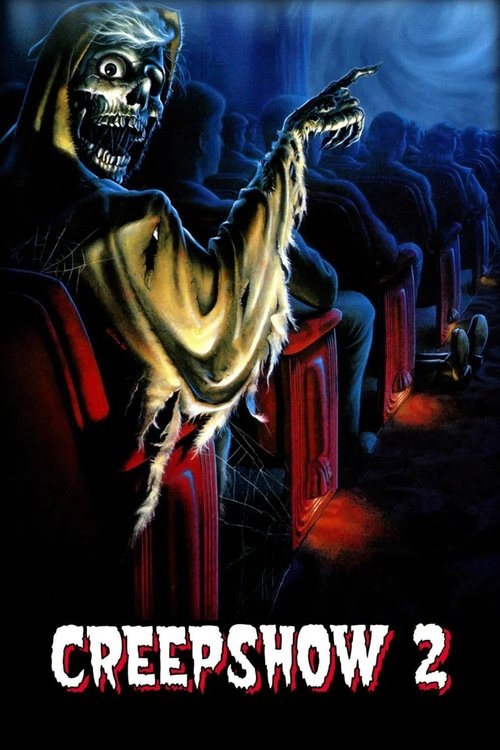
- 1987Creepshow 2, three-segment sequel, screenplay by Romero
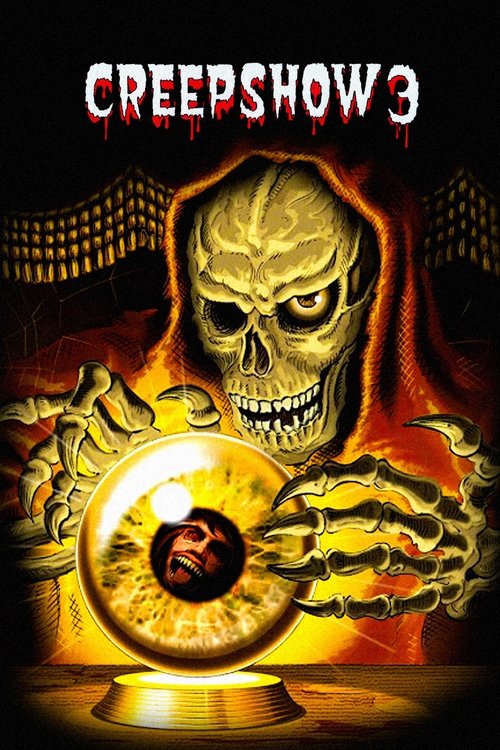
- 2006Creepshow 3, direct-to-video, made without King or Romero
- 2019Creepshow TV series launches on Shudder, showrun by Greg Nicotero
- 2020Creepshow Season 2, expanded episode count
- 2021Creepshow Season 3
- 2023Creepshow Season 4
If You Love the Anthology Format
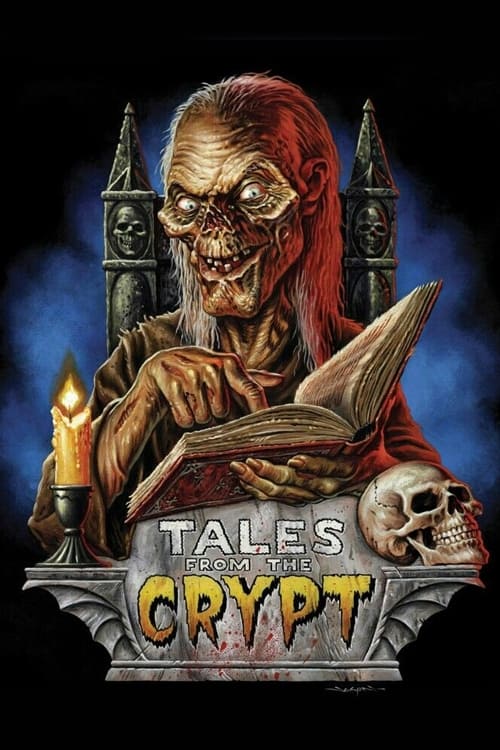
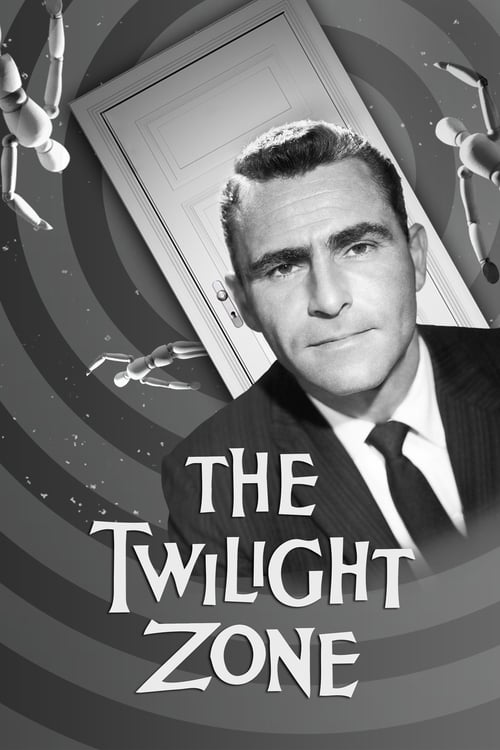
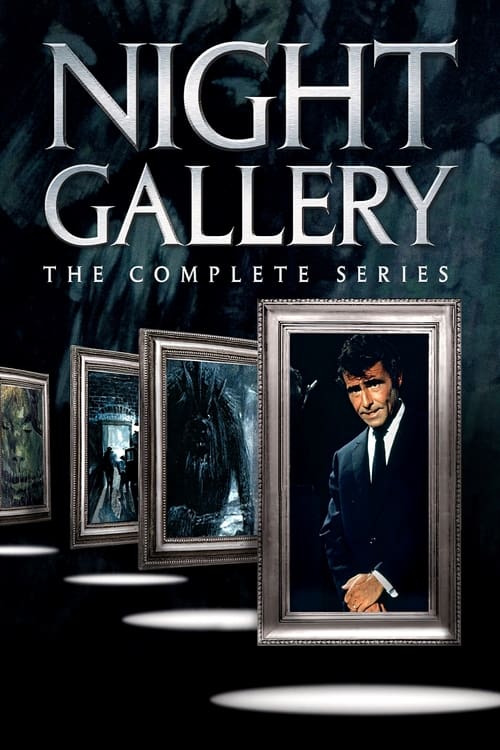
Horror omnibuses that share Creepshow's love of the short, punchy, morality-play structure
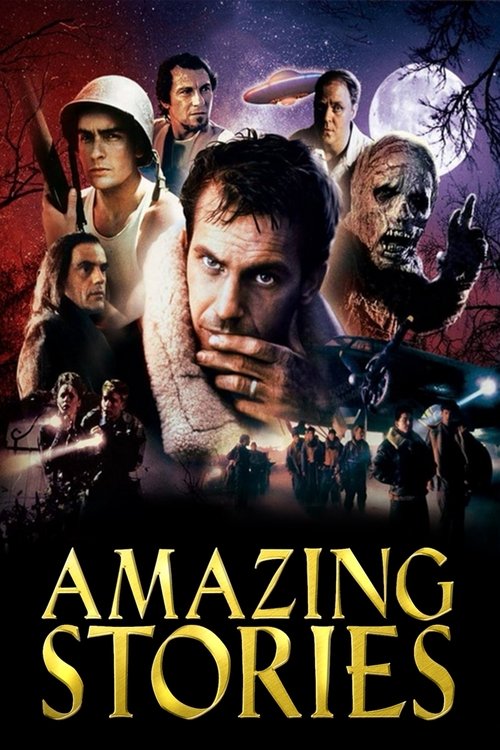
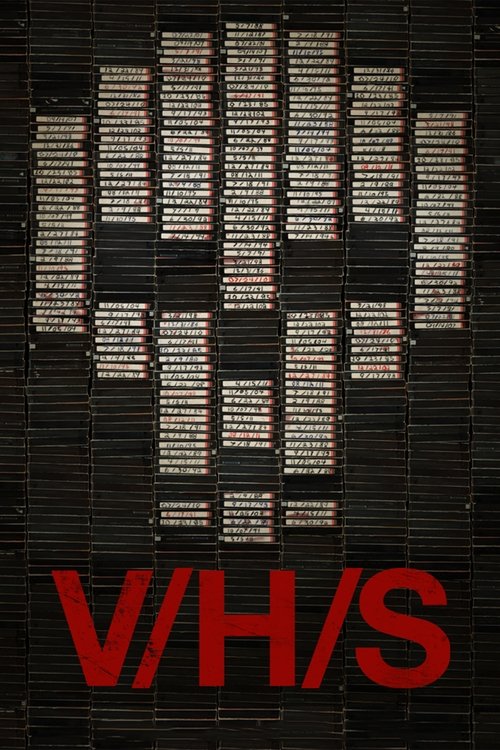
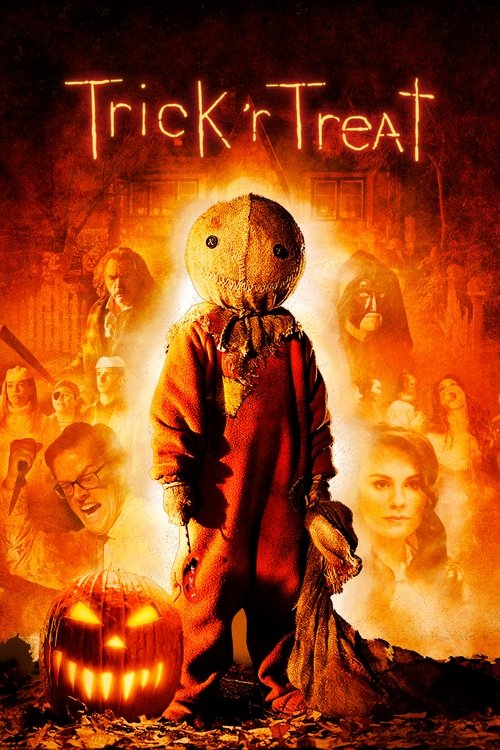
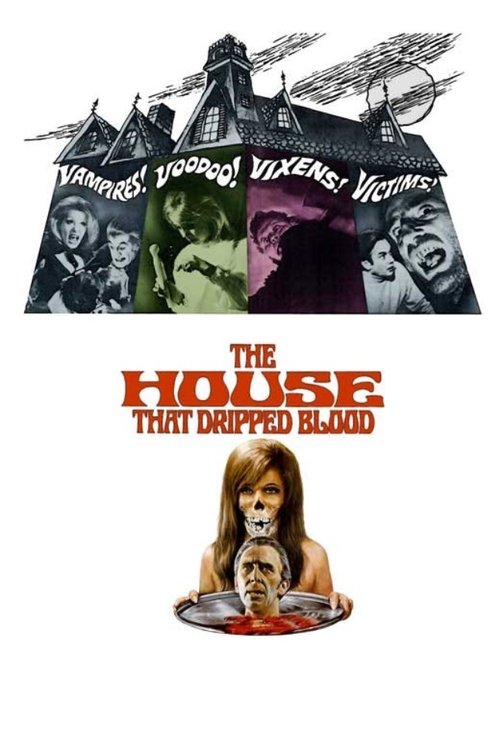

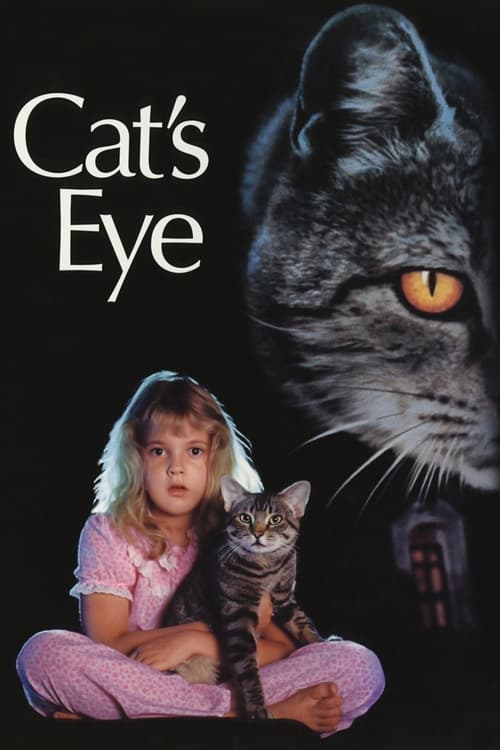
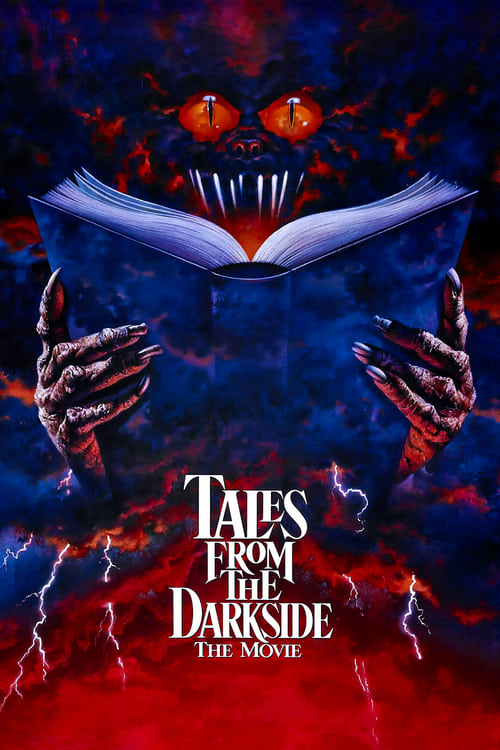
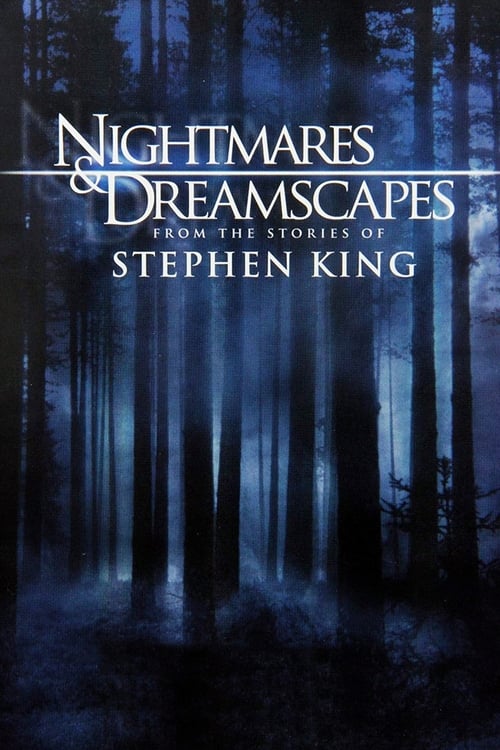
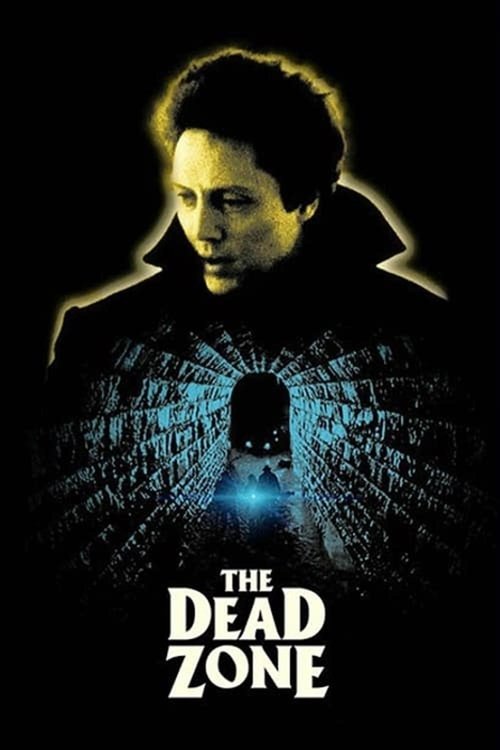
If You Love Romero and King Together
Stephen King adaptations and Romero films that share Creepshow's tone and era



If You Love the EC Comics World
Comic books, films, and TV that grew directly from or alongside the EC tradition

The Definitive Version: The 1982 Film
Nothing that came after has matched the original film's precise calibration of camp and dread. King's script understood the EC Comics formula: each story is a revenge fantasy or a punishment fable, the moral is blunt, and the killer irony lands like a punchline. Romero wraps it in frame-perfect widescreen compositions lit like a printed page. Tom Savini's practical effects hold up. The performances, from Hal Holbrook to Ted Danson to Stephen King himself, land at exactly the right pitch of theatrical excess. The framing story with the boy and the garbage can gives the whole thing a genuine emotional core about why horror fiction matters to kids whose parents want to protect them from it.
The Underrated One: Creepshow 2
Creepshow 2 has three segments instead of five, a smaller budget, and no Romero in the director's chair (Michael Gornick shot it; he was cinematographer on the first film). What it does have is "The Raft," one of the most effective Stephen King adaptations ever put on screen. A black oily mass in a lake picks off college kids one by one; the dread is slow, merciless, and genuinely upsetting. The segment goes somewhere the original film, for all its wit, never quite reached: real hopelessness. The other two segments are uneven, but the animated bookend sequences by Rick Catizone are charming, and the whole thing is more earnest than its reputation suggests.
The One to Skip: Creepshow 3
Creepshow 3 (2006) was made without the involvement of King, Romero, or anyone from the original productions, and it shows in every scene. The five segments have no thematic coherence, the production values are direct-to-video in the worst sense, and the script mistakes gross-out for wit. It is not campy fun in the way the original intended; it is just cheap. Even dedicated Creepshow fans routinely treat it as a separate entity with no real connection to the series. The Shudder TV revival effectively pretends it does not exist, which is the correct response.