
The anthology that came from everywhere
Love, Death & Robots does not have a single origin. It has dozens. The Netflix series, which premiered in 2019 and was created by Tim Miller and David Fincher, is an animated anthology in the tradition of Heavy Metal (1981), the adult animated magazine film that Miller and Fincher explicitly set out to reinvent. Many of the show's episodes are direct adaptations of published science fiction short stories, from writers including Alastair Reynolds, John Scalzi, Ken Liu, and Peter F. Hamilton. Others are original screenplays. Each episode arrives from a different animation studio, in a different visual style, and runs anywhere from five to twenty minutes.
The lineage goes back further than Heavy Metal. The stories the show adapts come from a tradition of literary science fiction anthologies, pulp magazines, and short story collections that stretches from the 1950s to the present. Love, Death & Robots is less a franchise than a pipeline: short fiction travels from the page to animated film, episode by episode, volume by volume. Volume 1 (2019) had 18 episodes. Volume 2 (2021) had 8. Volume 3 (2022) had 9.
The Show and Its Animated Ancestors
The Netflix series and the animated films that made it possible
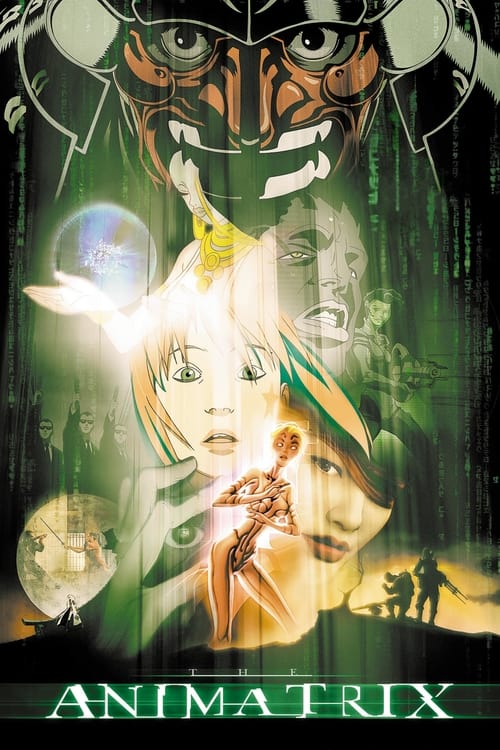
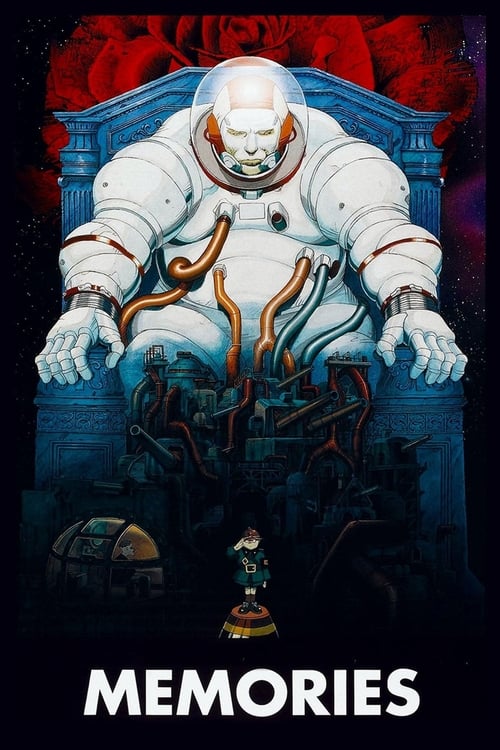
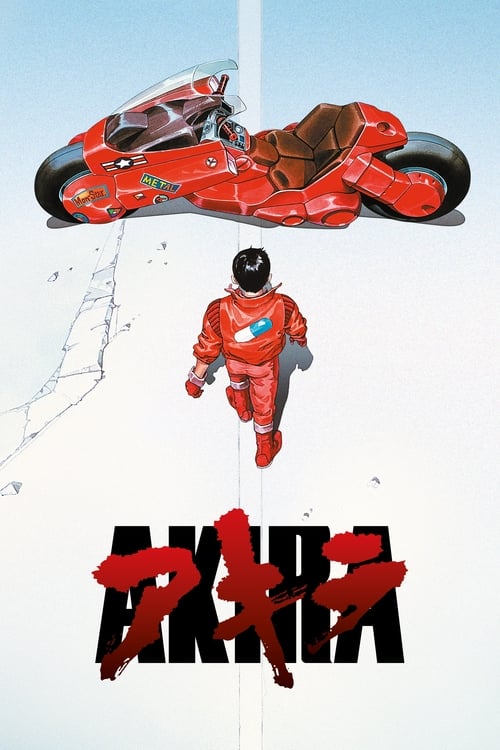
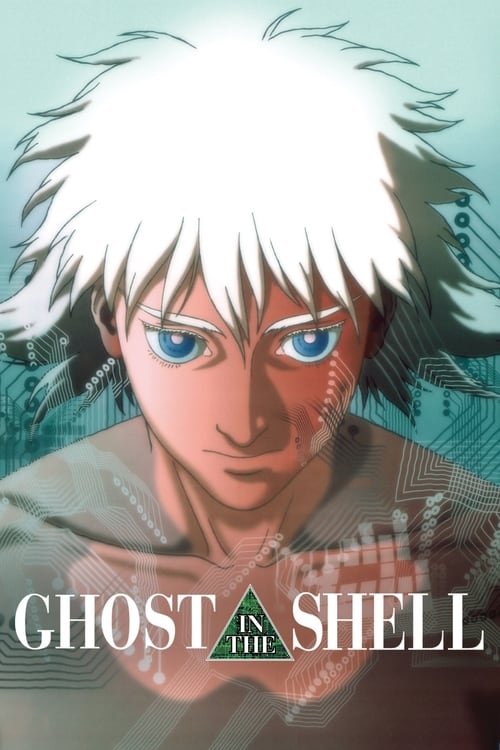
A Timeline of Love, Death & Robots
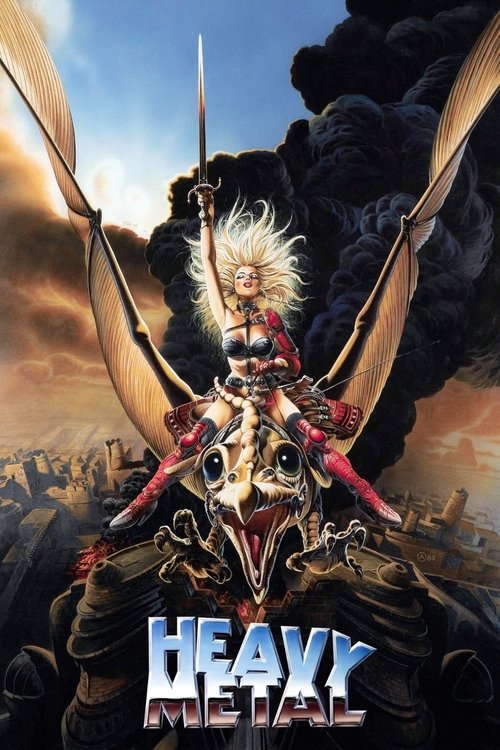
- 1981Heavy Metal released, the direct spiritual ancestor of the series Heavy Metal
- 2010Short fiction by Ted Chiang, Ken Liu, and Alastair Reynolds that would later be adapted as episodes appears across collections and magazines
- 2015Miller and Fincher begin developing the project as a Heavy Metal reboot; it eventually becomes its own series
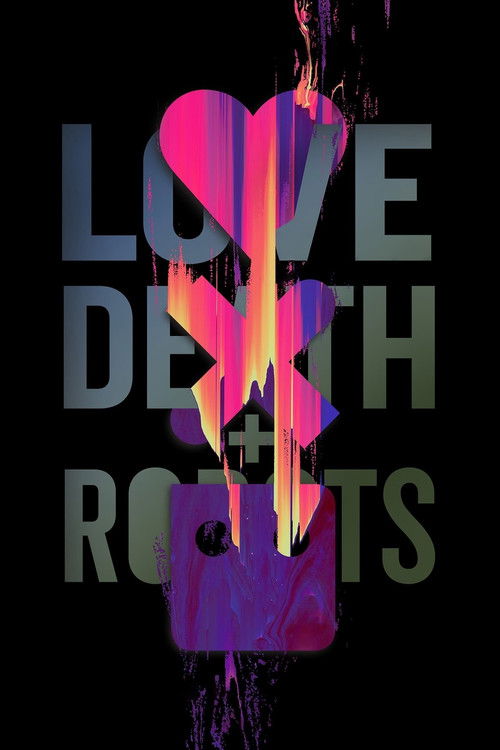
- 2019Love, Death & Robots Volume 1 (18 episodes) premieres on Netflix Love, Death & Robots
- 2021Volume 2 (8 episodes) premieres, including The Drowned Giant, adapted from J.G. Ballard's 1964 short story Love, Death & Robots
- 2022Volume 3 (9 episodes) premieres, including Jibaro and Night of the Mini Dead Love, Death & Robots
The definitive version: Volume 1, taken as a whole
Volume 1 is the most uneven and the most alive. Eighteen episodes, no consistent tone, no house style, no mercy for weak stomachs. Some episodes are cheap shocks. Several are genuinely great short films. Beyond the Aquila Rift, Sonnie's Edge, and Three Robots each stand alone as some of the best animated science fiction made in the 2010s. The breadth is the point: this is what an anthology series looks like when the showrunner actually gives up control.
The underrated one: The Drowned Giant (Volume 2)
Adapted from J.G. Ballard's 1964 short story, The Drowned Giant is quiet, lyrical, and almost entirely unlike anything else in the series. A giant human washes ashore. People come to look. Then they come to take pieces. Tim Miller handles the Ballard material with unusual restraint, and the result is the episode in all three volumes most likely to stay with you. It is also the one least likely to come up in a conversation about the show, because nothing explodes.
The one to approach carefully: Volume 2
Volume 2 produced one masterpiece (The Drowned Giant) and seven episodes ranging from serviceable to forgettable. The reduced episode count meant fewer risks and fewer surprises. The animation quality is consistently higher than Volume 1, which is part of the problem: it looks polished and feels safe. If you bounced off Volume 2, go back to Volumes 1 and 3 before writing off the whole series.
Every great episode of Love, Death & Robots is doing what short fiction does at its best: one idea, fully committed to, run until it breaks.CrossBinge
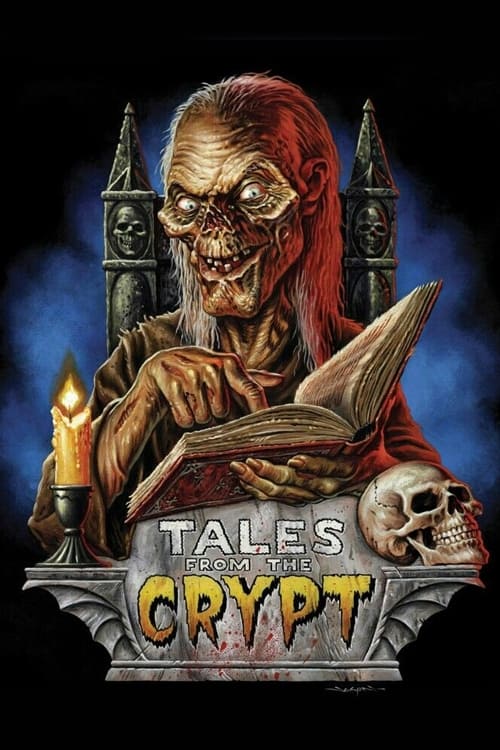
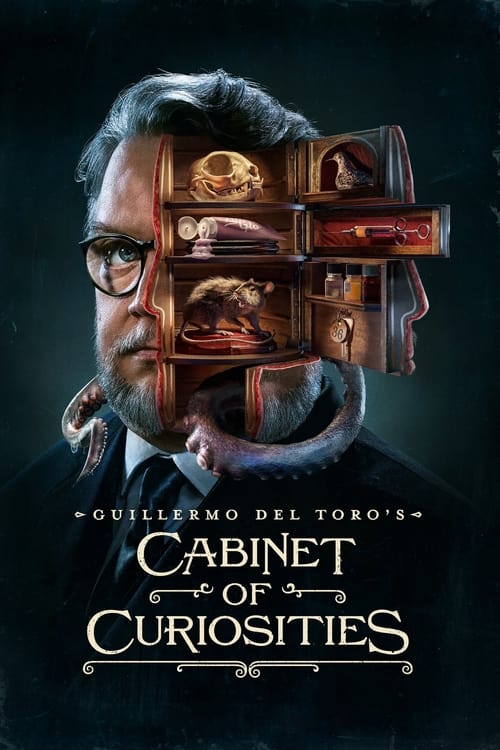
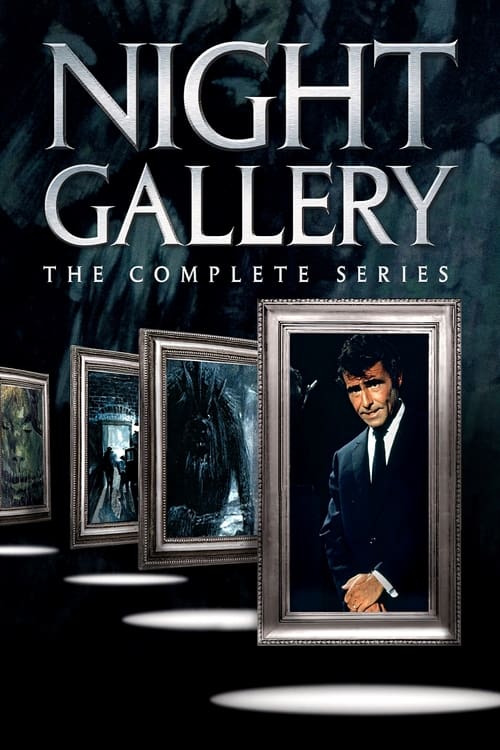
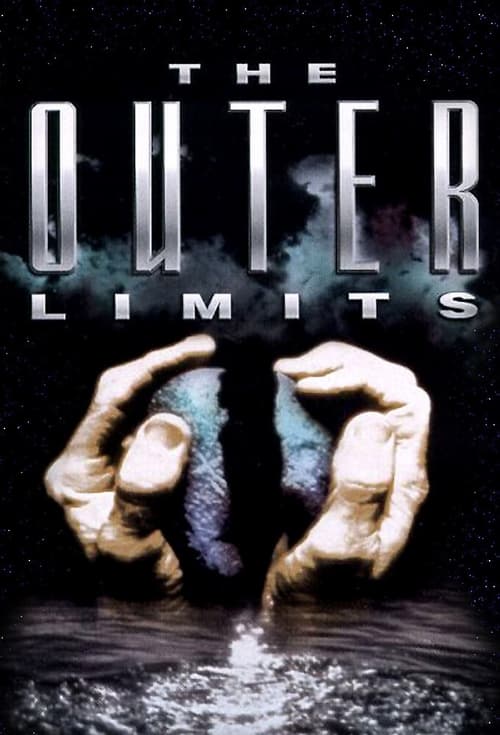
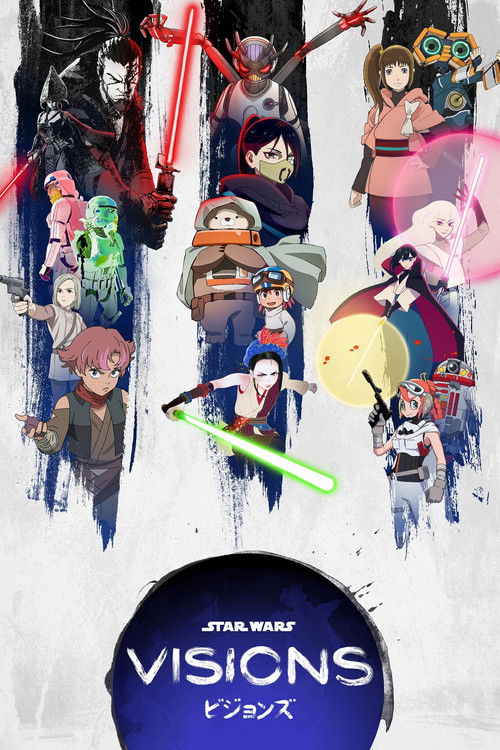
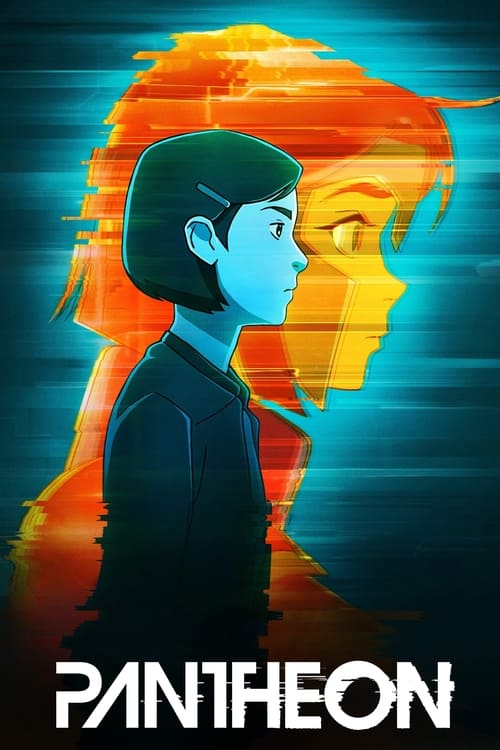
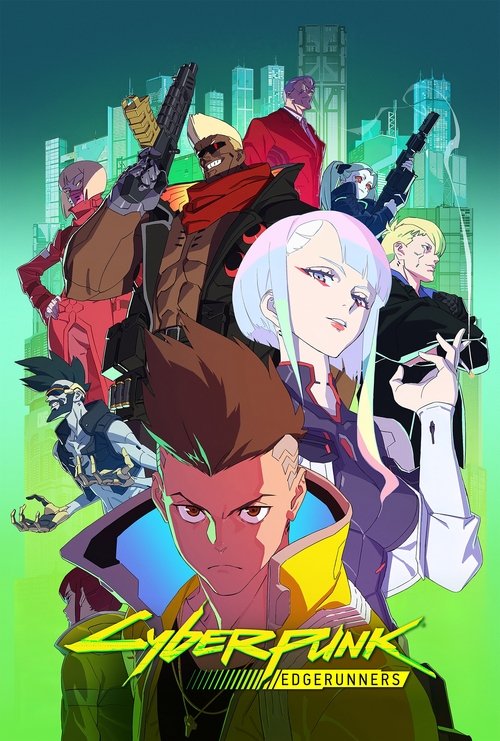
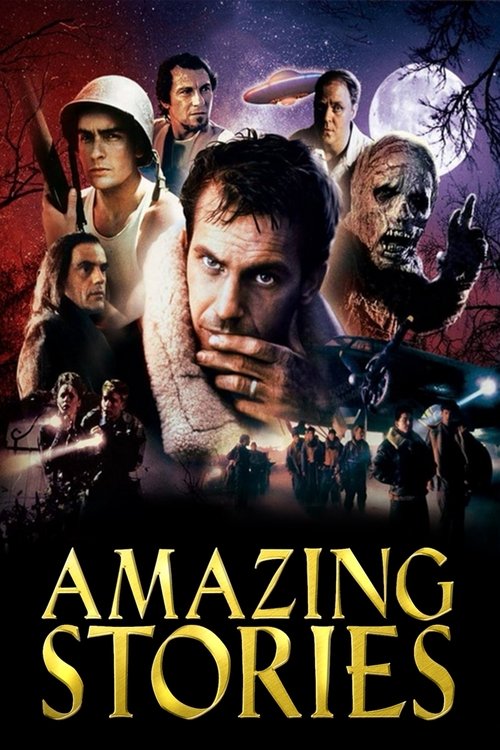
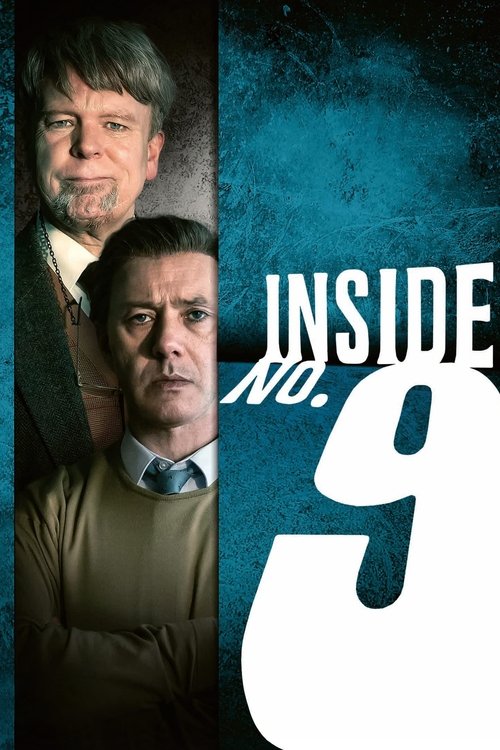
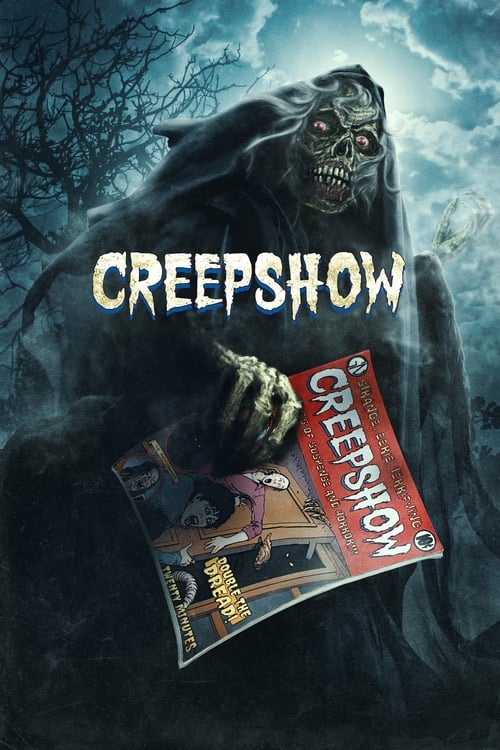
If you love it: anthology and short-form sci-fi on TV
Series that share the anthology structure or the bite-sized boldness
If you love it: animated films with the same audacity
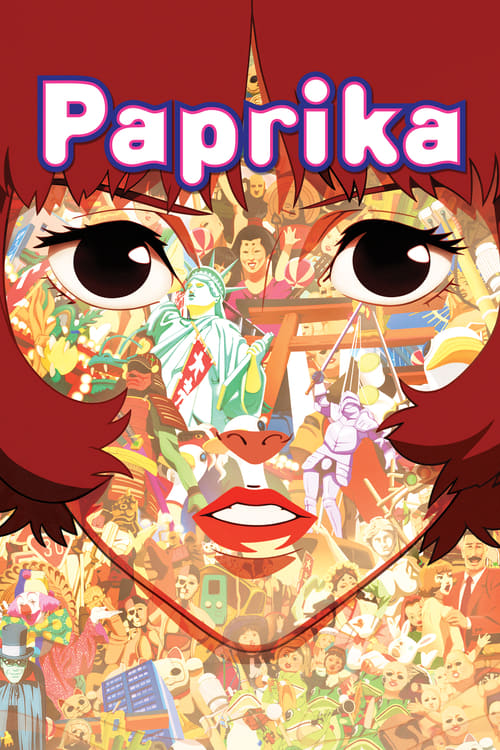
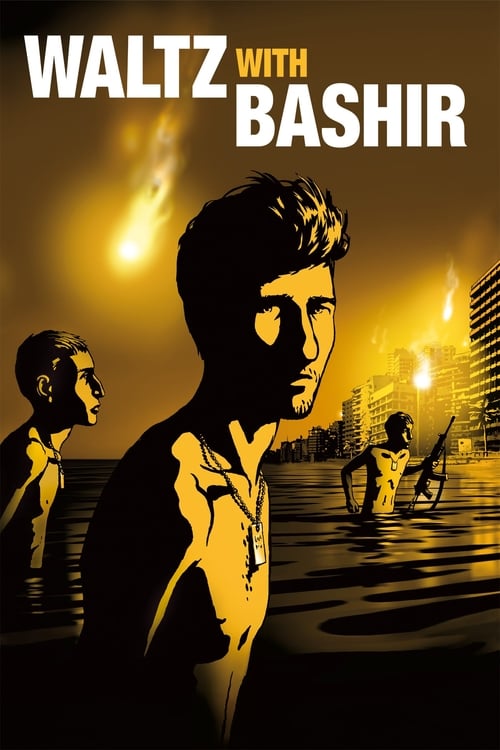
Features and anthology films that push animation into adult territory
If you love it: the short fiction tradition behind the episodes
Science fiction collections and novels from the writers whose work feeds the series



If you love it: games with the same violent, ideas-first energy
Short, sharp, thematically charged