
The Story That Started on Paper
Gillian Flynn published Gone Girl as a novel in June 2012. It is an original work of fiction, not adapted from any prior source: no comic, no true-crime case, no stage play. Flynn had already written two crime novels (Sharp Objects, 2006, and Dark Places, 2009), but Gone Girl was the one that broke through. The premise is a marriage told as competing, unreliable testimony: Nick Dunne's wife Amy disappears on their fifth anniversary, and the book alternates between his present-tense account and her diary entries, until the diary itself becomes suspect.
The novel sold slowly at first and then all at once, spending over a year on the New York Times bestseller list. Flynn wrote the screenplay adaptation herself, and David Fincher directed the film two years later. That is the full lineage: one novel, one film, and a very long shadow cast over every psychological thriller published or produced in the decade since.
Gone Girl Across the Years
Flynn wrote both the novel and the screenplay. The film is not a translation of the book; it is a second performance of the same piece.CrossBinge editors
The Definitive Version: The Novel
The book does something the film cannot fully replicate: you read Amy's diary in her voice, and you believe it. The reveal lands harder on the page because you have spent two hundred pages inside her head, forming a picture she has been deliberately constructing. Flynn's prose is also wickedly funny in a way that Fincher's cool visual register smooths out. If you have only seen the film, the novel is not a rehash. It is a different experience of the same trap, and the funnier, more unsettling one.

The Version That Holds Up Best on a Second Watch: The Film
Rosamund Pike's performance is one of the best pieces of film acting of the 2010s, and it only gets better once you know exactly what Amy is doing in every single scene. Fincher strips the dark comedy down and replaces it with procedural dread, which is a legitimate creative choice rather than a failure. The film is what most people mean when they say Gone Girl, and there is a reason for that: it is the version that rewards rewatching most.
The Missing Adaptation: A Stage Version Nobody Has Made Yet
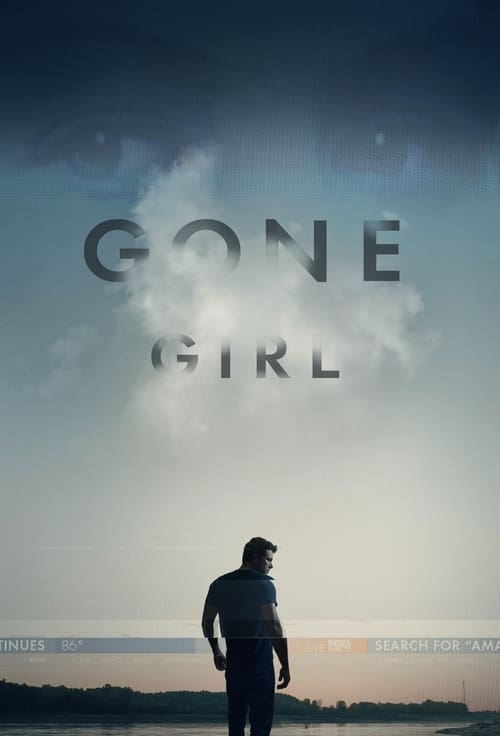
There is no TV series, no stage production, no video game, and no animated version of Gone Girl. Reports of a stage adaptation and limited-series rumblings have circulated since 2014, but nothing has been greenlit as of 2026. Flynn has expressed interest in revisiting the story in other forms, but it has not happened. The field is exactly two entries. If anything, the absence is conspicuous: the novel's structure (competing diaries, unreliable narrators, a ticking dual timeline) would suit a two-hander stage play better than almost any other contemporary thriller. Someone will get there eventually.
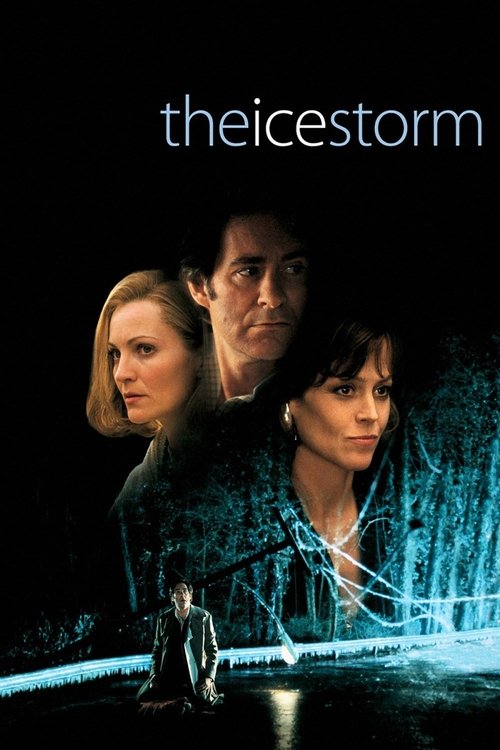
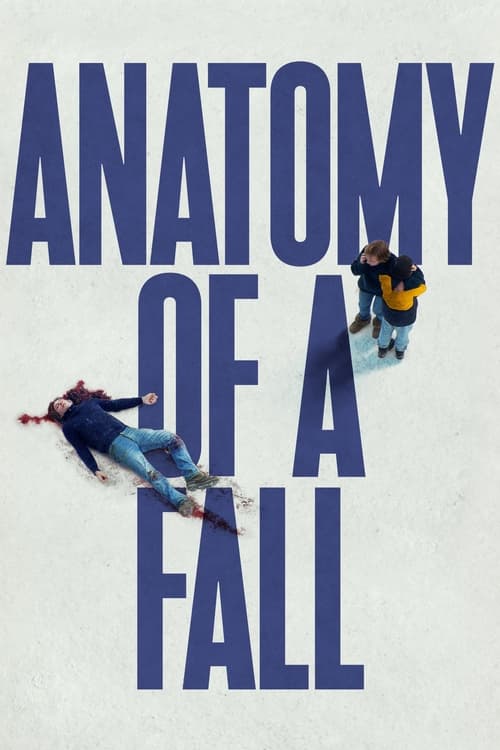
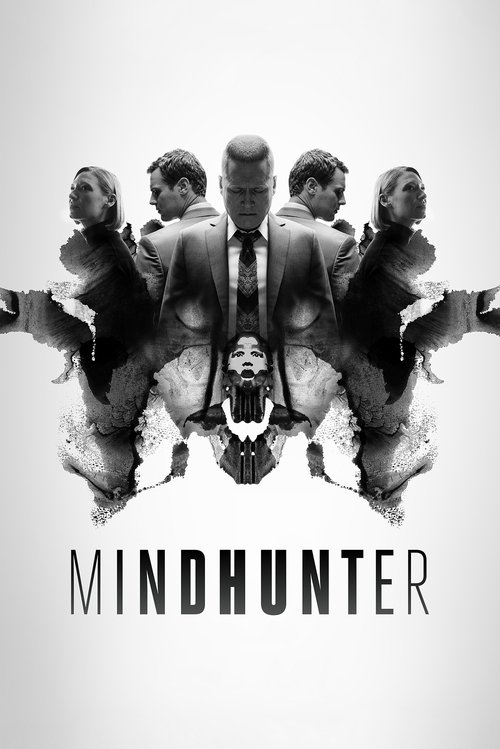
If You Love Gone Girl: Unreliable Narrators, Fractured Marriages
Films and series where the story being told is not the story that happened
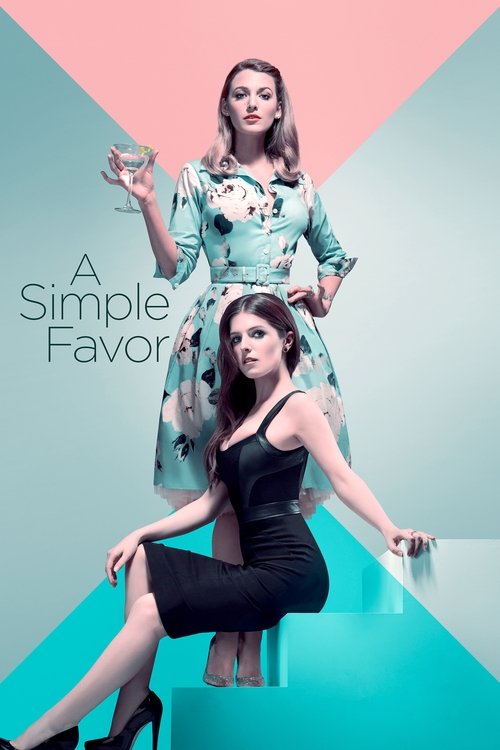
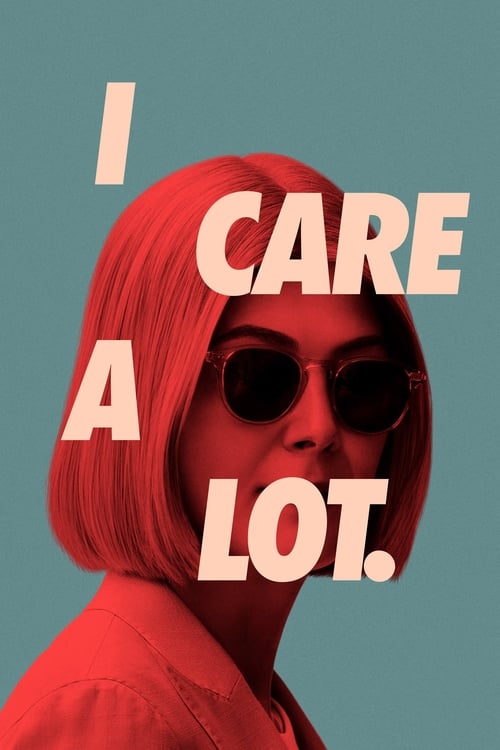
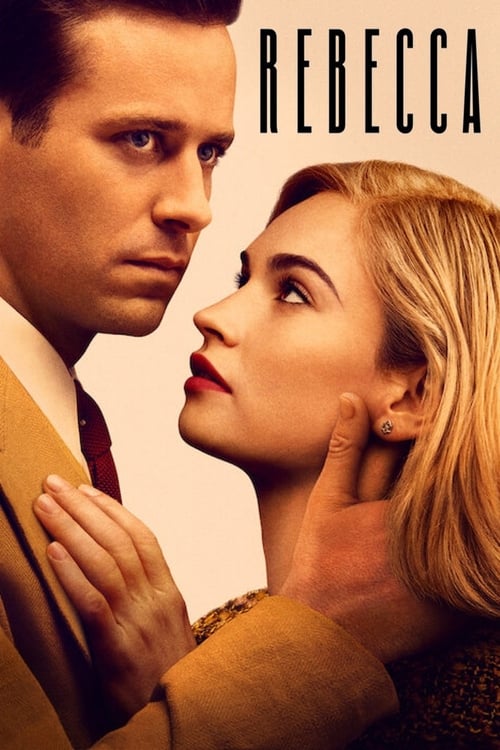
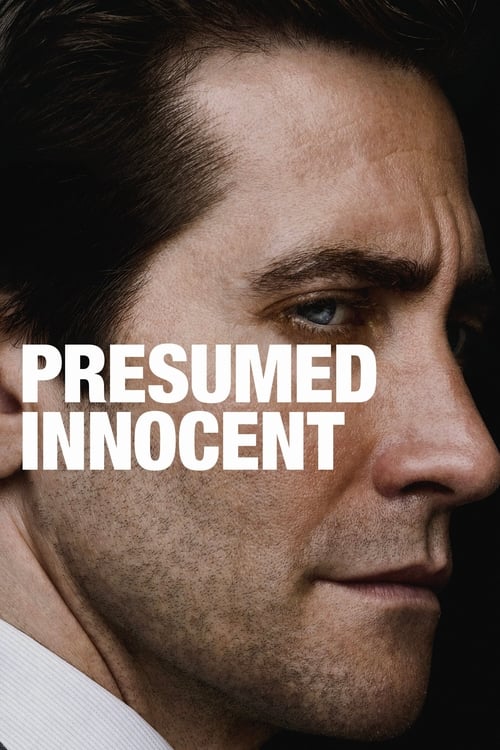
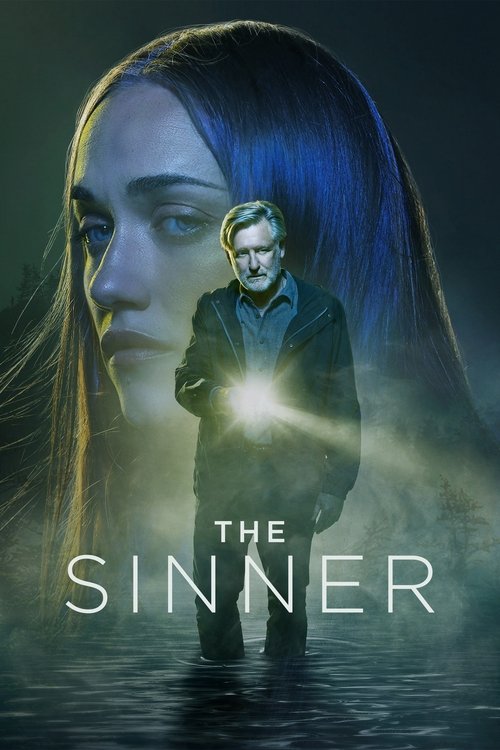
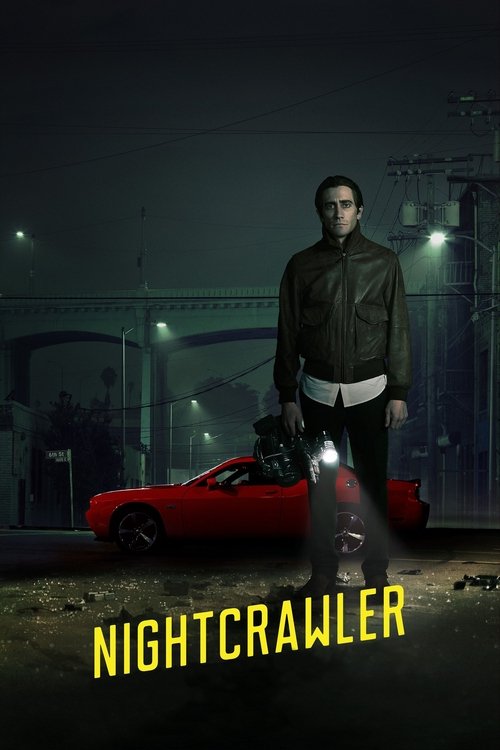
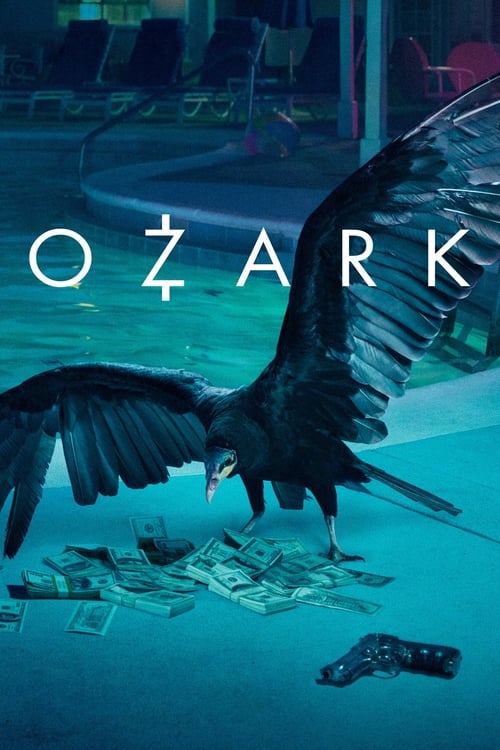
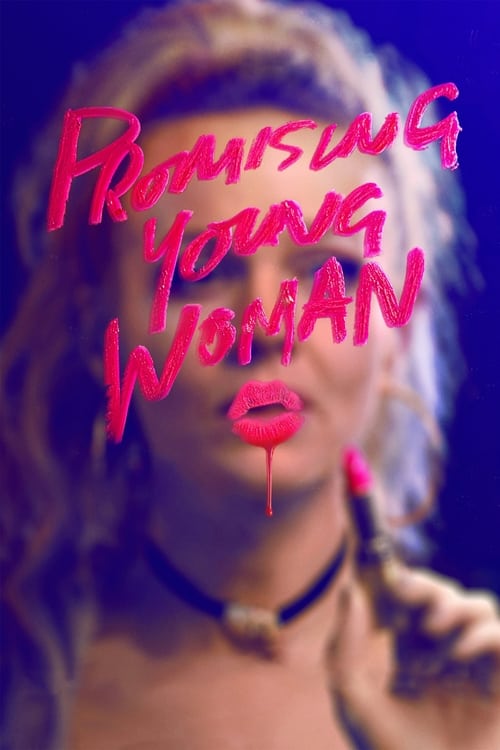
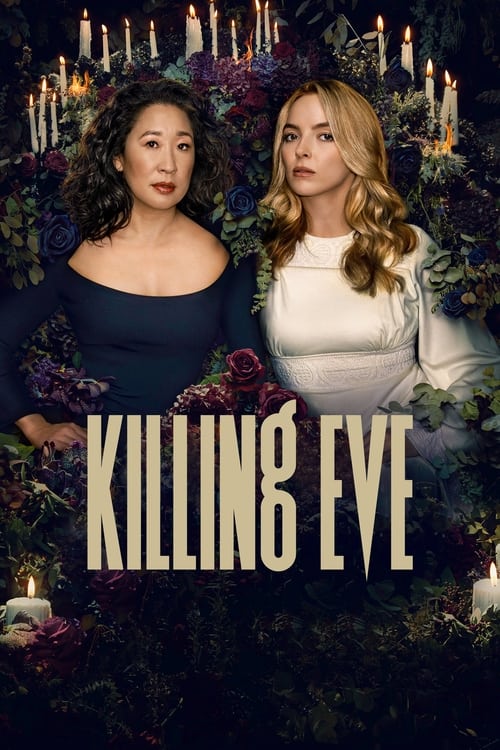
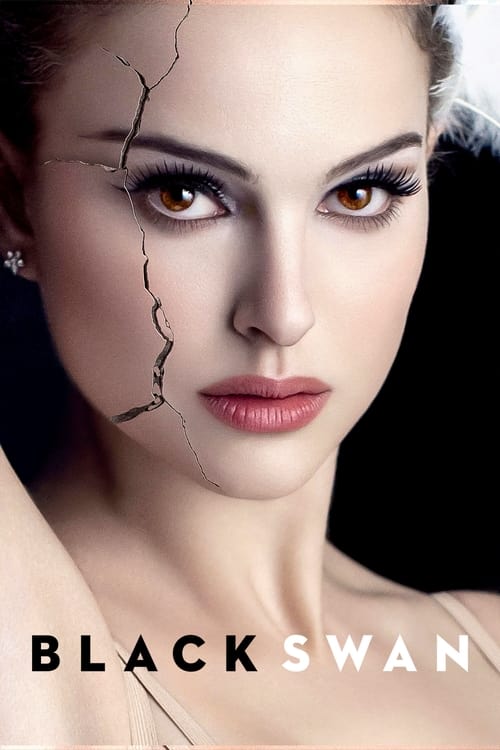
If You Love Gone Girl: Sharp-Clawed Women in Psychological Thrillers
Stories where the most dangerous person in the room is also the most controlled
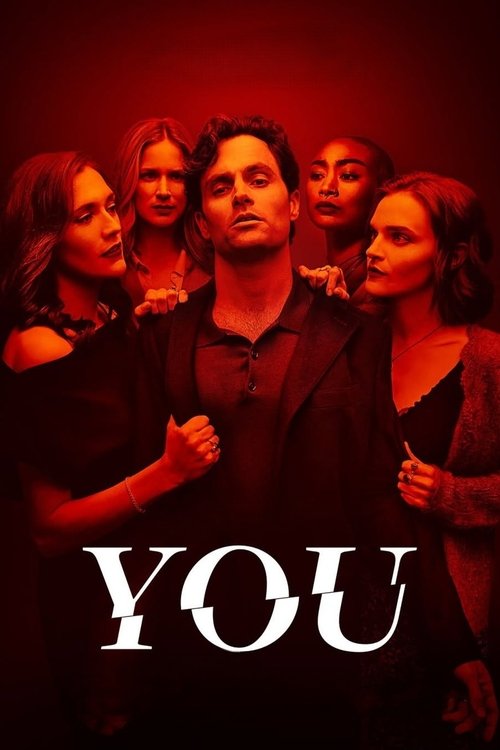
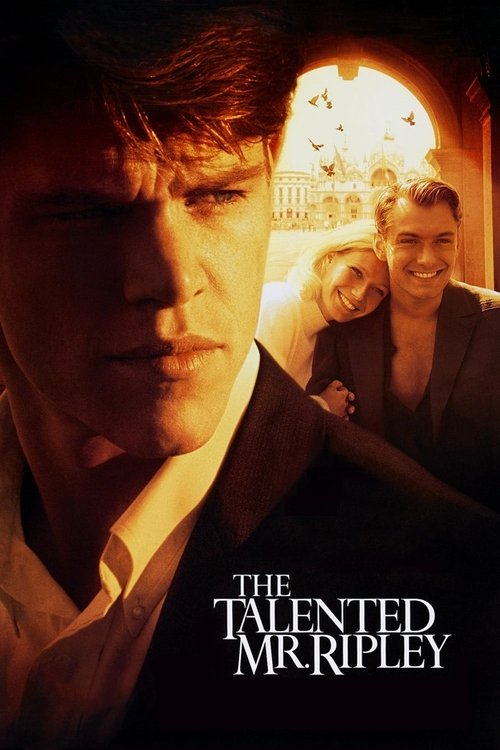

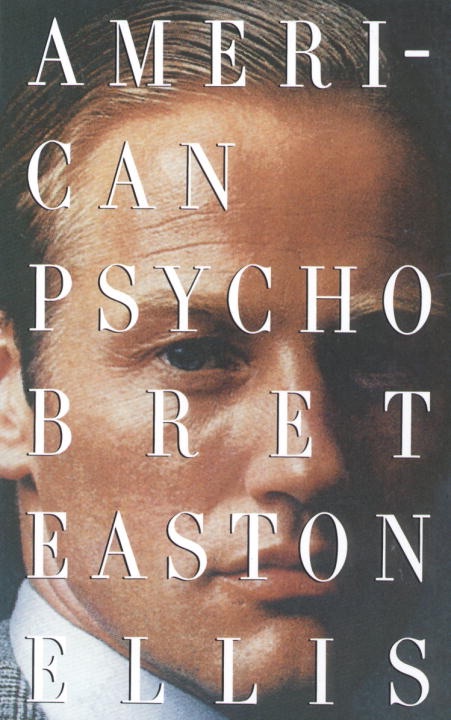
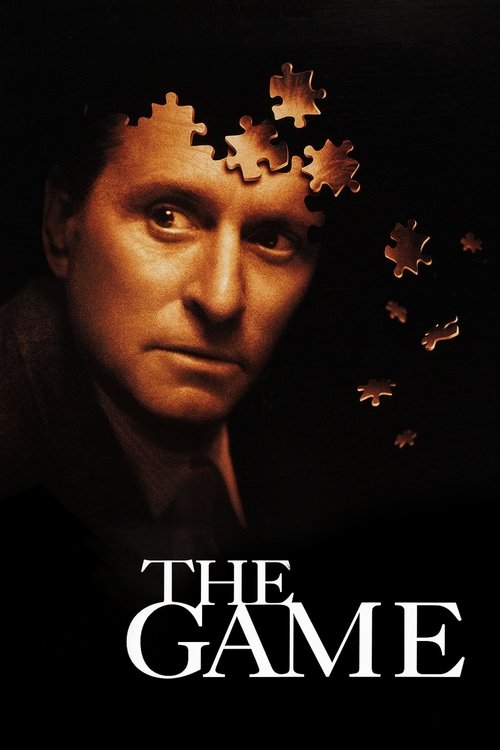
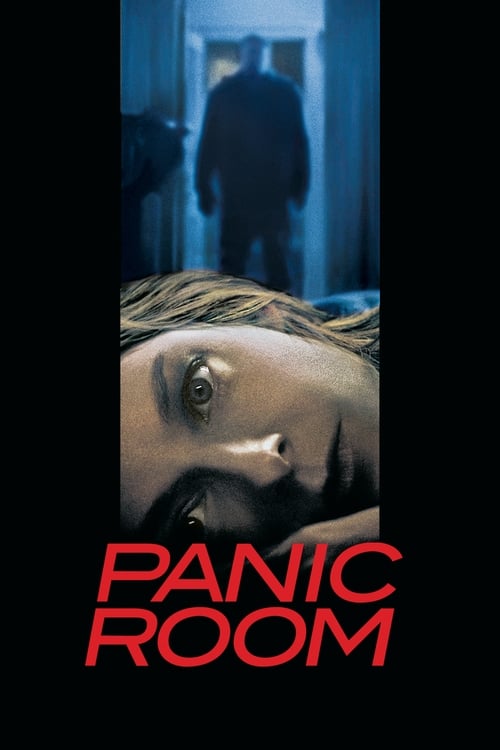
If You Love Gone Girl: David Fincher's Cold, Controlled Cinema
Films that share Gone Girl's forensic visual style and interest in performance and identity

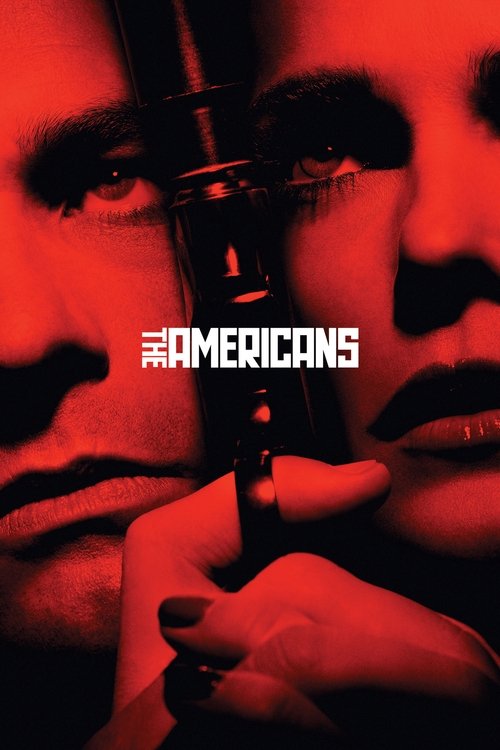
If You Love Gone Girl: Marriage as a Crime Scene
Stories about the gap between the public face of a relationship and what happens behind closed doors