
Where It Came From
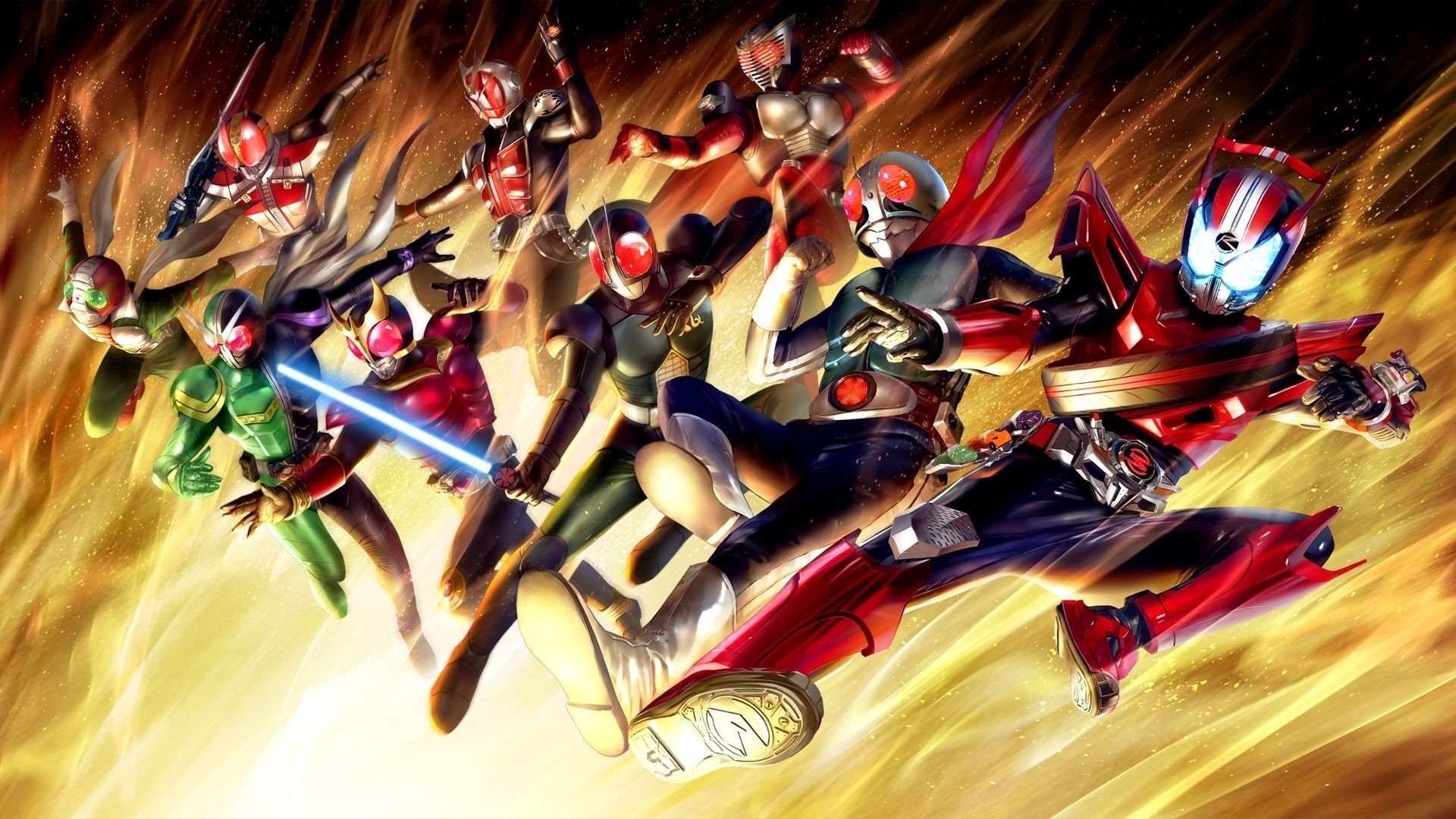
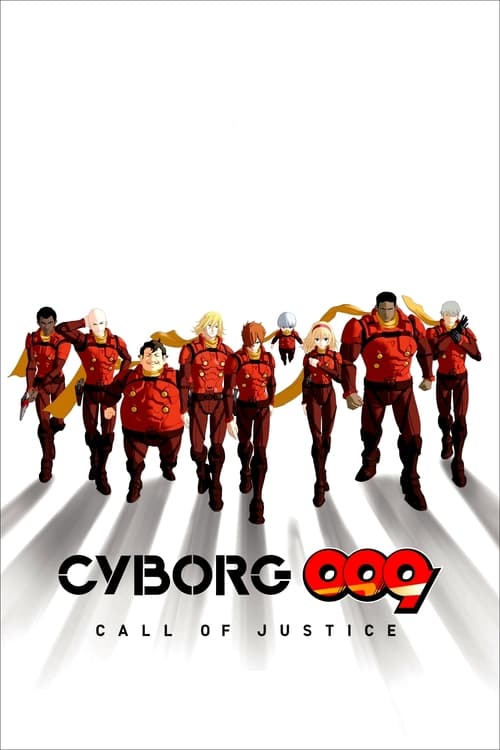
Kamen Rider began as a collaboration between manga artist Shotaro Ishinomori and the production company Toei Company, premiering as a live-action television series on April 3, 1971, with a simultaneous manga serialization in Shonen Magazine. Ishinomori had already created Cyborg 009 (1964) and knew how to build a mythos around transformed, cybernetic outsiders fighting fascist organizations. The original premise was stark: a young motorcyclist named Takeshi Hongo is kidnapped by the terrorist organization Shocker, surgically altered into a grasshopper-themed cyborg warrior, and then escapes before his brainwashing is complete. He turns their weapon against them.
That core tension, the monster who refuses to serve the monsters, proved remarkably durable. The franchise has never fully stopped. After the original Kamen Rider run (1971-1973), Toei launched a succession of sequel series through the 1970s and early 1980s (the Showa era riders), then a hiatus, a revival film in 1992, and the full relaunch with Kamen Rider Kuuga in 2000 that kicked off the Heisei era series. Each new entry introduces a different protagonist and visual theme while keeping the basic structure: a belt-transformed hero, a sinister organization, and a lot of highway riding.
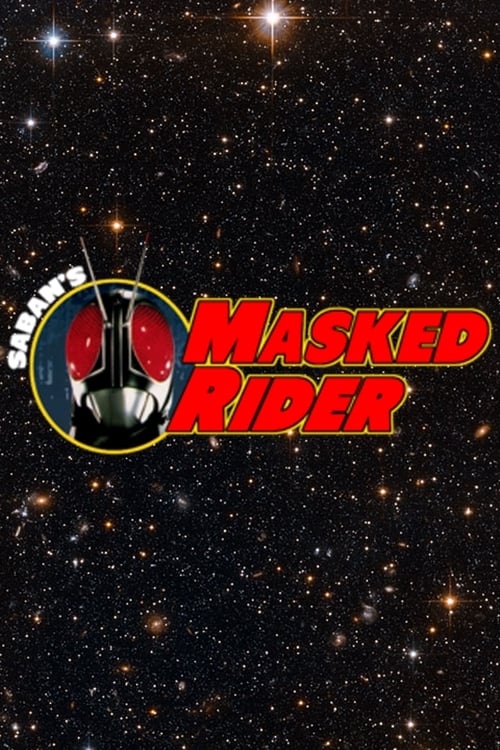
The franchise now spans well over fifty television series, dozens of theatrical films, stage shows, audio dramas, and an enormous merchandising ecosystem built around the henshin (transformation) belt toy. It is one of Toei's flagship properties alongside Super Sentai and the source material for several Western adaptations, including the American Masked Rider (1995) and Kamen Rider: Dragon Knight (2009).
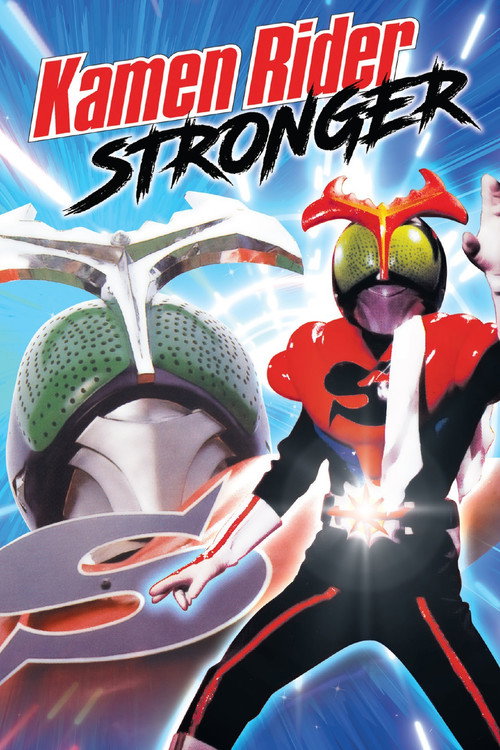
The Showa Era: 1971 to 1989
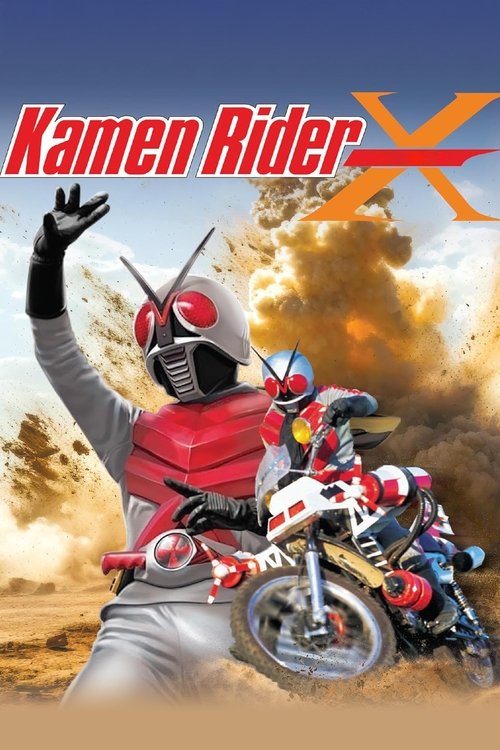
The original run of riders, from the founding series through the Black era revival




The Heisei Era: 2000 to 2019
The annual series revival, from Kuuga through Zi-O
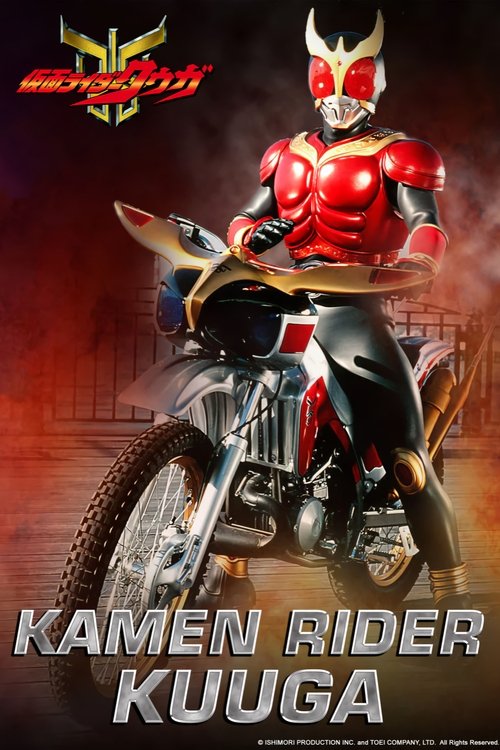 Kamen Rider Kuuga
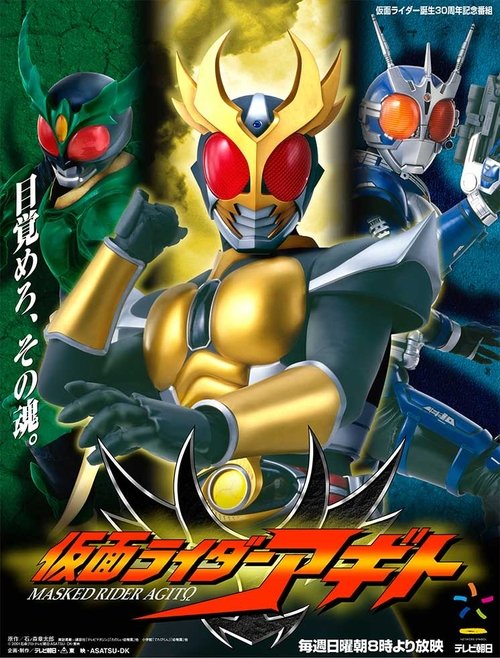 Kamen Rider Agito
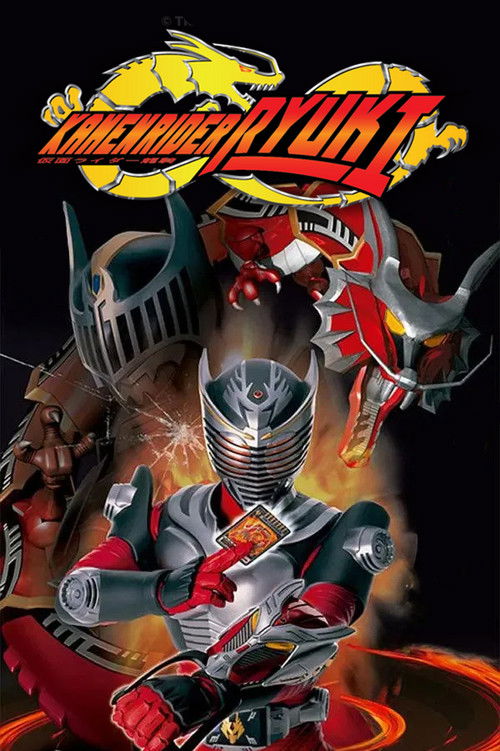 Kamen Rider Ryuki
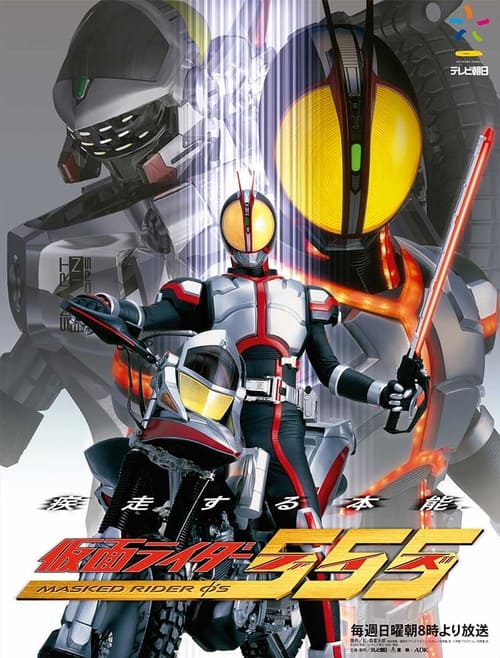 Kamen Rider 555
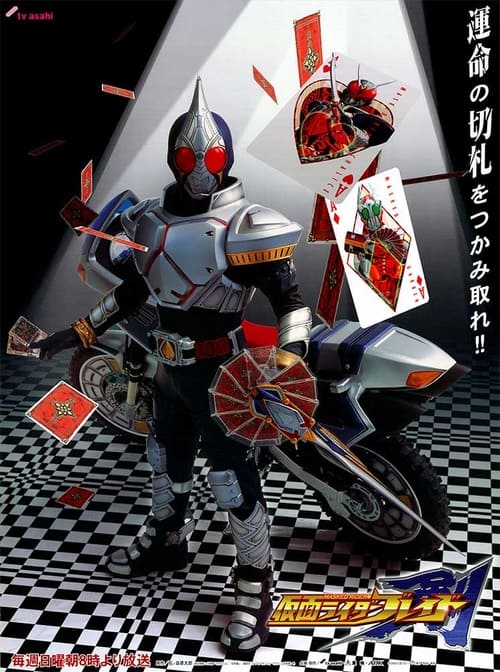 Kamen Rider Blade
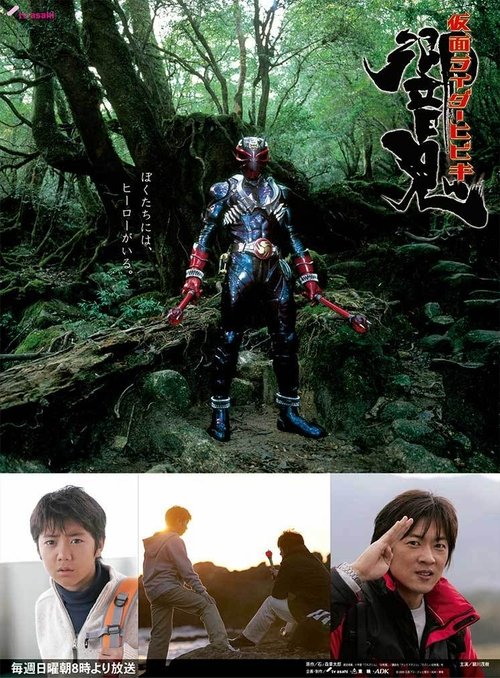 Kamen Rider Hibiki
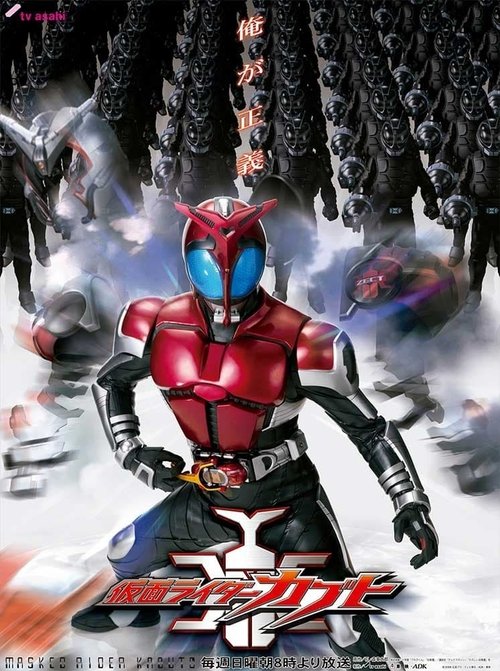 Kamen Rider Kabuto
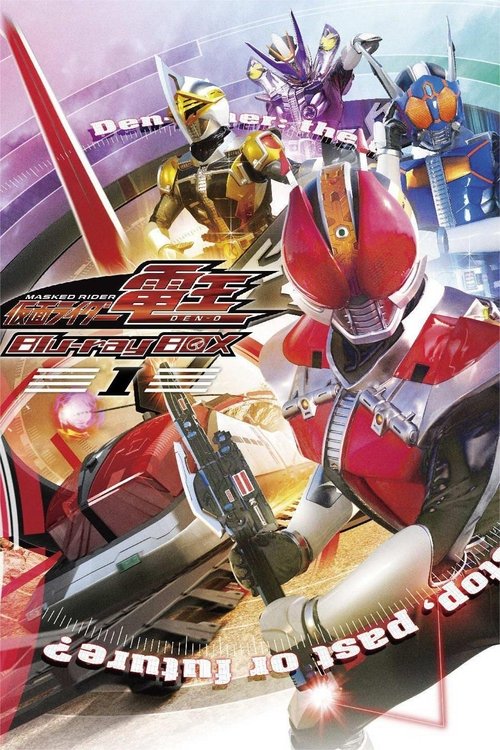 Kamen Rider Den-O
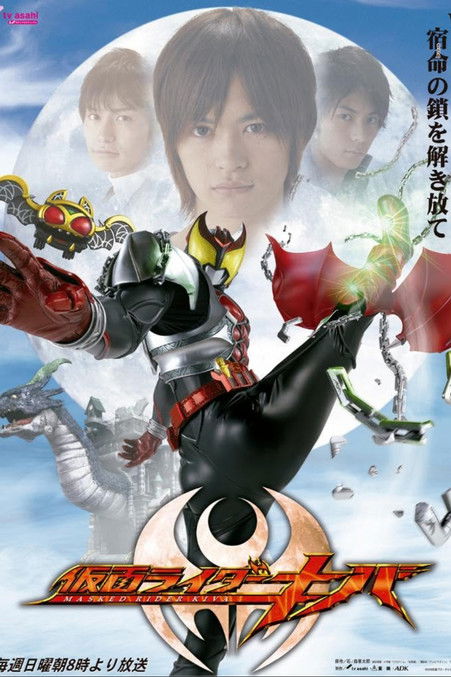 Kamen Rider Kiva
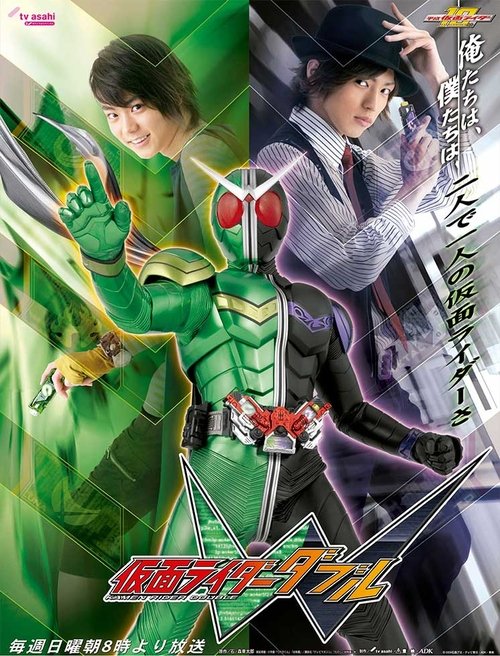 Kamen Rider W
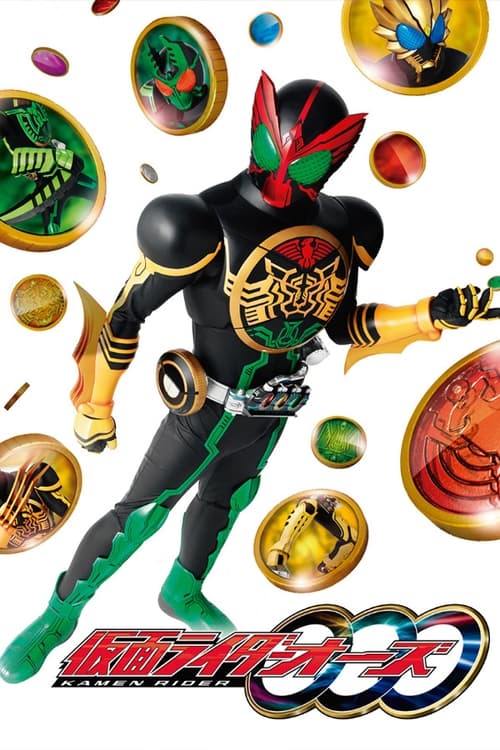 Kamen Rider OOO
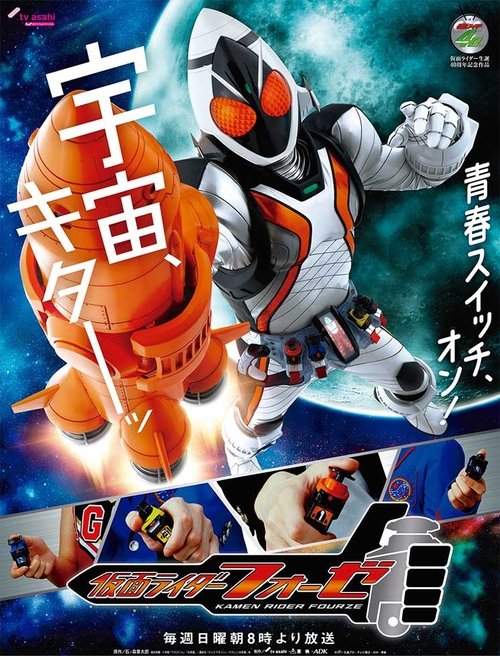 Kamen Rider Fourze
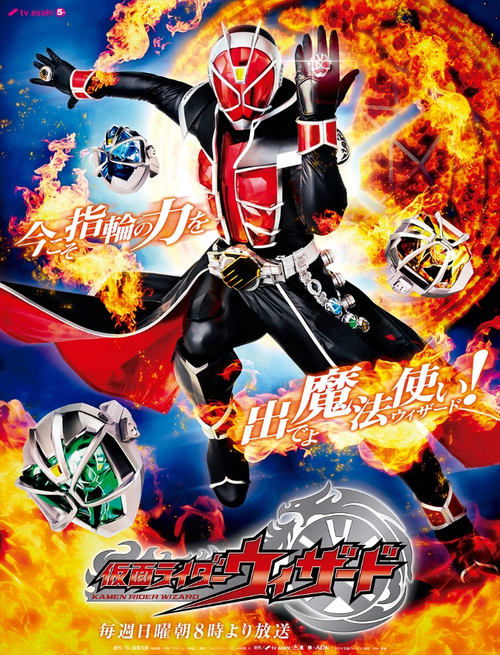 Kamen Rider Wizard
 Kamen Rider Gaim
 Kamen Rider Drive
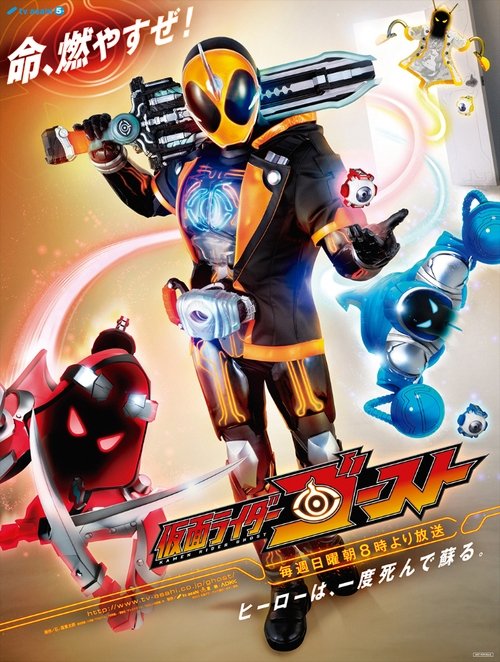 Kamen Rider Ghost
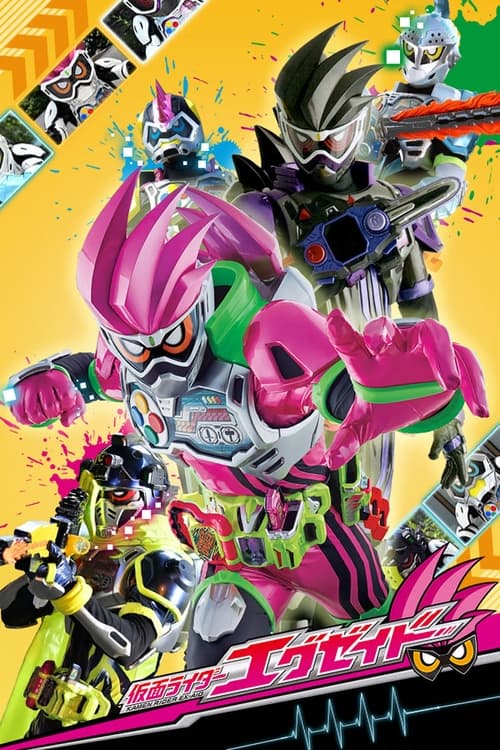 Kamen Rider Ex-Aid
 Kamen Rider Build
 Kamen Rider Zi-O
The Reiwa Era and Prestige Offshoots: 2019 Onward
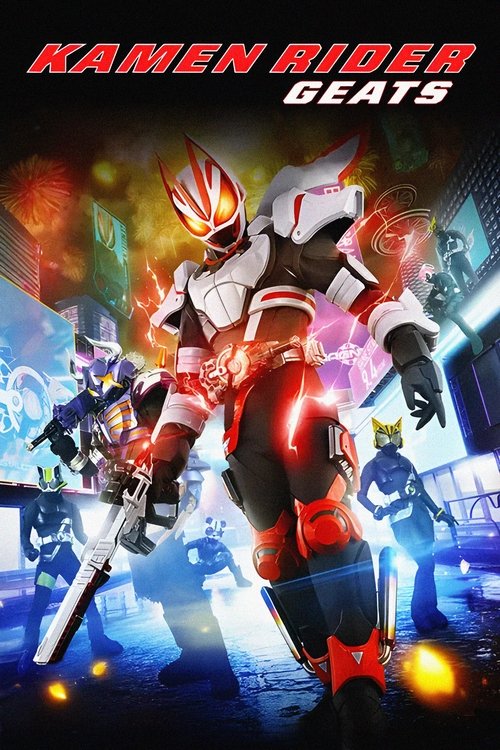
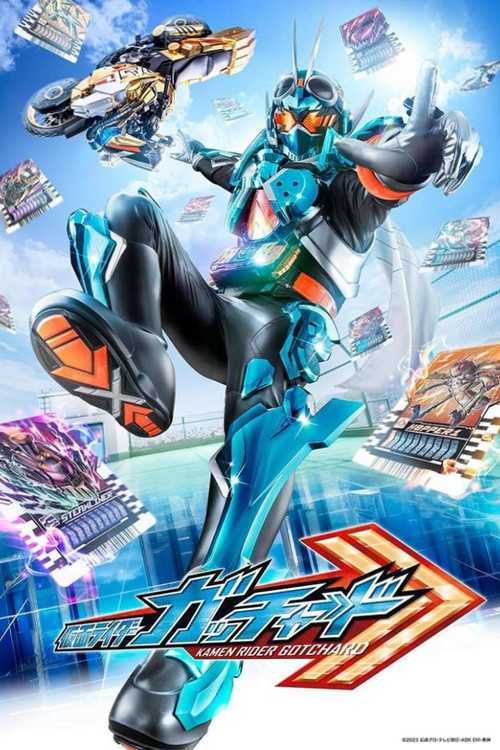
New-era entries plus adult-skewing reimaginings on streaming
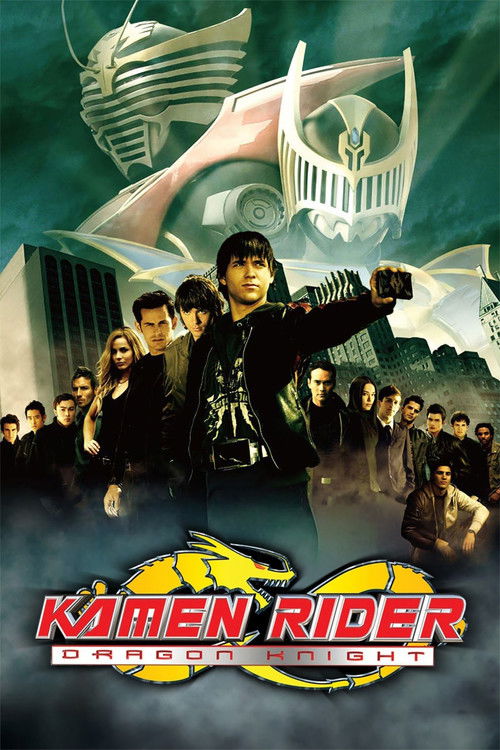
Films and Standalone Reimaginings
Theatrical releases, V-Cinema, and the Anno and Shirakishi prestige films
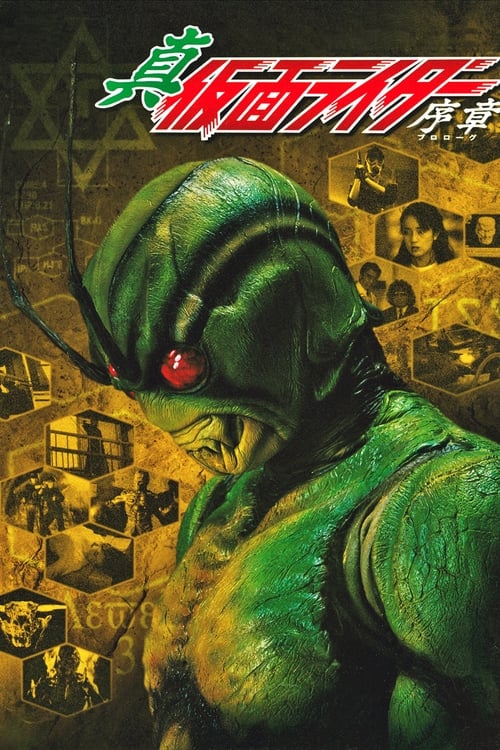 Shin Kamen Rider: Prologue
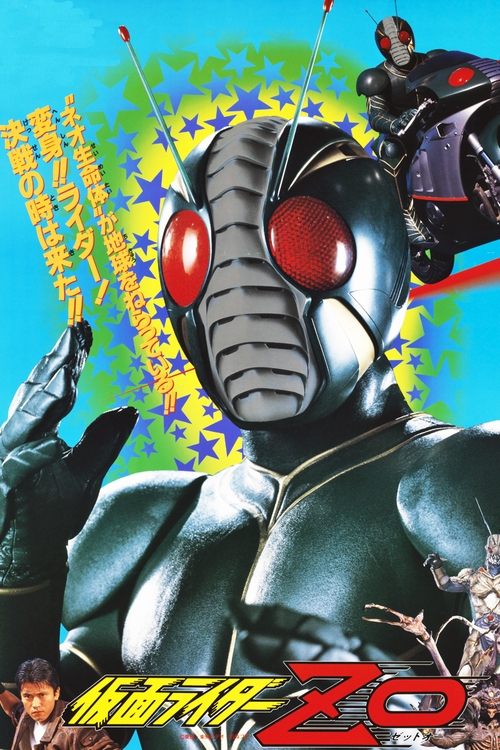 Kamen Rider ZO
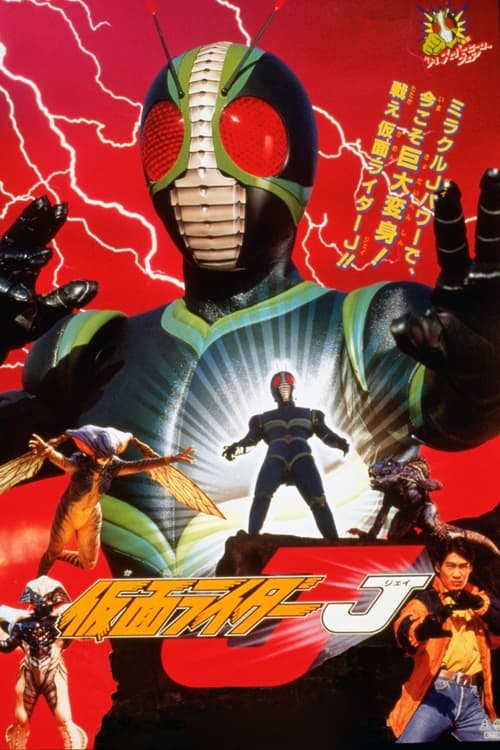 Kamen Rider J
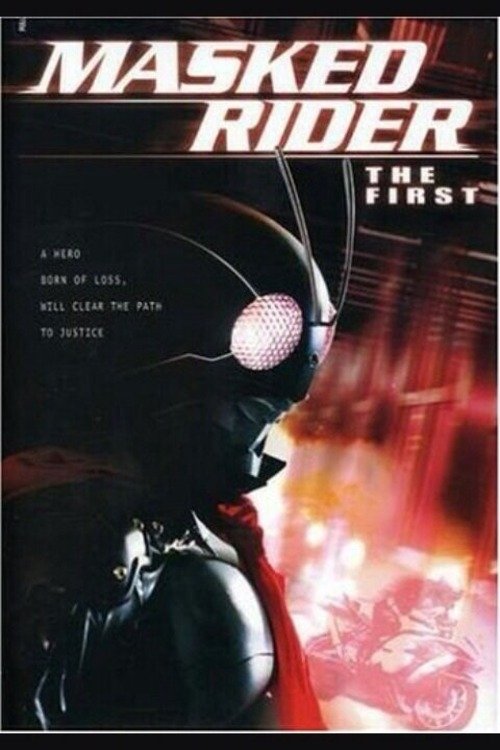 Kamen Rider: THE FIRST
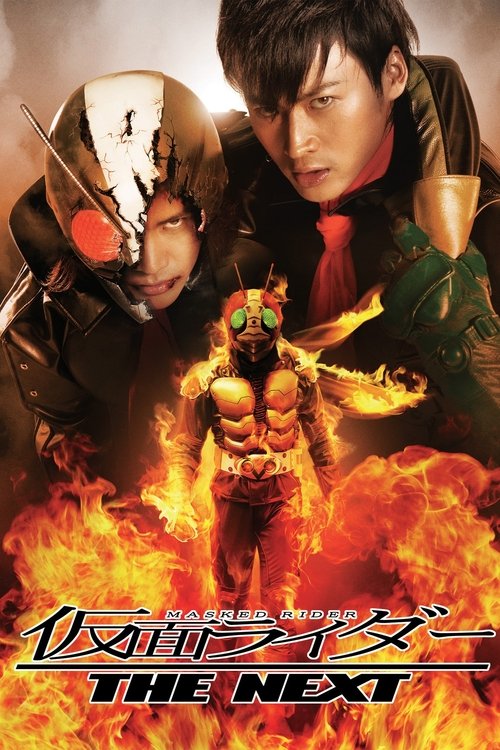 Kamen Rider: THE NEXT
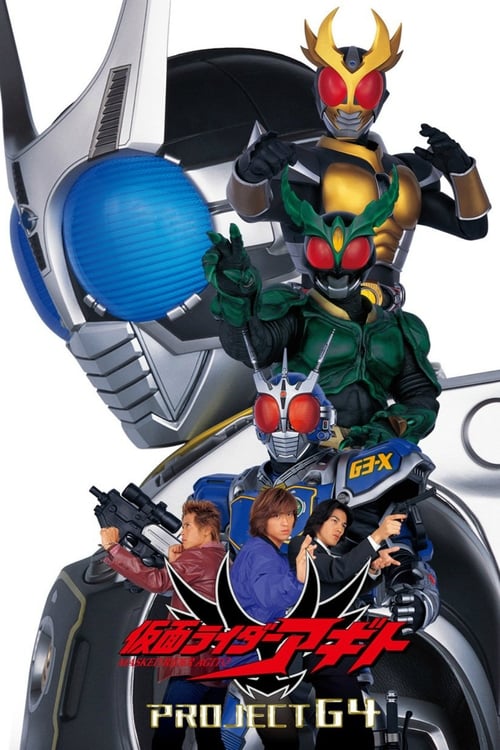 Kamen Rider Agito: Project G4
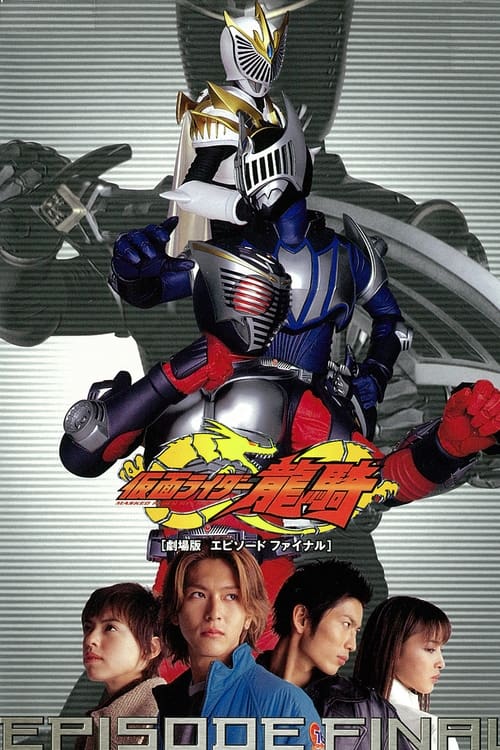 Kamen Rider Ryuki: EPISODE FINAL
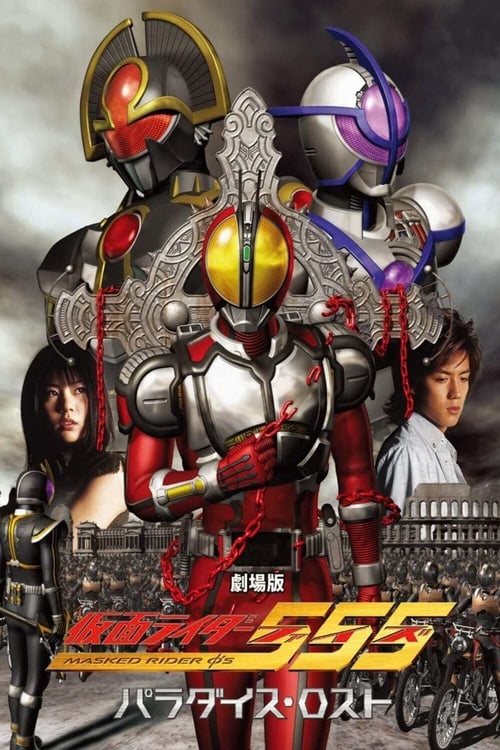 Kamen Rider 555: Paradise Lost
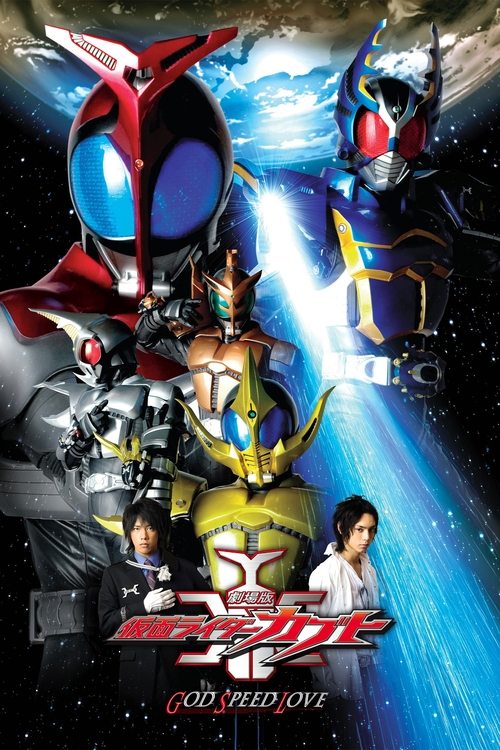 Kamen Rider Kabuto: God Speed Love
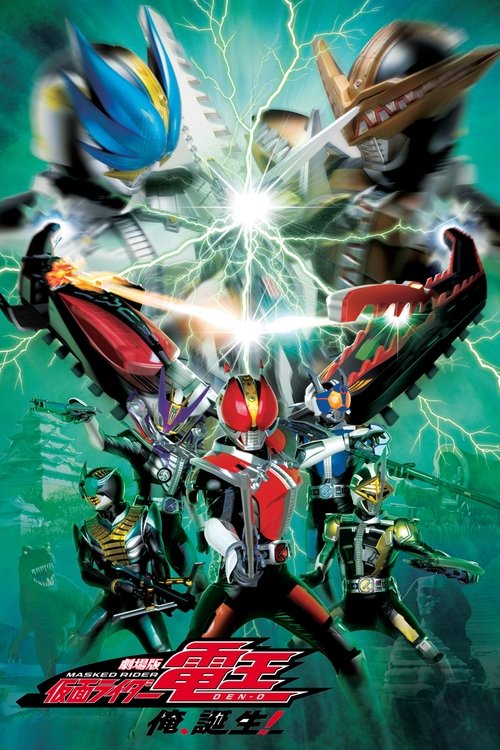 Kamen Rider Den-O The Movie: I'm Born!
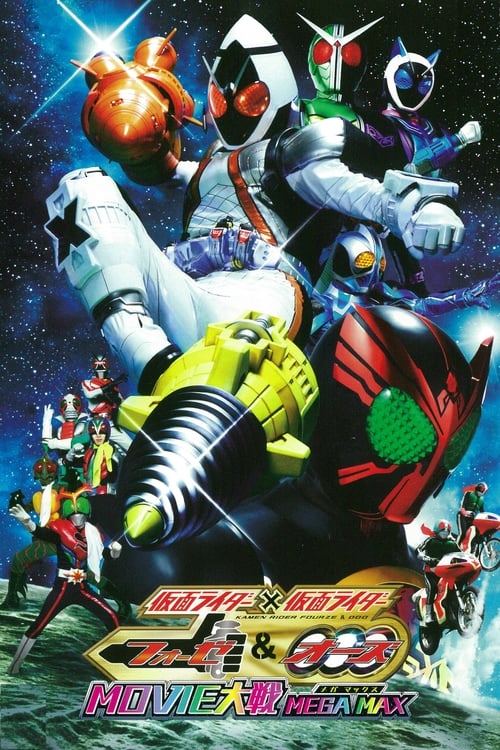 Kamen Rider x Kamen Rider Fourze & OOO Movie Wars Mega Max
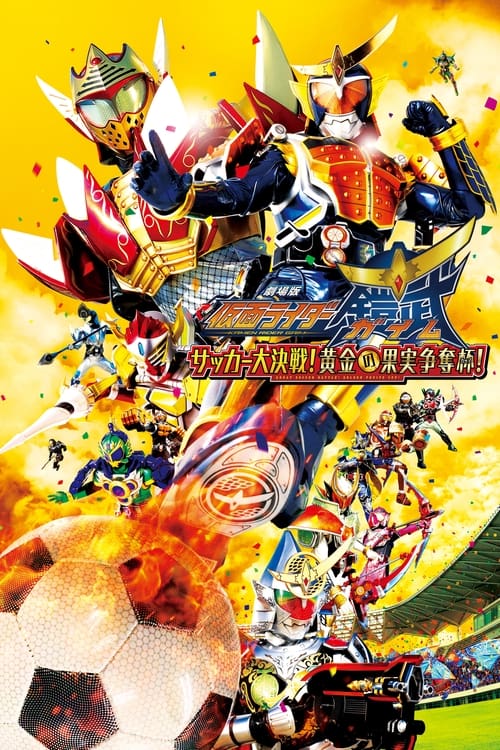 Kamen Rider Gaim the Movie: The Great Soccer Match! The Golden Fruit Cup!
 Kamen Rider Heisei Generations Forever
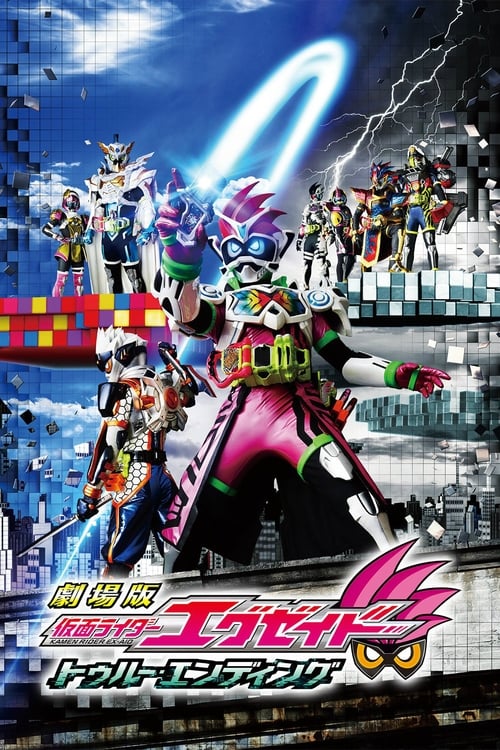 Kamen Rider Ex-Aid the Movie: True Ending
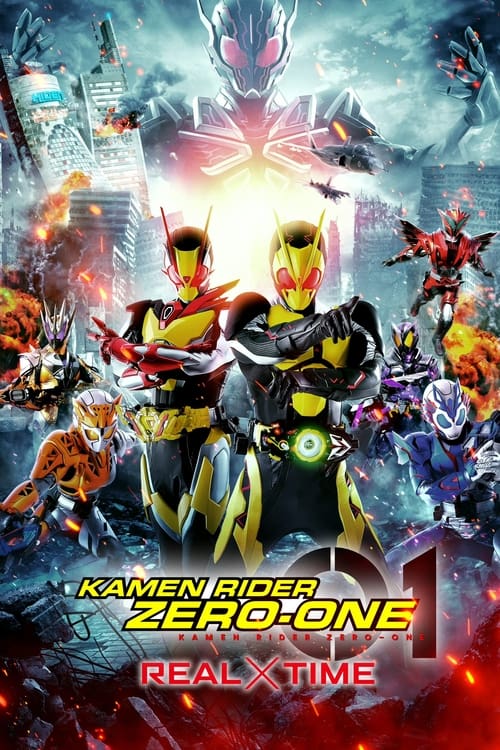 Kamen Rider Zero-One: Real Time
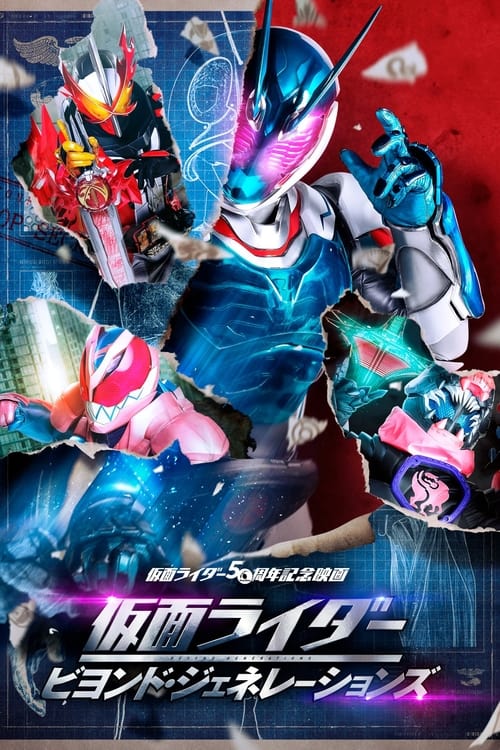 Kamen Rider: Beyond Generations
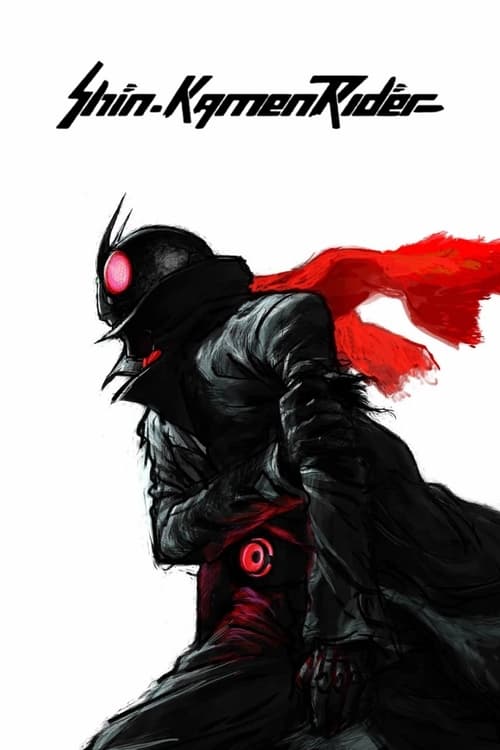 Shin Kamen Rider
Kamen Rider Through the Decades
- 1971Original TV series and manga launch simultaneously Kamen Rider
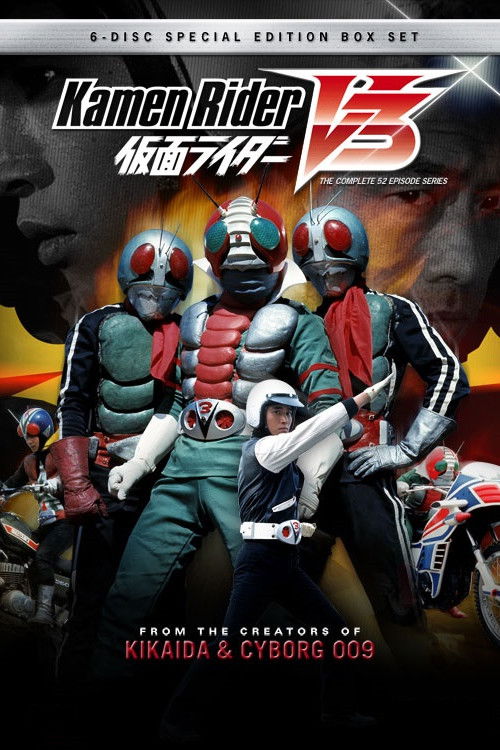
- 1973V3 introduces the tradition of a new rider per year Kamen Rider V3
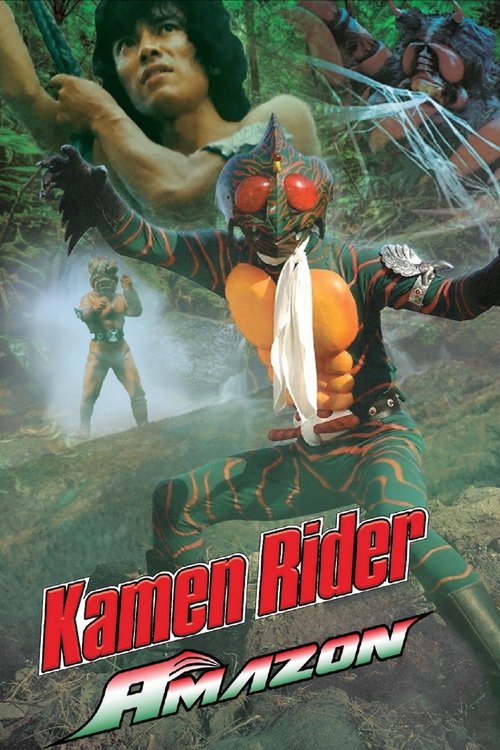
- 1974Amazon pushes the concept into darker, wilder territory Kamen Rider Amazon
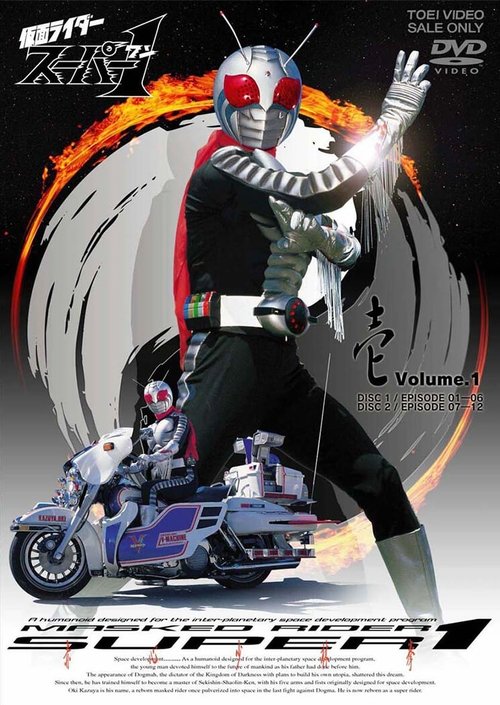
- 1980Super-1 closes out the original Showa run Kamen Rider Super-1
- 1987Black revives the franchise after a six-year absence, with a grittier tone Kamen Rider Black
- 1992Shin Kamen Rider: Prologue signals a darker V-Cinema era Shin Kamen Rider: Prologue
- 2000Kuuga launches the Heisei era revival on January 30 Kamen Rider Kuuga
- 2002Ryuki introduces a battle royale structure: ten riders fighting each other Kamen Rider Ryuki
- 2007Den-O becomes the franchise's biggest commercial hit, spawning years of spin-off films Kamen Rider Den-O
- 2013Gaim, written by Gen Urobuchi, earns critical recognition far outside the franchise Kamen Rider Gaim
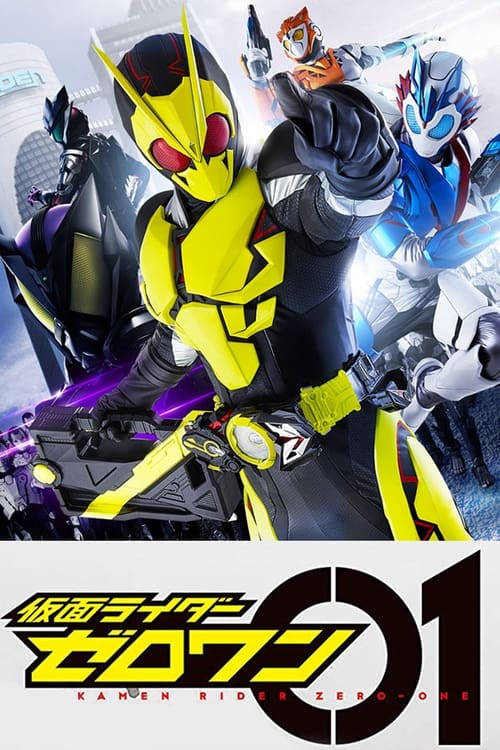
- 2019Zero-One opens the Reiwa era; AI and labor themes replace the previous era's aesthetics Kamen Rider Zero-One
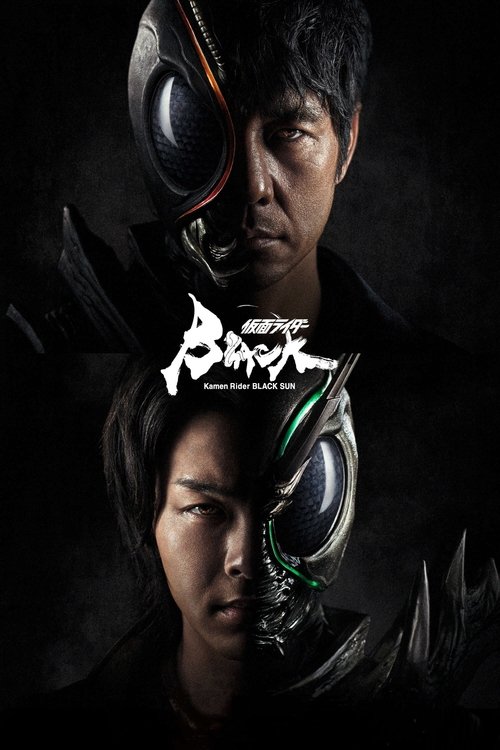
- 2022Black Sun, a prestige Amazon Prime reboot by director Kazuya Shiraishi, reimagines the 1987 series as a political allegory Kamen Rider Black Sun
- 2023Shin Kamen Rider, directed by Hideaki Anno, reaches cinemas as the second film in his Shin Japan Heroes Universe Shin Kamen Rider
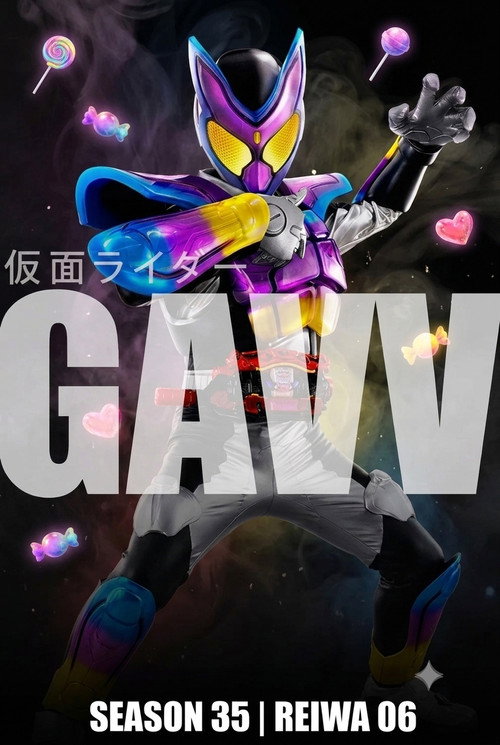
- 2024Gavv opens a new chapter in the ongoing Reiwa series Kamen Rider Gavv
The Definitive Version: Kamen Rider Gaim (2013)
Gen Urobuchi writing a tokusatsu show aimed at children is a premise that should not work. It works completely. Kamen Rider Gaim uses its fruit-armor theme and its dance-crew setting to build a genuine tragedy about ambition, sacrifice, and the cost of becoming a savior. The show earns every emotional beat it asks for within the constraints of a weekly toy-commercial format, and it does so without cheating any of the genre's obligations. If you have never watched a Kamen Rider series and want to start somewhere that will not ask you to ignore the craft, start here.
The Underrated One: Kamen Rider Black Sun (2022)
Kamen Rider Black Sun is a prestige reimagining of the 1987 Kamen Rider Black series, produced for Amazon Prime Japan and directed by Kazuya Shiraishi. The show rewrites the original's monster-fighting premise as an allegory about discrimination and political violence in postwar Japan, with the two rival riders recast as symbols of two communities that the state has always used against each other. It is dense, deliberately paced, and completely unlike anything else in the franchise. Viewers coming in cold from other Kamen Rider series often underrate it because it refuses to be fun in the usual sense. That refusal is exactly the point.
The One to Approach Carefully: Kamen Rider W (2009)
Kamen Rider W is the fan-community consensus pick for the most consistently excellent Heisei series, and it earns the reputation. The two-detectives-one-rider concept is clever, the villains have real menace, and the neo-noir tone never slips. The complication is that W is often used as the recommended entry point, which sets expectations it cannot quite satisfy for viewers who want the grander ambitions of Gaim or the formal weirdness of Ryuki. Watch it knowing it is a tightly crafted procedural superhero show, not a prestige drama, and it delivers.
The Completionist Trap: Kamen Rider Zi-O (2018)
Kamen Rider Zi-O celebrates the final year of the Heisei era by sending its protagonist through nostalgia callbacks to every previous Heisei rider. For long-term fans it is a parade of cameos that functions as a greatest-hits compilation. For anyone who has not seen the referenced series it is largely incomprehensible. The production was stretched across an anniversary mandate that prioritized coverage over coherence, and the narrative pays for it. There is genuine craft in the time-travel mechanics and some strong individual arcs, but the overall shape of the show requires you to have already watched two decades of television to feel anything when it climaxes. Approach after watching at least four or five of the Heisei series it builds on.
If You Love Kamen Rider: Other Tokusatsu and Superhero Sagas
Long-running franchises built around transformation, identity, and costumed heroism

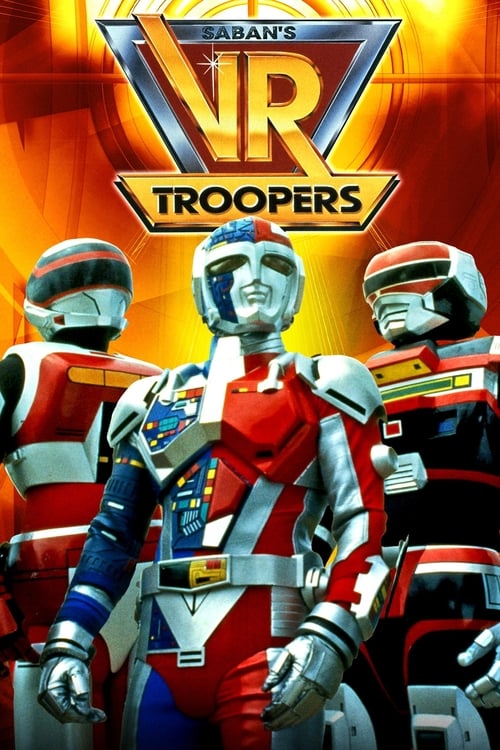
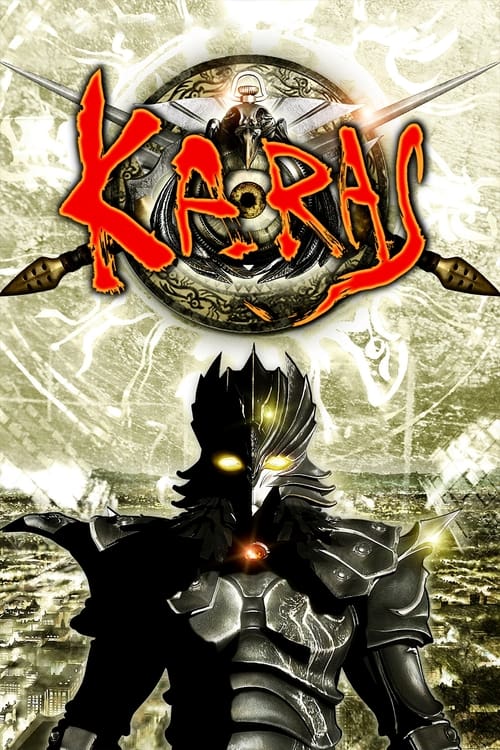
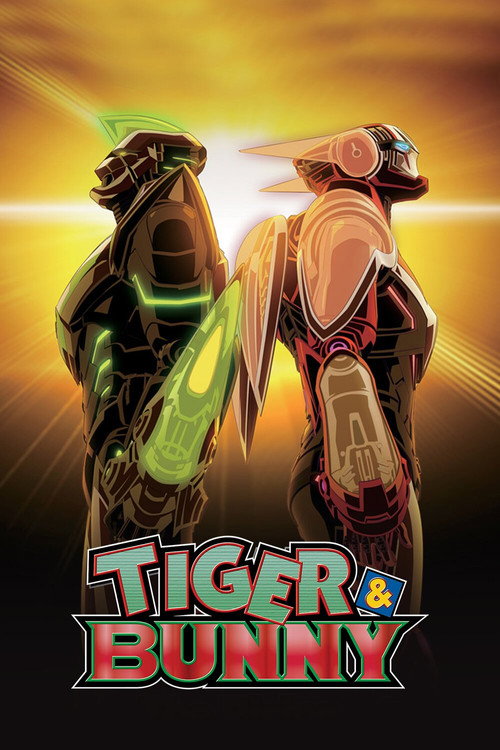
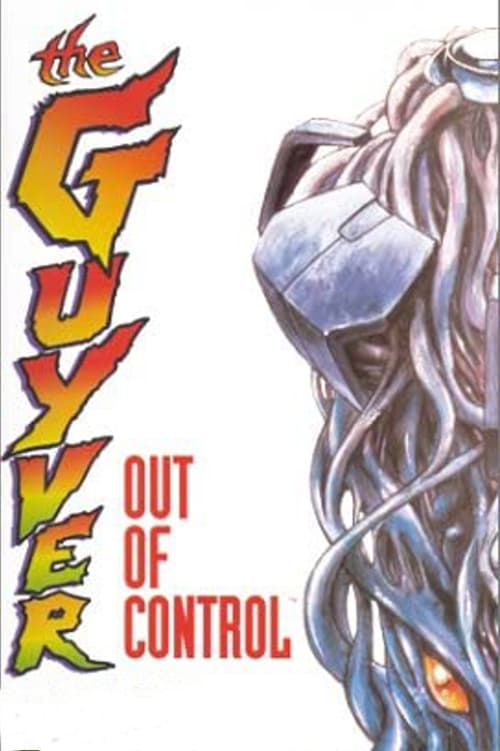
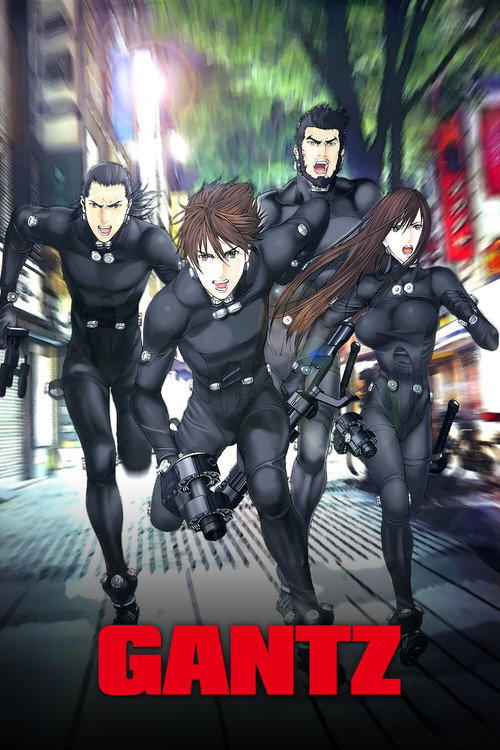
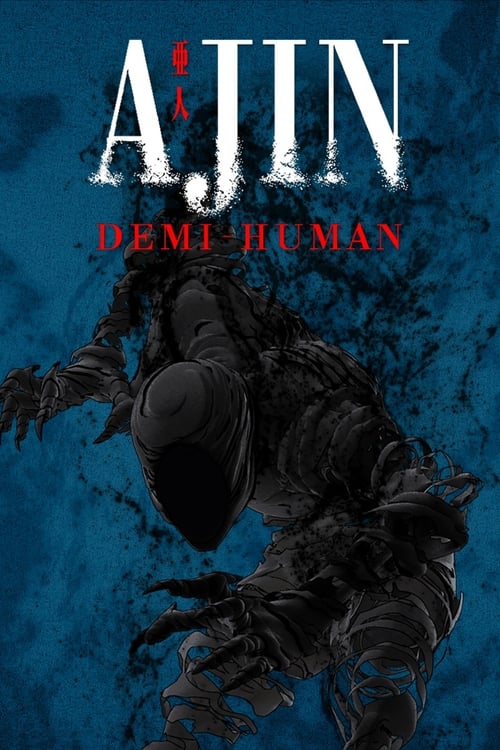
If You Love the Body-Horror and Transformation Theme
Stories about humans altered, upgraded, or burdened by a power they did not ask for
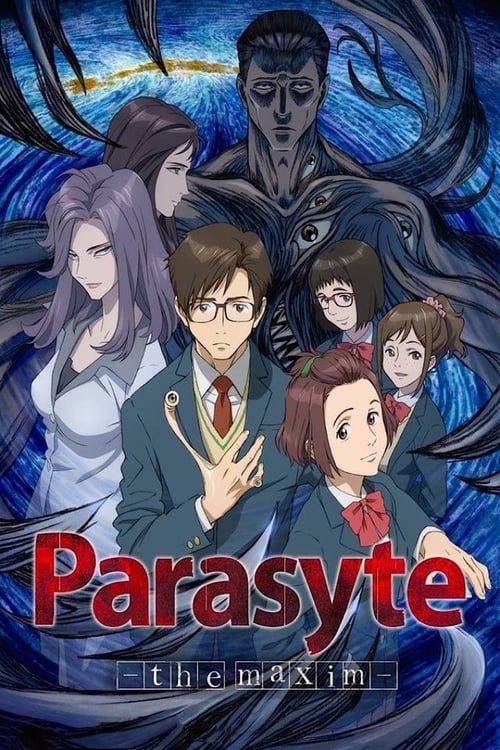

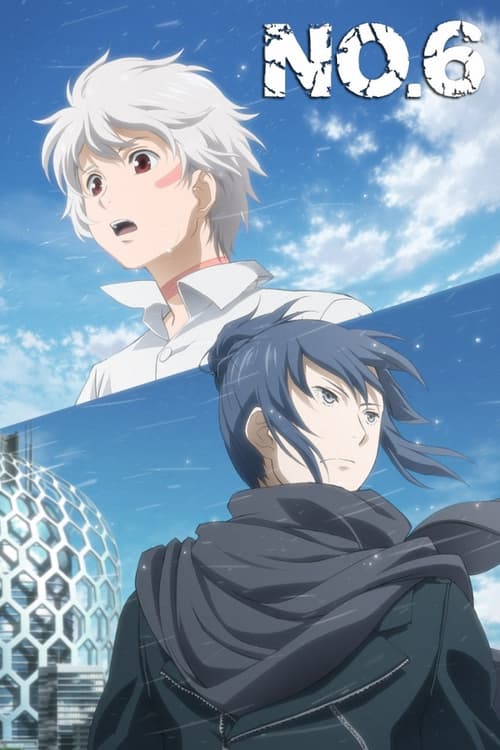
If You Love the Lone Hero vs. Secret Organization Structure
Protagonists fighting shadowy enemies with superior resources and no institutional support


More tokusatsu heroes and monsters
Every Version of Power Rangers
Explore the Every Version of Power Rangers guide →Ishinomori designed a grasshopper-themed cyborg as a stand-in for every person who has ever felt turned into a tool by a system that does not care about them. The franchise has been re-arguing that premise, in new costumes, every year since 1971.CrossBinge editorial