
The wager that became a legend
Jules Verne published Le Tour du Monde en Quatre-Vingts Jours as a serial in Le Temps from November 1872, then as a novel in 1873. The premise was almost journalistic: Verne had read newspaper accounts arguing that new rail and steamship routes had made a circumnavigation in eighty days theoretically possible, and he turned that transport-timetable fantasy into a thriller. Phileas Fogg, a creature of perfect routine, bets his fortune at the Reform Club that he can circle the globe in exactly eighty days. His French valet Passepartout scrambles to keep up. Detective Fix pursues them across continents, convinced Fogg is a bank robber.
Verne staged a theatrical adaptation himself, co-written with Adolphe d'Ennery, which opened in Paris in 1874 and ran for years. That early crossover from page to stage set the template: the story is inherently episodic, visually spectacular, and driven by momentum rather than psychology, which makes it irresistible to adapters in every era. Silent cinema grabbed it in the 1910s. Hollywood gave it a three-hour Technicolor spectacular in 1956. Animated series landed it in children's schedules across the 1970s and 1980s. A Jackie Chan action-comedy reinvented it in 2004. The story has been reset in the Old West, in outer space, and as a video game. Few novels have traveled as far as the one about traveling fast.
Every Version: From Novel to Screen
The source work and every major adaptation

Eighty Days Across 150 Years
- 1872Verne's serial runs in Le Temps
- 1873Published as a novel Around the world
- 1874Verne and d'Ennery stage adaptation opens in Paris
- 1919First film adaptation, silent short
- 1956Mike Todd's Oscar-winning epic with David Niven Around the World in 80 Days
- 1972Soviet animated film adaptation
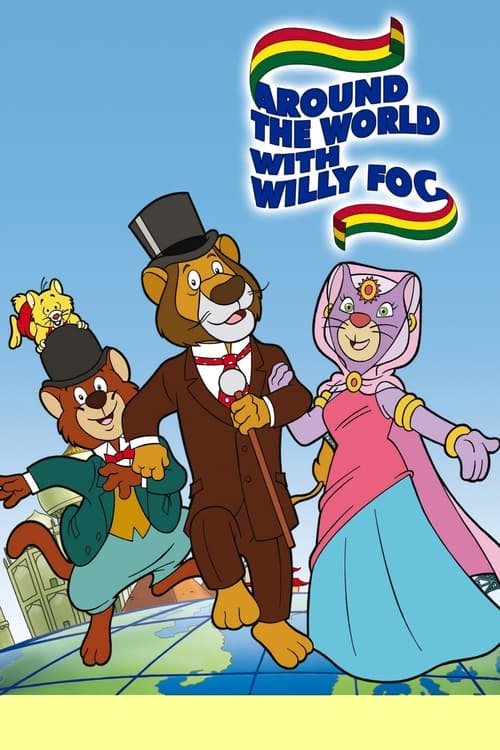
- 1981Animated series with Willy Fog (Japan/Spain co-production) Around the World with Willy Fog
- 1989Pierce Brosnan TV miniseries Around the World in 80 Days
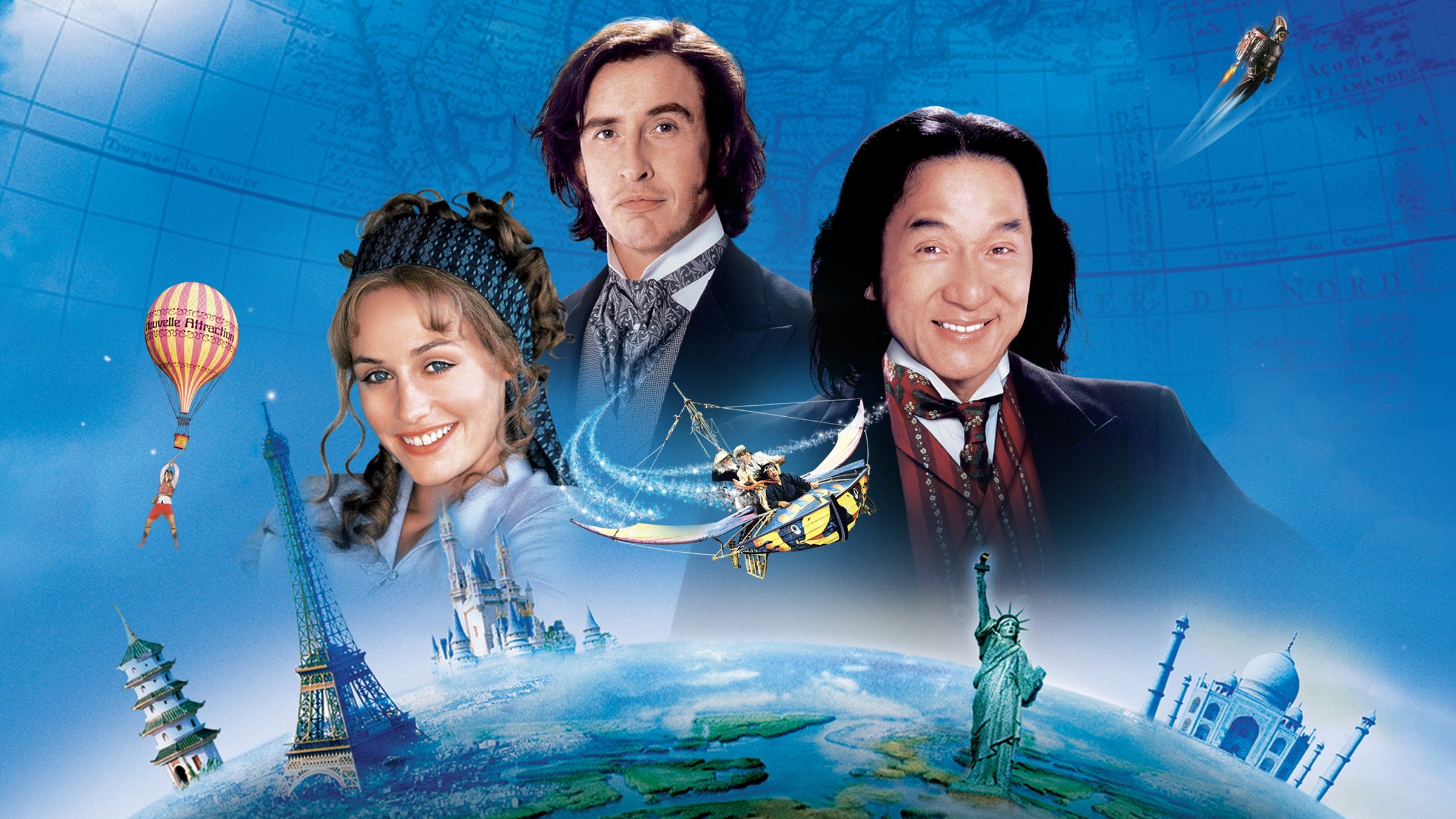
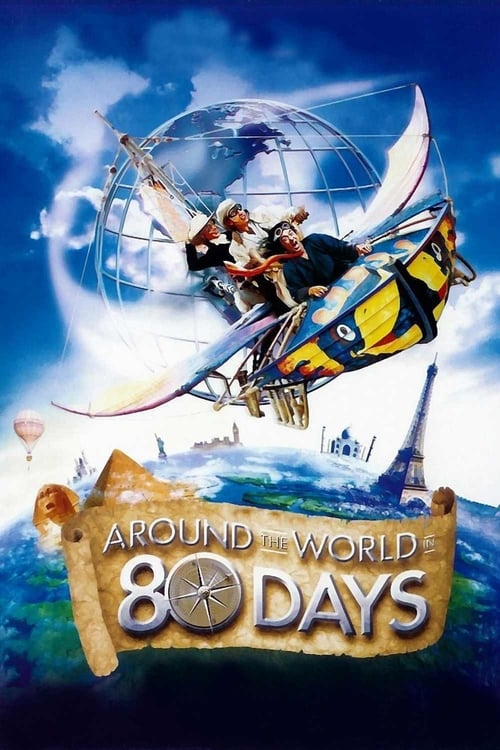
- 2004Jackie Chan and Steve Coogan comedy film Around the World in 80 Days
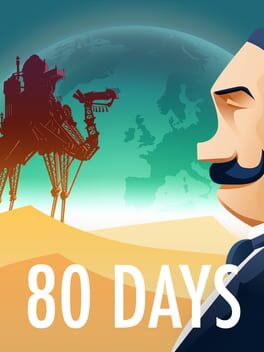
- 2014Inkle Studios narrative game reimagining 80 Days
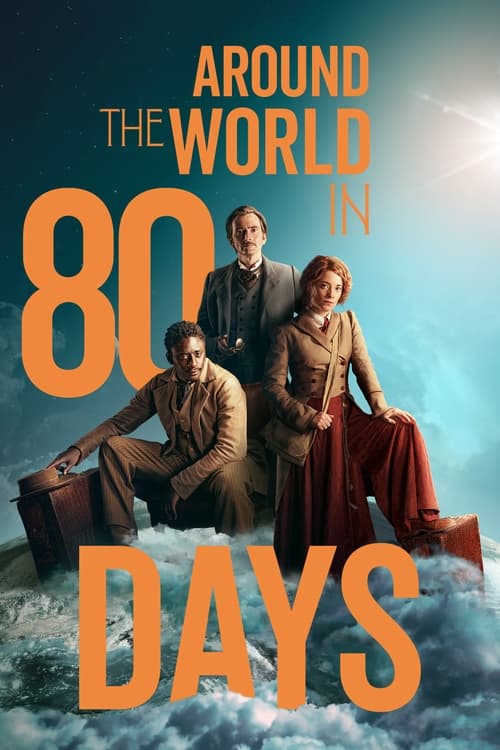
- 2021BBC/PBS prestige drama series Around the World in 80 Days
The definitive version is still the 1956 film
Mike Todd's Around the World in 80 Days won the Academy Award for Best Picture and it earned it. David Niven plays Fogg with exactly the right quality: a man whose stillness is itself a kind of comedy. Cantinflas as Passepartout is a genuine star turn. The film runs three hours and uses every minute of them, dropping the audience into forty-four locations with a cast of cameos that reads like a Hollywood hall of fame. It is a love letter to the possibilities of cinema at the exact moment widescreen spectacle was at its peak. Nothing made since has matched the sheer audacity of its scope.
The underrated one: the 2021 BBC series deserves more credit
The 2021 BBC/PBS co-production with David Tennant as Fogg and Ibrahim Koma as Passepartout actually interrogates the novel's assumptions: colonialism, class, the violence of empire. Fogg is not a charming eccentric but a man running from something. Leonie Bly as a journalist provides a perspective the book never had. It is slower than the premise suggests, and that slowness is the point. It ran for two series and quietly built a case for being the most intelligent version of this story ever filmed. If you came for the wager and stayed for the politics, this is the one.
The one to skip: the 2004 Jackie Chan version
The 2004 film keeps the title and the wager and discards everything else. Jackie Chan plays Passepartout as a martial-arts superhero on a secret mission that has nothing to do with Verne. Steve Coogan is game but stranded in a script that has no idea what it wants to be. The action sequences are competent Chan, the comedy is flat, and the story is incoherent. It is not an adaptation so much as a franchise pilot that never launched. The best thing about it is that it makes the 1956 film look even better by comparison.
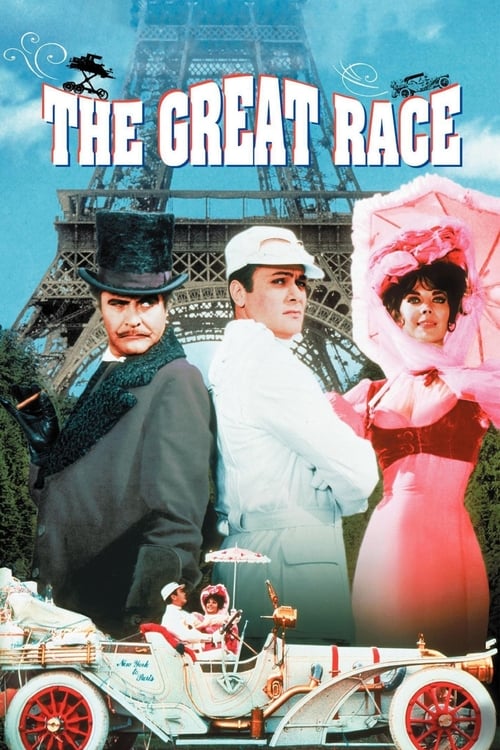
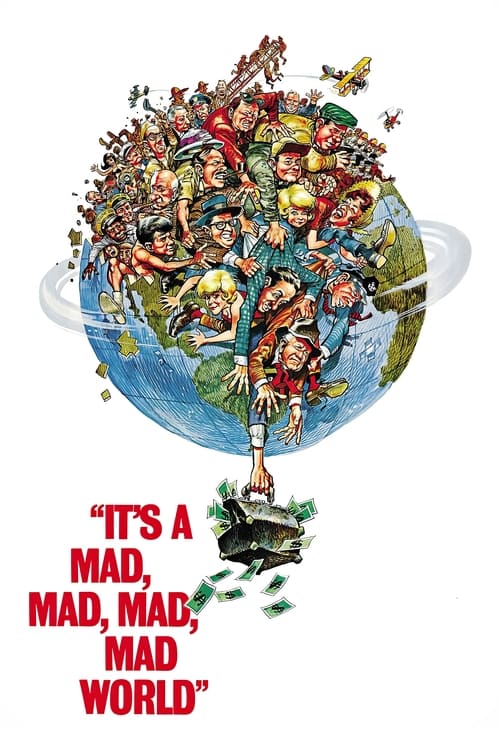
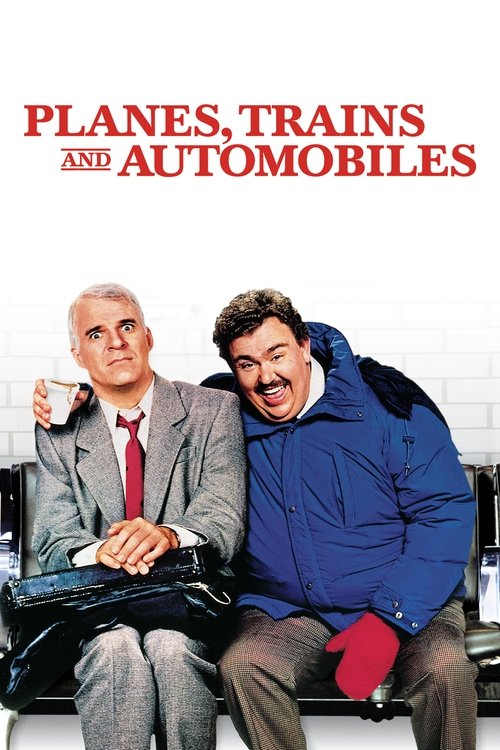
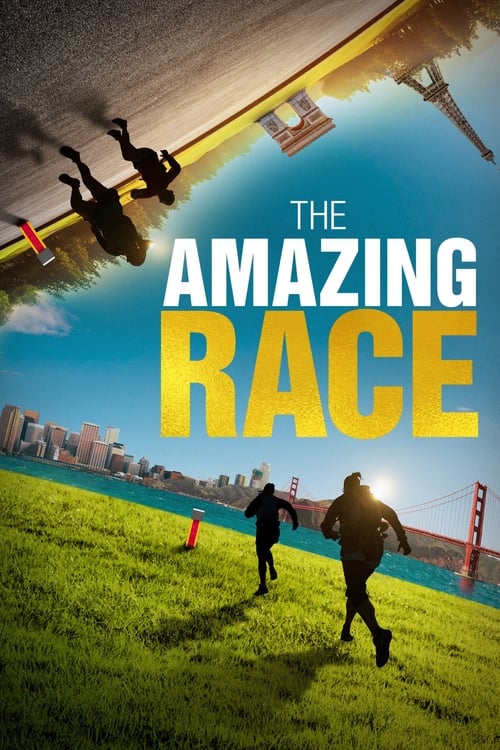
If you love the wager and the chase
High-stakes adventures built around a race against time


If you love Jules Verne's world
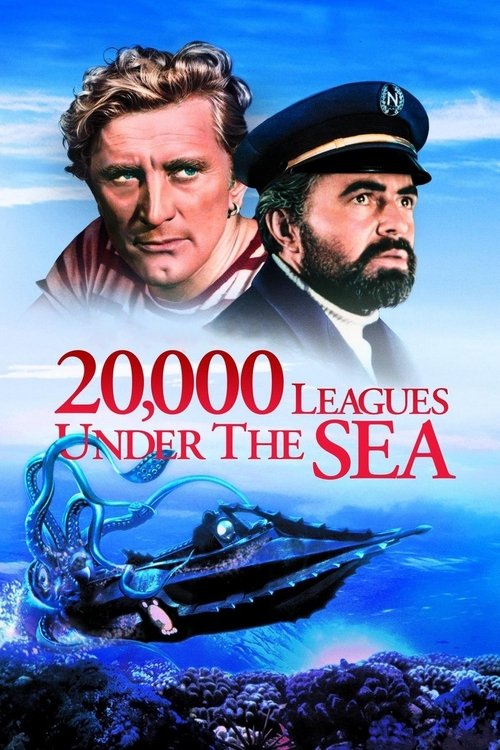
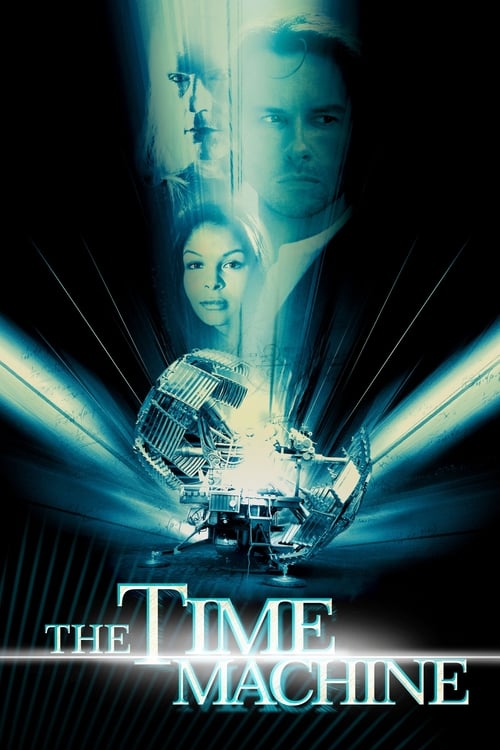
Other Verne stories and Victorian science-adventure adaptations



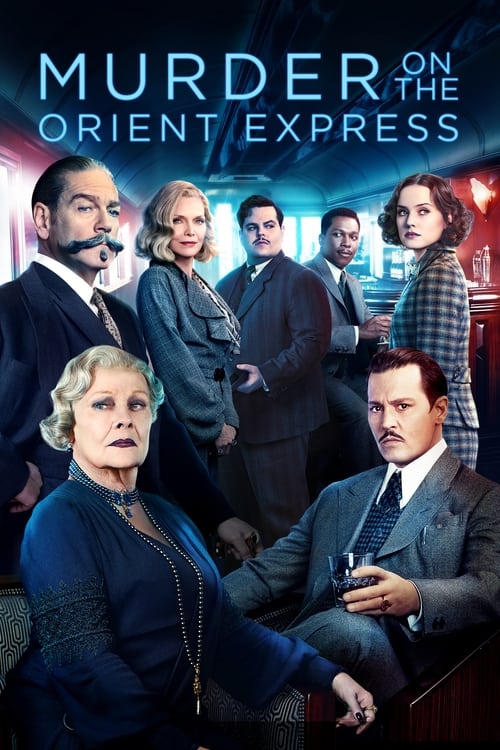
If you love Phileas Fogg: the impossible gentleman
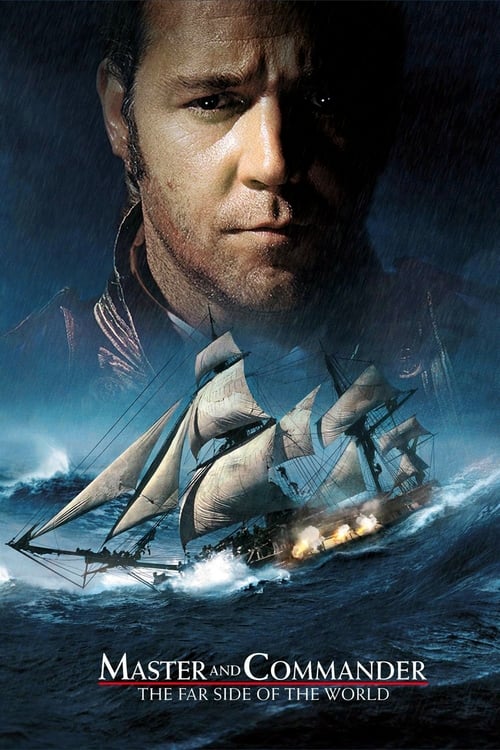
Eccentric, unflappable heroes navigating a world that cannot contain them
![The Complete Sherlock Holmes [4 novels, 56 stories]](https://is1-ssl.mzstatic.com/image/thumb/Publication/v4/5f/30/30/5f3030c8-b973-ba79-ac61-1a2ff28d84f4/SherlockHolmes.png/1400x1400bb.jpg)
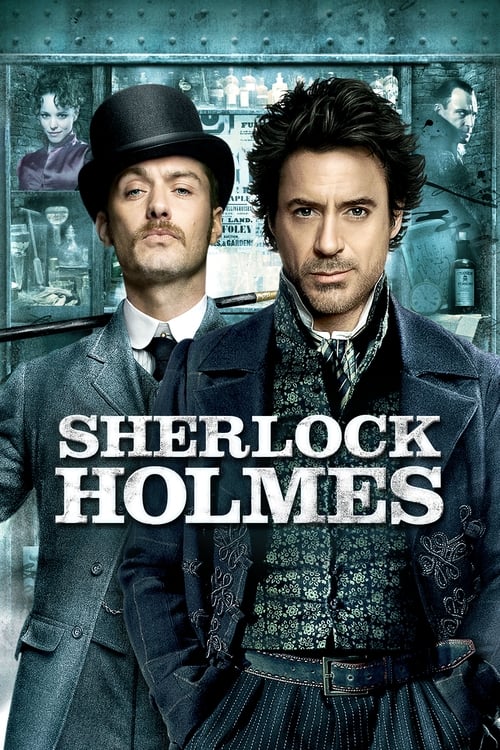

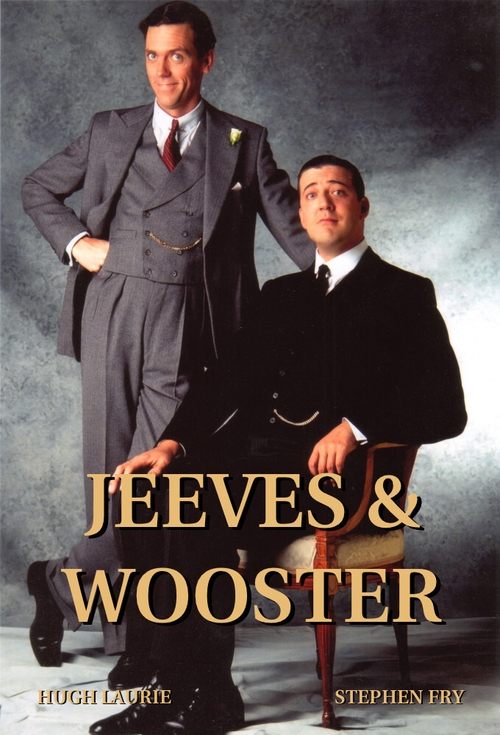
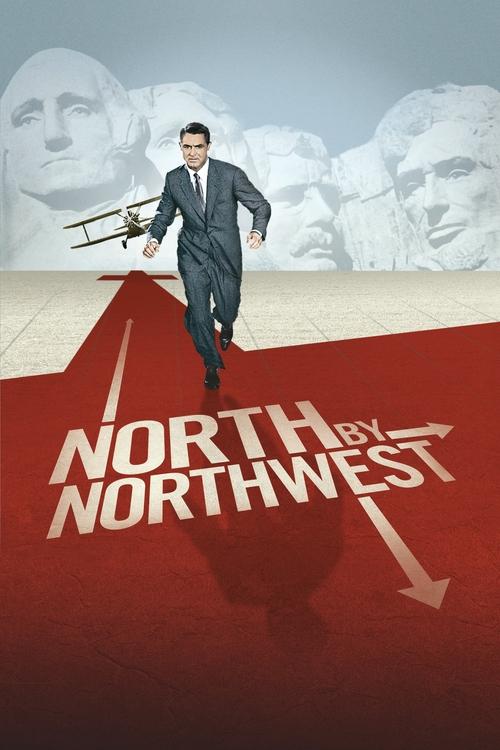

More Verne and globe-trotting adventure
For Fans of Jules Verne
Explore the For Fans of Jules Verne guide →Whatever the medium, the story always asks the same question: is a man who treats the world as a timetable really alive at all?CrossBinge