

The novel that invented the submarine thriller
Jules Verne published Vingt mille lieues sous les mers (Twenty Thousand Leagues Under the Sea) in serial form in 1869 and 1870, then as a complete novel in two volumes from Hetzel. It grew from a single inversion: what if the mysterious sea monster terrorising shipping lanes was actually a machine? The result was one of the founding texts of science fiction, a novel that gave readers Captain Nemo, the Nautilus, and the fantasy of breathing, eating, and living on the ocean floor, years before the first practical submarine had been built.
Verne's story follows Professor Pierre Aronnax, his manservant Conseil, and harpooner Ned Land, taken aboard Nemo's extraordinary vessel after a collision at sea. What follows is less a plot-driven thriller than a travelogue of the deep: coral graveyards, a sunken Atlantis, the South Pole under the ice. Nemo himself is the engine of the book's lasting fascination, a man of genius and unresolved fury, stateless and beyond law, readable as romantic rebel or early terrorist depending on your sympathies.
The novel has been translated, adapted, sequelised, and reimagined continuously for 150 years. The 1954 Disney film fixed the visual grammar most people still carry in their heads. Anime, graphic novels, stage musicals, and at least a dozen film and television versions have followed. No two quite agree on who Nemo is or what he wants, which is probably why the story keeps getting remade.
Every Version
The source novel and major adaptations across media



A century and a half of Nemo
- 1869Verne's novel serialised in Magasin d'Education et de Recreation 20,000 leagues under the sea
- 1870Complete novel published in two volumes by Hetzel
- 1916Stuart Paton's silent film: the first full-length adaptation, faithful to the novel's structure and shot partly underwater
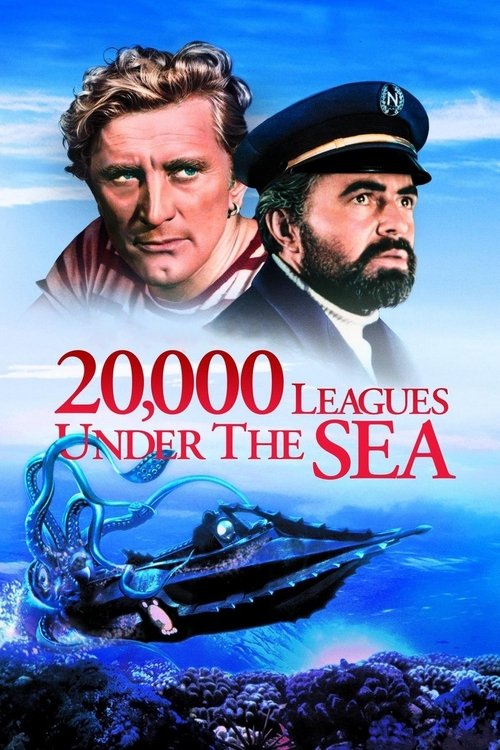
- 1954Disney's landmark adaptation directed by Richard Fleischer, with James Mason as Nemo and Kirk Douglas as Ned Land 20,000 Leagues Under the Sea
- 1973Filmation animated TV film brings the story to Saturday-morning audiences
- 1990Hideaki Anno's anime series Nadia: The Secret of Blue Water reimagines the Nemo universe through an orphaned protagonist and a stone of mysterious power Nadia: The Secret of Blue Water
- 1997Michael Anderson's CBS miniseries with Michael Caine as Nemo, shot on a reduced budget and remembered mainly for its miscasting
- 1999Alan Moore and Kevin O'Neill's graphic novel casts Nemo as a member of a team of literary anti-heroes in The League of Extraordinary Gentlemen
- 2003League film adaptation with Naseeruddin Shah as Nemo in a CGI-heavy action version of Moore's concept The League of Extraordinary Gentlemen
The definitive version is the 1954 Disney film
Richard Fleischer's 1954 production remains the adaptation against which all others are measured. Kirk Douglas as Ned Land gives the story physical energy and a comic counterweight to its gloom. James Mason's Nemo is restrained, melancholy, and genuinely dangerous: the organ recital in the storm, the burial at sea, the final self-destruction all land. The Nautilus design, all Victorian rivets and organ pipes, is one of cinema's great pieces of production design. The giant squid sequence still works. No later version has managed the same balance of spectacle, character, and the novel's melancholy undertow.
The underrated one: Nadia: The Secret of Blue Water
Hideaki Anno's 1990 NHK series is technically a loose adaptation via the Verne universe, but it earns its place in any honest Nemo lineage. Anno later described it as a rehearsal for Evangelion, and the evidence is visible: the orphan protagonist, the impossible machine, the father figure who is also a catastrophe. It runs long and loses coherence in its middle stretch, but its best episodes are genuinely moving and its visual imagination of the deep sea is unmatched in animation. The question it asks about Nemo, whether a man of absolute principle can be anything other than a tyrant, is sharper than anything the Disney version dares.
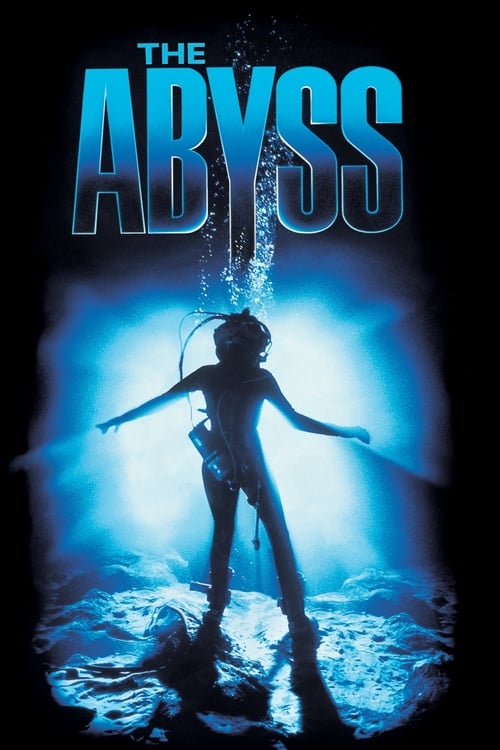
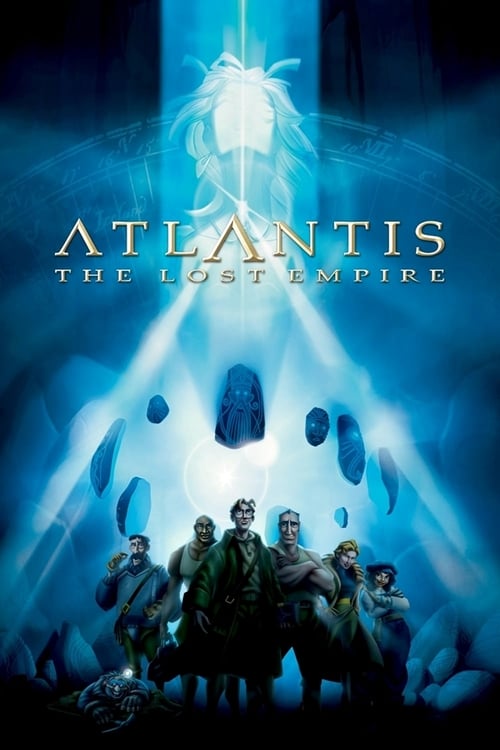
If you love the ocean as a world
Stories where the sea is a universe, not a backdrop



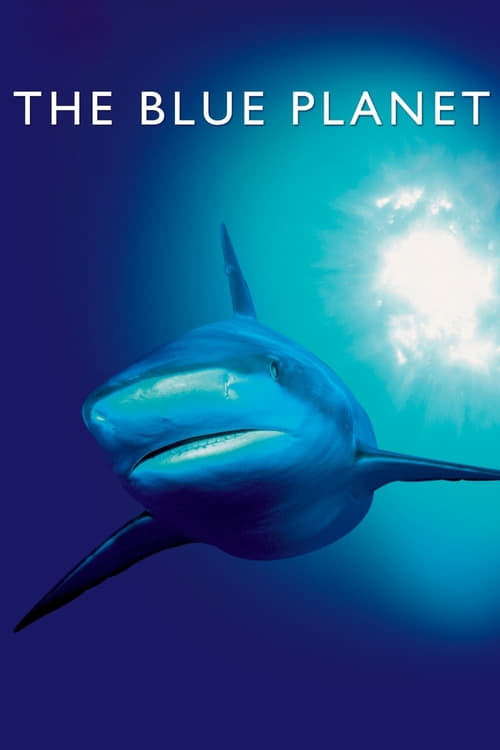
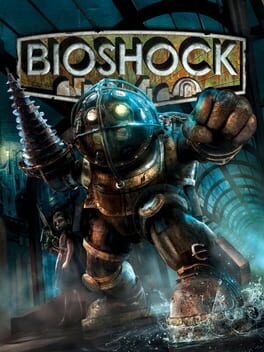

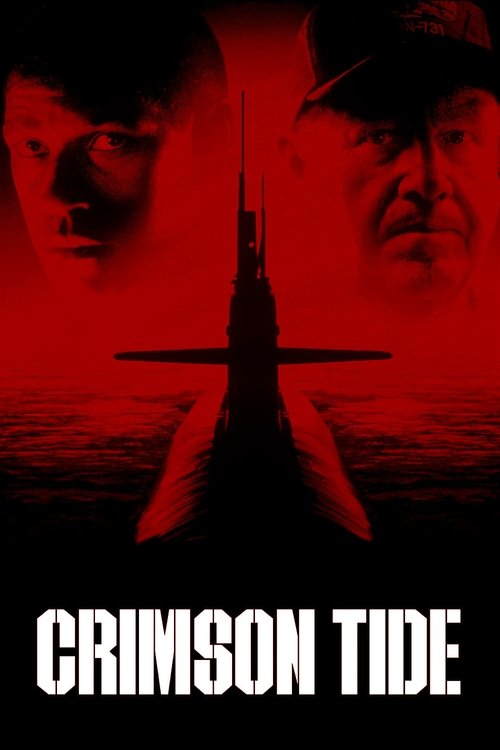
If you love the brilliant outsider with a secret
Captain Nemo's spiritual cousins across fiction






If you love Victorian science fiction
The world Verne built and the writers who followed him into it







More Verne and undersea adventure
For Fans of Jules Verne
Explore the For Fans of Jules Verne guide →The sea is everything. It covers seven tenths of the terrestrial globe. Its breath is pure and healthy. It is an immense desert, where man is never lonely, for he feels life stirring on all sides.Jules Verne, Twenty Thousand Leagues Under the Sea (1870)