

Jules Verne did not predict the future so much as he dreamed it into existence with such vividness that engineers went looking for it. His Extraordinary Voyages series, which ran from 1863 to 1905, gave the world Captain Nemo's Nautilus, Phileas Fogg's record-breaking circumnavigation, a cannon aimed at the moon, and a descent into a volcanic crater that leads somewhere no map has ever charted. What connects all of it is not the gadgetry but the feeling: that the planet is larger and stranger than any civilization has yet admitted, and that the right combination of intellect, nerve, and curiosity can unlock any of its secrets. Verne readers fall in love with a particular register of adventure, one that mixes scientific plausibility with wide-eyed wonder, that values the journey as much as the destination, and that believes knowledge itself is the greatest treasure. This page is built for those readers, tracing that feeling across every medium.
Essential Jules Verne
The Extraordinary Voyages, from the most beloved to the rewarding deeper cuts


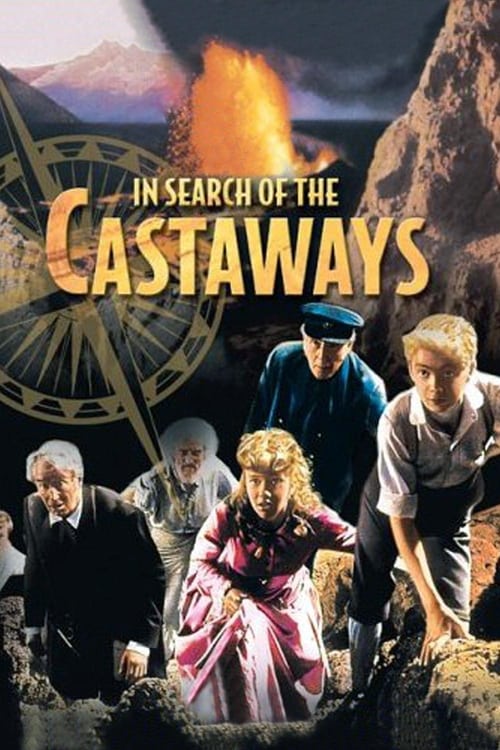
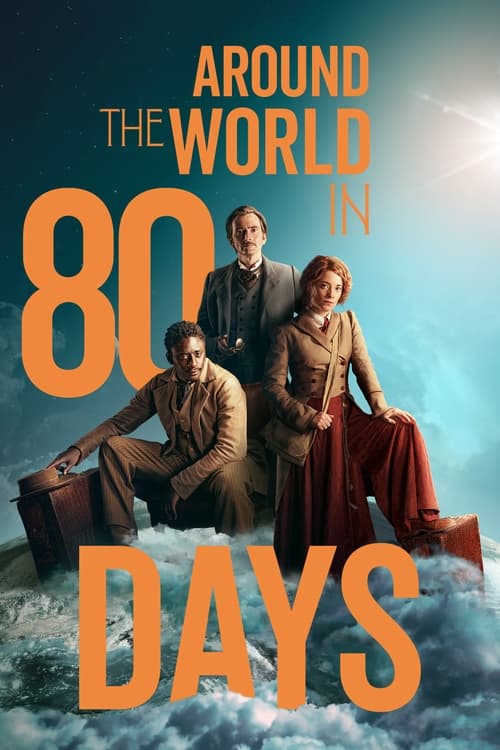
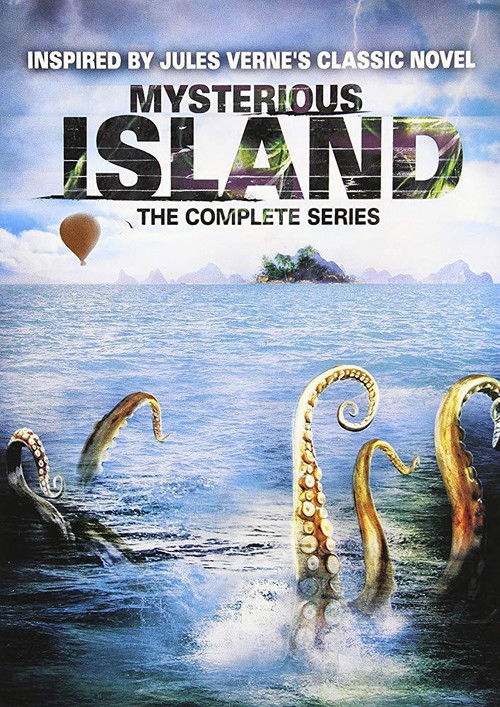
Verne on Screen: The Best Adaptations
From classic Hollywood to prestige television, the Extraordinary Voyages brought to life
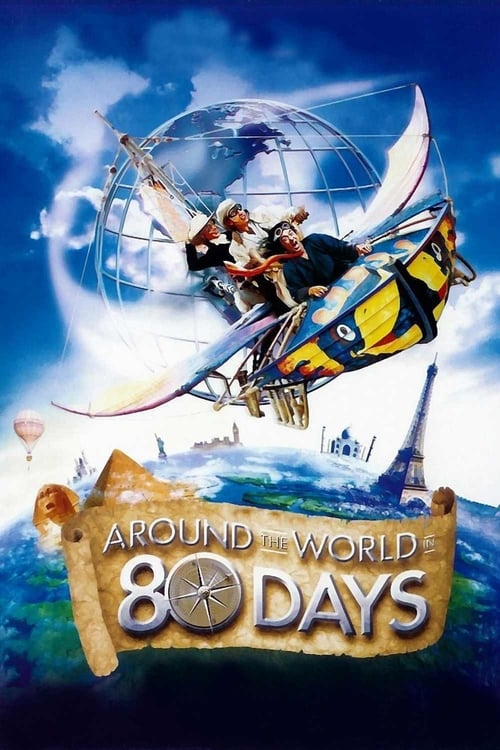
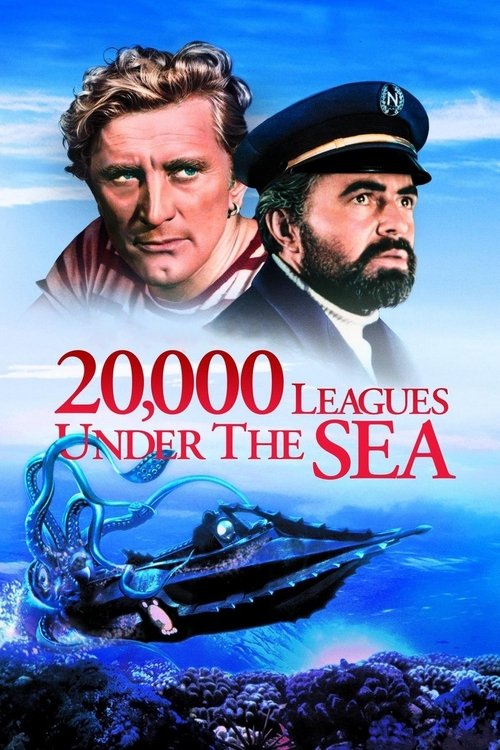
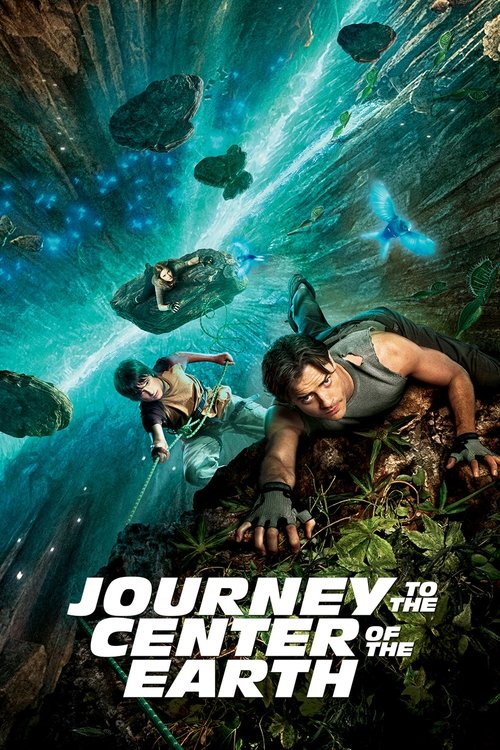
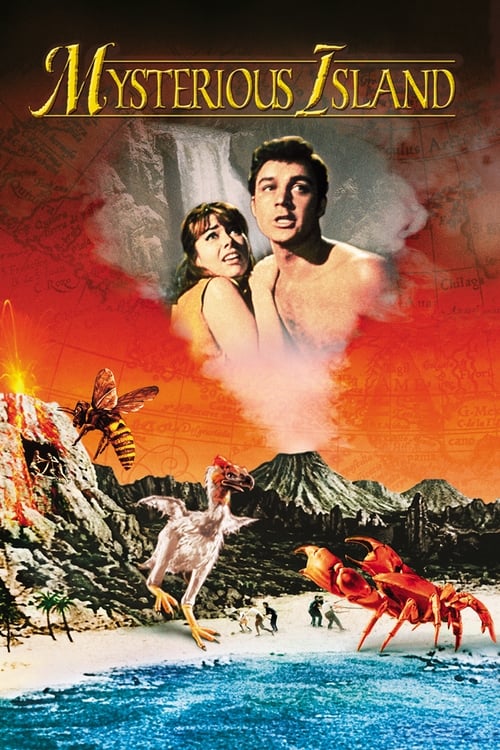


If You Love Verne: Adventure Films with the Same DNA
Expeditions, hidden worlds, and the thrill of discovery
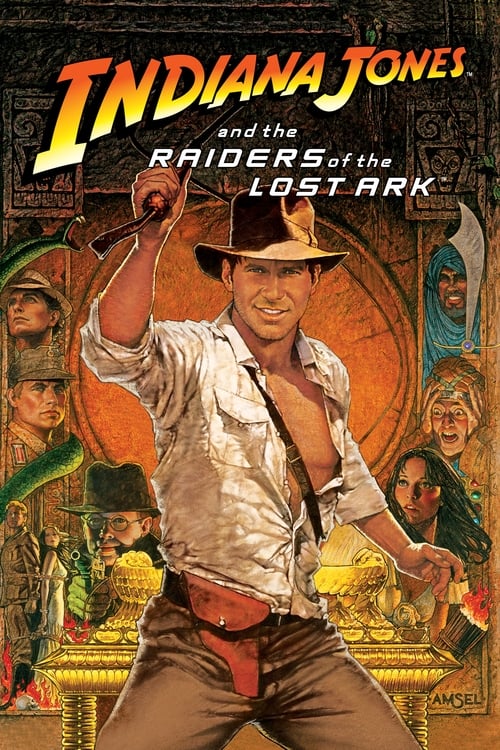

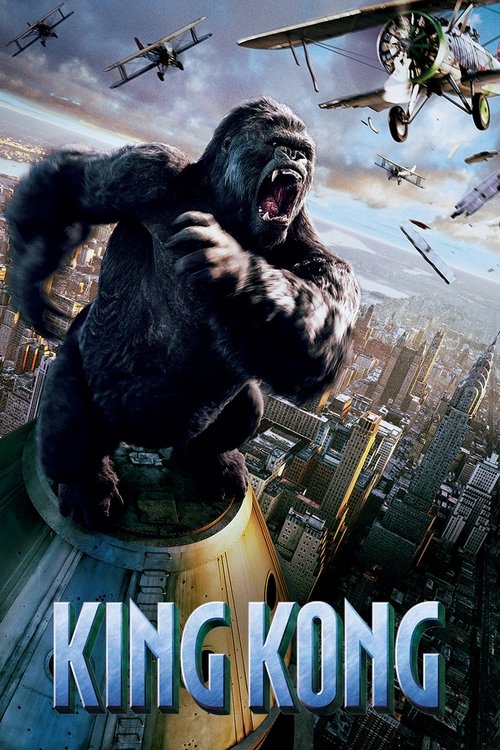
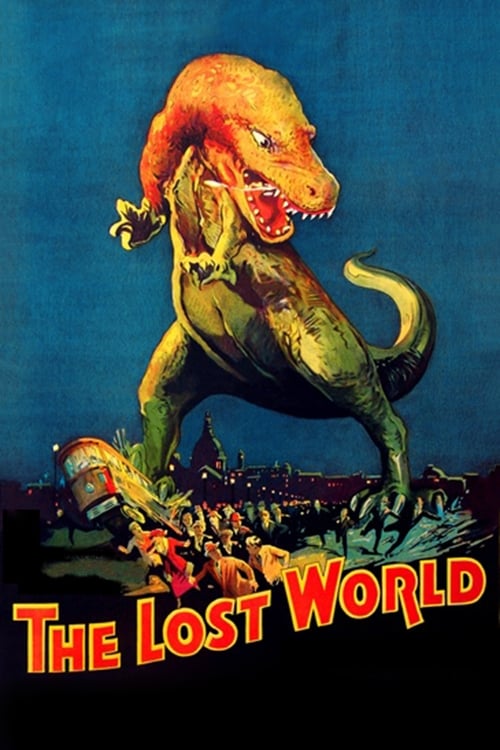
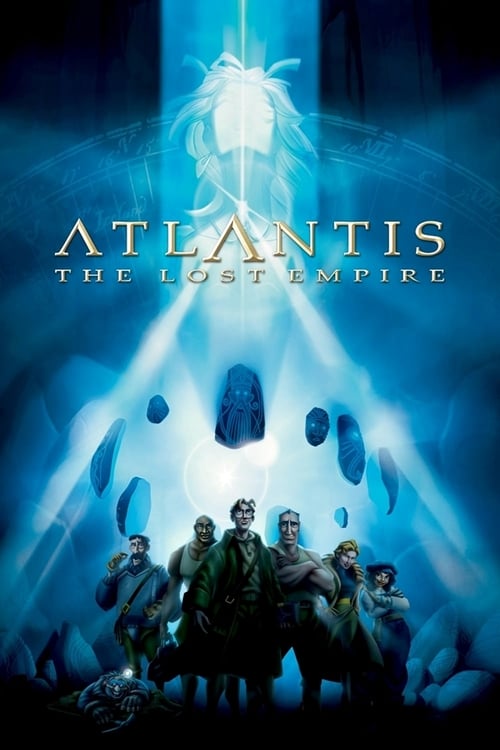
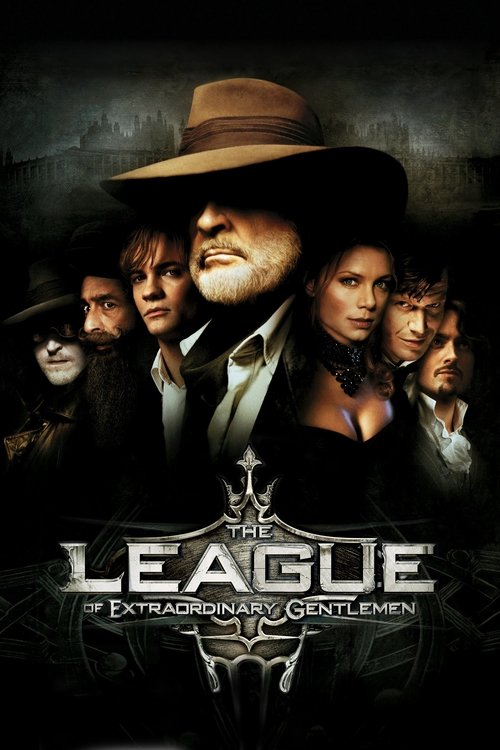
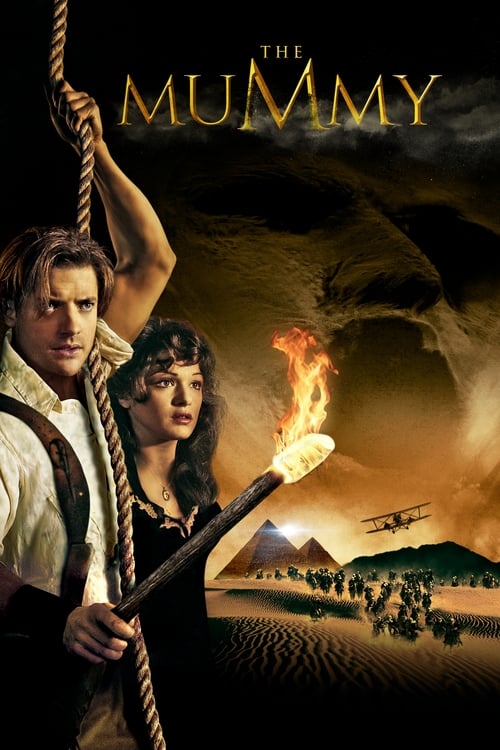


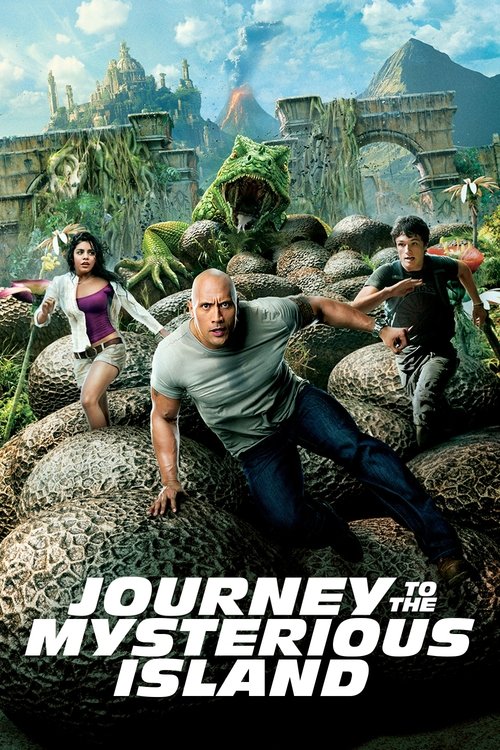

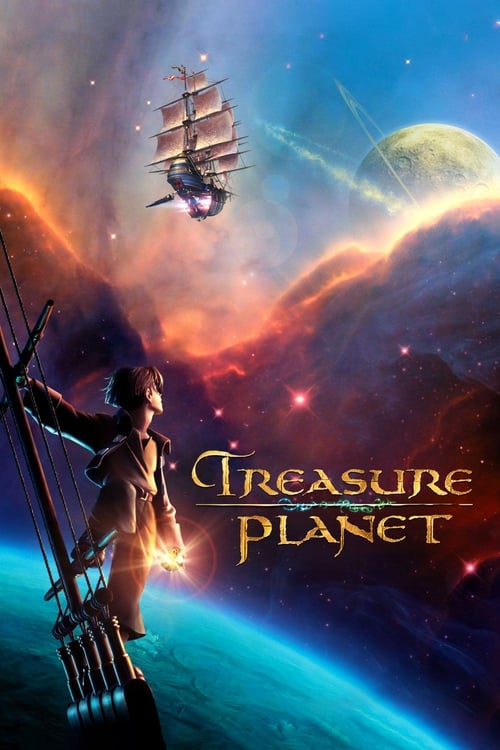
Steampunk and Victorian Adventure on Screen
The aesthetic and spirit of the Verne era, reinvented for contemporary audiences



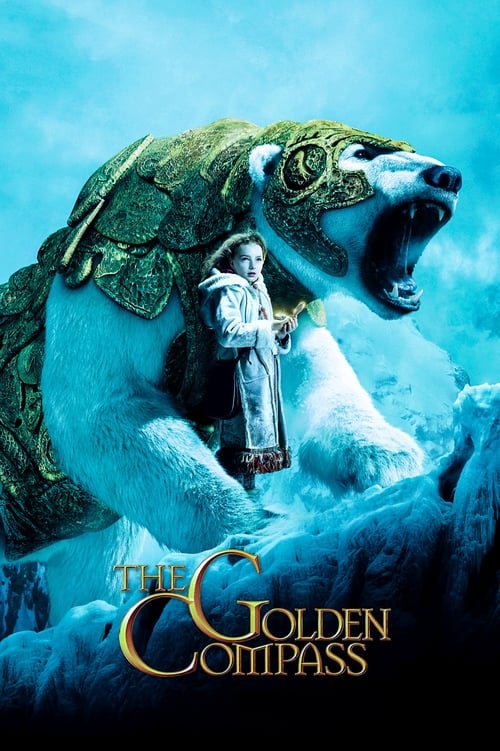







Similar Authors: The Grand Tradition of Adventure and Scientific Romance
Writers who share Verne's appetite for wonder, exploration, and speculative invention


![The Adventures of Sherlock Holmes [adaptation]](https://covers.openlibrary.org/b/id/9280588-L.jpg)
![The Count of Monte-Cristo [3/5]](https://is1-ssl.mzstatic.com/image/thumb/Publication123/v4/8b/b0/b0/8bb0b03a-3f80-e6cb-de7f-c74e0aaa4f7f/PD-The_Count_of_Monte_Cristo-Adj.jpg/1400x1400bb.jpg)


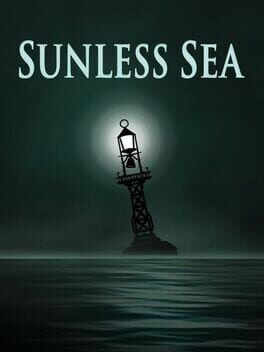
Games of Exploration and Discovery
Play through lost worlds, uncharted depths, and impossible journeys

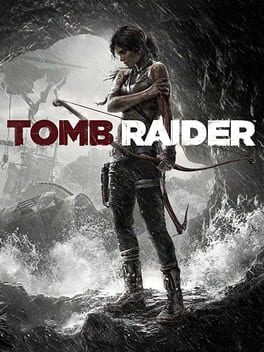


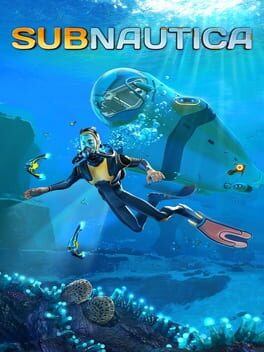
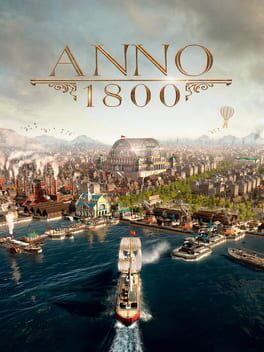
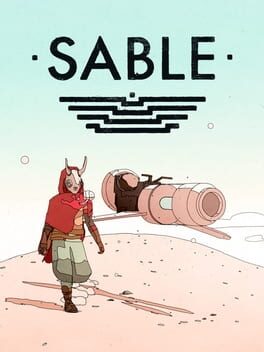

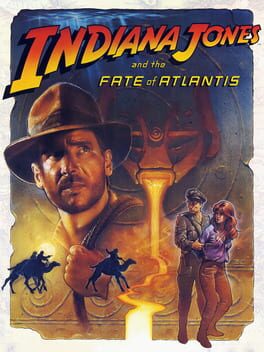

Captain Nemo Is the Most Interesting Villain Who Is Not a Villain
Nemo is brilliant, principled, wounded, and dangerous. He has renounced the surface world for reasons Verne deliberately keeps murky across two novels, and that ambiguity is what makes him unforgettable. He feeds the poor with the ocean's abundance, wages private war on the navies that wronged him, and shows genuine tenderness toward Aronnax even while holding him prisoner. Modern storytelling is still trying to write this character.
Around the World in Eighty Days Is Actually a Heist Novel
Phileas Fogg's precise, almost robotic itinerary, combined with Detective Fix's dogged pursuit across three continents, gives Around the World in Eighty Days its propulsive energy. Strip away the exotic settings and what remains is a chase story with a ticking clock, a man with everything to lose, and an antagonist operating on false assumptions. The comedy of manners is the sugar coating; the thriller mechanics underneath are what keep pages turning.
Sunless Sea Is the Closest a Game Has Come to Capturing Verne
Failbetter Games built their Victorian underwater world out of fragments: port encounters, crew morale, fuel and provisions, and a narrative voice that rewards curiosity and punishes recklessness. The feeling of piloting a fragile vessel into unmapped waters, knowing that knowledge is the only currency that matters, is as close to the Nemo experience as games have managed. The prose alone is worth the journey.
Hugo Understands Why Verne Matters
Scorsese's Hugo is nominally about Georges Melies and the birth of cinema, but its emotional core is the same as Verne's: the conviction that the universe is full of mechanisms waiting to be understood, and that the right mind, given enough curiosity and courage, can unlock any of them. The film treats invention and wonder as moral goods. Verne would have approved.
Jules Verne: A Life in Extraordinary Voyages
- 1828Born in Nantes, France, son of a lawyer and raised near the Loire estuary, which would haunt his fiction for the rest of his life.
- 1863Five Weeks in a Balloon published, launching the Extraordinary Voyages series with Pierre-Jules Hetzel.
- 1864Journey to the Center of the Earth appears, establishing the template of a scientific expedition into an impossible interior world. Journey to the center of the earth
- 1869Twenty Thousand Leagues Under the Sea serialized in Magasin d'Education et de Recreation, introducing Captain Nemo to the world. Twenty thousand leagues under the sea
- 1872Around the World in Eighty Days serialized in Le Temps; it becomes an international sensation and Verne's most commercially successful novel. Around the world
- 1874The Mysterious Island completes the Nemo trilogy, revealing the captain's origins and ending his story.
- 1886Verne is shot in the foot by his nephew Gaston during a mental episode; the injury permanently affects his mobility.
- 1905Jules Verne dies in Amiens at 77. The Extraordinary Voyages series ultimately runs to 54 novels and 18 short stories.
- 1954Disney releases 20,000 Leagues Under the Sea, starring James Mason as Nemo, becoming a defining adaptation. 20,000 Leagues Under the Sea
- 201480 Days, the Inkle Studios game based on Around the World in Eighty Days, wins multiple awards and reintroduces Verne to a new generation. 80 Days
Adventure, exploration, and gaslit invention
Treasure Hunts & Adventure
Explore the Treasure Hunts & Adventure guide →Science, my lad, is made up of mistakes, but they are mistakes which it is useful to make, because they lead little by little to the truth.Jules Verne, Journey to the Center of the Earth