
The drug that unlocks everything
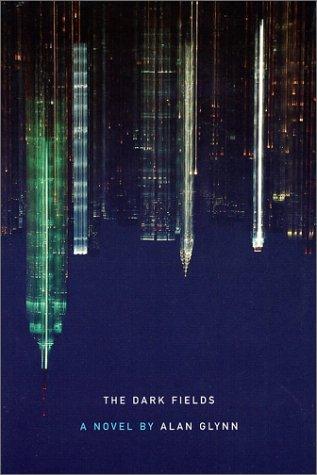
It started quietly. Irish novelist Alan Glynn published The Dark Fields in 2001 to modest attention: a psychological thriller about a failing New York writer who stumbles onto an experimental nootropic called MDT-48 and watches his life accelerate into something unrecognizable. The premise was sharp and the paranoia was real, but the book landed with a thud.
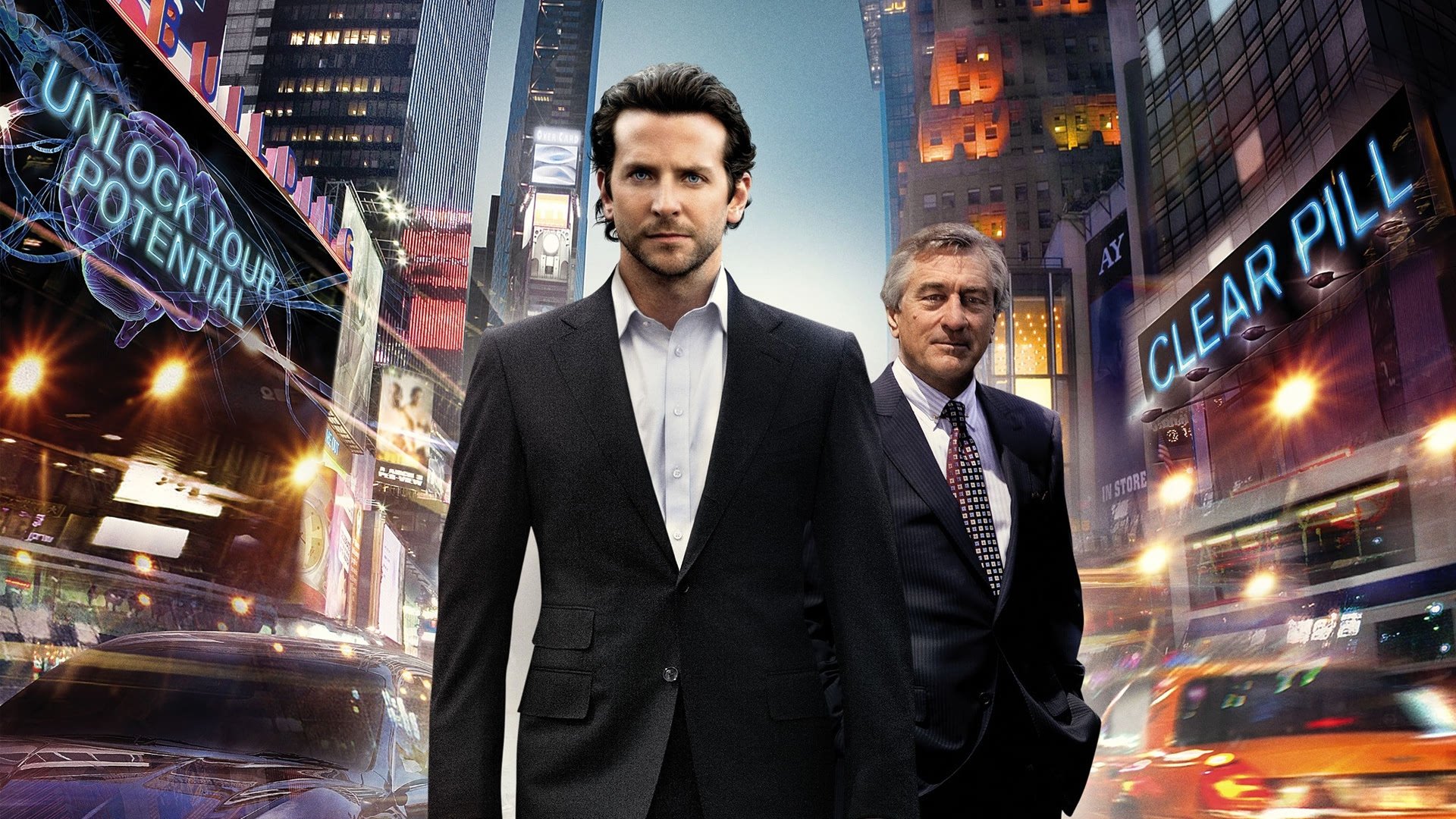
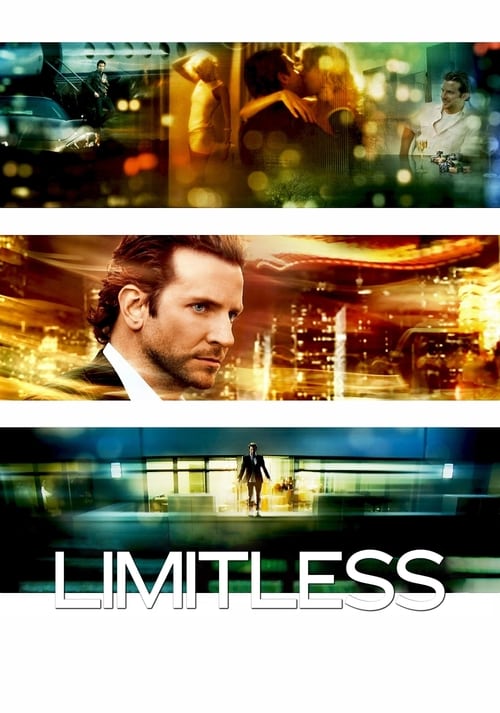
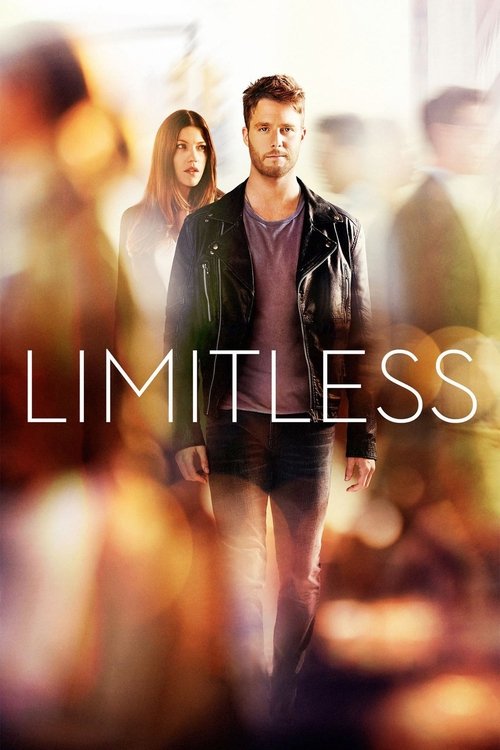
A decade later, a film adaptation arrived with a new title, a new drug name (NZT-48), and Bradley Cooper. Limitless (2011) turned Glynn's downbeat literary thriller into a kinetic, visually inventive studio picture, and the premise finally found its audience. The novel was quietly reissued under the film's title to catch the spillover. From there the story took one more major step: a CBS television series that ran for a single season in 2015 to 2016, expanding the mythology while softening the novel's darker edges into a procedural format.
That is the complete lineage: one novel, one film, one TV series. For a concept that became genuinely influential on how popular culture thinks about cognitive enhancement and the appeal of radical self-improvement, the actual adaptation tree is surprisingly short.
Every version of Limitless
The complete lineage, source to screen
Limitless across the years
- 2001Alan Glynn publishes The Dark Fields, the source novel, with the drug named MDT-48 The dark fields
- 2011Neil Burger's film adaptation opens; the novel is reissued as Limitless with the drug renamed NZT-48 Limitless
- 2015CBS series premieres with Jake McDorman as Brian Finch; Bradley Cooper returns as executive producer and in a recurring role Limitless
- 2016CBS cancels the series after one season of 22 episodes, leaving a developing arc unresolved
The definitive version is the film, and the novel is worth the detour
The 2011 film is the version most people mean when they say Limitless. Director Neil Burger found a visual grammar for the NZT experience (the tunnel-vision rack focus, the oversaturated palette shift) that became genuinely influential. Bradley Cooper carries it on charm and coiled anxiety in equal measure.
But Glynn's original The Dark Fields earns a read on its own terms. The protagonist is grimmer, the ending refuses comfort, and the critique of ambition lands harder without a Hollywood safety net. The novel's MDT-48 doesn't make its user charming and magnetic: it makes him dangerous and paranoid. That's a more honest reckoning with what unchecked cognitive ambition actually produces.
The CBS series deserved a second season
The CBS Limitless (2015) gets dismissed as a procedural cash-in, and the format concessions are real. But the show found genuine personality in Jake McDorman's Brian Finch: looser, funnier, and more self-aware than the film's Edward Morra. The writing staff leaned into the absurdity of the premise in ways the film never risked, and the season-long arc involving the NZT conspiracy was building toward something with real stakes. CBS cancelled it before that could pay off. The cancellation was a business decision dressed up as a ratings one, and the show deserved better.
If you love Limitless: other stories about forbidden enhancement
Cognitive upgrades, performance drugs, and the price of becoming someone else
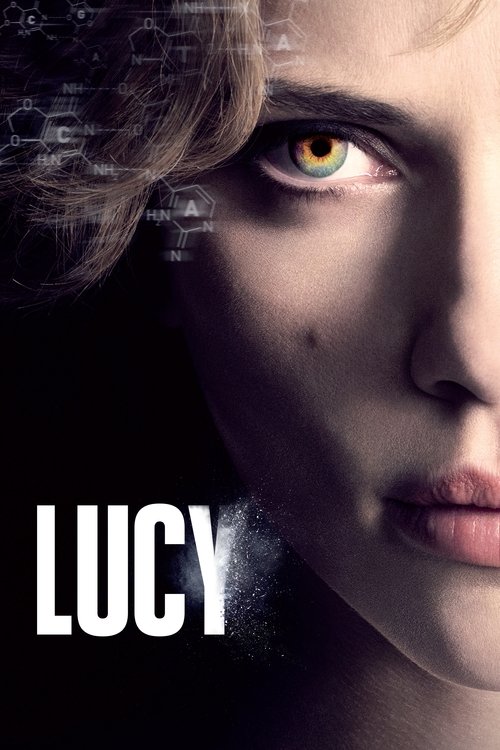
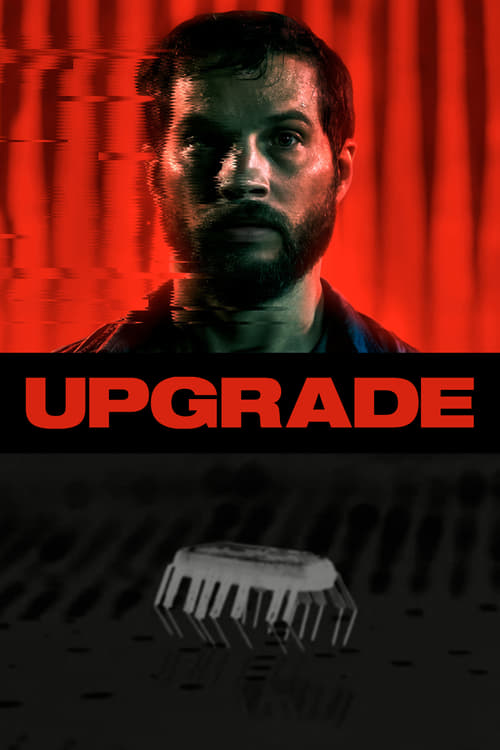
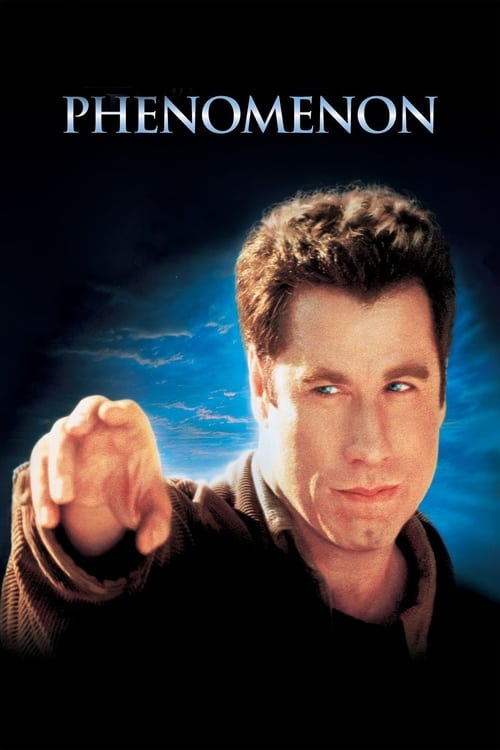
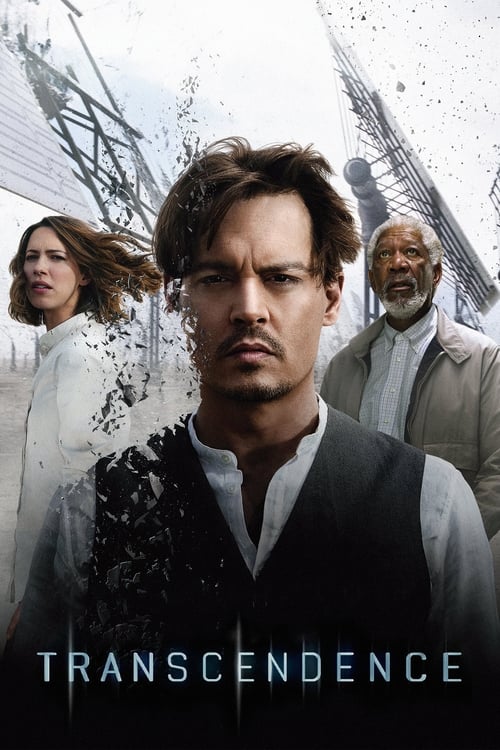
If you love Limitless: ordinary people with dangerous leverage
Someone hands you the keys to something you should not have, then comes to collect

If you love Limitless: one great story across multiple media
Source novels and the screen adaptations that changed how we read them