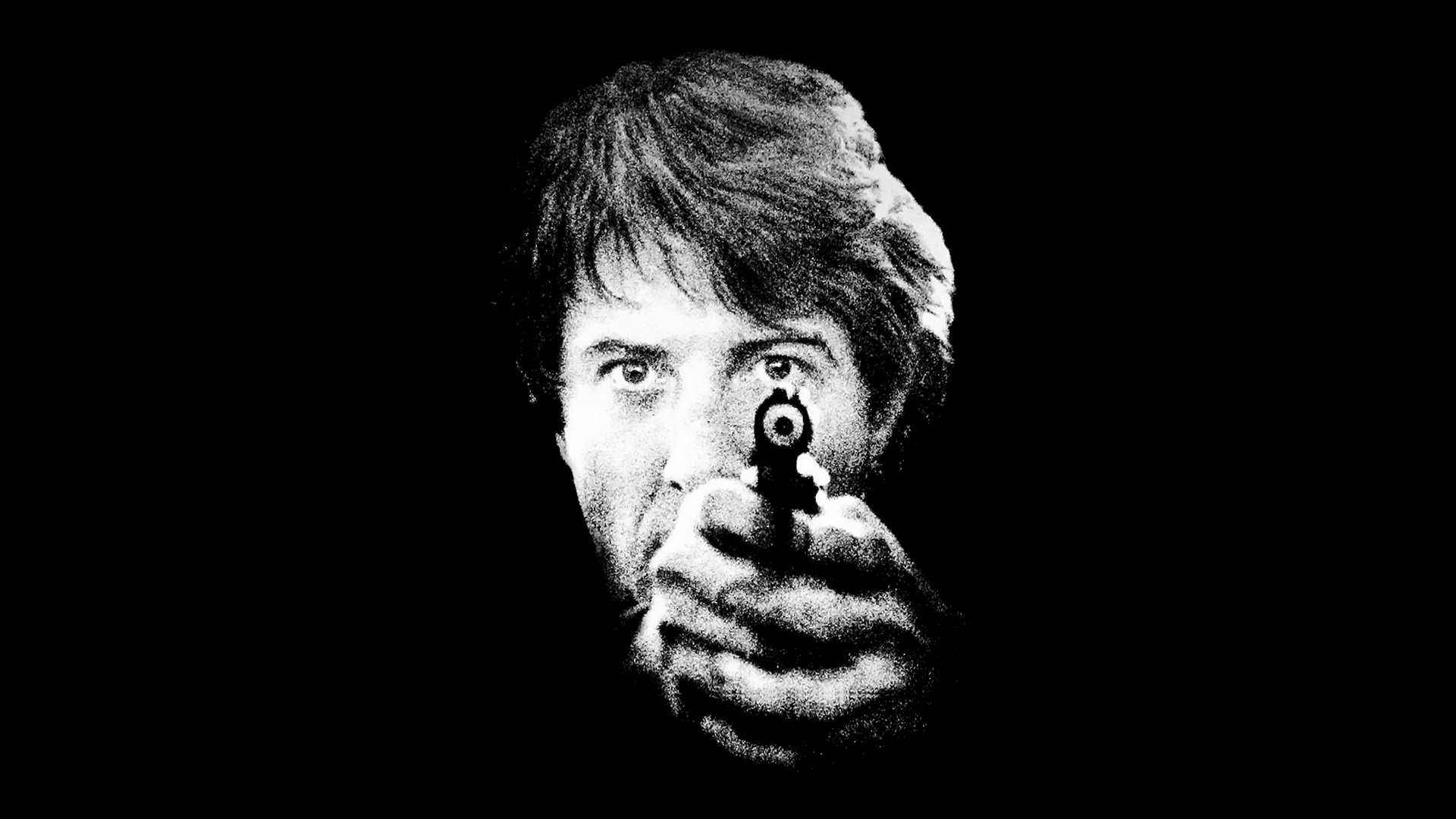

The Book Nobody Expected to Become a Classic
James Grady was 23 years old and working as a congressional aide in Washington, D.C., when he wrote Six Days of the Condor (1974). The premise was lean and brutal: a low-level CIA analyst who reads spy novels for a living returns from a lunch run to find every colleague in his small satellite office shot dead. Someone inside the agency ordered the hit. He has no idea who, or why, or whether anyone he contacts is already working against him.
That novel, sold for a modest advance, became one of the defining texts of American paranoid fiction, arriving at exactly the right cultural moment. Watergate, the Church Committee hearings, the public discovery that the CIA had been running domestic assassination programs: readers were primed to believe every word.
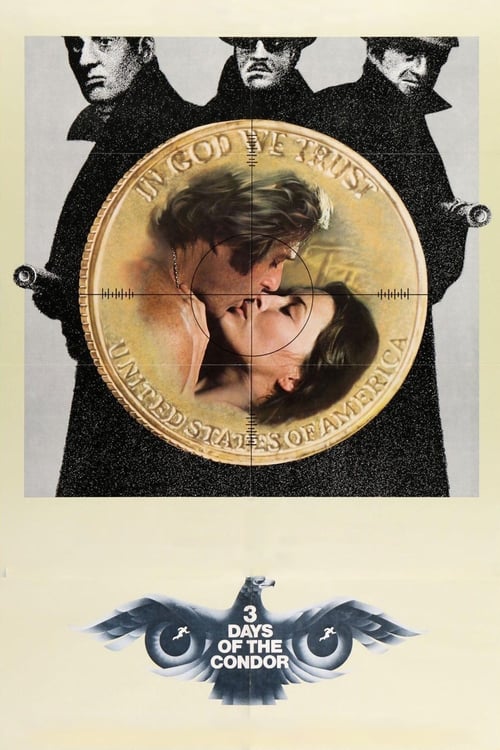
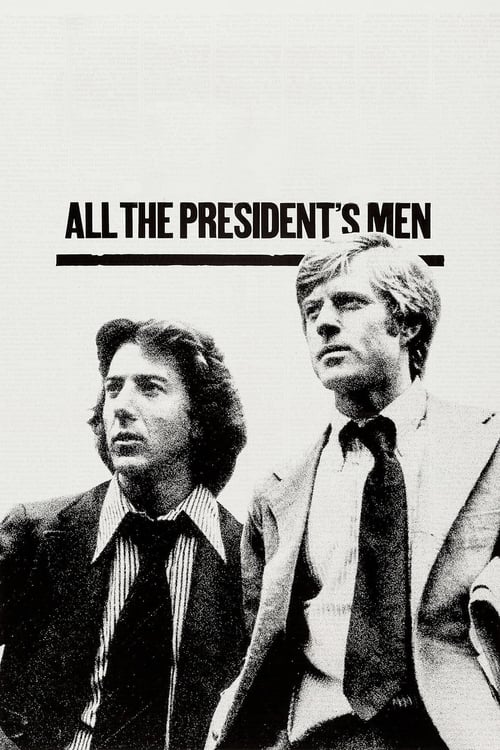
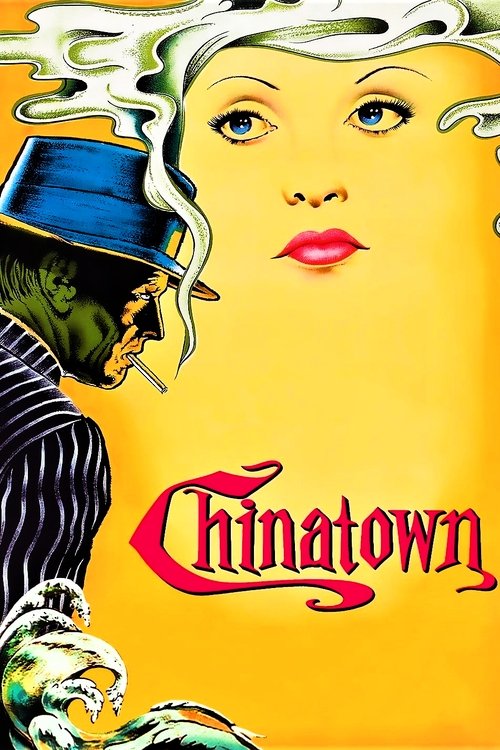
Hollywood moved fast. Director Sydney Pollack retitled the film Three Days of the Condor (1975), compressed the timeline, cast Robert Redford, and produced a work that outlasted the decade. The film is now taught in film schools alongside All the President's Men and Chinatown as the canonical text of 1970s conspiracy cinema.
The story did not stop there. A sequel novel, Shadow of the Condor, followed within a year. And in 2018, the premise was reconstructed for cable television, updating its surveillance state anxieties for the post-Snowden era. Three versions across five decades, each shaped by the political fears of its own moment.
The Condor Story Across Time
- 1974James Grady publishes Six Days of the Condor
- 1975Sydney Pollack's film retitles and compresses the story Three Days of the Condor
- 1975Grady's direct sequel novel published
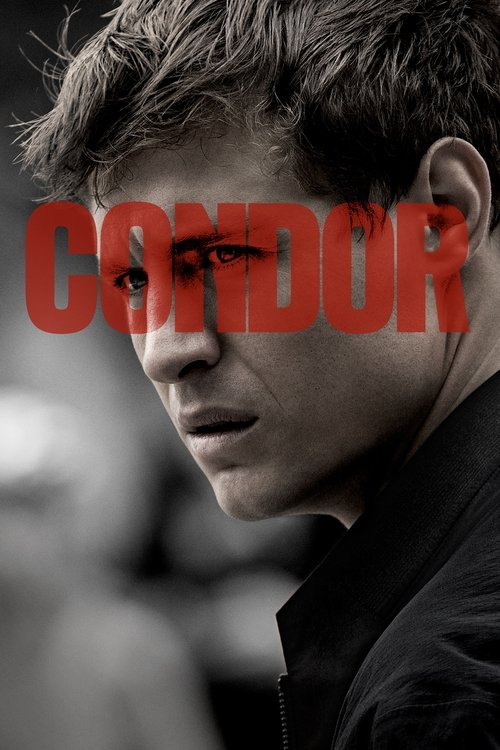
- 2018Cable series updates the premise for the surveillance age Condor
The definitive version is still the 1975 film
Sydney Pollack's Three Days of the Condor is the rare adaptation that improves on its source. The compression from six days to three sharpens the urgency, Robert Redford's particular brand of handsome bewilderment is exactly right for a man who is smart but genuinely outmatched, and the ending, with its famous newspaper-steps confrontation, is a more honest conclusion than anything else the decade produced. It is a film about institutions that cannot be trusted, shot on the streets of a city that looked like it was already coming apart. Nothing since has matched it on its own terms.
The TV series Condor (2018) is more interesting than its reputation suggests
The Audience Network series arrives in the post-Snowden, post-2016 moment and takes that context seriously. The surveillance architecture and the internal-agency politics are updated in ways that feel genuinely thought-through rather than cosmetically modernized. Max Irons is a quieter, less charismatic Turner than Redford, and the pacing is sometimes too deliberate. But the supporting cast, particularly William Hurt and Bob Balaban, gives it real weight. It ran two seasons before its network folded, which is a shame, because it was finding its feet.
The original novel is essential but not the place to start
Six Days of the Condor is a quick, taut read, and worth it for anyone who wants to see what Grady actually invented: a more procedural, less romantic story, with a different ending and a protagonist who is rougher around the edges than Redford ever allowed. But the film has so thoroughly colonized the material that reading the novel feels like finding an alternate-universe draft. Start with the film. Come back to the book afterward, when you want to see what got changed and why.
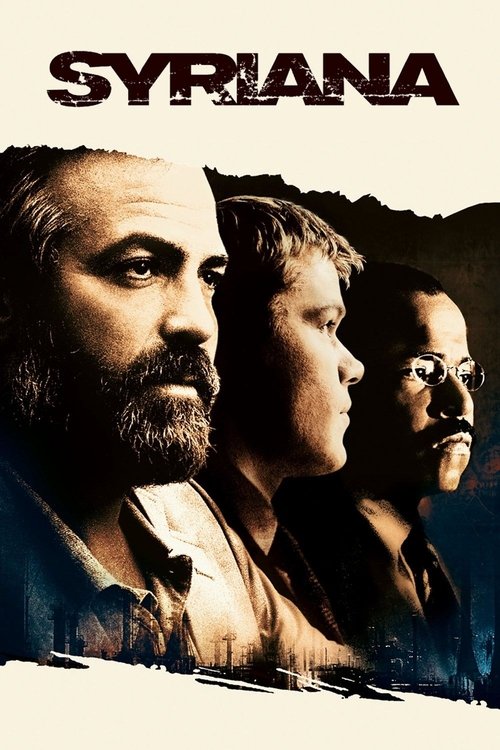
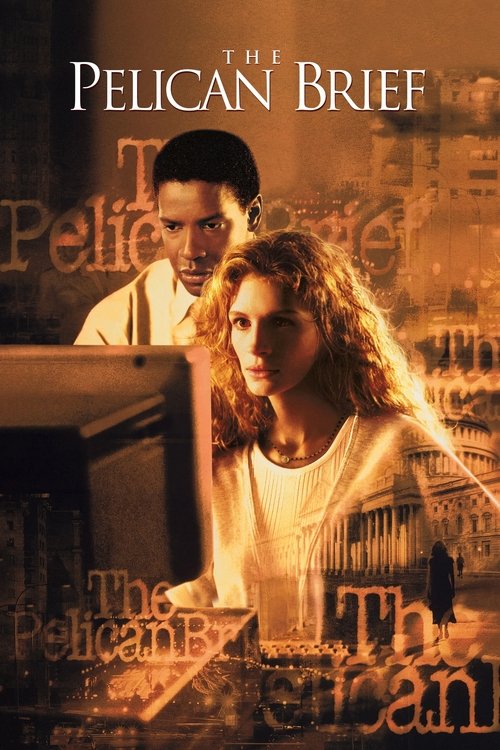
If you love the paranoid 1970s conspiracy thriller
Films from the same moment that share the same DNA
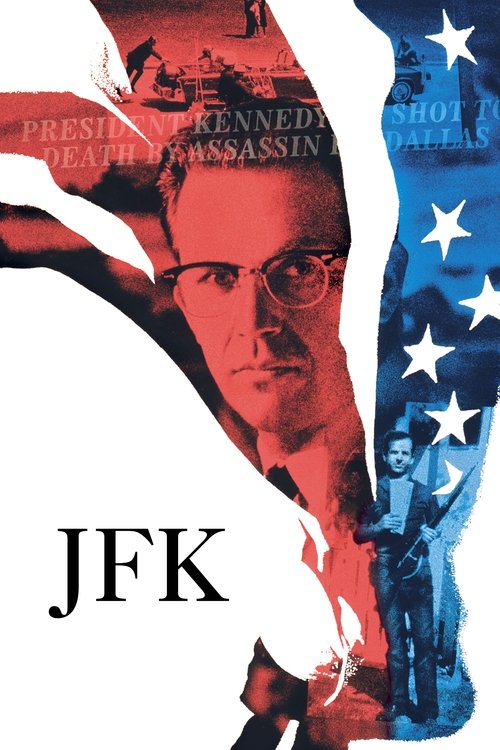
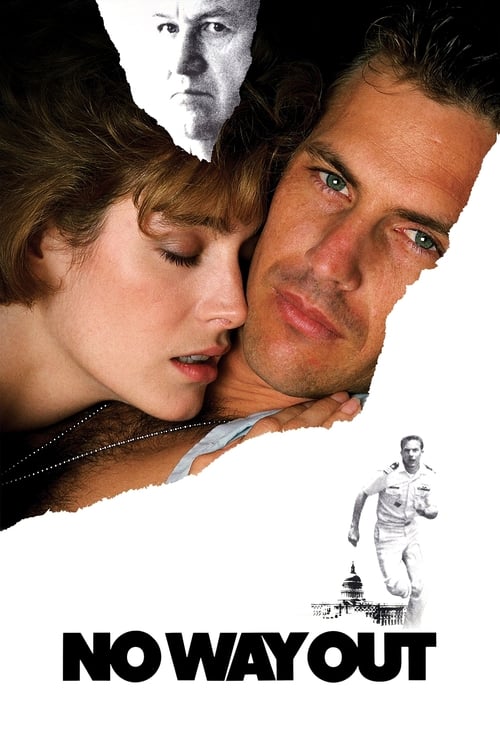
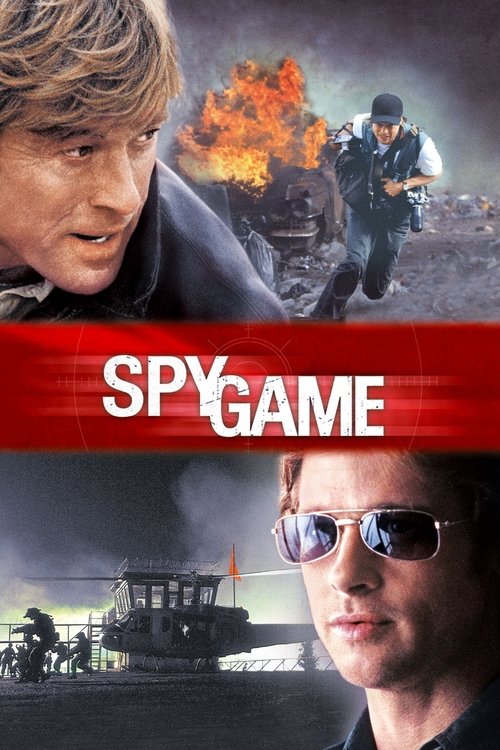
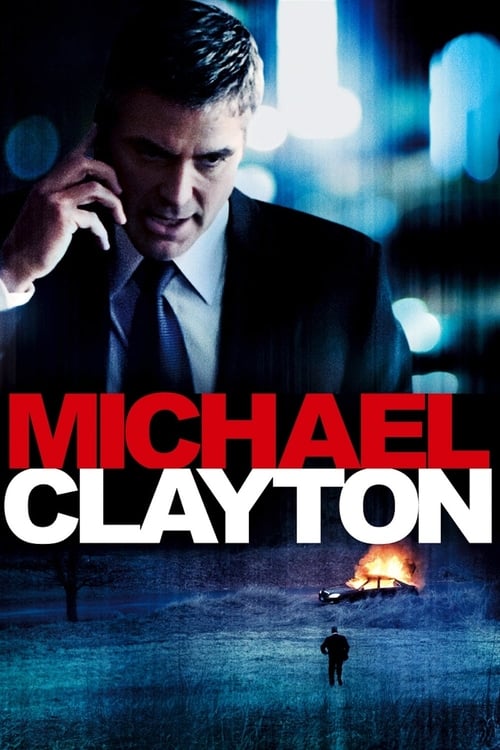
If you love the rogue analyst hunted by his own agency
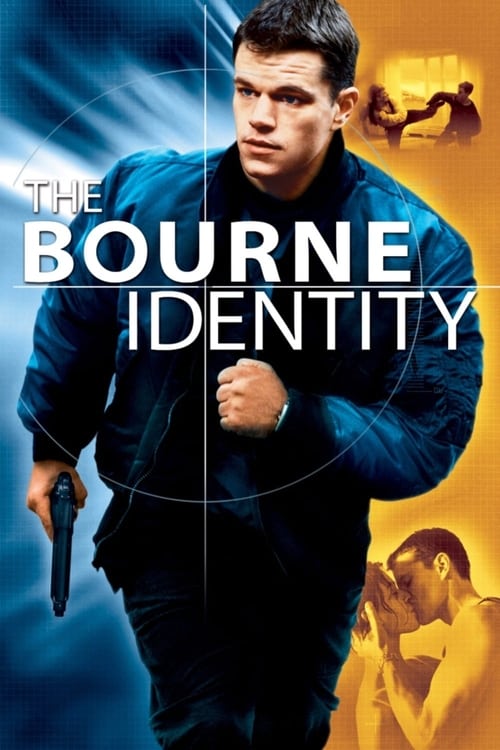
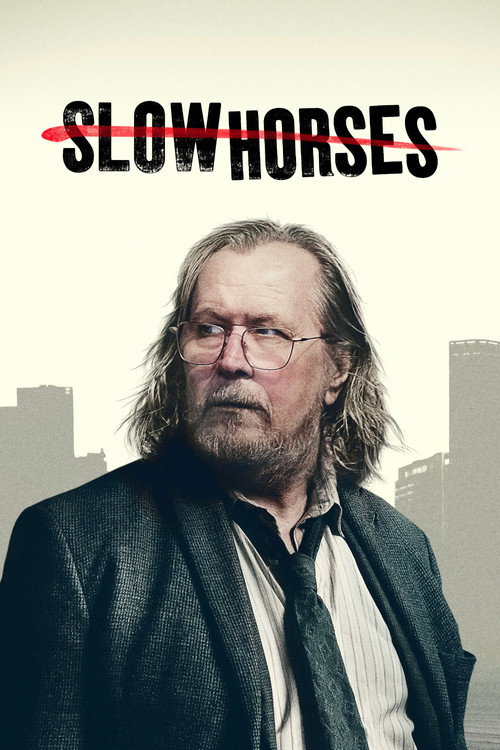
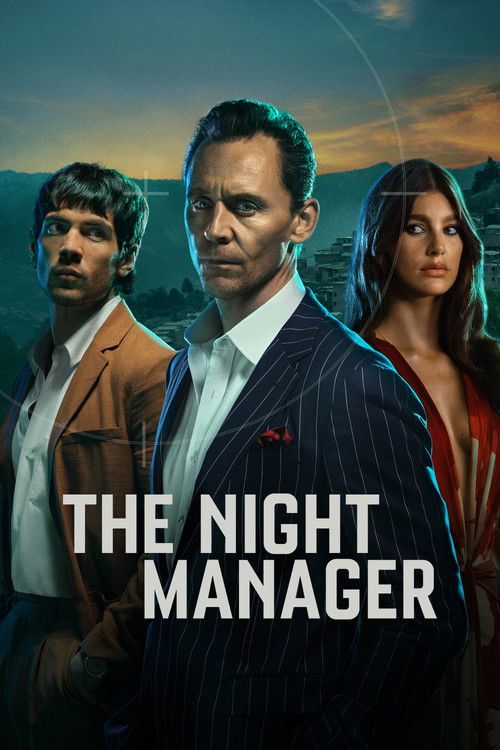
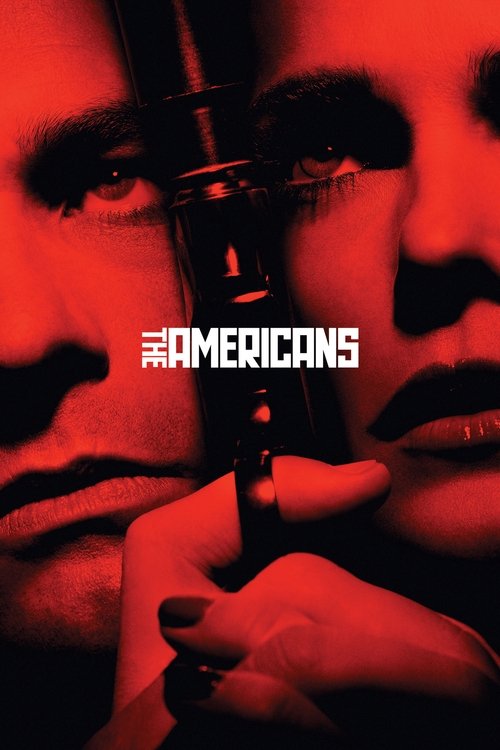
Across books, films, and TV: intelligence professionals who become the target

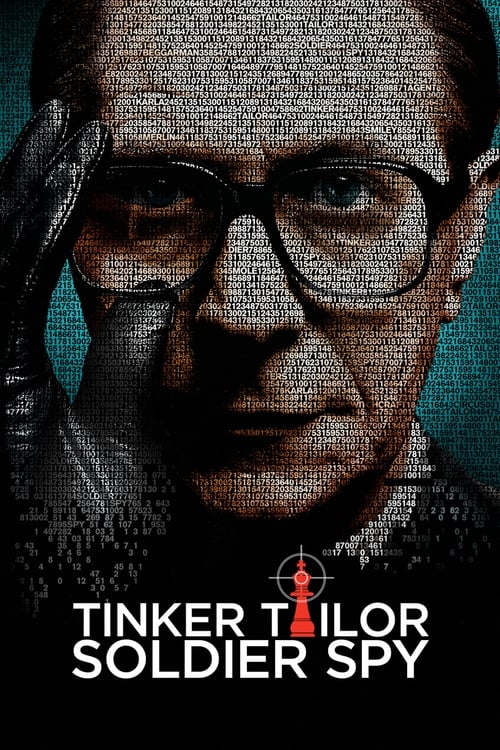



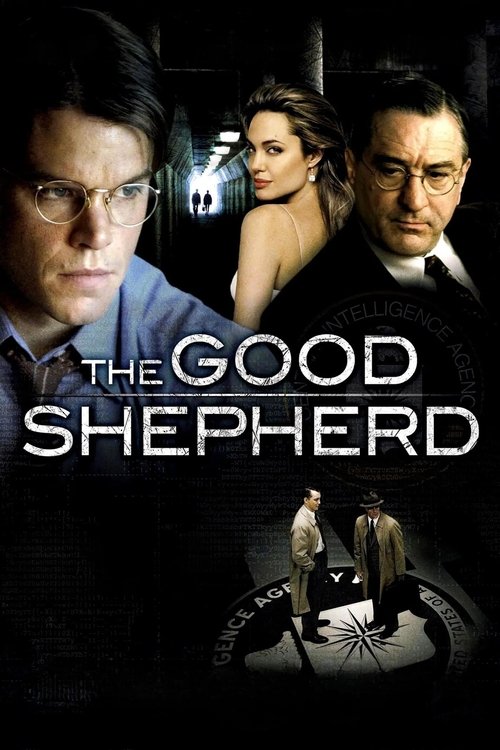

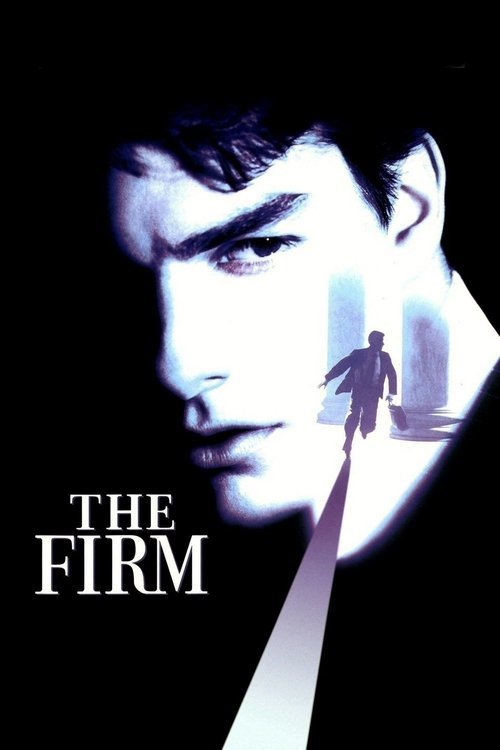
If you love the cold institutional dread of it
Stories about bureaucracies and governments that quietly destroy people