

The Zone Has No Single Origin
The Twilight Zone began not as a novel or a comic but as a man's voice. Rod Serling, a television writer already acclaimed for his work on Playhouse 90 and Kraft Television Theatre, created the series as a way to smuggle serious social commentary past broadcast censors. Science fiction and fantasy, he understood, could say things about race, war, conformity, and death that a realistic drama would be killed in notes. The first episode aired on CBS on October 2, 1959.
Serling wrote the majority of the original 156 episodes himself, drawing on short fiction, classic tales by writers like Richard Matheson and Charles Beaumont, and his own original material. The show ran five seasons, was cancelled in 1964, and immediately began its second life in syndication, influencing virtually every genre writer who came after. Three revivals followed on television, a theatrical anthology film, and most recently a prestige streaming incarnation. The zone keeps expanding because its premise is inexhaustible: something ordinary tilts, and reality becomes a mirror held at a terrible angle.
The Twilight Zone Across Six Decades
- 1959CBS original series premieres, Rod Serling creator and host The Twilight Zone
- 1964Original series cancelled after 156 episodes across 5 seasons
- 1983Theatrical anthology film, directed by Spielberg, Dante, Miller, Landis Twilight Zone: The Movie
- 1985First CBS revival, one-hour anthology format, runs three seasons The Twilight Zone
- 1994Second revival, UPN syndicated anthology, shorter run
- 2002UPN revival with Forest Whitaker as host The Twilight Zone
- 2019Jordan Peele-hosted prestige revival on CBS All Access / Paramount+ The Twilight Zone
You're traveling through another dimension, a dimension not only of sight and sound but of mind. A journey into a wondrous land of imagination.Rod Serling, original series opening narration
If You Love the Original Series: Anthology Horror and Sci-Fi
Series built on the same short-form twist structure

If You Love the Social Allegory: Sci-Fi That Holds a Mirror to Society
Stories that use genre to make pointed arguments about the real world



If You Love the Twist Ending: Short Fiction That Does the Same Thing
Writers who shaped the Twilight Zone's DNA or carried it forward


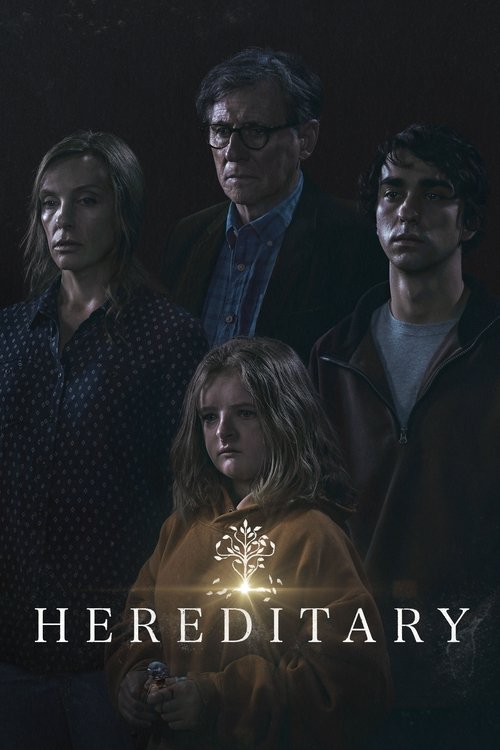
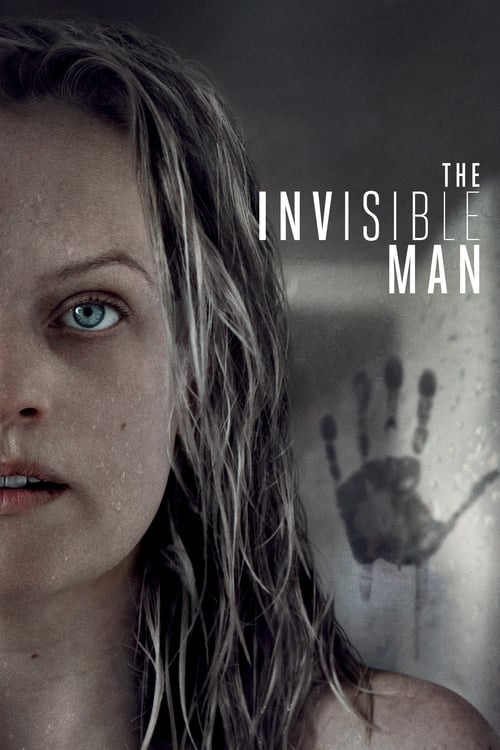
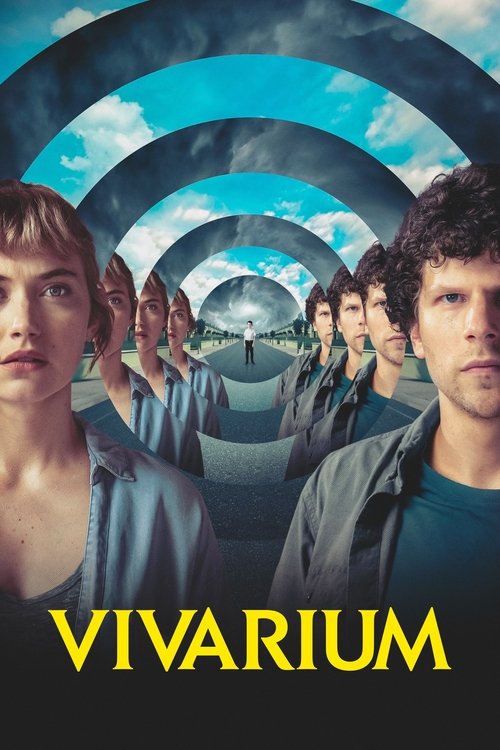
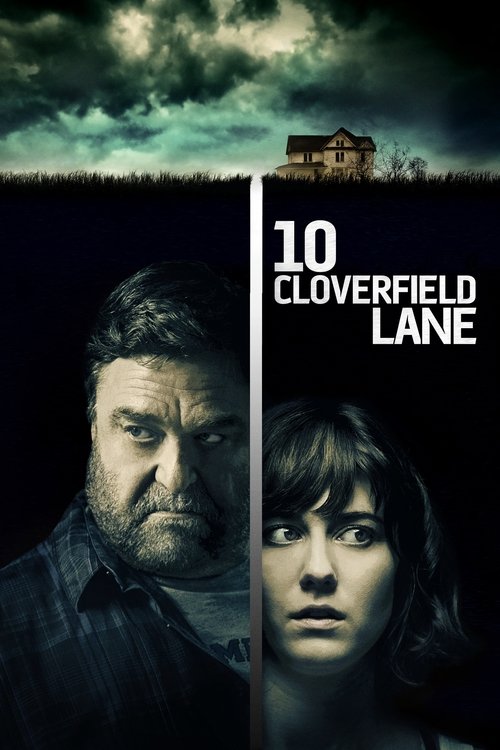
If You Love the Dread: Films That Capture the Same Uncanny Feeling
Movies with that specific sensation of reality slightly wrong

The definitive version: the original CBS run (1959-1964)
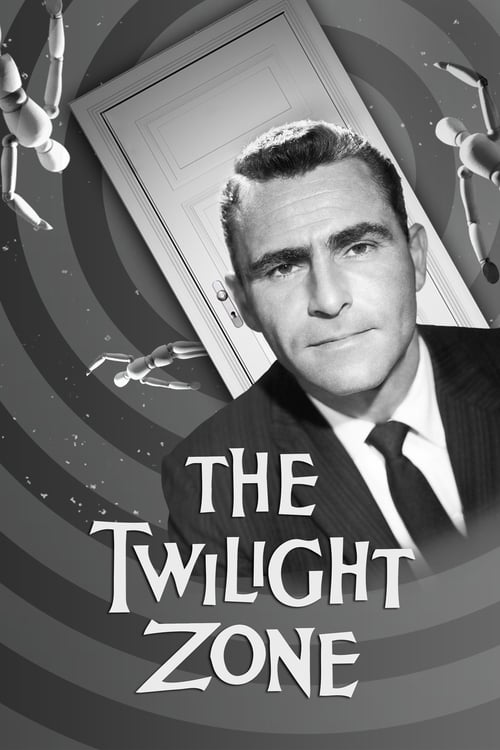
Rod Serling's original 156-episode run is not nostalgia for its own sake. The combination of Serling's own scripts, Richard Matheson's contributions, and Charles Beaumont's work produced a body of short-form storytelling that has never been matched for density of ideas per half-hour. Nightmare at 20,000 Feet, Eye of the Beholder, Time Enough at Last, It's a Good Life: these episodes are genuinely unsettling watched cold today, decades after their premises entered the cultural vocabulary. The black-and-white cinematography is not a limitation but an asset, enforcing the sense that you have stepped sideways out of reality into a dimension where color is not yet available. No revival has approached the rate at which the original produced essential episodes.
The underrated one: the 1983 theatrical film
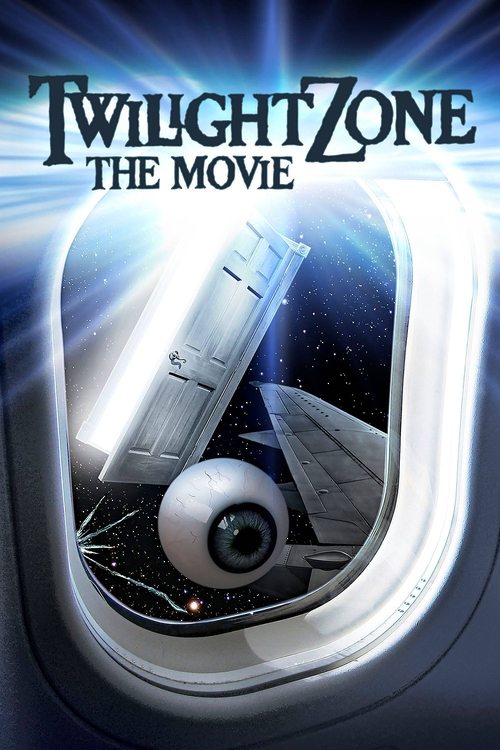
Twilight Zone: The Movie is overshadowed by the on-set tragedy that killed actor Vic Morrow during production. That tragedy is real and should not be minimized. But the film itself contains some of the strongest work of its directors' careers. Joe Dante's It's a Good Life is a piece of suburban horror that leans further into menace than the original episode. George Miller's Nightmare at 20,000 Feet with John Lithgow is better than the Shatner version by a significant margin, using claustrophobia and physical performance in ways that television in 1963 simply could not. Landis's framing story and Spielberg's Kick the Can are the weakest segments, but the Miller and Dante contributions are worth the price of admission on their own.
The one worth skipping: the 2002 UPN revival
The 2002 Forest Whitaker-hosted UPN revival is not a disaster, but it is the version of The Twilight Zone least worth your time. Production values are adequate and Whitaker is a credible host, but the writing defaults to genre convention rather than the social sharpness that defines the franchise at its best. It ran two seasons without producing a single episode that entered the conversation or got cited in any serious discussion of the series. The 1985 CBS revival, uneven but with genuine highlights, is a better use of your time if you have exhausted the original and want more from that era.
The one that surprised everyone: the 2019 Jordan Peele revival
Jordan Peele's 2019 revival for CBS All Access is inconsistent across its two seasons, but its best episodes (Nightmare at 30,000 Feet, Replay, The Traveler) demonstrate that the Serling formula is not dated: it is waiting for writers who have something to say. Peele brings the franchise's social critique back to the foreground after decades of revivals that treated it as atmosphere. The episodes that work do so because they have a specific argument, not just a twist. The ones that don't work are the same episodes that wouldn't have worked in 1961, for the same reason: craft in service of nothing in particular.