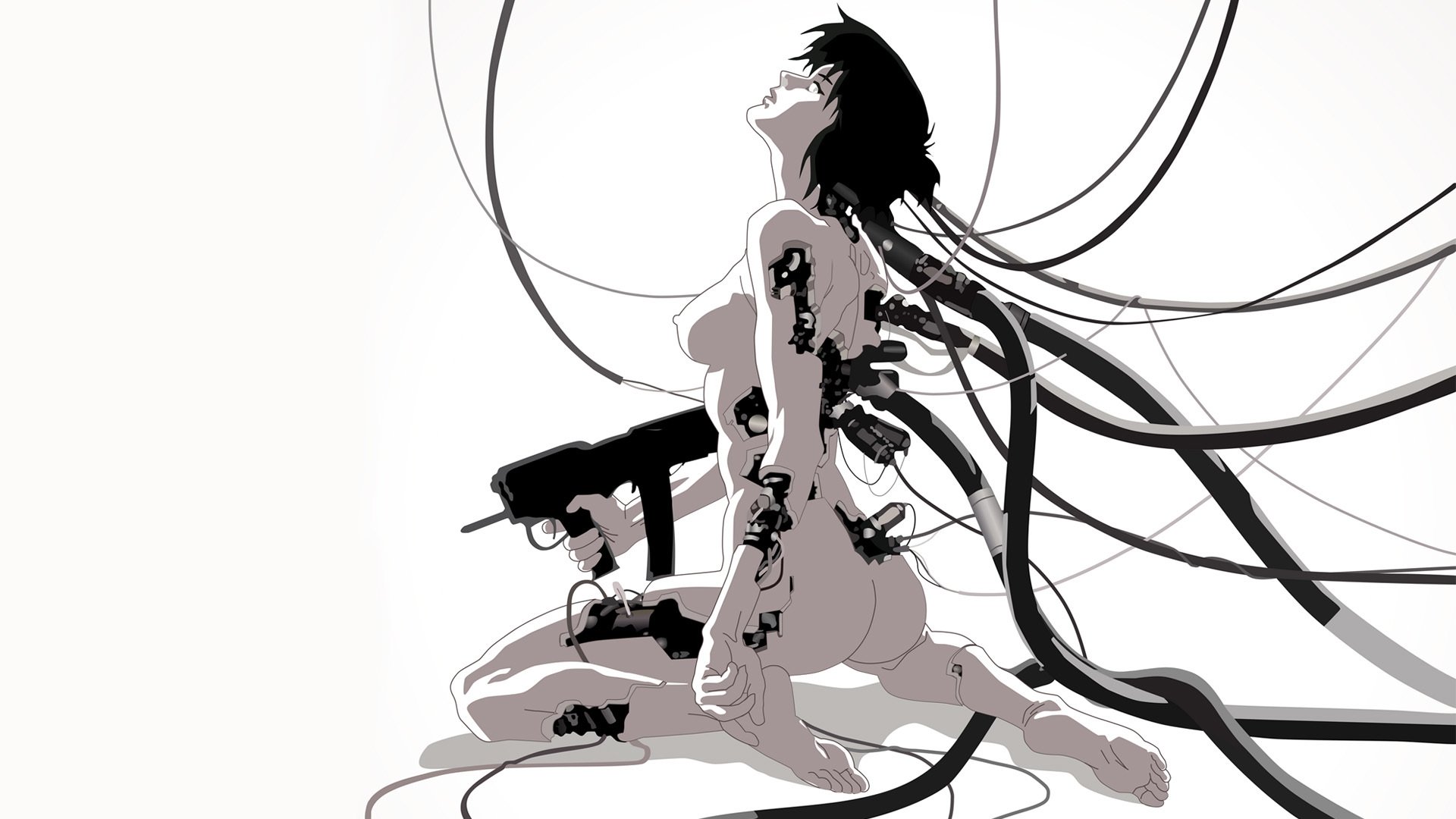

The director who made anime stop and think
Mamoru Oshii broke the forward momentum of Japanese animation and replaced it with something rarer: stillness, duration, and genuine philosophical weight. His films do not race toward their conclusions. They linger on rainy cityscapes, on the face of a character who has just asked a question that has no satisfying answer, on the gap between what a body is and what a self might be.
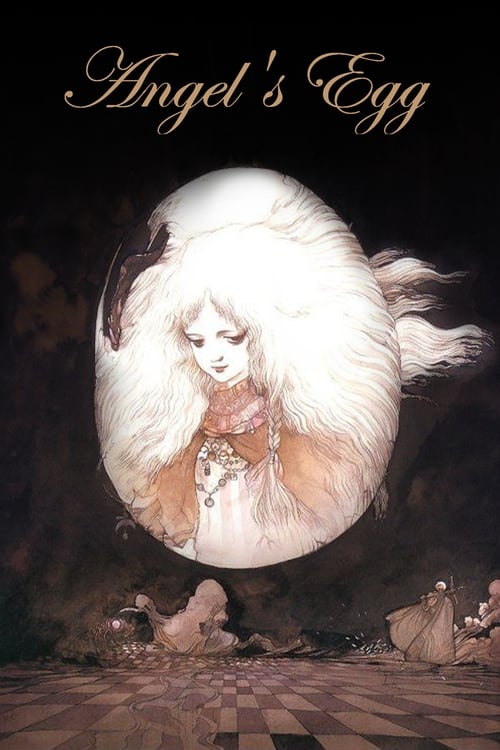
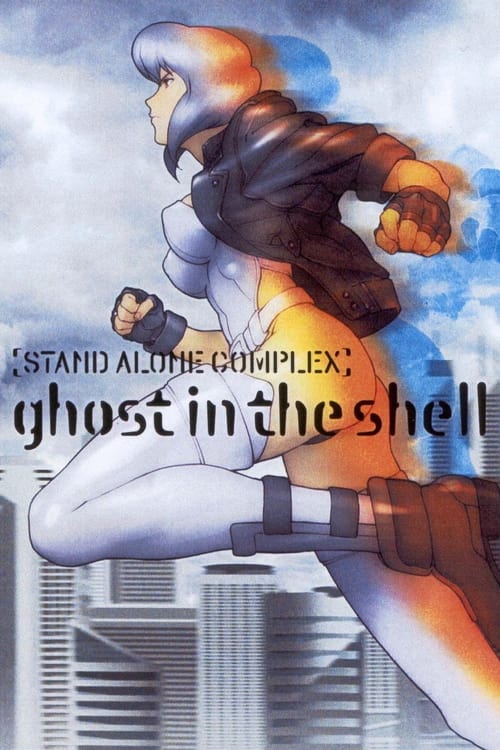
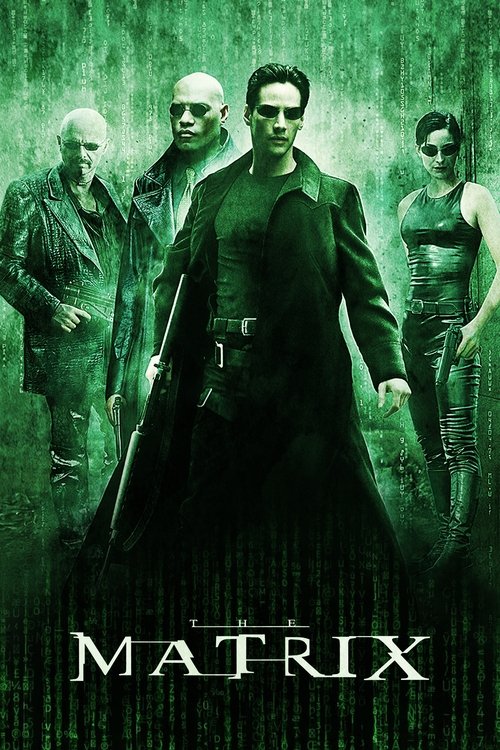
He came to prominence through Urusei Yatsura in the early 1980s, but it was Angel's Egg (1985) that first announced how strange his ambitions were: a near-silent film of dreamlike imagery, almost no dialogue, a girl carrying a large egg through a ruined gothic world. Whatever it means, it insists you sit with the not-knowing. A decade later, Ghost in the Shell (1995) brought those same instincts to cyberpunk and became one of the most influential animated films ever made, a work that shaped The Matrix, a generation of game designers, and the entire visual language of how we picture the digital-physical boundary.
The Oshii sensibility is specific: long takes, ambient music that opens up space rather than filling it, dialogue that turns toward ontology without warning, and a recurring obsession with dogs (his basset hound Gabi appears in almost every film). His protagonists are always poised at the edge of a dissolution they cannot name. The texture a fan loves is that particular combination of beauty and dread, the feeling of watching something that is in no hurry to explain itself.
Essential Mamoru Oshii
His own films and series, from the essential to the genuinely difficult


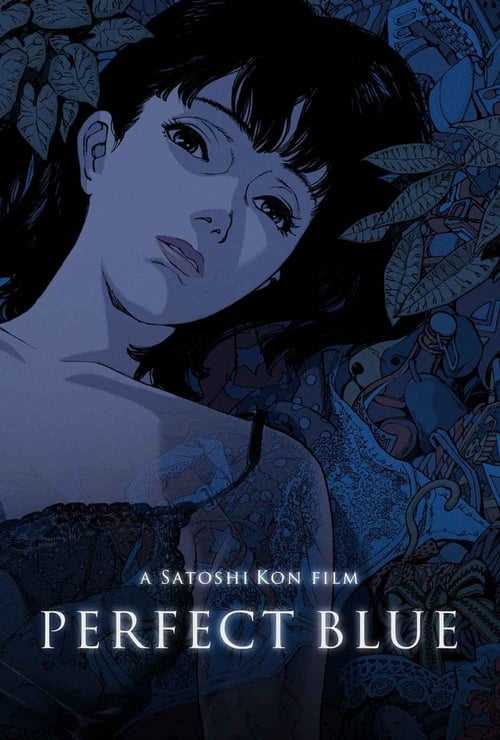
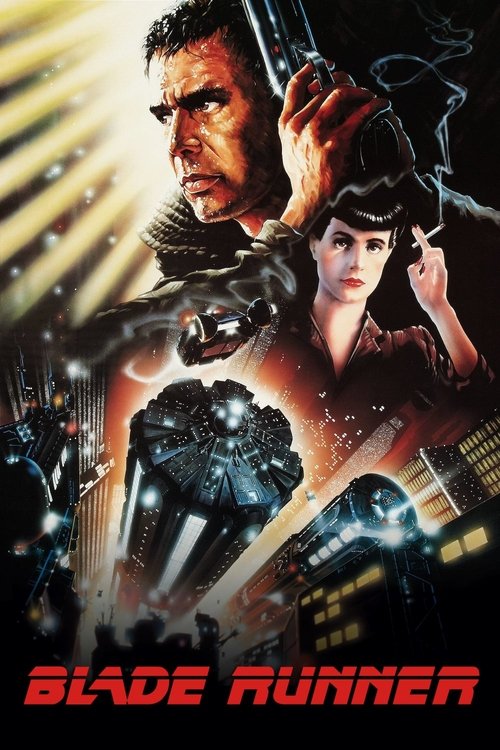
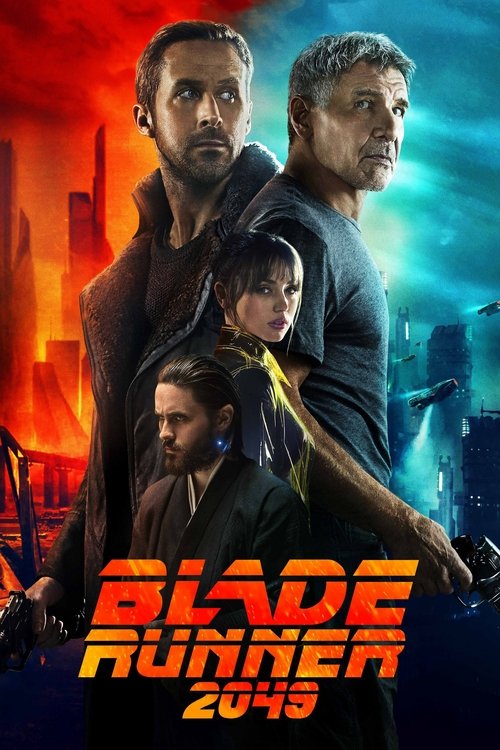
The cyberpunk canon he helped build
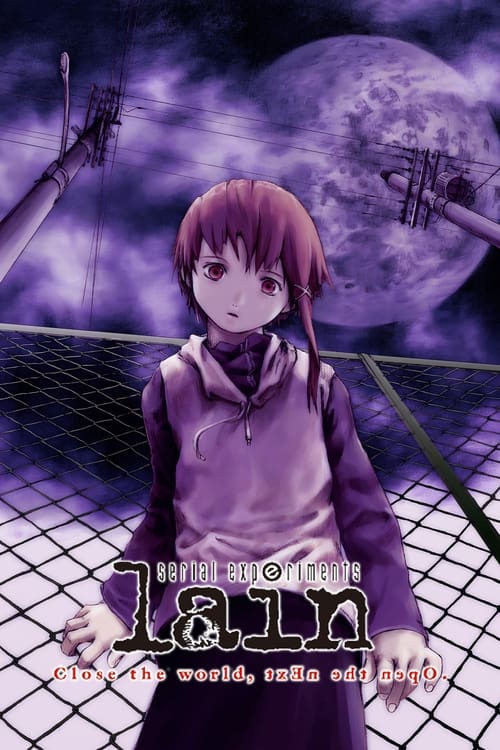
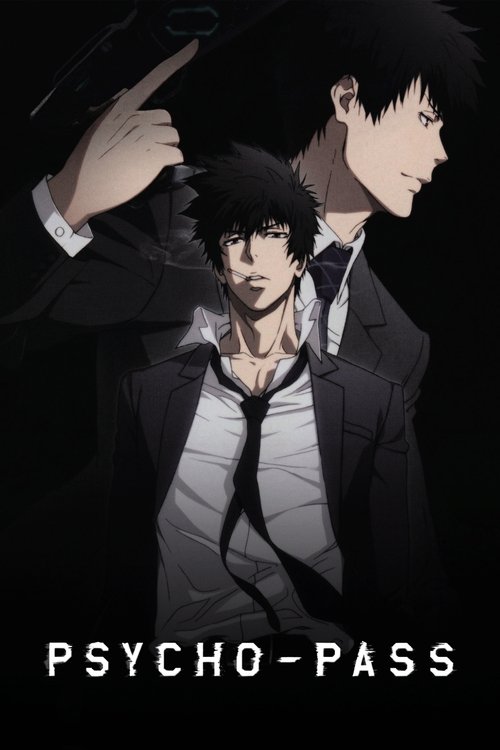
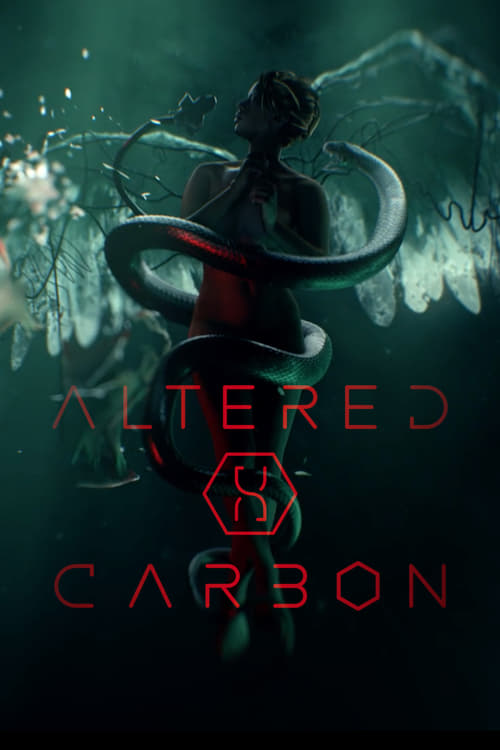
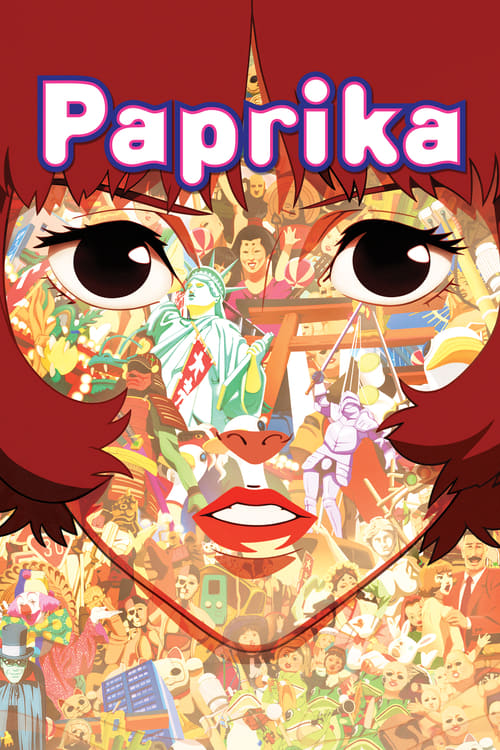
Films and TV that share Ghost in the Shell's world of augmented bodies and hollow cities


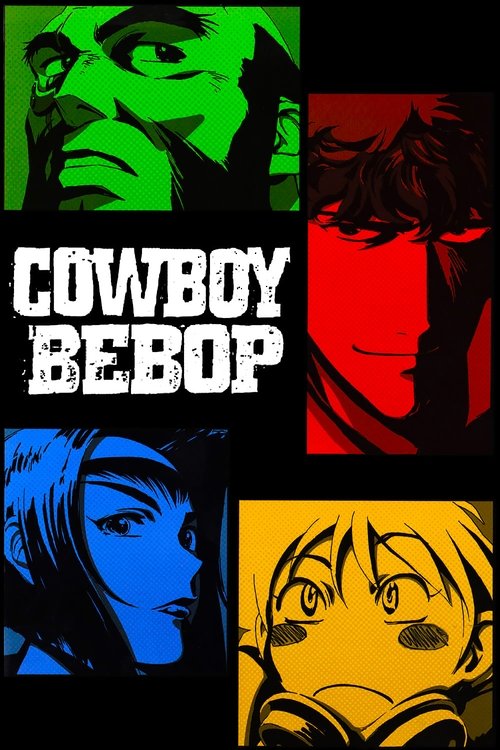
Philosophy in pixels
Games that ask the same questions about consciousness, identity, and what it costs to be a self



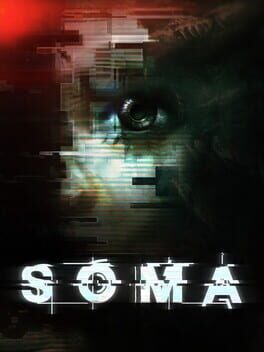
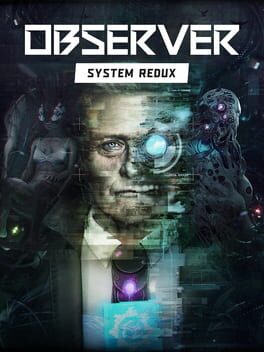
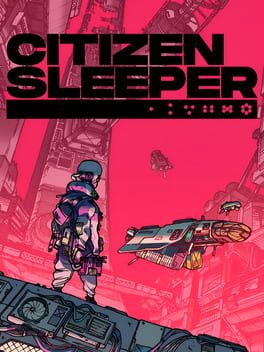


Ghost in the Shell is still the entry point
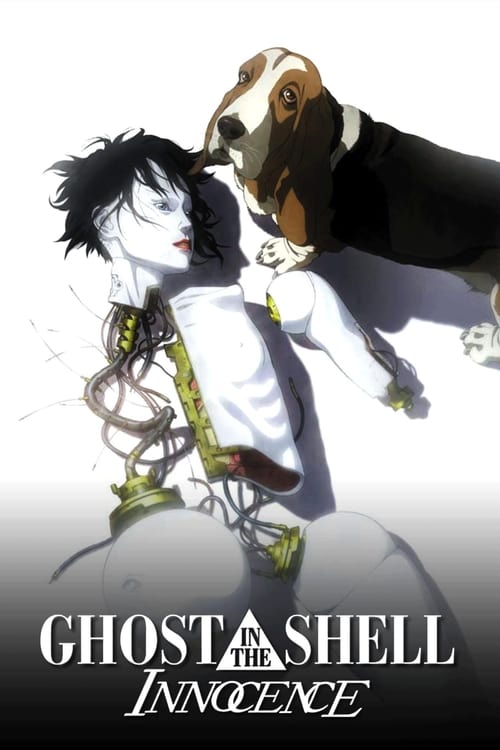
The 1995 film has never stopped being the right place to start. It is 83 minutes, it takes its time, and within those 83 minutes it manages to ask whether a being assembled from data and prosthetics can own its own memories. Kenji Kawai's choral score is one of the great pieces of film music. If you have seen it before, the sequel Innocence rewards the second viewing more than almost any other animated film: once you stop waiting for plot, you notice how precisely it has been composed.
Slow cinema and the weight of time
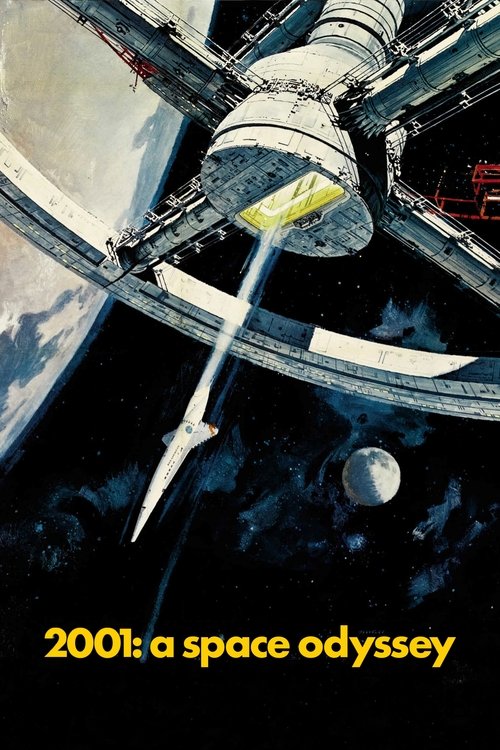
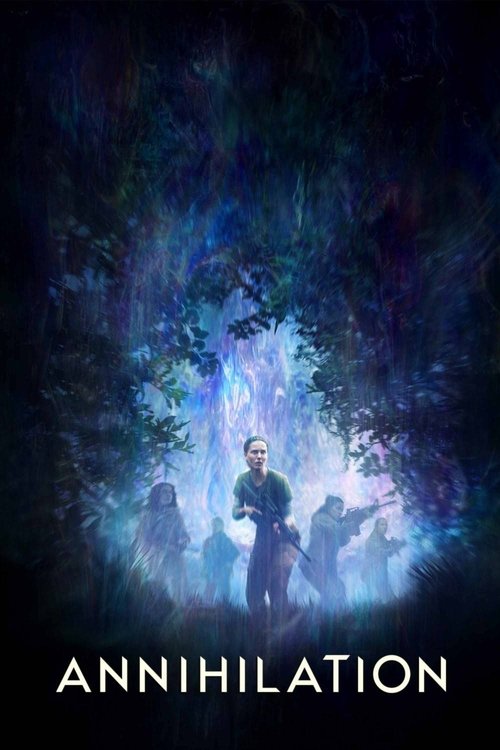
Films and series that share Oshii's appetite for duration, existential stillness, and questions that do not resolve



The books that live in the same frequency
Novels about bodies, machines, consciousness, and the edges of the human


Angel's Egg is the one worth the effort
Made with character designer Yoshitaka Amano when Oshii was in a period of spiritual crisis, Angel's Egg has almost no plot and almost no dialogue. What it has is an atmosphere so dense it becomes physical. It is the work that most purely demonstrates what Oshii is after when he strips everything away: pure duration, pure image, pure unresolved mystery. The people who love it tend to love it intensely. The people who don't are watching the wrong film.
Tarkovsky is the filmmaker Oshii is always in conversation with
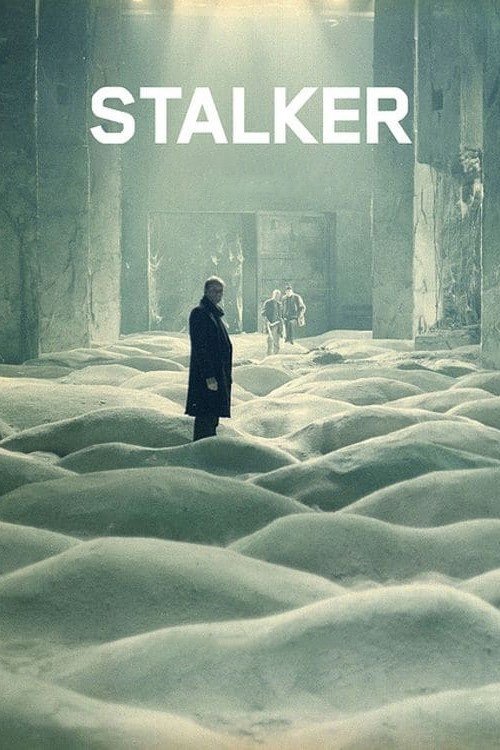
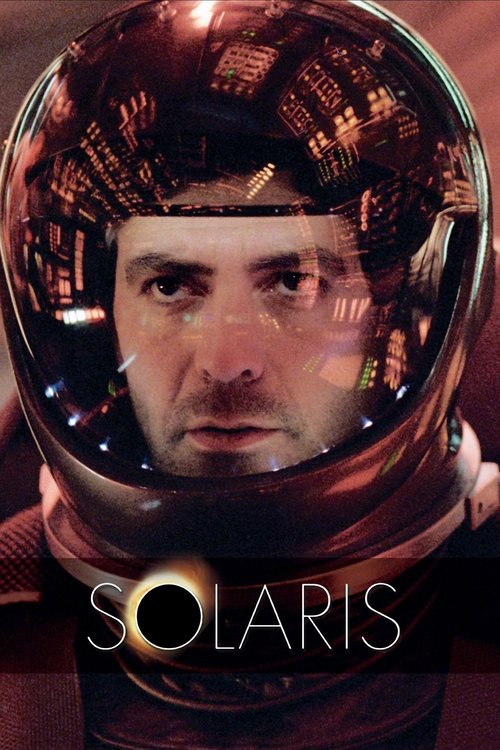
The long takes, the elemental landscapes, the sense that the world is saturated with something the characters cannot quite name: Andrei Tarkovsky's influence on Oshii is not subtle. Stalker (1979) is the film most directly in dialogue with the Ghost in the Shell universe, a slow journey into a zone where the rules of reality have broken down and the destination turns out to matter less than the act of going. Solaris (1972) addresses the same questions about memory, loss, and what the mind constructs when it cannot face truth. Watch either after finishing an Oshii film and the lines of inheritance become clear.
What exactly is a ghost? And what exactly is a shell? If the copy is perfect enough, at what point does it become the original?The central question of Ghost in the Shell, posed in many forms, never answered
The Oshii filmography
- 1983Urusei Yatsura: Only You Urusei Yatsura: Only You
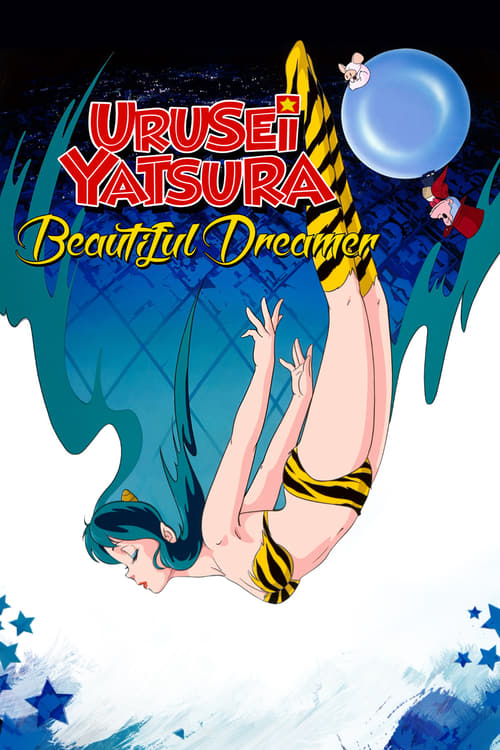
- 1984Urusei Yatsura: Beautiful Dreamer Urusei Yatsura: Beautiful Dreamer
- 1985Angel's Egg Angel's Egg
- 1987The Red Spectacles The Red Spectacles
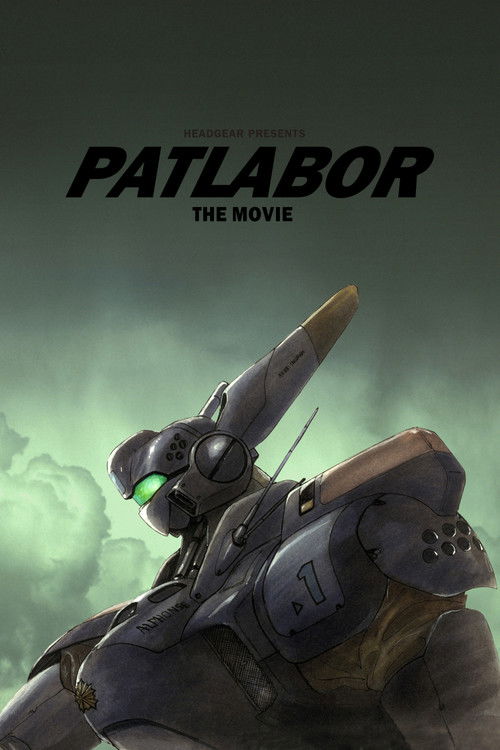
- 1989Patlabor: The Movie Patlabor: The Movie
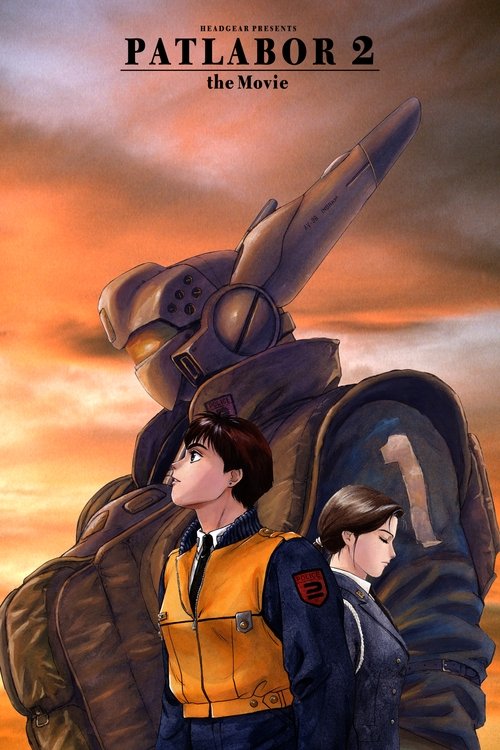
- 1993Patlabor 2: The Movie Patlabor 2: The Movie
- 1995Ghost in the Shell Ghost in the Shell
- 2001Avalon Avalon
- 2004Ghost in the Shell 2: Innocence Ghost in the Shell 2: Innocence
- 2008The Sky Crawlers The Sky Crawlers