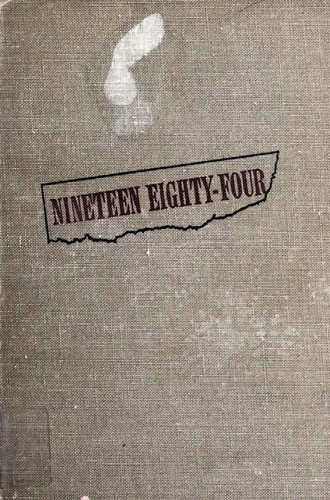

The last book Eric Arthur Blair ever wrote
George Orwell finished Nineteen Eighty-Four while dying of tuberculosis on the Scottish island of Jura. Published in June 1949, six months before his death, the novel drew on his years fighting in Spain, his time working for the BBC, and his close reading of Soviet totalitarianism. It was not, as he insisted repeatedly, a prediction: it was a warning about where existing tendencies could lead.
The book's central inventions passed almost immediately into the language. Big Brother, doublethink, the memory hole, Room 101, Newspeak: within a decade, these were common currency in political writing across the world. Radio came first, just weeks after publication. The BBC mounted a live television production in December 1954 that so disturbed viewers it prompted questions in the House of Commons. A US theatrical film followed the same year. A stage musical adaptation opened in London's West End in 1956. David Bowie's Diamond Dogs (1974) was conceived as a full theatrical adaptation until rights fell through. The Eurythmics wrote the official soundtrack to the 1984 Radford film. The novel has been staged hundreds of times and adapted for television in several countries. It reliably returns to the bestseller charts after every fresh political shock, anywhere in the world.
Every version of Nineteen Eighty-Four
The source novel and every major adaptation

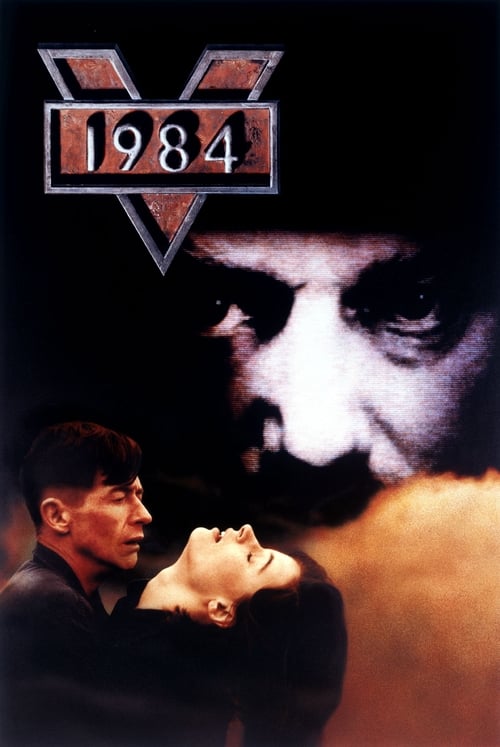

Nineteen Eighty-Four across time
- 1948Orwell completes the manuscript on Jura, too ill to retype it himself
- 1949Novel published by Secker and Warburg, June
- 1949BBC Radio adaptation broadcast within weeks of publication
- 1954BBC Television live production with Peter Cushing as Winston Smith, two evenings in December
- 1954US theatrical film directed by Michael Anderson, with Edmond O'Brien
- 1956Stage musical adaptation opens at the Phoenix Theatre, London
- 1974David Bowie's Diamond Dogs: conceived as a full stage adaptation, performed as a rock opera on tour after rights were denied
- 1984Michael Radford's film with John Hurt and Richard Burton, shot on location in London
- 1984Eurythmics write and record the official film soundtrack: 1984 (For the Love of Big Brother)
- 2013Stage adaptation by Robert Icke and Duncan Macmillan premieres at the Traverse Theatre, Edinburgh
- 2017Icke and Macmillan production transfers to Broadway
The 1984 Radford film is the definitive screen version
Michael Radford's Nineteen Eighty-Four, shot on location in London in the actual year of the title, is an almost unrepeatable piece of timing. John Hurt's hollowed-out Winston Smith and Richard Burton's final screen performance as O'Brien give the film a weight no other version has matched. Radford shot it in winter, in genuine locations including Battersea Power Station, and the dread feels physical. The Eurythmics wrote the score. It is the only screen version that fully earns the ending.
The 1954 BBC broadcast is the underrated one
The BBC's live television production in December 1954, with Peter Cushing as Winston, was so disturbing that it prompted questions in the House of Commons and a blizzard of viewer complaints. Broadcast across two evenings and later preserved on kinescope, it has the raw nerves of early television drama: not enough budget to soften anything. Cushing plays Winston as a man running on pure terror, which is exactly right. No other production captures that sense of improvised desperation.
Diamond Dogs is the adaptation that almost was
David Bowie secured the rights to adapt Nineteen Eighty-Four as a stage musical in the early 1970s and wrote a full set of songs. Orwell's widow Sonia then withdrew permission. Bowie stripped out the explicit Orwell references, kept the songs, and released Diamond Dogs in 1974 alongside one of the most elaborate concert tours in rock history: a dystopian city set, cranes, a hydraulic cherry picker. The source is invisible in the finished record but unmistakable in its atmosphere. It is the best thing that nearly existed.
If you love the state that watches you
Surveillance states, total control, and the machinery of oppression
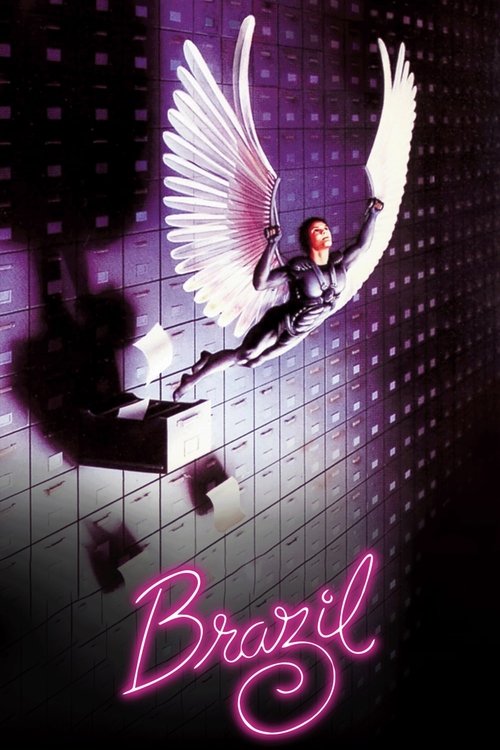
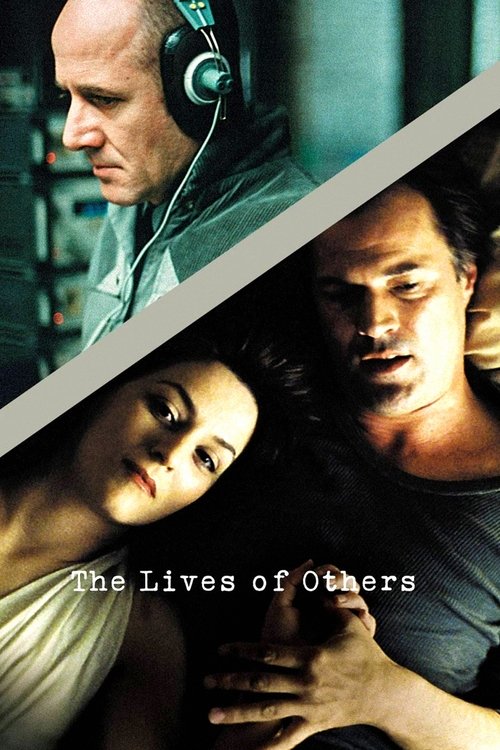


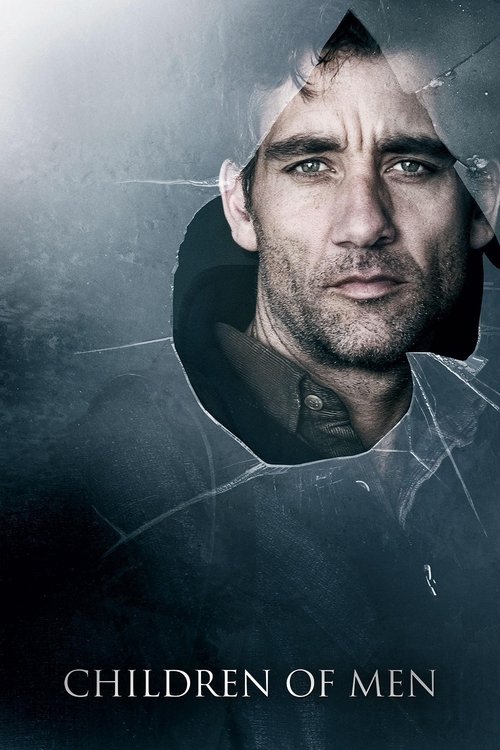
If you love the individual against the system
One person, one truth, and a world that insists otherwise
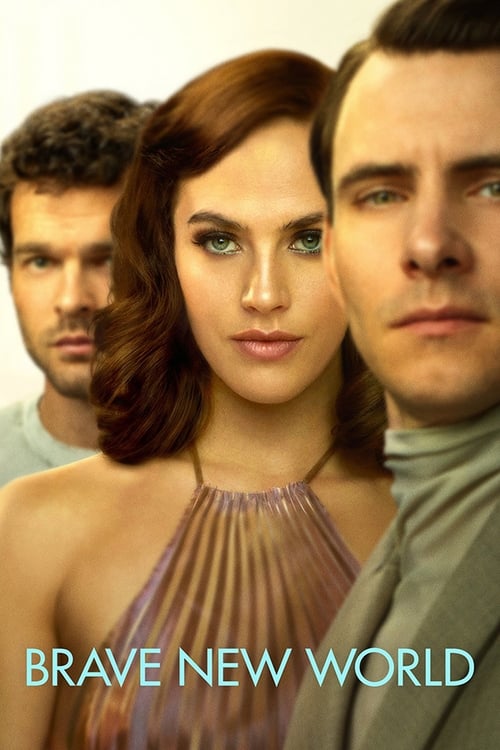

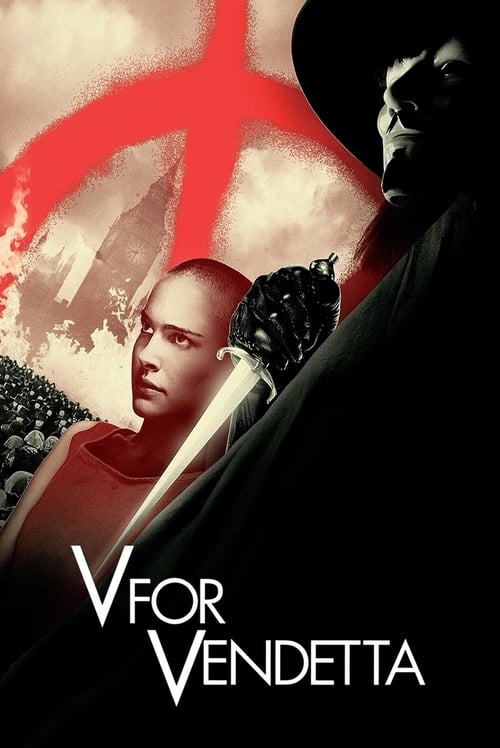


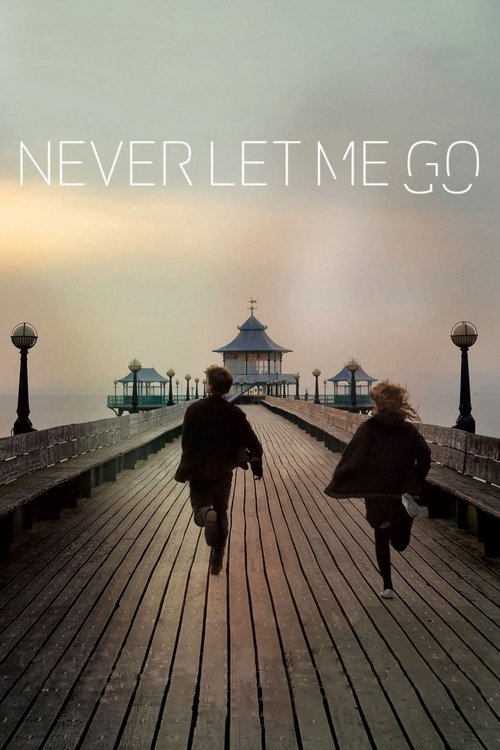

If you love the language of oppression
Stories where words, meaning, and memory are the real battleground
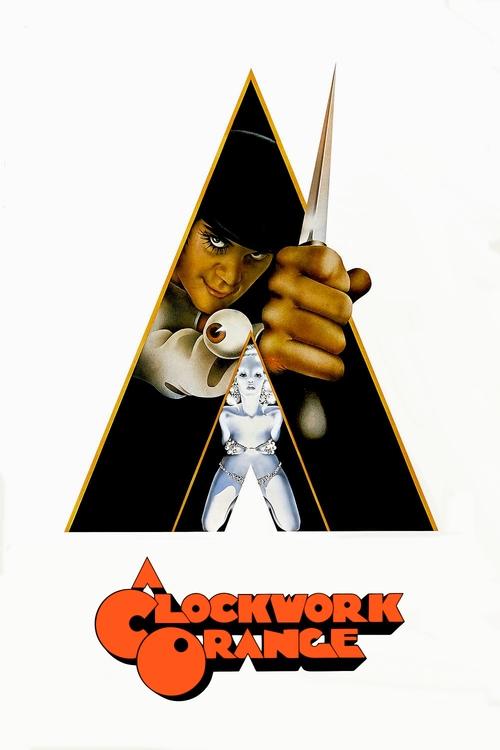

Orwell and the dystopian tradition
For Fans of George Orwell
Explore the For Fans of George Orwell guide →If you want a picture of the future, imagine a boot stamping on a human face, forever.George Orwell, Nineteen Eighty-Four (1949)