
Dystopia is not really about the future. It is about the present, stretched to its logical extreme: authority that calls itself protection, surveillance that calls itself safety, conformity that calls itself peace. The works that define this mood share a specific feeling: a world that makes a terrible kind of sense, where the horror is not monsters but systems. What fans of dystopia chase is that double sensation of recognition and dread, the moment a fictional regime feels uncomfortably familiar. From Orwell's Oceania to the Hunger Games arena, from the corridors of Rapture to the handmaids of Gilead, the through-line is always a question about power and who gets to ask it.
Essential Dystopia: The Defining Novels
The books that built the blueprint


If You Love Dystopia: Essential Films
Cinema that maps the controlled society
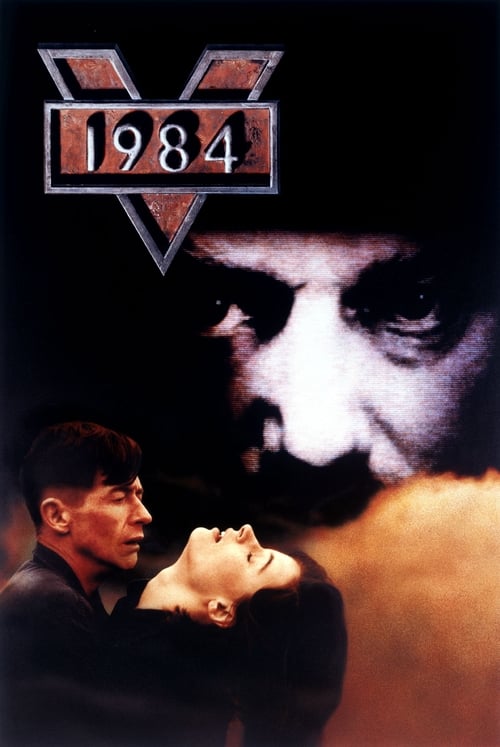
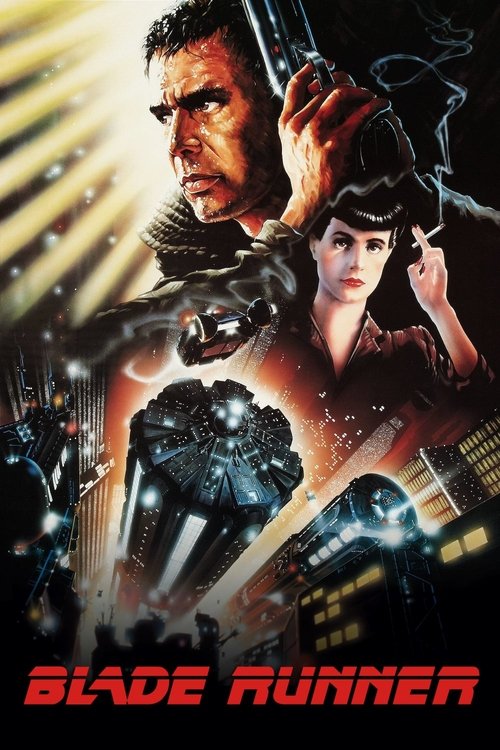
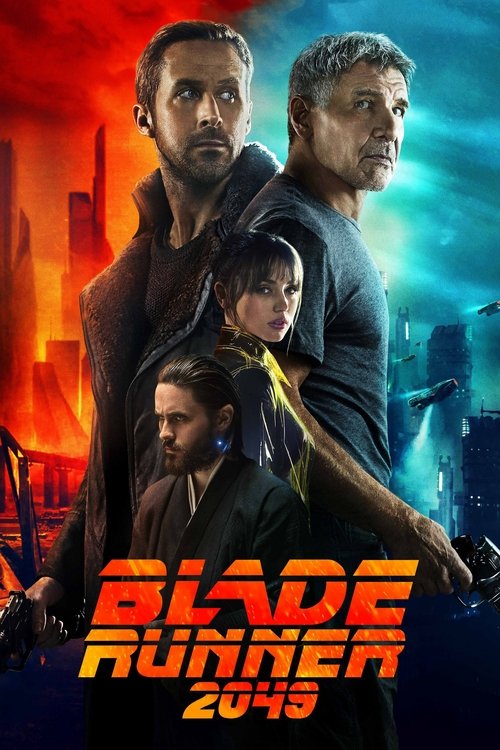
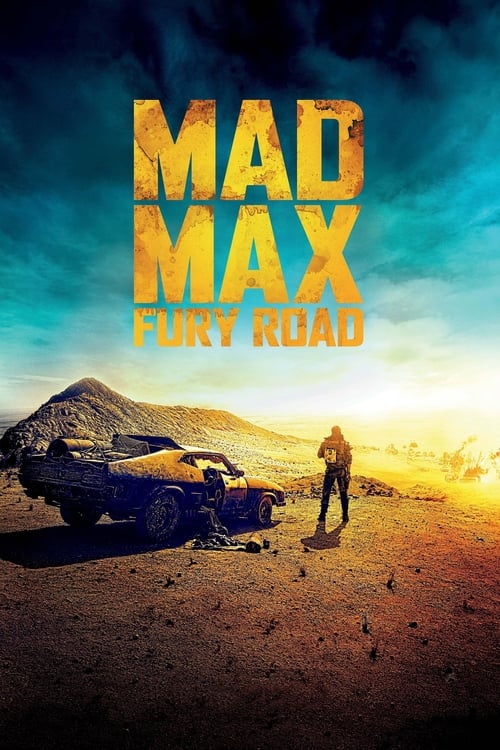
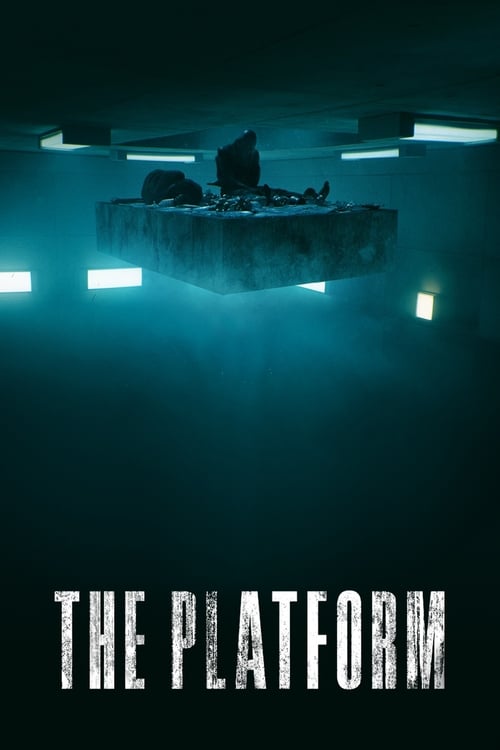
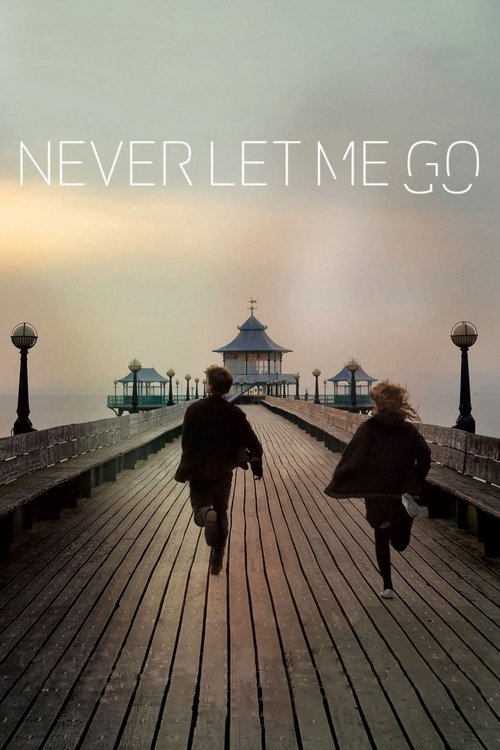
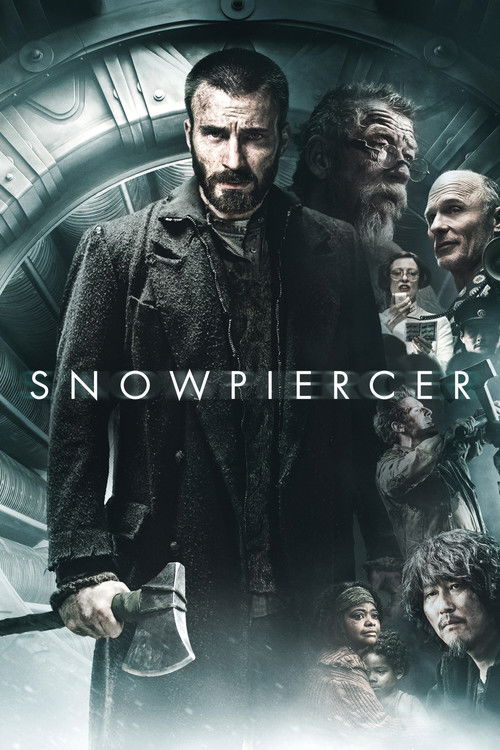

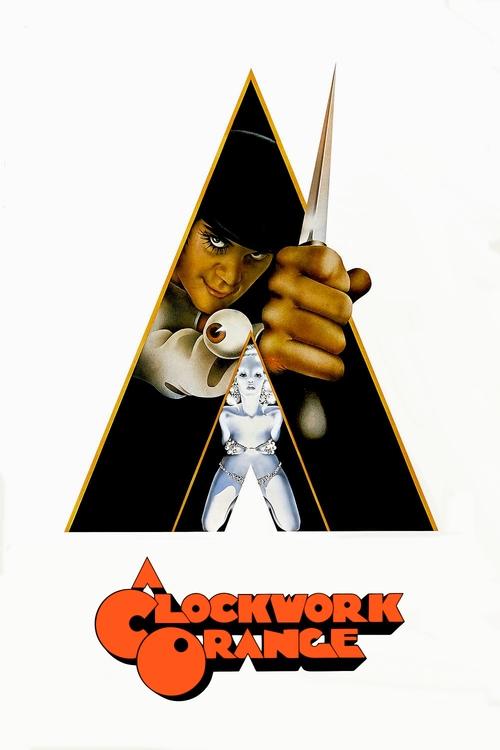
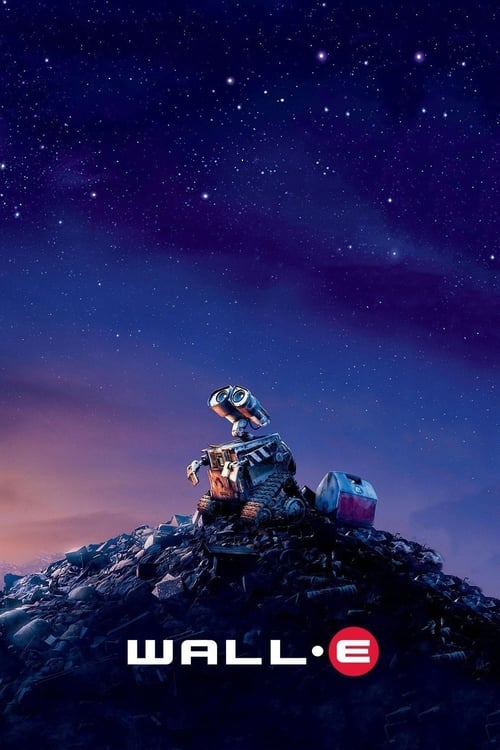
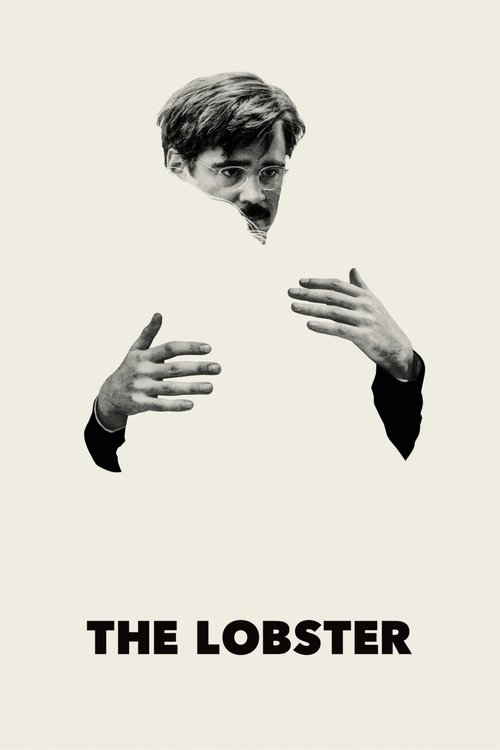
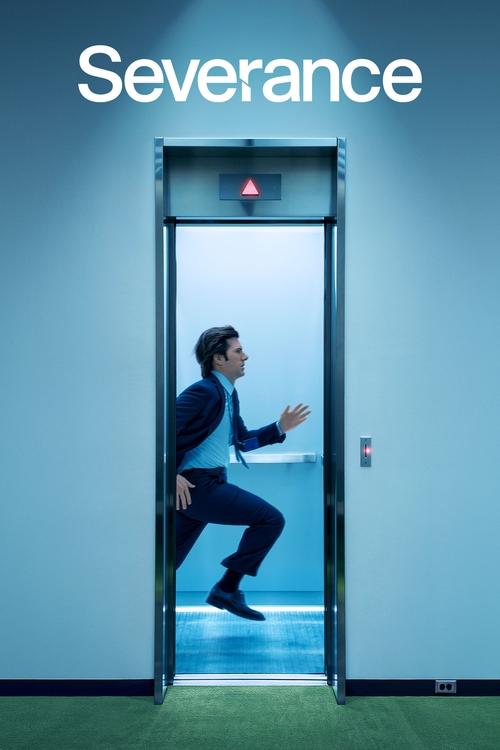
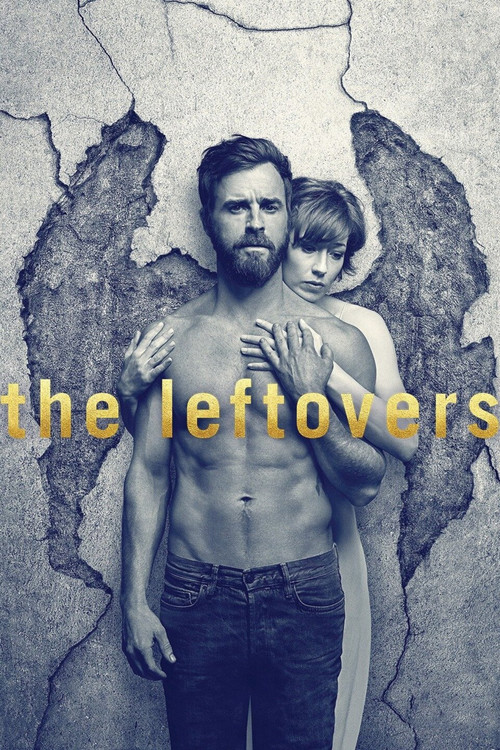
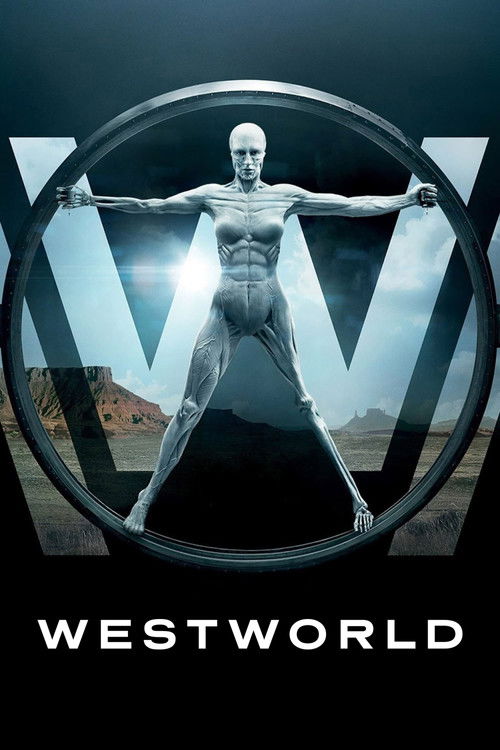
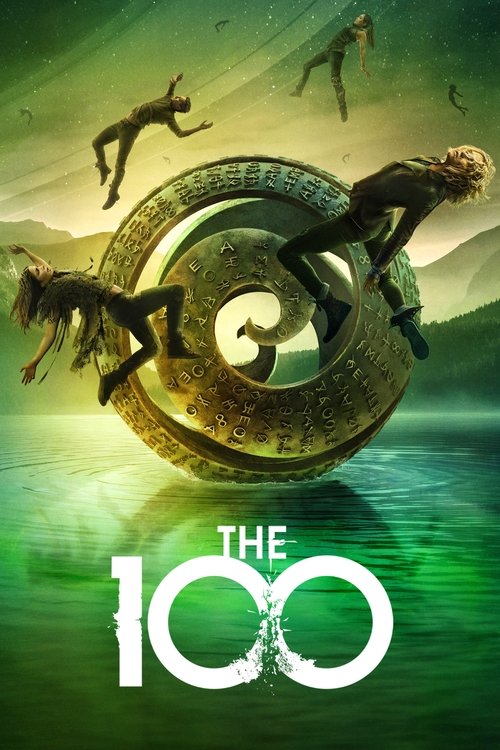
If You Love Dystopia: TV Series That Go There
Long-form TV that lives inside the regime

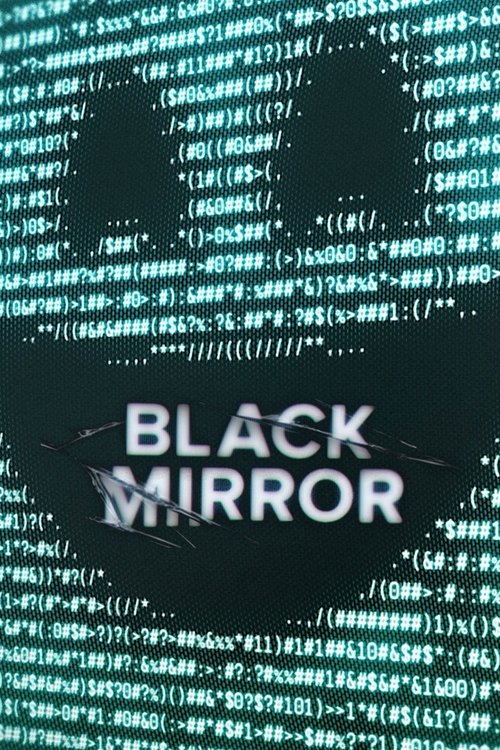
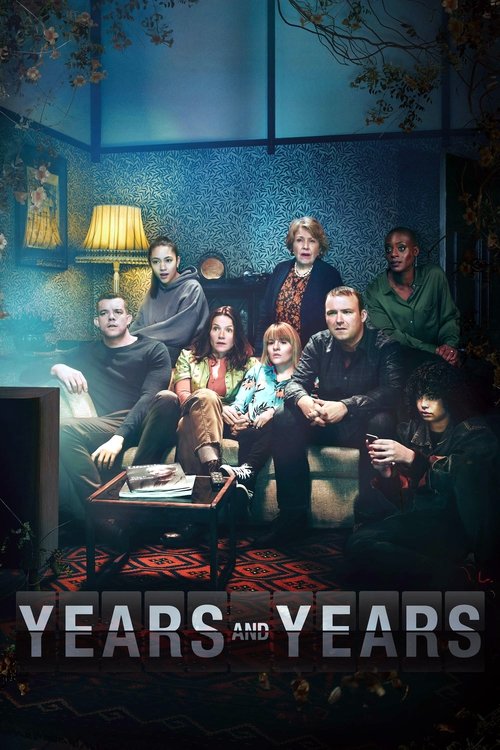


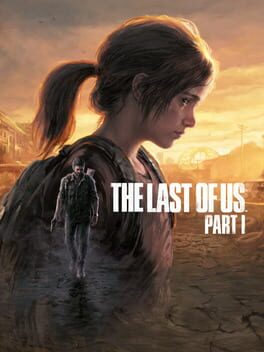
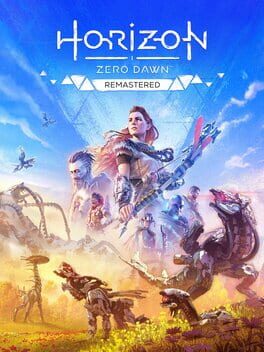
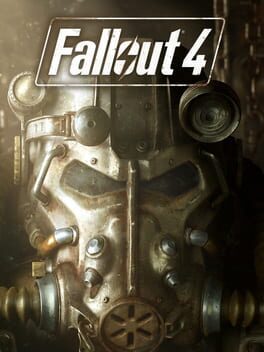
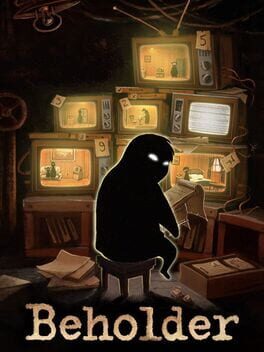
If You Love Dystopia: Games Where the System Is the Enemy
Playing inside broken worlds
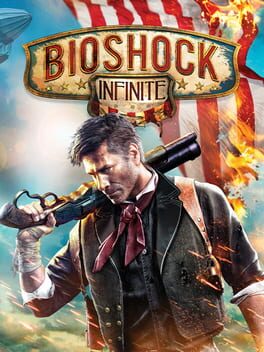
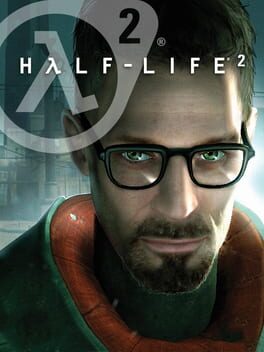
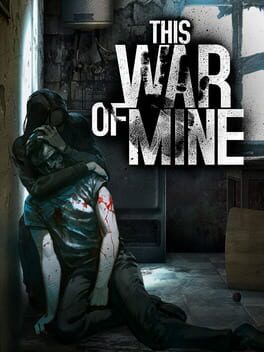
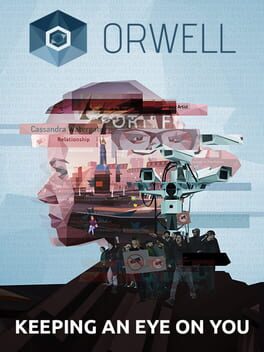

If You Love Dystopia: Music for the Broken State
Records that feel like dispatches from the wrong side of history
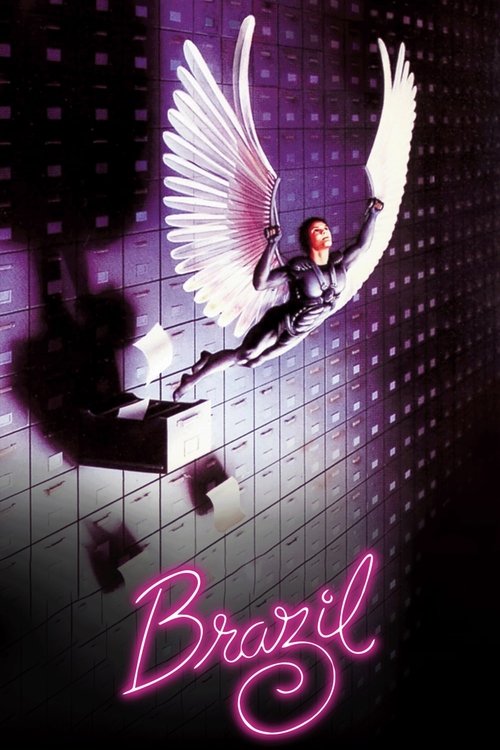
Brazil is the funniest dystopia and the cruelest
Terry Gilliam's 1985 film turns Kafka into slapstick and then refuses to let you laugh cleanly. The paperwork is both joke and weapon. What makes it so durable is that the oppression is never malicious at its core, just procedural: nobody in charge actually intends the atrocities, they just keep processing forms. That indictment of institutional thoughtlessness lands harder than any jackbooted villain.
Papers, Please makes you complicit before the first stamp falls
Lucas Pope's 2013 game is the purest mechanical argument for how ordinary people become instruments of oppression. You are not a villain. You are a border inspector trying to feed your family. Every wrong stamp costs money you cannot afford. The game does not tell you that you are doing something wrong: it just shows you, over hundreds of repetitions, how the system trains the guilt out of you.
OK Computer predicted the texture of now
Radiohead's 1997 record is dystopian in feel rather than concept: algorithms, alienation, corporate-speak seeping into interior monologue. Paranoid Android, Karma Police, Fitter Happier are not protest songs. They are dispatches from someone who has already been processed. Listened to now, the album does not feel prescient so much as descriptively accurate.
The Handmaid's Tale works because Atwood borrowed from history
Margaret Atwood's discipline in The Handmaid's Tale was to invent nothing that had not already happened somewhere. Every practice in Gilead was drawn from documented history: a real theocracy, a real forced-reproduction program, a real re-education method. That constraint is what gives the novel its particular nausea. The horror is not imagination. It is memory.
Dystopia in the canon: key years
- 1921Yevgeny Zamyatin publishes We, the foundational template for almost every political dystopia that follows Owen
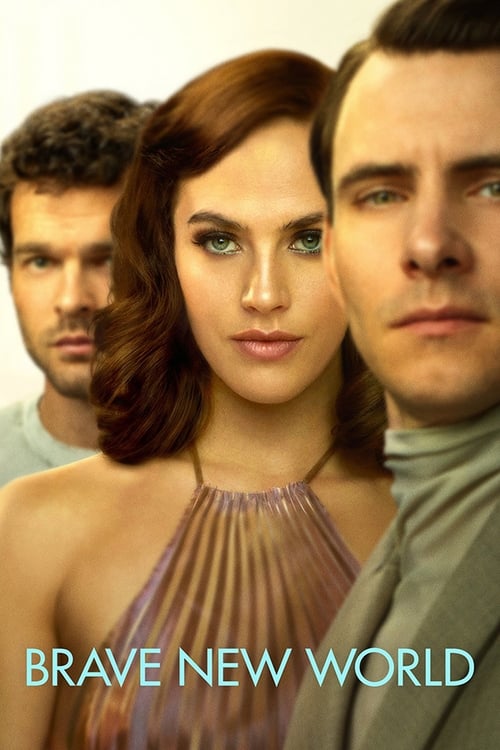
- 1932Huxley's Brave New World introduces the soft dystopia: control through pleasure, not pain Brave New World
- 1949Nineteen Eighty-Four appears, and Orwell's vocabulary becomes permanent (doublethink, unperson, thoughtcrime) Nineteen Eighty-Four
- 1966Truffaut's Fahrenheit 451 adaptation brings book-burning to cinema Fahrenheit 451
- 1971Kubrick's A Clockwork Orange forces audiences to sit inside the perspective of the system's product A Clockwork Orange
- 1985Gilliam's Brazil and Atwood's The Handmaid's Tale arrive in the same year, pushing the mode in opposite tonal directions Brazil
- 1997OK Computer reframes dystopia as ambient present rather than speculative future OK Computer
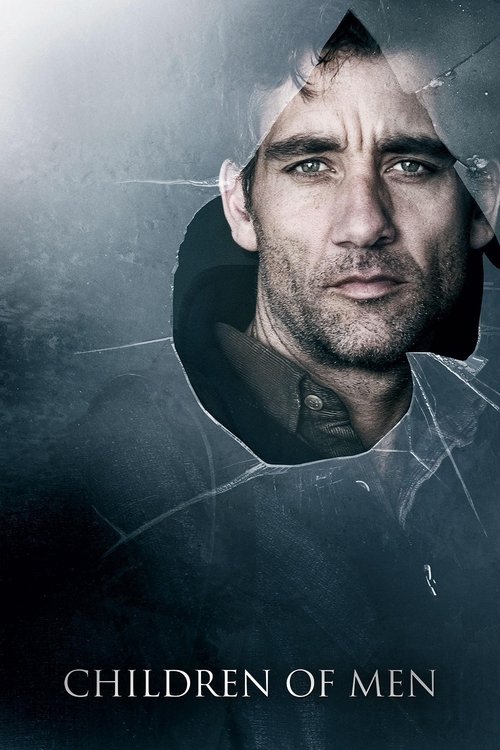
- 2003Children of Men (novel) and shortly after the Cuarón film make infertility the engine of collapse Children of Men
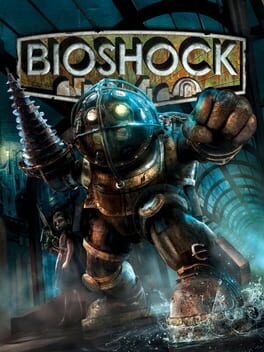
- 2007BioShock asks what happens when a libertarian utopia is taken to its logical endpoint, underwater BioShock
- 2013Papers, Please redefines complicity as a game mechanic Papers, Please
- 2017The Handmaid's Tale premieres on Hulu as the political moment makes it suddenly unavoidable The Handmaid's Tale
- 2019Disco Elysium arrives as perhaps the most politically literate game ever made
Control, collapse, and resistance
Dystopian Societies
Explore the Dystopian Societies guide →Every dystopia is a map of what the people who made it feared most about the world they already lived in.CrossBinge editors