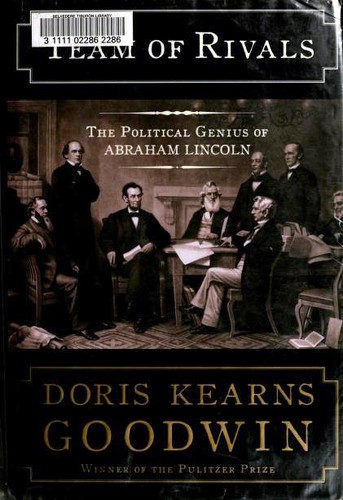

The Book That Remade How We See Lincoln
Team of Rivals: The Political Genius of Abraham Lincoln is a work of narrative non-fiction by historian Doris Kearns Goodwin, published in 2005. It tells the story of the 1860 Republican nomination race and Lincoln's subsequent decision to fill his Cabinet with the four men who had competed hardest against him for the presidency: William Seward, Salmon Chase, Edward Bates, and Lincoln himself. Goodwin's argument is that this was not modesty or naivety but a calculated act of political genius, drawing the strongest possible opposition voices inside the tent rather than leaving them outside to cause damage.
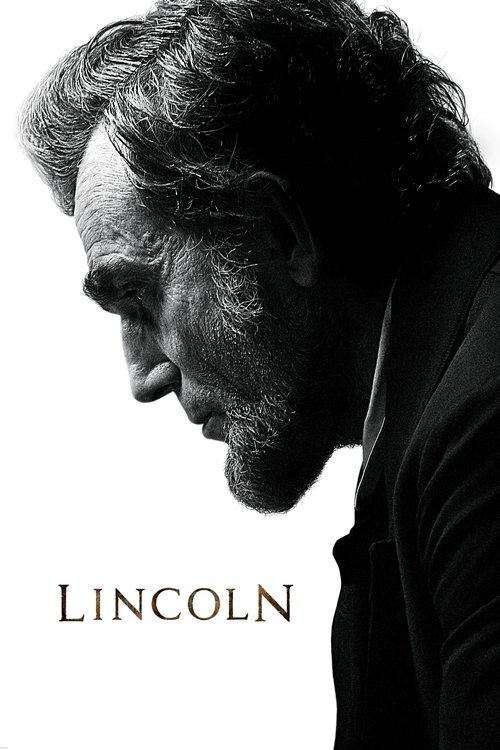
The book spent years on bestseller lists and won the Lincoln Prize. It traveled to screen when Steven Spielberg, who had acquired the rights early, finally released Lincoln in 2012 with a Tony Kushner screenplay focused tightly on the passage of the Thirteenth Amendment. That film drew on the book's portraiture of Lincoln's Cabinet relationships and his management of ambitious, difficult men, even though it dramatized events beyond the book's main arc.
Outside that direct adaptation, the history itself, the Civil War presidency and its impossible personalities, has generated a rich parallel tradition of films, documentary series, and books that engage with the same terrain from different angles. Lincoln is one of the most dramatized figures in American culture, and Goodwin's framing has shaped how almost every recent treatment understands him.
Every Version of Team of Rivals
The source book, the definitive screen adaptation, and the closest treatments of the same history

The definitive version: Spielberg's Lincoln (2012)
Tony Kushner distilled hundreds of pages of Goodwin's research into a single month of legislative combat, and Daniel Day-Lewis gave Lincoln a voice and a physicality that has become the reference point. The film does not attempt the full sweep of the book but captures its core insight precisely: Lincoln's authority came from his willingness to hold contradictory people together, not from commanding them. The Thirteenth Amendment vote is small-stakes theater on paper and unbearable to watch in practice. Tommy Lee Jones as Thaddeus Stevens is the film's secret weapon, and the way Spielberg shoots Congressional procedure like a heist is a genuine directorial achievement.
The long shadow: John Ford's Young Mr. Lincoln (1939)
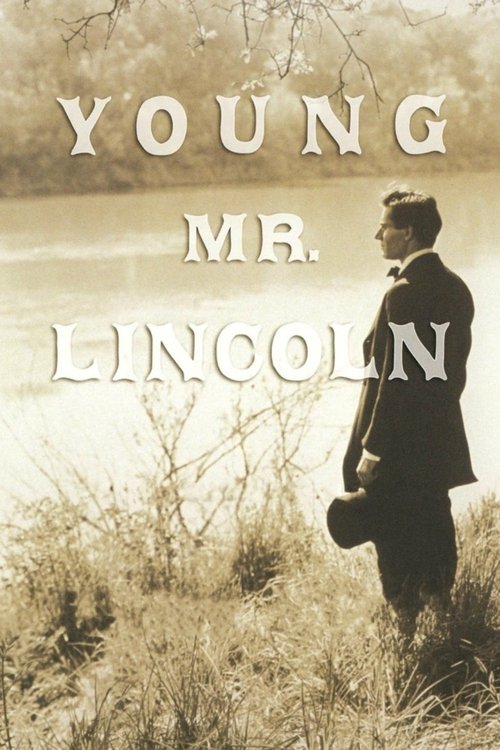
Henry Fonda's Lincoln in this John Ford picture predates Goodwin's book by sixty-six years and yet it is impossible to watch Lincoln (2012) without feeling Ford's influence. The film is myth-making in the most serious sense: it takes the young circuit lawyer and shows you how the political animal gets formed, the capacity to read a room, the gift for storytelling as misdirection, the wiliness beneath the folksy surface. It is not history; it is a portrait of a type, and the type is recognizably the same man Goodwin later anatomized. Ford shoots Illinois like Eden about to be lost.
Team of Rivals Across Time
- 1939John Ford's Young Mr. Lincoln, with Henry Fonda, establishes the mythic template
- 1984Gore Vidal publishes his novel Lincoln, a cooler, more skeptical portrait than later treatments
- 1988Lance Henriksen plays Lincoln in the NBC adaptation of Vidal's novel
- 1990Ken Burns's The Civil War documentary series airs on PBS, reshaping the popular understanding of the era
- 2005Team of Rivals published by Doris Kearns Goodwin
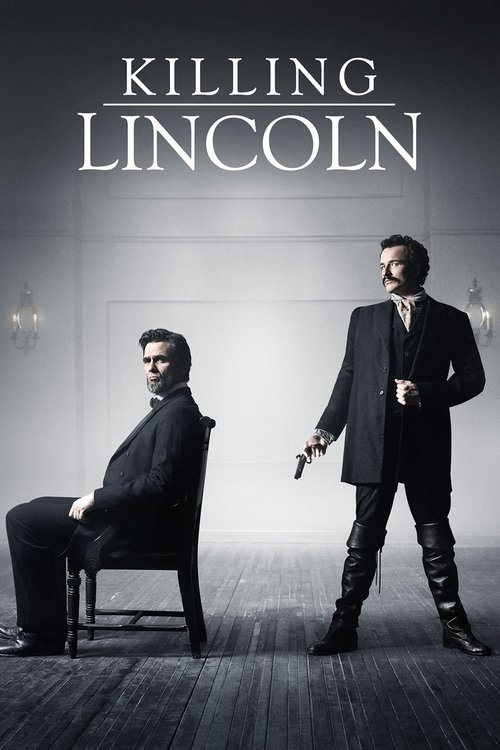
- 2011Bill O'Reilly's Killing Lincoln published, a popular account of the assassination
- 2012Spielberg's Lincoln opens in November, drawing heavily on Goodwin's research
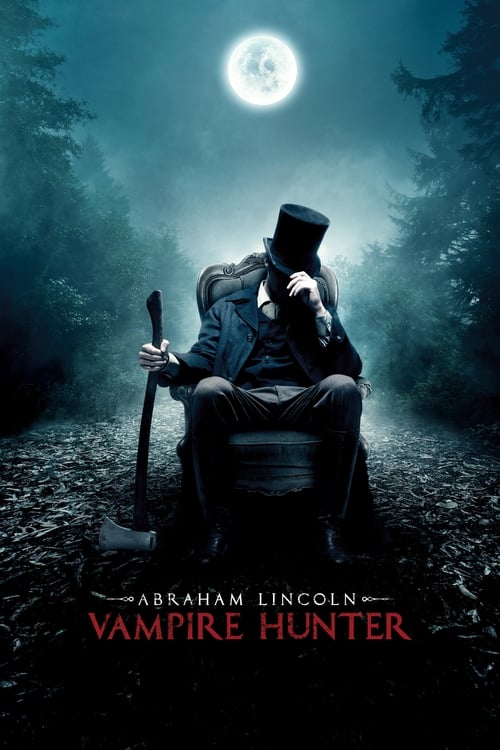
- 2012Abraham Lincoln: Vampire Hunter released the same year, a genre exercise using the same historical furniture
- 2013National Geographic's Killing Lincoln TV film airs, based on the O'Reilly book
- 2013Lincoln wins two Academy Awards: Best Actor (Day-Lewis) and Best Production Design
Approach with caution: Abraham Lincoln: Vampire Hunter (2012)
Released the same year as Spielberg's film and based on Seth Grahame-Smith's 2010 novel, this is a genre exercise that happens to share some of the same historical furniture. As an action-horror film it is fitfully entertaining but it has nothing to say about the political world Goodwin describes, and treating it as part of the same conversation would be misleading. The two films make an interesting double bill as evidence of how differently the same historical figure can be appropriated: one as a vessel for serious argument, the other as a vehicle for axe-fighting. They belong on different shelves.
Political genius under pressure
Stories about leaders who absorbed their opponents and governed through contradiction
The Civil War world
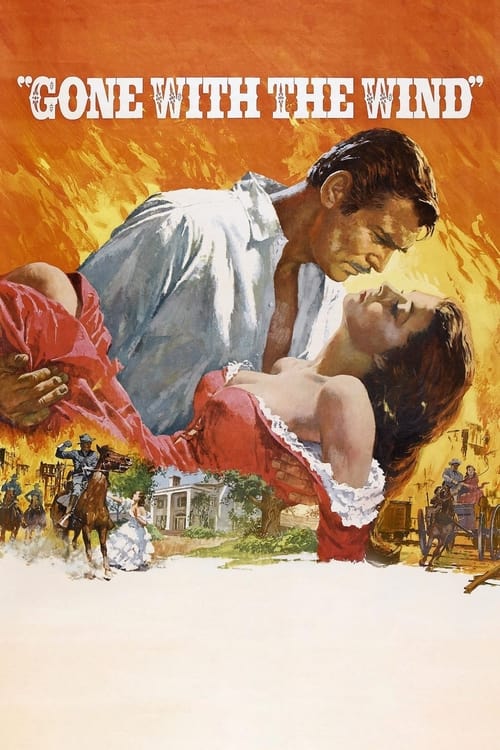
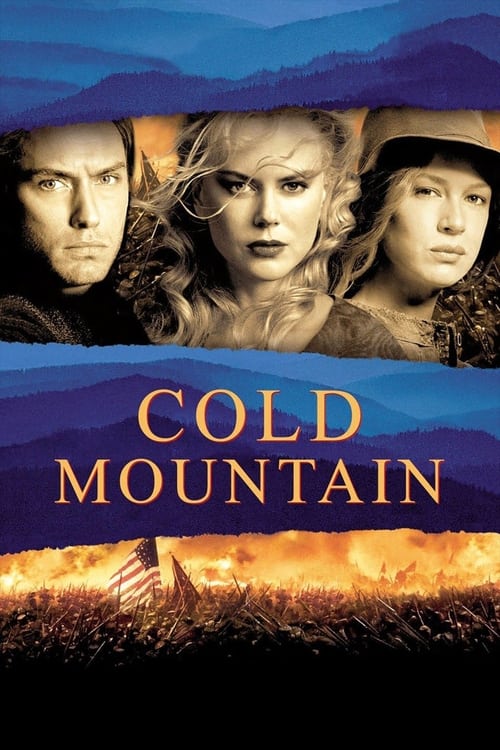
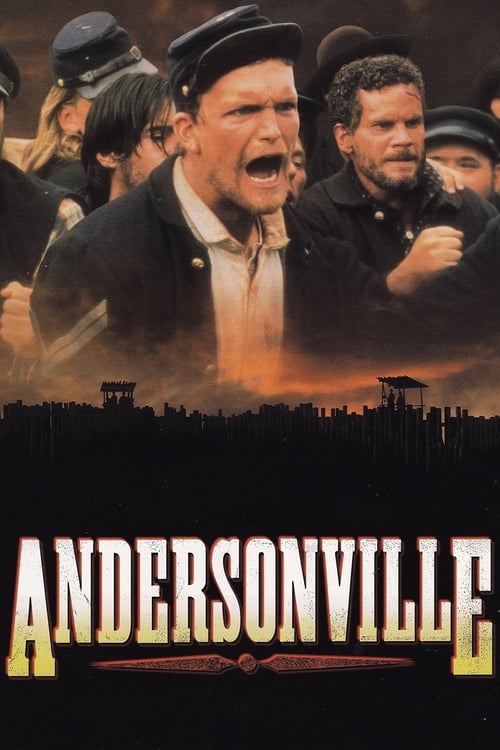
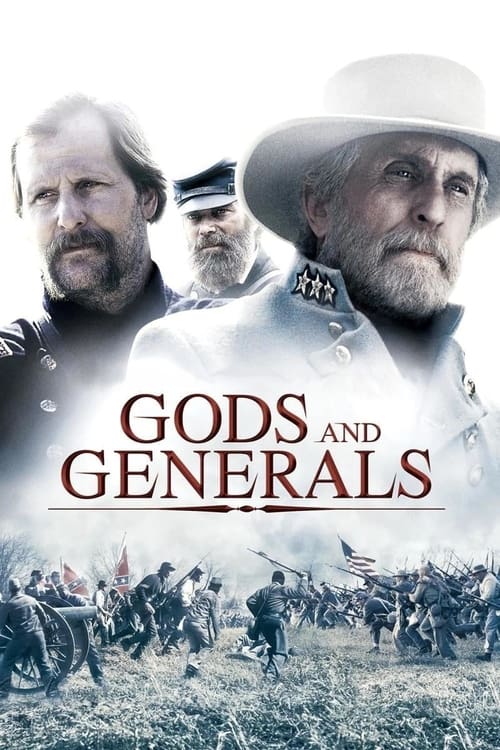
Films and series that live inside the same historical moment
Non-fiction history brought to screen
Rigorous history meeting compelling narrative, on the page and on screen

More political history and power
The American Civil War
Explore the The American Civil War guide →Lincoln's political genius lay not in commanding rivals but in making them believe they were collaborators in something larger than any of them.Doris Kearns Goodwin, Team of Rivals (2005)