
The American Civil War (1861-1865) is the defining rupture in American history. The feeling fans chase is not just spectacle, though the scale delivers that in full: it is the moral weight, the human cost, and the question of what a nation is willing to sacrifice for its stated ideals. From the sunken roads of Antietam to the long siege at Petersburg, from Frederick Douglass's dispatches to the letters of ordinary soldiers, the war forces every medium that touches it to reckon with race, sacrifice, and identity. Whether you arrive through Ken Burns's documentary or Shelby Foote's three-volume narrative, through the tactical depth of a strategy game or the gut-punch of a period novel, you are drawn into the same argument: what did it mean, and does it still?
Essential Civil War Films
The screen's definitive dramatizations of the conflict
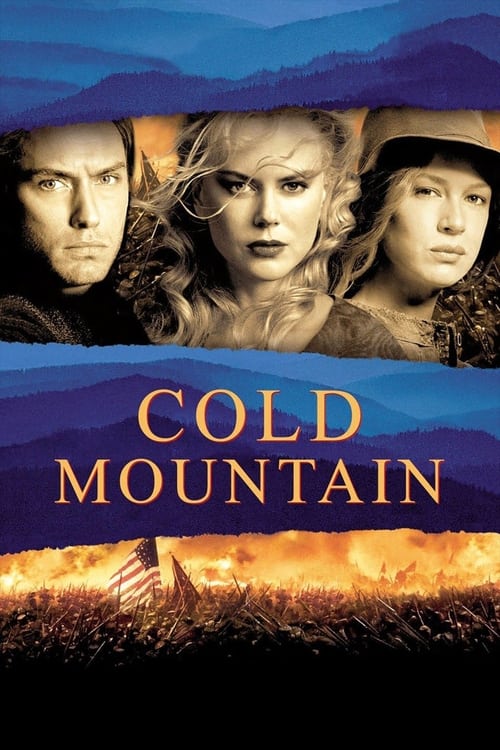
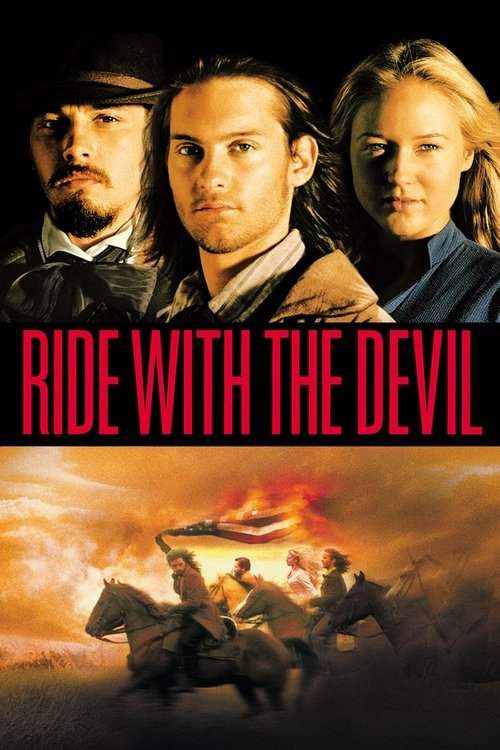
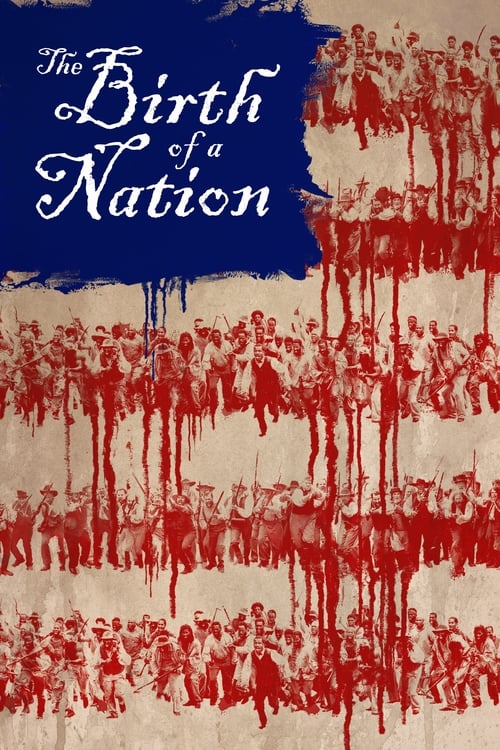
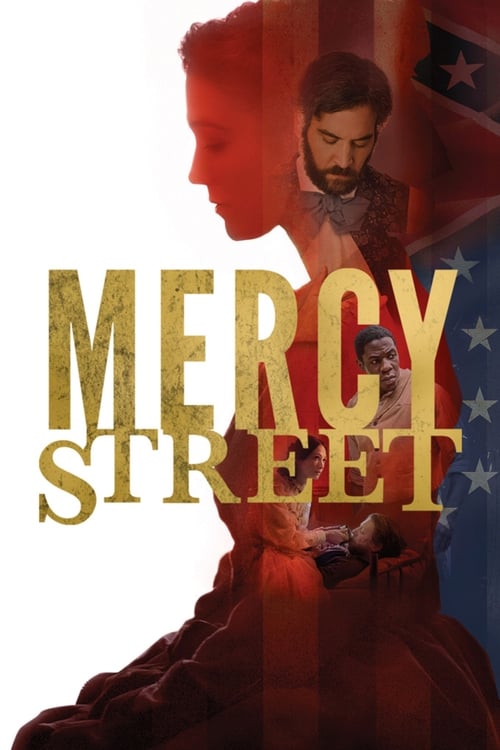
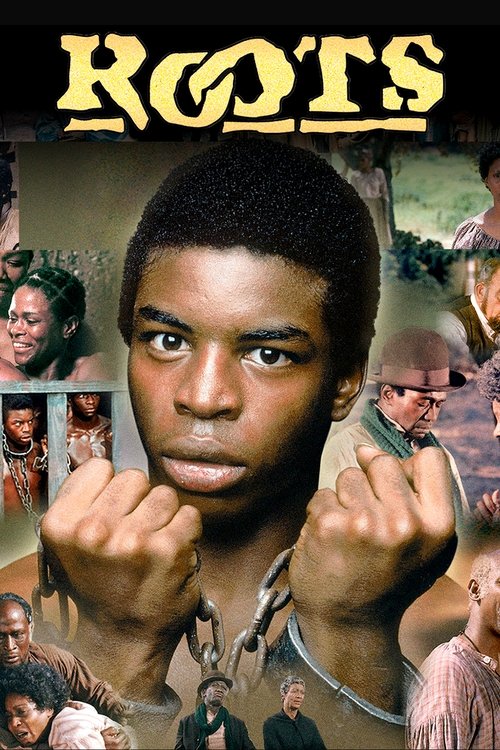
The War in Series
Television's long-form reckoning with the conflict and its aftermath


The Essential Library
Novels and nonfiction that put you inside the war


Glory Changed What War Films Could Do
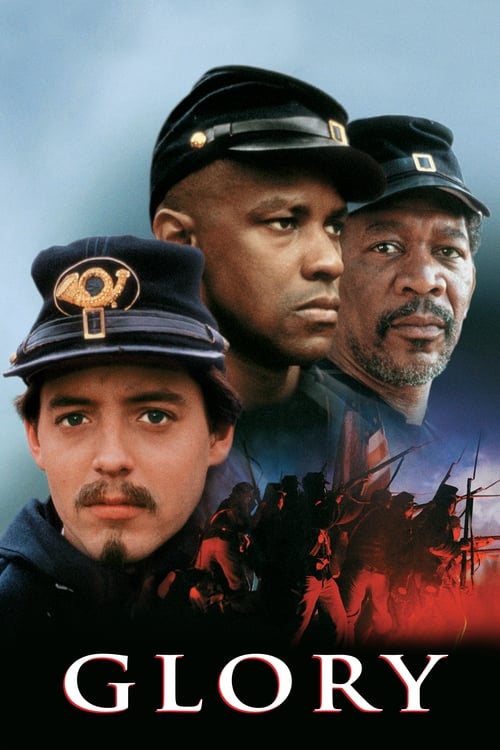
Before Glory (1989), Hollywood's Civil War stories centered white officers and romanticized the Confederate cause. Edward Zwick's film shifted the frame to the 54th Massachusetts Infantry, the first Black regiment raised in the North. It did not flinch from the racism inside the Union's own ranks, and it ended at Fort Wagner without a redemptive victory. Matthew Broderick, Denzel Washington, and Morgan Freeman gave the film a gravity that most prestige war pictures avoid.
Ken Burns Set the Standard for Documentary History
Ken Burns's nine-episode PBS series The Civil War (1990) drew 40 million viewers and redefined what the documentary form could accomplish. The combination of Shelby Foote's drawling narrations, David McCullough reading from period letters, and Sullivan Ballou's heartbreaking farewell letter created a template that every subsequent historical documentary has had to reckon with. Its romanticization of certain Lost Cause figures is a genuine flaw, but the emotional architecture remains unmatched.
Michael Shaara Found the Human Scale of Gettysburg
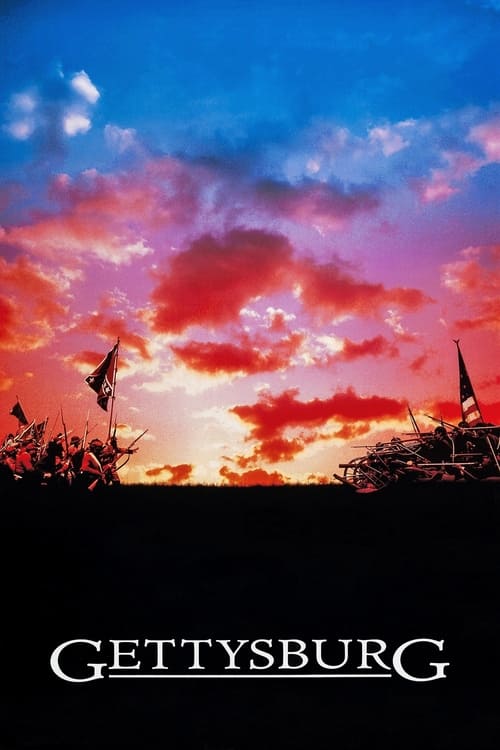
The Killer Angels (1974) won the Pulitzer Prize by doing something military history rarely attempts: putting readers inside the minds of commanders on both sides during the three days at Gettysburg. Shaara's James Longstreet carries the book's moral conscience, a man who sees the assault on Cemetery Ridge as suicidal and loses the argument. The novel spawned both the film Gettysburg (1993) and its prequel Gods and Generals, but neither quite replicates the intimacy Shaara achieves on the page.
Beloved Locates the War's Deepest Wound
Toni Morrison's Beloved (1987) does not depict the war directly. It takes place in its aftermath, in the wreckage slavery left behind in individual bodies and minds. Sethe's act at the center of the novel is the book's argument about what slavery forced people to do to protect their children from it. No Civil War reading list is complete without it. It is the novel that answers the question the battlefield stories sometimes leave unasked: what exactly was being fought over?
The War on Screen and Page: Key Moments
- 1852Harriet Beecher Stowe publishes Uncle Tom's Cabin, galvanizing abolitionist sentiment across the North Uncle Tom's Cabin
- 1895Stephen Crane's The Red Badge of Courage becomes the first major American war novel to focus on psychological realism rather than heroism
- 1936Margaret Mitchell's Gone with the Wind wins the Pulitzer and shapes popular memory of the Confederacy for decades Gone with the wind
- 1939The film adaptation of Gone with the Wind becomes one of the highest-grossing pictures in history Gone with the Wind
- 1974Michael Shaara's The Killer Angels reimagines Gettysburg from inside the commanders' heads The kill
- 1987Toni Morrison's Beloved locates the war's true cost in Reconstruction-era trauma Beloved
- 1988James McPherson's Battle Cry of Freedom becomes the definitive one-volume history of the war
- 1989Glory makes the 54th Massachusetts Infantry the center of a Civil War film for the first time Glory
- 1990Ken Burns's nine-episode documentary The Civil War airs on PBS to 40 million viewers The Civil War
- 1993Gettysburg adapts The Killer Angels into a four-hour film starring Tom Berenger and Jeff Daniels Gettysburg
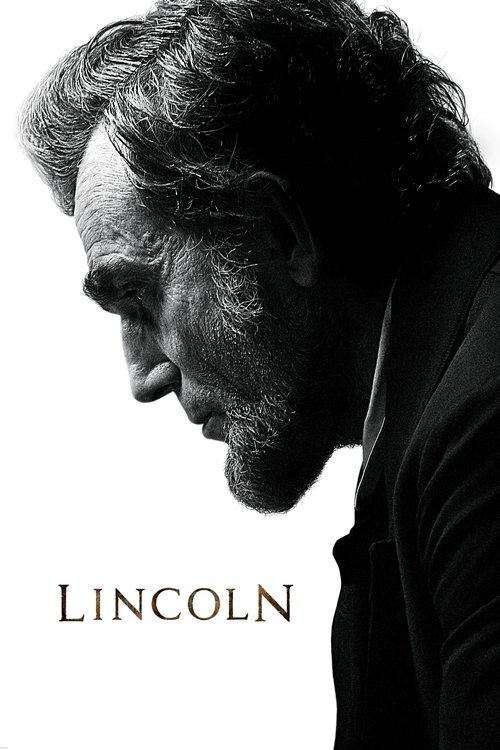
- 2012Spielberg's Lincoln focuses on the political fight to pass the Thirteenth Amendment Lincoln
- 2017Ultimate General: Civil War refines the tactical strategy genre with brigade-level command Ultimate General: Civil War
Slavery, the Union, and the Frontier
The American Civil War
Explore the The American Civil War guide →Both parties deprecated war, but one of them would make war rather than let the nation survive, and the other would accept war rather than let it perish.Abraham Lincoln, Second Inaugural Address, 1865