
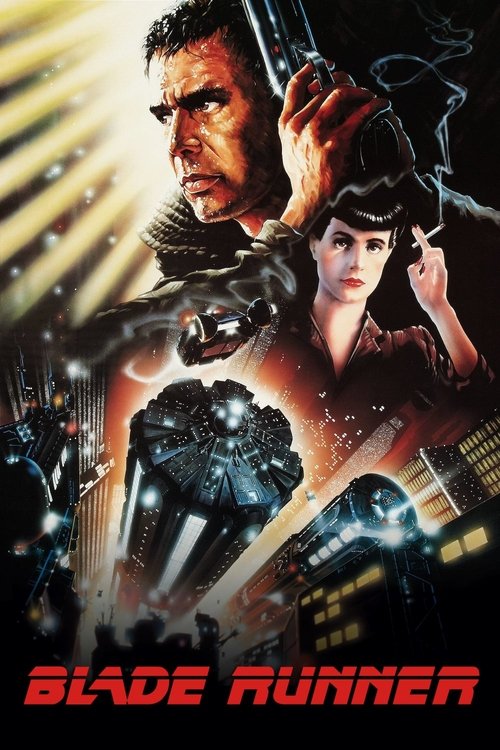
Ridley Scott's 1982 film put a specific feeling on screen that no genre label fully captures: the weight of being conscious in a world that treats consciousness as a resource. Blade Runner's Los Angeles of 2019 is a city of perpetual night and acid rain, corporate pyramids looming over street-level chaos, and humans who feel less alive than the artificial beings hunted for sport. What fans return to is not the plot but the atmosphere, the moral vertigo, the question of whether empathy is something you're born with or something you learn. The film asks it without answering, and that open wound is the whole point.
Same Director, Same Obsessions
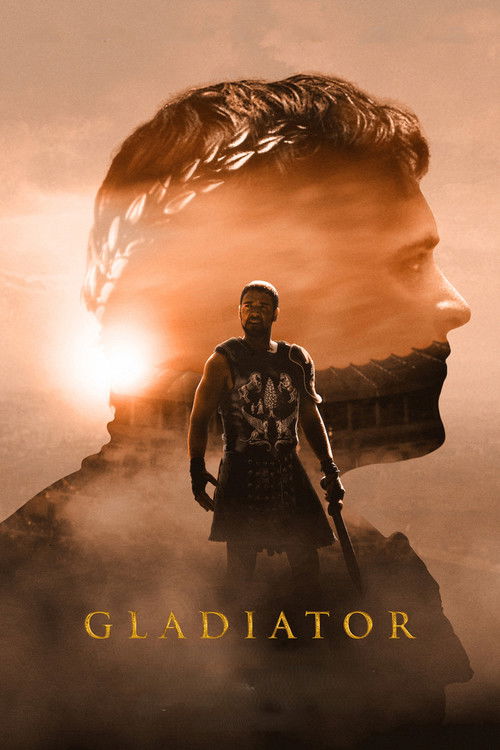
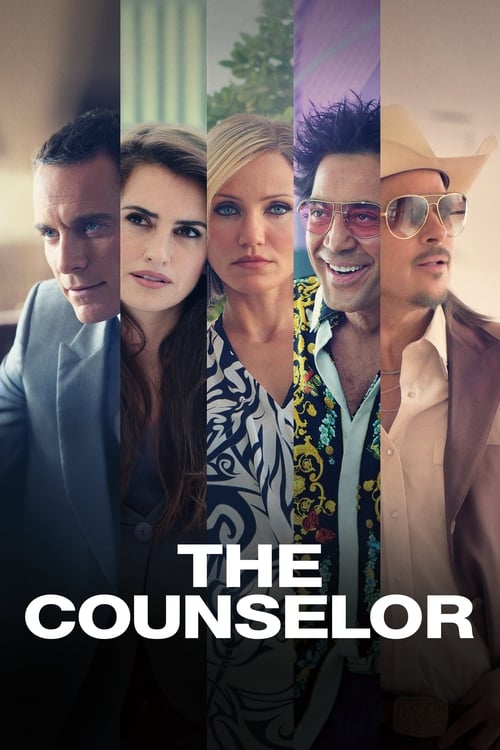
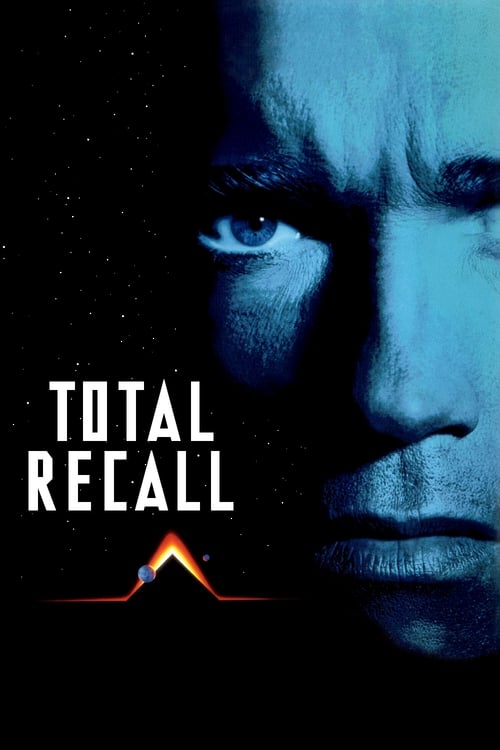
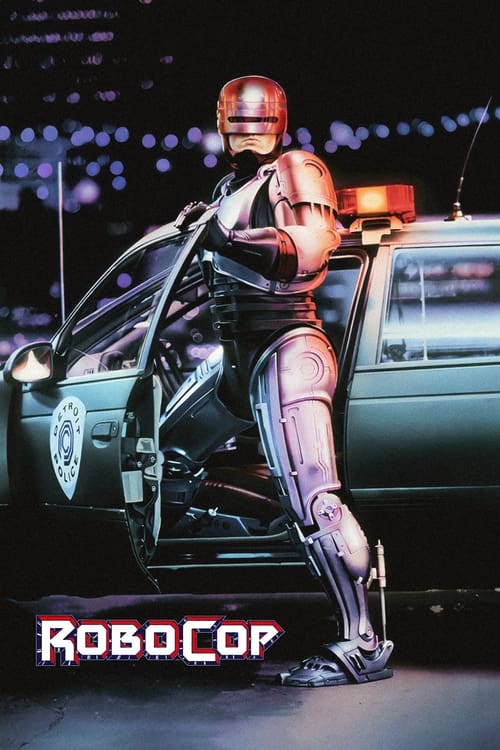
Ridley Scott and the filmmakers who share his eye for worlds that feel lived-in and threatening
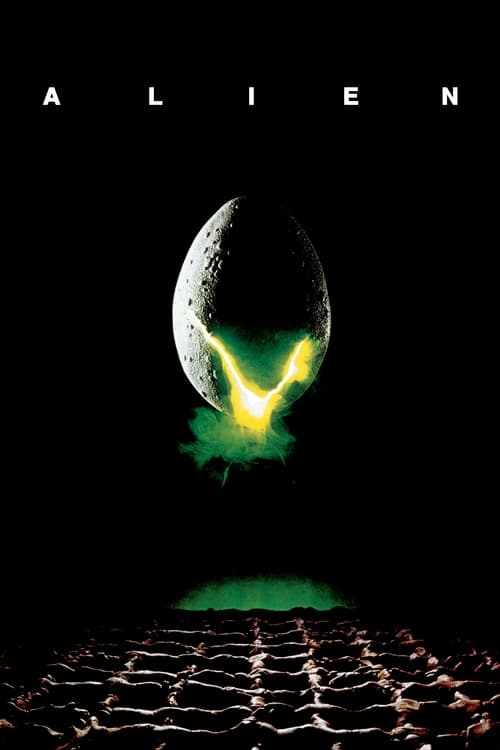
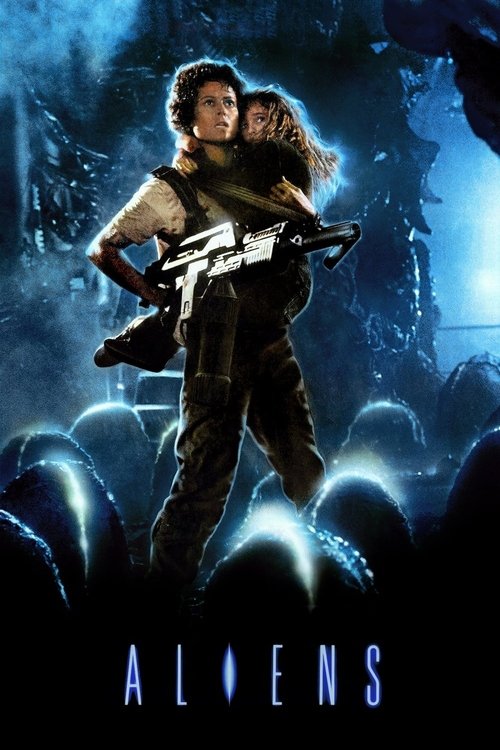
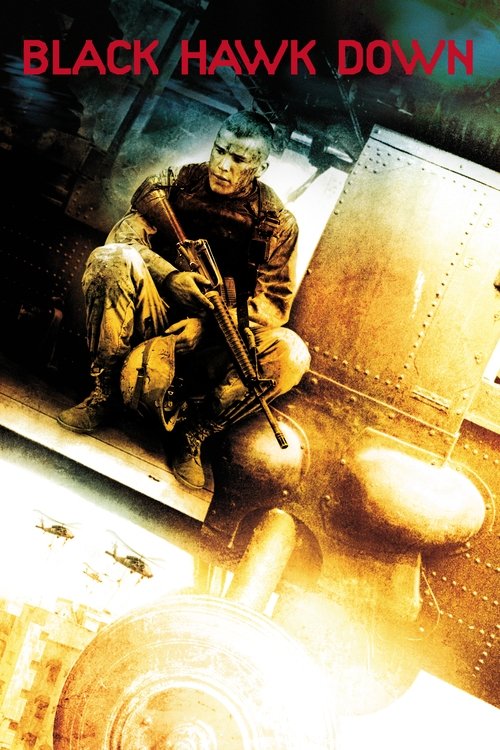


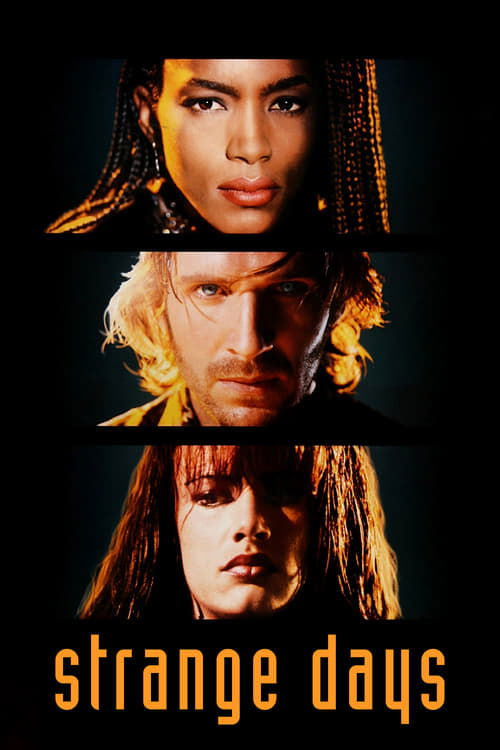
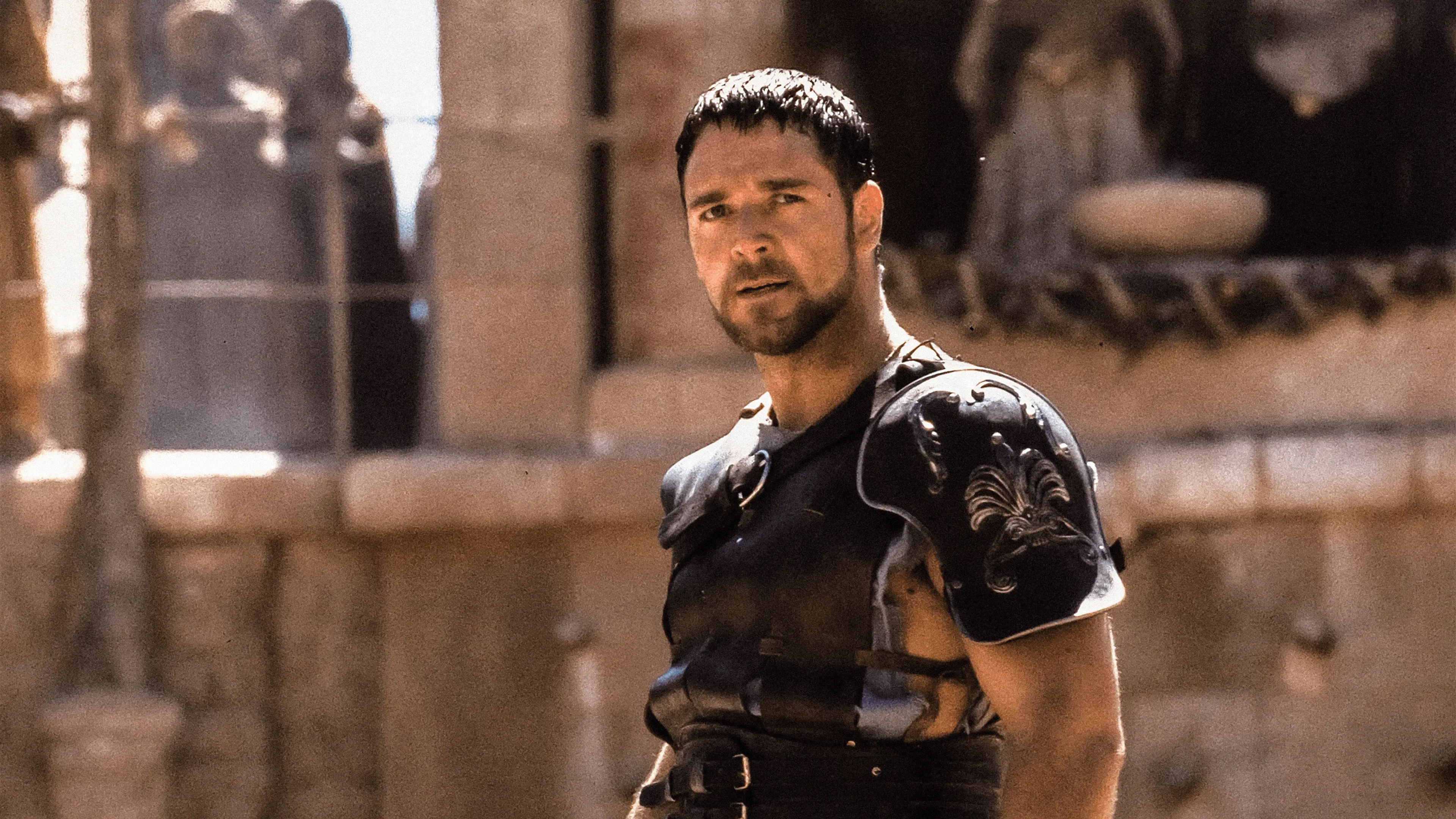
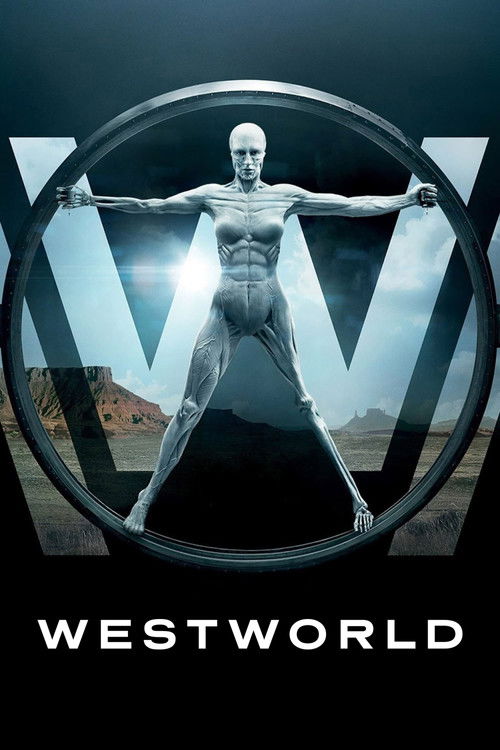
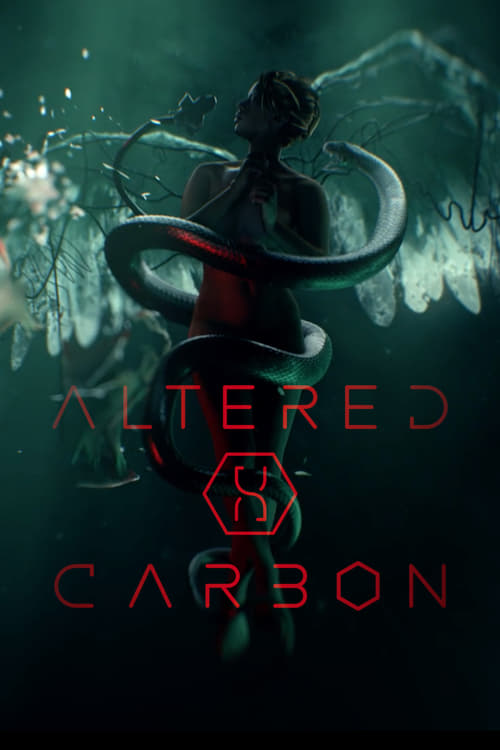
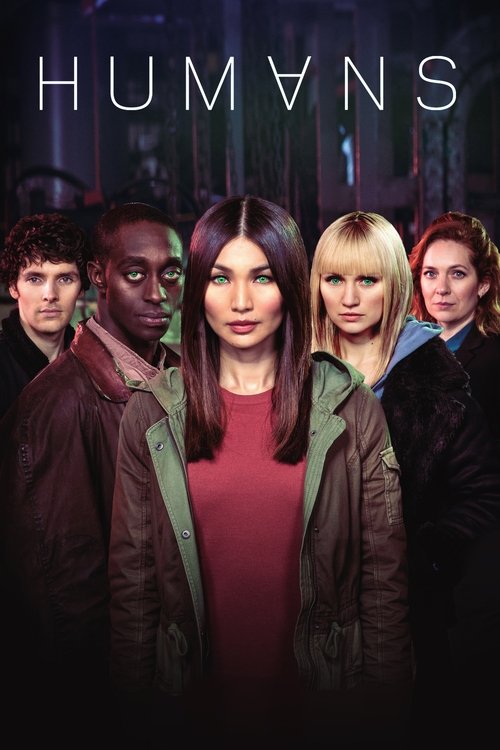
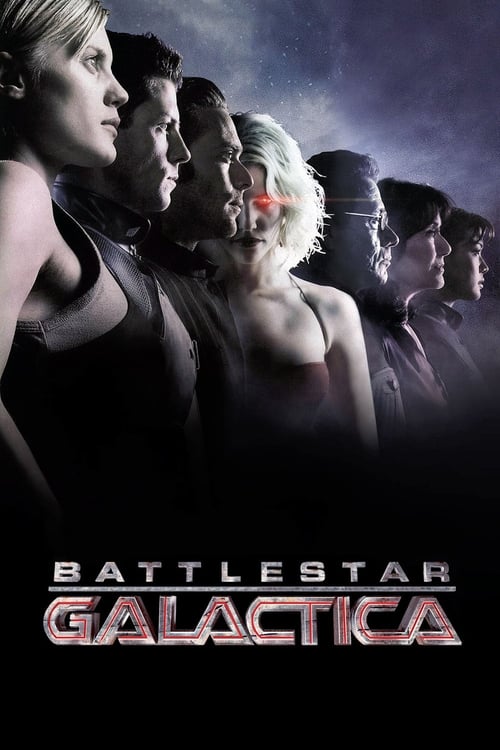
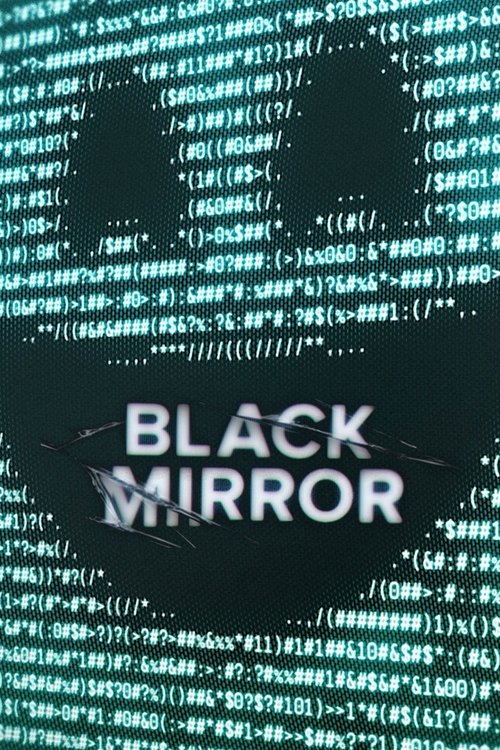
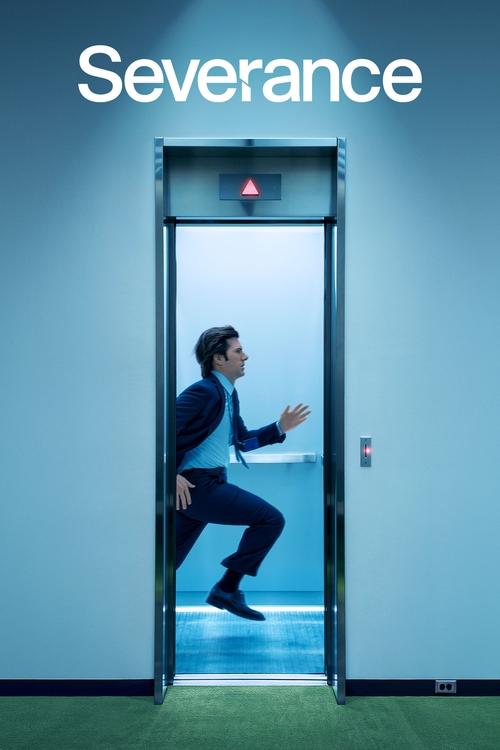
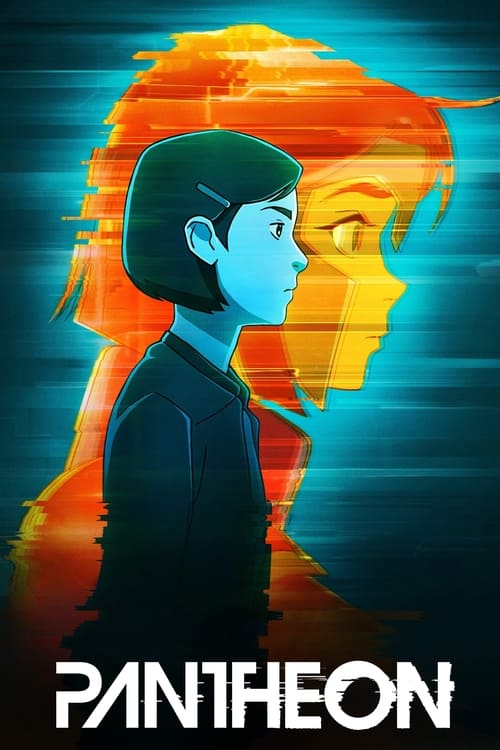
Neon and Dread: Series in the Same Vein
Television that trades in the same questions of identity, corporate power, and what it costs to be human


The Books That Built This World
Philip K. Dick and the writers who ask the same questions on the page



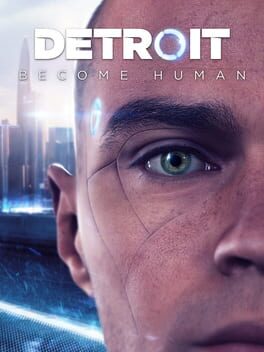
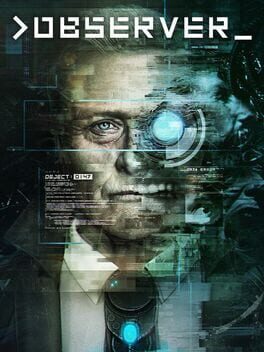
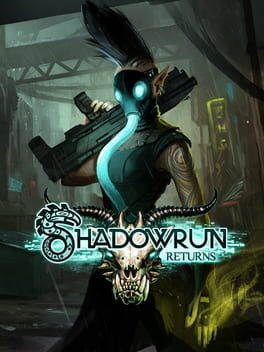
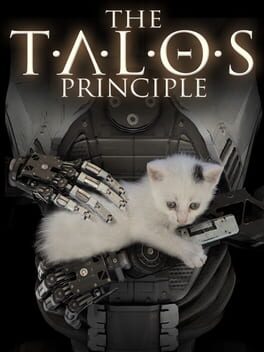
Games That Share Its DNA
Cyberpunk worlds, moral ambiguity, and the cost of consciousness

The Score and the Silence
Vangelis defined a sound. These records and scores share its weight and warmth.
Standalone Films with the Same Feeling
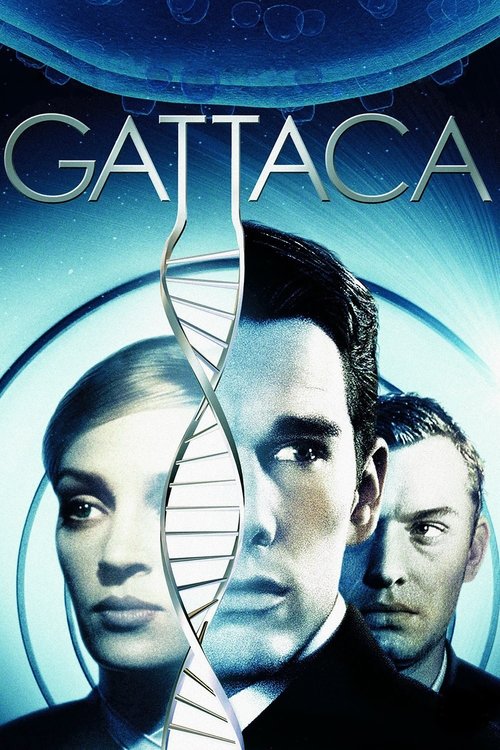
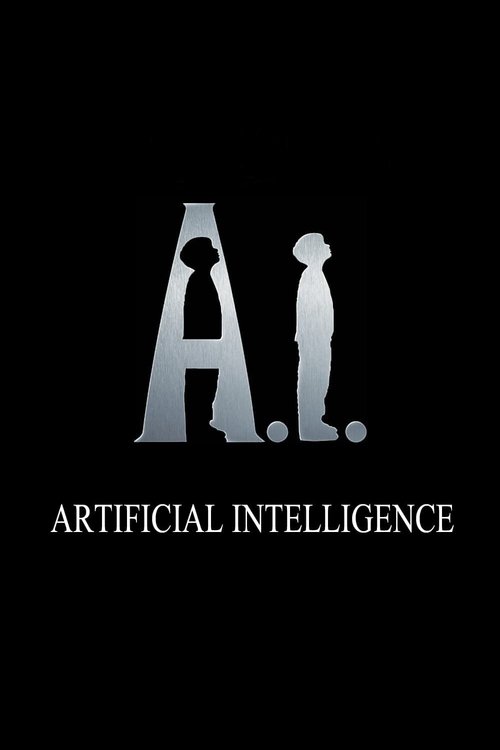
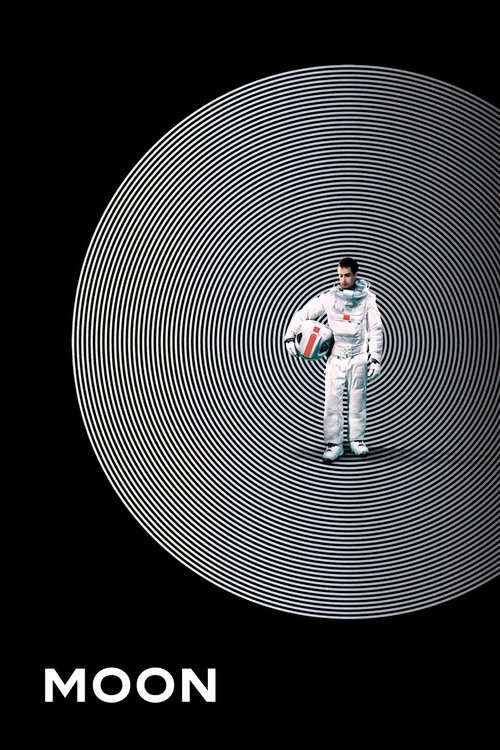
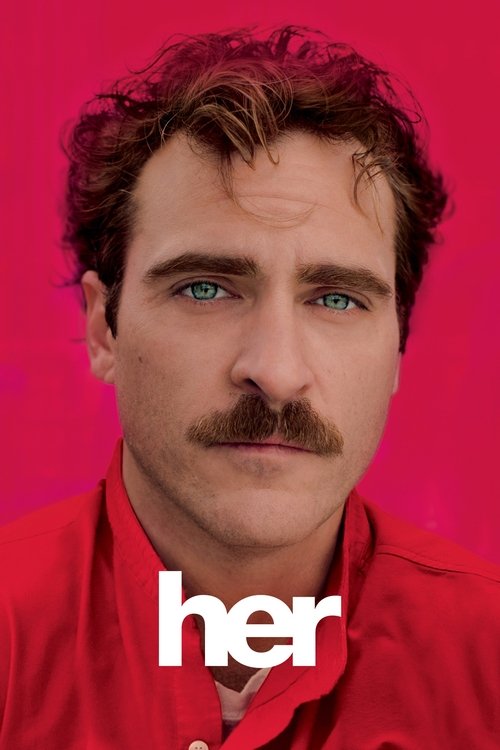
One film, one world, one question that won't let you go


The Replicants Are the Heroes
Blade Runner inverts the expected sympathy. Deckard does a job that is, by any moral accounting, monstrous. Roy Batty delivers one of cinema's most devastating final speeches not because he is saved but because he chooses grace. The film forces you to root for the beings whose deaths you are watching, and it never apologizes for that discomfort. That inversion, the hunter as moral suspect and the hunted as the most human thing on screen, is what separates it from every action-film reading the premise might suggest.
Philip K. Dick Was Not Writing Science Fiction
Dick's source novel, Do Androids Dream of Electric Sheep?, is a theological and phenomenological argument disguised as genre pulp. His entire body of work circles one question: how do you know your experience is real, and does it matter if it isn't? Scott's film strips away Dick's subplot about Mercerism and animal ownership, but keeps the core anxiety intact. Readers who come to Dick through the film discover an author who was less interested in the future as a setting than in the present as a trap.
Cyberpunk 2077 Finally Earned Its Comparison
For years, every cyberpunk game promised the Blade Runner feeling and delivered competent dystopia tourism instead. Cyberpunk 2077, after its troubled launch and subsequent overhaul, is the first game to actually sit with the question the film poses: what do you do when the life you're living was built on someone else's terms? Night City is a beautiful lie, and V is a person trying to be real inside it. That's not the same story as Blade Runner, but it's the same ache.
Denis Villeneuve Understood What Not to Explain
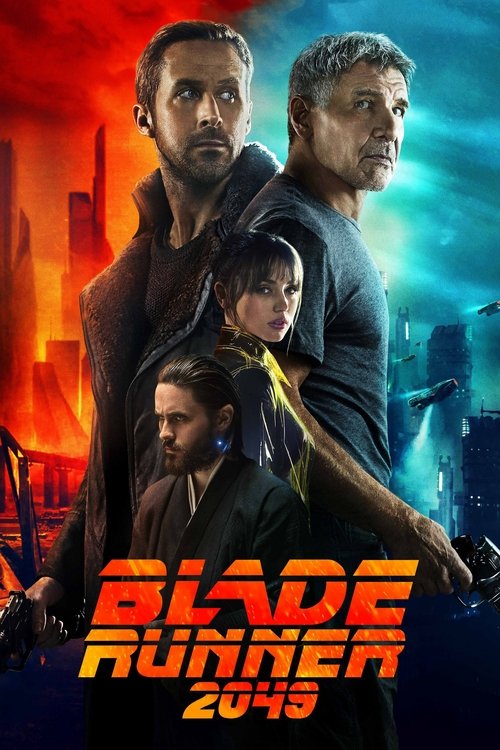
Blade Runner 2049 does something that sequels almost never attempt: it deepens the original's ambiguity rather than resolving it. Villeneuve and screenwriter Hampton Fancher (who co-wrote the original) trust the audience to sit with the same uncertainty about K that the first film generated about Deckard. The film is longer, quieter, and in some ways more complete, because it commits to grief as the dominant register. It is also, critically, not interested in making you feel better by the end.
A World Built in Layers
- 1968Philip K. Dick publishes Do Androids Dream of Electric Sheep?, the source novel Do Androids Dream of Electric Sheep?
- 1982Blade Runner released in theaters, initially misunderstood, later recognized as a foundational text of cinema Blade Runner
- 1984William Gibson publishes Neuromancer, cementing cyberpunk as a literary movement the film helped define Neuromancer
- 1984The Director's Cut removes the voiceover and the forced happy ending, closer to Scott's original intent Blade Runner
- 1995Ghost in the Shell arrives, extending Blade Runner's philosophical questions into anime Ghost in the Shell
- 1998Dark City revisits the same questions of manufactured memory and urban dread Dark City
- 2007The Final Cut released, Scott's definitive version Blade Runner
- 2013Deus Ex: Human Revolution brings augmentation ethics and neon noir to games
- 2016Westworld premieres, building an entire television mythology from the same premise Westworld
- 2017Blade Runner 2049 opens: a genuine sequel that takes the original seriously Blade Runner 2049
- 2020Disco Elysium redefines what games can do with interiority and moral failure Disco Elysium
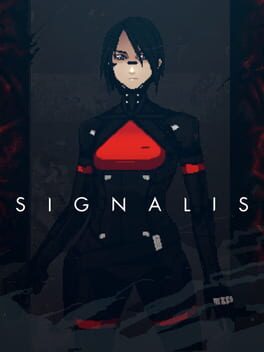
- 2022Signalis arrives: a survival horror game soaked in replicant grief and analog decay Signalis
More neon dystopia and synthetic souls
Cyberpunk & Dystopia
Explore the Cyberpunk & Dystopia guide →All those moments will be lost in time, like tears in rain.Roy Batty, Blade Runner (1982)