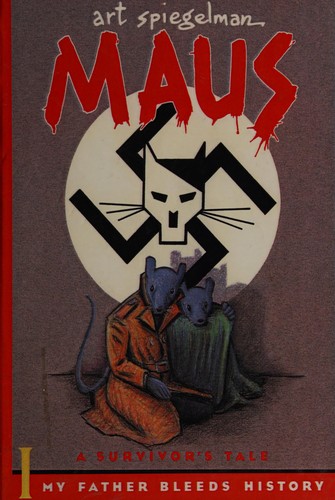

A fable built on a fence
John Boyne wrote the first draft of The Boy in the Striped Pyjamas in two and a half days. His publisher, David Fickling Books, released it in January 2006 with a deliberately spare cover: two boys at a fence, no context given. The novel is explicitly subtitled "a fable," a word Boyne chose to signal that the story operates by its own rules rather than strict historical realism. Its narrator is Bruno, the nine-year-old son of a Nazi commandant posted to a place he mishears as "Out-With." Through the fence he meets Shmuel, a Jewish boy his own age. Their friendship, conducted entirely through wire, ends in the gas chambers.
The book sold slowly at first, then became one of the most widely read Holocaust-adjacent novels of the 2000s, translated into more than fifty languages. Its success was large enough and controversial enough to attract serious criticism from Holocaust scholars and survivors, who argued that its premise was historically impossible and its framing dangerously naive. Boyne has engaged with that criticism over the years, updating his position without retracting the book. In 2022 he published All the Broken Places, a sequel told from the perspective of Bruno's sister Gretel, now ninety-one and living in London. The debate over whether the original novel earns its emotional power or simply borrows it followed every adaptation: does staging or filming the story amplify the problem, or widen the conversation? The answer depends very much on which version you encounter.
The story across time
- 2006John Boyne's novel published by David Fickling Books, explicitly subtitled 'a fable' The Boy in the Striped Pyjamas
- 2008Mark Herman's film, with Asa Butterfield as Bruno and Jack Scanlon as Shmuel. Produced by David Heyman. The Boy in the Striped Pyjamas
- 2015World stage premiere at Chichester Festival Theatre, adapted by Angus Jackson and directed by Joe Murphy. Toured nationally by the Children's Touring Partnership.
- 2017Northern Ballet's full-length narrative ballet, choreographed by Daniel de Andrade with a score by Gary Yershon. World premiere in Wolverhampton, toured nationally.
The novel is still the version that earns its ending
Boyne's prose is stripped to near-nothing, which is exactly right. The reader understands what Bruno does not, and that gap is the engine of the whole thing. Every adaptation faces the same problem: as soon as you cast real faces and build real sets, the historical impossibility of the premise becomes harder to ignore. On the page, the fable convention earns more latitude. The 2006 novel is the version where the central device works most cleanly, because prose can sustain a child's impenetrable obliviousness without asking an audience to believe what their eyes are seeing. Its stripped-down sentences are not a stylistic preference. They are load-bearing.

The 2008 film is more accomplished than it gets credit for
Mark Herman's adaptation was dismissed by some critics as emotionally manipulative, and the charge has basis. But Asa Butterfield's performance as Bruno is genuinely precise, and the film earns real unease in its final act. The production design is restrained rather than spectacular, which is the right call. Its biggest problem is that it smooths the fable's rough edges into conventional drama: once you build the camp on screen, a historically literate audience will spend the film noticing what is wrong with it rather than feeling what the story is doing. Compared with the source material it is lesser work. Compared with most mainstream Holocaust films aimed at family audiences, it is careful and serious.
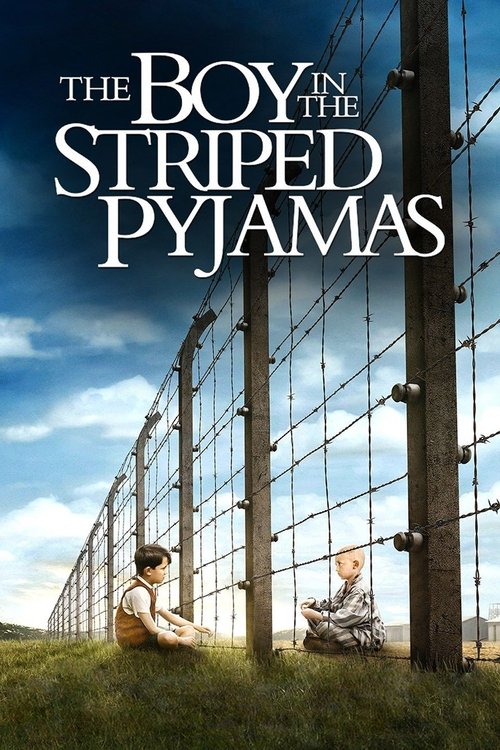
Childhood and war seen from the inside
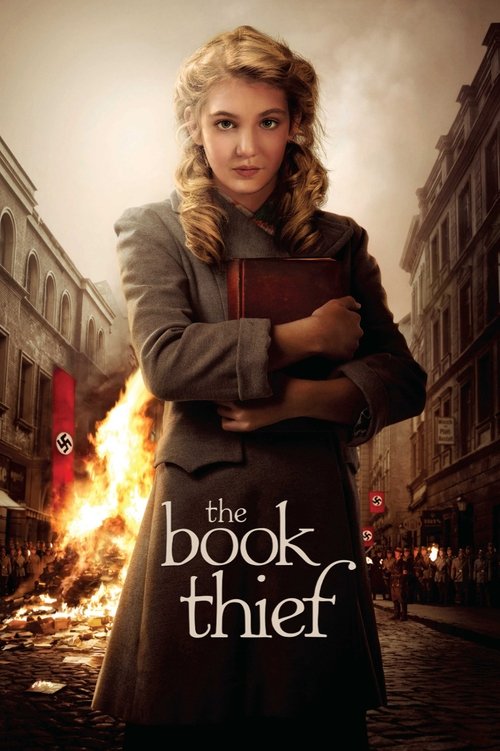
Stories told from a child's limited, devastating point of view
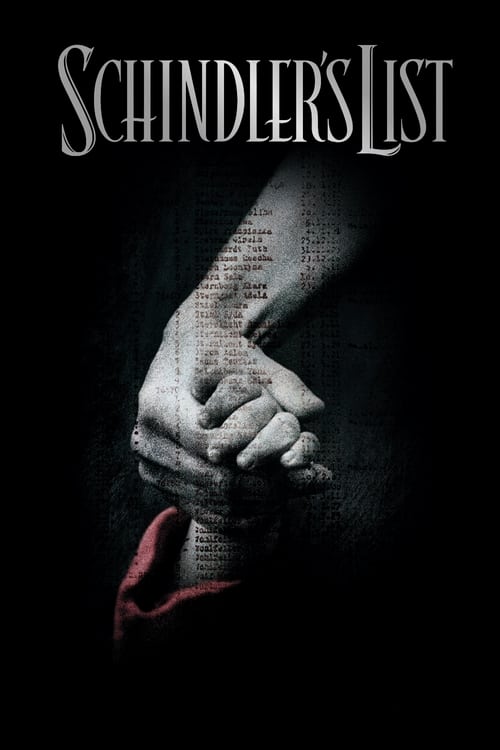
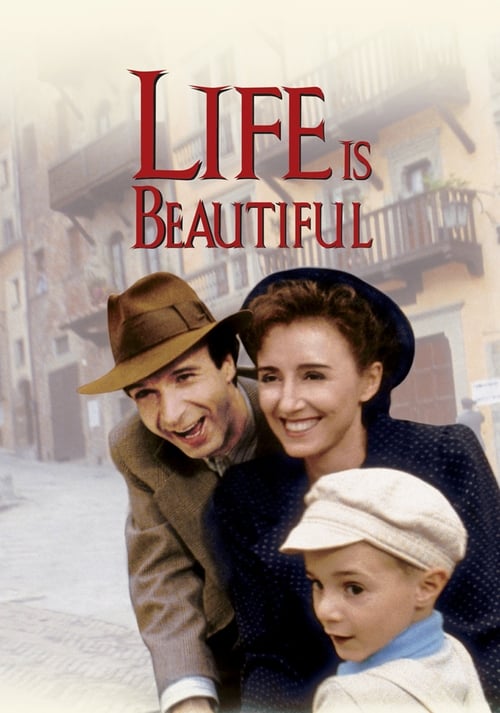


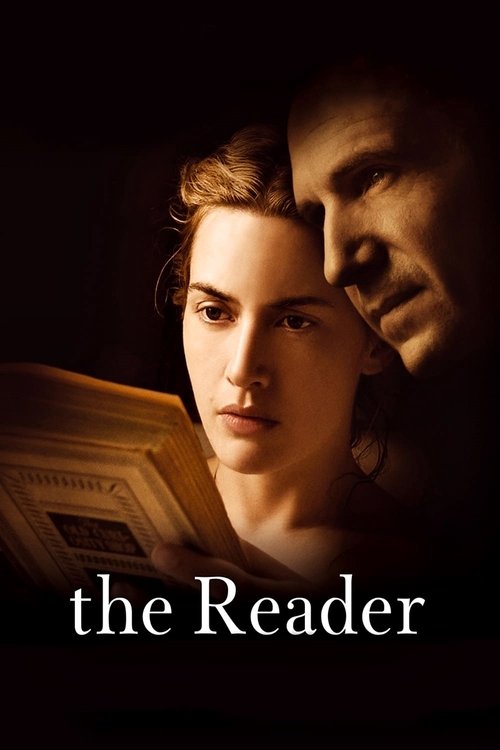
Forbidden friendship across a divide
Two people separated by power, ideology or circumstance who find each other anyway
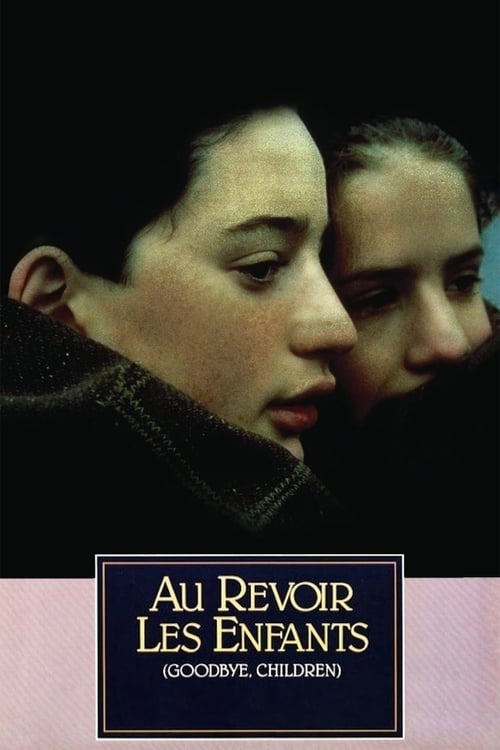
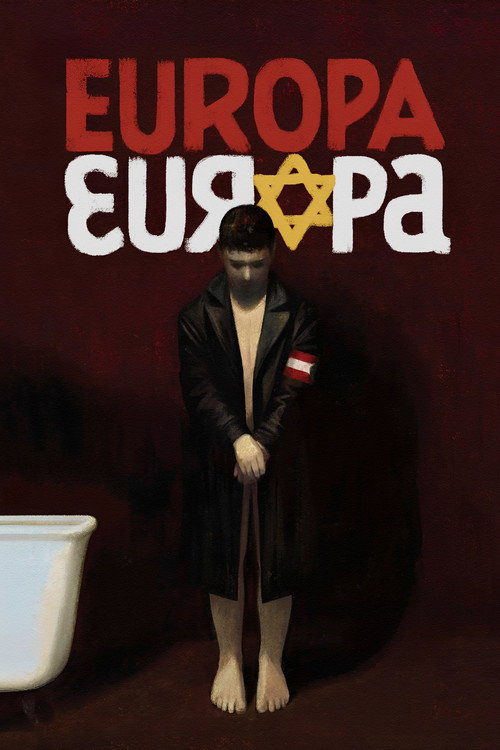


Civilians inside history's worst machinery
Literary fiction that places ordinary people inside atrocity
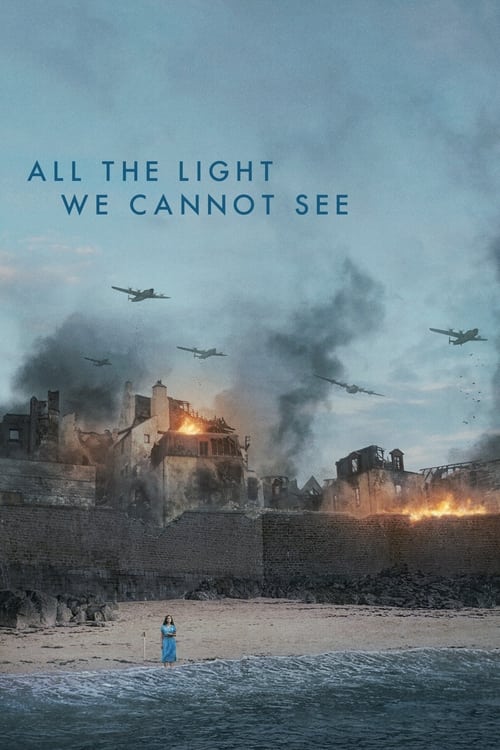
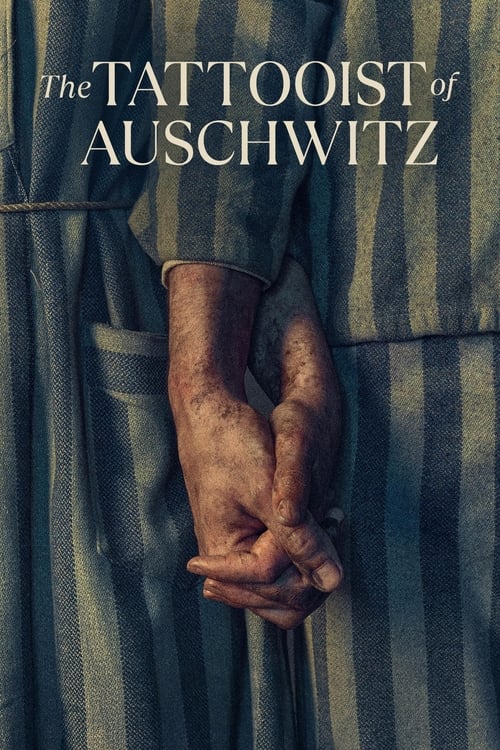
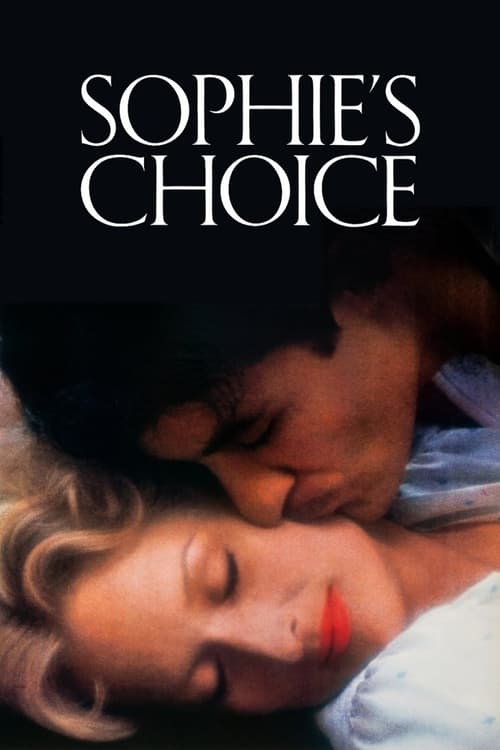
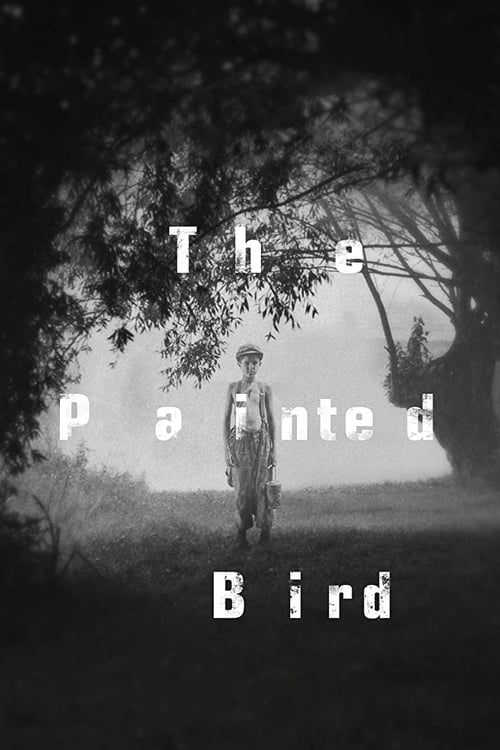
More World War II stories and kindred films
World War II
Explore the World War II guide →The thing about the book is that it weaponises innocence. Bruno does not know what Auschwitz is. The reader does. That gap is the whole story.A reader's experience of the fable