
The Novel That Broke Publishing Before Social Media Could Help
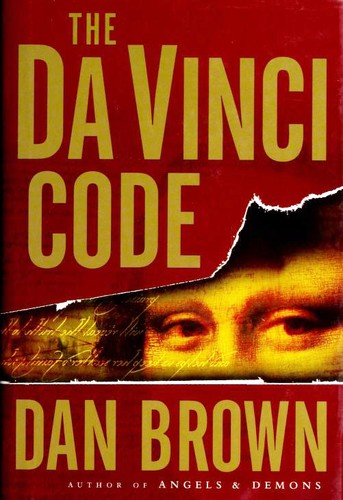
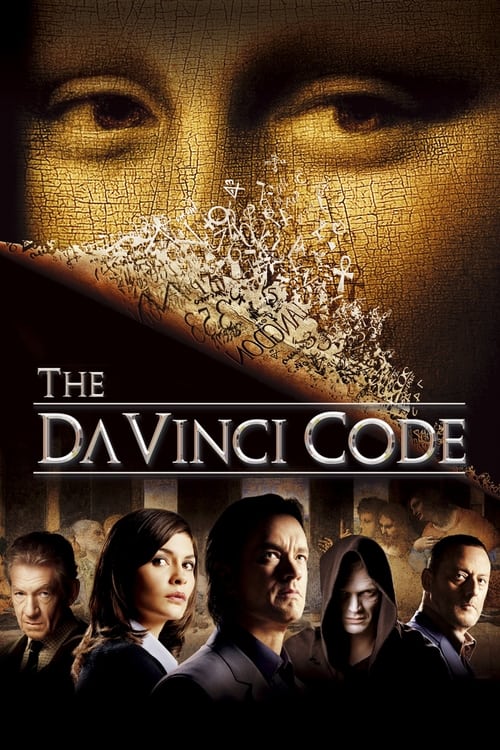
Dan Brown published The Da Vinci Code in March 2003. It was the second Robert Langdon novel, following Angels and Demons (2000), and it did something unusual: it became a cultural event before anyone had fully decided whether it was literature or a beach read. By the time Ron Howard's film adaptation opened in 2006, the book had sold tens of millions of copies and generated a genuine theological argument spanning Vatican press releases, lawsuits from historians, and at least one BBC documentary.
The story travels a clean arc. A murder in the Louvre. A Harvard symbologist named Langdon. A French cryptologist named Sophie Neveu. A secret society called the Priory of Sion, guarding a genealogy that rewrites Christian history. Brown drew heavily on Holy Blood, Holy Grail (1982) by Michael Baigent, Richard Leigh, and Henry Lincoln, which he credited in the novel itself. Baigent and Leigh sued for copyright infringement. They lost.
As a franchise, the story spread predictably: Hollywood acquired it fast, a licensed video game followed the film, and the broader Langdon universe expanded with three more novels and two more films. What it never became, despite its scale, is a television series centered on its own story. Whether that is a missed opportunity or a mercy depends entirely on your patience for chapter-by-chapter puzzle reveals at sixty minutes per episode.
Every Version of The Da Vinci Code
The source novel, its direct adaptation, and the broader Robert Langdon universe




The Da Vinci Code Across Time
- 2000Angels and Demons novel published Angels & Demons
- 2003The Da Vinci Code novel published The Da Vinci Code
- 2006Ron Howard film adaptation released The Da Vinci Code
- 2006Licensed video game released alongside the film
- 2009Angels and Demons film, a prequel repackaged as sequel Angels & Demons
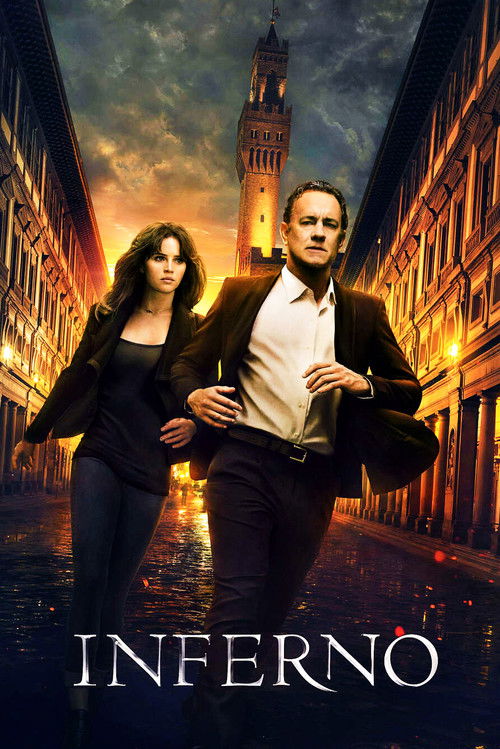
- 2013Inferno novel published Inferno
- 2016Inferno film adaptation released Inferno
If You Love the Conspiracy-in-the-Archives Thriller
Secret societies, hidden history, and protagonists who know too much


If You Love the Adventure Through Iconic Landmarks
Stories where museums, churches, and ancient sites are the real protagonists
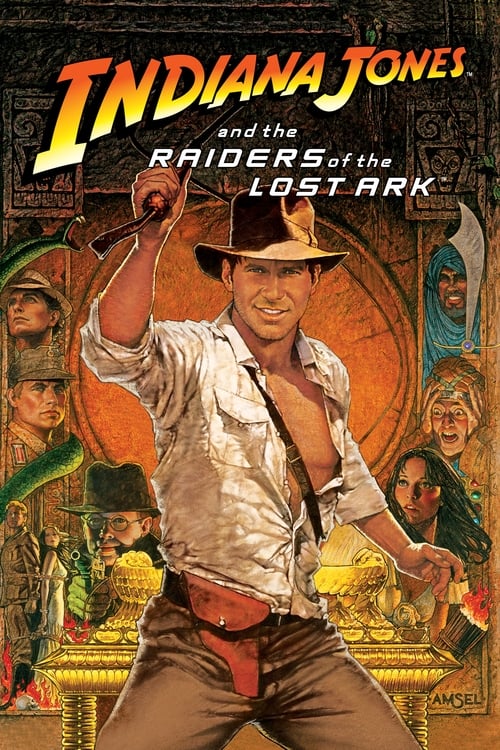
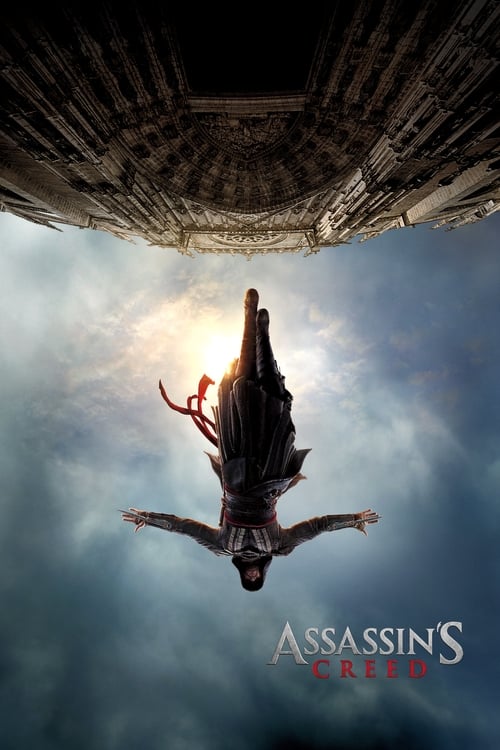
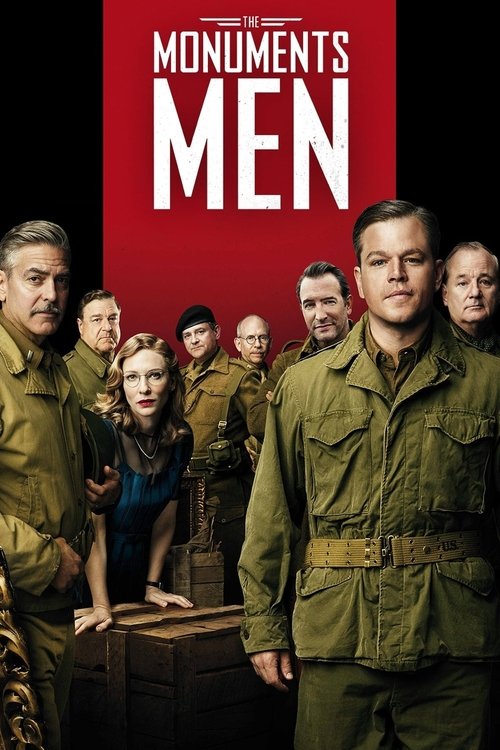
If You Love the Sacred Feminine and Suppressed History Angle
Works that take the Gnostic, heretical, or hidden-tradition thread seriously
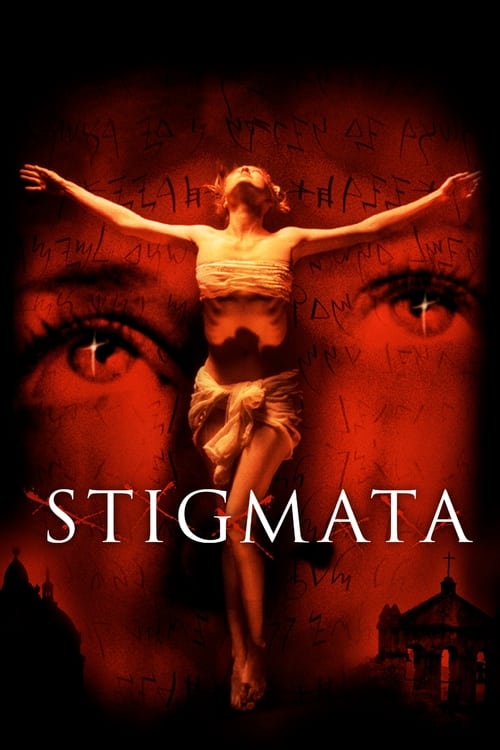
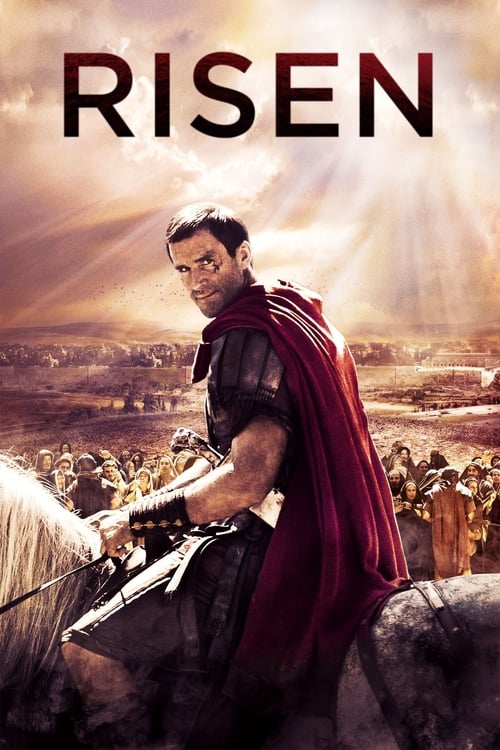
The Novel Is Still the Definitive Version
Ron Howard's 2006 film has Tom Hanks and a budget large enough to shoot in the Louvre. It is not enough. The novel's entire appeal is mechanical: chapter-length chapters, puzzle-boxes opening onto puzzle-boxes, the drip-feed of revelation timed to keep you reading at 1am when you know you should stop. Film cannot replicate that rhythm. It tries by having Hanks explain things at camera, and the result is a lecture series with a production budget. The book, whatever its literary standing, works on its own terms. Read it somewhere you can finish it in two sittings.
The Underrated One: Angels and Demons the Film
The 2009 film arrived as a prequel-made-sequel after the mixed reception of The Da Vinci Code, and critics largely dismissed it. They were wrong. Howard tightened everything: the Rome locations are genuinely spectacular, the ticking-clock structure works far better on screen than the art-history seminar of its predecessor, and Ewan McGregor as the papal camerlengo is the most interesting antagonist the franchise produced. If you bounced off the first film, try this one before writing off the series.