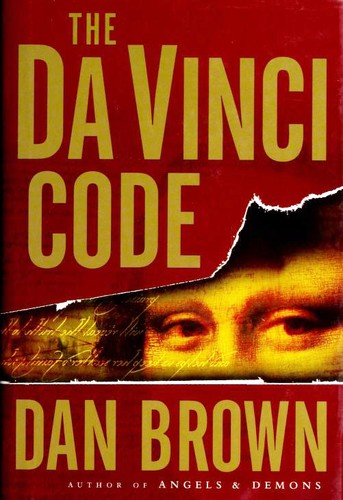

Dan Brown writes novels that treat the past as a locked room and the present as a ticking clock. His signature formula strips away the pious silence around art, religion, and science, then detonates the combination in cathedrals, museums, and government buildings the reader recognizes from postcards. The through-line a fan loves is not really conspiracy: it is the promise that the world's most familiar landmarks conceal a layer of meaning only the obsessively curious will ever reach. Robert Langdon, Brown's Harvard symbologist, is the perfect vessel for that fantasy. He knows too much, moves too fast, and always has exactly the wrong enemy. What keeps readers turning pages at 2 a.m. is the same quality you find in the best escape rooms, puzzle-box films, and historical whodunits: the sensation that the answer is always one more clue away.
Essential Dan Brown
The Langdon cycle and the novels that built the phenomenon


The Films and Series
Langdon on screen, plus the TV expansion of the universe


If You Love the Historical Conspiracy Thriller
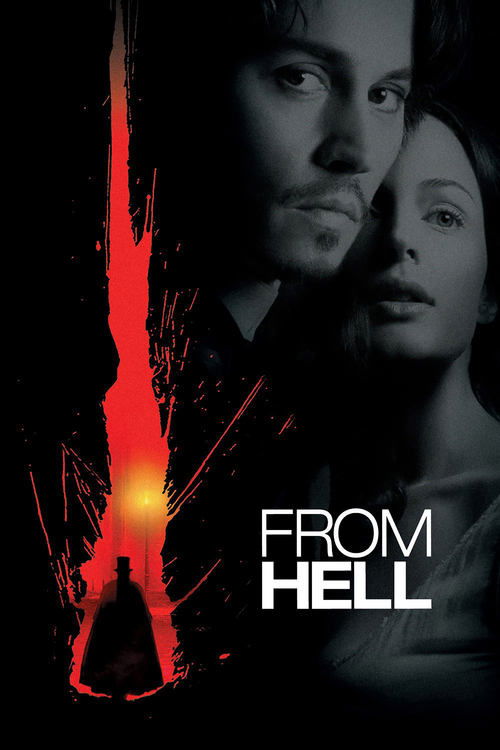
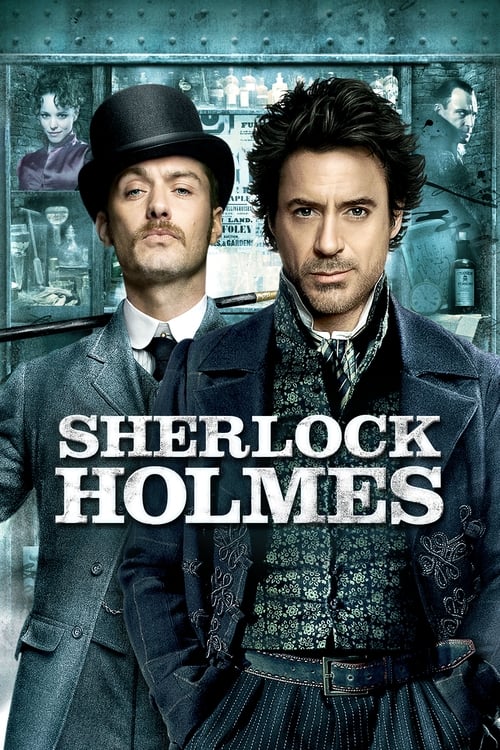
Films and series where secret history is the engine
Authors Who Share the DNA
Intelligent thrillers built on research, history, and ideas under pressure


Puzzle, Mystery, and Code-Breaking Games
Games that reward careful observation, deduction, and hidden-knowledge discovery
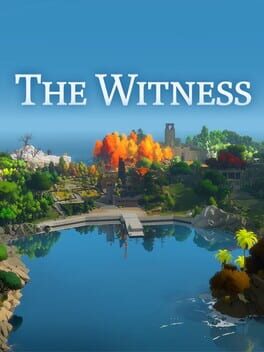



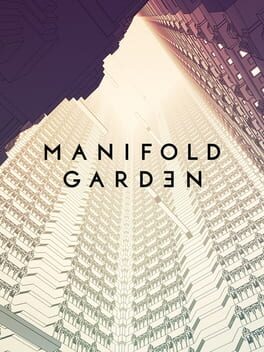
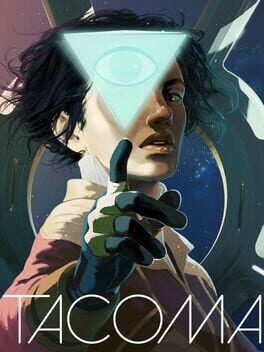
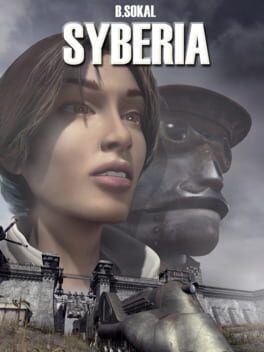
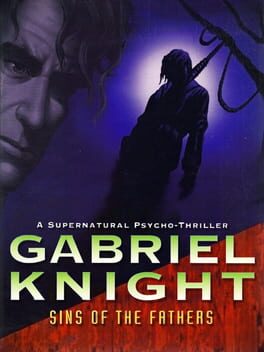
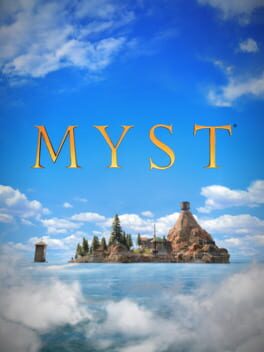
Secrets, Codes, and Ancient Conspiracies on Screen
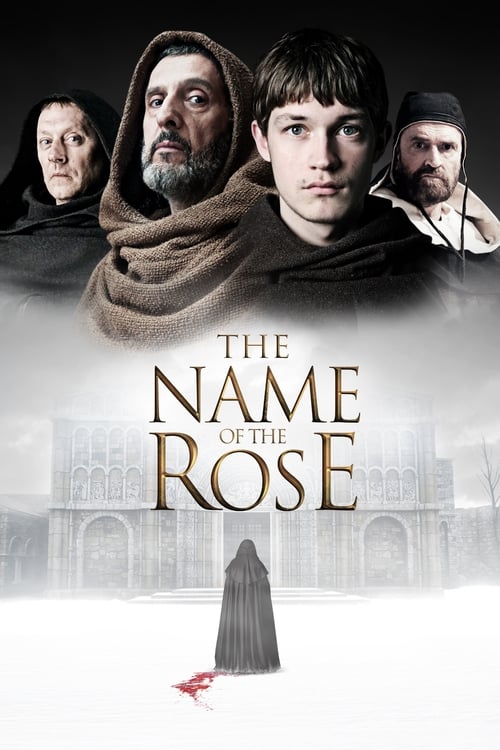
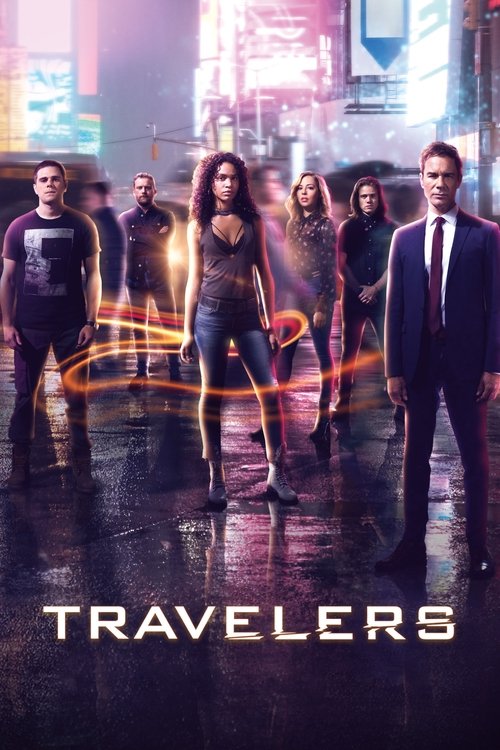
TV series that chase hidden history the way Langdon chases symbols
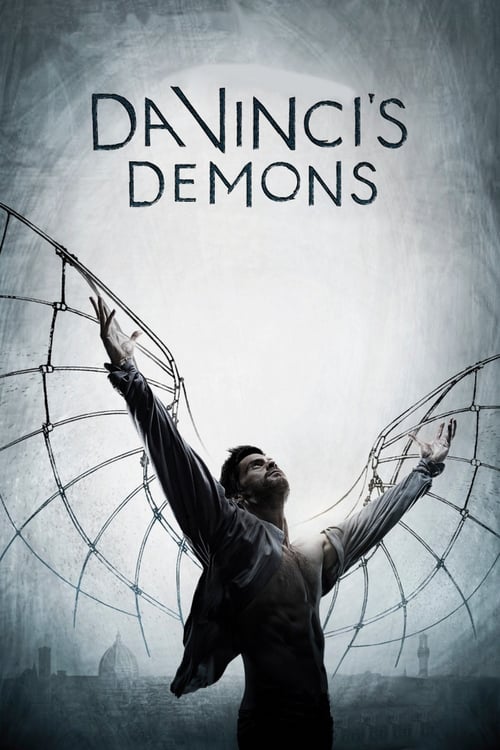
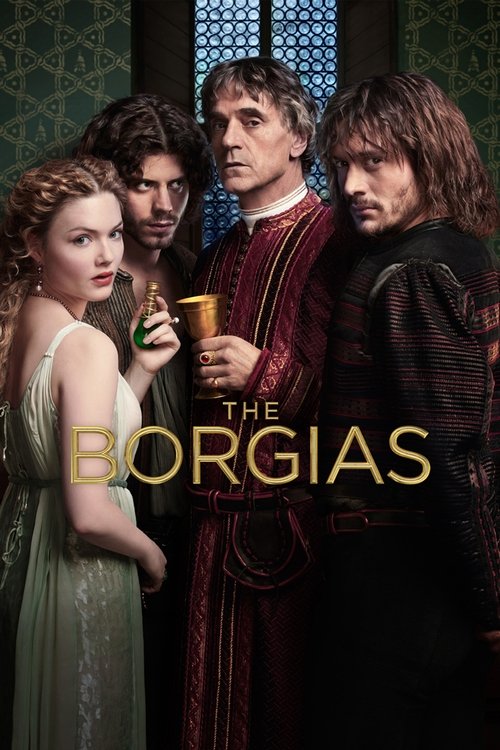
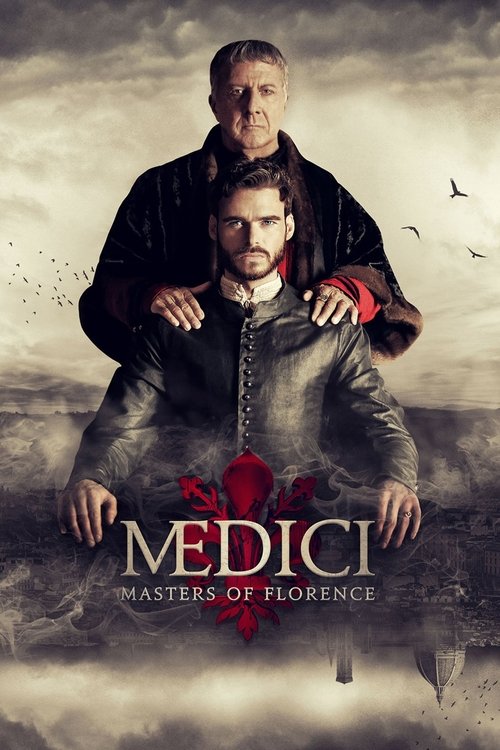




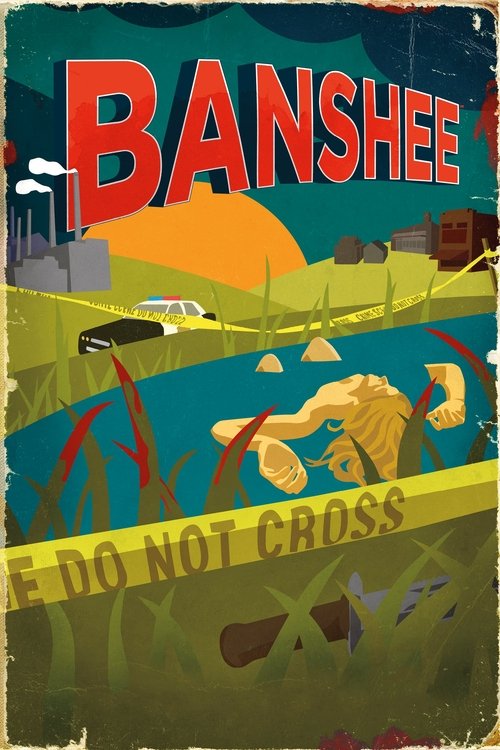
The Real Pleasure Is the Architecture
Brown's critics call his prose functional at best. That is mostly fair. But the real pleasure of a Langdon novel is not the sentences: it is the architecture. The Vatican, the Louvre, the Palazzo Vecchio, the US Capitol -- these buildings become active participants, hiding the clues in plain sight for centuries. Brown does something museums and tour guides rarely manage: he makes famous landmarks feel genuinely dangerous. After finishing The Da Vinci Code, the Louvre's glass pyramid has a different weight. That is a rare gift.
National Treasure Is the Purest Distillation of the Formula
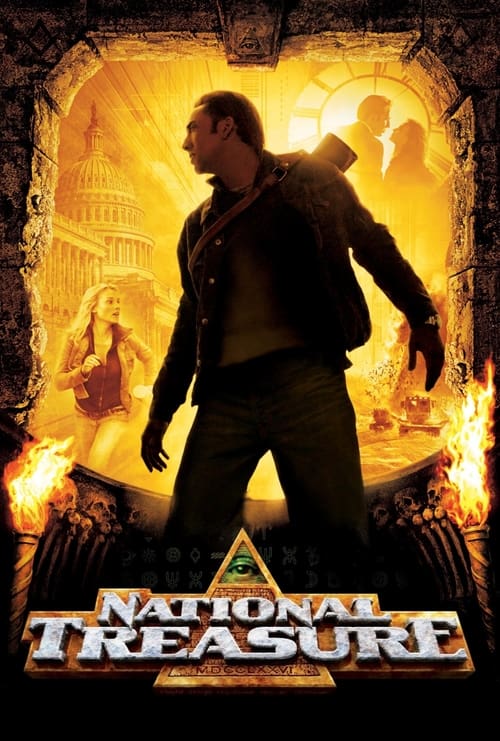
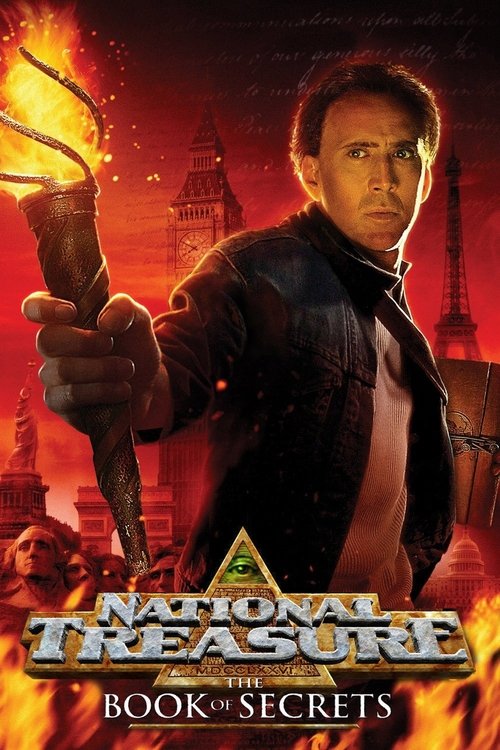
Nicolas Cage's National Treasure is the film most precisely engineered for Dan Brown readers who want the thrill delivered faster and louder. The hidden founding-fathers cipher, the race through Washington DC, the eccentric expert who knows just a bit too much -- all the pieces are there, just stripped of the theological weight. It's lighter, funnier, and absolutely unashamed of its premise. The sequel adds Buckingham Palace to the route. Both films understand that the real villain in these stories is always the skeptic who refuses to believe the clue could be real.
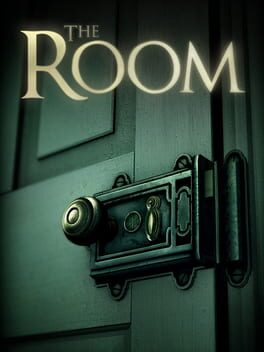
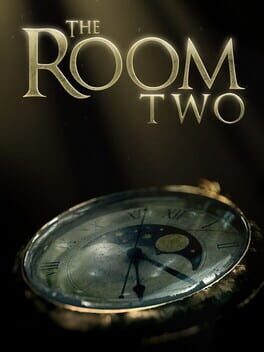
The Room Series Translates the Puzzle-Box to the Screen
If the physical sensation of cracking a Langdon clue -- that click of pieces fitting together just before the clock runs out -- is what you are actually chasing, The Room games deliver it with uncanny precision. Each entry places you alone with an elaborate object full of hidden chambers, each mechanism revealing the next layer. The atmosphere is Victorian-gothic rather than Renaissance-cathedral, but the underlying logic is identical: someone hid a secret here, and the object itself is the key. Few games have captured the tactile pleasure of decipherment so completely.
Dan Brown's Path to the Phenomenon
- 1998Digital Fortress published: a cryptography thriller set inside the NSA Digital Fortress
- 1999Angels and Demons: Robert Langdon's debut, racing through Vatican City
- 2001Deception Point: a standalone political thriller set in the Arctic Deception Point
- 2003The Da Vinci Code: the novel that became a global cultural flashpoint The Da Vinci Code
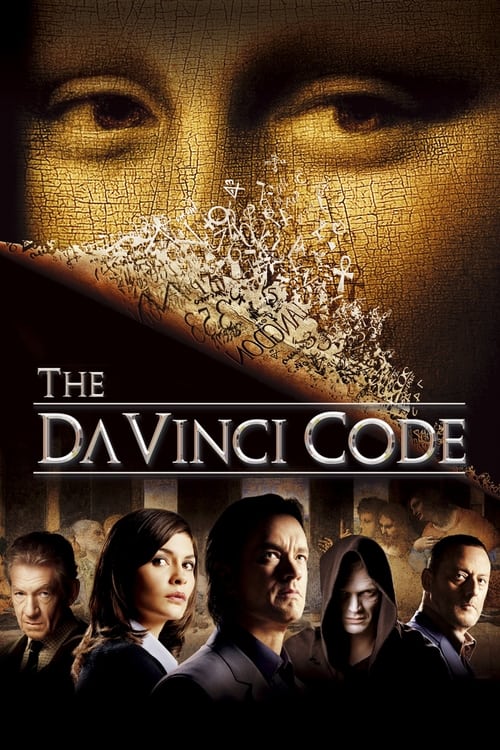
- 2006The Da Vinci Code film: Ron Howard and Tom Hanks bring Langdon to 190 million viewers The Da Vinci Code
- 2009The Lost Symbol published, set in Washington DC Masonic architecture
- 2009Angels and Demons reaches the screen: Hanks reprises Langdon inside the Vatican Angels & Demons
- 2013Inferno: Langdon wakes in Florence with no memory and a Dante cipher to crack Inferno
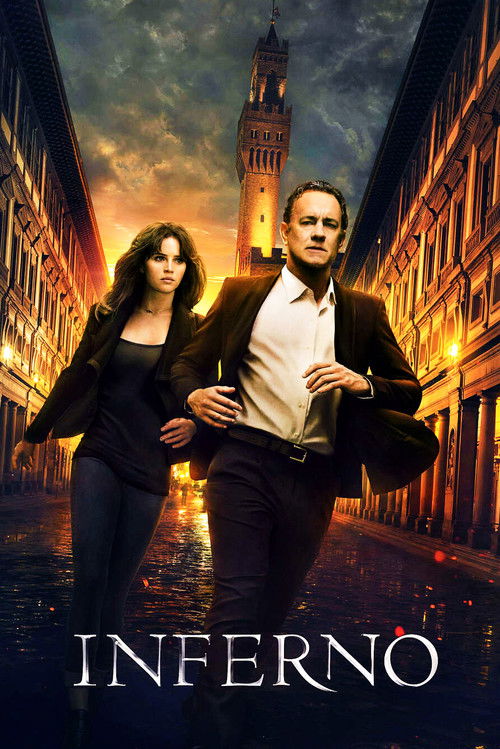
- 2016Inferno film: Ron Howard returns for the third Langdon adaptation Inferno
- 2017Origin: Langdon confronts questions of human origins at the Guggenheim Bilbao Origins
- 2021The Lost Symbol becomes a TV series on Peacock, featuring a younger Langdon Dan Brown's The Lost Symbol
Codes, conspiracies, and secret history
Secret Societies
Explore the Secret Societies guide →The boundaries between fact and fiction are the territory Dan Brown has always claimed. He does not explore that territory carefully -- he sprints across it, trailing clues.CrossBinge