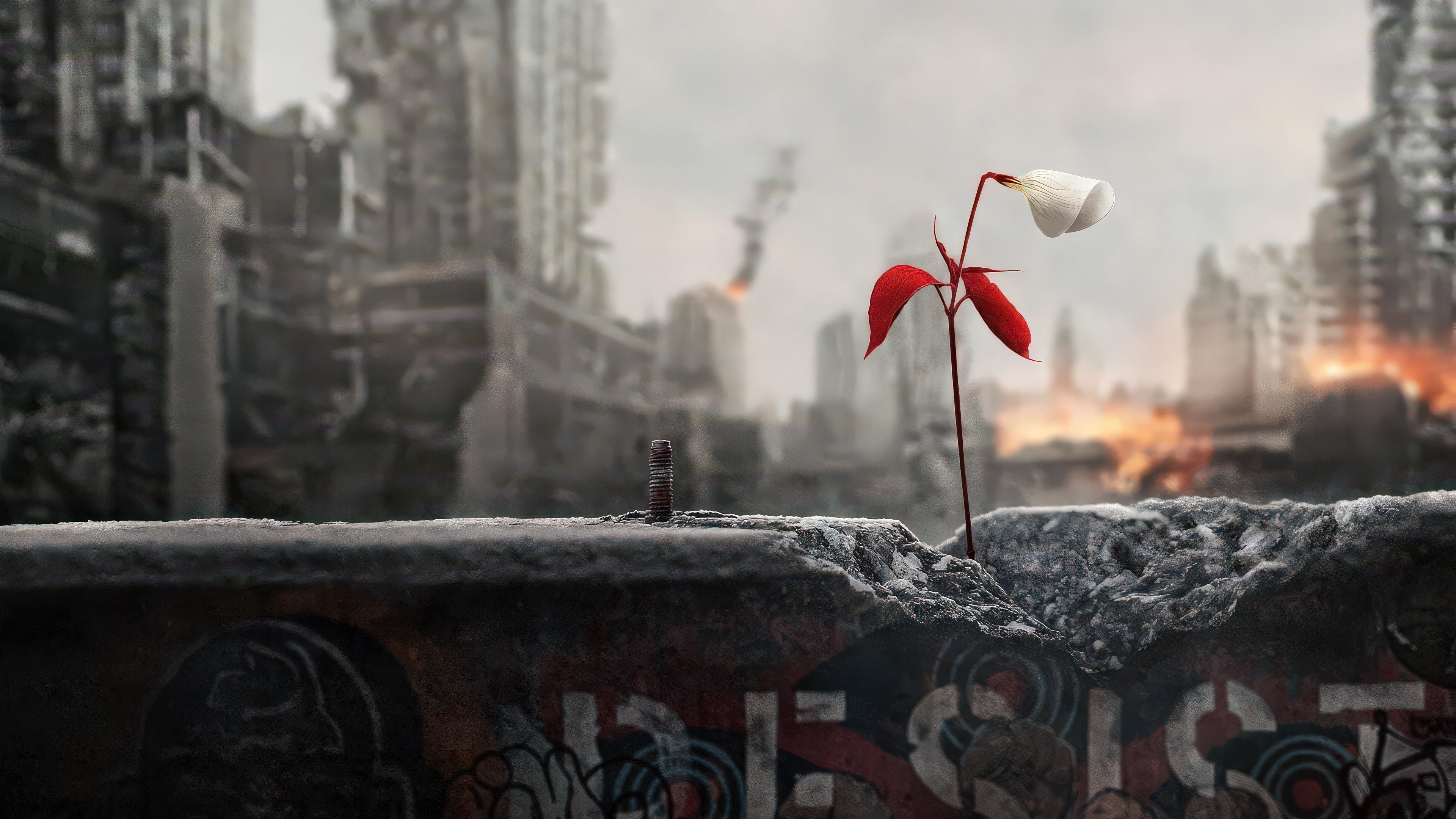

One novel. Forty years of warnings.
Margaret Atwood published The Handmaid's Tale in 1985, writing it in West Berlin and other cities where, she later said, the proximity to authoritarianism made the premise feel viscerally possible. The Republic of Gilead, a near-future theocracy built on the ruins of the United States, assigns fertile women as reproductive slaves to powerful men. Atwood's rule for herself: nothing in the book that humans had not already done to other humans somewhere. That constraint made the novel feel less like science fiction and more like a compressed history.
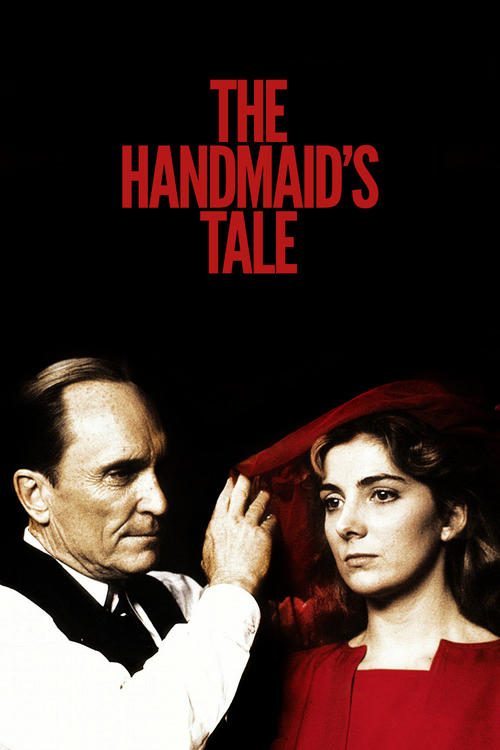
The book won the inaugural Arthur C. Clarke Award and the Governor General's Literary Award, but its cultural impact only widened over the following decades. A film came and went in 1990. An opera premiered in Copenhagen in 2000. Then, in 2017, Hulu's television adaptation arrived at a political moment that made the red cloak and white bonnet instantly recognizable as protest imagery. The story kept moving: a graphic novel adaptation, Atwood's own sequel The Testaments (published in 2019, winner of the Booker Prize), and a Hulu spinoff series based on that sequel, arriving in 2026.
Every Version of The Handmaid's Tale
The source novel, every screen and stage adaptation, and the sequel


![The Handmaid's Tale [Graphic Novel]](https://is1-ssl.mzstatic.com/image/thumb/Publication124/v4/25/67/fb/2567fb8f-2f49-7bb3-8f2a-b54a7626559f/9780385544856.jpg/1400x1400bb.jpg)
The Handmaid's Tale Across Time
- 1985Margaret Atwood publishes the novel The Handmaid's Tale
- 1990Volker Schlondorff directs the feature film, screenplay by Harold Pinter The Handmaid's Tale
- 2000Poul Ruders opera premieres at the Royal Danish Opera in Copenhagen
- 2017Hulu series premieres, wins eight Emmy Awards in its first season The Handmaid's Tale
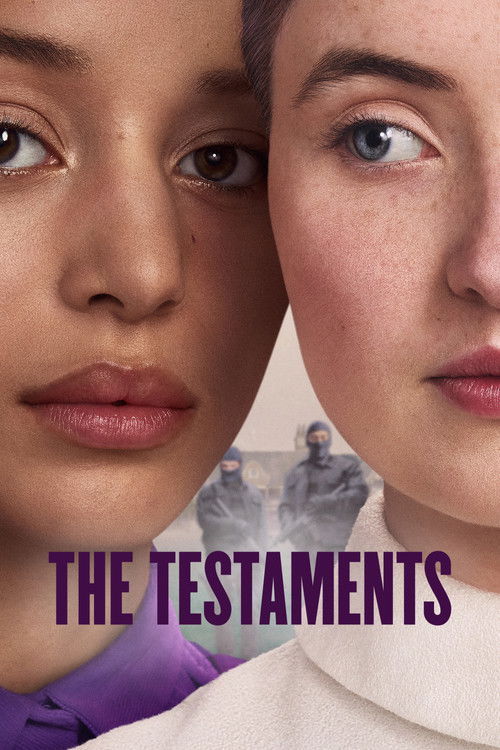
- 2019Sequel novel The Testaments published; wins the Booker Prize The Testaments
- 2019Renee Nault's graphic novel adaptation published by Doubleday The Handmaid's Tale [Graphic Novel]
- 2025Hulu series concludes with Season 6 The Handmaid's Tale
- 2026The Testaments spinoff series premieres on Hulu, continuing the story from Atwood's sequel The Testaments
The definitive version is still the novel
Every adaptation strips something. The 1990 film loses Atwood's layered irony; the Hulu series, brilliant in its first two seasons, eventually sprawls into a different kind of story. The novel stays close to Offred's interior voice, which is where the horror actually lives. Atwood wrote it as a found document, framed by a fictional academic conference in 2195 where scholars debate its authenticity. That formal trick is irreplaceable: it promises survival while denying certainty. No screen version has found an equivalent.
The most underrated version: the 1990 film
Volker Schlondorff's adaptation, with a script by Harold Pinter and Natasha Richardson in the lead, has been largely buried by the TV series. That is a shame. Pinter strips the story to its essential transactions, and Richardson plays Offred with a controlled, almost dissociated calm that feels truer to the novel's narrator than Elisabeth Moss's rawer, externalized grief. It is a cold film, deliberately, and it rewards patience. Faye Dunaway and Robert Duvall give it a theatrical menace the TV series never quite matched.
When to stop watching the TV series
Season 1 of the Hulu series is close to perfect television. Season 2, which moves beyond the novel into original territory, is still gripping. By Season 3 the show has shifted from a portrait of systemic oppression into a rescue thriller, and the cycle of capture and near-escape becomes mechanical. The final seasons offer individual strong episodes but no longer have the tonal control that made the first season so disturbing. Watch Seasons 1 and 2, then read The Testaments for the resolution, and let the 2026 spinoff decide whether it earns a third act.
If you love The Handmaid's Tale: Women under authoritarian control
Other works that put women under systemic control and show how they survive or resist



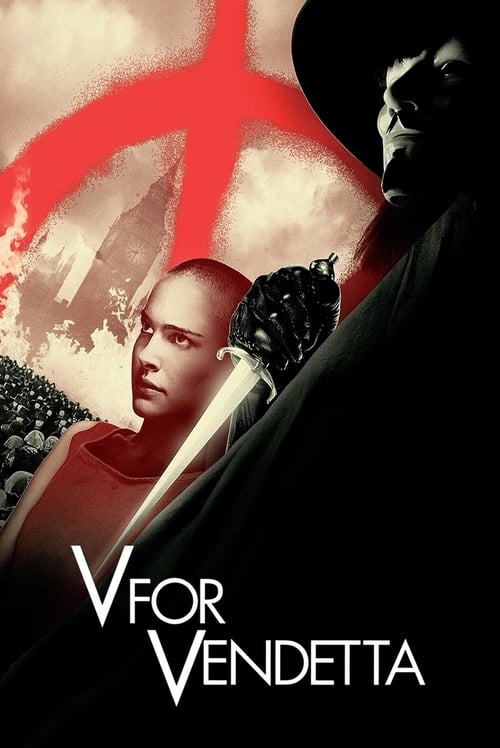

If you love The Handmaid's Tale: Dystopias built on ideology and control
Stories where faith, doctrine, or ideology reshapes who is allowed to be a person



If you love The Handmaid's Tale: Margaret Atwood's wider world
Atwood's other novels and the stories that grew from them

More dystopias and rebellions
For Fans of Margaret Atwood
Explore the For Fans of Margaret Atwood guide →Nolite te bastardes carborundorum. Don't let the bastards grind you down.Margaret Atwood, The Handmaid's Tale (1985)