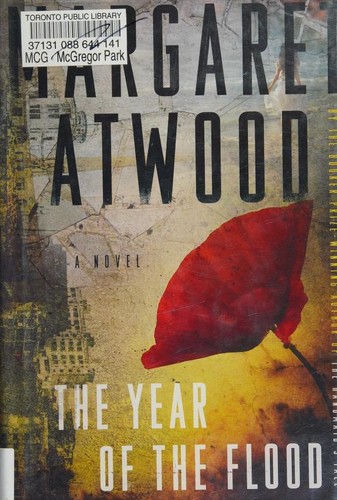

Margaret Atwood does not write warnings. She writes field reports from futures that are already half-assembled in the present. From the theocratic nightmare of Gilead to the bioengineered wastelands of MaddAddam, her novels operate at the precise edge where feminist critique, ecological dread, and political satire collapse into each other. What her fans love is a very specific feeling: the uncanny recognition that the horror is logical, that it follows from choices already being made, that the women inside the story are not passive victims but witnesses with sharp eyes and long memories. If you feel that pull, it runs through a great deal of literature, film, television, and even games far beyond Atwood's own shelves.
Essential Margaret Atwood
Her own novels, from the indispensable to the unjustly overlooked


Gilead on Screen
Adaptations of Atwood's work that earned their place

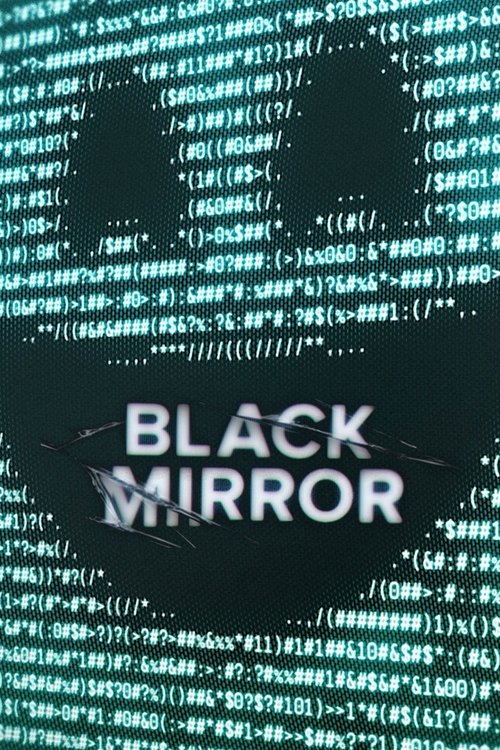
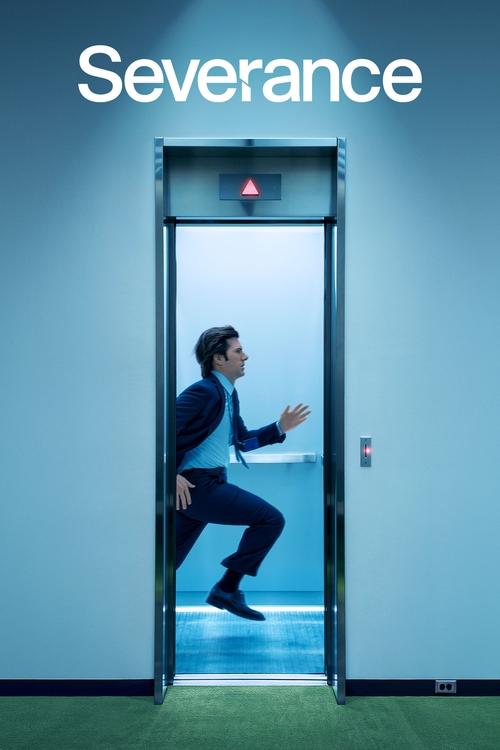
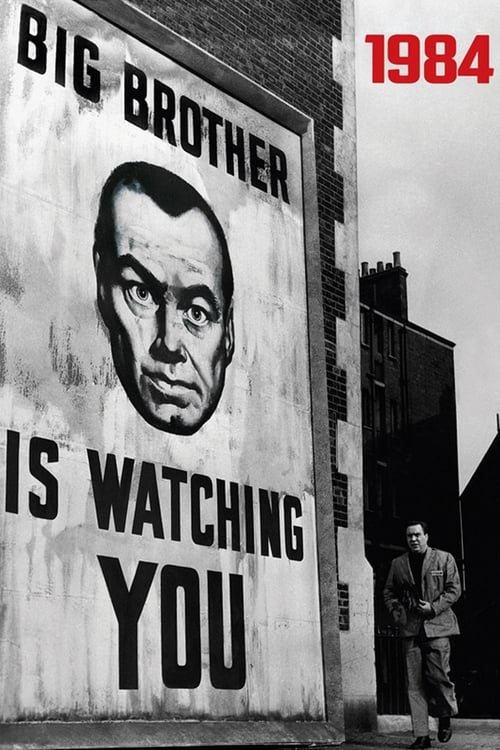
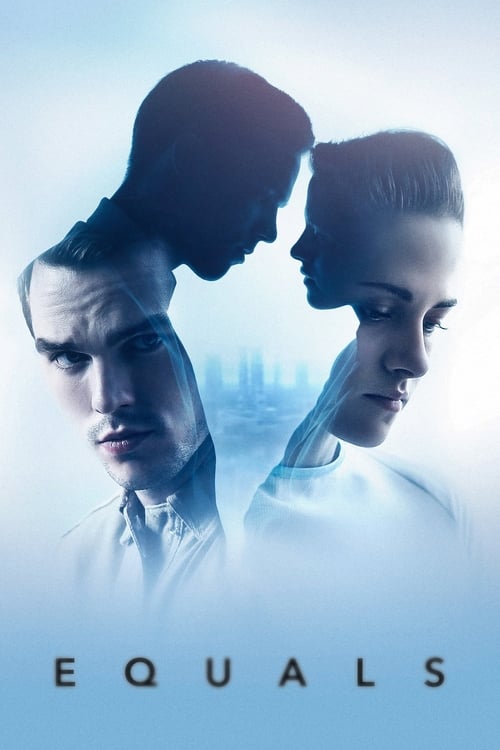
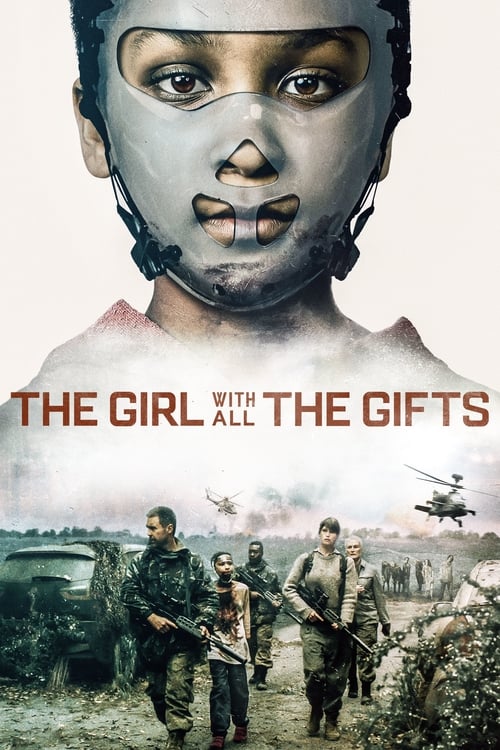
If You Love the Dystopian Dread
Films and series that share Atwood's cool, suffocating logic

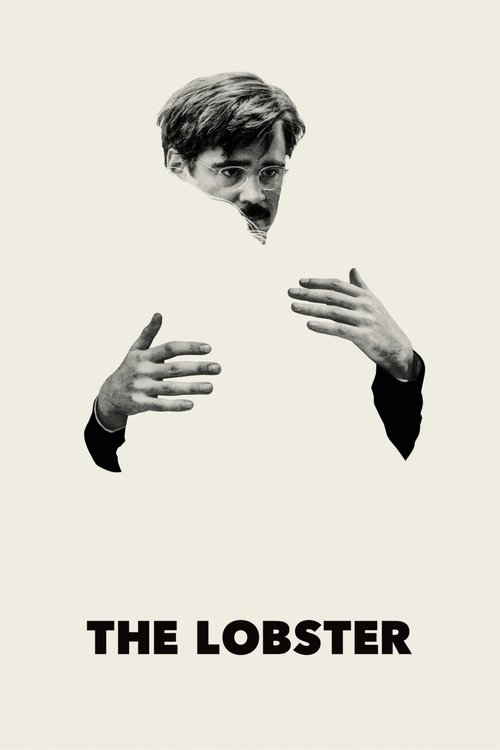
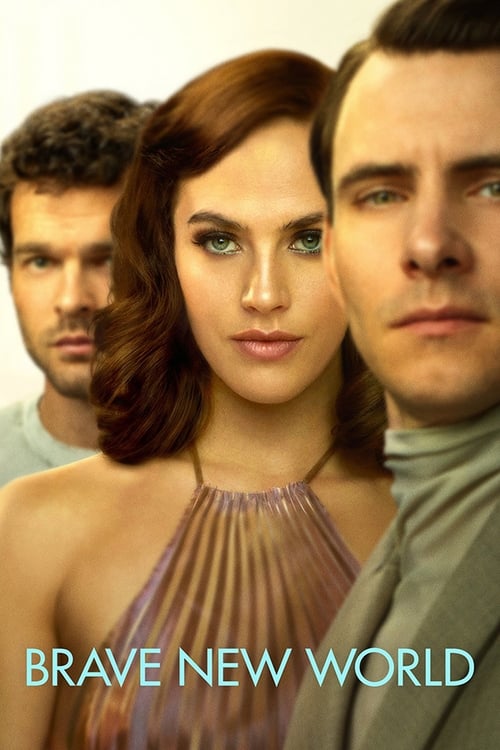
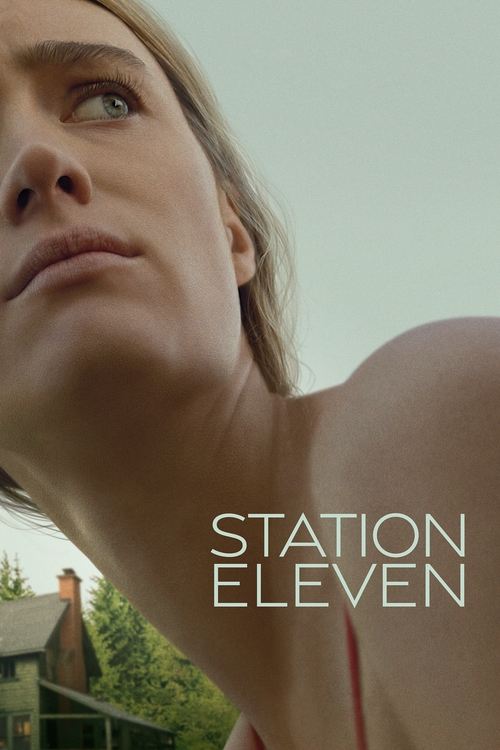
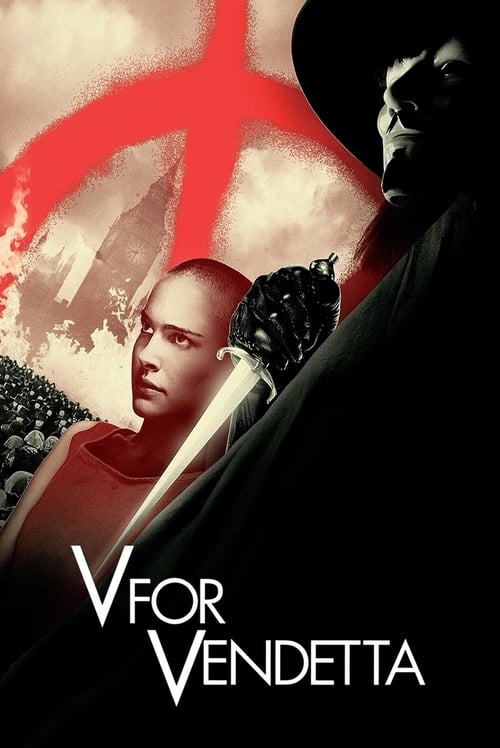
Literary Speculative Fiction to Read Next
Authors working in the same register: political, feminist, precise


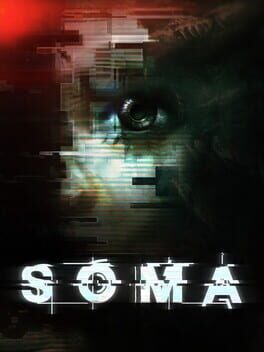
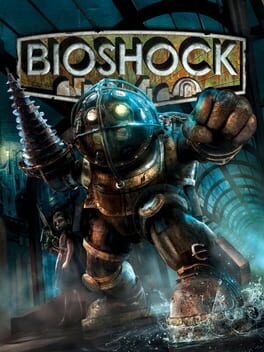
Games Where Society Has Already Broken
Dystopian and speculative games with the political weight Atwood readers recognize
Ecological Dread and Biotech Horror
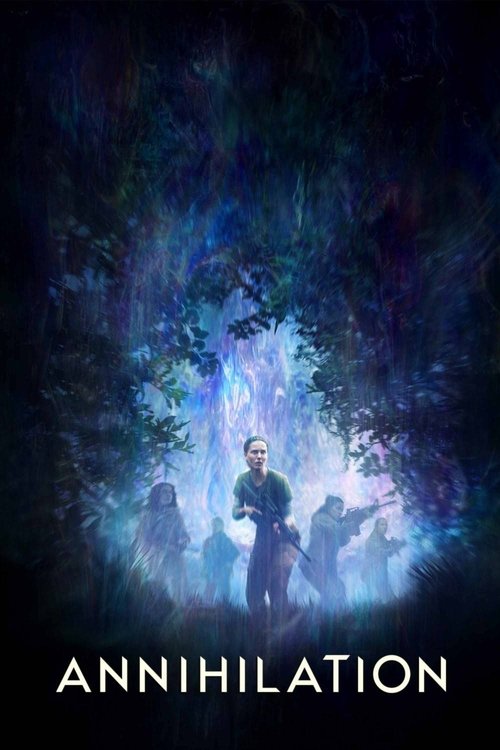
For fans of the MaddAddam trilogy's vision of what genetic capitalism produces




Gilead Is Not a Fantasy: It Is a Retrograde Memory
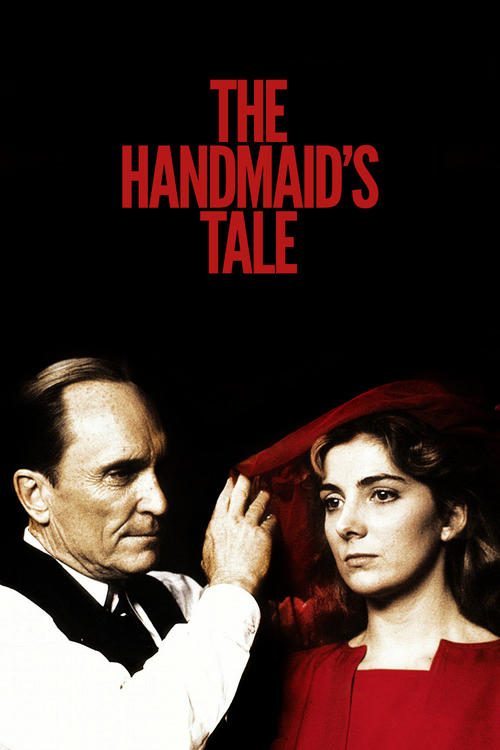
Atwood has been consistent about one thing: everything in The Handmaid's Tale already happened somewhere, to real people, within recorded history. Gilead is not invented terror, it is recombined terror, drawn from theocratic states, forced reproduction policies, and the long history of women being administered by institutions run by men. That is what makes the novel so adhesive. The show carried this forward, but the novel's first-person restraint, Offred's wry, dissociated interior voice, remains the sharper instrument.
The MaddAddam Trilogy Is the Better Atwood, and Nobody Talks About It Enough
Oryx and Crake arrived in 2003 and predicted something closer to the actual shape of catastrophe: not jackbooted ideology but corporate biology, engineered pleasure, and a market logic that outsources its consequences until the consequences are extinction. The trilogy is funnier and stranger than The Handmaid's Tale, and it earns its hope more honestly. Start with Oryx and Crake, which stands alone, and let the trilogy expand if the voice takes hold.
Alias Grace Is Atwood at Her Most Formally Disciplined
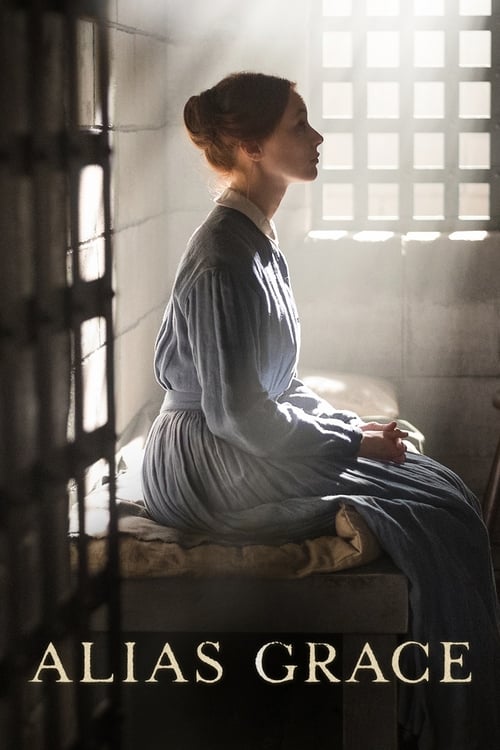
Based on the real 1843 case of Grace Marks, convicted of murder in Upper Canada, this novel is a masterclass in unreliable interiority. Atwood gives Grace a voice so composed, so carefully managed, that the reader cannot determine where performance ends and truth begins. Sarah Polley's six-part CBC and Netflix adaptation, shot in muted ochres and greys, is one of the finest literary adaptations of the decade. Watch both. They answer different questions.
Papers, Please Understands What Atwood's Narrators Understand
Lucas Pope's 2013 game is a dystopia played at the level of the individual moral transaction: each document you stamp or reject carries weight, and the system is designed to make good choices costly. That is exactly the structural position of Atwood's narrators, people embedded in systems they did not design, making tiny choices with enormous consequences. Disco Elysium operates at similar moral altitude, but Papers, Please is the one that most closely replicates the procedural dread of living inside an Atwood institution.
Atwood's Arc
- 1969The Edible Woman published: consumer culture and bodily autonomy as twin anxieties
- 1972Surfacing: Canadian wilderness, nationalism, and the cost of self-erasure
- 1985The Handmaid's Tale: the novel that defines her public reputation The Handmaid's Tale
- 1990Cat's Eye: memory, girlhood, and the cruelty that does not announce itself
- 1996Alias Grace: historical true crime as epistemological puzzle Alias Grace
- 2000The Blind Assassin wins the Booker Prize: nested narratives, embedded science fiction
- 2003Oryx and Crake: biotech dystopia begins the MaddAddam trilogy
- 2017Hulu's The Handmaid's Tale premiers: Atwood becomes a cultural reference point for political protest The Handmaid's Tale
- 2017Alias Grace adapted by Sarah Polley for Netflix/CBC Alias Grace
- 2019The Testaments: the sequel arrives 34 years later and wins the Booker
Speculative dystopias and warnings
For Fans of Dystopia
Explore the For Fans of Dystopia guide →A word after a word after a word is power.Margaret Atwood