

The novel that refused to stay in one medium
Stephen King published The Stand in 1978, and even in its first, publisher-truncated form it was enormous: a post-apocalyptic epic about a weaponized superflu called Captain Trips that wipes out most of humanity, followed by the survivors organizing into two camps, one gathering around the saintly Mother Abagail in Boulder, Colorado, the other drawn to the malevolent Randall Flagg in Las Vegas. King had been dreaming of writing an American answer to The Lord of the Rings, a mythic battle between good and evil played out across a recognizable contemporary landscape, and the result landed with a weight few horror novels had managed before.
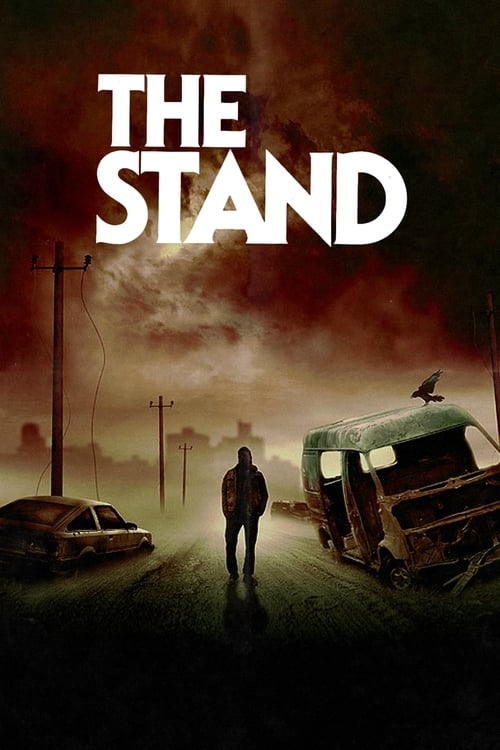
The book's scale made it both irresistible and genuinely difficult to adapt. Twelve hundred pages of character-driven disaster, prophecy, road travel, and spiritual reckoning do not compress cleanly. Every version of The Stand is, in some sense, an argument about which parts of the story matter most. The 1994 ABC miniseries treated it as an event, casting carefully and leaning into the novel's human drama. The 2020 CBS All Access series updated the setting and added a framing device, trying to bring in new angles. The Marvel Comics run from 2008 to 2012 took four years to complete six arcs and became one of the more faithful visual expansions of the source material. The uncut 1990 edition of the novel, which restored around 150,000 words King had cut under publisher pressure, is arguably an adaptation in its own right: the same story, but with different weight on different characters.
The Stand across the decades
- 1978Original novel published by Doubleday The Stand
- 1990Uncut edition restores ~150,000 words King had cut
- 1994ABC four-part miniseries directed by Mick Garris, written by King The Stand
- 2008Marvel Comics adaptation begins (six arcs, concluded January 2012) The Stand
- 2020CBS All Access nine-episode series with restructured timeline The Stand
The 1994 miniseries is still the definitive screen version
Mick Garris's 1994 ABC adaptation runs nearly six hours and treats its source material with the kind of patience that only long-form television can afford. Gary Sinise as Stu Redman, Molly Ringwald as Frannie, Rob Lowe as Nick Andros, and Jamey Sheridan as Randall Flagg give performances that have become the canonical faces of these characters for most readers. It is not a perfect production: the budget shows in places, and some of the spiritual sequences have not aged gracefully. But the casting is exceptional across the board, the pacing honors the novel's leisurely accumulation of dread, and Stephen King himself wrote the teleplay. That last fact matters more than it sounds: this is the only screen adaptation where King controlled the text directly, which means the cuts and compressions reflect his own judgment about what could be lost.
The Marvel Comics run is the most underrated version
Roberto Aguirre-Sacasa and artist Mike Perkins produced a six-arc, 31-issue Marvel Comics adaptation that ran from September 2008 through January 2012. It is the most spacious visual translation the story has received: freed from running-time constraints, the comics can dwell on individual scenes that every screen version has had to cut. Perkins's painted-style artwork captures the novel's mixture of pastoral Americana and genuine menace better than any live-action production has managed. The series is based on the 1990 Complete and Uncut edition, so it tells the full story rather than the compressed original. It never generated much mainstream attention because comics adaptations of prose novels are a hard sell, and it arrived before the current wave of King adaptation interest. It deserves to be much better known.

The 2020 series is the one to approach with caution
The 2020 CBS All Access version has a strong cast, James Marsden as Stu Redman, Whoopi Goldberg as Mother Abagail, and Alexander Skarsgard as Flagg among them, and it makes a genuinely interesting structural choice by scrambling the novel's chronology. Unfortunately, the non-linear approach obscures rather than deepens the story's emotional logic, and the series bogs down in its middle episodes in ways the 1994 version never did. The finale, which adds original material not in the novel (co-written by King with his son Owen), divided audiences sharply. Worth watching if you are a serious student of King adaptations, but it is not the place to start.
If you love The Stand: other post-apocalyptic epics
Stories about civilization ending and what comes after



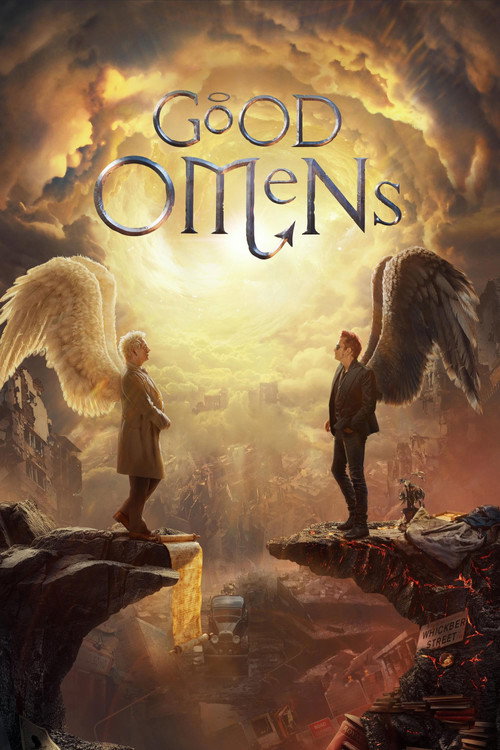
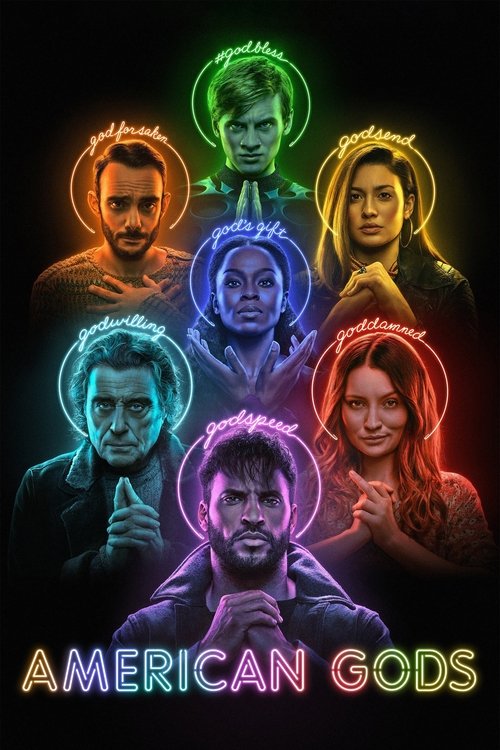
If you love The Stand: good against evil on an epic scale
Mythic conflicts and spiritual battles across media



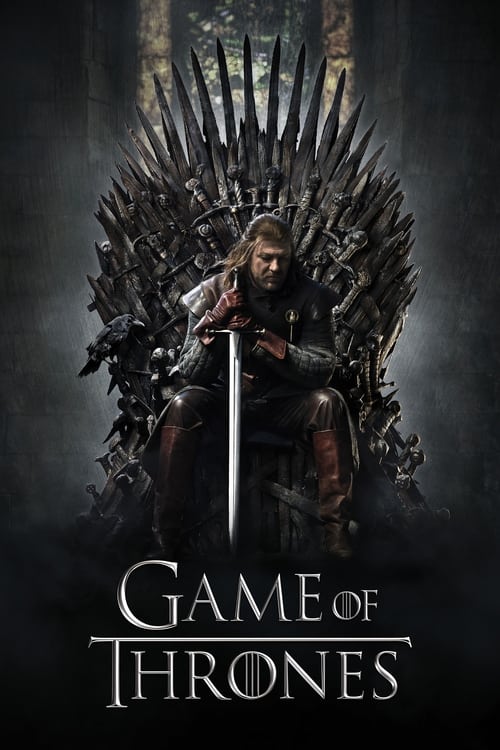
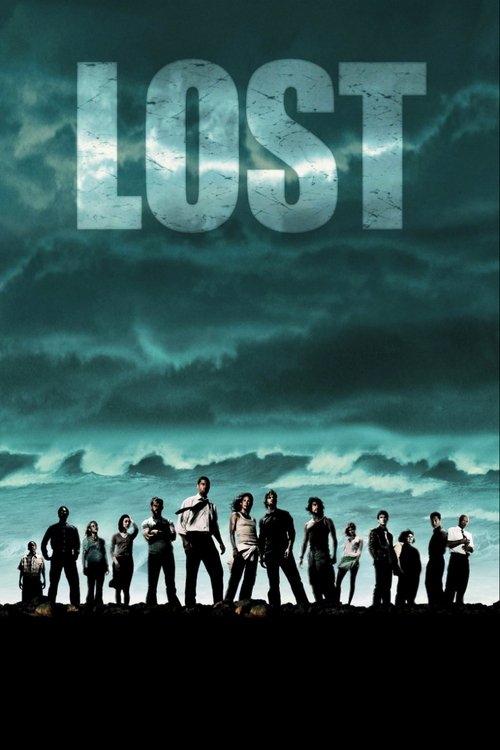
If you love The Stand: large casts, multiple survivors
Stories told through many perspectives across a fractured world
More plagues, fallout, and King country
For Fans of Stephen King
Explore the For Fans of Stephen King guide →Every adaptation of The Stand is an argument about which parts of the story matter most. None of them agree.CrossBinge