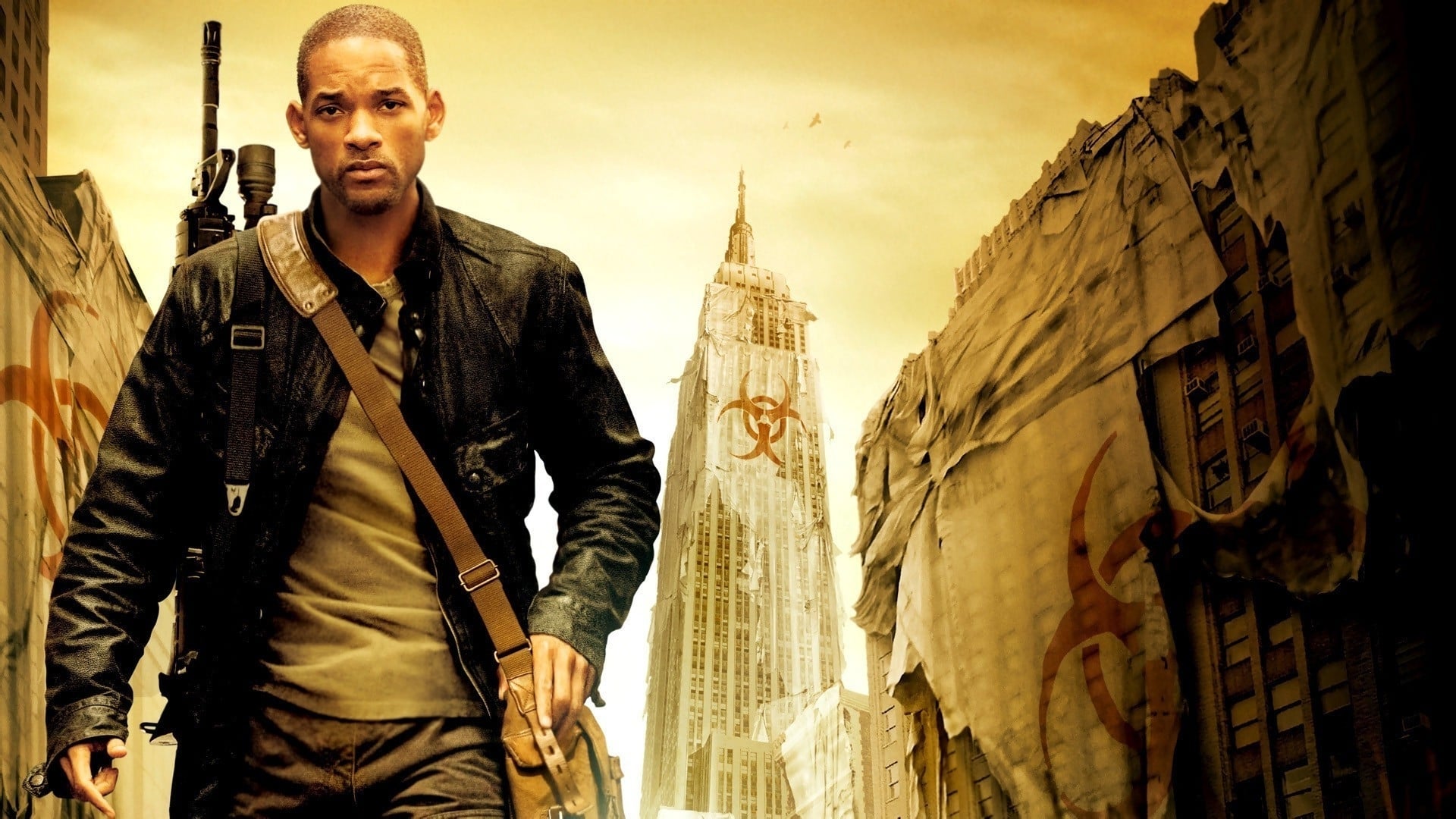

The pandemic story has one engine: remove the invisible scaffolding of civilization, and watch what people actually are. Whether the threat is a fast-burning hemorrhagic fever, a slow prion collapse, or a mutant flu that respects no border, the best outbreak fiction is never really about the pathogen. It is about the neighbor who stops sharing food, the government that chooses who gets the antidote, the parent who crosses a quarantine line for a child. From Defoe imagining 1665 London to Soderbergh modeling 2011 transmission routes, the genre keeps returning to the same honest question: when the systems fail, what holds?
Essential Pandemic Cinema
The films that defined how we picture outbreak and collapse
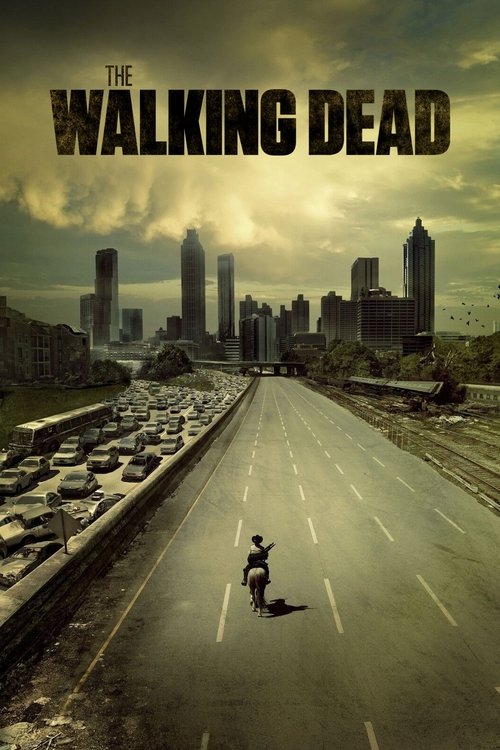
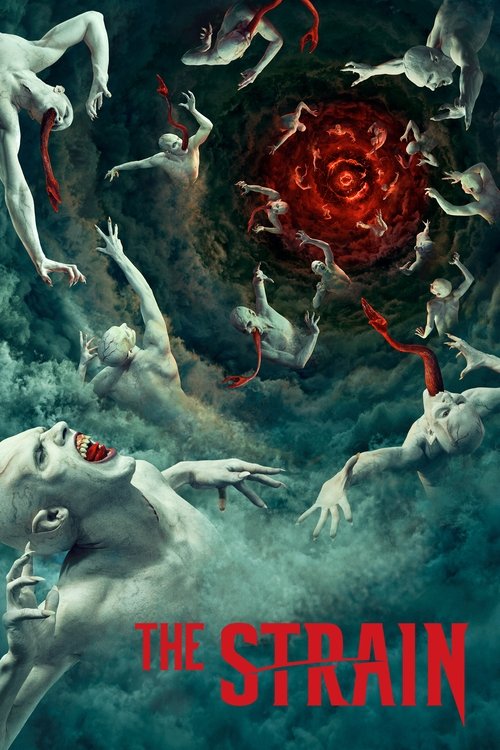
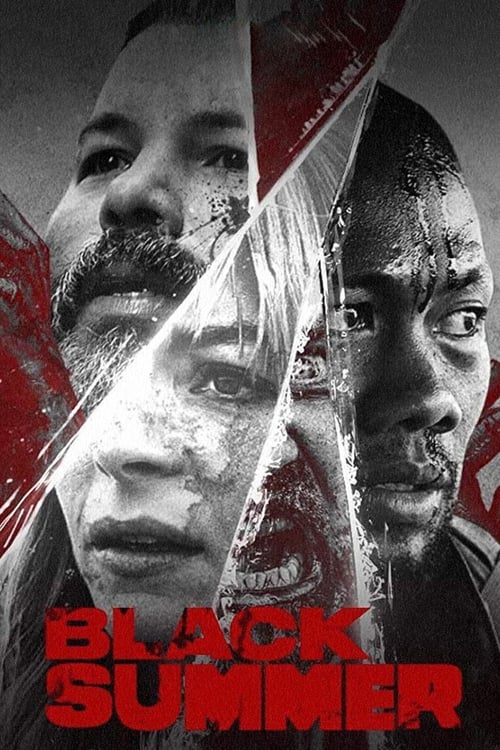
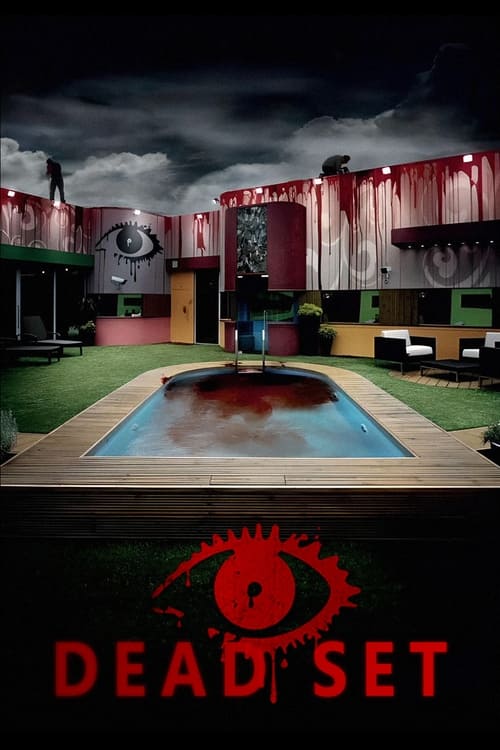
Television Under Quarantine
Series that stretched the outbreak premise across seasons



Outbreak on the Page
Novels and nonfiction that go deep on plague, collapse, and endurance


Survive the Outbreak: Games
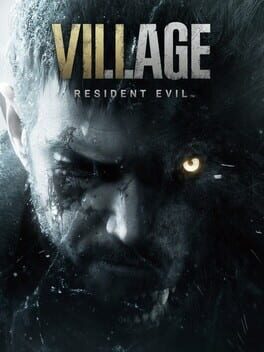
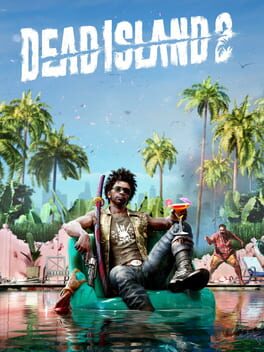
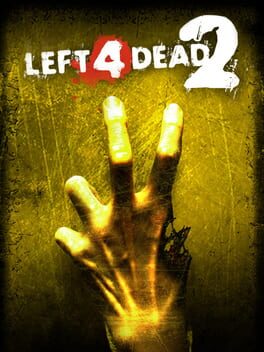
Games that put the pandemic mechanics in your hands
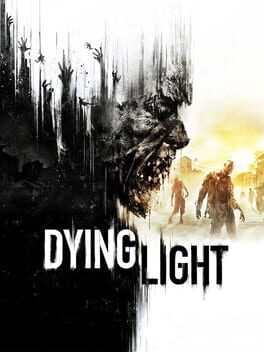
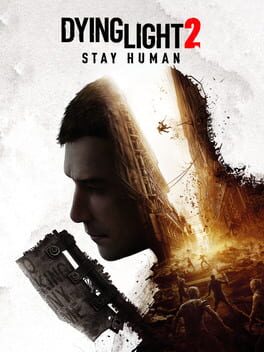
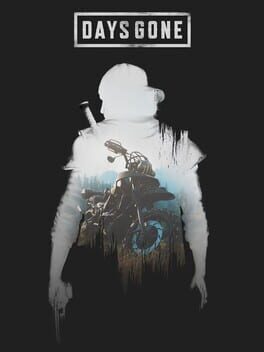
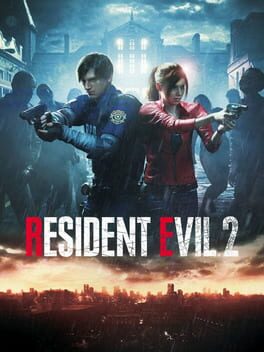
Contagion Got There First
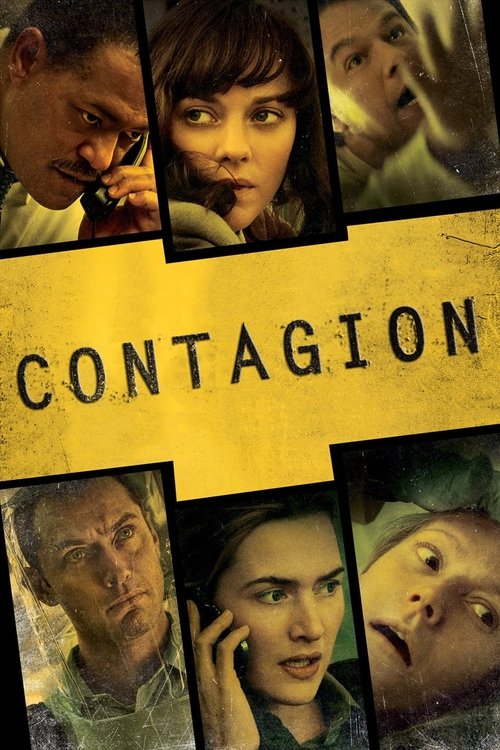
Steven Soderbergh and screenwriter Scott Burns made Contagion in 2011 as a procedural, not a thriller. There is no rogue scientist with a cure hidden in a safe. There is no hero who outruns the virus on foot. There is a modeler at the CDC running R0 numbers and an epidemiologist who gets on a plane to Hong Kong. The film's emotional power comes from its restraint: grief arrives in a single shot of a body bag, not a monologue. When 2020 arrived, Contagion was the most-downloaded film on streaming platforms for a reason. It had already shown us exactly what a real pandemic looks like, and we had not been paying attention.
The Stand Is Still the Benchmark
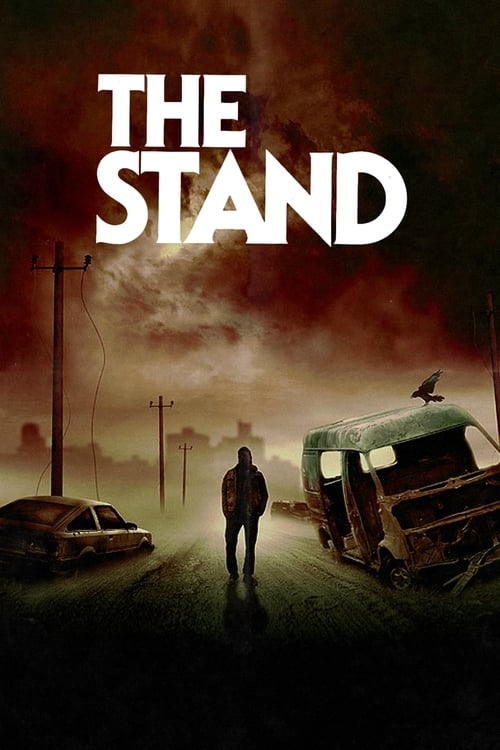
Stephen King wrote The Stand at the height of his powers in 1978, and the book still sets the standard for the genre. The pandemic itself, a weaponized flu called Captain Trips, is almost perfunctory: it kills 99.4 percent of the population in a few hundred pages. What King spends the remaining 1,000 pages on is what comes after, how the survivors choose sides, build communities, make moral errors, and eventually have to fight for the shape of whatever civilization replaces the old one. The 1994 miniseries adaptation holds up; the 2020 CBS All Access version, despite a stronger cast in places, never found the novel's dread.
The Last of Us Reframes Everything
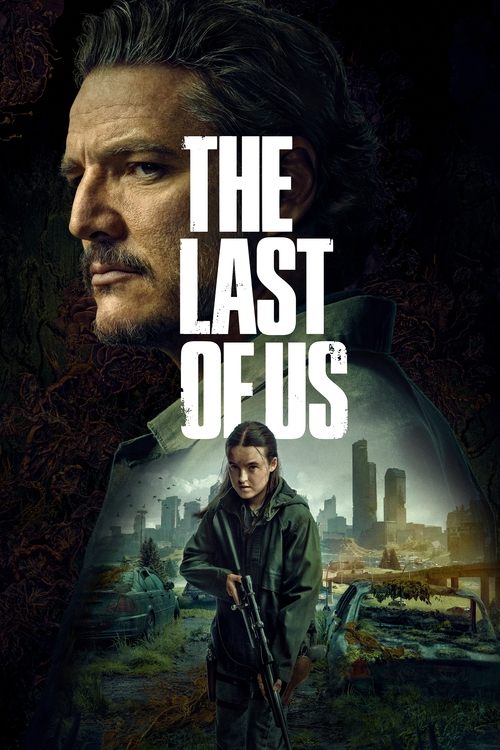
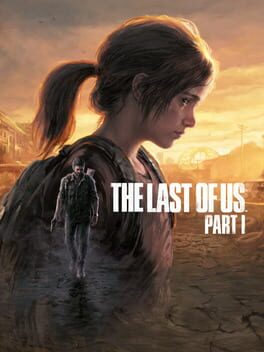
Naughty Dog's The Last of Us succeeded where most outbreak games fail by making the infection almost incidental to the emotional story. The Cordyceps fungus is a real genus; the game's extrapolation of it jumping to humans is scientifically grounded enough to feel plausible. But the game's actual subject is the cost of love in a world where resources are zero-sum. Joel's choice at the end of the first game is one of the most argued-over decisions in the medium's history, and the HBO adaptation with Pedro Pascal deepened it further by giving Joel more time to rebuild himself before the ending collapses him again.
Station Eleven Chooses Hope
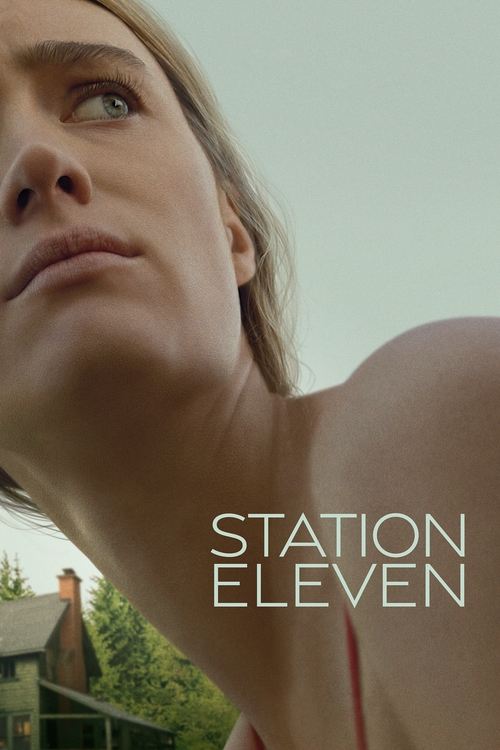
Emily St. John Mandel's novel and the HBO Max series adaptation both make an unfashionable argument: that art is not a luxury, it is what makes survival worth the effort. Set mostly 20 years after a flu called the Georgia Flu kills most of humanity, Station Eleven follows a traveling Shakespeare company performing for small settlements. The choice to focus on theater, on the Shakespearean line 'survival is insufficient,' positions this as a counter-argument to every grimdark post-apocalypse. The series, developed by Patrick Somerville, is one of the best television adaptations of a literary novel in recent memory.
Plague Stories Through the Centuries
- 1722Daniel Defoe publishes A Journal of the Plague Year, a fictionalized account of the 1665 London plague A Journal of the Plague Year
- 1947Albert Camus publishes La Peste (The Plague), an allegory of occupation and resistance set in a quarantined Algerian city The Plague Dogs
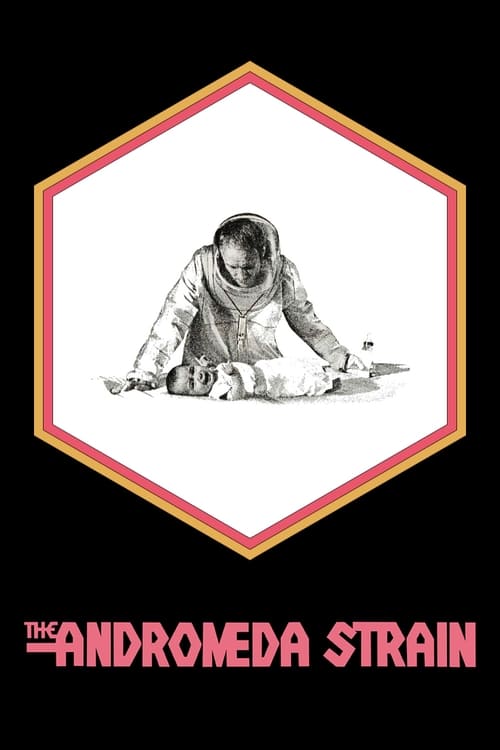
- 1971Michael Crichton's The Andromeda Strain introduces the clinical procedural as a thriller format
- 1978Stephen King's The Stand sets the template for post-pandemic epic fiction The Stand
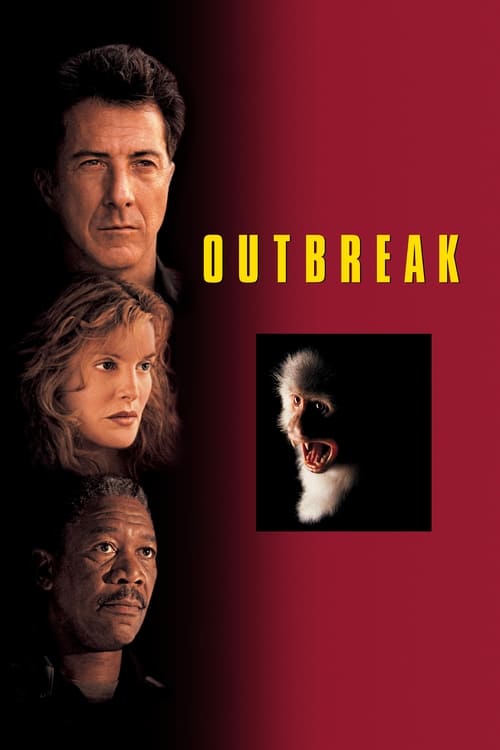
- 1995Outbreak and 12 Monkeys bring the pandemic thriller to mainstream cinema in the same year Outbreak
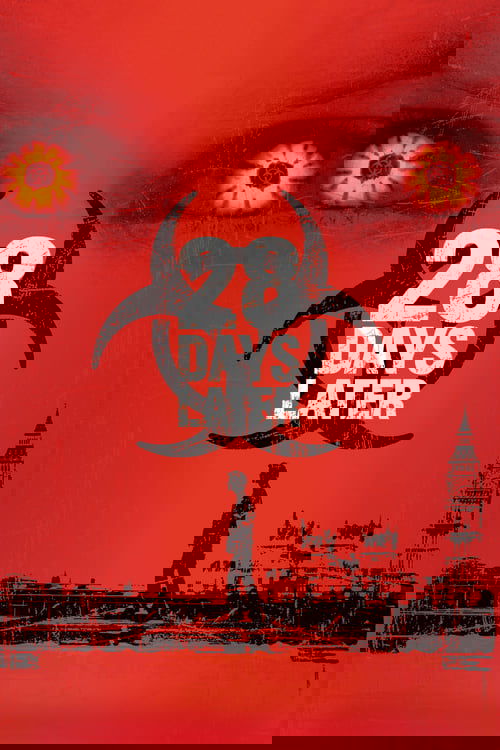
- 200228 Days Later redefines the infected-human outbreak film with a low-budget digital aesthetic 28 Days Later
- 2003Margaret Atwood's Oryx and Crake opens her MaddAddam trilogy about bioengineered plague
- 2011Contagion models realistic pandemic transmission; The Last of Us game begins development Contagion
- 2013The Last of Us (game) wins over 200 Game of the Year awards and establishes the Cordyceps outbreak as a cultural touchstone The Last of Us Part I
- 2014Emily St. John Mandel's Station Eleven wins the Arthur C. Clarke Award and the Tournament of Books Station Eleven
- 2023The Last of Us HBO series premieres to record viewership, bringing the outbreak narrative to a new audience The Last of Us
Outbreaks, collapse, and what survives
Pandemic & Outbreak
Explore the Pandemic & Outbreak guide →Survival is insufficient.Station Eleven, Emily St. John Mandel (and the Traveling Symphony's motto)