
A physicist's time machine lands in the Hundred Years' War
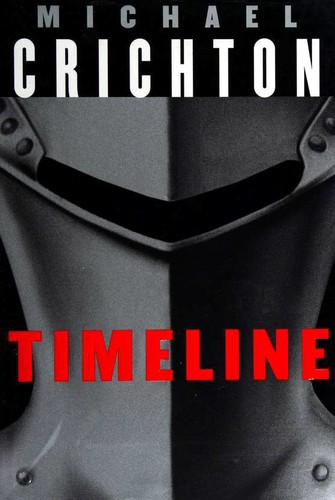
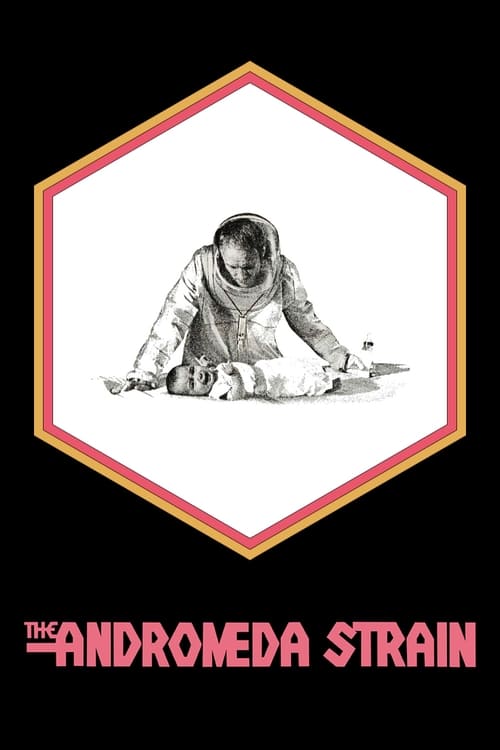
Michael Crichton published Timeline in 1999, his third novel to drop contemporary characters into a catastrophe of their own technology's making. Where Jurassic Park put scientists inside a genetics disaster and The Andromeda Strain locked them into a biological crisis, Timeline sends a team of history professors and graduate students through a quantum-physics teleportation device into 14th-century France, specifically the Dordogne region during the grinding middle decades of the Hundred Years' War.
The book was a bestseller. Paramount Pictures acquired the rights early, and the resulting 2003 film, directed by Richard Donner, arrived to mixed reviews and disappointing box office. Crichton's own company, Timeline Computer Entertainment, had already released a PC adventure game in 2000, developed in parallel with the film rights negotiations. That game, published by Eidos Interactive, is the other adaptation almost no one remembers. Timeline is, to date, a three-version story: the novel that made the premise work, the game that treated it seriously, and the film that largely did not.
Every version of Timeline
The source novel and its two adaptations

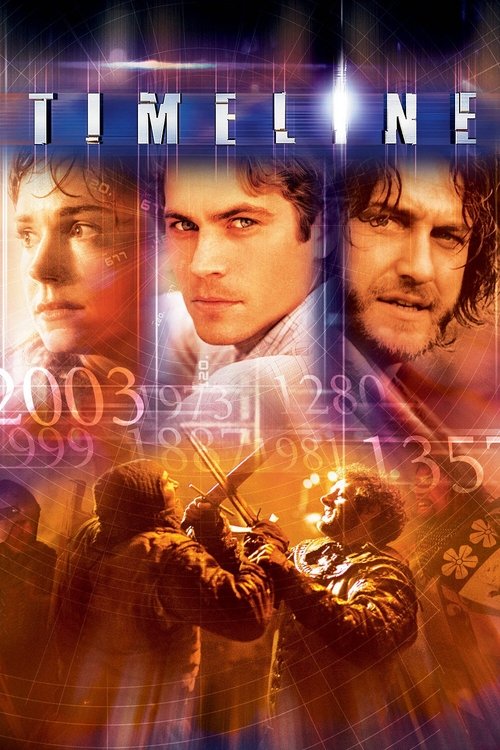
Timeline across time
The novel is the only version worth your time
Crichton's novel works because it earns its premise. He spends real pages on the quantum multiverse mechanics, the medieval scholarship, the French and English political factions, and the physical reality of living inside a war zone without antibiotics or an exit. Characters know things that keep them alive, and the anachronism is the tension rather than the spectacle. The 2003 film strips most of that scaffolding away and leaves a generic action movie in medieval costume. The 2000 PC game at least preserved the intellectual texture of the source, giving players puzzles rooted in period knowledge rather than sword fights. Neither replacement improves on the original.
The film is the version to skip
Richard Donner's 2003 adaptation had a troubled production and it shows. Paul Walker, Frances O'Connor, and Gerard Butler are not badly cast, but the script reduces Crichton's carefully constructed intellectual thriller to a series of chase sequences through admittedly handsome sets. The quantum physics backstory gets compressed into a single expository scene. The film earned around $44 million worldwide against an $80 million budget and was quickly forgotten. It does not embarrass the source material in any spectacular way. It simply makes it feel smaller than it is.
Timeline is Crichton at his most structurally ambitious: a thriller that requires you to understand medieval siege warfare, quantum mechanics, and 14th-century French geography before the stakes make any sense.CrossBinge editorial
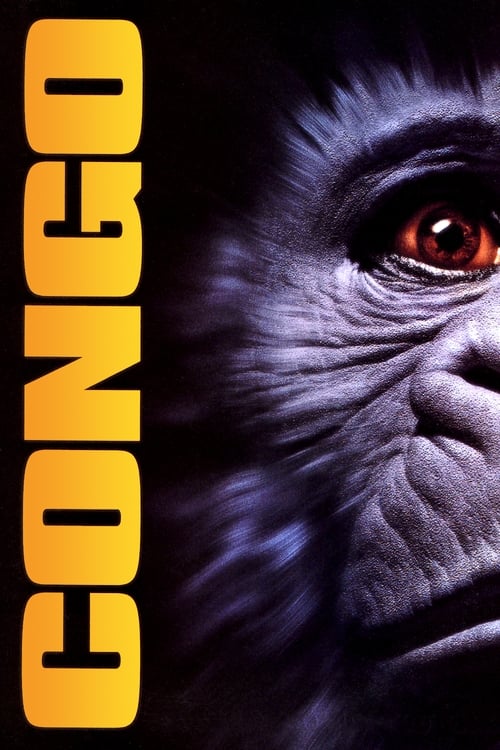
If you love Timeline: Crichton's other technothrillers
Science as the antagonist, experts out of their depth



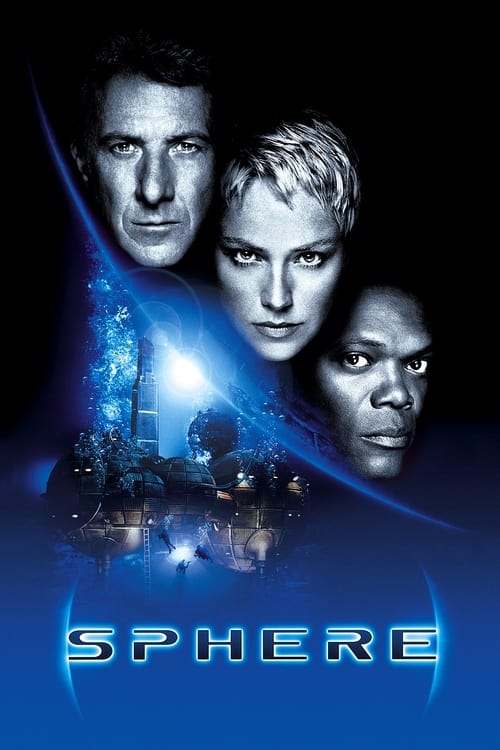

If you love Timeline: time travel thrillers with real stakes
Not romances, but stories where the wrong era can kill you

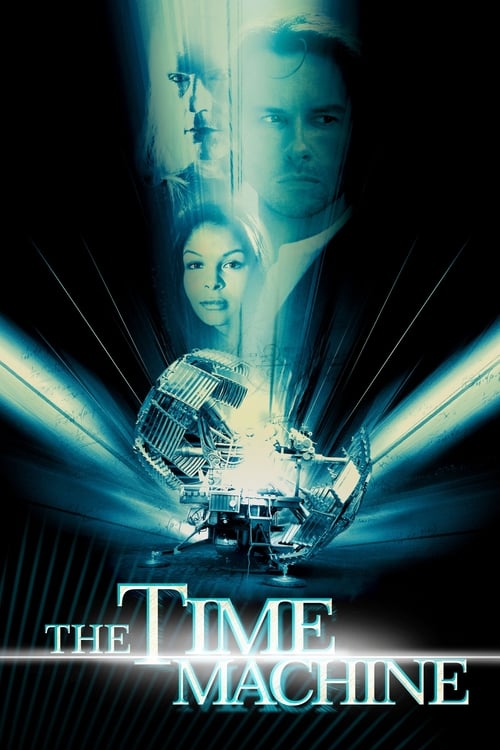
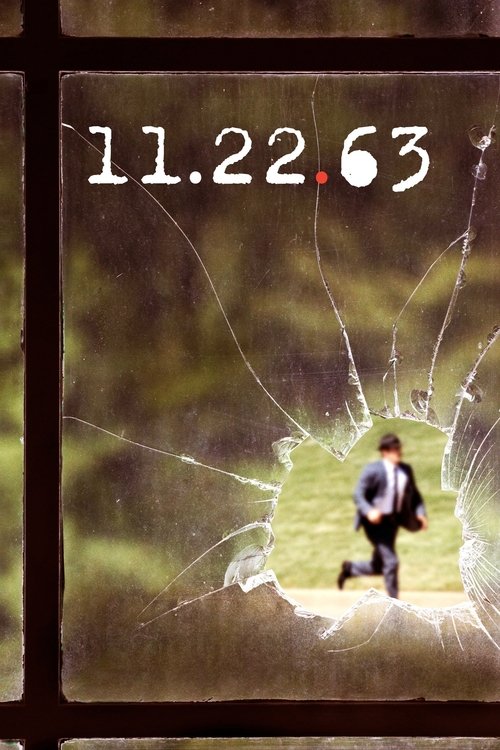
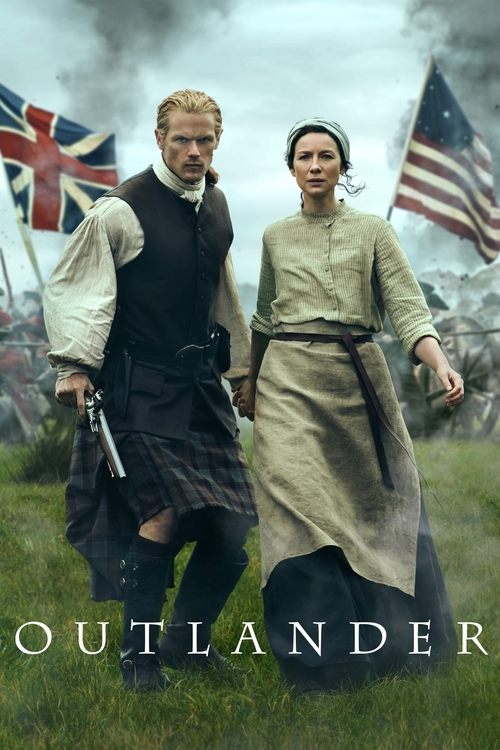
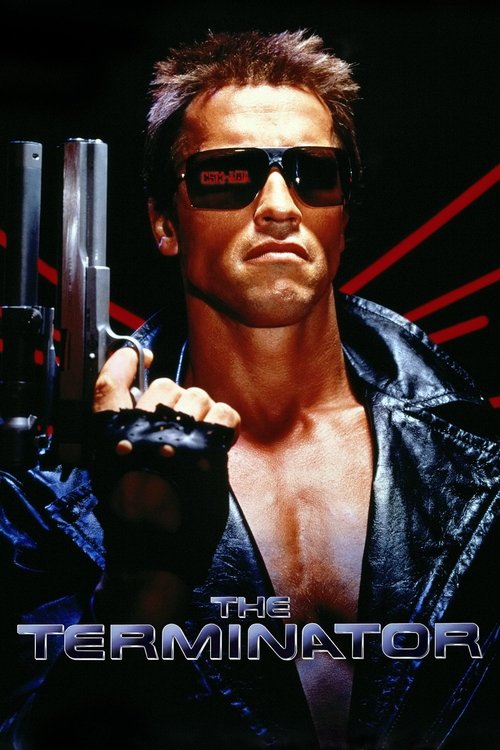
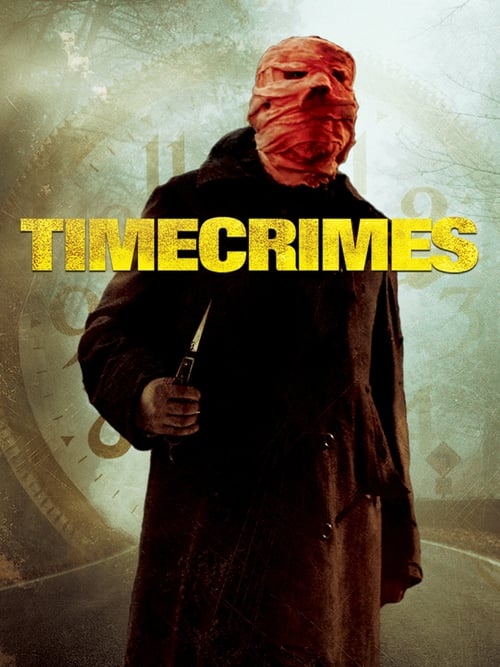

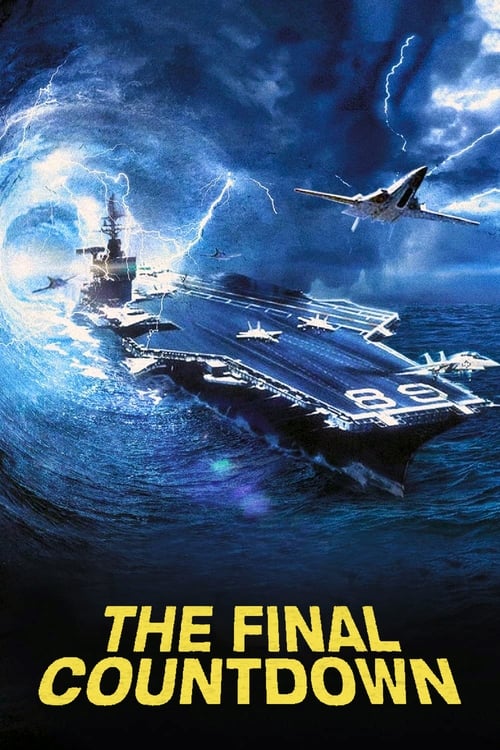
If you love Timeline: historians dropped into history
Academic and professional expertise tested by the real thing

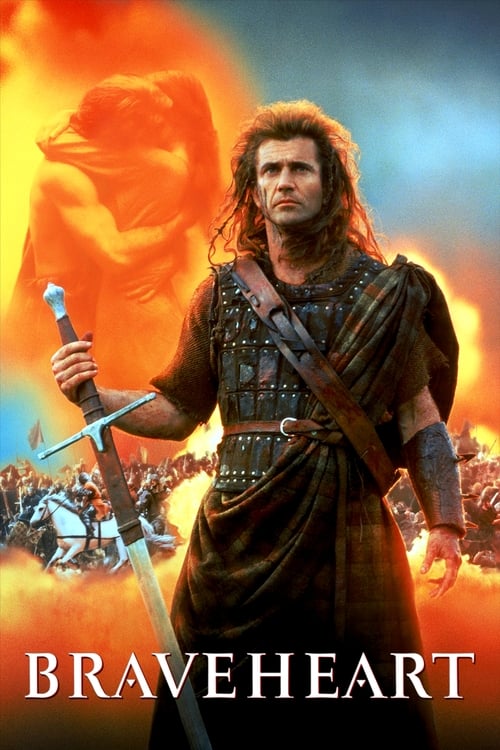
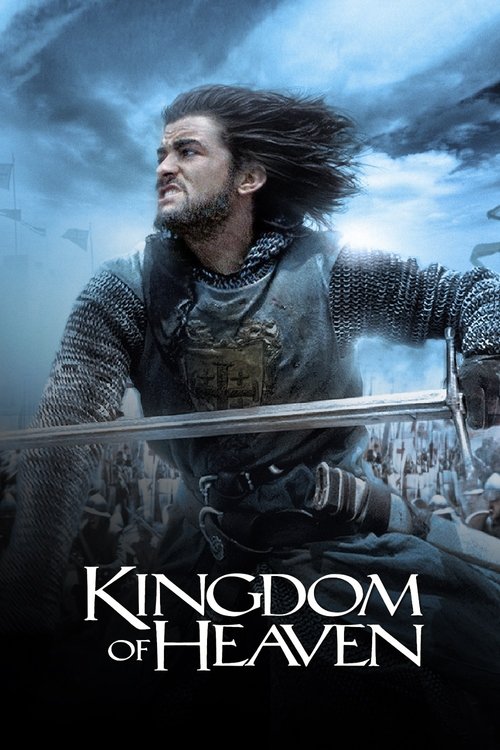
If you love Timeline: the Hundred Years' War on screen and page
England vs France, 1337 to 1453