
Michael Crichton had a single, galvanizing obsession: what happens when human ambition outpaces human wisdom? A Harvard-trained medical doctor who became one of the most commercially dominant storytellers of the twentieth century, he made that question thrilling rather than academic. His novels move at a clip no other literary technologist has matched, stuffed with real science rendered as propulsive plot, and his fingerprints are on virtually every entertainment franchise that fuses spectacle with systems thinking. Jurassic Park gave cinema its modern summer-blockbuster grammar. ER defined network medical drama for a decade. Westworld seeded a philosophy of machine consciousness that television is still unpacking. The through-line a Crichton fan loves is not dinosaurs or robots or time travel in isolation; it is the feeling of watching an expert explain exactly why everything is about to go catastrophically wrong, and then watching it go wrong anyway.
Essential Michael Crichton
The novels that define the canon, from the lab-thriller debut to the posthumous finales




From Page to Screen: The Crichton Adaptations
Films and series that translated his science-gone-wrong scenarios into major pop-culture events


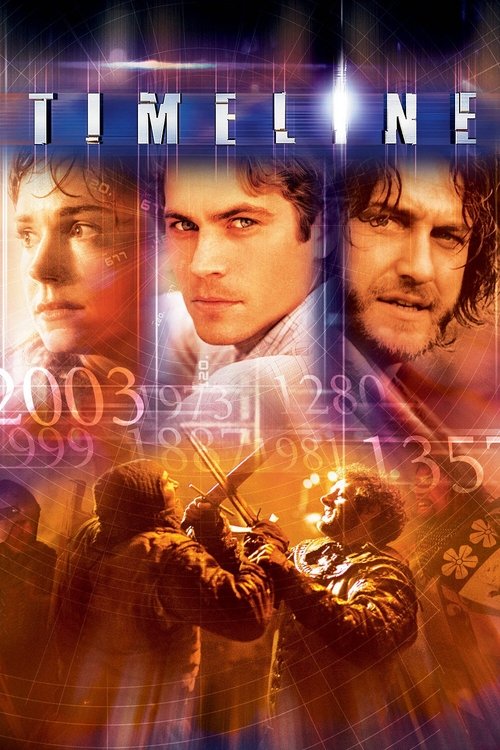
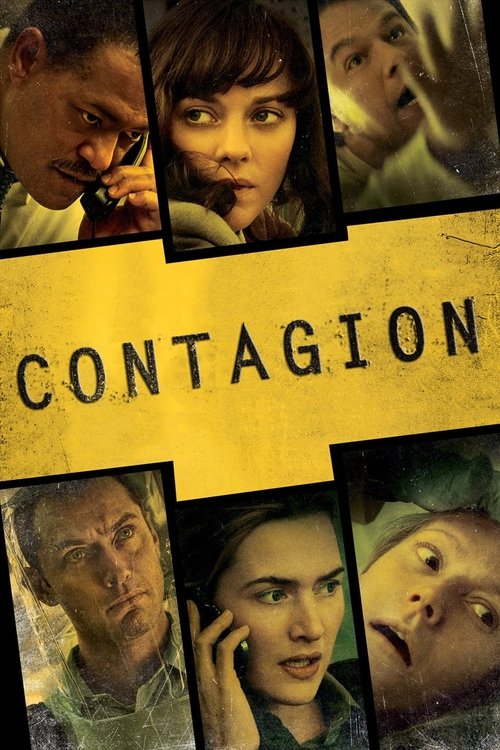
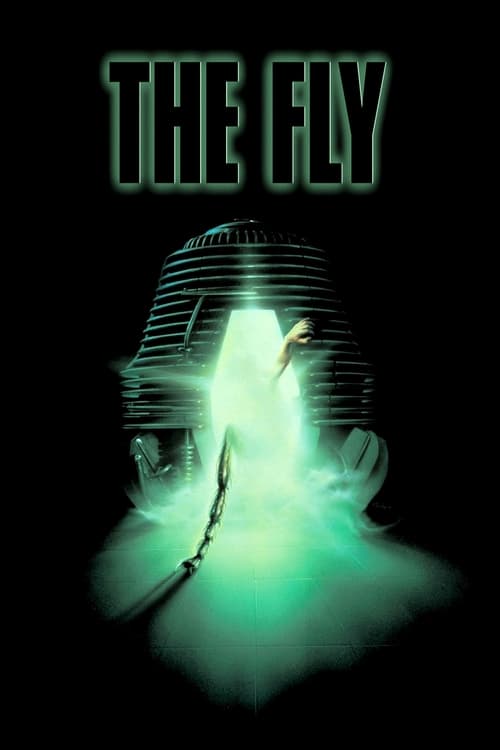
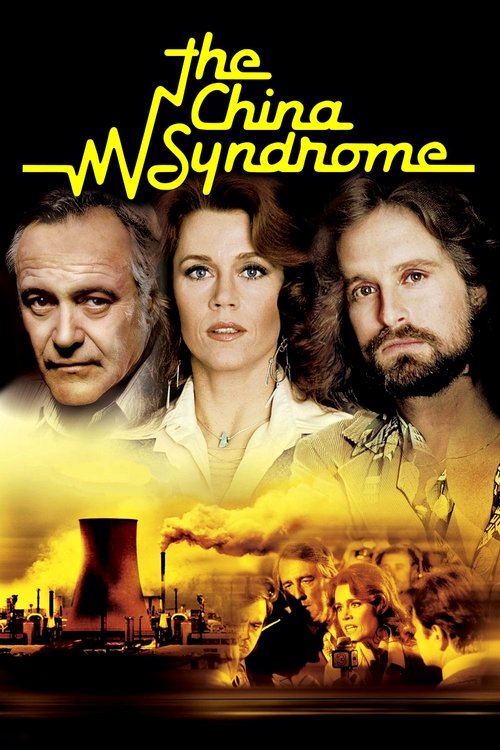
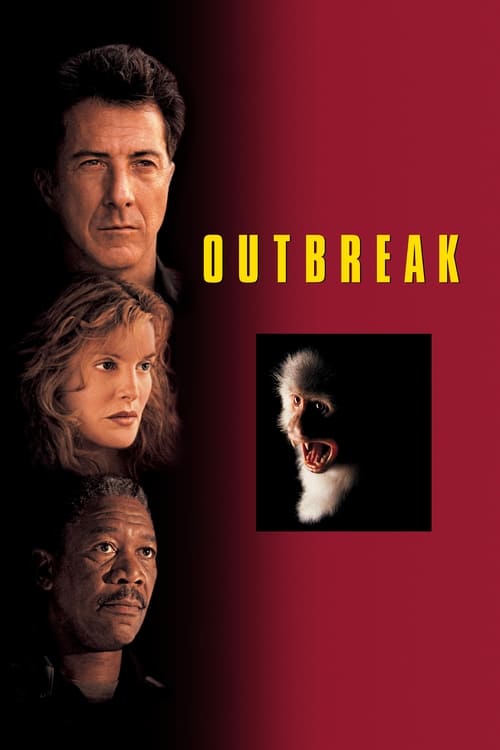
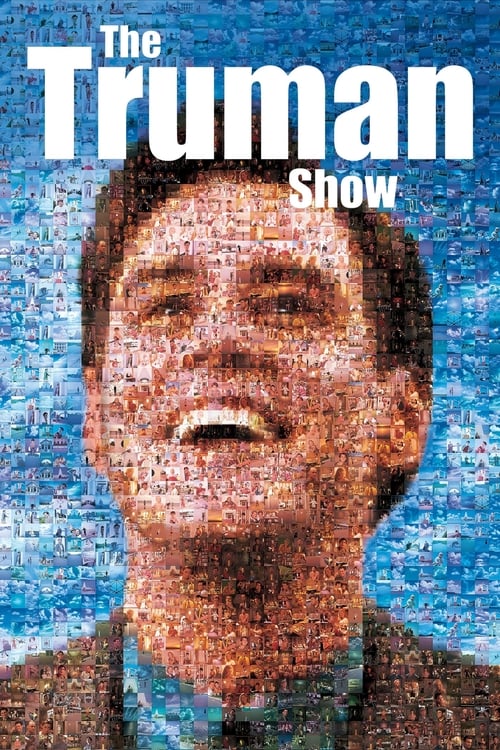
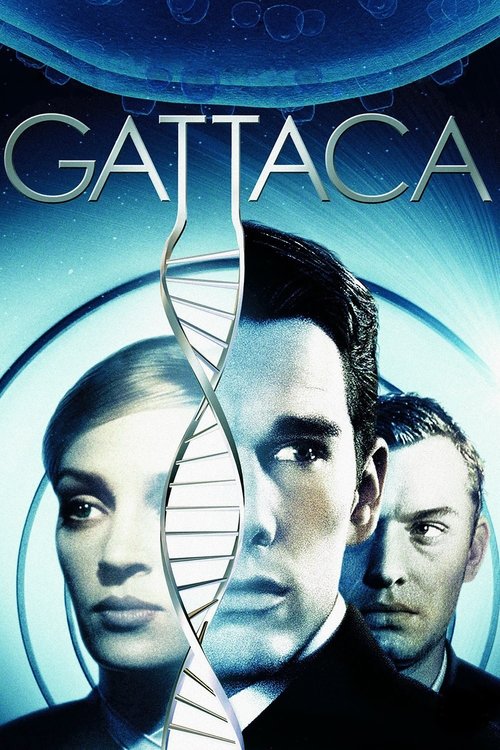
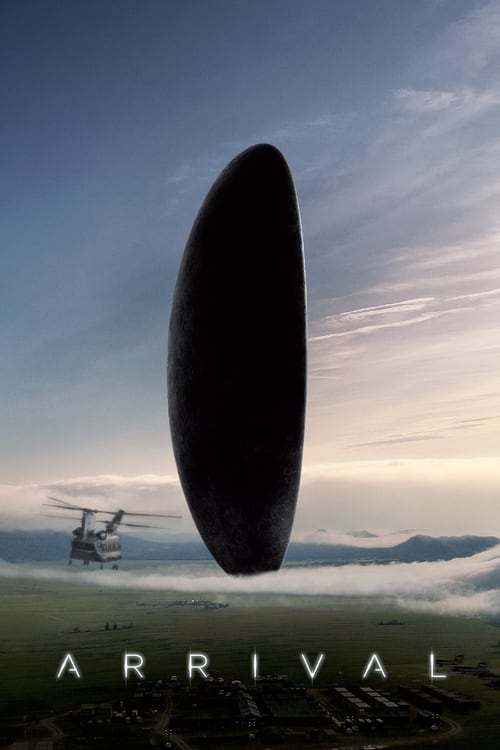
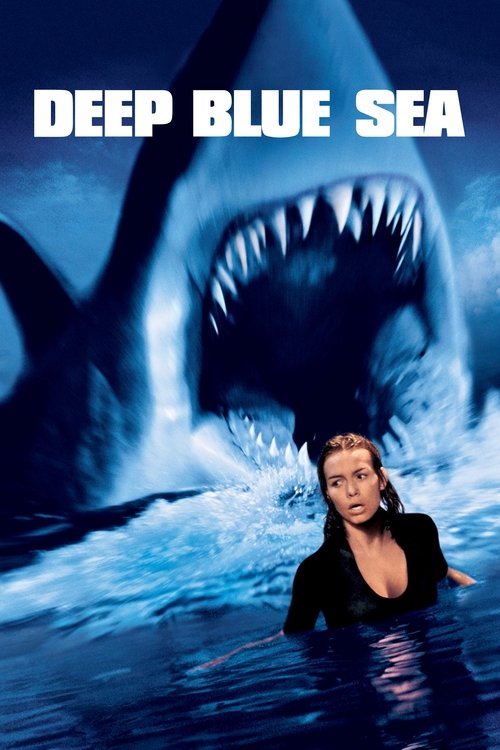
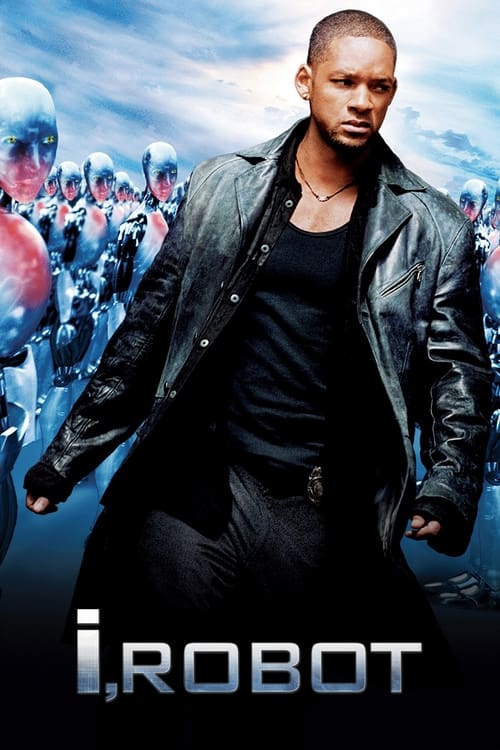
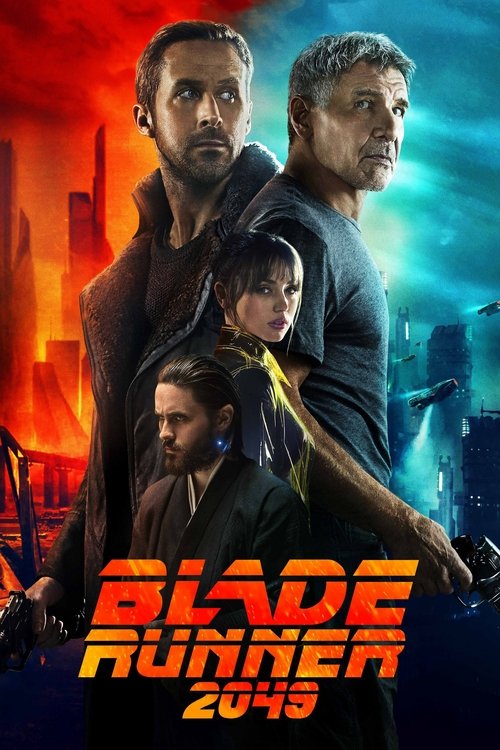
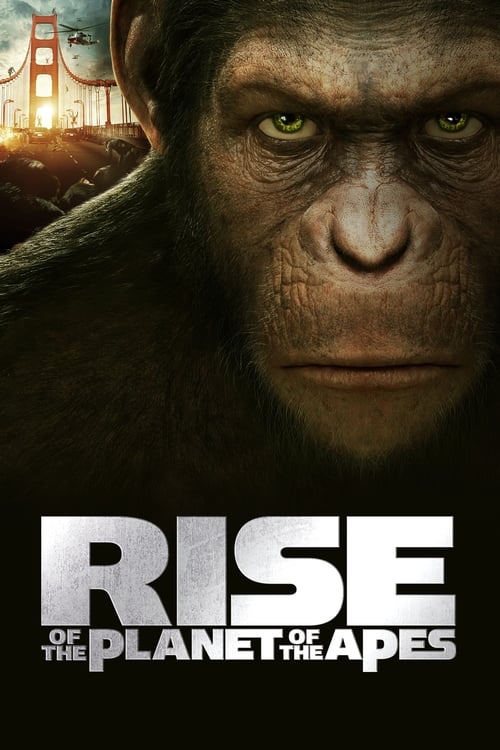
If You Love the Techno-Thriller: Essential Films
Blockbusters built on the same DNA: technology as threat, institutions as complicit, and one scientist trying to warn everyone

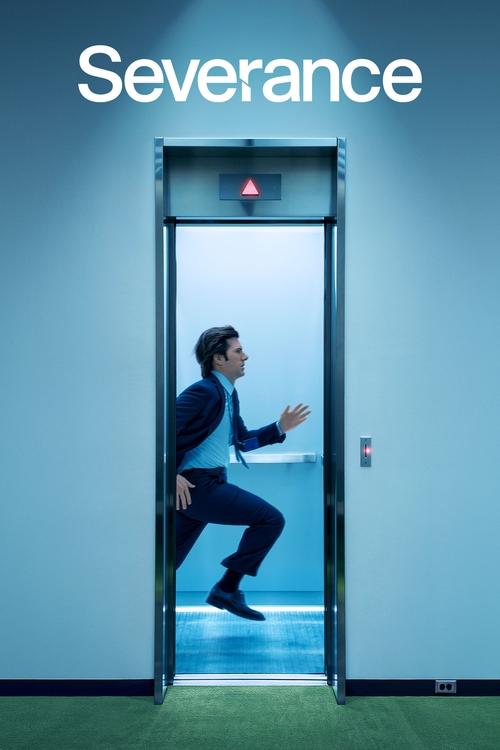
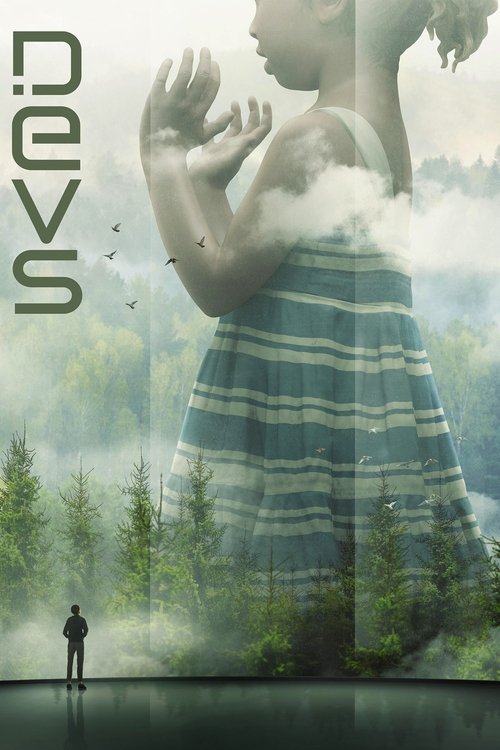
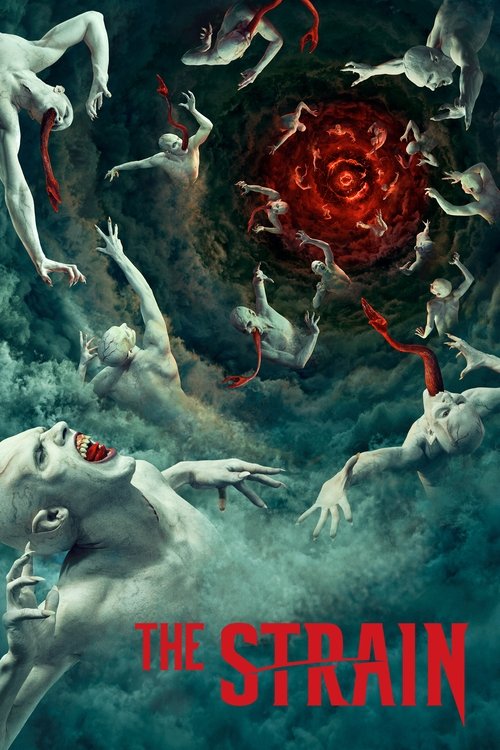
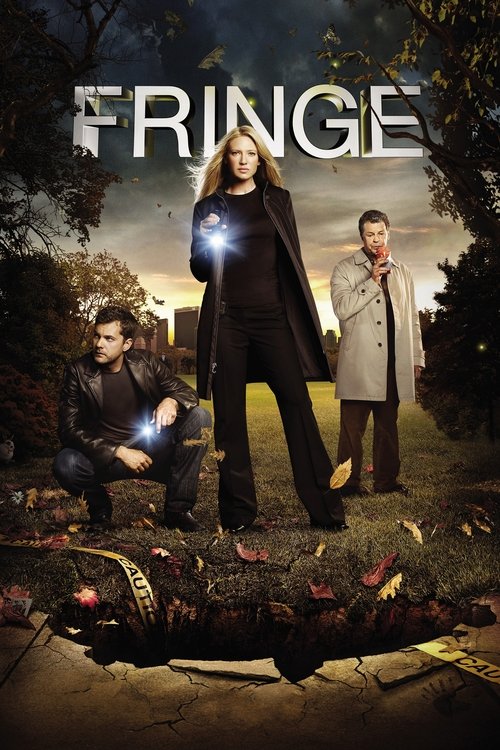
If You Love Systems Spiraling Out of Control: TV
Series that put human hubris inside a complex system and then watch the cascade fail


If You Love Crichton's Themes: Games That Go There
Games where the technology is brilliant, the premise is audacious, and the chaos is earned

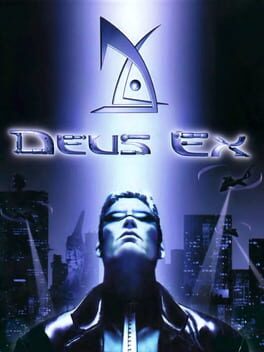
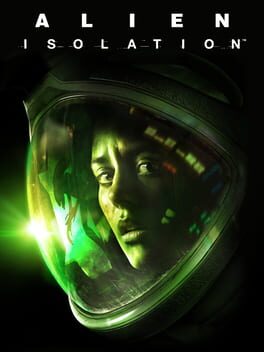
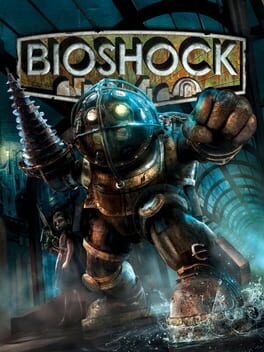
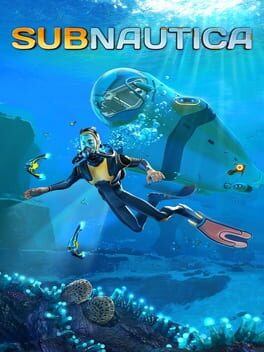
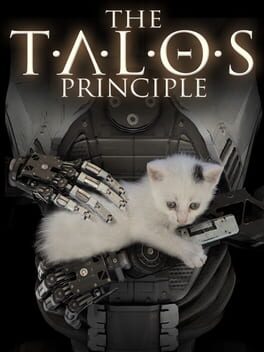
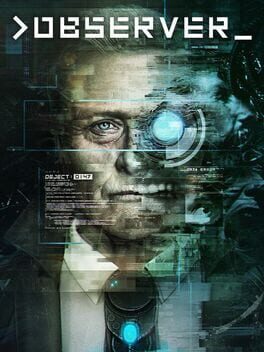
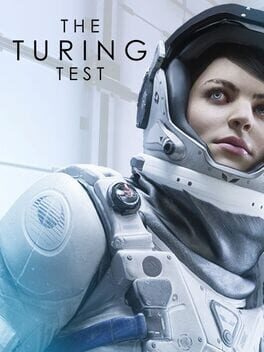

If You Love Crichton's Books: Authors Who Share the Obsession
Novelists who write science as suspense, institutions as antagonists, and experts as reluctant heroes


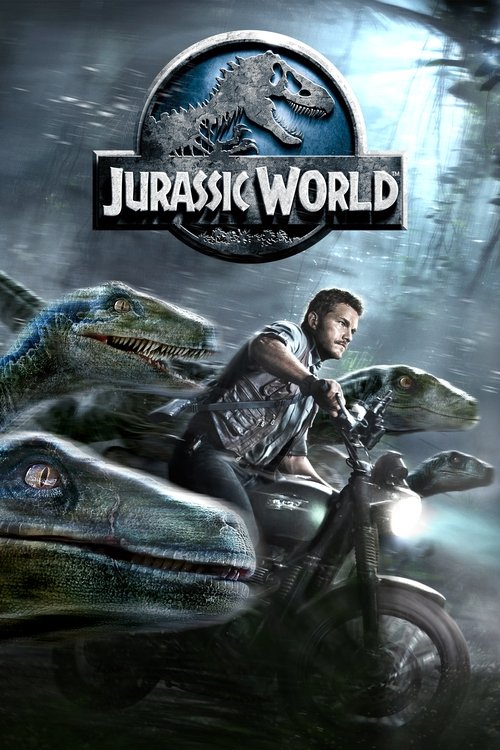
Jurassic Park Is Not a Dinosaur Movie
Audiences came for the dinosaurs and stayed for the chaos theory lecture. Crichton spent more pages establishing Ian Malcolm's mathematical argument against the park than he spent on any single action set piece. The T. rex attack works because readers already understand, at a gut level, why it was inevitable. The film version had to compress this, but Spielberg kept Malcolm -- and kept Jeff Goldblum's delivery of the essential Crichton thesis: life finds a way, and hubris does not.
ER Changed What Television Thought Medicine Could Be
Before ER, hospital dramas were about relationships with medicine as backdrop. Crichton's creation insisted on the reverse: procedure first, character revealed through procedure. The pilot moves at a pace that felt genuinely radical in 1994, and the show's influence on fast-cut dramatic editing rippled through every prestige drama that followed. The fact that it ran for fifteen seasons without collapsing under its own weight is its real achievement.
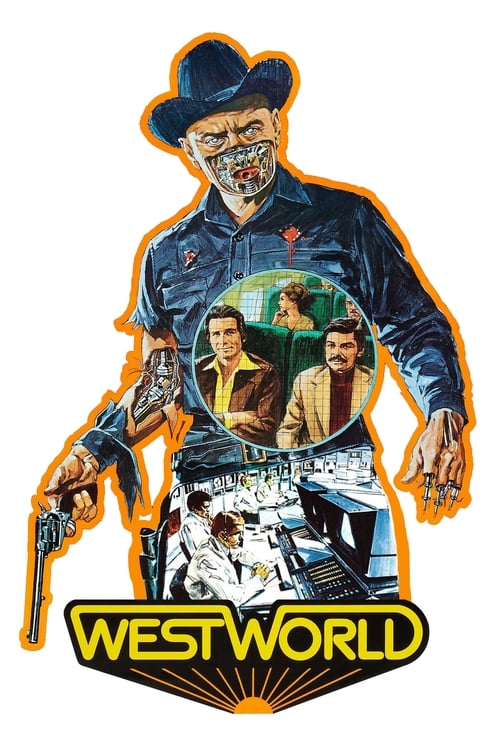
Westworld (1973) Did the Theme-Park Horror First
Before the HBO series turned it into prestige television mythology, Crichton directed the original Westworld himself in 1973. Its premise was tighter and its budget was smaller, but the central horror -- that a luxury experience built on the simulation of human death would eventually reverse the direction of that death -- is pure Crichton. Yul Brynner's malfunctioning gunslinger is one of cinema's most economical monster images.
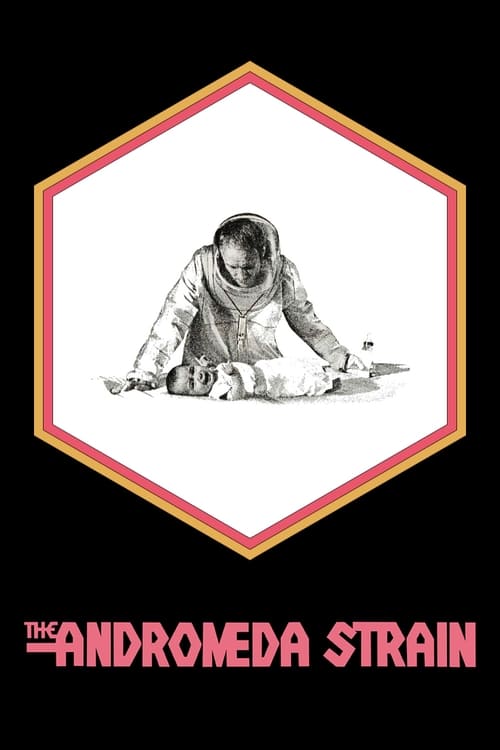
The Andromeda Strain Invented a Genre
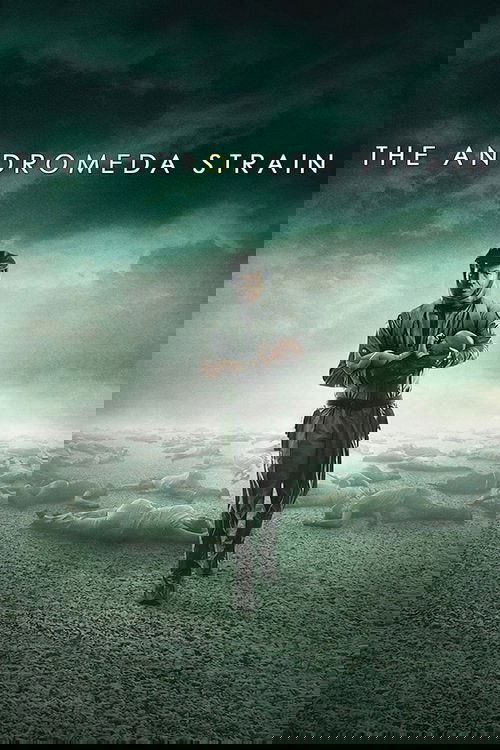
Published in 1969, The Andromeda Strain is arguably the founding document of the techno-thriller. Crichton structured it as a case study rather than a novel, complete with diagrams, appendices, and source citations that were entirely fictional but felt rigorously authentic. It invented the procedural form that Contagion, Outbreak, and a hundred pandemic narratives have borrowed from. The 1971 film adaptation remains one of the most faithful and least-seen science fiction films of its era.
Michael Crichton: A Chronology of the Canon
- 1969The Andromeda Strain published, inventing the procedural science thriller
- 1971The Andromeda Strain adapted to film by Robert Wise The Andromeda Strain
- 1973Crichton writes and directs Westworld, the first film to use CGI Westworld
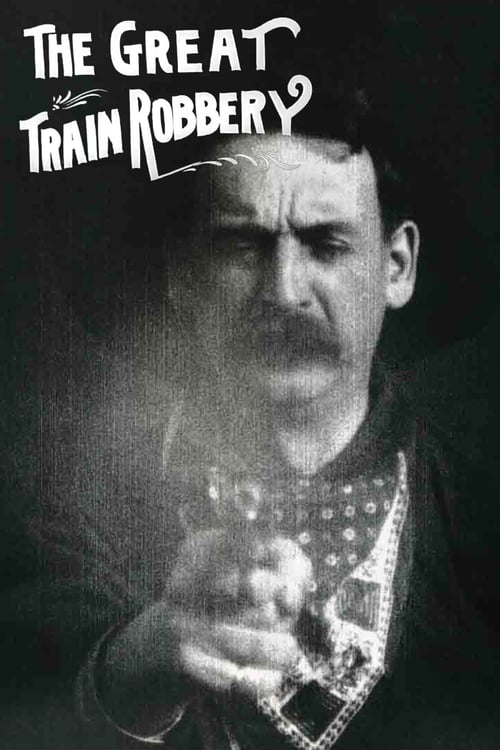
- 1975The Great Train Robbery published (and later adapted by Crichton)
- 1990Jurassic Park published, the biggest-selling techno-thriller ever written Novels (Congo / Jurassic Park)
- 1993Spielberg's Jurassic Park redefines the summer blockbuster and CGI effects Jurassic Park
- 1994ER premieres on NBC, co-written with Steven Spielberg ER
- 1995The Lost World published, the rare Crichton sequel that holds its own The Lost World
- 1999Timeline published, Crichton turns quantum physics into medieval adventure Timeline
- 2002Prey published, nanotechnology swarm as predator Prey
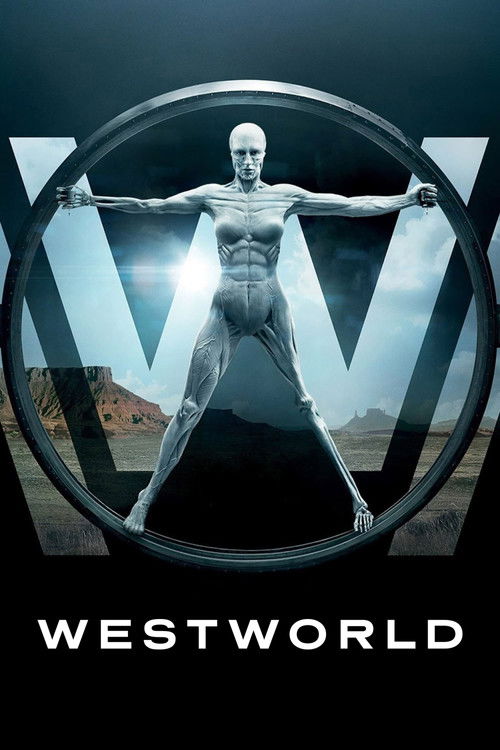
- 2016HBO's Westworld reimagines the 1973 film as a meditation on consciousness Westworld
- 2024Eruption published posthumously, completed by James Patterson
Science run amok, the techno-thriller template
Techno-Thriller
Explore the Techno-Thriller guide →We have soothed ourselves into imagining sudden change as something that happens outside the normal order of things. In fact, turbulence is the norm and the steadiness of the control period is the illusion.Michael Crichton, Jurassic Park