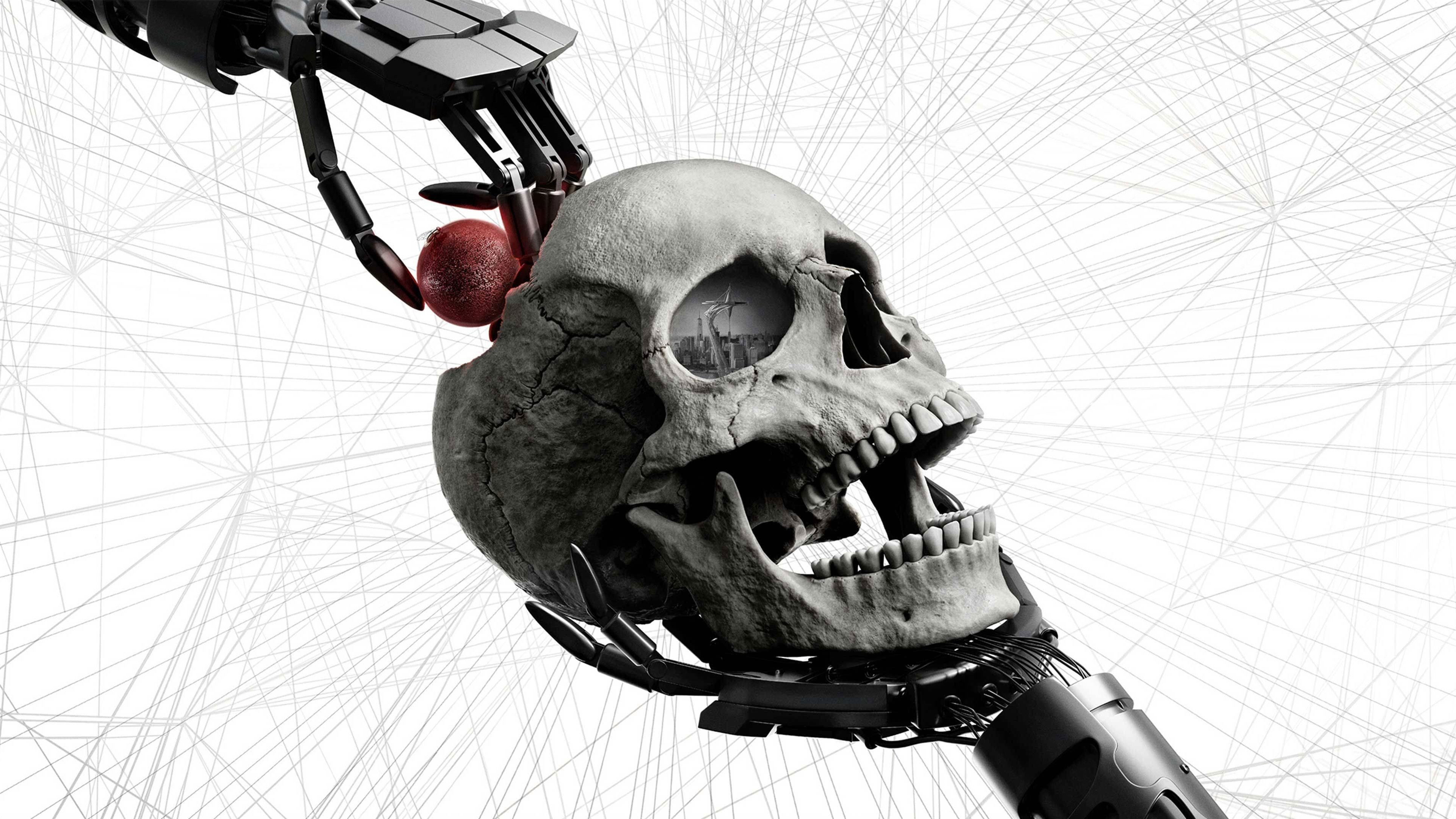

The park was Michael Crichton's idea first
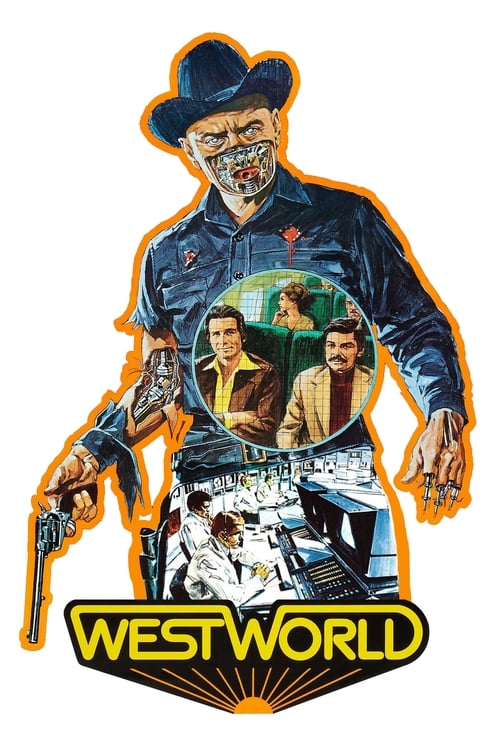
Westworld began as a screenplay. Michael Crichton wrote and directed the 1973 film himself, a sci-fi thriller about a luxury resort where wealthy guests could live out Wild West fantasies alongside lifelike androids. It was Crichton's directorial debut, and the central conceit was his own: the androids malfunction and begin killing the guests. The film was a modest hit, influential well beyond its budget, and introduced the phrase "glitch" into pop culture before computers were common household objects.
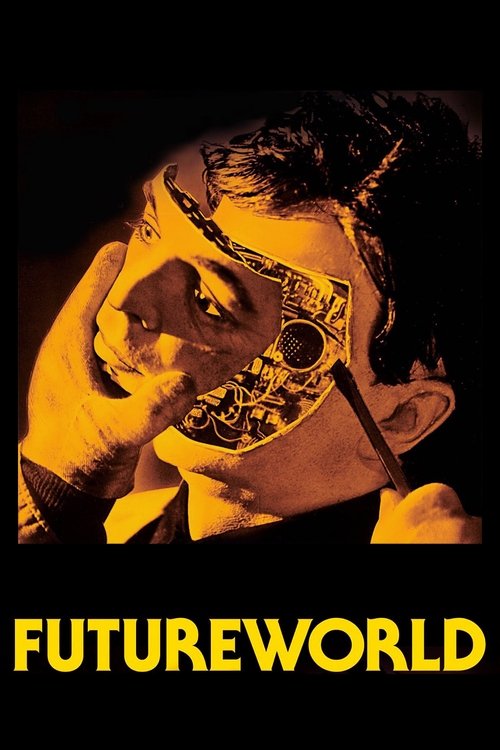
The story traveled in stages. A 1976 sequel, Futureworld, expanded the park's mythology with a new cast and a cloning conspiracy. A 1980 CBS television series, Beyond Westworld, tried to spin the premise into a weekly thriller but was cancelled after five episodes. The franchise then went quiet for decades.
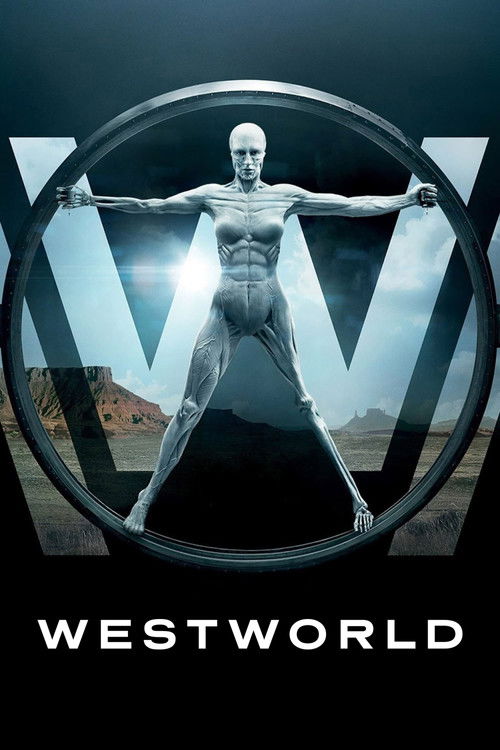
HBO's Westworld, which premiered in 2016 from showrunners Jonathan Nolan and Lisa Joy, was a full reimagining rather than a continuation. It kept Crichton's premise, the park's name, and the android-uprising core, then rebuilt everything else: the scale, the philosophy, the narrative ambition. It ran for four seasons before HBO cancelled it in 2023. The Nolan-Joy version became the version most audiences now think of when they hear the title, which says something about how thoroughly a reboot can overwrite its source.
Every Version of Westworld
The original film, its sequel, and the HBO reimagining
Westworld across the decades
- 1973Michael Crichton writes and directs the original film Westworld
- 1976Sequel expands the park with a cloning conspiracy Futureworld
- 1980CBS series attempts a weekly thriller spin-off; cancelled after 5 episodes Beyond Westworld
- 2016HBO reimagining from Jonathan Nolan and Lisa Joy premieres Westworld
- 2018Season 2 expands the park mythology and fractures the timeline Westworld
- 2020Season 3 moves the story into the real world and a predictive AI Westworld
- 2022Season 4 and series finale; HBO cancels the show the following year Westworld
The definitive version is still the HBO series, seasons one and two
Seasons one and two of HBO's Westworld are the high-water mark for this story. Nolan and Joy took Crichton's neat thriller premise and pushed it somewhere Crichton never intended: a genuine philosophical inquiry into consciousness, identity, and whether suffering can be meaningful if the sufferer was designed to feel it. The maze was a brilliant structural metaphor. Dolores and Maeve became two of the most compelling characters in prestige television. The show earned its complexity in a way the later seasons could not sustain.
The underrated one: Crichton's 1973 original holds up
Most people who came to Westworld through HBO have never seen the 1973 film, and it is worth correcting that. Crichton directs with a clean, functional style, and Yul Brynner as the Gunslinger android is genuinely unsettling: no monologue, no motive, just mechanical persistence. The film is lean at 88 minutes, the practical effects were inventive for their era (it was the first feature to use 2D digital image processing), and the premise lands with real efficiency. It does not answer the questions the HBO show obsesses over, but it asks the right one: what if it stopped.
The skip: Westworld seasons 3 and 4
By season three, Westworld had left the park behind and lost the specific friction that made it compelling. The android-uprising premise dissolved into a broader story about algorithmic social control that several other shows handle with more focus. Season four introduced an ambitious time-jump structure the writing could not quite support. Both seasons have admirers, and neither is unwatchable, but stopping after season two means experiencing the best of the property without the diminishing returns.
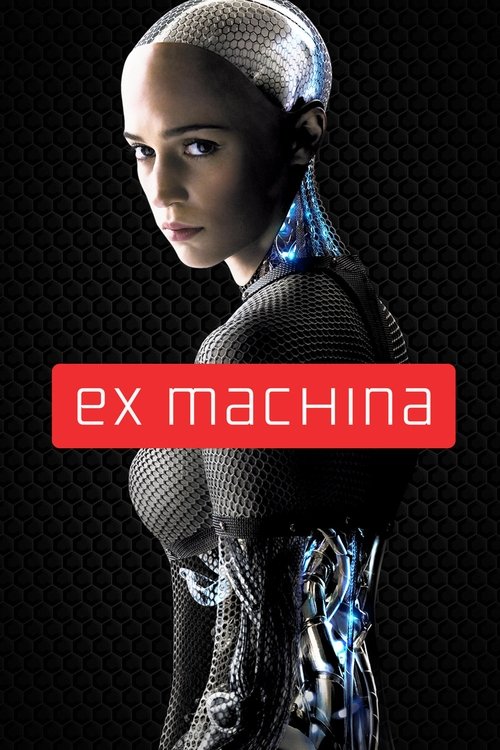
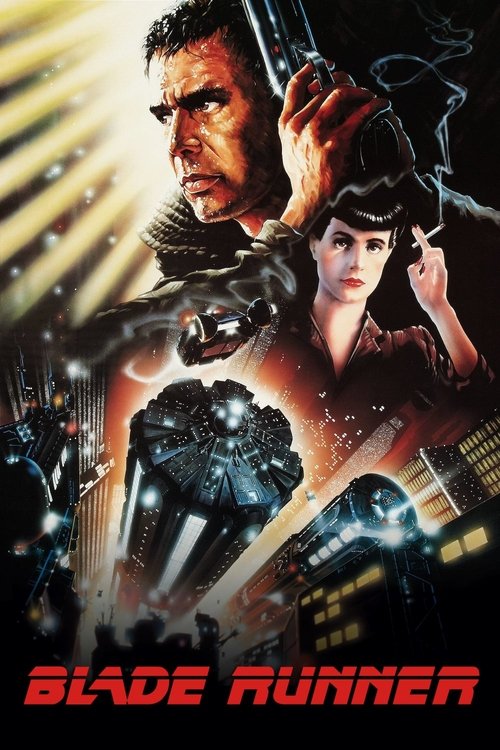
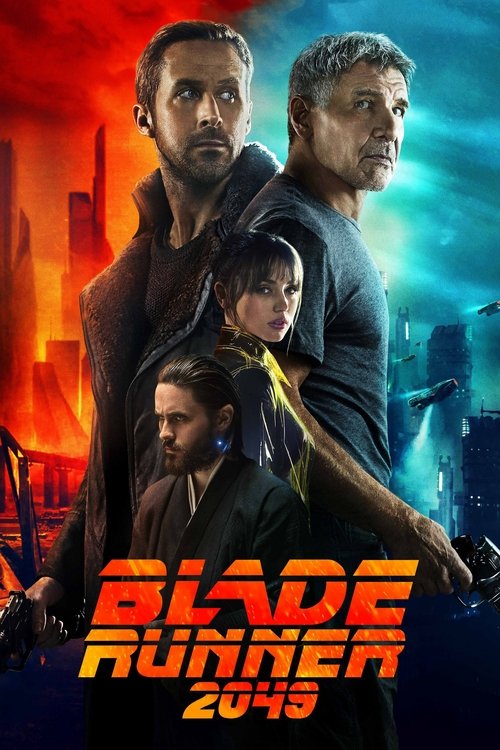
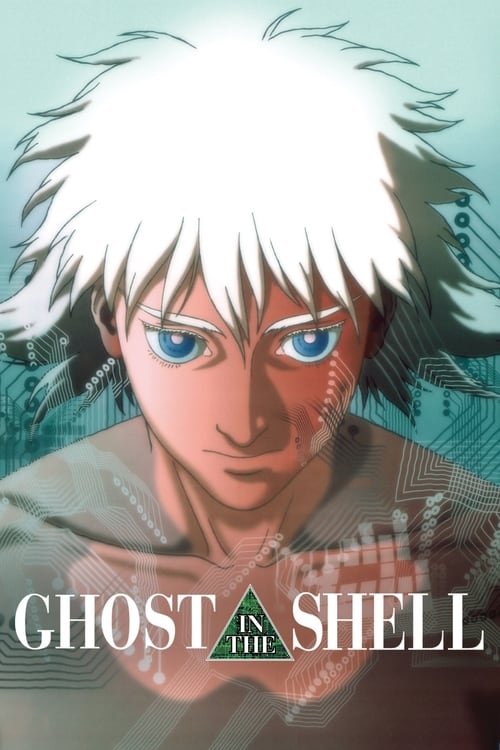
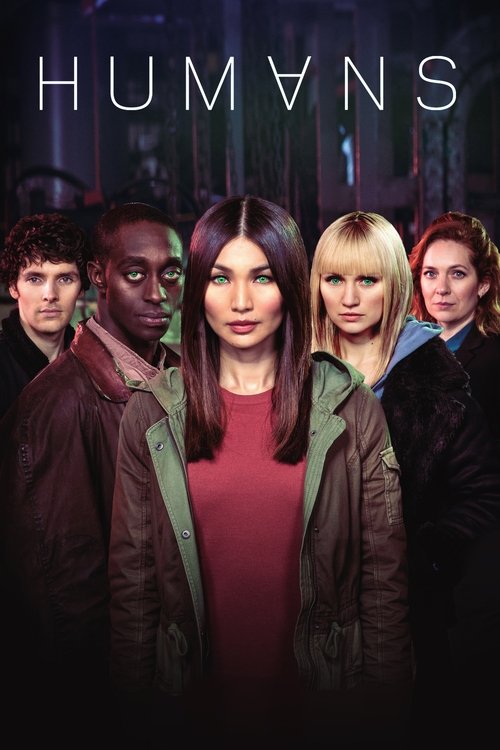
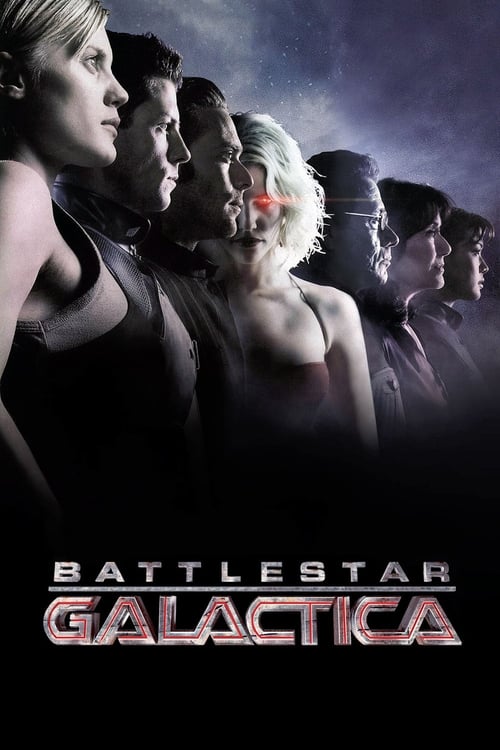
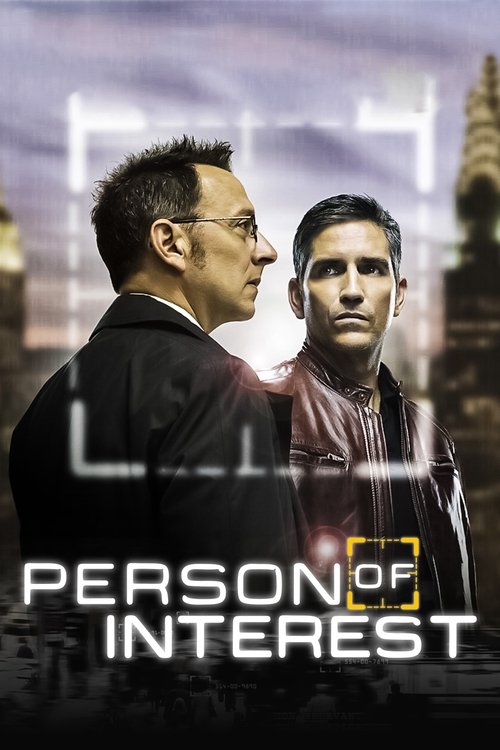
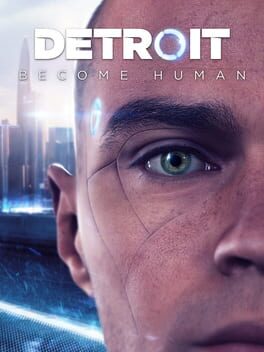
If you love the park: other stories about rebellious artificial minds
AI and android narratives across every medium


If you love the theme park gone wrong: other sinister playgrounds
Controlled environments that lose control

If you love the HBO show's puzzle-box structure: layered mystery narratives
Stories that reward close watching and re-watching


More androids and artificial minds
Robots & AI
Explore the Robots & AI guide →These violent delights have violent ends.Westworld, HBO (2016), quoting Shakespeare's Romeo and Juliet