

The year television stopped apologizing
2025 was the year the discourse finally caught up to what the best TV was actually doing. Somewhere between the astonishing late run of Severance Season 2 and the quiet devastation of The Pitt, critics remembered that prestige television is at its sharpest when it stops being cinematic and starts being itself: serialized, patient, built for the long accumulation of small moments. There were misfires. There were coronations that felt premature. But there were also a handful of series that will be argued about for years, and that is the point.
The awards conversation, earned
The series that dominated critics polls and ceremony shortlists for the right reasons




The one that redefined what a limited series can do
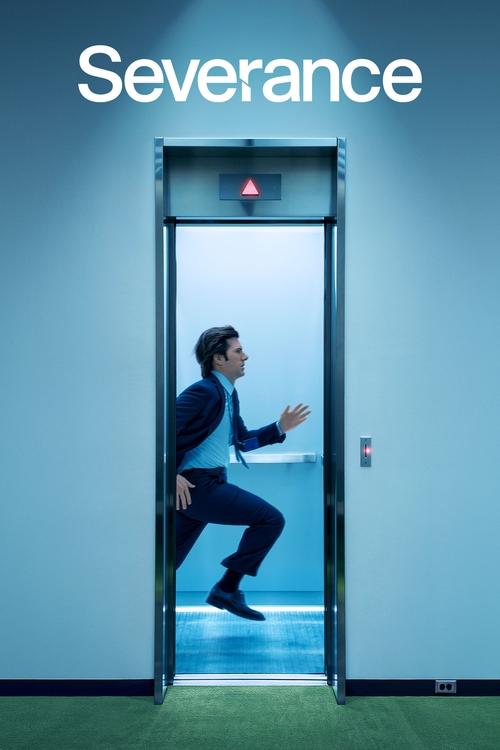
Severance Season 2 did something almost no returning limited series manages: it made the wait feel worth it without trading mystery for easy answers. The season's final stretch is as formally daring as anything Apple TV+ has commissioned, and Ben Stiller's direction found a visual language that belongs entirely to this show. It is the best returning drama of the year, and it is not close.
The crowd went with these
High-viewership, word-of-mouth hits that held up under scrutiny

The miniseries that made every other slow-burn look lazy
Adolescence arrived in March with almost no marketing and left audiences visibly shaken. Four episodes, each shot in a single continuous take, each one interrogating a different person orbiting a single act of violence. It is not comfortable television. The structural choice earns its keep because the writing is precise enough that you stop noticing it. The performance at the center is among the best single-season turns in years, and the final episode lands with a force that few dramas this decade have matched.
The critical darlings
Reviewer favorites that found a devoted audience even when the algorithm ignored them


The best TV of 2025 trusted the audience to keep up. The worst of it hired consultants to make sure they didn't have to.CrossBinge editorial
Genre done properly
Sci-fi, thriller, crime and horror that used their genre constraints as fuel rather than ceiling
The snub that still stings
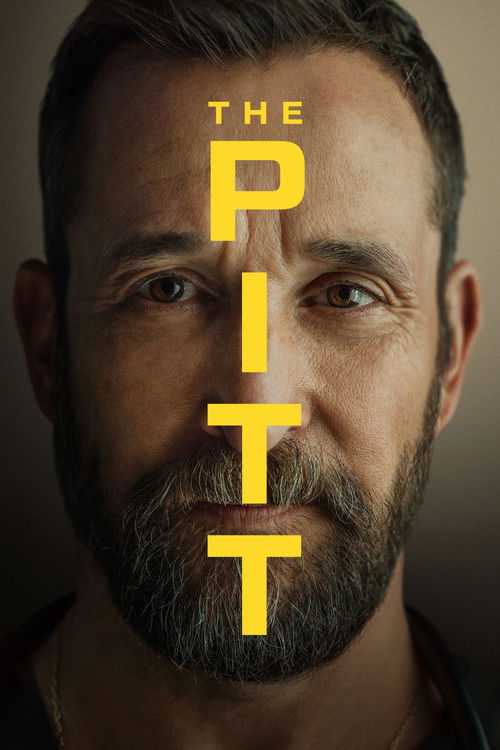
The Pitt received admiring notices and a passionate audience, but the awards conversation underweighted it because medical procedurals are still treated as a lesser form. That is wrong. The show's real-time structure is not a gimmick; it is the argument. Noah Wyle carries a season-long slow breakdown with a precision that most limited-series actors never approach, and the writing knows exactly when to be quiet. An Emmy snub here would be one of the category's routine embarrassments.
Bold formal swings
Series that chose the harder structural path and mostly got away with it

The most overrated series of the year
The White Lotus Season 3 is not bad television. The Thailand setting is gorgeous, the cast is game, and Mike White still writes cruelty with more precision than almost anyone. But the reception treated it as a continuation of the Season 2 peak, and it is not. The satirical targets are softer, the finale lands with less force, and the series spent too many episodes in the kind of beautiful-people malaise that Season 2 burned through quickly. It is very good. The insistence that it is great is the problem.
Quietly excellent, should have been louder
Underseen or under-discussed series that deserved a bigger moment


What 2025 actually proved
The streaming-fatigue narrative peaked sometime around mid-year and then quietly fell apart as the actual lineups arrived. What the year demonstrated is that the format ceiling for television has not been found: a four-episode miniseries shot in continuous takes (Adolescence), a workplace procedural structured in real time (The Pitt), a corporate sci-fi horror story that finally delivered on five years of promise (Severance). The common thread is that each of these trusted its own internal logic over the impulse to be cinematic, which is the oldest lesson in the medium and the one that keeps needing to be relearned. A few of these will be in the conversation a decade from now. That is a good year.