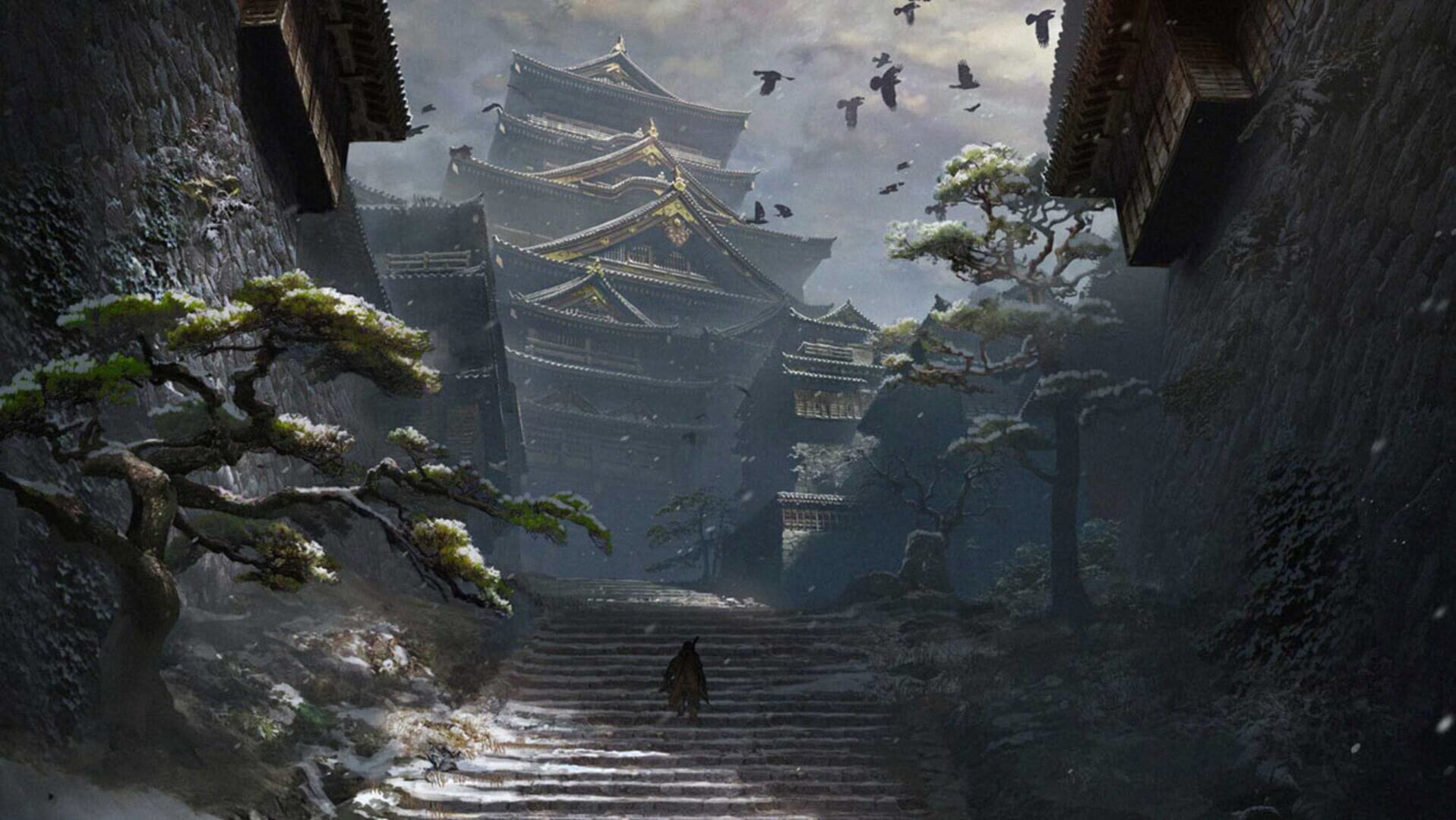

The pull of feudal Japan is specific: the sound of a katana leaving its saya in a silent room, the weight of loyalty to a lord who may not deserve it, the rigid hierarchy cracking under ambition or conscience. Fans of this setting chase something real beneath the period dress. It is the tension between duty and desire, between collective harmony and individual will, rendered in a world of lacquered armor, ink-brush scrolls, and seasonal ceremony. Whether the entry point is Kurosawa's films, the Sengoku chaos of a grand strategy game, or the quiet prose of a historical novel, the feeling is the same: a society of strict forms that barely contains the violence and tenderness underneath.
Essential Feudal Japan
The films, series, and works that define the setting


If You Love Kurosawa: Films in the Same Vein
Cinema that shares the moral weight, visual discipline, and epic scope
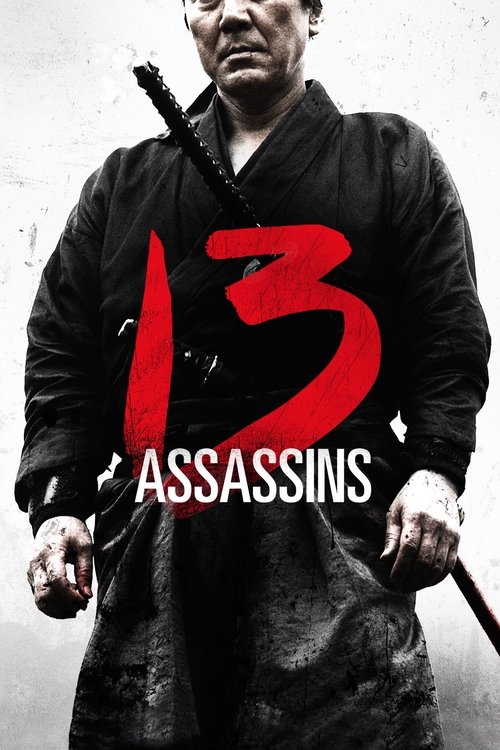
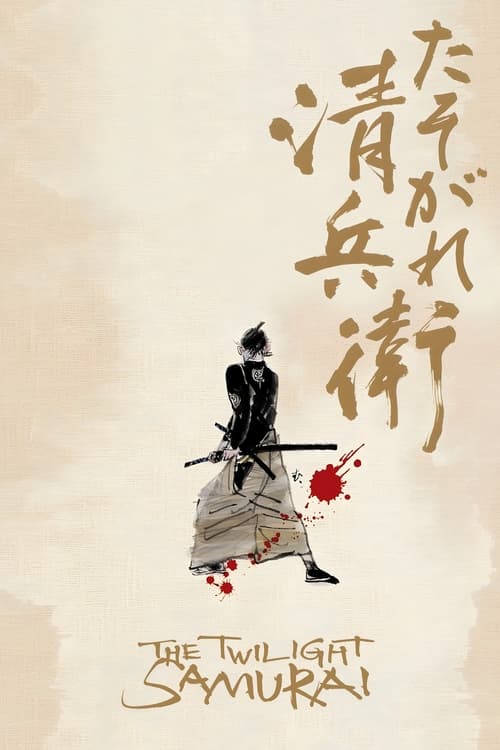
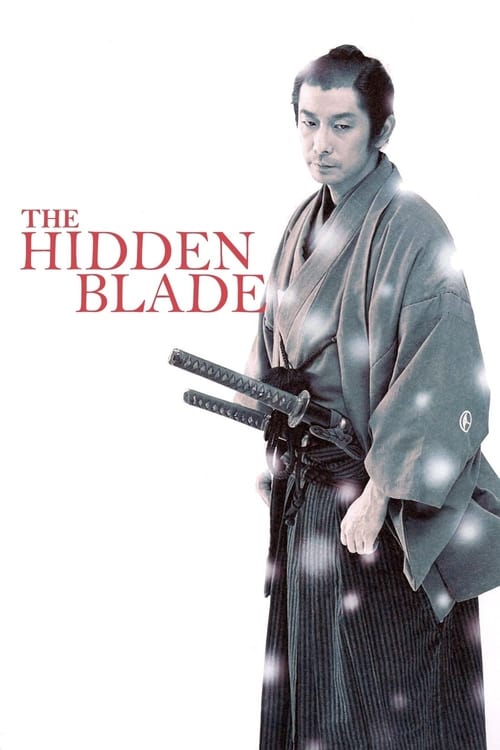
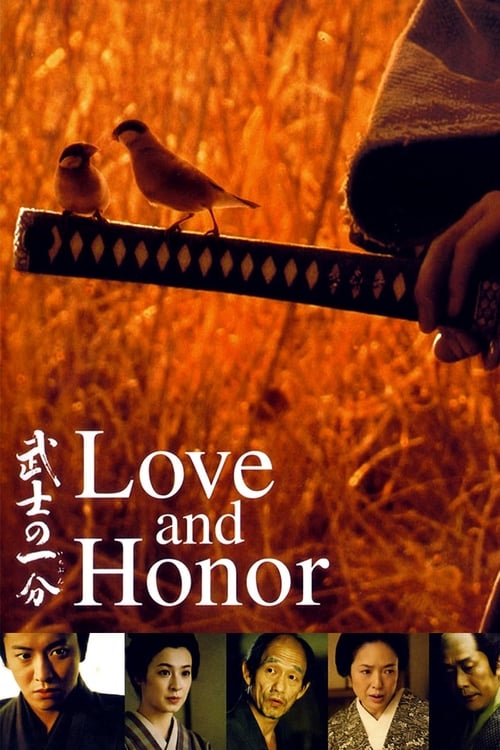
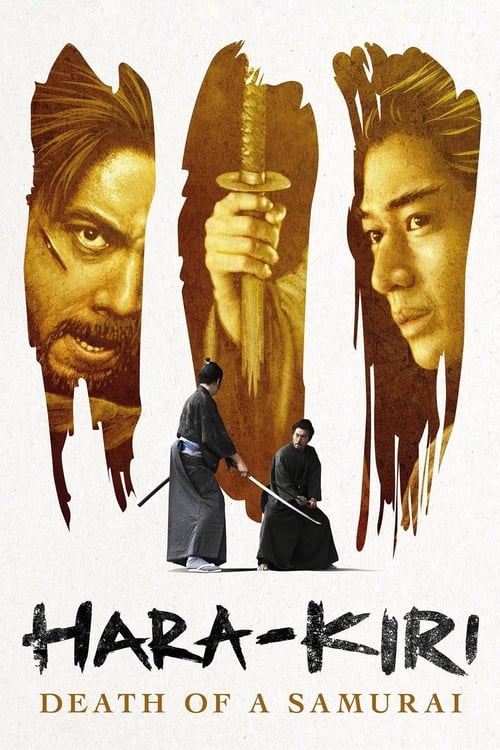
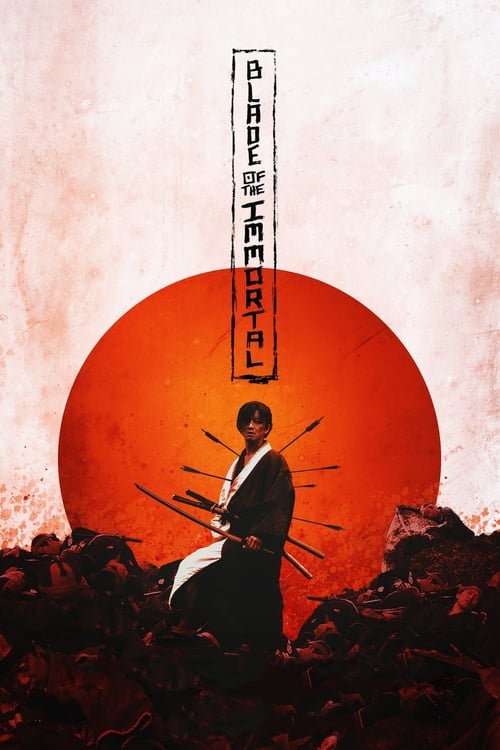
Shogunate on Screen: Series to Watch
Long-form drama that lives inside the politics, loyalty, and ceremony of feudal Japan
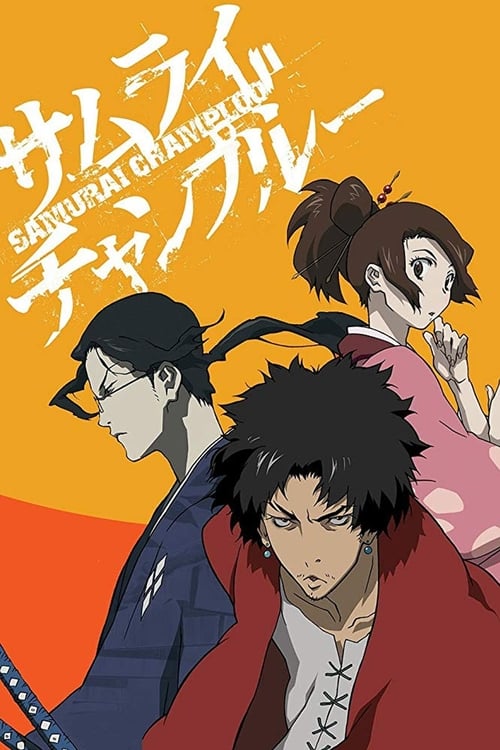

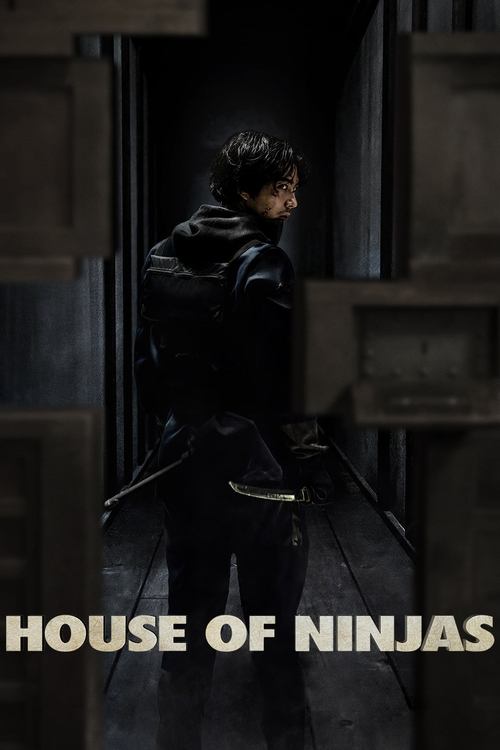
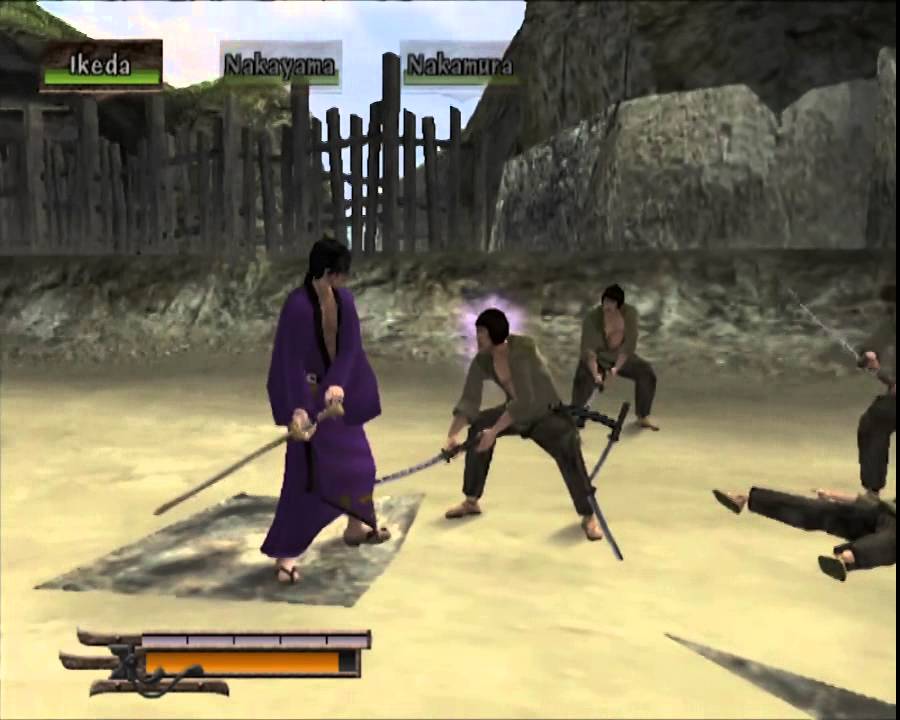
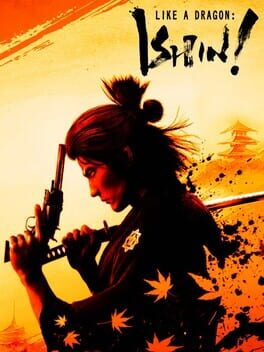
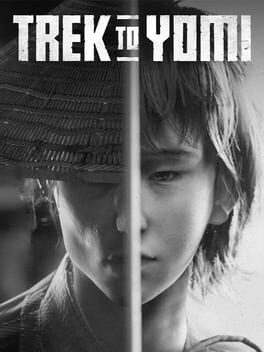
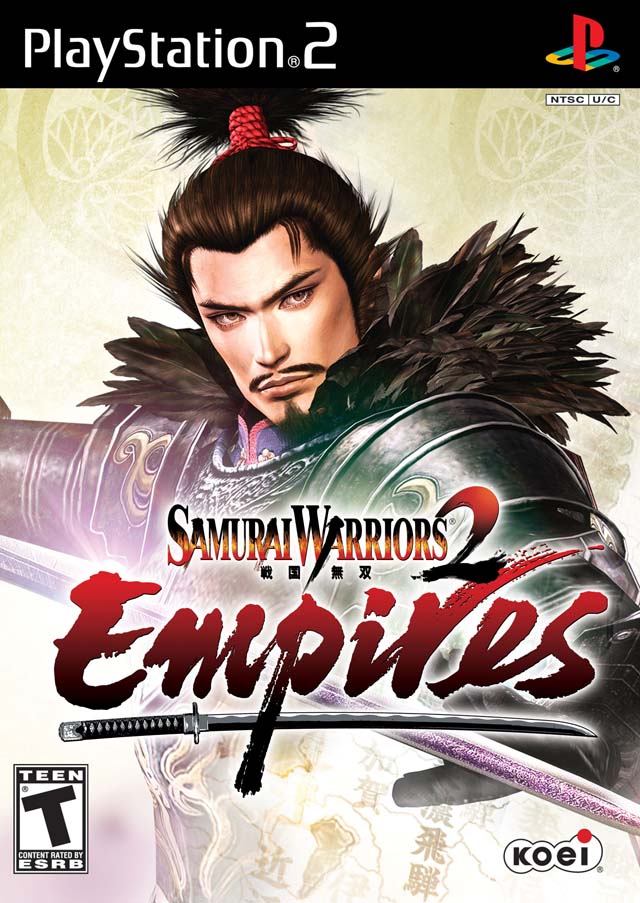
Steel and Strategy: Games Set in Feudal Japan
From samurai action to grand Sengoku campaigns
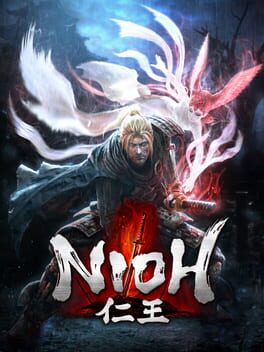
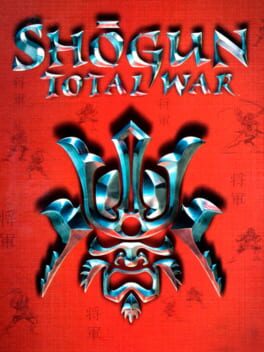
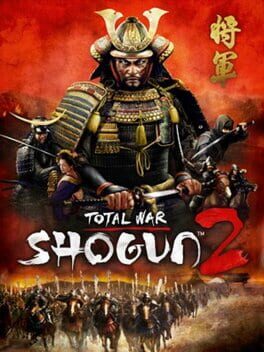
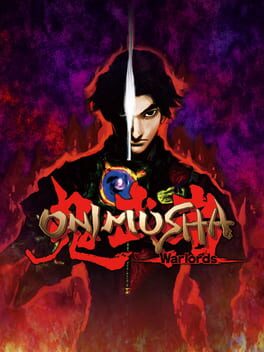
The Written Blade: Novels and Historical Fiction
Books that render the period with depth, research, and human consequence




Kurosawa Did Not Romanticize the Samurai
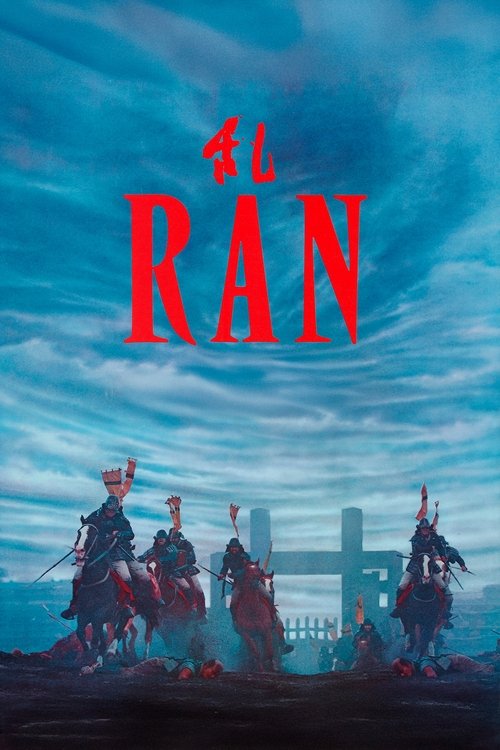
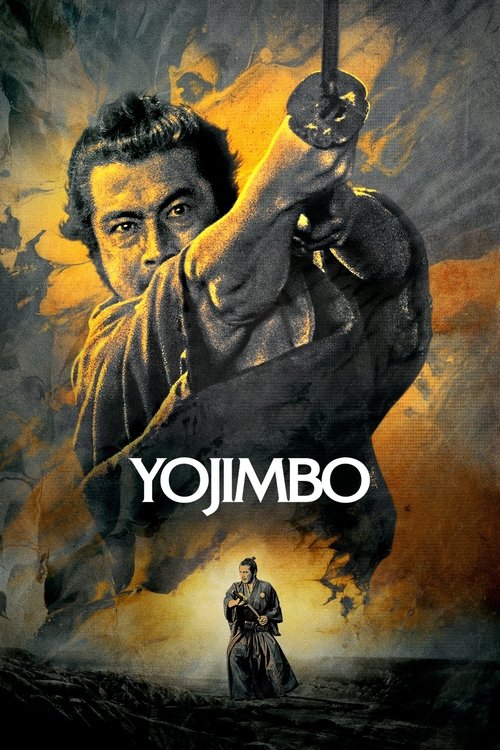
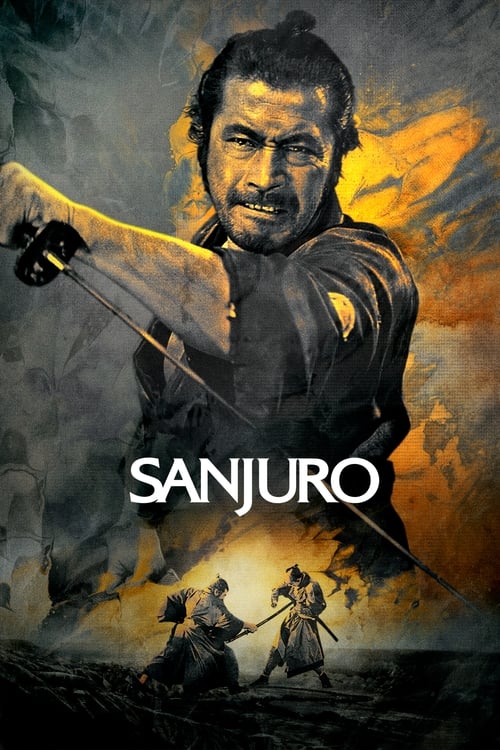
Akira Kurosawa's samurai films are often received as celebrations of the warrior class. They are the opposite. In Seven Samurai, the heroes fight for a fee and die for a village that cannot even offer them real respect. In Yojimbo, the samurai plays two corrupt factions against each other for sport and survival. In Ran, a lord's life of conquest collapses into madness and betrayal engineered by his own sons. Kurosawa used the period to interrogate power, loyalty, and the gap between the ideal of bushido and the brutal reality beneath it. That tension is what keeps the films alive decades later.
Ghost of Tsushima Is the Best Kurosawa Film That Kurosawa Never Made
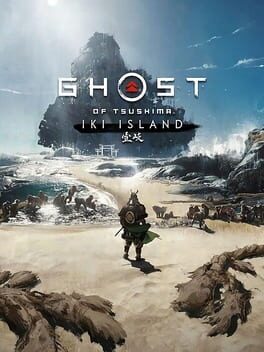
Sucker Punch built Ghost of Tsushima with an explicit Kurosawa Mode that converts the visuals to black and white, adds film grain, and dubs everything into Japanese. That mode is not a gimmick. The game's pacing, its framing of duels at dawn, its interrogation of what honor costs in an impossible war, all carry the same moral seriousness the films do. It is the rare game that earns comparison to cinema rather than simply borrowing the aesthetic.
Shogun (2024) Understood What the 1980 Miniseries Got Wrong
The 1980 Shogun miniseries centered James Clavell's novel through the eyes of the Western sailor John Blackthorne and treated feudal Japan as a backdrop for his transformation. The 2024 FX series made a structural choice that changes everything: it gives equal weight to Toda Mariko and Lord Yoshii Toranaga, so the audience understands the Japanese political stakes, not just the foreigner's bewilderment. The result is a drama about power and survival that happens to include a European, rather than a Western adventure that happens to be set in Japan.
Musashi by Eiji Yoshikawa Is Still the Standard for Samurai Fiction
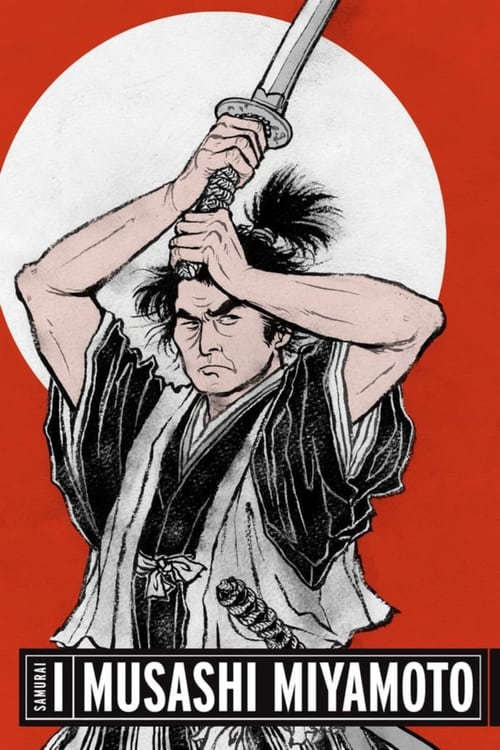
Eiji Yoshikawa serialized Musashi in a Japanese newspaper from 1935 to 1939, following the historical swordsman Miyamoto Musashi from a reckless brawler to a philosopher-warrior. The novel runs more than 900 pages and does not waste a single one. It is less interested in the mechanics of sword technique than in what a man sacrifices and what he becomes when he commits completely to a path. Virtually every samurai story written since owes something to its structure and its central question: what is mastery, and what does the pursuit of it cost you?
Feudal Japan on Screen and Page: Key Moments
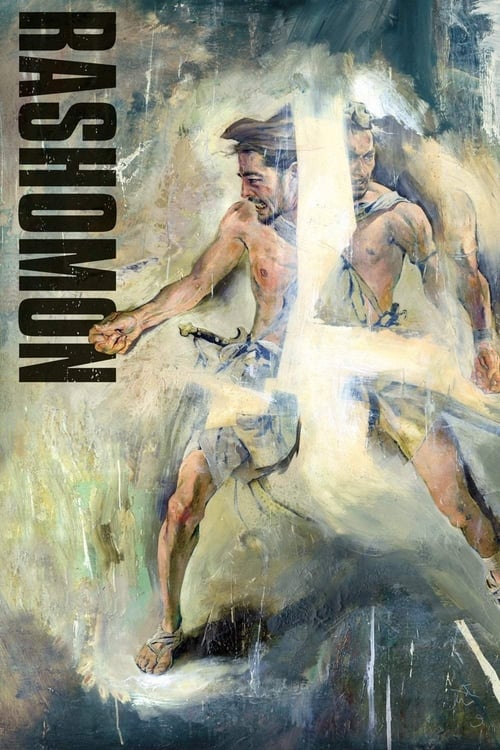
- 1950Rashomon opens the Western world to Japanese cinema and the Jidaigeki genre Rashomon
- 1954Seven Samurai sets the template for ensemble action drama Seven Samurai
- 1961Yojimbo introduces the amoral wandering swordsman archetype Yojimbo
- 1975James Clavell publishes Shogun, bringing the Sengoku period to mass Western readership
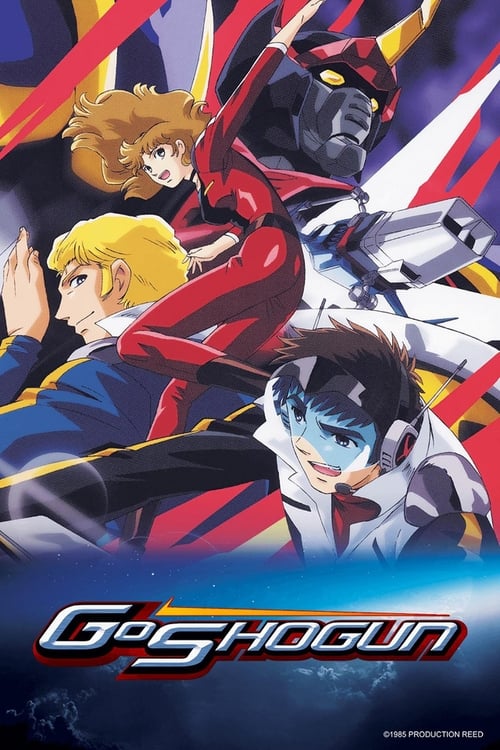
- 1980The Shogun miniseries becomes a major American television event GoShogun
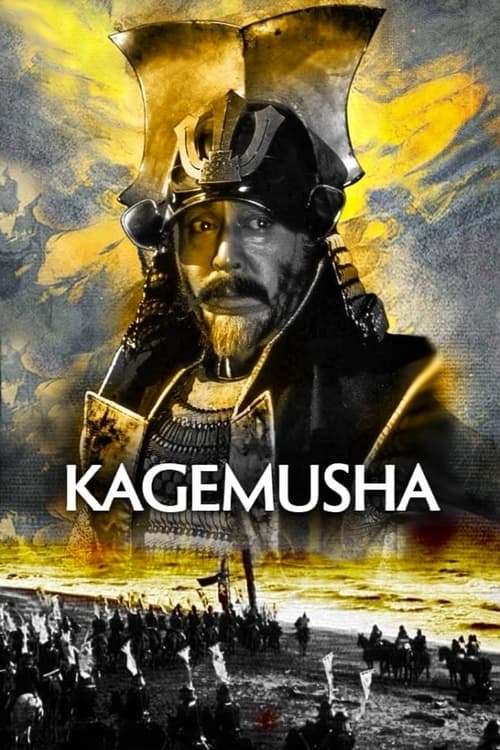
- 1985Kurosawa's Ran reimagines King Lear inside the warring states period Ran
- 2001Onimusha: Warlords brings feudal Japan to action games with supernatural stakes Onimusha: Warlords
- 2004Total War: Shogun 2 (predecessor Shogun: Total War 2000) establishes Sengoku grand strategy for PC Total War: Shogun 2
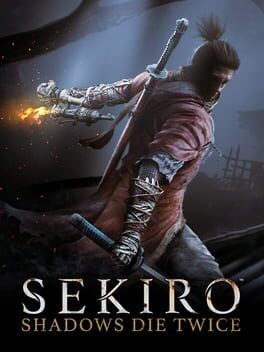
- 2019Sekiro: Shadows Die Twice raises the stakes for precision swordplay in games Sekiro: Shadows Die Twice
- 2020Ghost of Tsushima becomes the landmark open-world samurai game Ghost of Tsushima: Iki Island
- 2024The FX Shogun series wins the Emmy for Outstanding Drama and redefines the adaptation GoShogun
More samurai, ninja, and martial arts
Samurai & Feudal Japan
Explore the Samurai & Feudal Japan guide →The perfect samurai story is not about winning. It is about choosing what you will die for, and whether that choice was worth it.CrossBinge editorial