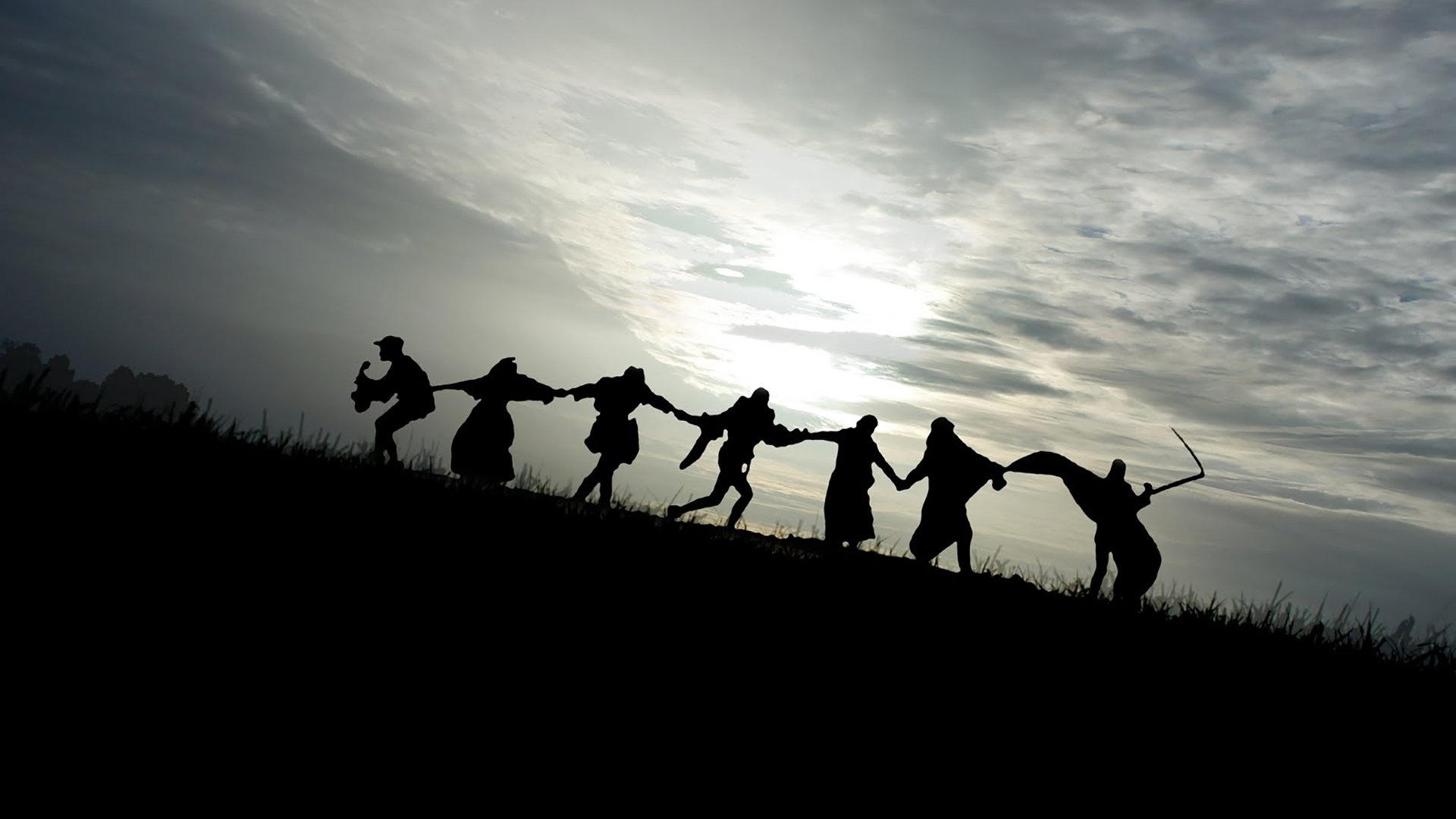

Ingmar Bergman made films as if confession and catharsis were the same act. Working almost entirely in Sweden across four decades, he built an unmatched body of work around the hardest questions: whether God exists, whether love survives honesty, whether the self is knowable at all. His visual language, honed with cinematographers Gunnar Fischer and later Sven Nykvist, reduced the human face to a landscape. Close-ups became excavations. What draws fans back is not the bleakness (though there is plenty) but the intimacy: Bergman always believed that facing darkness together, in a dark room, was its own form of grace. The actors he returned to again and again, Liv Ullmann, Bibi Andersson, Max von Sydow, Gunnar Bjornstrand, became vessels for an ongoing inquiry into what it means to be alive and uncertain.
Essential Ingmar Bergman
The films that define the canon, from early allegory to late chamber intimacy





Same Existential Frequency: Directors Who Ask the Same Questions
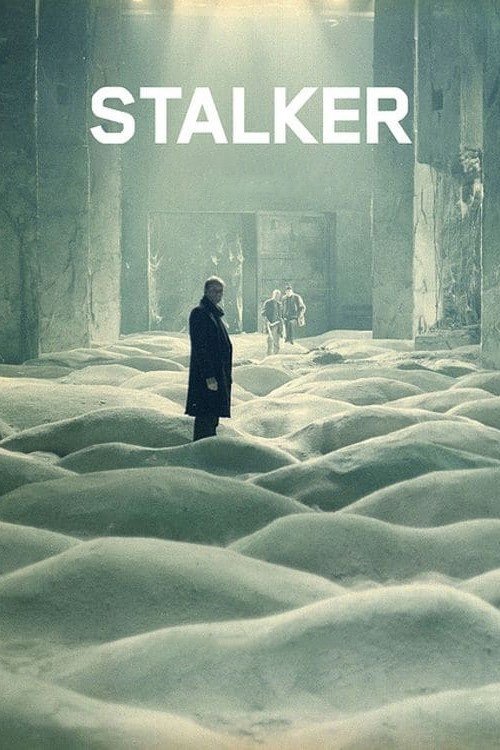
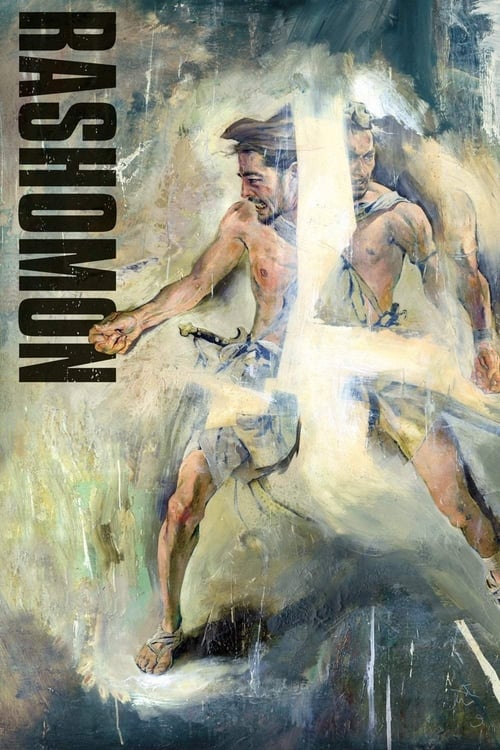
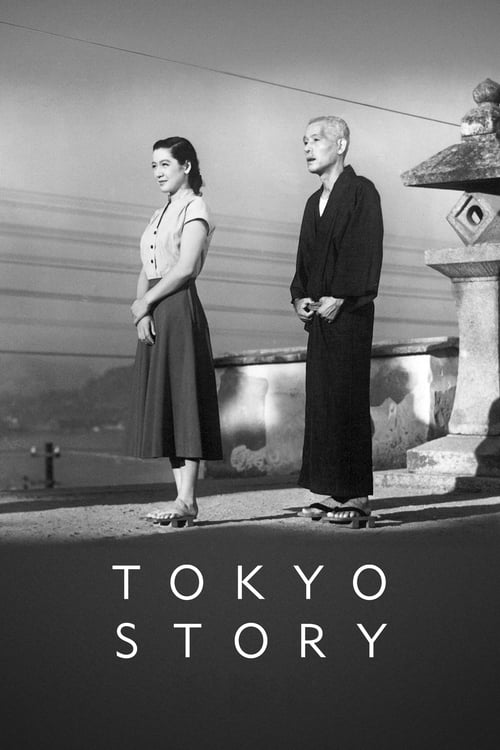
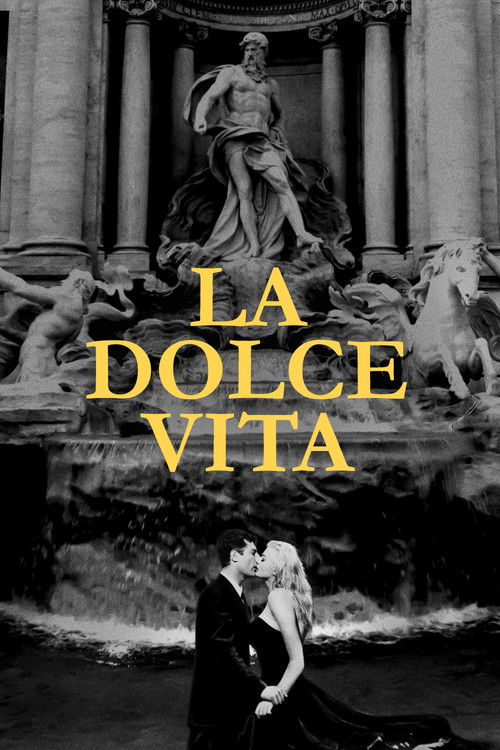
Films by directors who share Bergman's commitment to psychological depth and unresolved tension




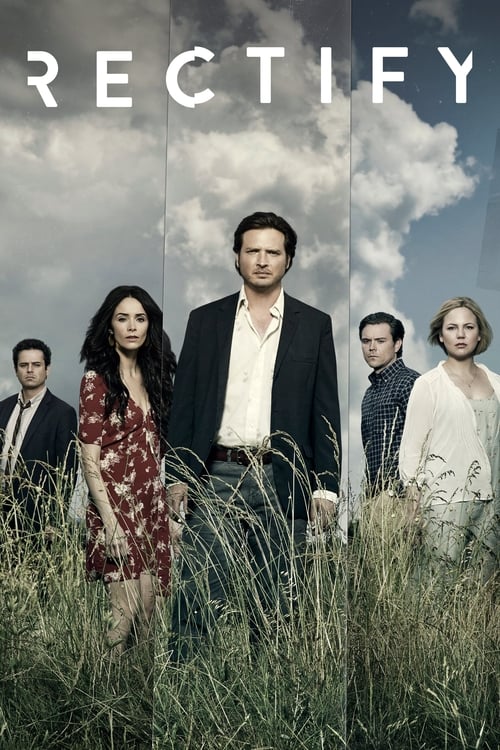
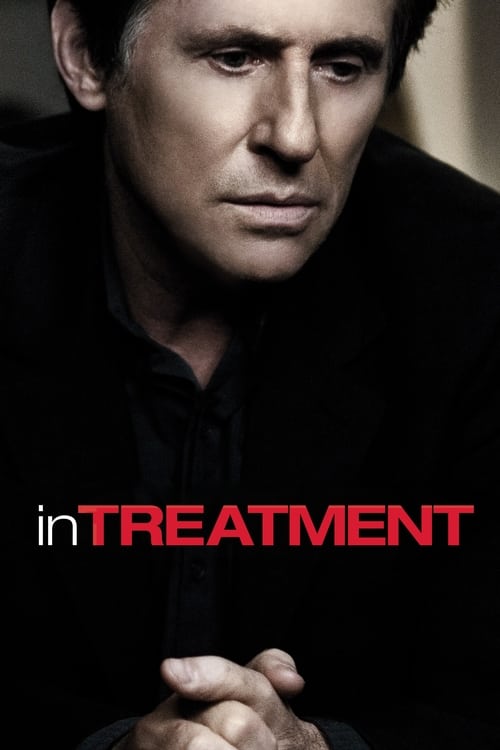
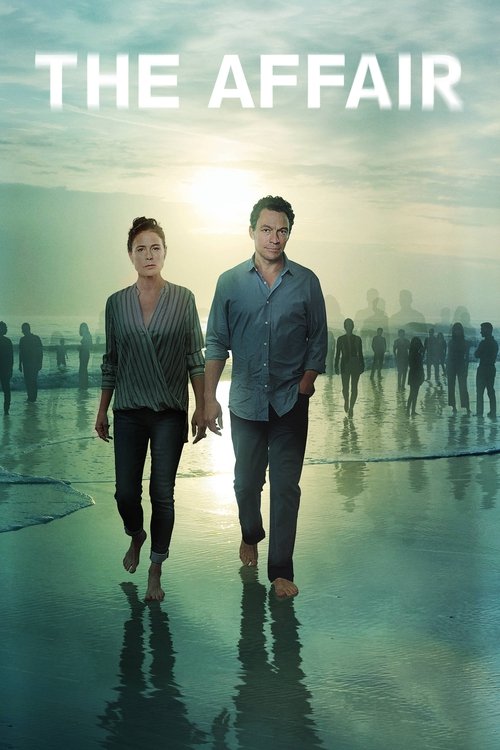
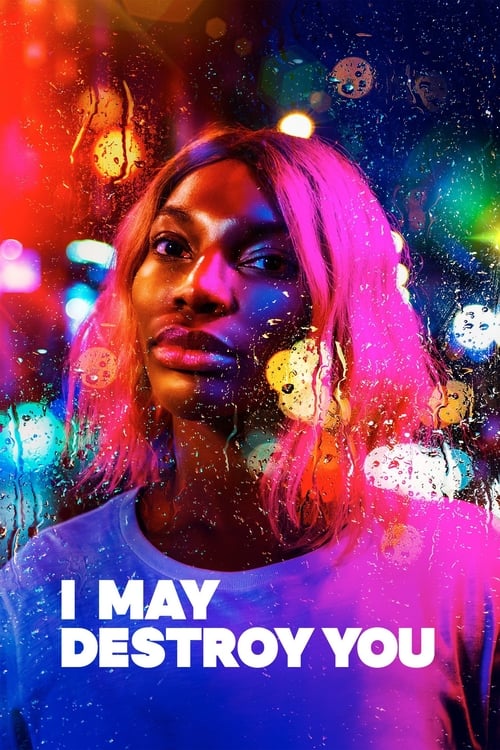
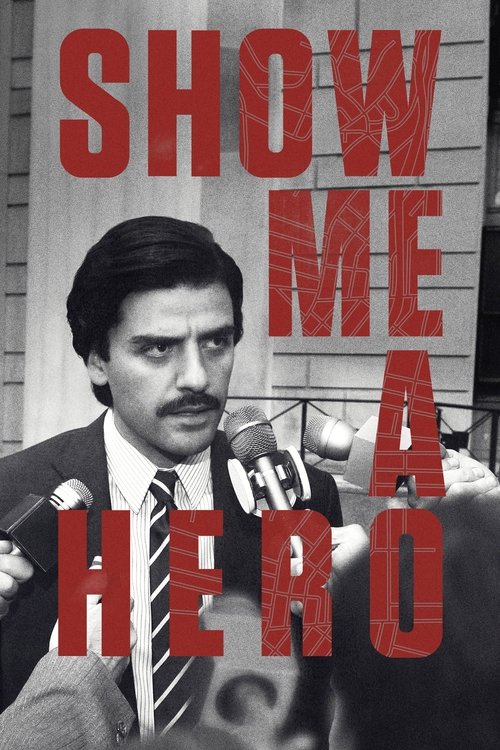
Bergman on the Small Screen: Series That Share His Interiority
Television that treats character as the whole subject, with the same unsparing gaze



The Page Behind the Screen: Books That Feed the Same Hunger
Novels and plays that dig into faith, mortality, identity, and the silence between people


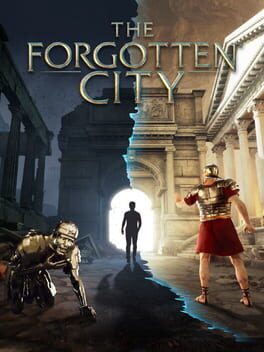
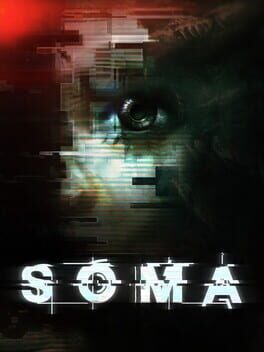
Games That Live in the Mind, Not the Reflex
Games that share Bergman's aesthetic of confronting the self with nowhere to hide





The Close-Up Is His Signature
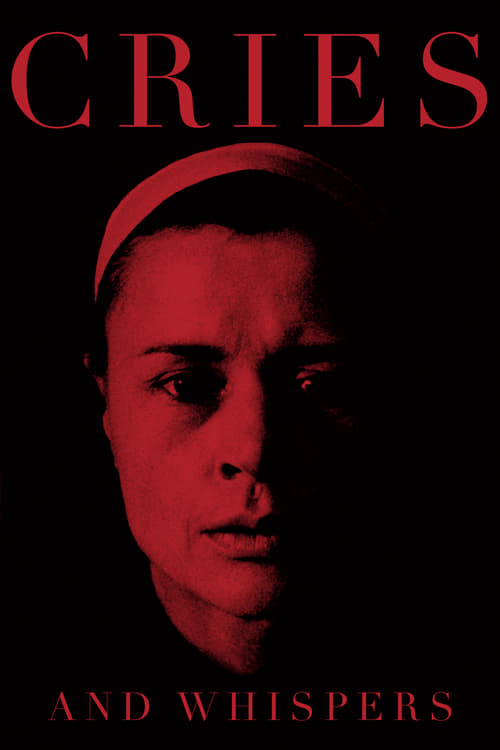
No director before or since has used the human face so relentlessly as the primary setting of a film. In Persona, two women's faces merge into one. In Cries and Whispers, each close-up holds the camera long past comfort. Bergman understood that the face is where philosophy becomes physical: you can discuss mortality, but you can see it in someone's eyes. This is why his films are not cold despite their difficulty. They are nakedly human.
Faith Without Comfort
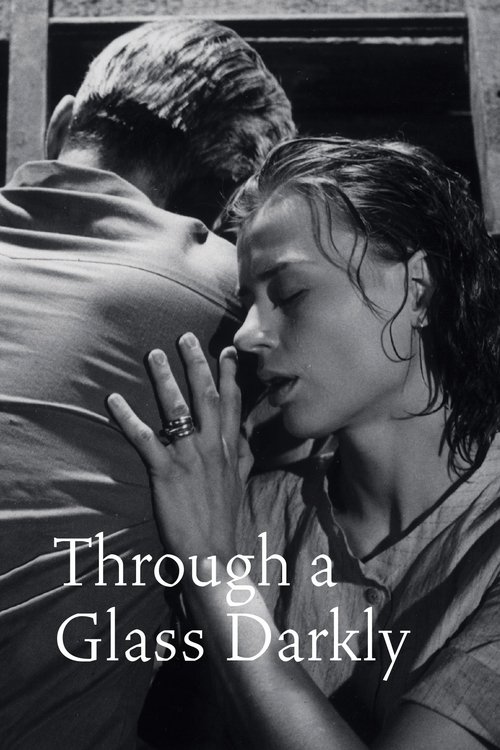
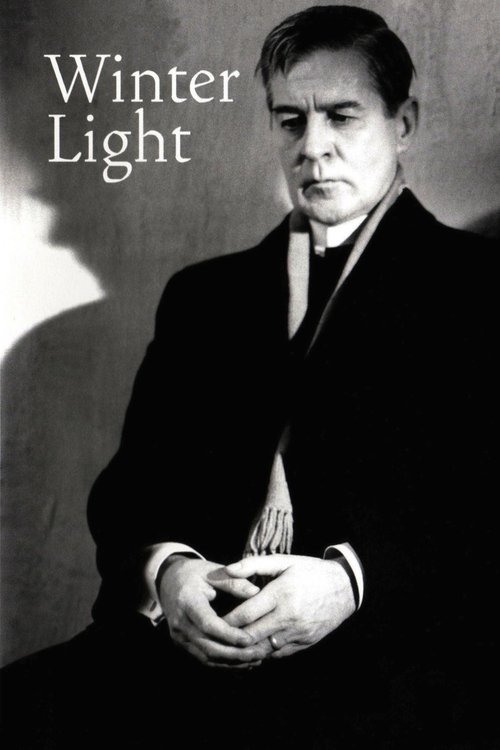
The God Trilogy (Through a Glass Darkly, Winter Light, The Silence) is the most honest treatment of religious doubt in cinema. Bergman did not dismiss belief or confirm it. He showed what it costs to need something transcendent and find only silence. Winter Light in particular, seventy minutes in a near-empty church, leaves the question genuinely open. That refusal to resolve is what makes it endure.
Marriage as the Hardest Subject
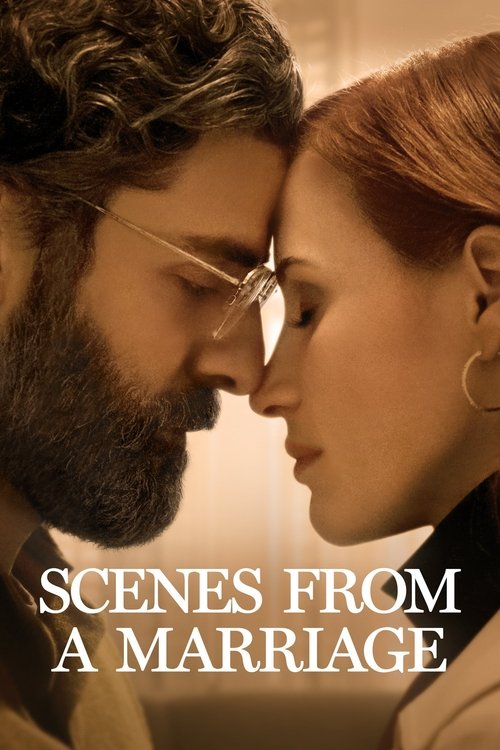
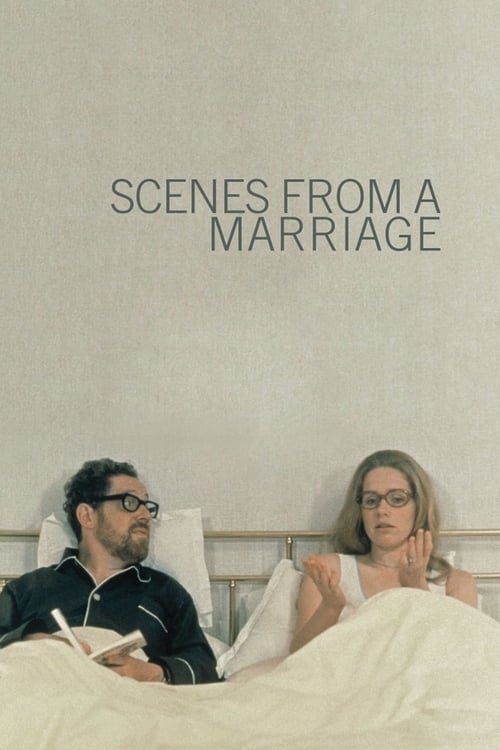
Scenes from a Marriage (1973, originally a six-part TV series before the theatrical cut) is the definitive portrait of a relationship dissolving in slow motion. Liv Ullmann and Erland Josephson are extraordinary: two people who loved each other undone not by cruelty but by inattention, cowardice, and the slow erosion that honesty deferred produces. Bergman returned to the same couple three decades later in Saraband (2003), and the continuity is devastating.
Fanny and Alexander Is His Most Generous Film
After a career built on stripping things away, Bergman's final theatrical feature (1982) is an act of abundance. It is warm, grotesque, funny, frightening, and ultimately a love letter to storytelling itself. The bishop's cold house is pure earlier Bergman; the Ekdahl family's chaos is something new. Fans who have climbed through the severity of the 1960s trilogy earn this arrival.
Bergman Across the Decades
- 1953Breakthrough: a young director finds his theme Summer with Monika
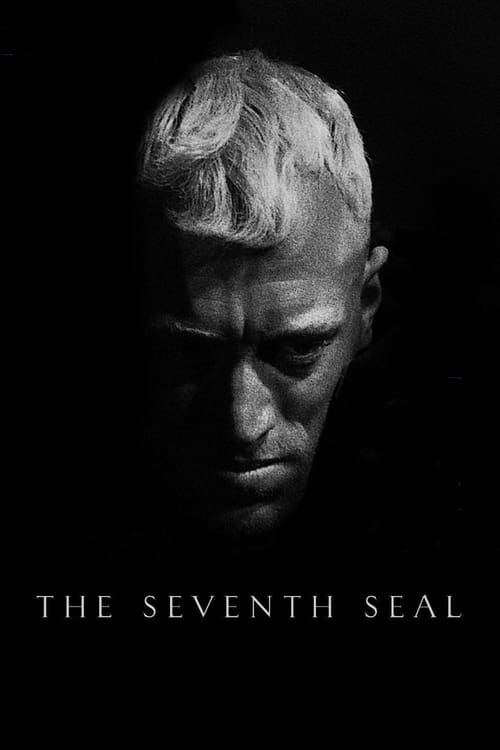
- 1957Two masterworks in one year cement his international reputation The Seventh Seal
- 1957Memory, regret, and a dying professor's long drive Wild Strawberries
- 1960The God Trilogy begins Through a Glass Darkly
- 1966His most radical formal experiment: two women, one face Persona
- 1972Death, sisterhood, and a bleeding body Cries and Whispers
- 1973Six-part television dissection of a marriage Scenes from a Marriage
- 1978Mother and daughter confront each other after years apart Autumn Sonata
- 1982His announced final theatrical film, a summation Fanny and Alexander
- 2003Final work: the same couple, thirty years on Sara
Swedish Cinema of the Soul
Swedish Film and Television
Explore the Swedish Film and Television guide →No form of art goes beyond ordinary consciousness as film does, straight to our emotions, deep into the twilight room of the soul.Ingmar Bergman