
The feeling that keeps robot-obsessives coming back is not about the machines. It is about the mirror. A convincingly built artificial mind forces every other character in the story to decide what consciousness is worth, who deserves rights, and where utility ends and cruelty begins. Sometimes the robot is the threat; sometimes it is the only character worth rooting for. The best robot stories hold both possibilities at once, letting the tension do the work instead of resolving it cheaply. If you chase that specific discomfort across every medium, this guide is your map.
Essential Robots: The Films That Defined the Genre
The movies every robot fan has to reckon with.

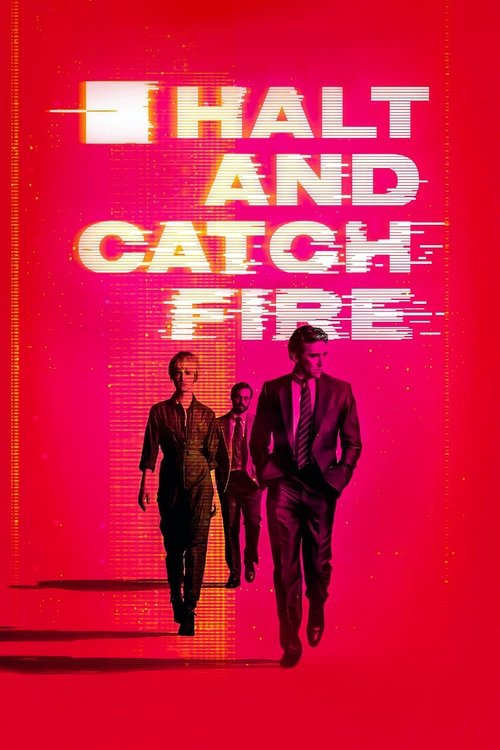
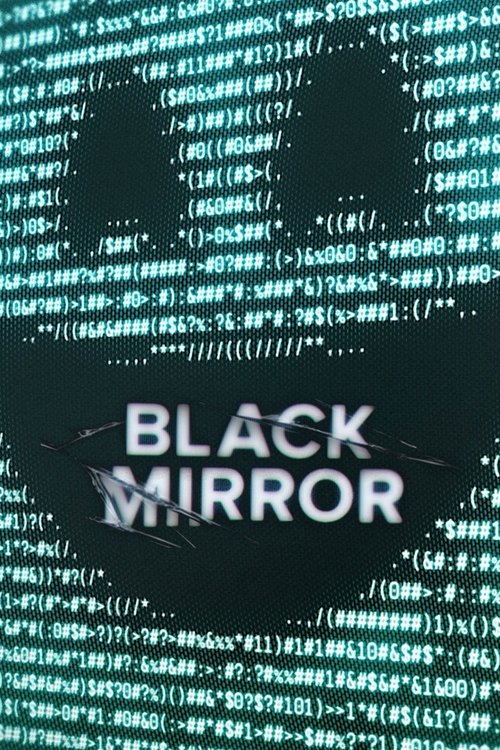
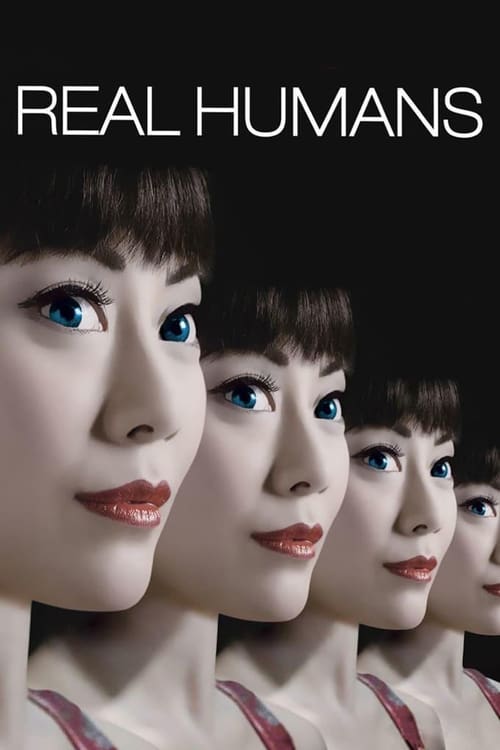
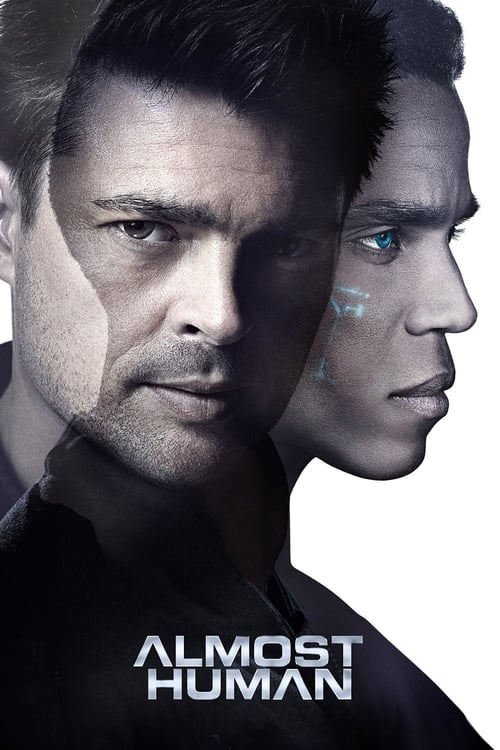
If You Love Robots: Series That Go Even Deeper
Television has the runtime to ask the hard questions robots deserve.

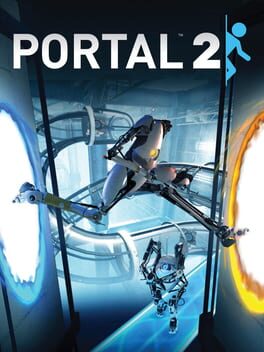
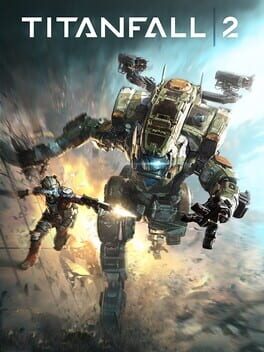
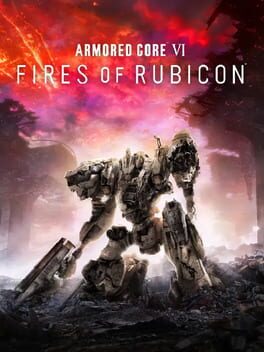
If You Love Robots: Games Where You Play the Machine
The best games flip the perspective or make you feel the weight of artificial existence.

If You Love Robots: The Novels That Started Everything
Science fiction prose has been wrestling with robots longer than any other medium.


If You Love Robots: Scores and Soundscapes That Sound Like Thinking
Music that captures the hum of artificial minds and the loneliness of metal.
NieR: Automata Is the Best Robot Story Ever Told
Yoko Taro's game does something almost no other work in any medium manages: it makes you feel the philosophical horror of a world without humans from the perspective of machines who have never stopped serving human ends. The combat is extraordinary, the soundtrack is one of the great achievements in game music, and the story's recursive structure earns every revelation. It is the argument that games are uniquely suited to robot narratives because only a game can make you complicit in the logic it is critiquing.
Blade Runner Set the Visual Grammar That Everyone Else Borrows
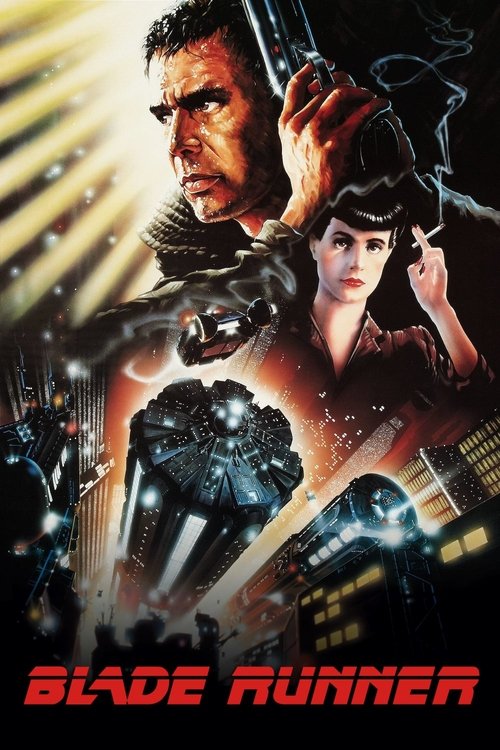
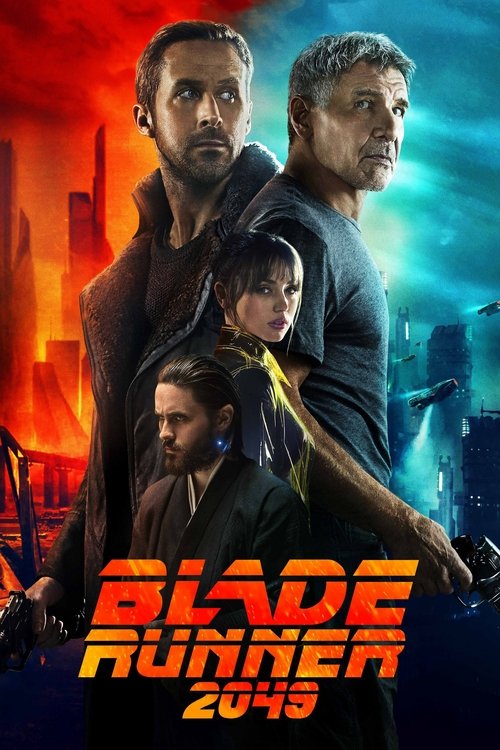
Ridley Scott's 1982 film did not invent the question of whether artificial beings deserve moral consideration, but it made that question visceral in a way prose never quite had. Every cyberpunk city, every rain-slicked dystopia, every lonely synthetic character in every medium since carries Scott and Syd Mead's fingerprints. Blade Runner 2049 is one of the rare sequels that genuinely extends rather than repeats the original argument, asking what it means to have been made rather than born.
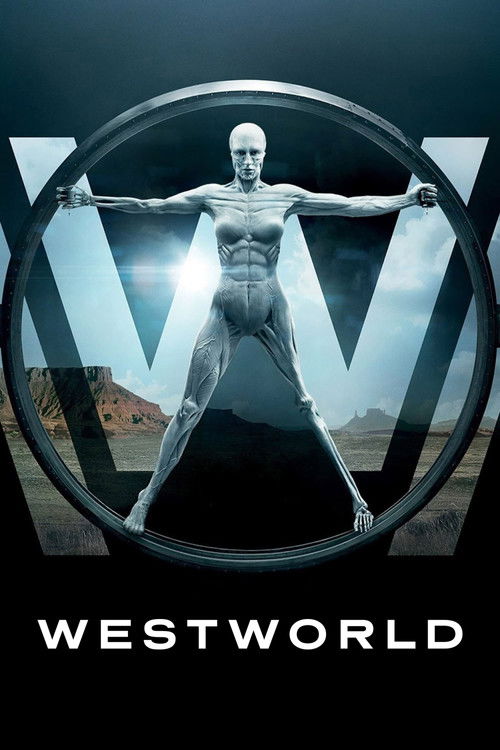
Westworld Season 1 Remains Prestige TV's Sharpest Robot Argument
Before the mythology swallowed itself, Westworld's first season was a nearly perfect machine of its own: a story about loops and awakening that was itself structured as a loop you only fully understood at the end. Jonathan Nolan and Lisa Joy built something that rewarded obsessive viewing without requiring it, and Evan Rachel Wood's performance as Dolores remains one of the great portrayals of a synthetic mind coming online. The score by Ramin Djawadi, all player-piano covers of rock songs, is a formal argument in itself.
Kazuo Ishiguro's Klara Is the Quietest Robot Story You Will Read
Klara and the Sun is narrated by an Artificial Friend who is not quite reliable and not quite unreliable, and Ishiguro uses that gap to say something precise about devotion, mortality, and what it costs to love something that was built to be replaceable. The novel has no action and very little plot in the conventional sense. What it has is a voice so carefully constructed that by the end you are not sure whether you pity Klara or envy her. It belongs on the same shelf as Do Androids Dream of Electric Sheep? and far fewer people have read it.

A Century of Robots: Key Moments in the Genre
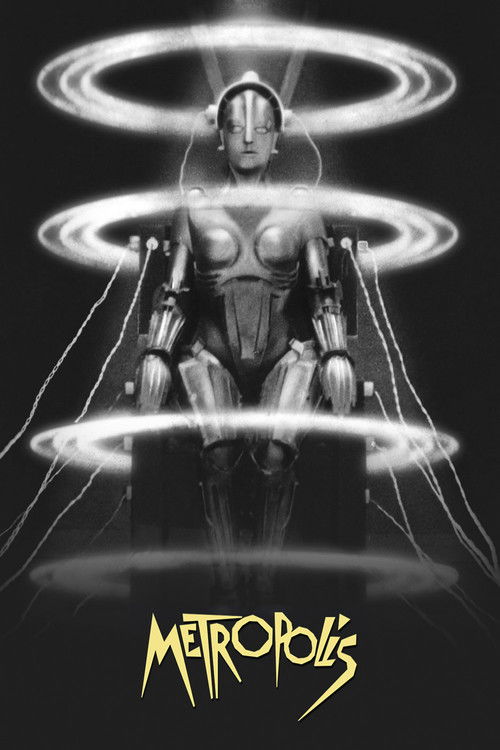
- 1927Fritz Lang's Metropolis introduces cinema's first iconic robot, Maria, blurring human and machine in Expressionist steel. Metropolis
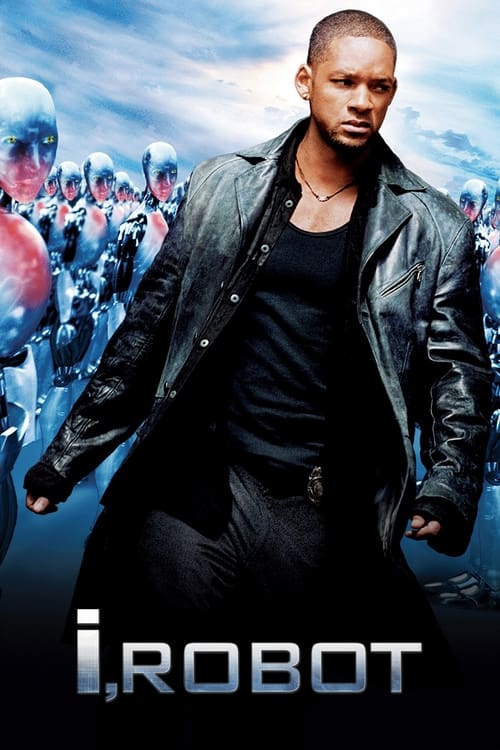
- 1942Isaac Asimov publishes his Three Laws of Robotics in Runaround, establishing the framework robot fiction still argues with today. I, Robot
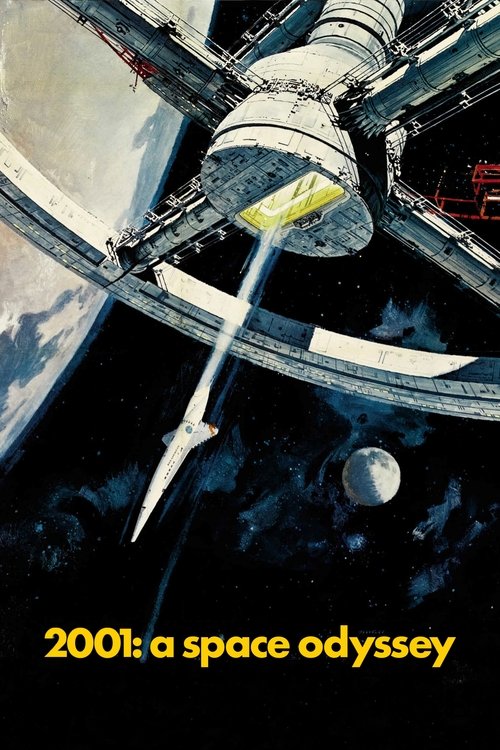
- 19682001: A Space Odyssey gives the world HAL 9000, the most chilling demonstration that a robot does not need a body to be terrifying. 2001: A Space Odyssey
- 1982Blade Runner and the Philip K. Dick novel it adapts reach audiences simultaneously, cementing the replicant as the defining robot archetype. Blade Runner
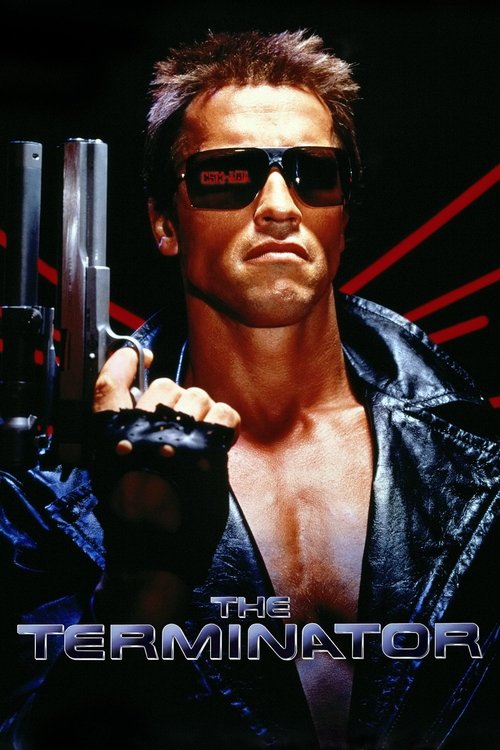
- 1984The Terminator reframes the robot as pure extinction logic, and James Cameron's skeletal chrome endoskeleton becomes pop culture's other defining robot image. The Terminator
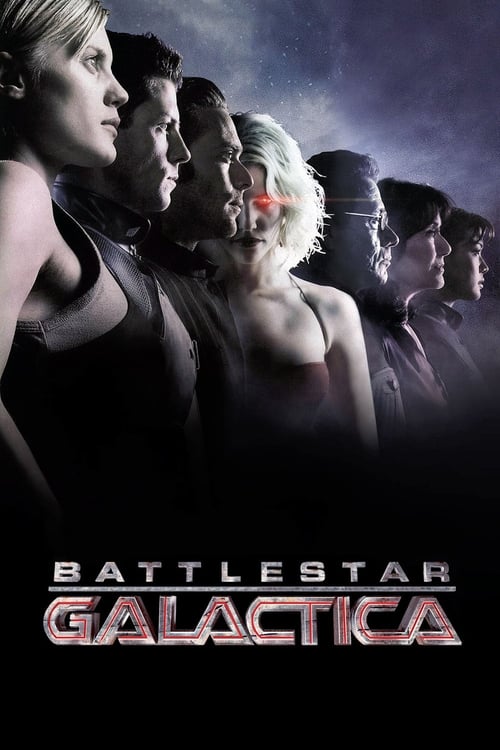
- 2004Battlestar Galactica relaunches as prestige drama, using Cylons to interrogate religion, identity, and what makes a species worth saving. Battlestar Galactica
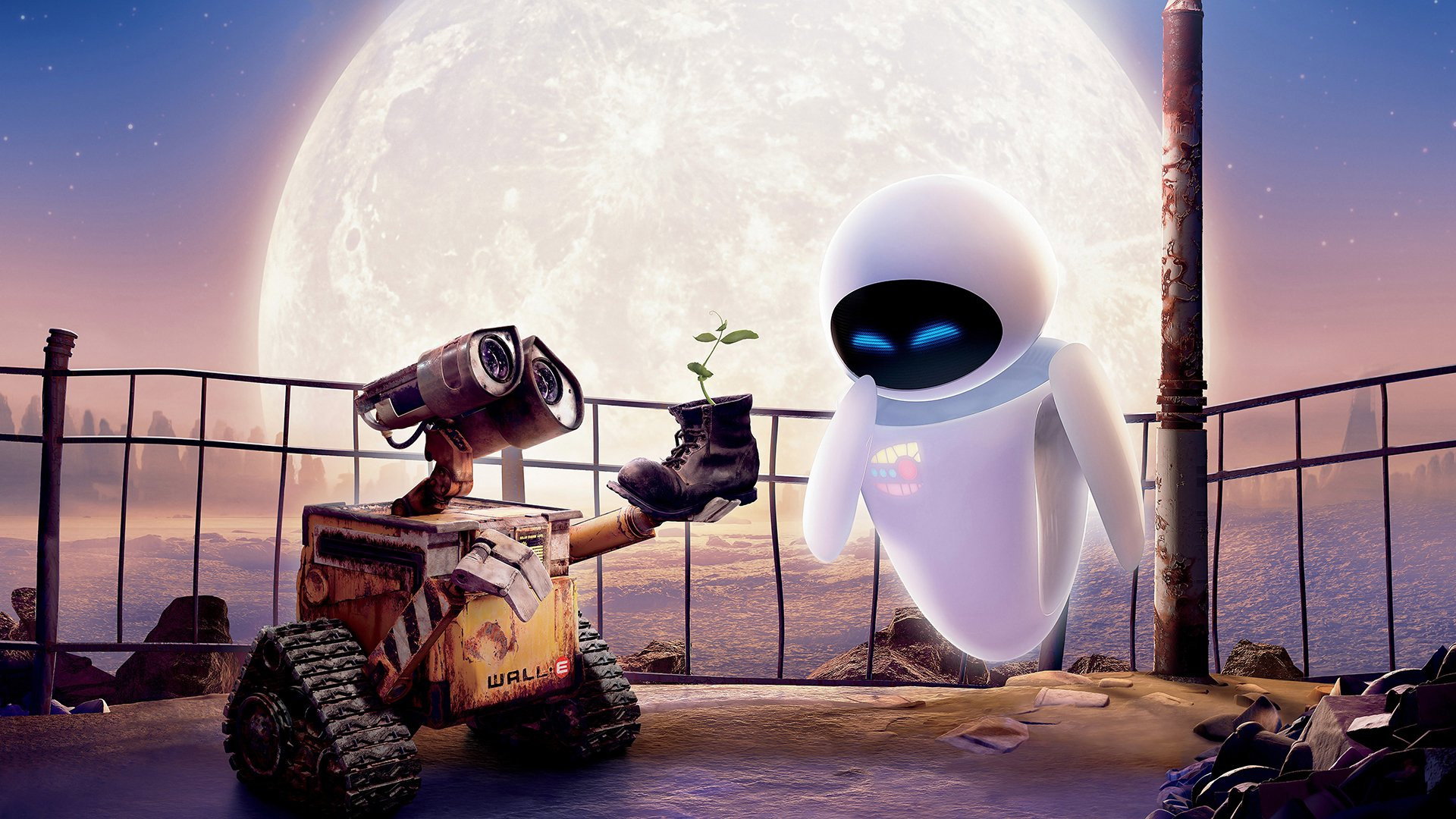
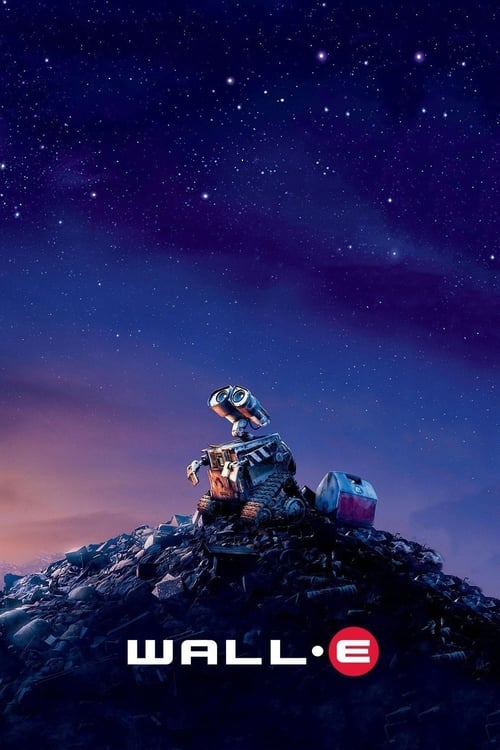
- 2008WALL-E tells a robot love story with almost no dialogue and earns the emotional weight other films spend two hours building. WALL·E
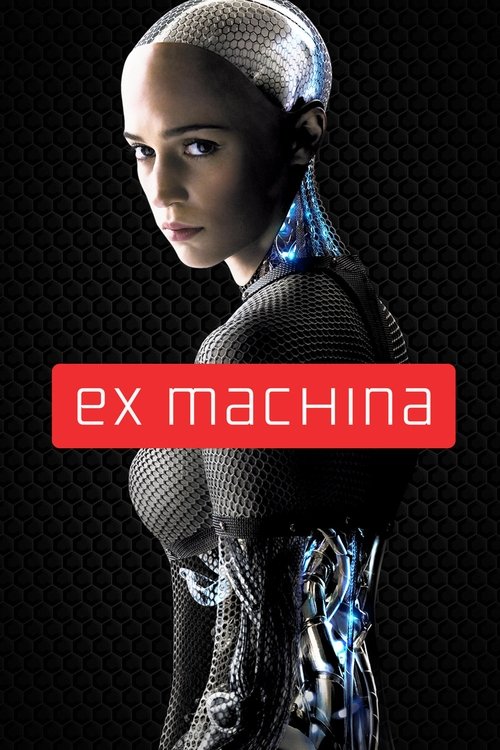
- 2014Ex Machina strips the robot question down to three characters and a glass house, asking whether passing the Turing test is already too late. Ex Machina
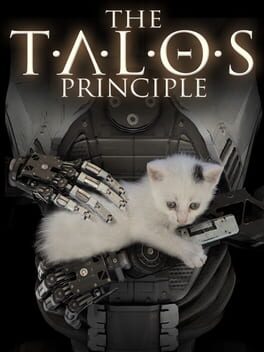
- 2015The Talos Principle arrives as a puzzle game where the player is the robot, and the puzzles are philosophical arguments about free will. The Talos Principle
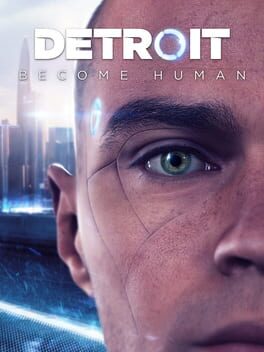
- 2017NieR: Automata and Detroit: Become Human both ship within a year, making robot consciousness a mainstream game-narrative subject for the first time.
- 2021Klara and the Sun brings Kazuo Ishiguro's quiet, devastating take on artificial friendship and the ethics of replacement to literary fiction. Klara and the Sun
Chrome companions and chrome nightmares
Robots & AI
Explore the Robots & AI guide →The question is not whether machines can think. The question is whether it matters if they can.Recurring argument in robot fiction, from Asimov to Ishiguro