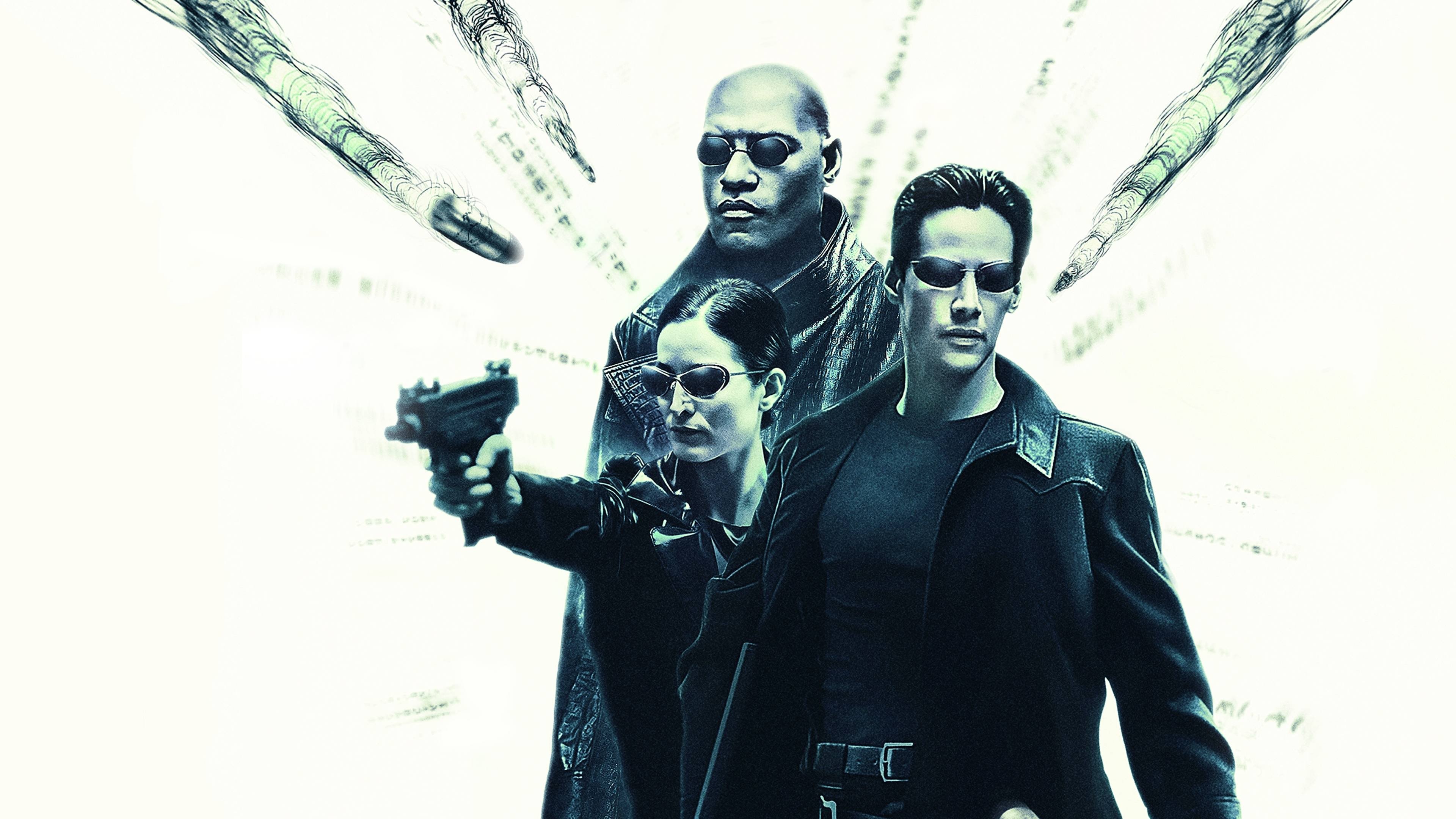

Lana and Lilly Wachowski arrived with 'Bound' in 1996 and then detonated 'The Matrix' three years later, permanently rewiring how action cinema thinks about philosophy, choreography, and visual grammar. Their through-line is not just genre spectacle: it is the question of what is real, who gets to define it, and what it costs to refuse the answer you were handed. From the leather-and-noir claustrophobia of 'Bound' to the operatic scale of 'Speed Racer' and 'Cloud Atlas' to the gleeful chaos of 'Sense8', the Wachowskis have always been making films about liberation, identity, and the courage required to choose yourself over the system that built you. Every frame argues that style is inseparable from substance.
Essential Wachowskis
The filmography, ranked by the ambition they dared to put on screen
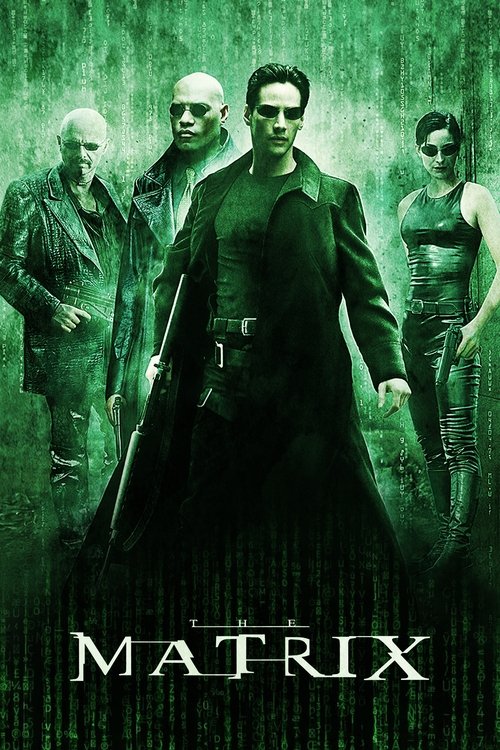
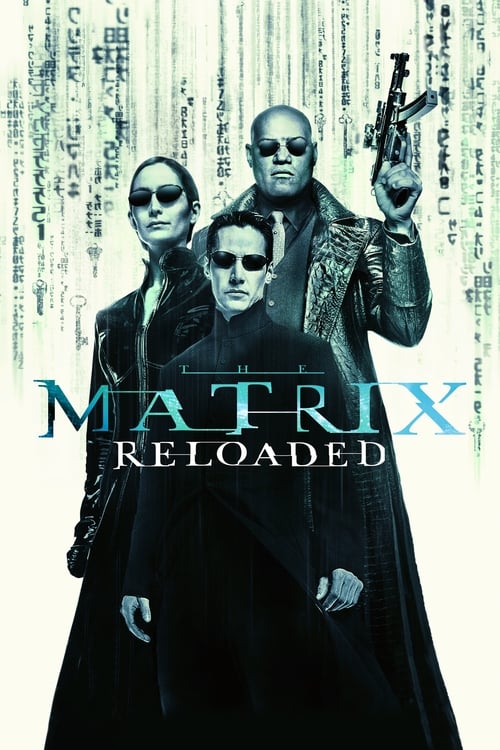
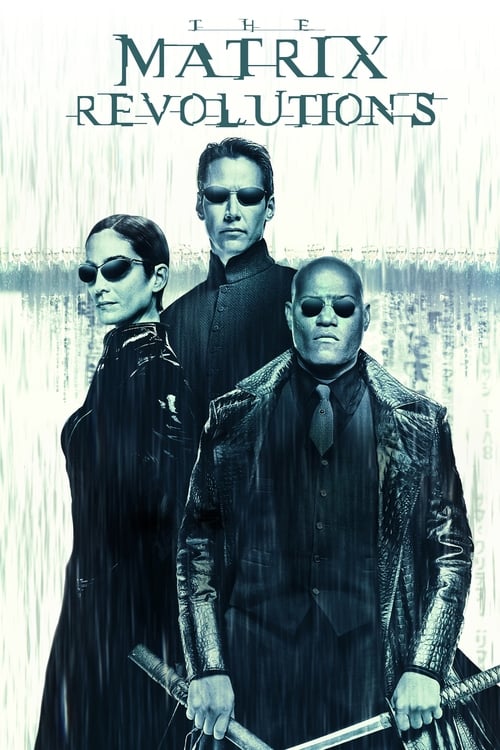


Films That Rewire Reality
Directors who share the Wachowskis' conviction that cinema should bend perception, not just story


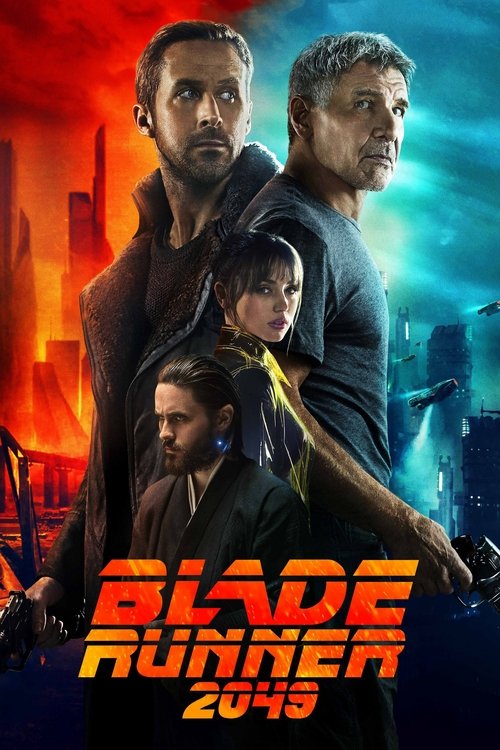

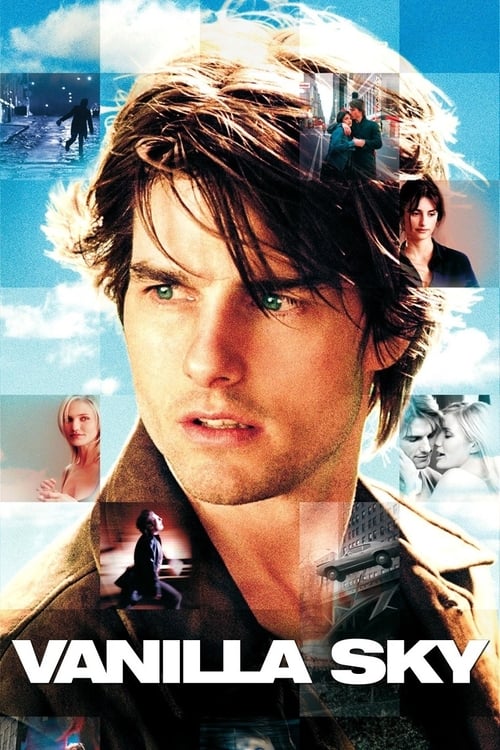

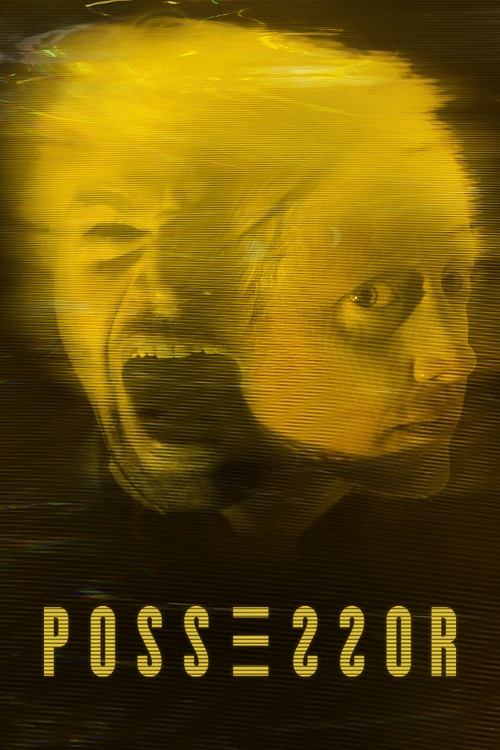
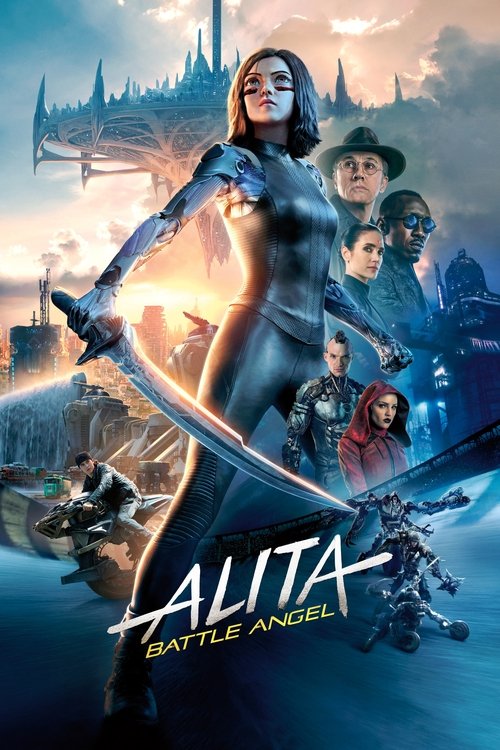
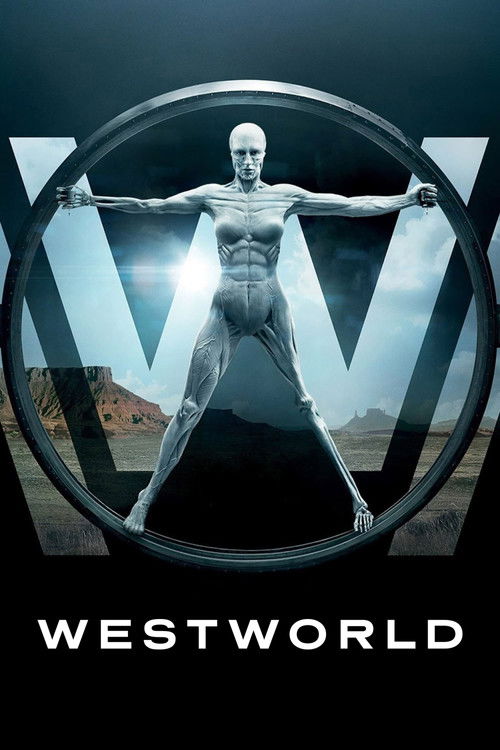
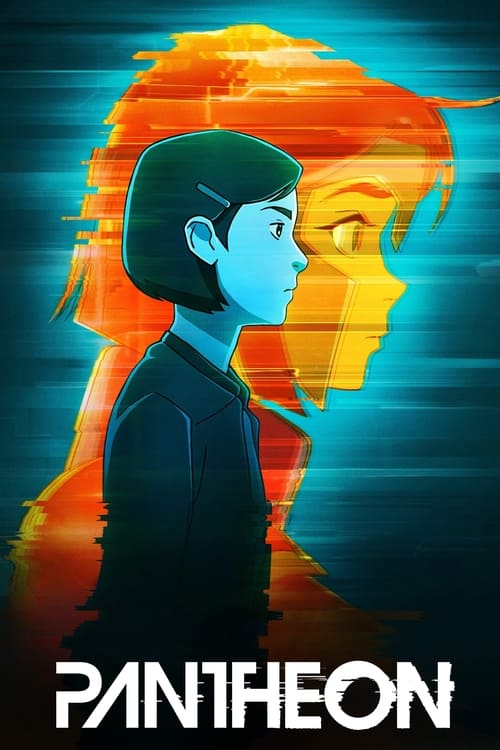
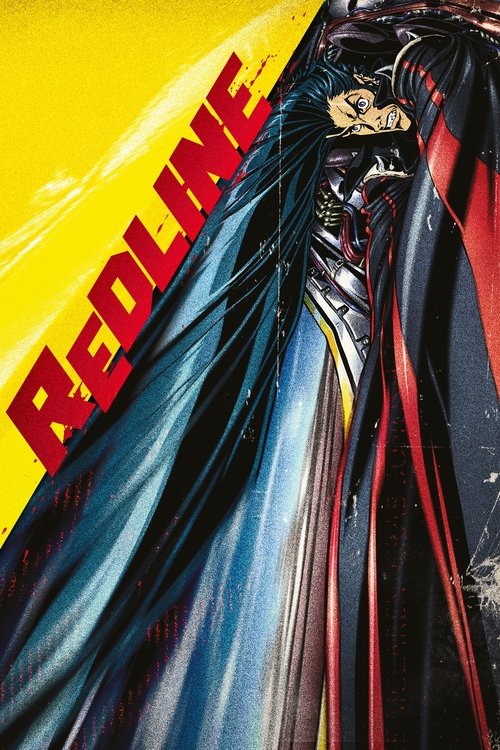
Action That Thinks
Series and films where the kinetic and the philosophical refuse to be separated






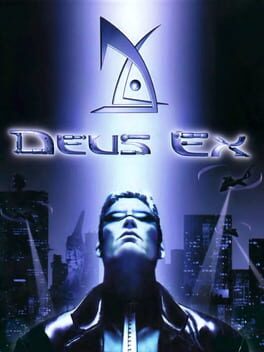
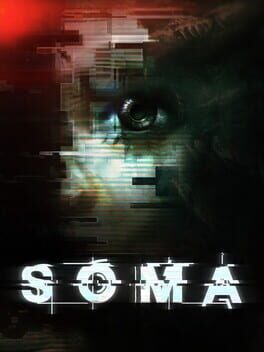
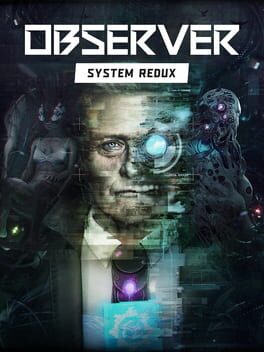
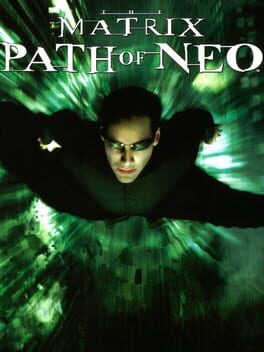
Games for the Unplugged Mind
Games that share the Matrix DNA: systems to question, realities to break, identities to forge




Books That Asked First
The novels and graphic novels that seeded the ideas the Wachowskis put on screen


Music of the Machine
Scores and albums that capture the Wachowskis' blend of electronic intensity and emotional weight
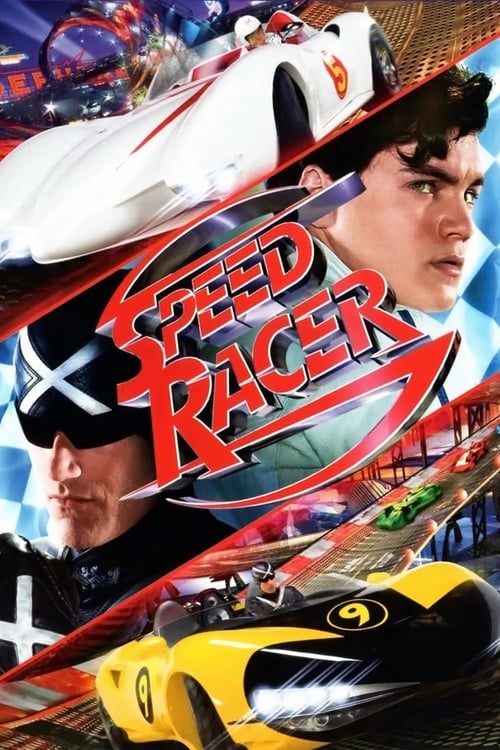
Speed Racer is the Most Underrated Film of the 2000s
When 'Speed Racer' arrived in 2008, critics dismissed it as sensory overload. They were wrong. The Wachowskis built an entirely original visual language out of manga composition, color theory, and the grammar of anime. Every frame is a painting that moves. The film is also about corporate corruption and the cost of integrity, wrapped inside a story about family loyalty. Its complete box-office failure is one of cinema's more instructive cautionary tales: audiences were not ready for a film that refused to look like anything else.
The Matrix Planted a Seed That Has Not Stopped Growing
There is a short list of films that genuinely changed the vocabulary of mainstream cinema. 'The Matrix' is on it. Bullet time was not just a trick; it was a formal argument that the laws governing images on screen could be suspended. Every action film made after 1999 is in conversation with it, whether it knows so or not. The sequels were ambitious overreach, but ambitious overreach is exactly the kind of failure that matters.
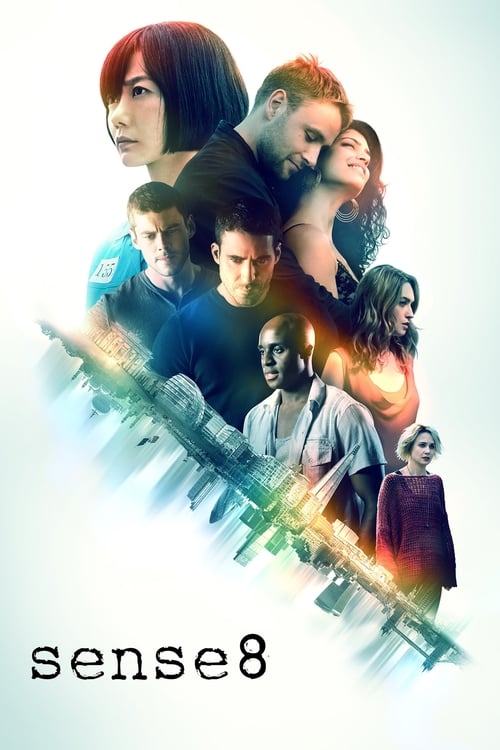
Sense8 Was Television at Its Most Radical
Sense8 had a budget most films would envy, shot in cities across five continents, and built its entire premise around the idea that human empathy is a superpower. It is the most unambiguously political thing the Wachowskis have made, and it is the most personal. The cancellation after two seasons provoked the kind of fan response that forces a studio to fund a finale film. That does not happen for ordinary television.
A Filmography Built on Refusal
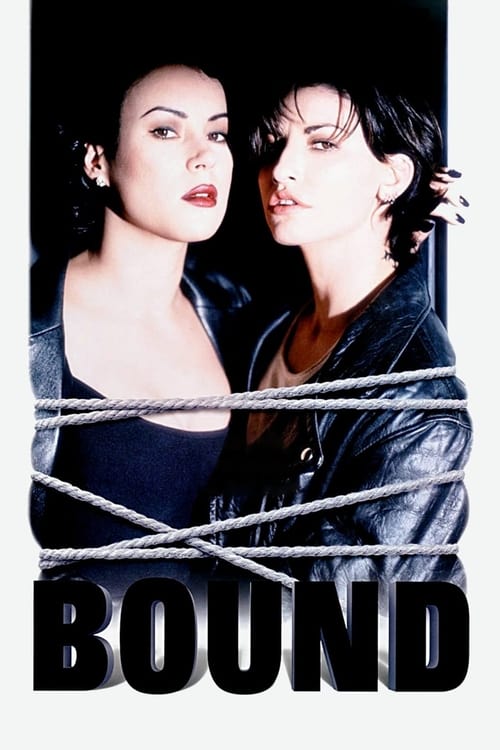
- 1996Debut: a neo-noir crime thriller that rewrites the genre's gender dynamics Bound
- 1999The Matrix releases and rewires action cinema permanently The Matrix
- 2003The trilogy concludes across two sequels released the same year The Matrix Reloaded
- 2005Produce V for Vendetta, adapted from Alan Moore's graphic novel V for Vendetta
- 2008Speed Racer: a misunderstood masterwork of color and kinetics Speed Racer
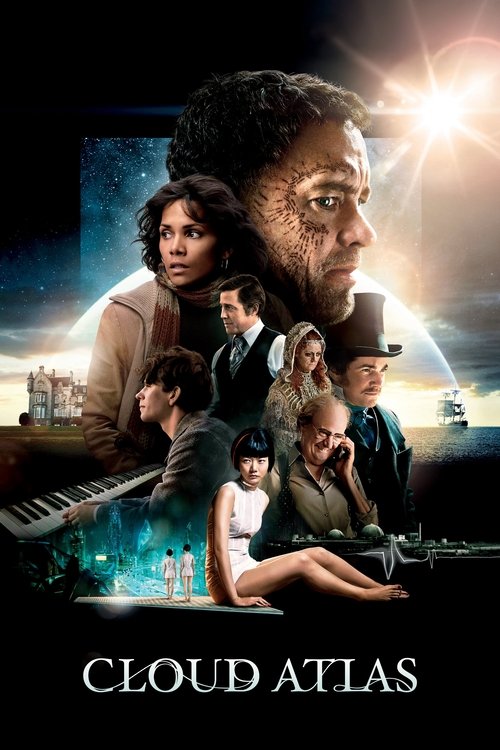
- 2012Cloud Atlas: a six-strand time-spanning collaboration with Tom Tykwer Cloud Atlas
- 2015Jupiter Ascending: baroque space opera, uneven but genuinely strange Jupiter Ascending
- 2015Sense8 premieres on Netflix: eight strangers, eight cities, one consciousness Sense8
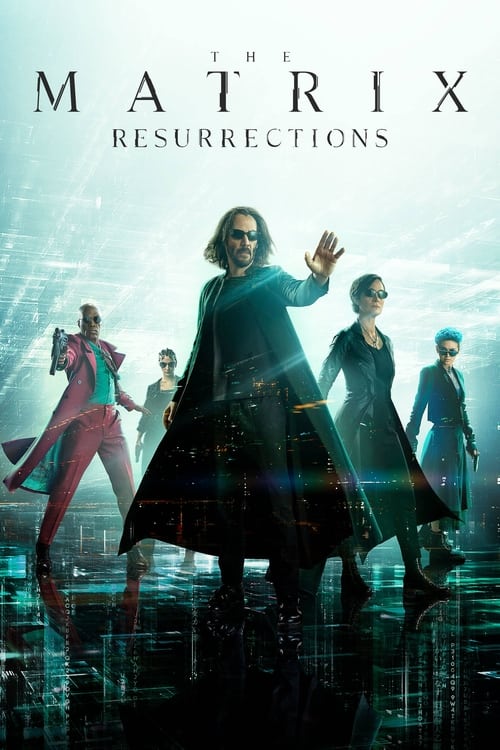
- 2021The Matrix Resurrections: a self-aware return that interrogates its own mythology The Matrix Resurrections
More reality bending dystopias
For Fans of The Matrix
Explore the For Fans of The Matrix guide →You take the red pill and you stay in Wonderland, and I show you how deep the rabbit hole goes.Morpheus, The Matrix (1999)