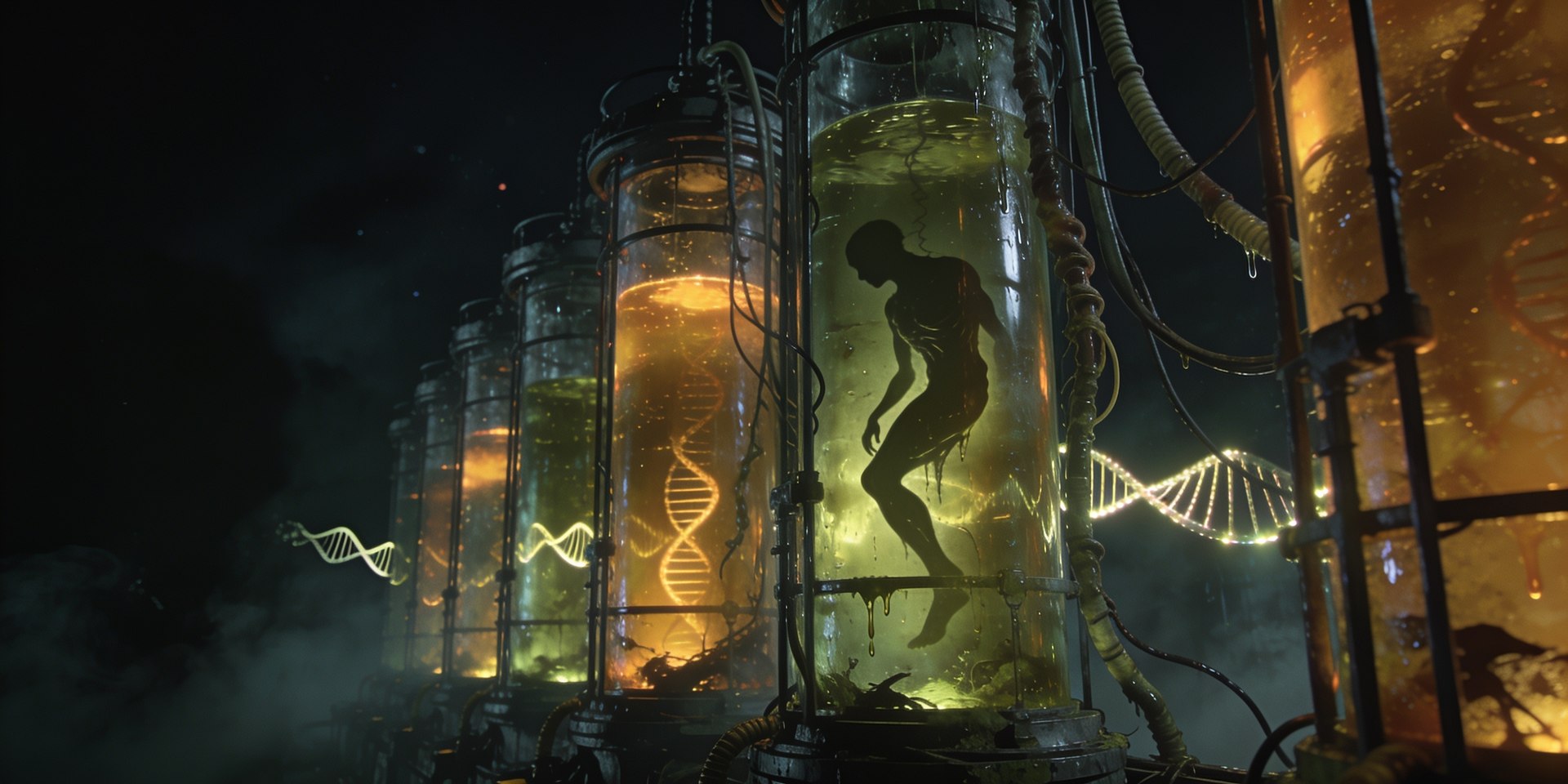

Cyberpunk worried about the machine. Biopunk worries about the cell. Where one genre imagines a future of chrome and code, the other looks at the wet, fallible stuff we are actually made of and asks a more frightening question: what happens when the lab learns to rewrite it? Biopunk is the science fiction of the gene, the virus and the splice. Its villains are not rogue AIs but biotech corporations, ambitious geneticists and the careless ease with which life can be edited once you have the tools.
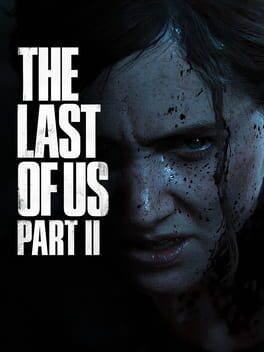
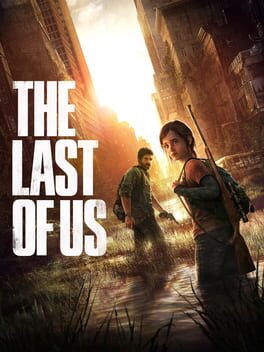
The genre runs on a single, unshakeable suspicion: that the human body is no longer sacred, only editable. Sometimes the result is wonder, as in Gattaca, where a society sorts people by their DNA before they are born. More often it is horror, because the moment you can grow a thing in a vat, something will crawl out of it. The cordyceps fungus of The Last of Us, the spliced creature of Vincenzo Natali's lab, the gene-engineered pigs of an Atwood apocalypse: these are all the same anxiety wearing different skins. We made it, and now it is loose.
Essential biopunk
The canon of engineered life, across every medium
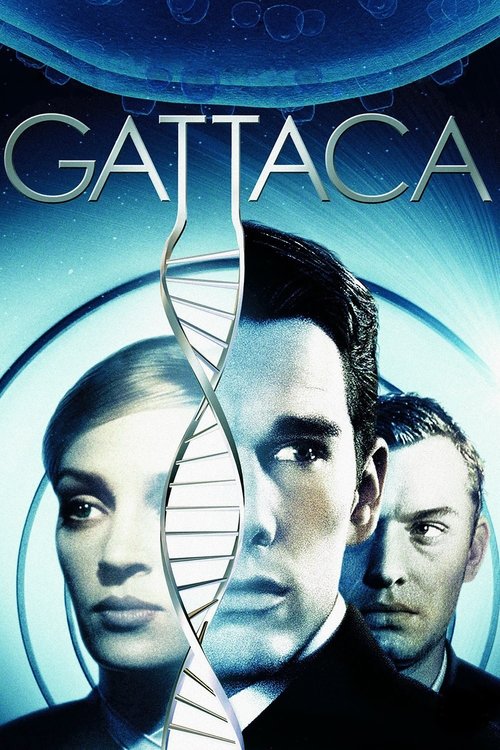

Gattaca is the quietest dystopia ever filmed, and the most exact
Most biopunk reaches for the monster. Andrew Niccol's Gattaca (1997) reaches for the resume. Its future has no rampaging creatures, no vats of bubbling tissue, just a clean, beautiful society that reads your genome at birth and files you accordingly. Ethan Hawke's Vincent is a "faith birth", conceived the old way, which makes him an invalid in a society that screens and optimizes its elite in advance. So he buys another man's blood, urine and skin cells and impersonates a genetically superior person to chase a job he was never coded to want.
What makes the film essential is its restraint. The discrimination is polite, legal and total. Nobody is cruel; the system simply assumes that what is written in your cells is who you are. Gattaca understood the real threat of genetic engineering decades early: not a lab accident, but a caste system with a scientific alibi.
Biopunk on film
Splices, clones and bodies that will not stay human

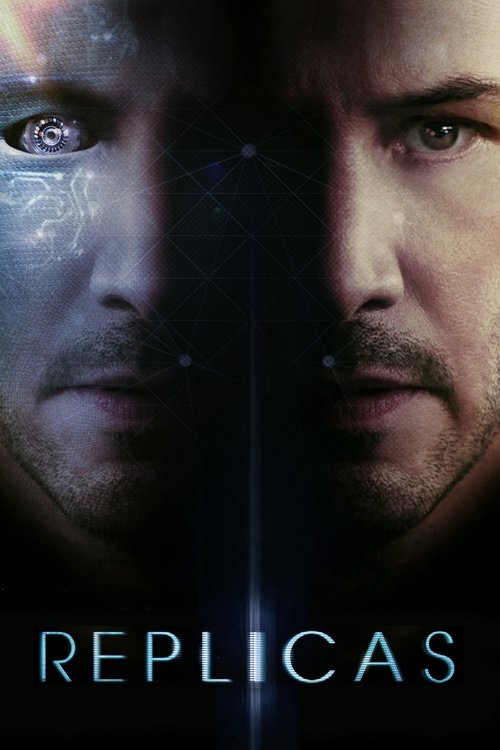
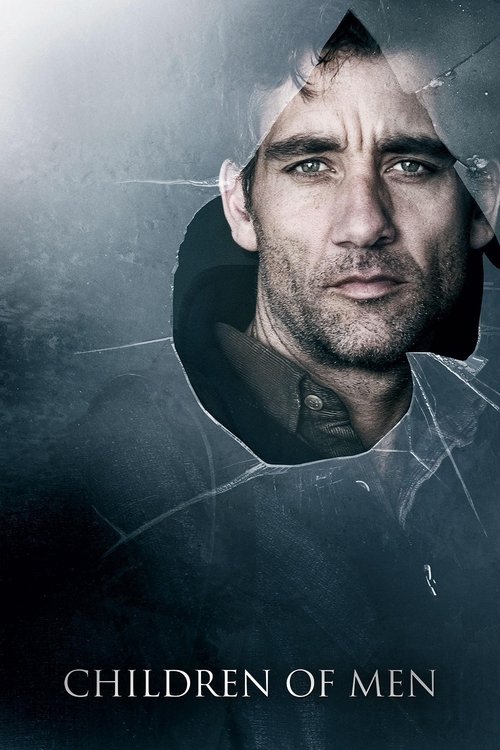
The body as the laboratory
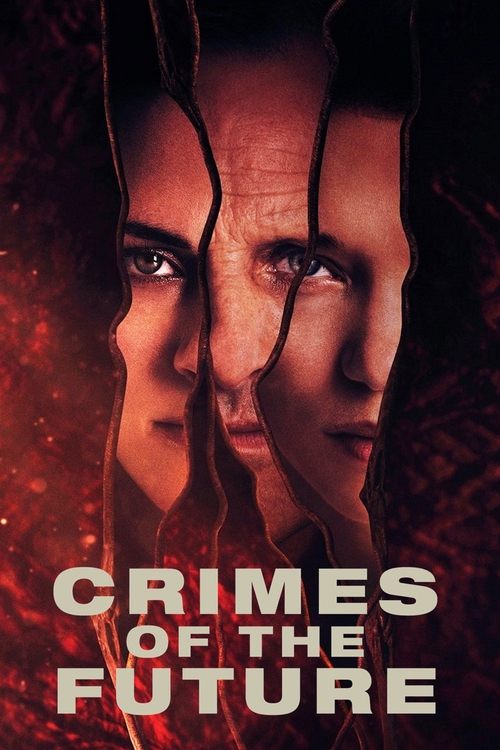
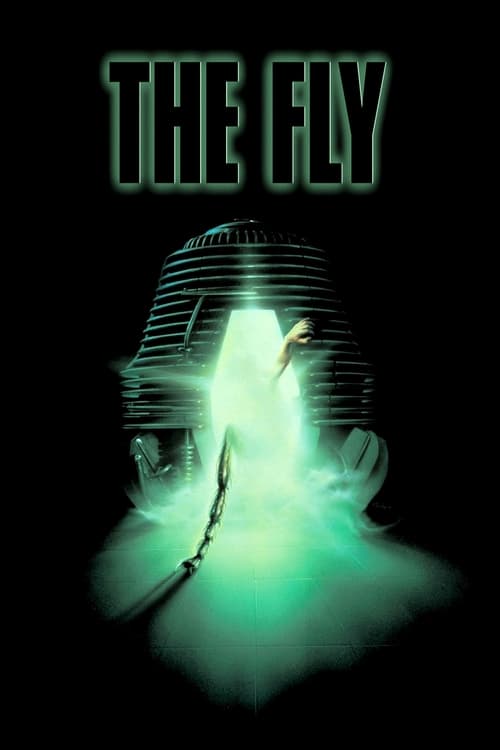
There is a strain of biopunk that is really just body horror with a research budget, and David Cronenberg is its patron saint. The Fly turned a teleportation accident into the most intimate horror imaginable: a man slowly becoming something else, cell by cell, watching his own biology betray him. Decades later Crimes of the Future picked the thread back up for an age of designer organs and performance surgery, where the human form has become so plastic that growing a new organ is an art form.
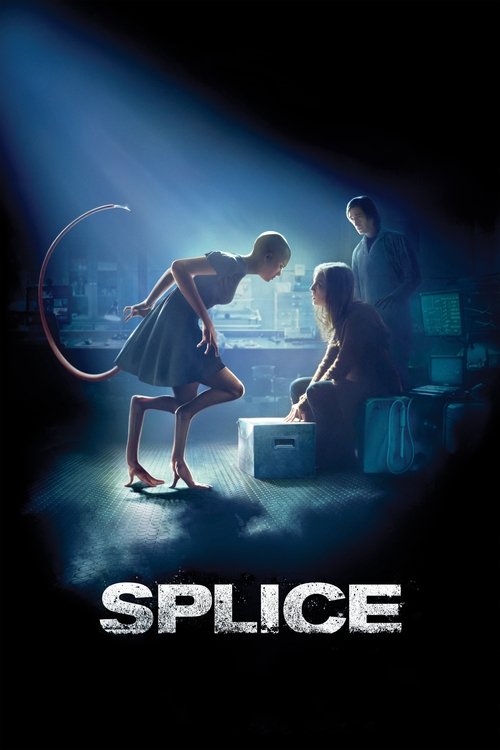
The splice film is the genre's purest expression. Vincenzo Natali's Splice took two scientists, gave them the ability to combine human and animal DNA, and then watched their professional ambition curdle into something monstrous and tragic. The creature, Dren, is not a villain. She is a consequence. That is the biopunk move: the horror is never the monster, it is the choice that made it.
Engineered horror to play
Viral outbreaks, mutated flesh and labs that should have stayed locked





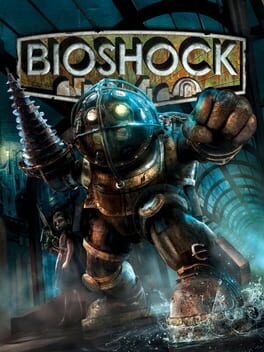
BioShock built a city on the dream of editing yourself
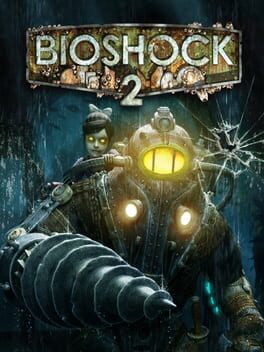
Rapture is usually filed under dieselpunk or Ayn Rand satire, but at its core BioShock is a biopunk parable. The whole undersea city runs on ADAM, a substance harvested from sea slugs that lets people rewrite their own genetic code at will, buying superpowers from a vending machine. The result is a population of addicts who have spliced themselves into raving, deformed Splicers, their bodies wrecked by the very enhancements they craved.
The genius is that the game makes you complicit. You inject the same plasmids, you make the same trade, you decide what to do with the Little Sisters who carry the ADAM. BioShock 2 deepens it by putting you inside a Big Daddy, the engineered guardian, so you feel the manufactured body from the inside. No franchise has dramatized the seduction of self-modification, and its cost, more vividly.
Biopunk on the small screen
Clones, plagues and gene-hacked kids across a full season

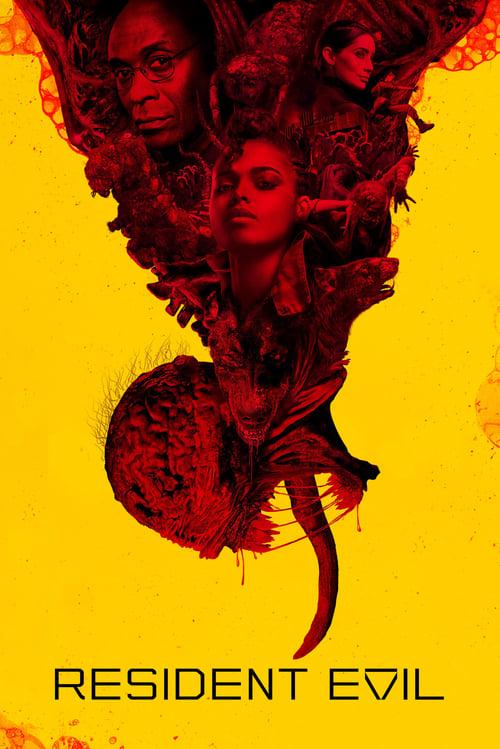
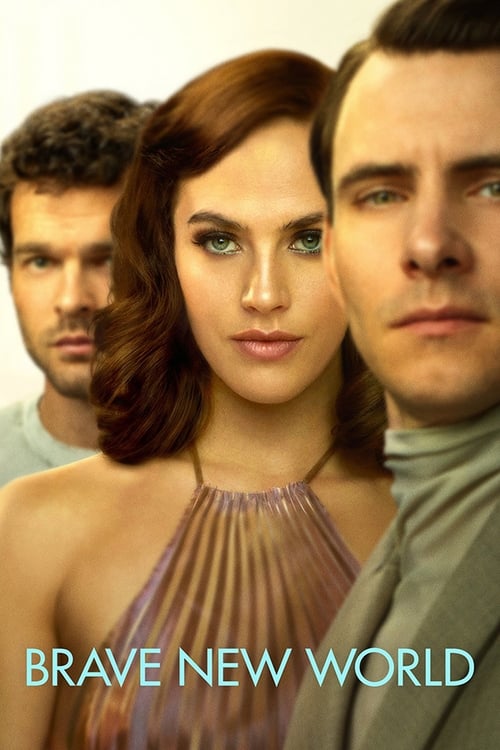
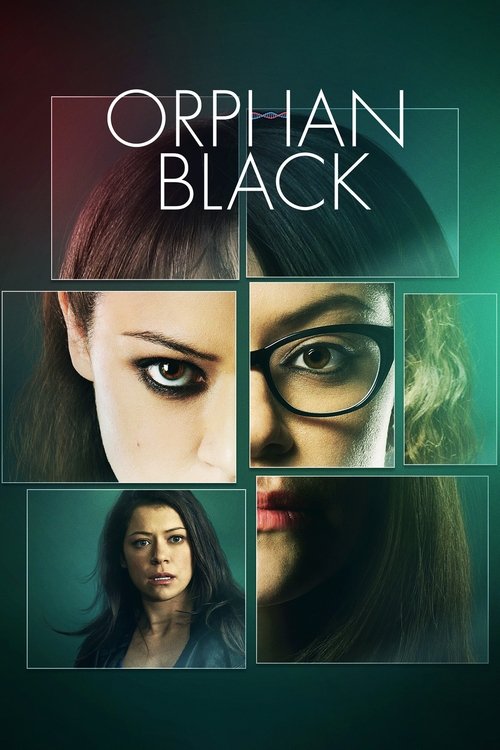
Orphan Black is the best argument that clones are a character study, not a gimmick
On paper, a show about a woman who discovers she is one of many identical clones sounds like a thriller premise that burns out in a season. Orphan Black lasted five because Tatiana Maslany played every clone as a distinct, fully realized person: the grifter, the soccer mom, the unhinged assassin, the buttoned-down scientist. The genetic engineering is the setup, but the show is really about nature versus nurture, about how much of you is written in advance and how much you build yourself.
It is also pointed biopunk politics. The clones are patented. They are literally owned, as intellectual property, by the corporation that made them. Few stories have put the ugly endgame of commercialized human genetics so plainly: if a company can engineer you, a company can own you.
The books that wrote the genome first
Biopunk is a book-first genre. Long before the cameras arrived, the novelists were already terrified of the splice. Mary Shelley's Frankenstein is the origin text, the first story about a man assembling new life from spare parts and being destroyed by it. Aldous Huxley's Brave New World imagined an entire civilization grown to spec in hatcheries, sorted into castes before birth, a full century before Gattaca put it on screen.
The modern canon is sharper still. Margaret Atwood's MaddAddam trilogy, beginning here with The Year of the Flood, builds a plausible near-future of gene-spliced pigoons and a corporate biotech apocalypse. Kazuo Ishiguro's Never Let Me Go tells the quietest, most devastating clone story ever written, about children raised to be harvested. Michael Crichton's Jurassic Park made resurrection biology a blockbuster, and Peter Watts's Blindsight pushed the genre to its bleak hard-science edge. These are the texts everything else is adapting, whether it admits it or not.
Biopunk on the page
Shelley to Atwood: the novels that engineered the genre


We are not gods. We just learned how to grow the things gods used to make.The recurring fear at the center of the genre, from Shelley's laboratory to the corporate vats of the present
Outbreaks and the end of the human world
When the engineered thing gets out and the species pays