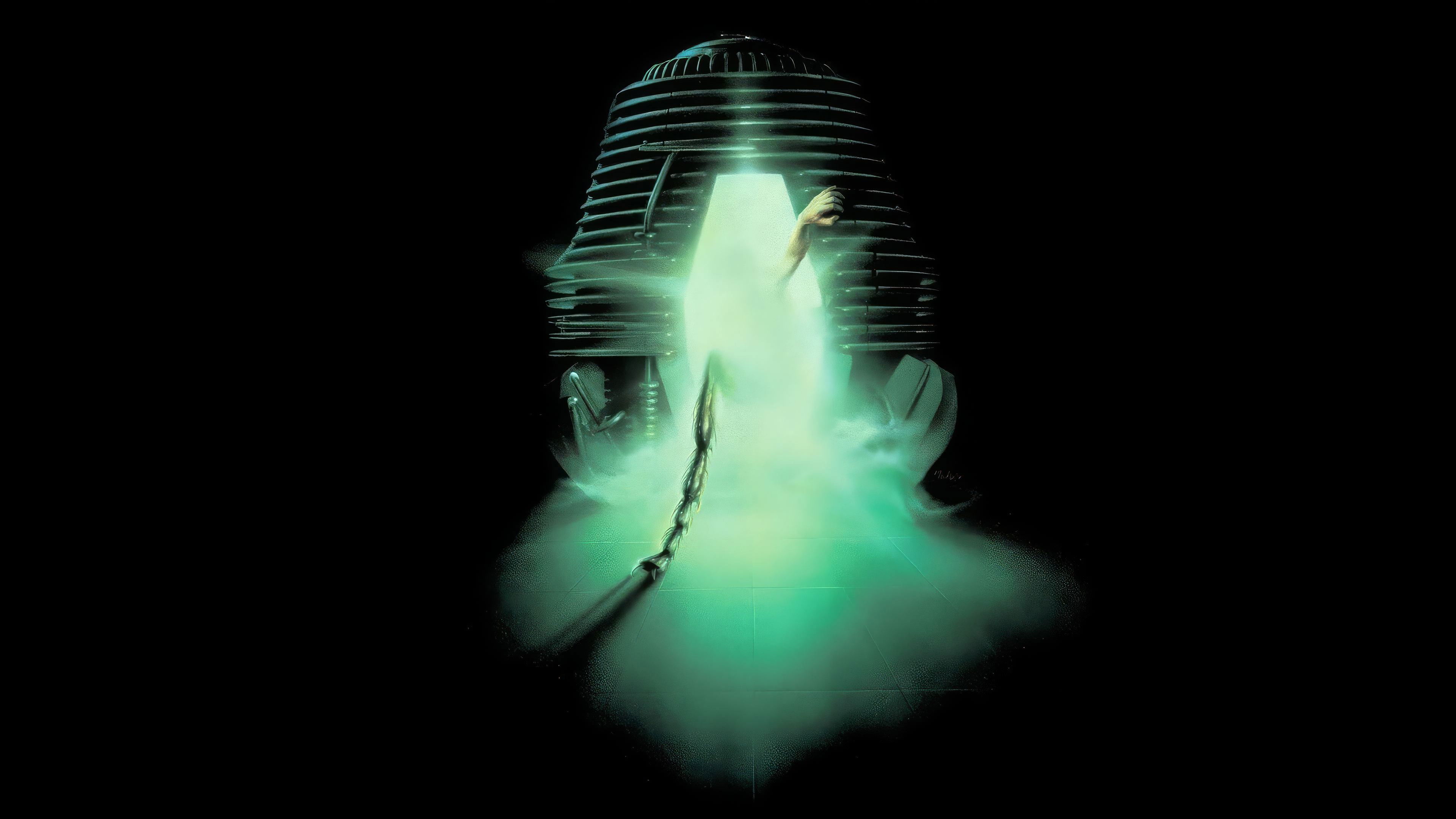

David Cronenberg's 1986 film is not a monster movie about a man who becomes a fly. It is a love story about watching someone you love dissolve, cell by cell, into something unrecognizable. Seth Brundle's teleportation accident sets off a slow, intimate catastrophe, and what Cronenberg understood better than almost any filmmaker of his era is that the horror is not in the creature at the end: it is in the in-between. The loss of identity, the body turning against its owner, the lover forced to grieve a person still standing in front of her. That through-line, body as betrayal and transformation as tragedy, is what fans of The Fly keep chasing across every medium.
Essential The Fly
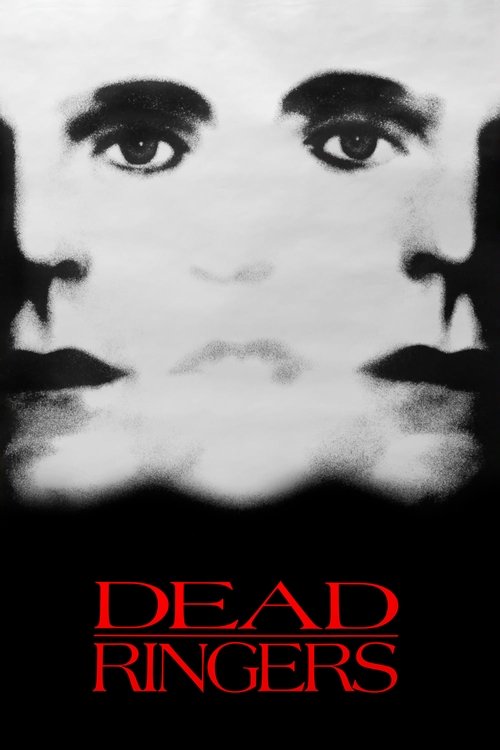
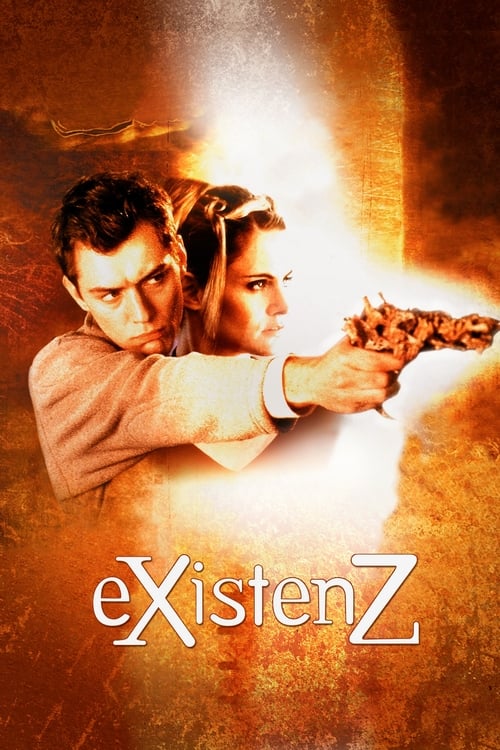
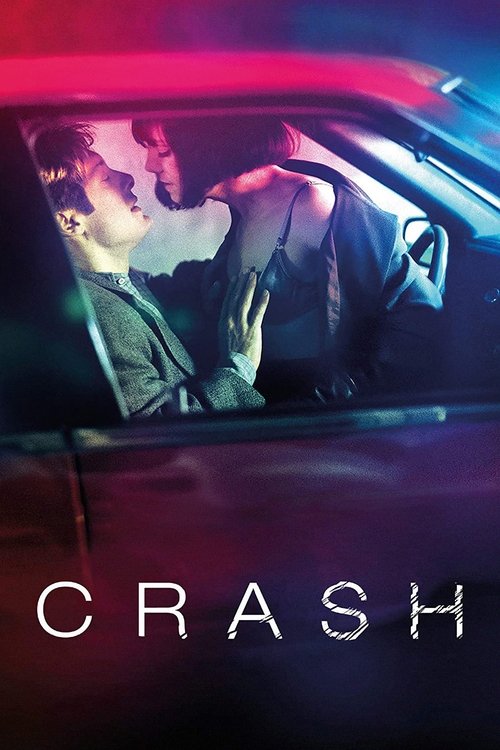
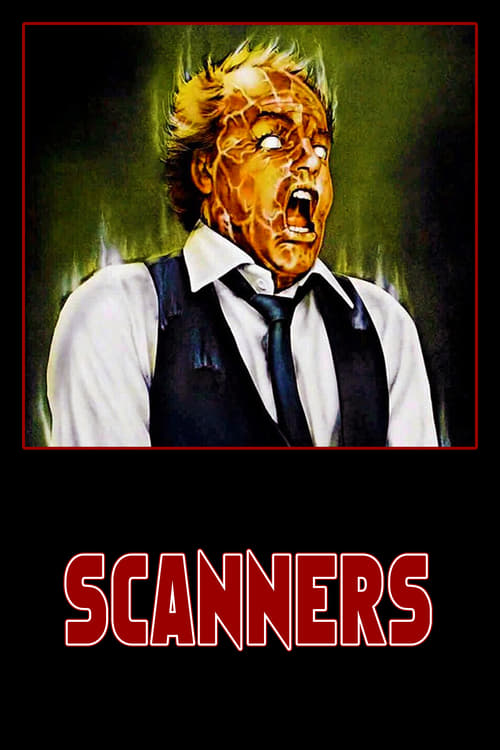
The Cronenberg film and its closest kin in his own filmography
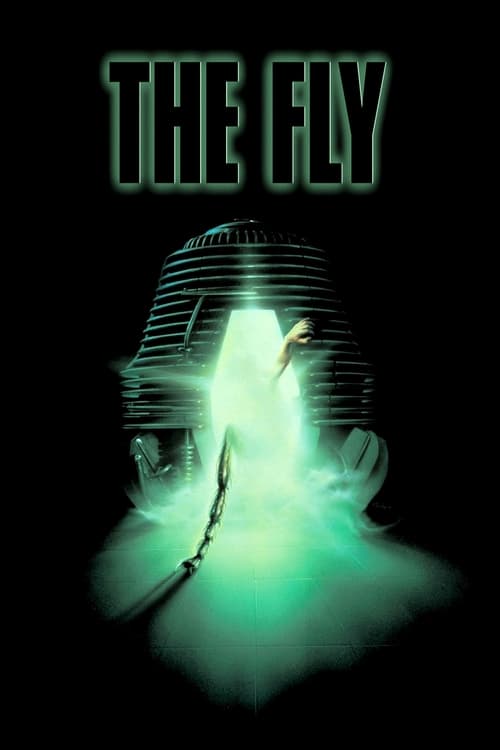
The Fly is a grief film wearing a monster suit
Cronenberg has said he wrote The Fly while thinking about aging, illness, and watching a partner change in ways neither of you chose. Jeff Goldblum and Geena Davis make that subtext text: every scene in the second half is a break-up movie, a hospice drama, and a horror film simultaneously. The creature effects by Chris Walas are legendary, but they only land because the first act earns the emotional stakes. Strip the prosthetics and you have one of the saddest love stories of the 1980s.

Same vein: body horror and transformation
Films that treat the disintegrating body as both metaphor and spectacle


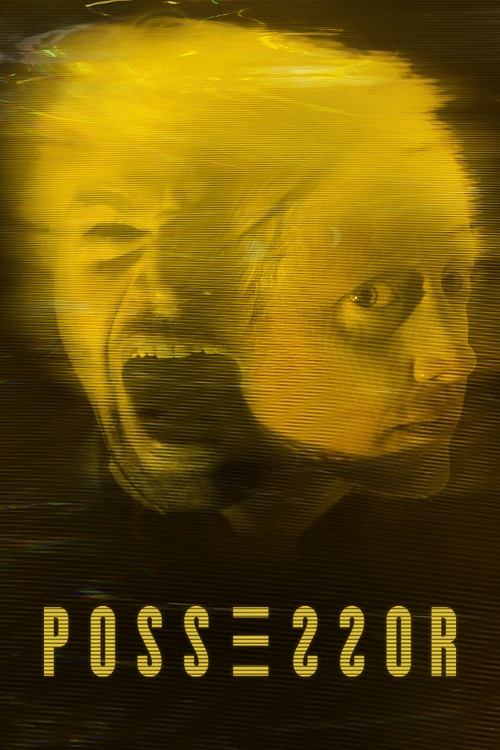
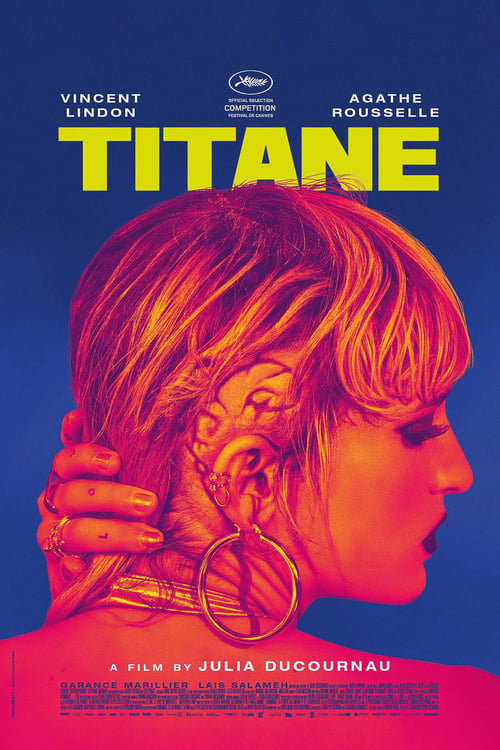


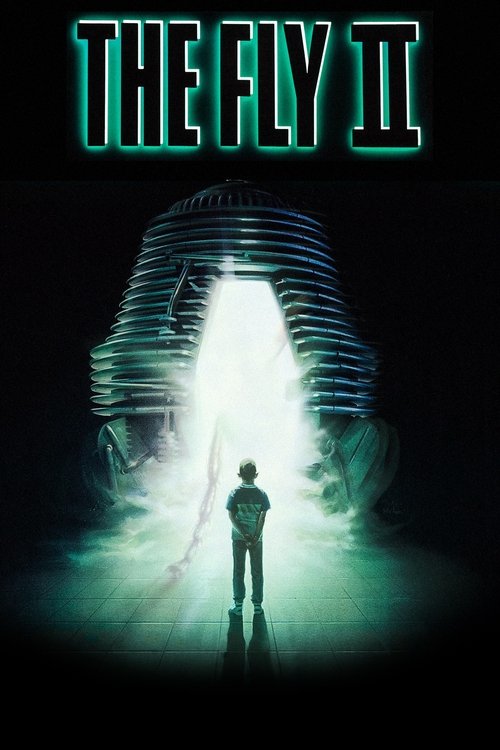
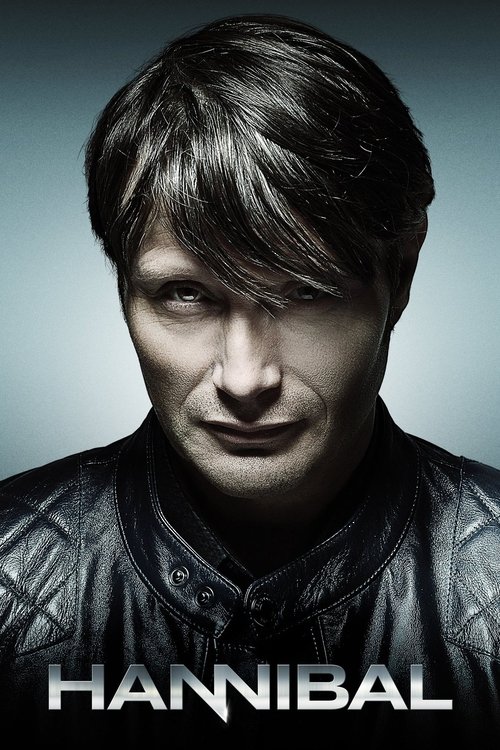
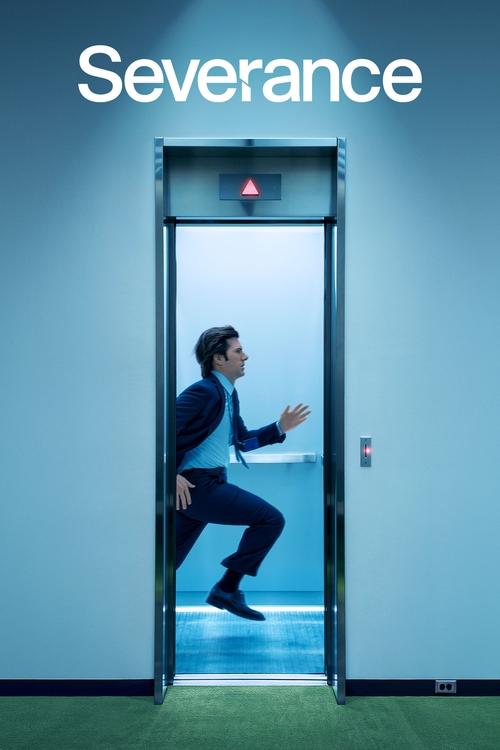
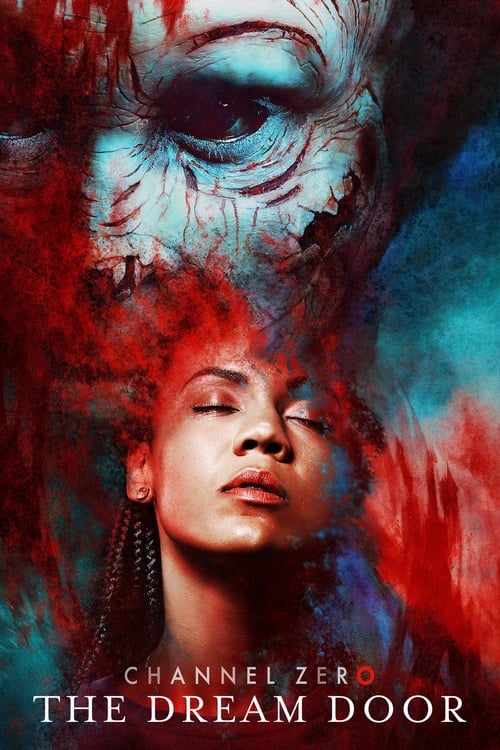
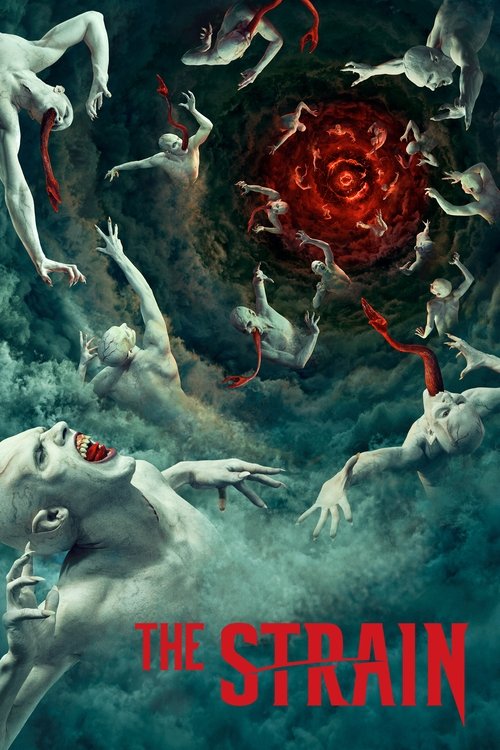
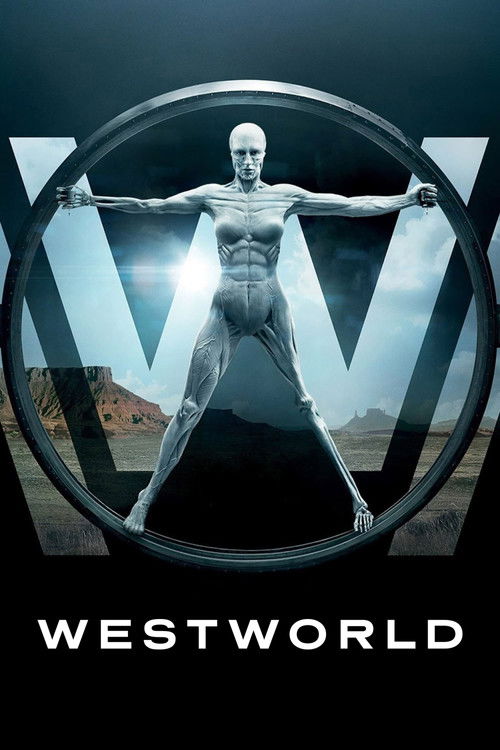
Series that live in the body horror register
Television that shares The Fly's obsession with flesh, identity, and dread
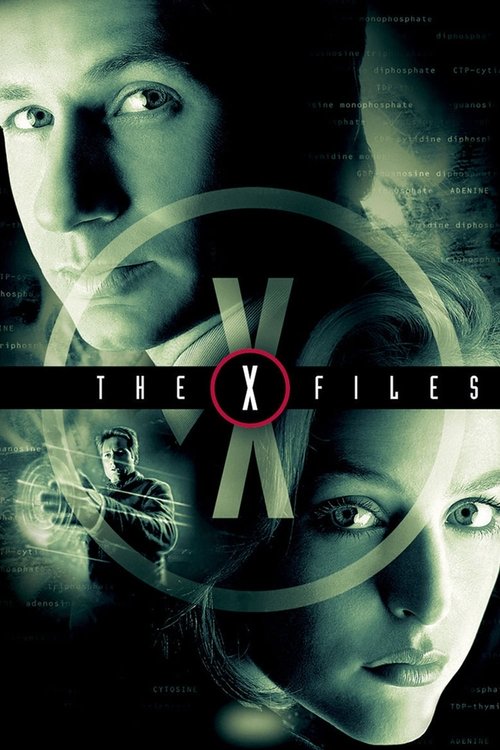

The source and its literary kin
The short story that started it, and the novels that share its preoccupation with flesh and science gone wrong


Kafka's Metamorphosis is the missing literary companion
George Langelaan's 1957 short story seeded the original 1958 film, but Cronenberg's 1986 remake reads more like a cinematic cousin of Kafka. Gregor Samsa wakes as a vermin and his family recoils; Seth Brundle watches his humanity drain while Veronica tries to hold on. Both are studies in the horror of being recognized as other by the people who loved you. If The Fly resonates as tragedy rather than shock, Kafka is the text that explains why.
Games that share The Fly's DNA
Body horror, transformation, and science out of control in interactive form
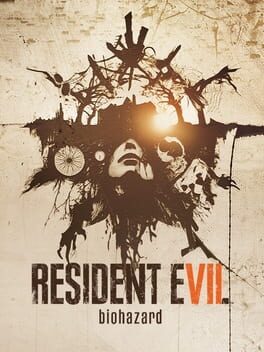
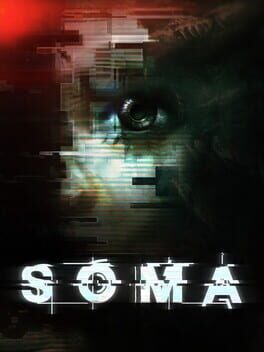
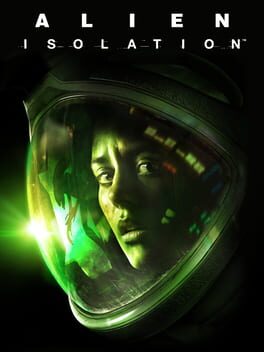
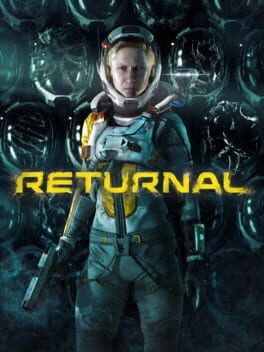
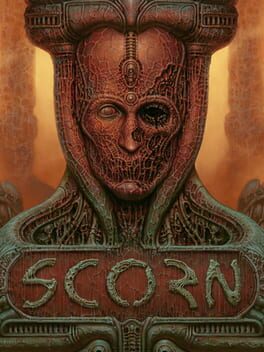
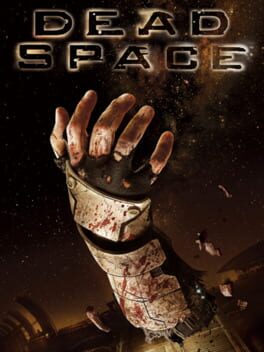
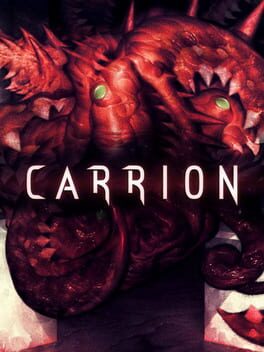
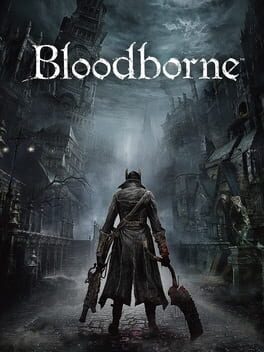
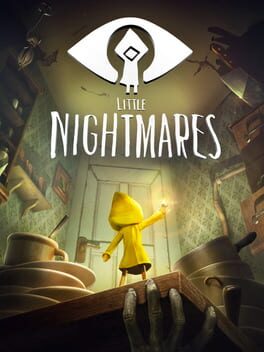
Scorn puts you inside the body horror, not outside it
Most body horror keeps you at a safe remove, watching transformation happen to someone else. Scorn is one of the rare games that collapses that distance: you navigate a world made entirely of organic machinery, and your own arms are part of the horror. The debt to H.R. Giger is obvious, but the feeling of being a foreign body inside a system that does not want you is pure Cronenberg. Play it in one sitting if you can stand it.
Howard Shore and the sound of dread
The score that made transformation feel like grief, and music in the same register
A brief history of body horror cinema
- 1931Frankenstein establishes the mad-science-and-creation template Frankenstein
- 1958The original The Fly introduces the teleportation premise The Fly
- 1979Ridley Scott's Alien makes the invaded body a site of cosmic horror Alien
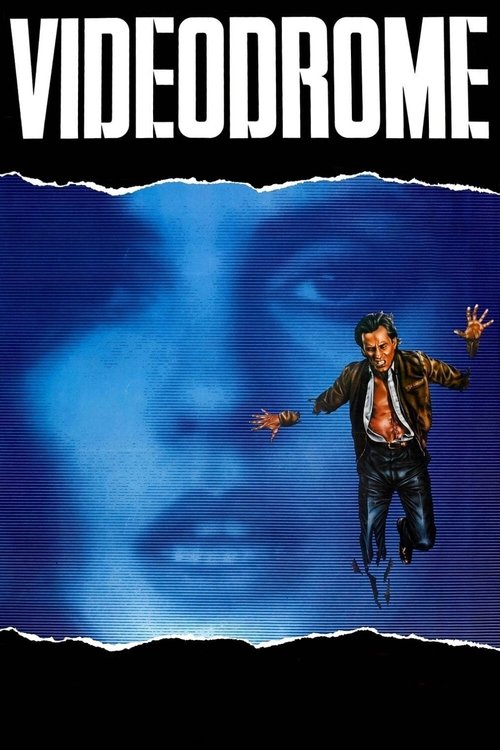
- 1982Cronenberg's Videodrome fuses body and media technology Videodrome
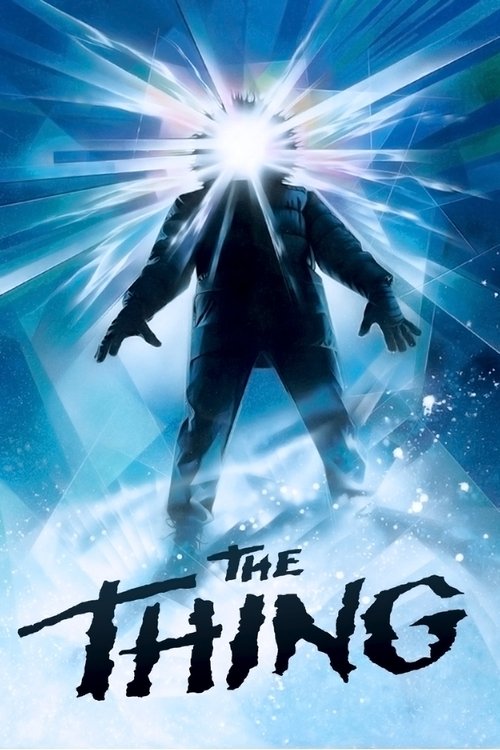
- 1982John Carpenter's The Thing reimagines cellular identity as nightmare The Thing
- 1986Cronenberg's The Fly arrives as the genre's emotional peak The Fly
- 1988Dead Ringers deepens Cronenberg's obsession with bodily duality Dead Ringers
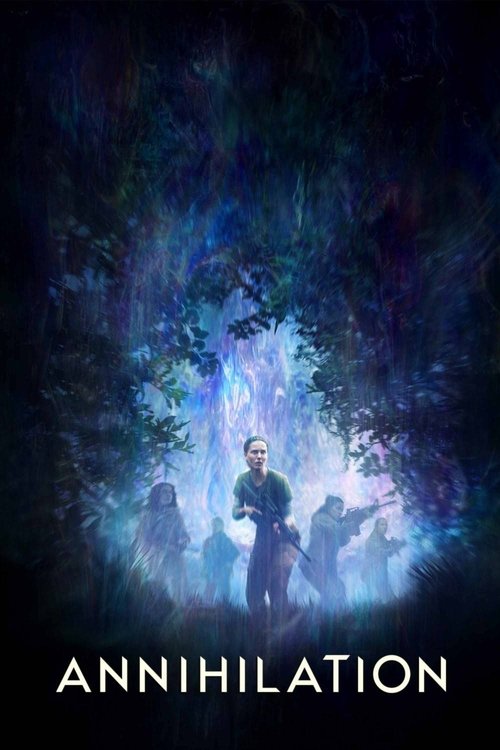
- 2018Annihilation brings body horror into arthouse science fiction Annihilation
- 2024The Substance updates the transformation-as-self-destruction premise for a new era The Substance
Be afraid. Be very afraid.The Fly (1986)
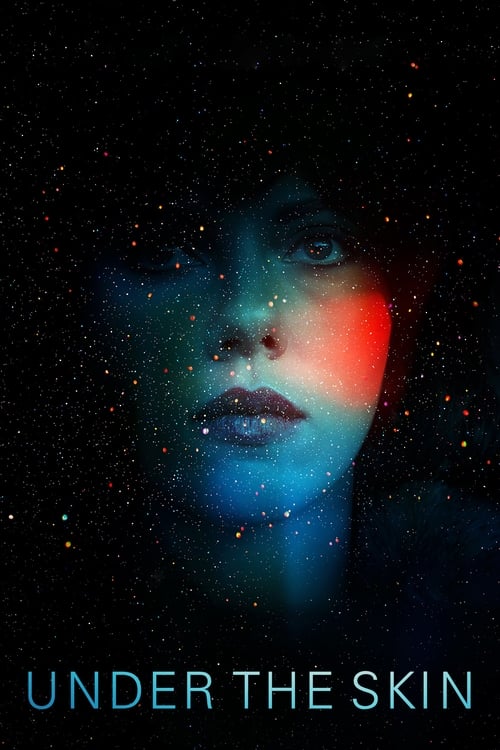
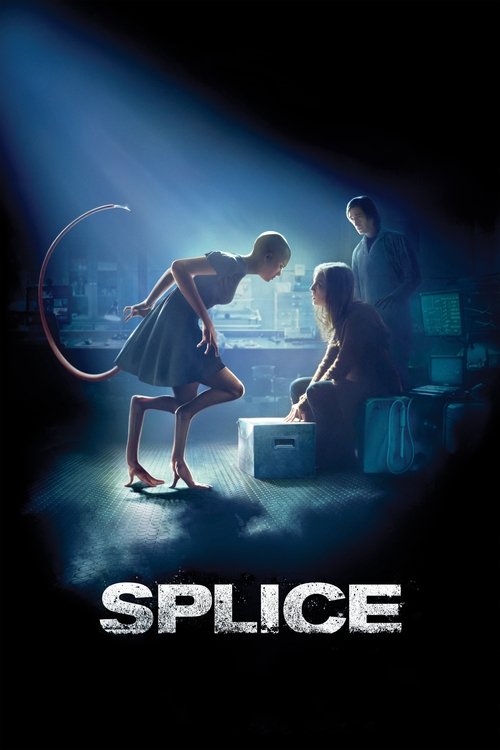
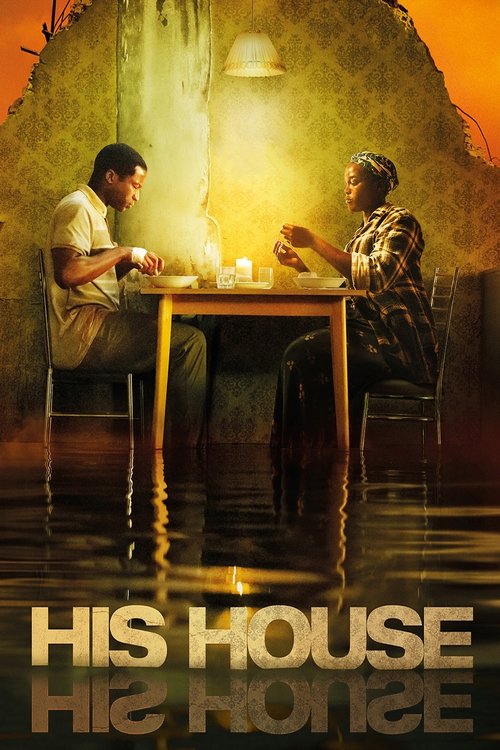
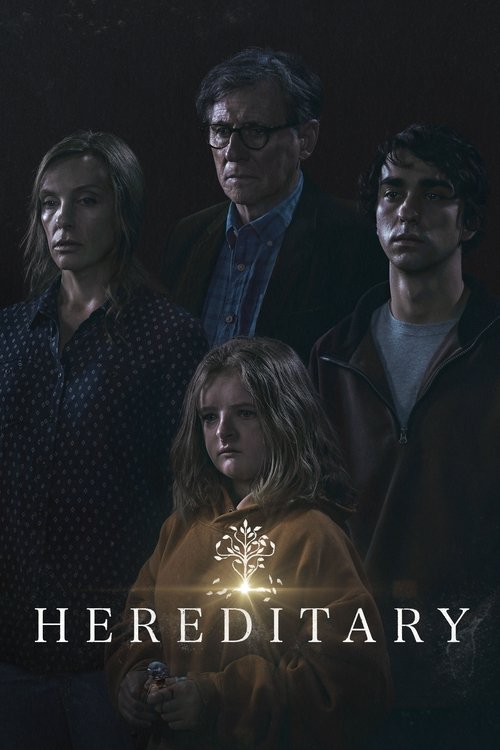
More films for the same ache
Standalone films that share The Fly's tone: intimate, inevitable, haunted by what science and love cannot fix
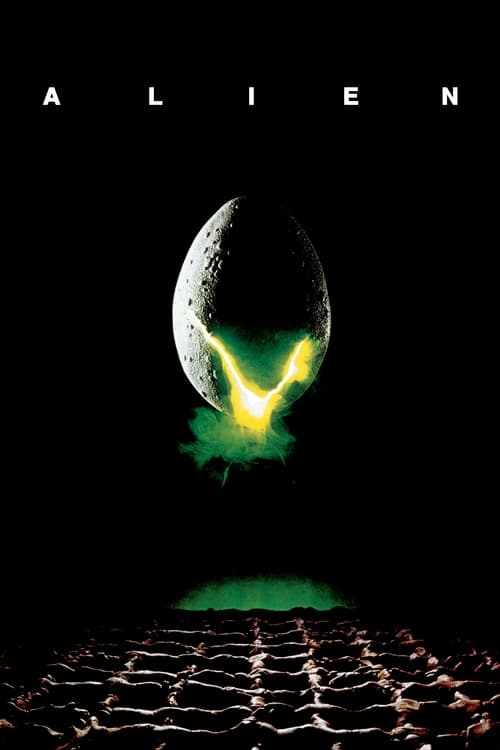
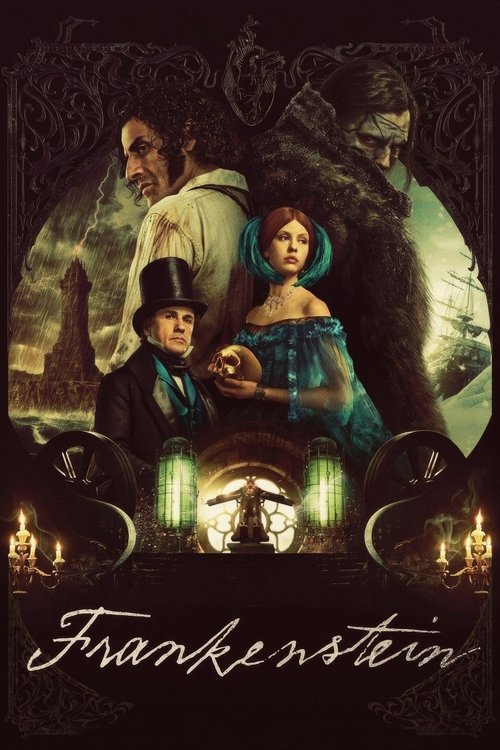


Annihilation is the spiritual heir
Alex Garland's Annihilation shares more with The Fly than any other film made in the 35 years since. Both center a female scientist protagonist. Both use biological transformation as a way to ask whether the self is fixed or permeable. Both refuse to resolve the horror cleanly or explain away the mystery. Where Cronenberg grounds his tragedy in love and loss, Garland tilts toward the cosmic: transformation is neither punishment nor disease but something the universe does to consciousness. The two films sit best watched back to back.