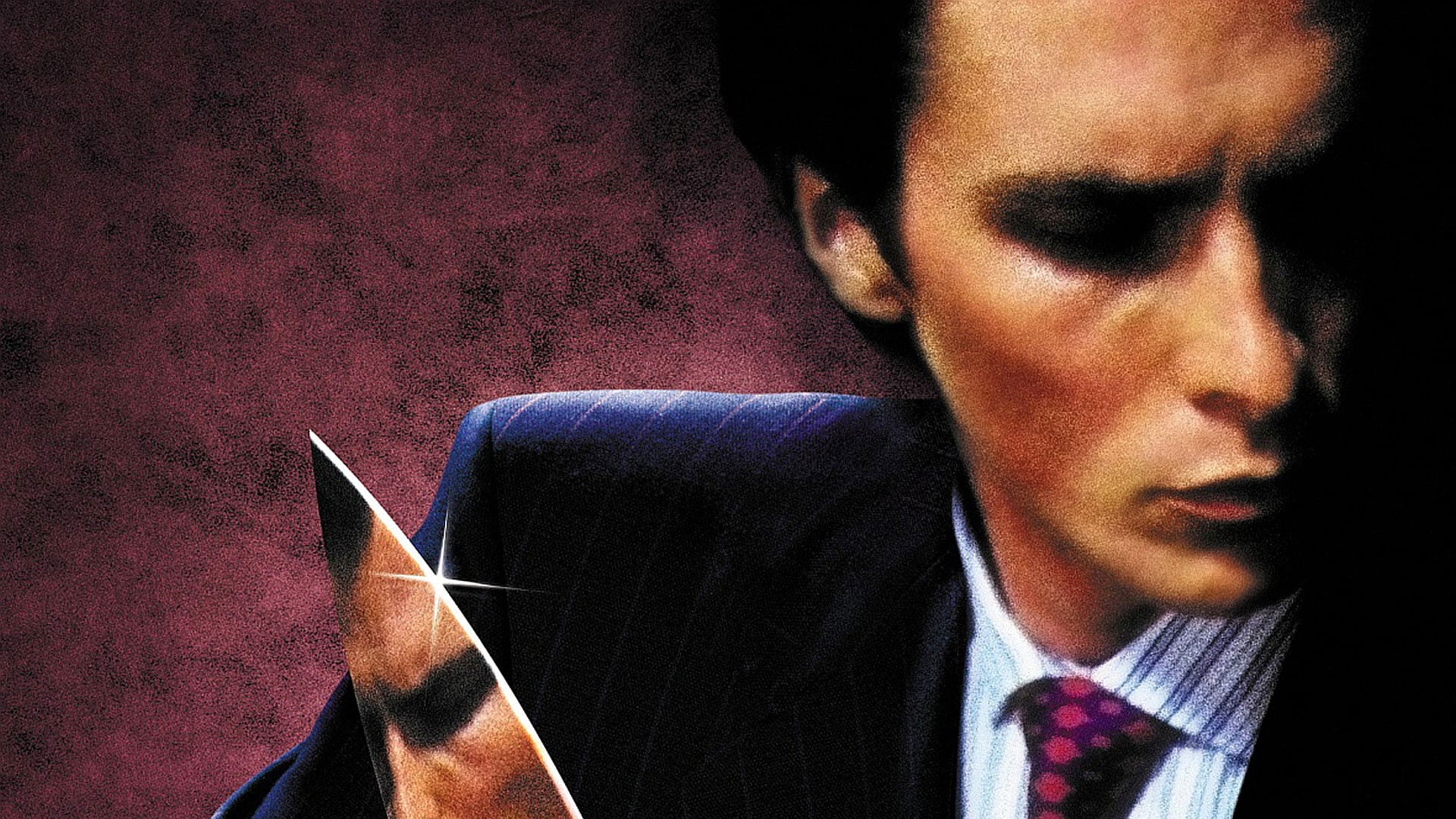

Bret Easton Ellis arrived in 1985 with Less Than Zero and immediately established the register he would never leave: flat affect, brand-saturated prose, characters who own everything and feel nothing. His novels are diagnostic instruments for late-capitalism alienation, mapping the distance between surface gloss and interior emptiness with forensic precision. American Psycho (1991) turned that method into cultural lightning-rod satire; The Rules of Attraction (1987), Glamorama (1998), and Lunar Park (2005) kept expanding the terrain. If you hear a pitch-perfect dissonance between what characters say and what they feel, if luxury goods accumulate like evidence at a crime scene, if violence or desire arrive with the same flat emotional temperature as a restaurant review, you are in Ellis country. This map extends that sensibility across every medium.
The Ellis Adaptations
His novels on screen, from sun-bleached dread to cult satire
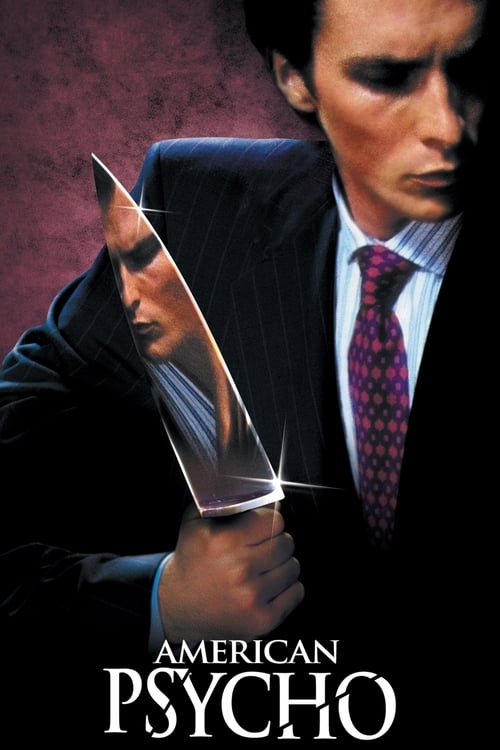
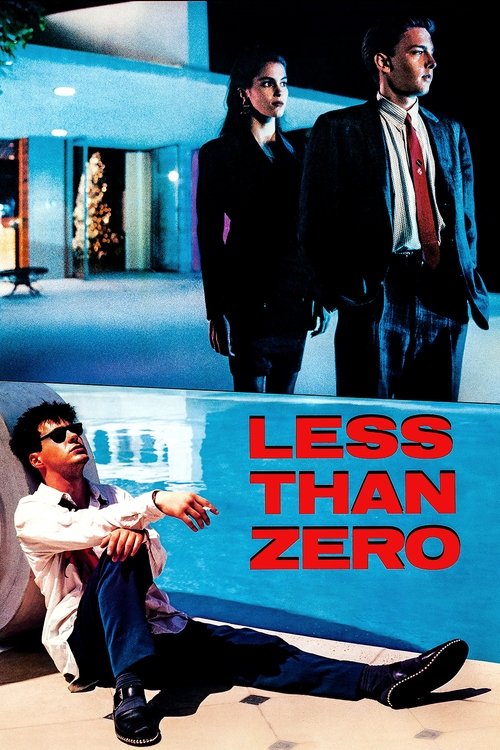
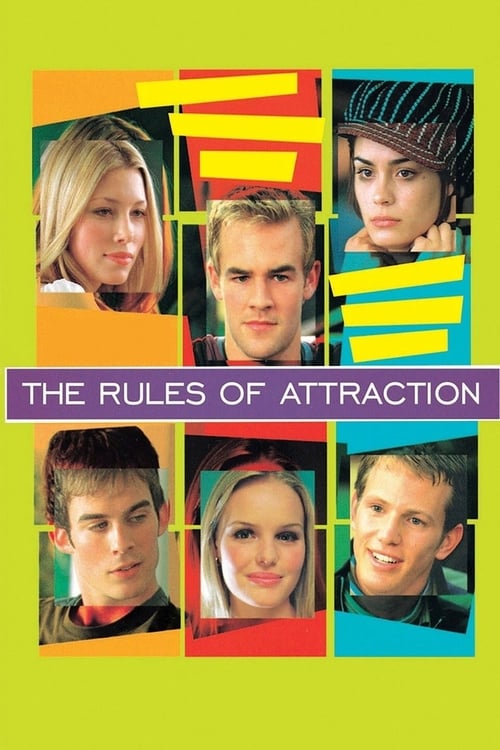

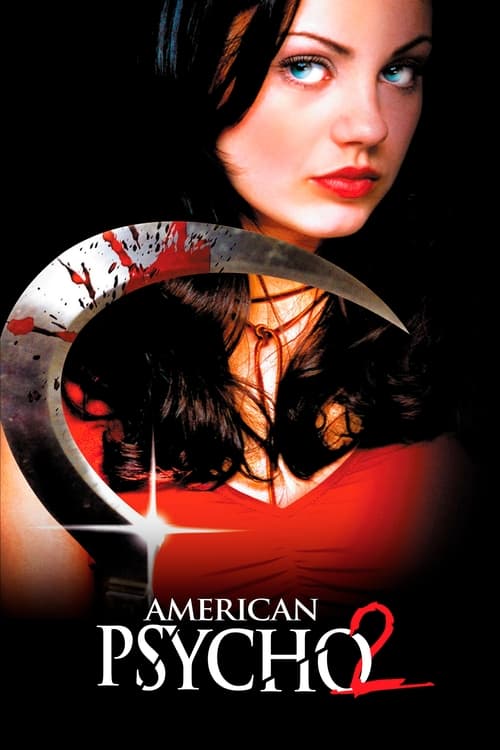
If You Love the Blank-Affect Satire
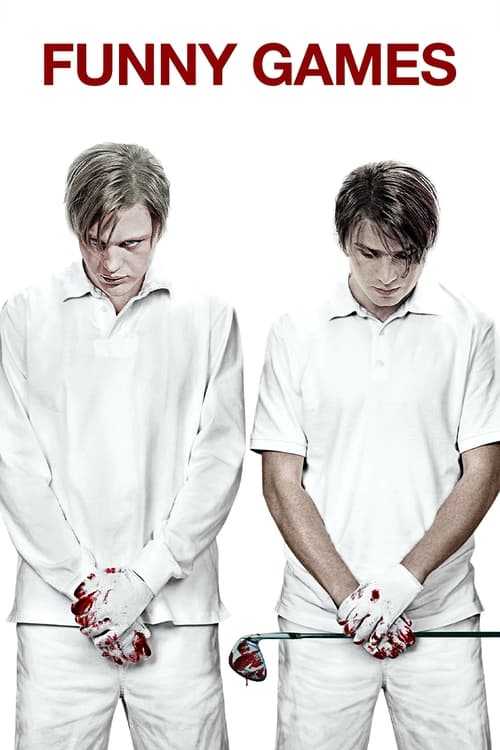
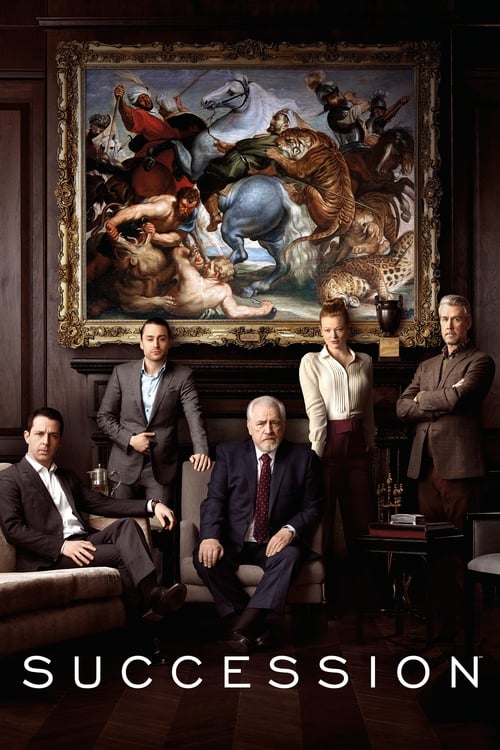
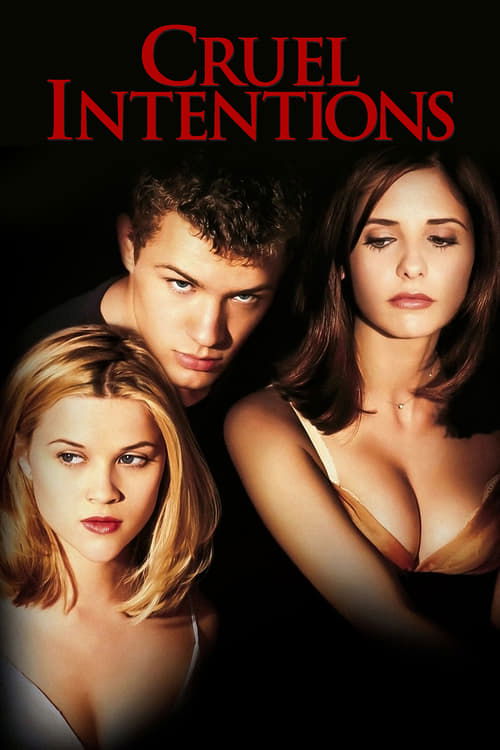
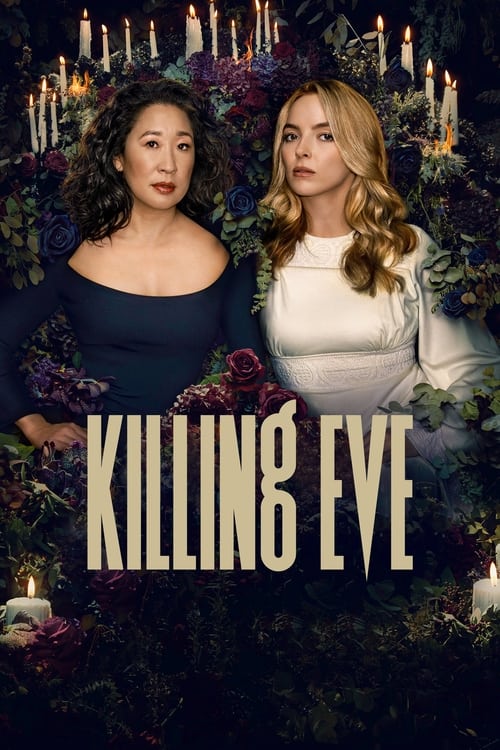
Films and series that weaponize surface beauty against interior rot
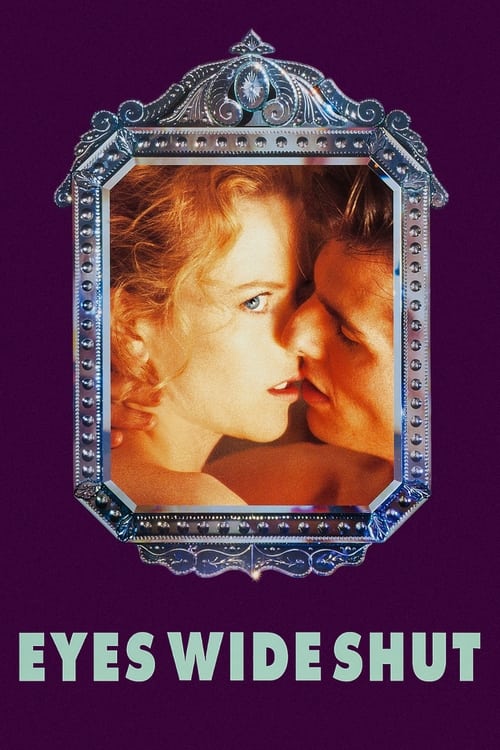
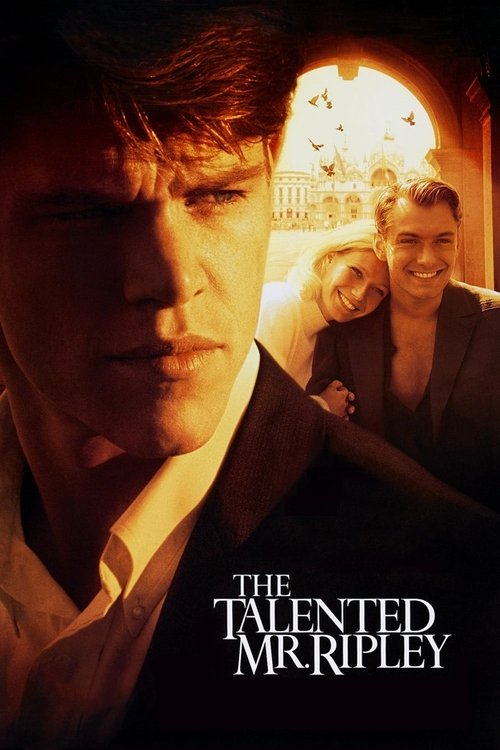
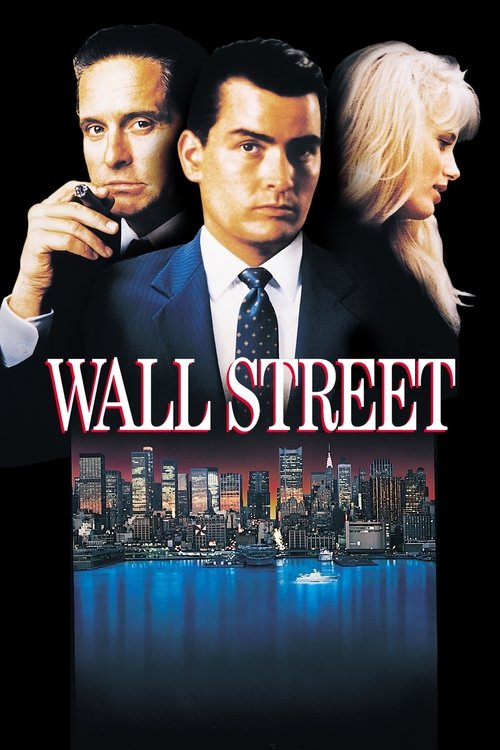

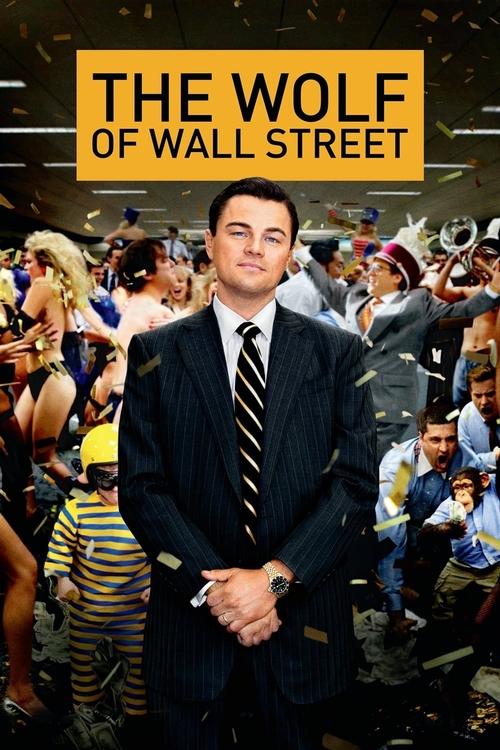
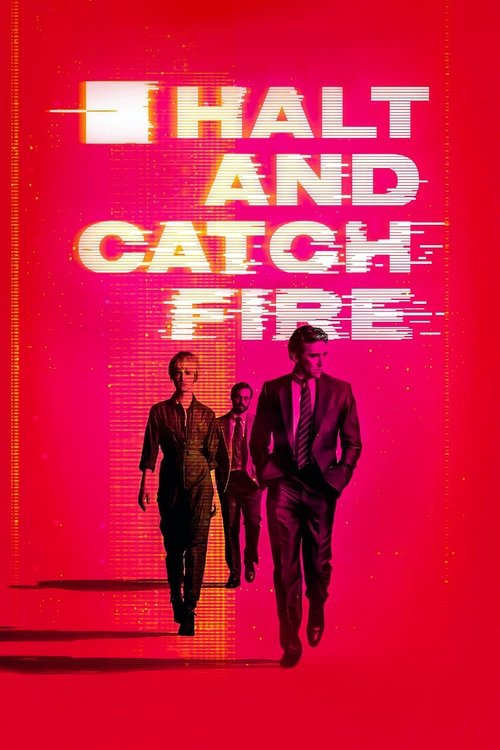
Transgressive Fiction: The Shelf Next to Ellis
Authors who share the nerve for excess, taboo, and unflinching surfaces
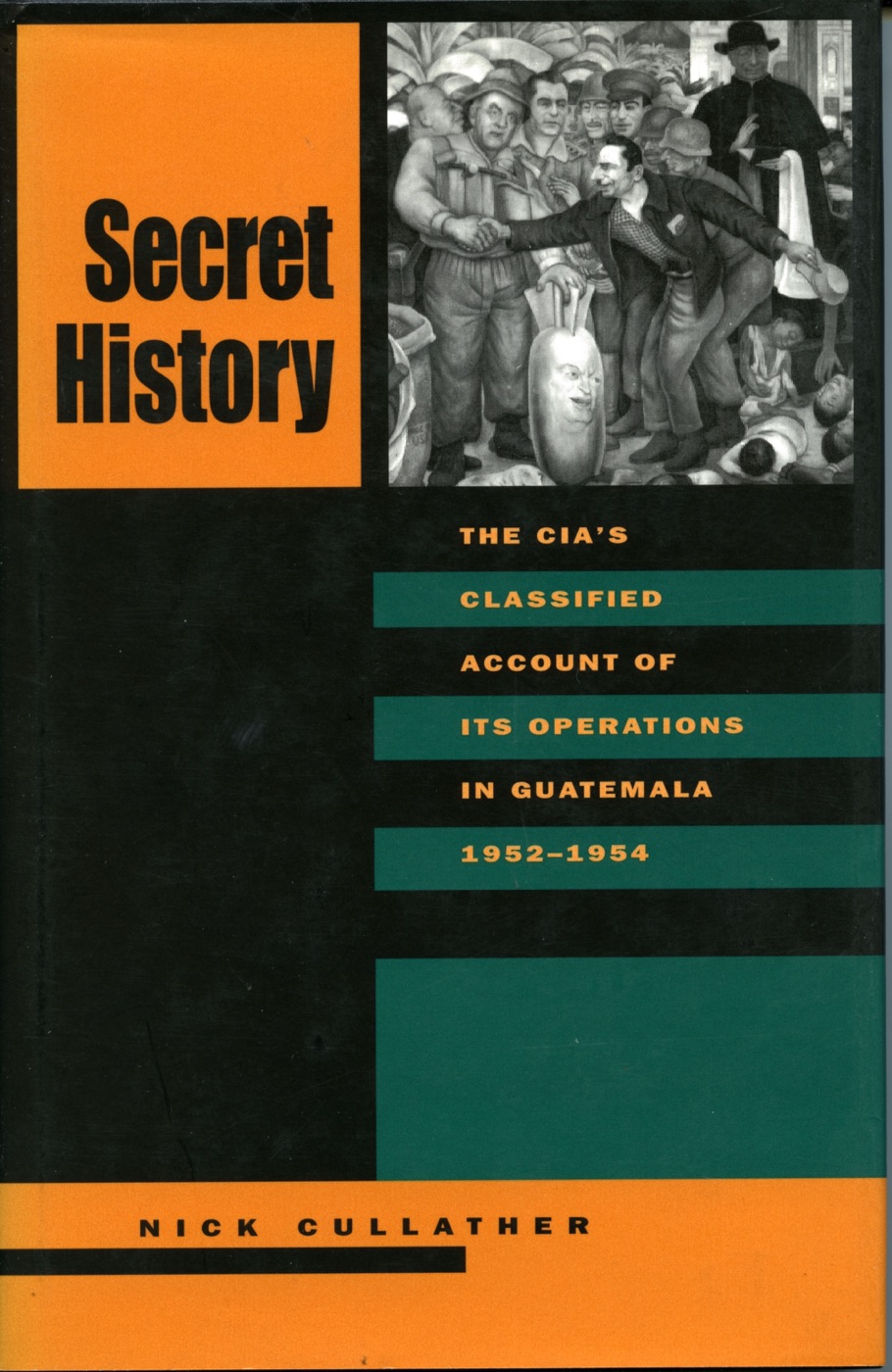


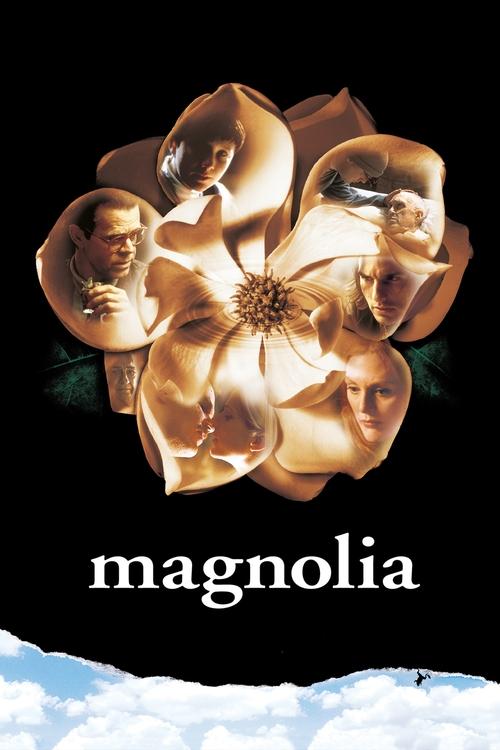
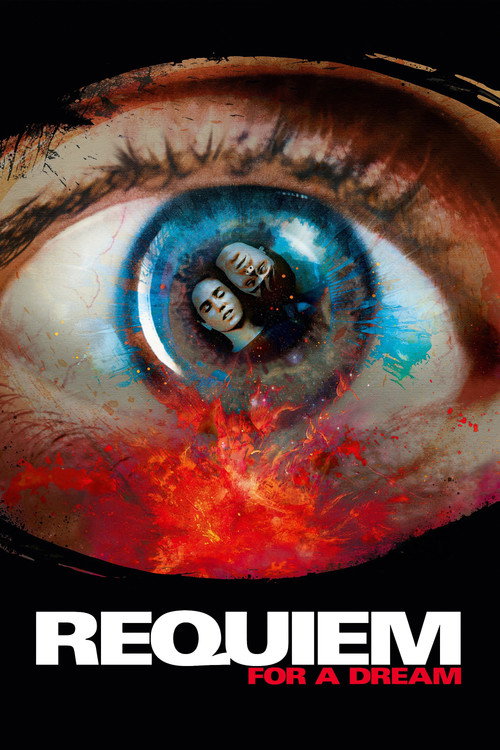
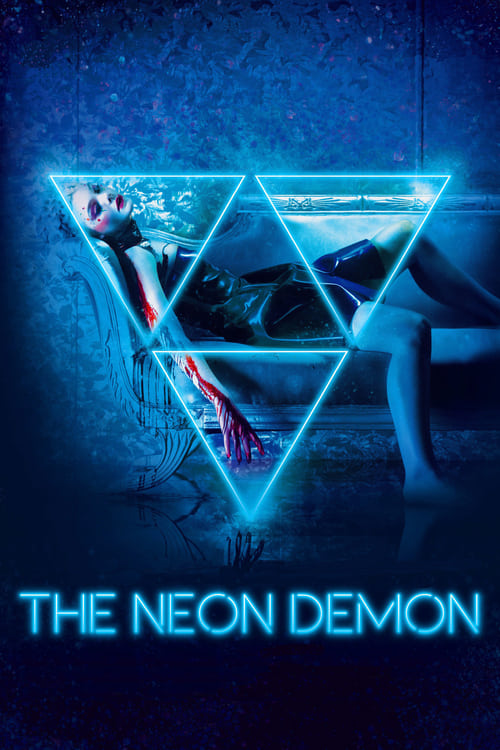
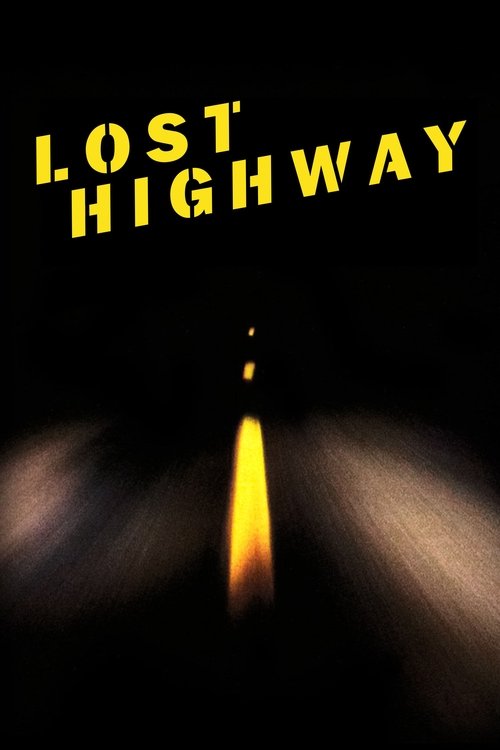
Excess and Emptiness on Screen
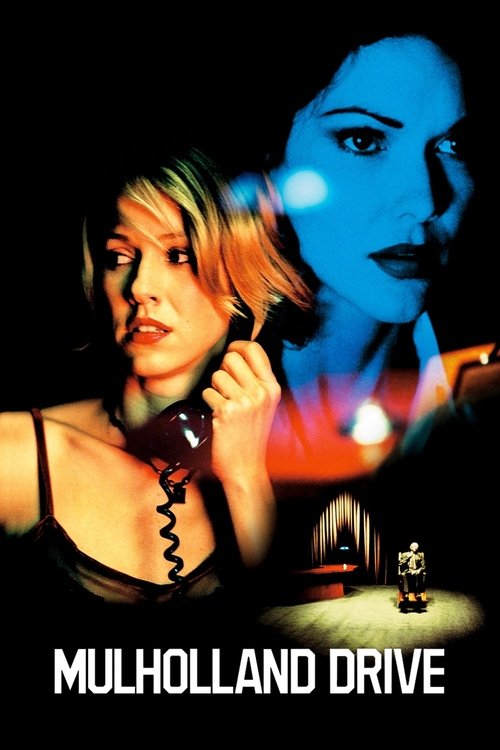
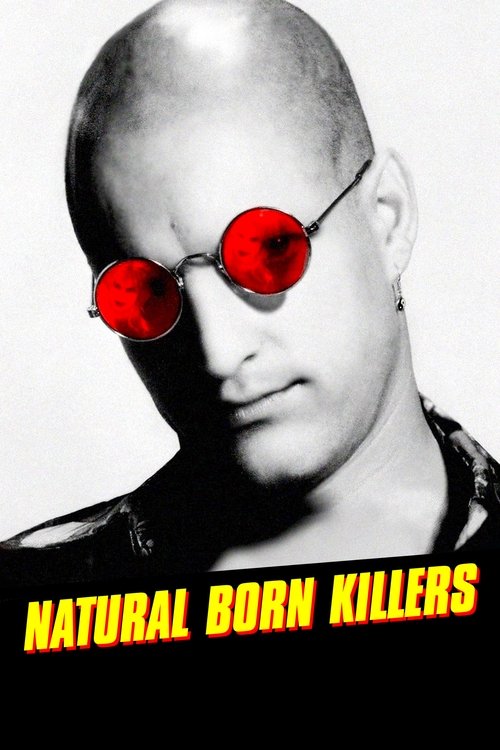
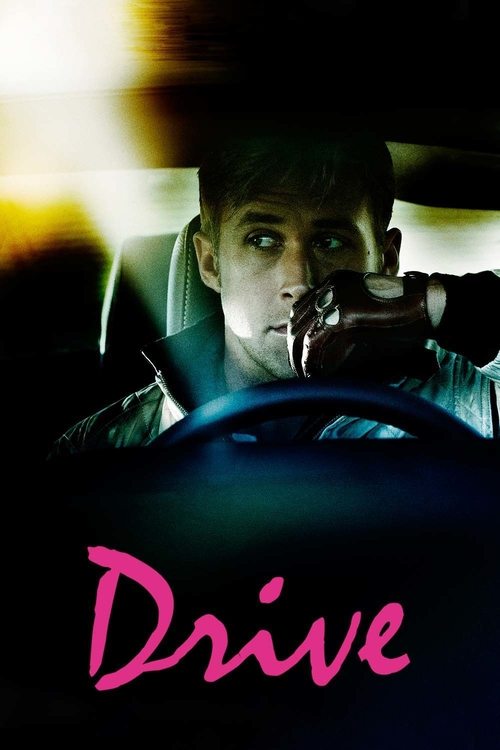
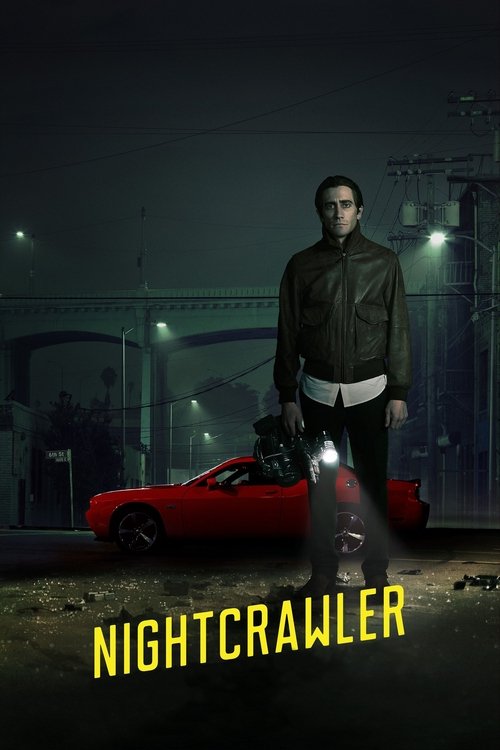
Films that live at the intersection of desire, violence, and beautiful surfaces
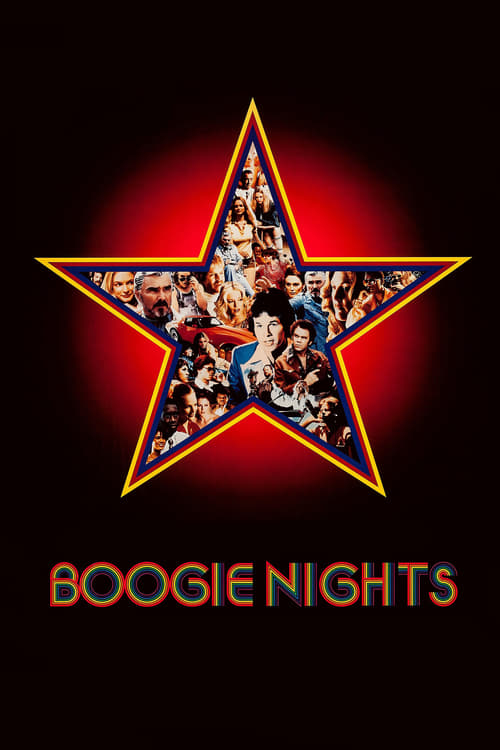



The 80s and 90s Pulse: Music That Scores the Void
The sounds Ellis's characters move through, from synth-pop numbness to post-punk dread
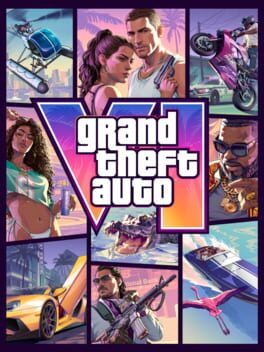
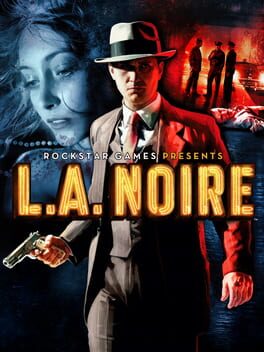
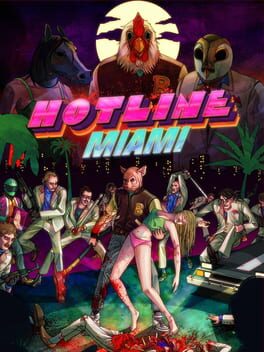
Games for the Same Temperament
Cold open worlds, unreliable narrators, and high-gloss violence

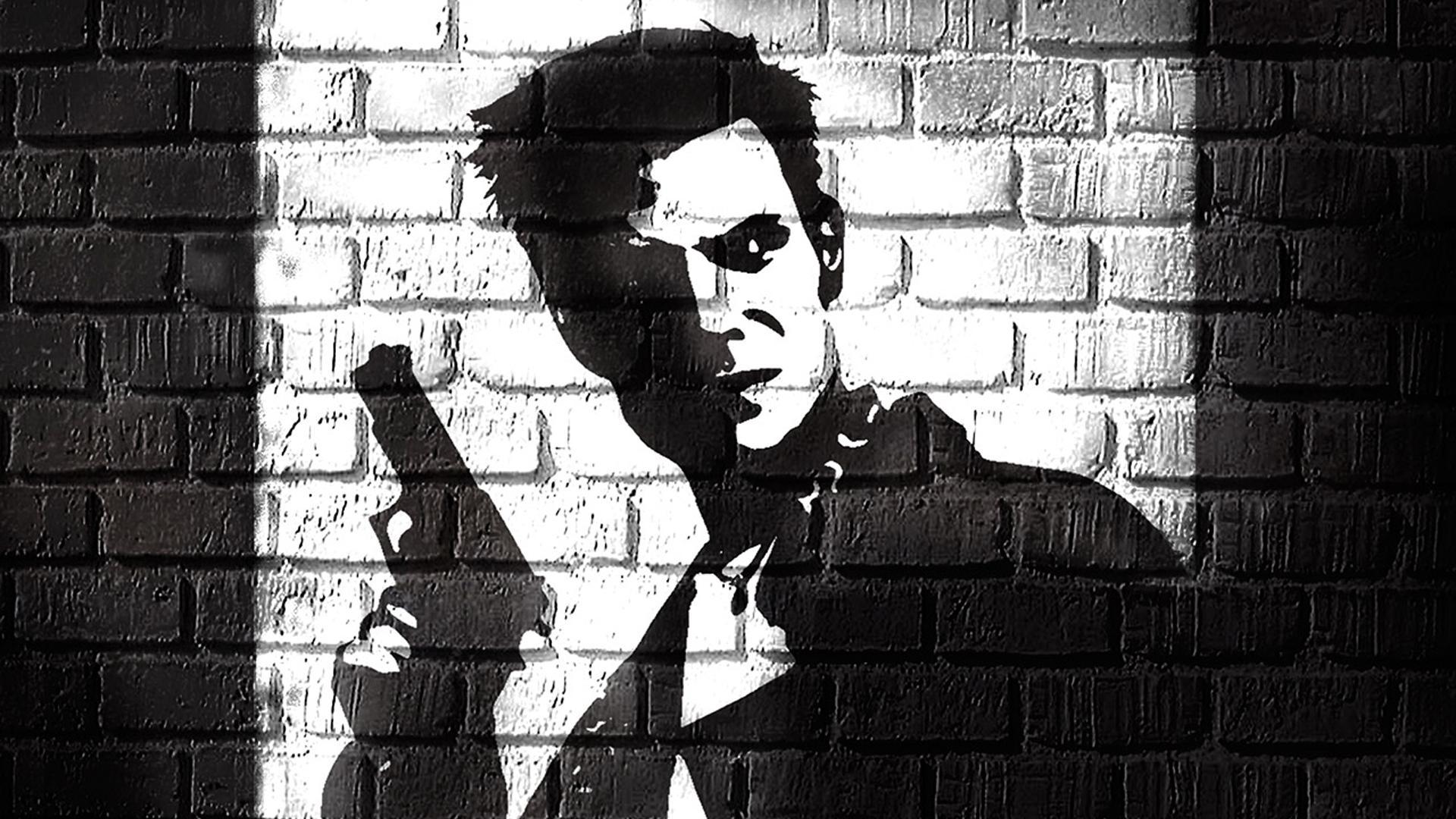
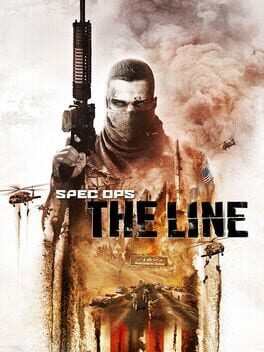
American Psycho Is a Comedy
Readers who come to American Psycho for horror miss the joke. Patrick Bateman's atrocities are described with the same exhaustive brand-cataloguing cadence as his restaurant reservations and his Phil Collins analysis. Ellis is satirizing the reader's attention as much as Bateman's violence: we skim the murders and linger on the suit descriptions because that is exactly what Manhattan in 1989 demanded. The novel is a document of collective moral numbness dressed as a thriller.
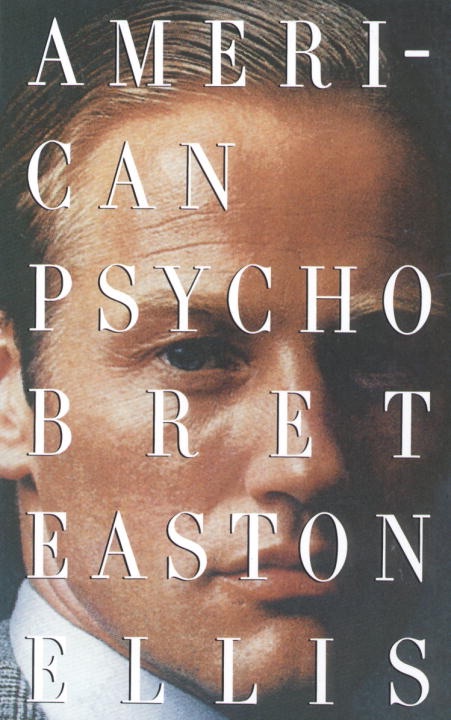
Less Than Zero Still Reads Like a Transmission
Ellis wrote Less Than Zero at 21 and the novel's flatness is not a flaw. Its narrator reports parties, drug pickups, and casual cruelty in the same neutral tone because numbing is the condition, not the subject. The economy of language outpaces its era and sits comfortably next to McInerney and Easton Ellis's contemporaries while remaining entirely its own thing.
Roger Avary's Rules of Attraction Is the Underrated One
The 2002 film adaptation of The Rules of Attraction is routinely overlooked in favor of American Psycho, but Roger Avary's fractured chronology and split-screen devices honor the novel's multiple unreliable narrators more faithfully than a straight adaptation ever could. Ian Somerhalder and James Van Der Beek do career-best work. It belongs in the conversation with any 1990s or 2000s campus nihilism film.
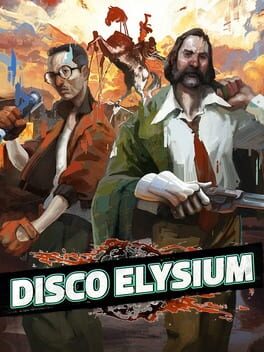
Disco Elysium Is the Game Ellis Fans Deserve
Disco Elysium shares Ellis's central diagnostic: what happens when interior life is completely colonized by ideology, style, and appetite? Its detective protagonist has no intact self left, only competing voices of consumerism, failure, politics, and desire. The game's prose is doing the same work as Ellis's brand-listing sentences: cataloguing the ruins of a person from the outside.
The Ellis Decade by Decade
- 1985Debut at 21
- 1987Campus nihilism
- 1991The lightning rod American Psycho
- 1994Short fiction collection
- 1998Fashion-world paranoia
- 2000Mary Harron's adaptation American Psycho
- 2002Avary's campus noir The Rules of Attraction
- 2005Autofiction and horror
- 2010Late-period return to LA
- 2019Essays and provocation Dr. White
Cold satire and the howling void
Every Version of American Psycho
Explore the Every Version of American Psycho guide →The style is the point. Once you understand that every brand name and restaurant reservation is a symptom, you are reading Ellis correctly.CrossBinge editors