
The novel nobody wanted to publish
Bret Easton Ellis wrote American Psycho in the late 1980s as a deliberate provocation: a portrait of Patrick Bateman, a Wall Street investment banker in Reagan-era Manhattan whose interior life runs on designer labels, restaurant reservations, and fantasies (and possibly acts) of extreme violence. Simon & Schuster dropped the book after advance copies leaked and sparked a boycott campaign. Vintage Books picked it up and published it in 1991, whereupon it became both a bestseller and one of the most contested novels in American literary history.
The story's grip on the culture has never fully loosened. Its central ambiguity, whether Bateman's murders are real or elaborate daydreams, is precisely what makes it portable across media. A film can play the question straight, a musical can make it absurdist, a stage run can strip it back to pure anxiety. Every version is a fresh argument about what the story is actually about.
American Psycho Across the Decades
- 1991Bret Easton Ellis publishes the novel through Vintage Books, after Simon & Schuster dropped it under pressure from advance-copy outrage. American Psycho
- 2000Mary Harron directs the film adaptation, with Christian Bale as Patrick Bateman. Co-written with Guinevere Turner. American Psycho
- 2002Direct-to-video sequel starring Mila Kunis, retrofitted into the American Psycho universe from an unrelated script. American Psycho
- 2013Stage musical premieres at the Almeida Theatre in London, with book by Roberto Aguirre-Sacasa and score by Duncan Sheik.
- 2016The musical transfers to Broadway at the Gerald Schoenfeld Theatre.
The definitive version: Mary Harron's 2000 film
Harron and co-writer Guinevere Turner solved the novel's central problem: how do you render an unreliable first-person narrator on screen without either endorsing the violence or defusing all the menace? The answer was deadpan comedy. Christian Bale's performance is precise, controlled, and consistently funny in a way that never lets the audience off the hook. The film keeps the ambiguity intact, and its visual language, all hard whites and sharp lines, has aged into something genuinely iconic. The business card scene alone has become shorthand for an entire mode of masculine anxiety.
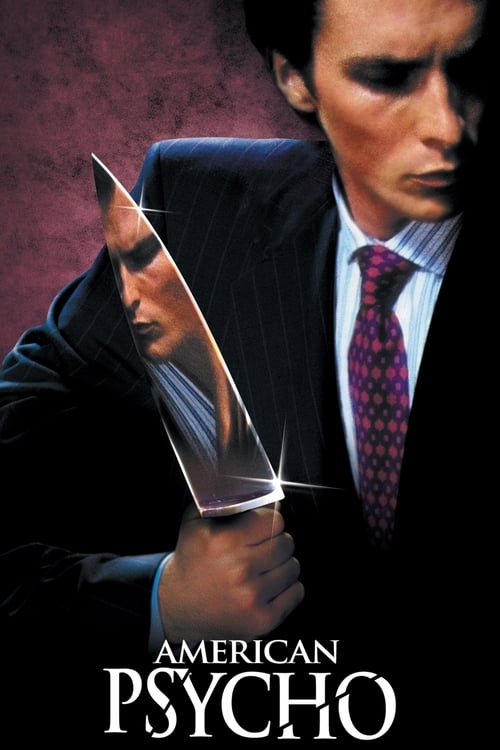
The one to skip: American Psycho 2
Originally scripted as an unrelated thriller called Blond Ambition, it was retrofitted into the American Psycho universe in post-production. Mila Kunis has since been candid about how much she regrets making it, which is more honesty than the film itself ever shows. It has nothing to say about the original's themes and exists purely as a branding exercise. Skip it without guilt.
Blank-faced satires of masculine ambition
Stories about men who perform identity until the performance becomes all there is

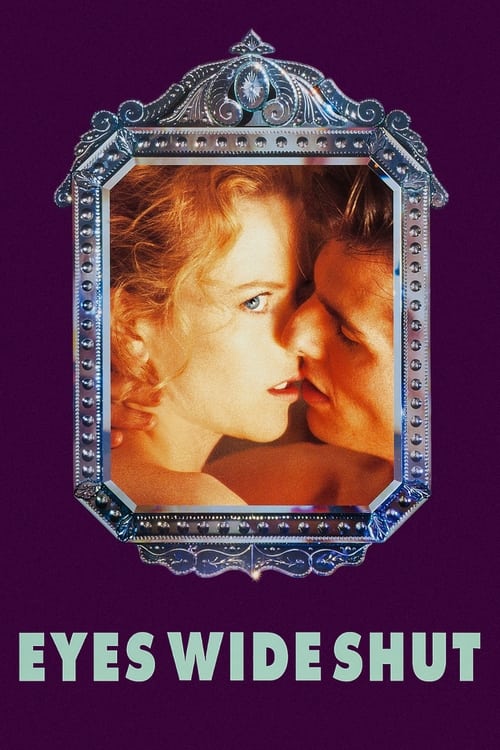
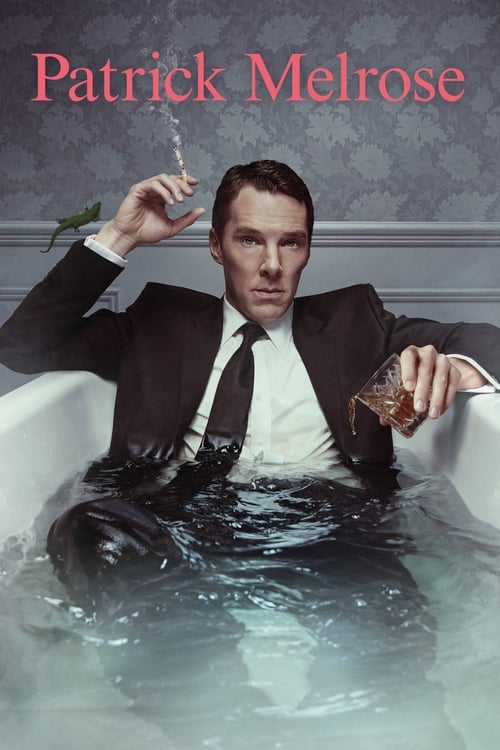
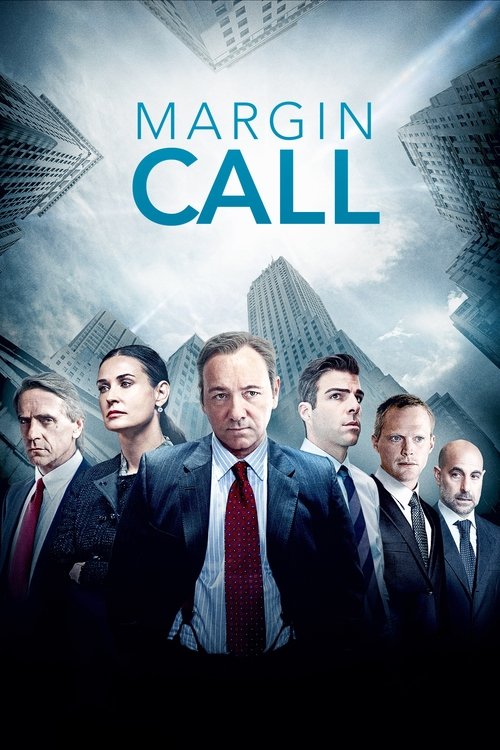
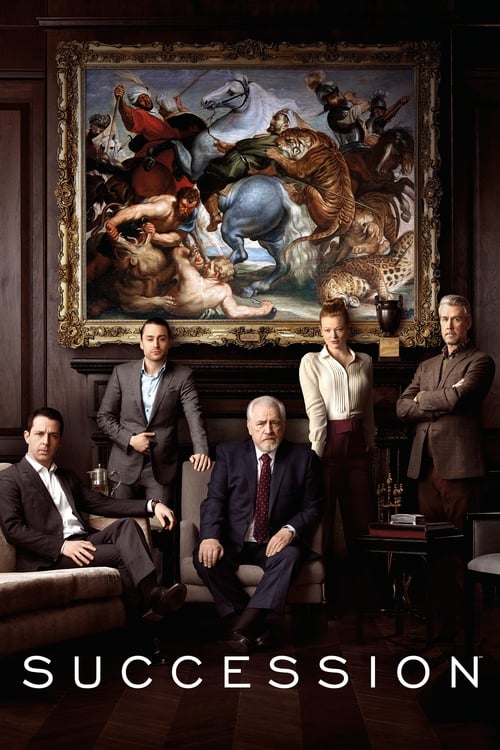
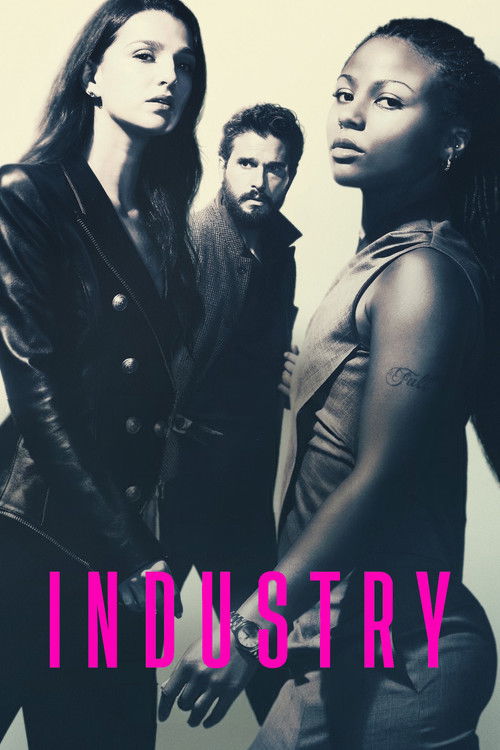
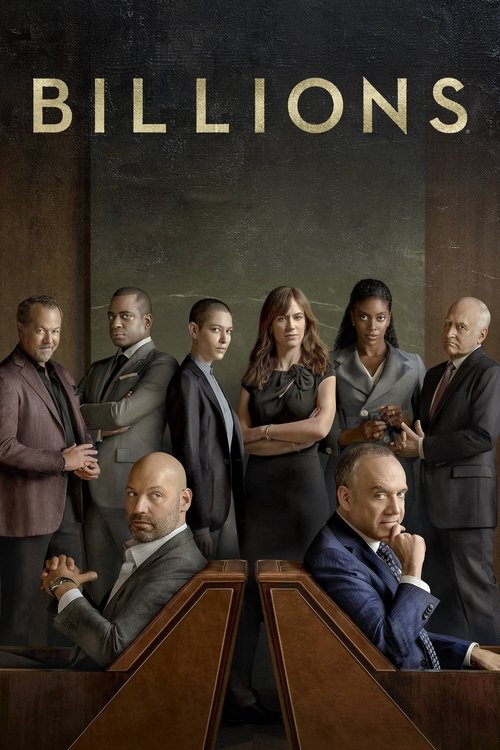
Wall Street and the theatre of money
Power, greed, and performance in finance and corporate culture
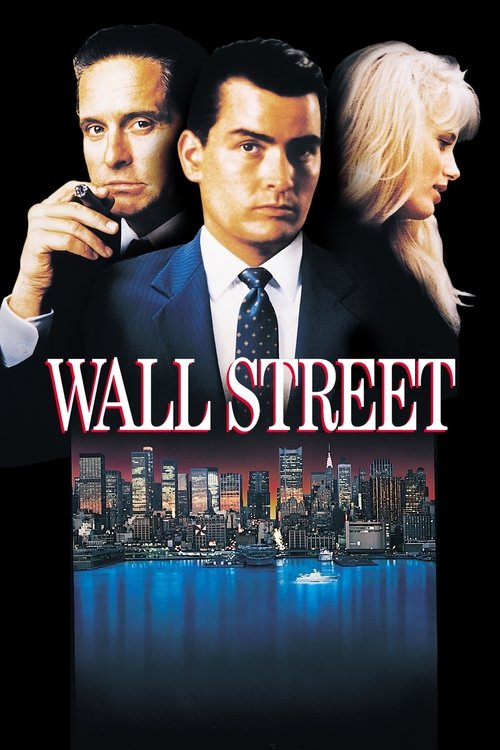
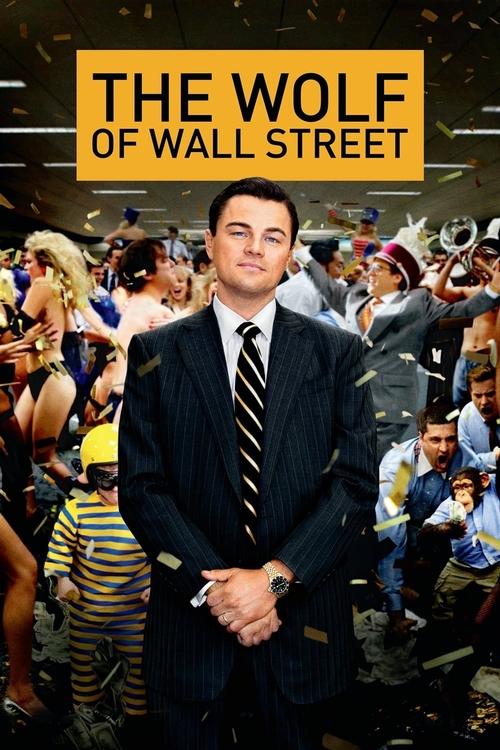

Unreliable narrators and violence beneath the surface
Stories where the horror is as much psychological as physical
Hollow Men and Modern Villains
For Fans of Bret Easton Ellis
Explore the For Fans of Bret Easton Ellis guide →Is evil something you are, or something you do? My most interesting question.Bret Easton Ellis