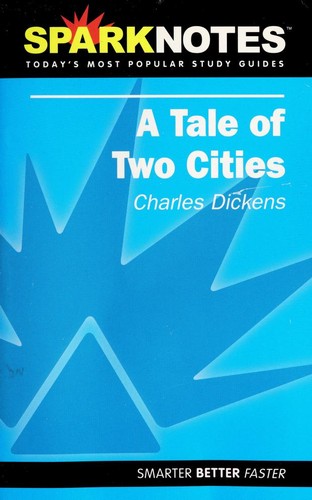

Charles Dickens invented the modern idea of the page-turner. Writing in serial installments for a mass audience in the 1830s through 1870s, he made the novel the dominant popular art form of its age -- and every plot twist, cliffhanger chapter ending, and emotionally overwhelming death scene was calculated to make readers come back next month. What his fans love is not prim literary virtue but velocity: the grotesque comedy of a Pecksniff, the pathos of a dying child, the menace of a Fagin, all piled into the same sprawling book. His obsessions -- the cruelty of poverty, the absurdity of institutions, the transformative power of kindness -- translate cleanly into every subsequent medium. If you love Dickens, you love a very specific feeling: a world rendered in sharp moral relief, where injustice is real and monstrous and yet somehow laughter is always nearby.
Essential Charles Dickens
The novels that define the canon, from the early comic masterworks to the darker late fiction


Dickens on Screen: The Adaptations Worth Watching
A century of filmmakers have returned to the same novels -- these are the versions that got it right

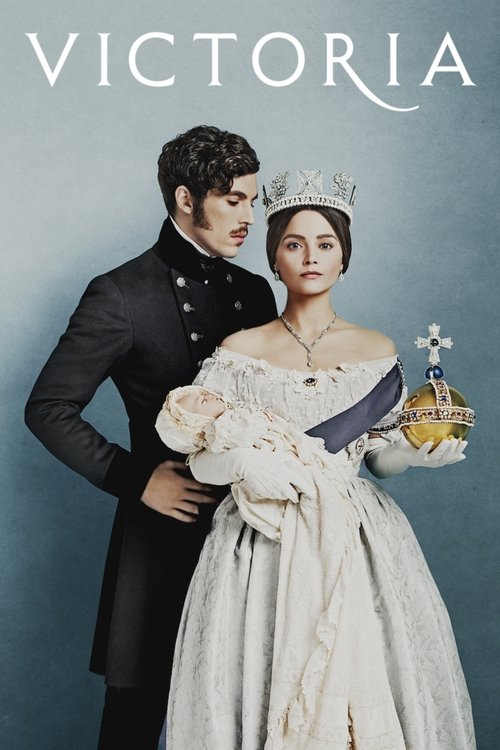
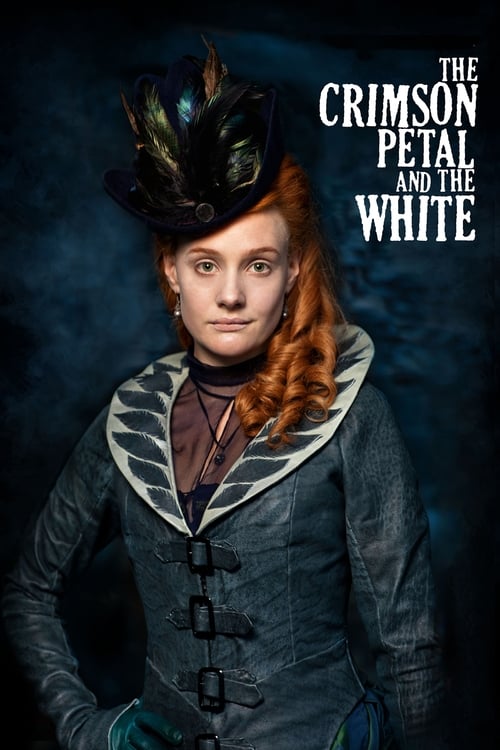
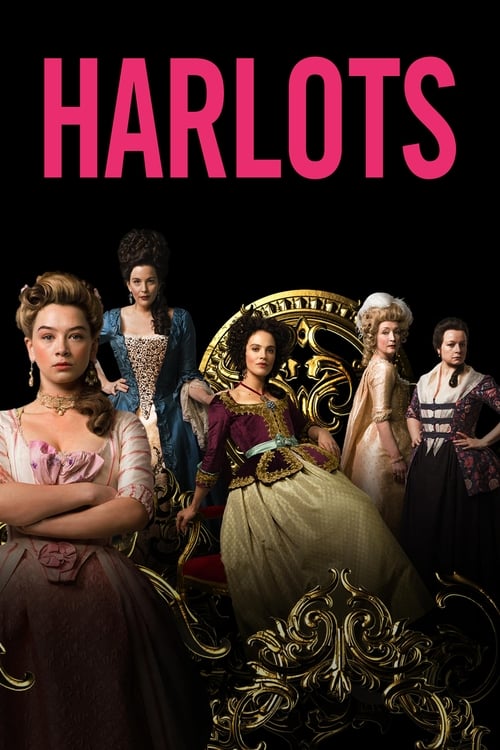
Victorian London and the World It Made
Films and series soaked in the same fog, class anxiety, and moral drama as the novels
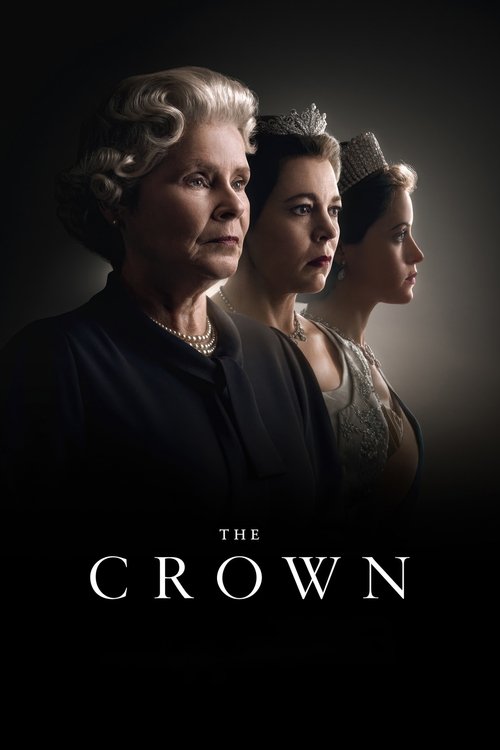
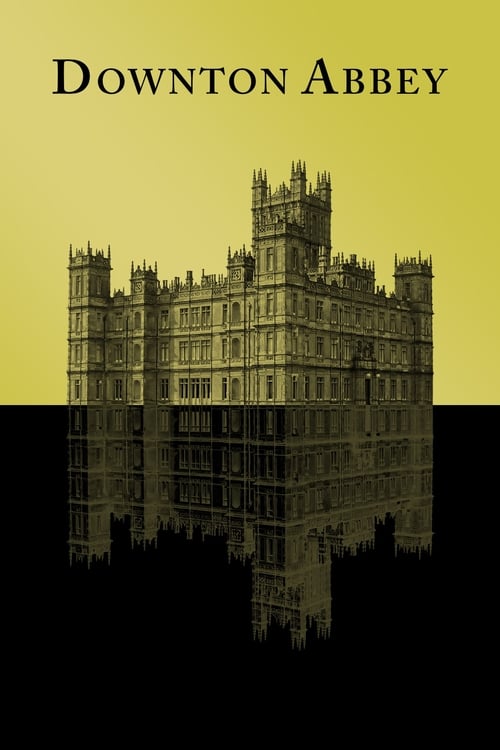
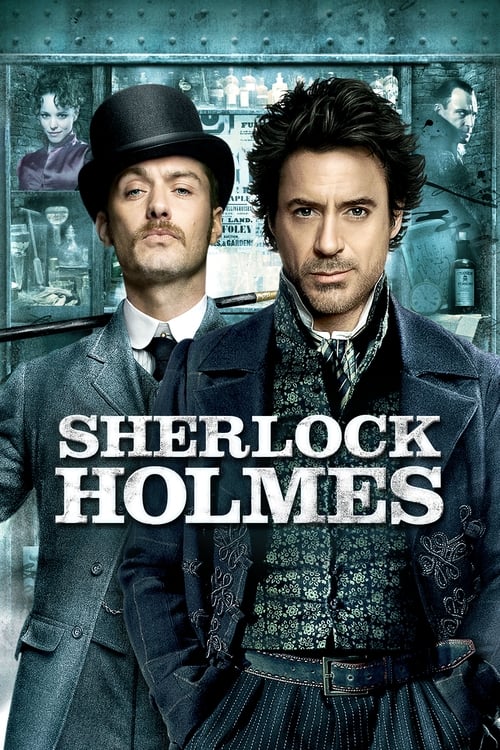
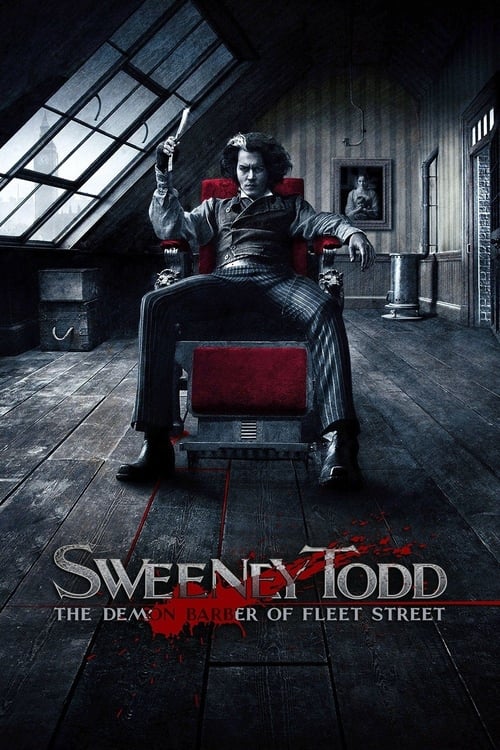

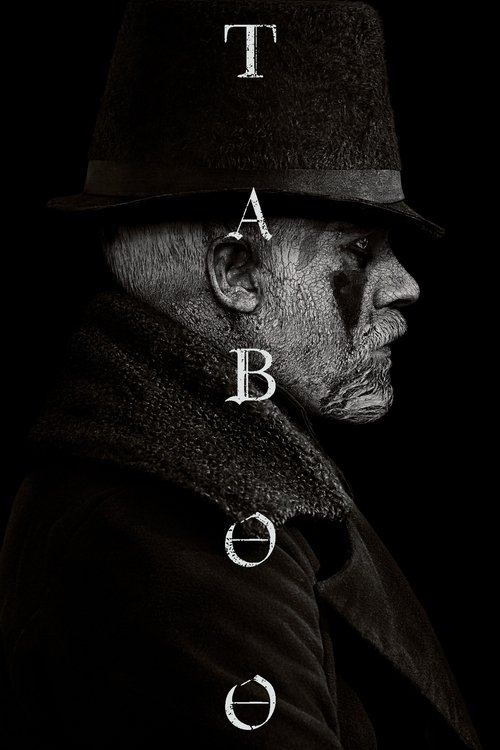
The Great Social-Novel Tradition
Authors who share Dickens's appetite for large casts, moral urgency, and the lives of the overlooked


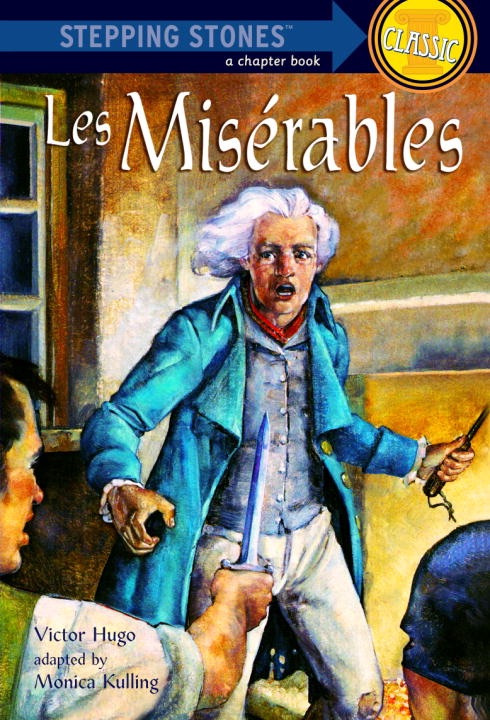


Modern Novels with Dickensian DNA
Big, compassionate, plot-driven books where society itself is the antagonist
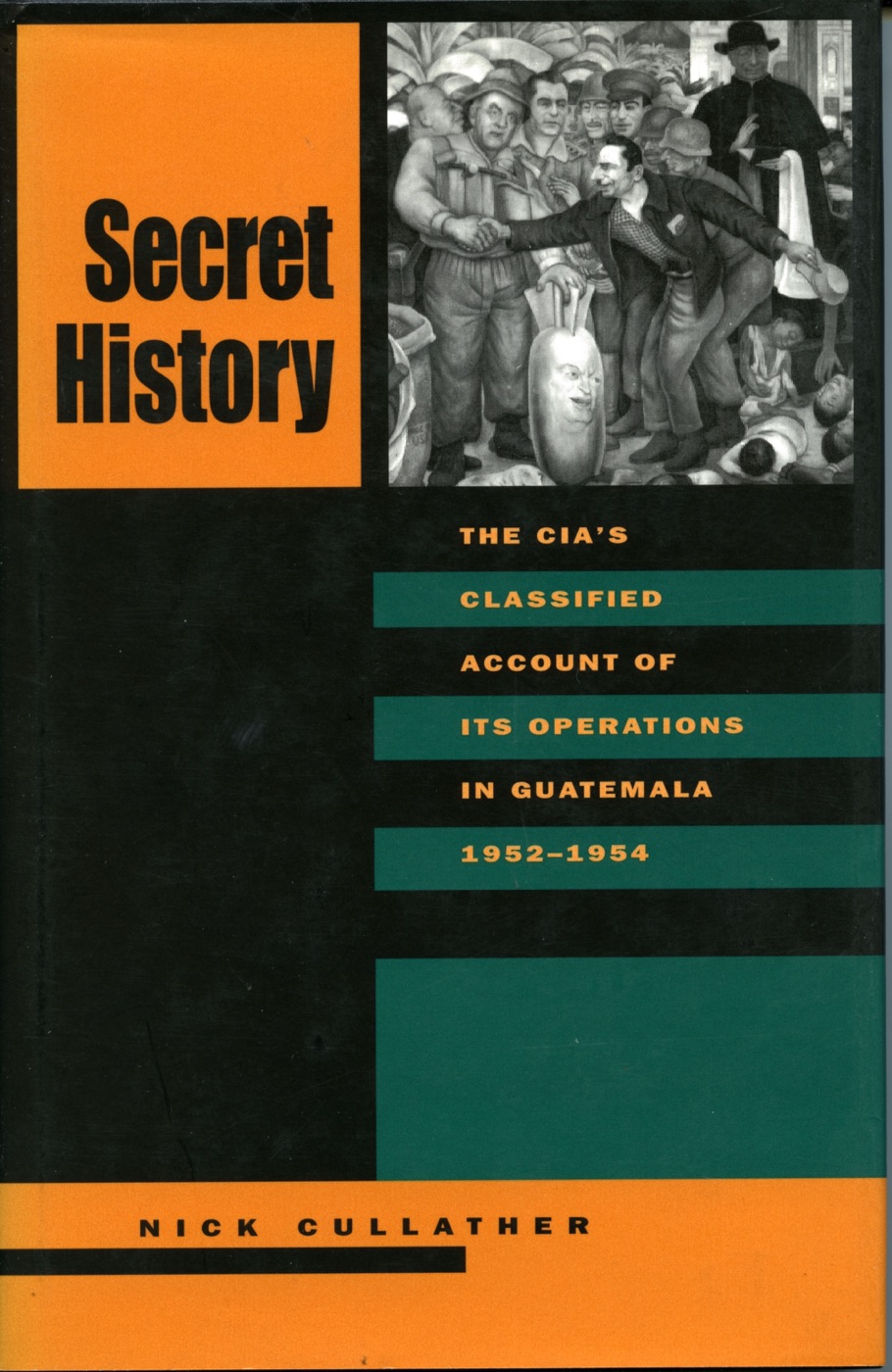


Orphans, Outcasts, and Underdog Stories Across Media
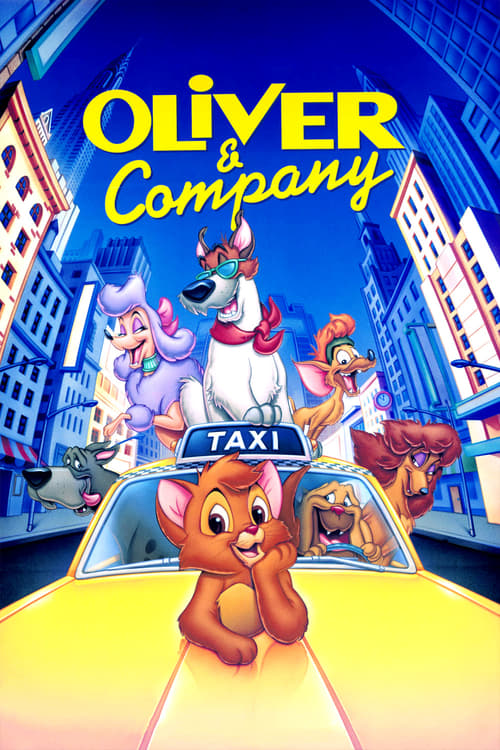
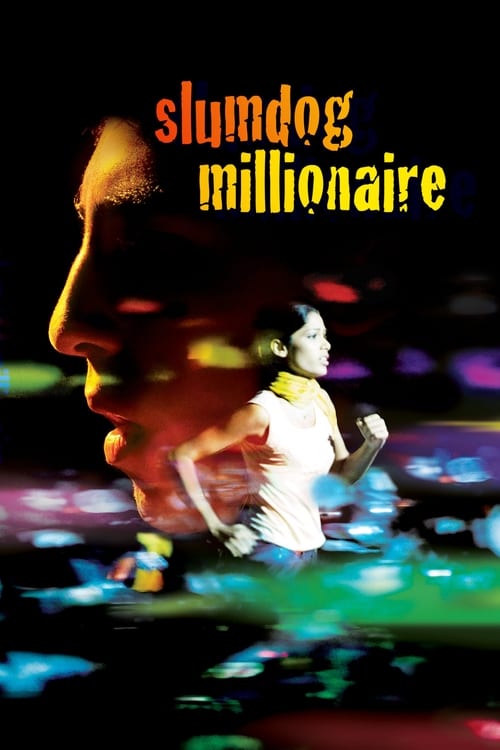
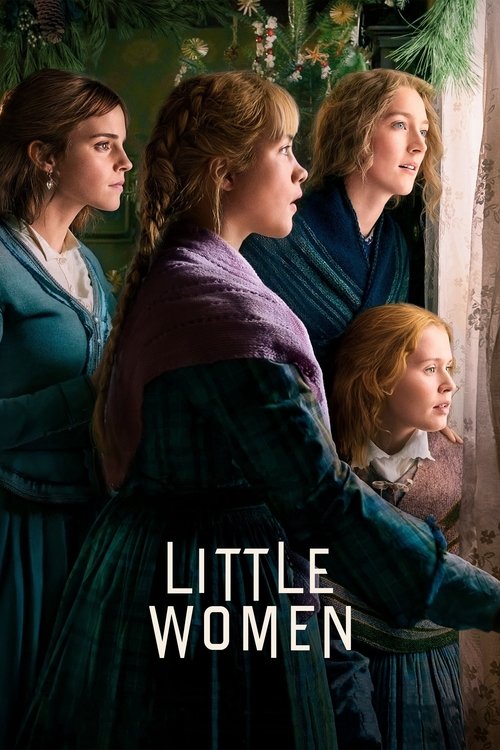
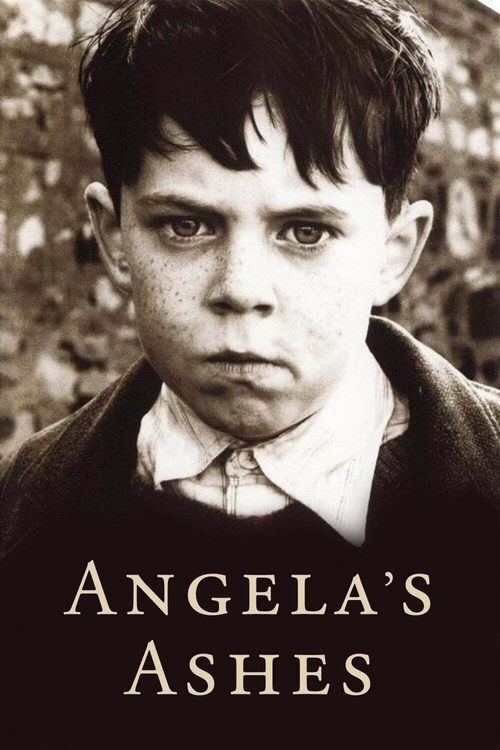
The foundling-who-triumphs plot is Dickens's greatest gift to storytelling -- here it is in every medium

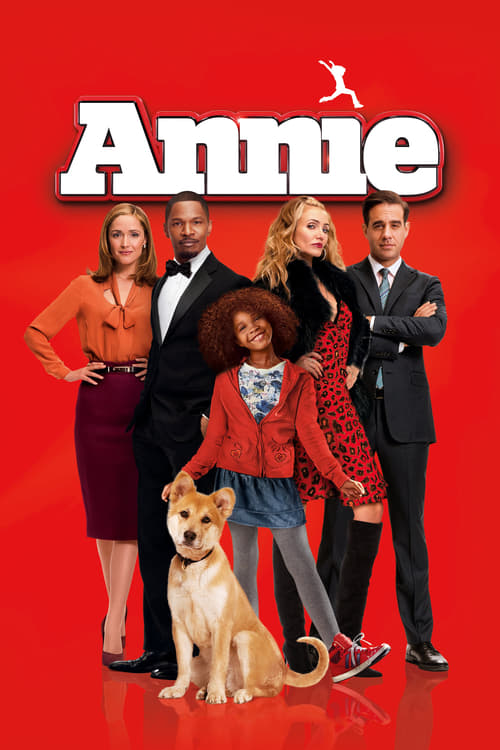
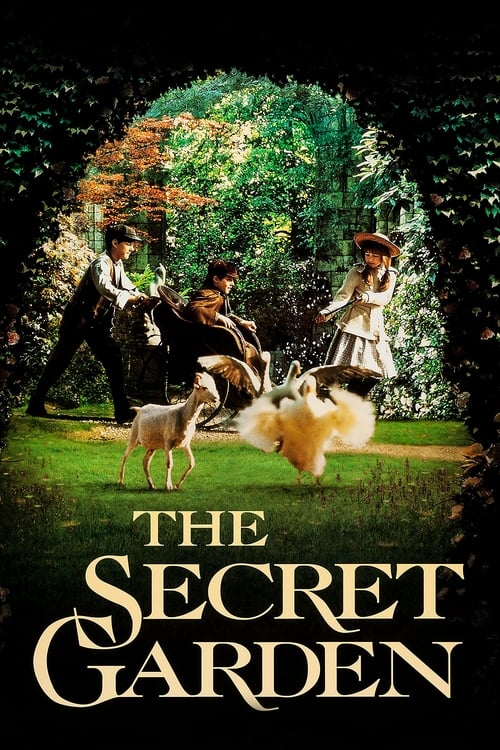
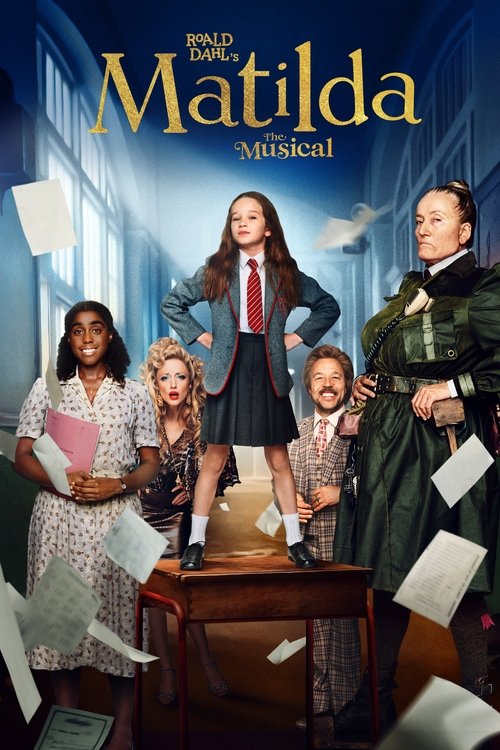
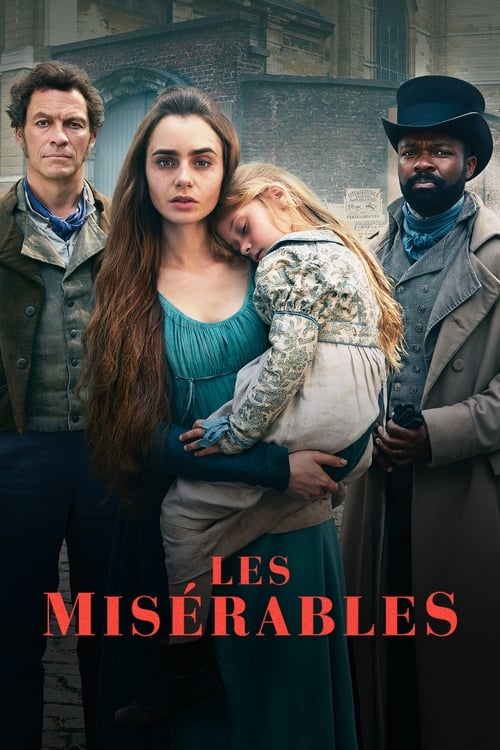
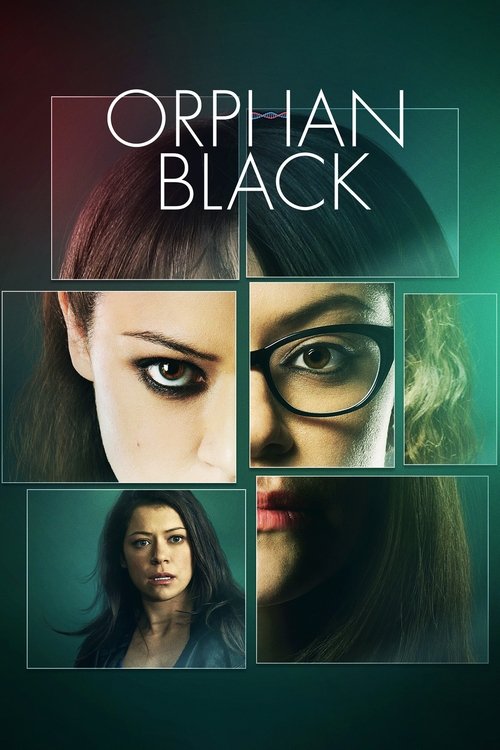


Bleak House Is the Greatest Novel in English
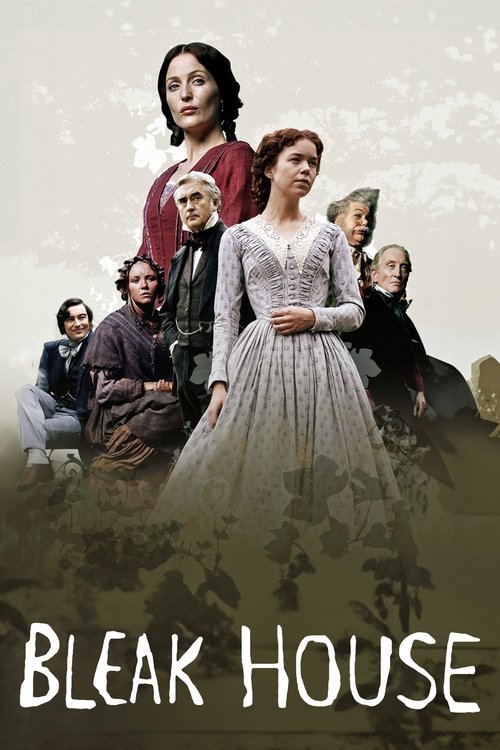
The case is still being made, but Bleak House (1852-53) is the strongest candidate. It invented the detective novel, pioneered simultaneous dual narrators, satirized the legal system so effectively that the Chancery Court actually reformed some procedures, and somehow managed all of this while sustaining genuine emotional devastation across 900 pages. The BBC's 2005 adaptation, with Gillian Anderson and Charles Dance, is the rare screen version that matches the novel's ambition.
A Christmas Carol Became Its Own Genre
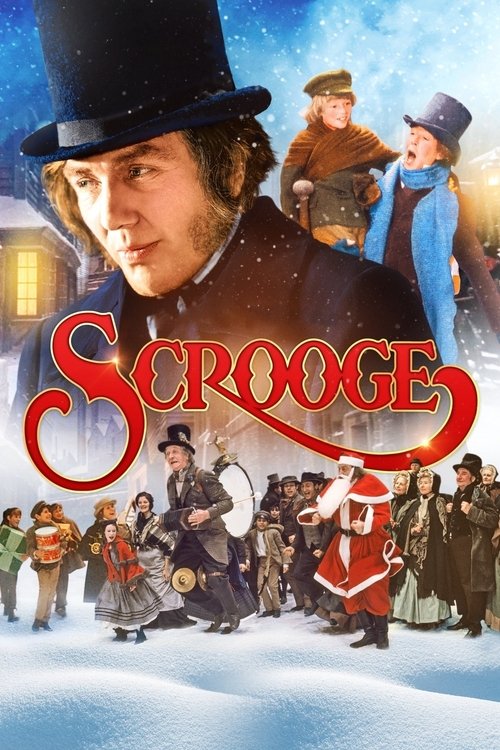
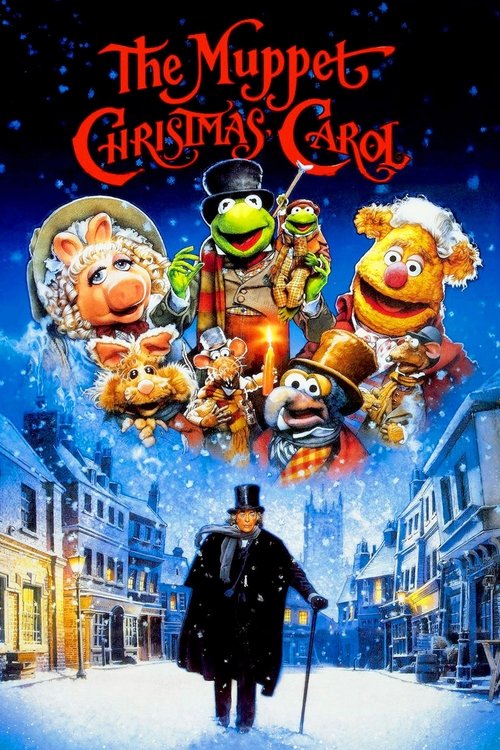
In 1843 Dickens needed money and wrote A Christmas Carol in six weeks. What he accidentally did was codify Christmas as a secular moral ritual for the English-speaking world, and create a story structure (the visitation, the three ghosts, the transformation) so clean and sturdy that it has been remade in every medium imaginable. The Muppet Christmas Carol is genuinely one of the best adaptations. So is the 1951 Alastair Sim film, Scrooge. The novella itself takes two hours to read -- do it.
The Armando Iannucci David Copperfield Is a Masterpiece
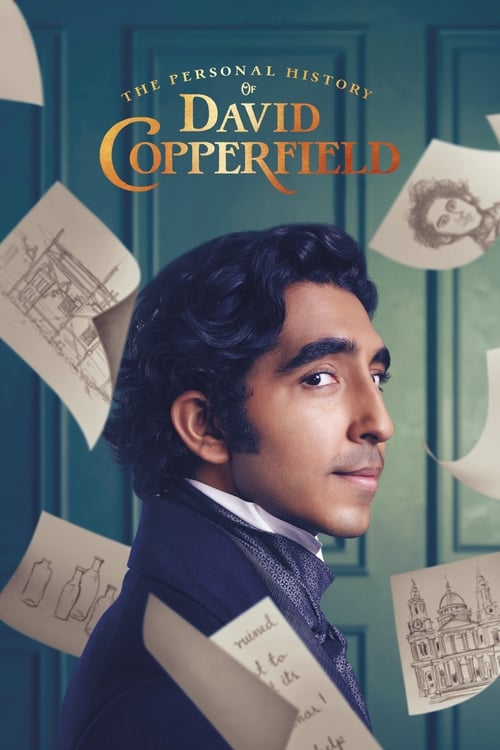
The Personal History of David Copperfield (2019), directed by Armando Iannucci and starring Dev Patel, is one of the best Dickens adaptations ever made, and it arrives from an entirely unexpected direction. Its colorblind casting (Patel as Copperfield, Tilda Swinton as Betsey Trotwood) is not stunt casting -- it unlocks the novel's universality and makes Dickens's warmth feel genuinely contemporary. The energy is right. The comic performances are right. This is what adaptation should do.
Victorian Crime Fiction Is Dickens's Other Legacy
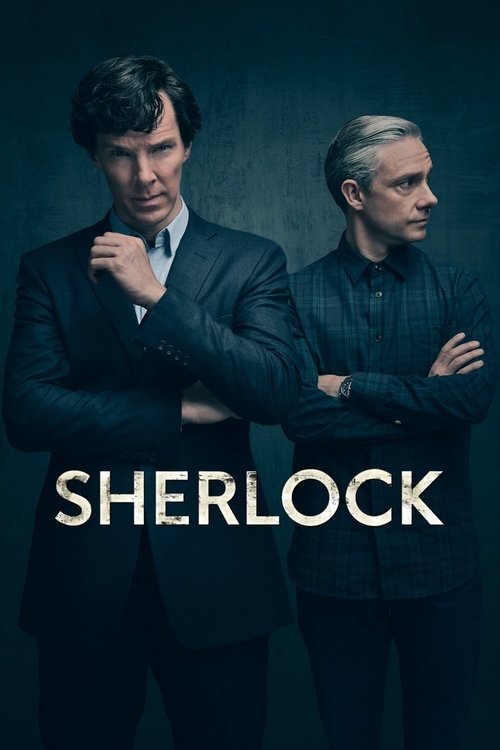
Dickens pioneered crime fiction in Bleak House (Inspector Bucket is often cited as the first detective in the English novel) and co-wrote some of the earliest sensation fiction with Wilkie Collins. That lineage runs directly to Arthur Conan Doyle, Agatha Christie, and the entire British mystery tradition. If you love the fog and moral weight of Dickens, the Victorian mystery genre is your natural next stop -- and the BBC's Sherlock and Inspector Morse inherit the same atmospheric DNA.

Dickens: A Life in Works
- 1836The Pickwick Papers serialized, launching Dickens to national fame at 24 The Pickwick Papers
- 1838Oliver Twist completes serialization, the first novel to take a child as its hero Oliver Twist
- 1843A Christmas Carol published in December, changes English Christmas forever A Christmas Carol
- 1849David Copperfield begins serialization, Dickens's most autobiographical novel David Copperfield
- 1852Bleak House serialization begins, often called his masterpiece Bleak House
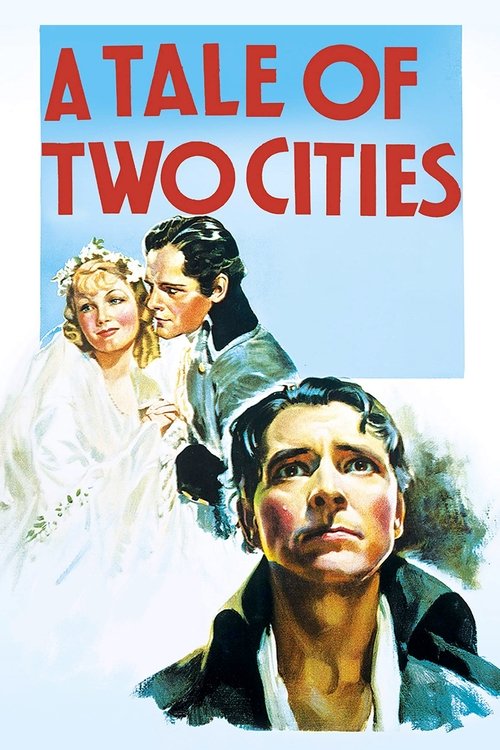
- 1859A Tale of Two Cities published, his most widely read novel worldwide A Tale of Two Cities
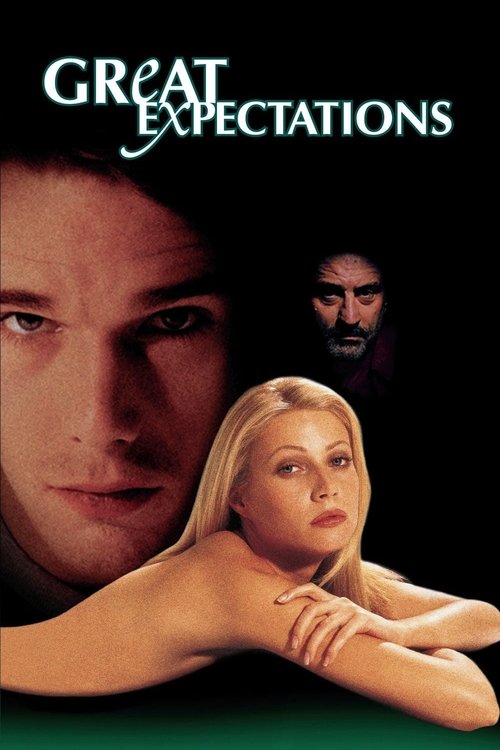
- 1860Great Expectations serialized, the late-career novel that feels most modern Great Expectations
- 1946David Lean's Great Expectations becomes the gold standard of Dickens on film Great Expectations
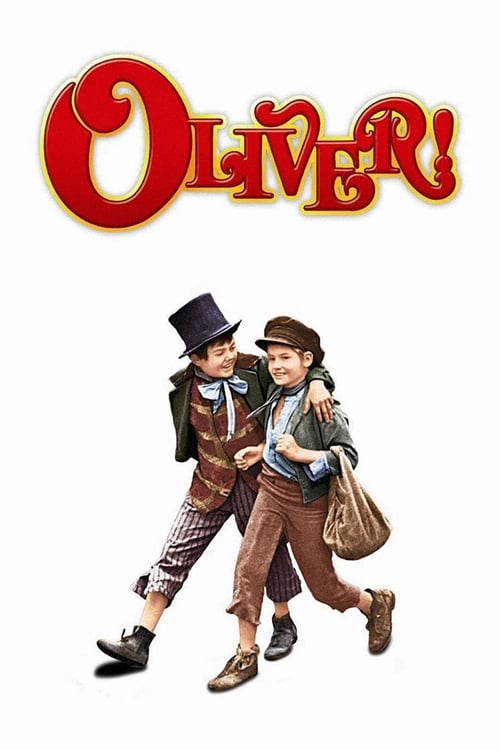
- 1968Oliver! wins Best Picture -- a musical adaptation of Oliver Twist Oliver!
- 2005BBC's Bleak House miniseries proves long-form TV is Dickens's natural modern home Bleak House
More Victorian London and Social Drama
Victorian London
Explore the Victorian London guide →It was the best of times, it was the worst of times -- the most famous opening in English fiction, and a promise Dickens kept on every page.A Tale of Two Cities, 1859