
Leo Tolstoy wrote two of the longest and most beloved novels in any language, then spent the rest of his life insisting that fiction was less important than living rightly. That tension, between the artist who could render a ballroom or a battlefield with equal precision and the moralist who wanted to give it all away, is what makes him irreplaceable. His readers come for the epic scope and stay for the devastating intimacy: a moment of jealousy on a carriage ride, a dying man's terror dissolving into light, an ambitious young officer discovering that glory is nothing like what he imagined. The through-line a Tolstoy fan loves is scale that never loses the individual, and ideas carried not by argument but by the full weight of lived experience.
Essential Tolstoy
The core novels and shorter works, from the panoramic to the piercing


Tolstoy on Screen: The Adaptations
Films and series that brought the novels to life, from Hollywood epics to Russian classics



If You Love the Epic Sweep: Russian and Period Dramas
Films and series with the same panoramic ambition and moral seriousness
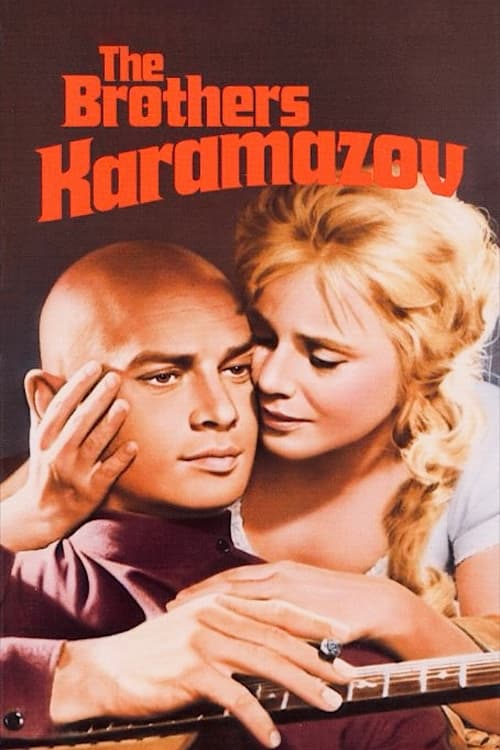

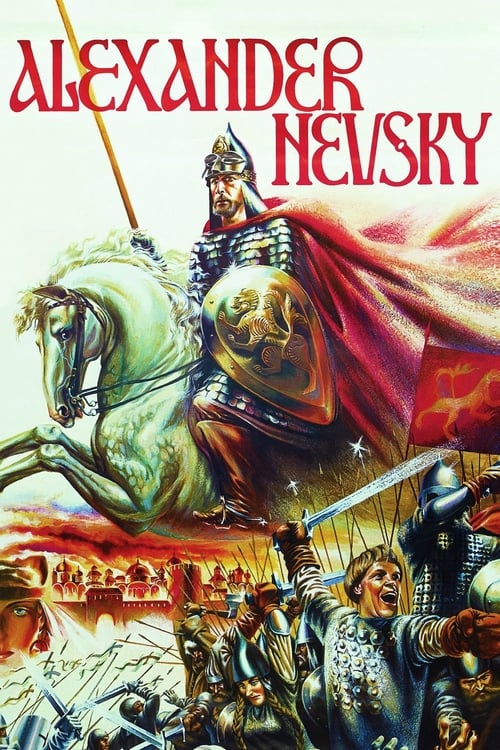
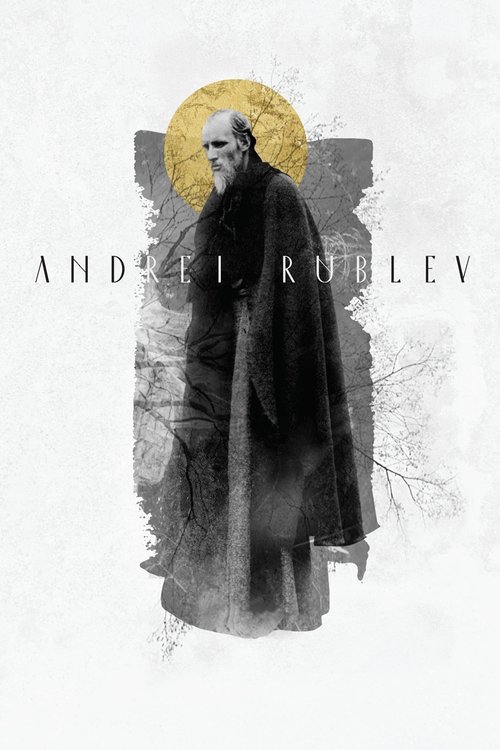
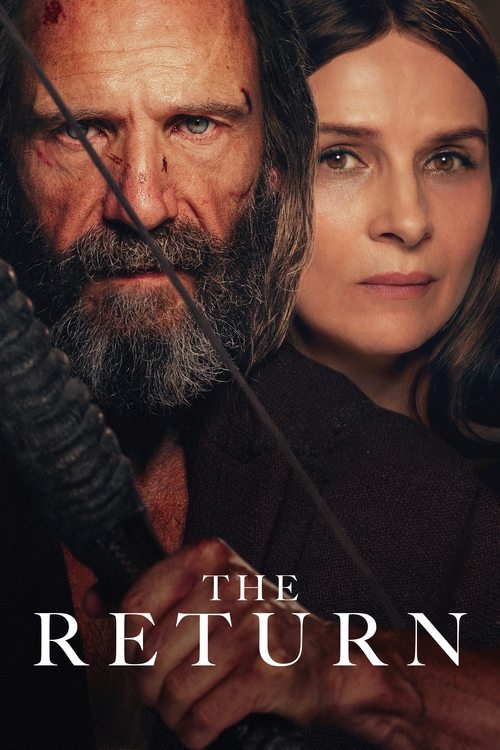

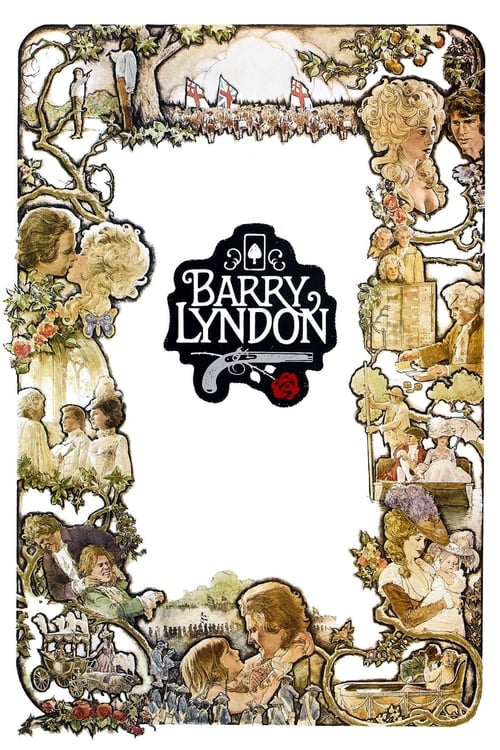
The Same Grand Conscience: Similar Authors
Novelists who share Tolstoy's scale, moral seriousness, or unflinching truth-telling


Moral Reckoning and Inner Life: Thematically-Aligned Films and Series
Works that put the inner moral life at the center with the same unflinching honesty


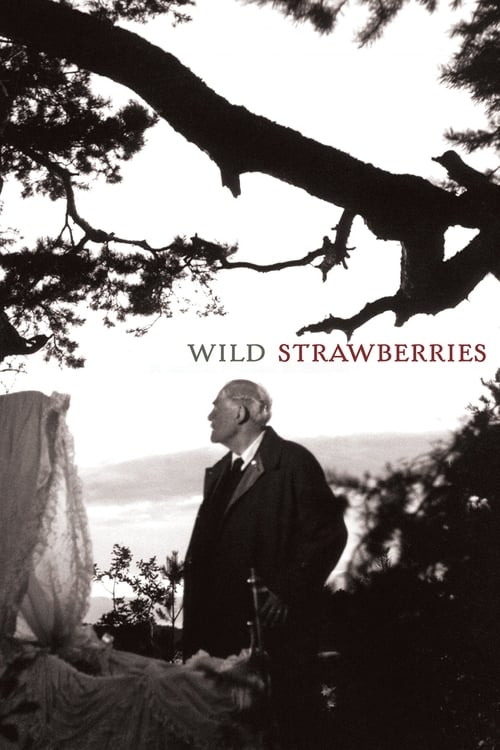
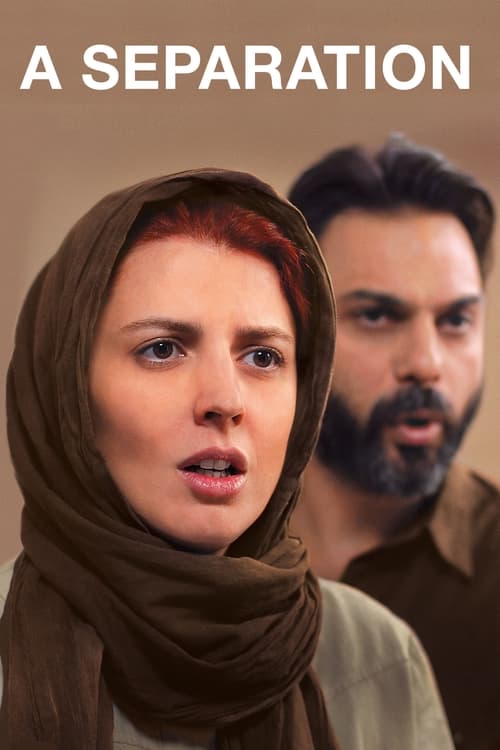
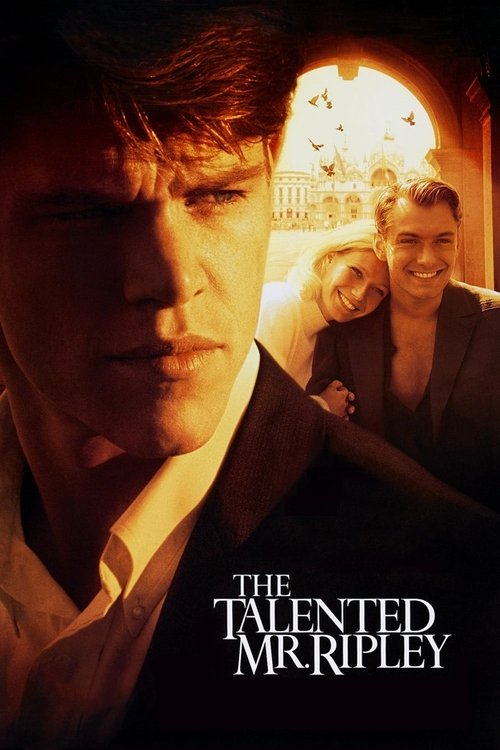


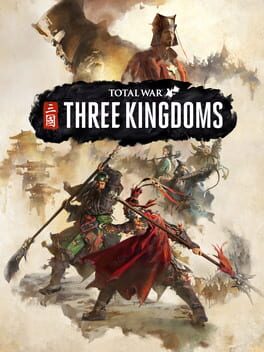
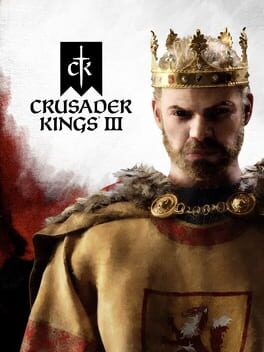
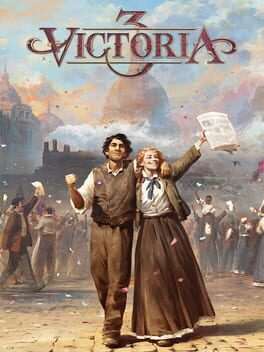
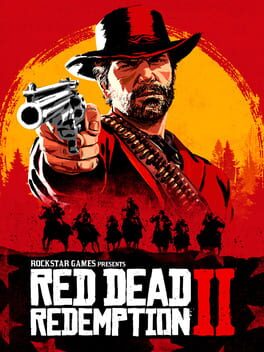
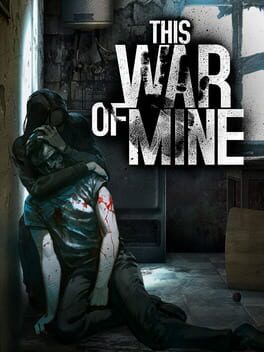
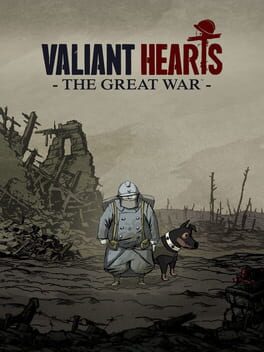
Epic War, Empire, and History: Games
Games with Tolstoyan scale, from Napoleonic battlefields to sweeping empire-builders
The Death of Ivan Ilyich Is the Perfect Novella
At 86 pages, it does everything a 900-page novel does: shows a whole life, anatomizes self-deception, and arrives at something that feels unmistakably true about mortality. Ivan Ilyich is not a villain or a saint. He is a man who lived correctly by every social measure and arrives at death without having really lived at all. The horror is recognizable. The resolution, a quiet expansion into light, is more credible and more comforting than almost anything else in literature. Nothing in Tolstoy's shorter work is wasted, and nothing in the longer novels is more complete.

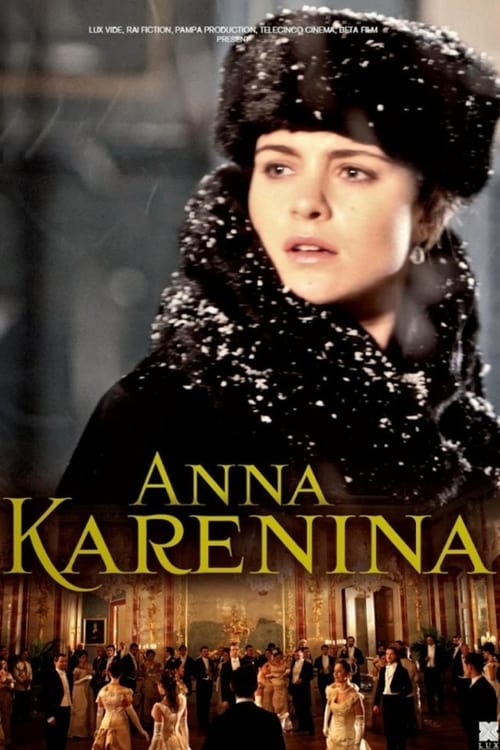
Anna Karenina Is a Novel About Freedom, Not Adultery
Every generation reads Anna Karenina as a story about a woman destroyed by her desires, but Tolstoy is more precise and more disturbing than that. Anna is destroyed by a society that grants men what it denies women, and by a marriage that replaced her self with a role. Levin, farming in the countryside and asking unanswerable questions, is the novel's true center of gravity: the man who escapes the same trap by luck and temperament. The parallel structure is not an accident. Tolstoy is measuring two possible lives against each other, and the result is not a moral verdict but a moral weight.
War and Peace Invented the Modern Epic
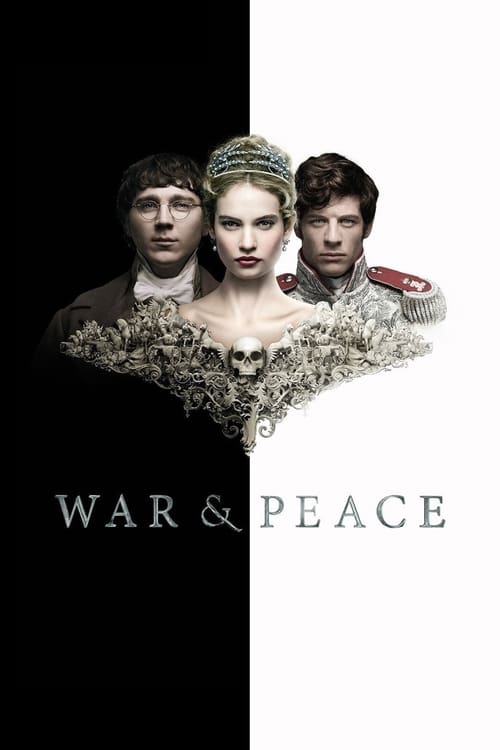
Before War and Peace, novels were either intimate or panoramic. Tolstoy refused the choice. He follows individual characters through a battle that no one fully understands and into a drawing room where someone plays the piano badly and everyone pretends not to notice. The juxtaposition is the argument: history is made of exactly these people, exactly these small failures of courage and sudden moments of grace. Every serious historical epic since, in any medium, is answering the question Tolstoy posed about how to hold the individual and the crowd at the same time.
Hadji Murat: The Late Masterpiece Nobody Talks About Enough
Written in secret during Tolstoy's final decade, Hadji Murat is the story of a Chechen commander caught between two empires, neither of which deserves his loyalty. It is a short novel, but it contains his most vivid prose, his most sympathetically rendered violence, and his most damning portrait of power. Tolstoy opens with a thistle in a plowed field, flattened and refusing to die, and closes with an almost identical image. The thistle is Hadji Murat. It is also, without sentimentality, a portrait of dignity in an undignified world.
Tolstoy: A Life in Works
- 1852Childhood published in The Contemporary, his literary debut Childhood
- 1856Sevastopol Sketches brings real war reporting into Russian fiction
- 1863The Cossacks, his first major novel, draws on Caucasus service
- 1869War and Peace completed after six years and seven drafts War and Peace
- 1877Anna Karenina serialized to enormous public controversy
- 1886The Death of Ivan Ilyich; Tolstoy's moral crisis now shapes his fiction The death of Ivan Ilyich and The devil
- 1889The Kreutzer Sonata: a furious tract on marriage and desire, banned in the US The Kreutzer sonata and other stories
- 1899Resurrection, his last long novel, funds the Doukhobor emigration Resurrection (Wicked)
- 1904Hadji Murat written but withheld; published posthumously in 1912
- 1910Tolstoy leaves Yasnaya Polyana at age 82 and dies at a railway station
Epic Sweep and the Human Soul
Epic, Sweeping Stories
Explore the Epic, Sweeping Stories guide →All great literature is one of two stories: a man goes on a journey, or a stranger comes to town. Tolstoy wrote both at once, and made sure you cared about every passenger.CrossBinge