

Craig Mazin and Johan Renck's Chernobyl (HBO/Sky, 2019) is built on a single, devastating premise: that lies cost more than the truth ever could. The five-episode miniseries reconstructs the April 1986 disaster at Reactor No. 4 and the months of heroic, horrifying cleanup that followed, without flinching at bureaucratic cowardice, physical suffering, or moral compromise. What makes it sting isn't the spectacle of the explosion but the quieter catastrophe surrounding it: the room where officials shout down the physicist telling them exactly how bad it is. Chernobyl fans tend to be drawn to stories where systems fail, where ordinary people hold the line against both nature and power, and where historical truth feels more surreal than fiction. The works below follow that thread across every medium.
Television That Refuses to Look Away
Prestige miniseries and dramas that dissect crisis, cover-up, and consequence
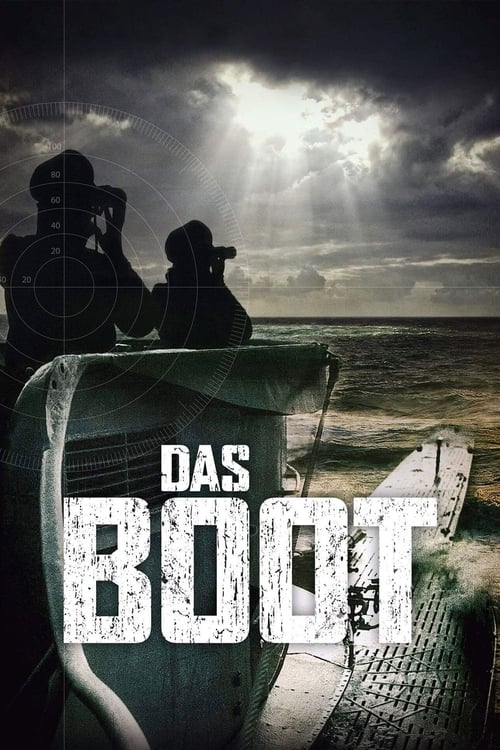

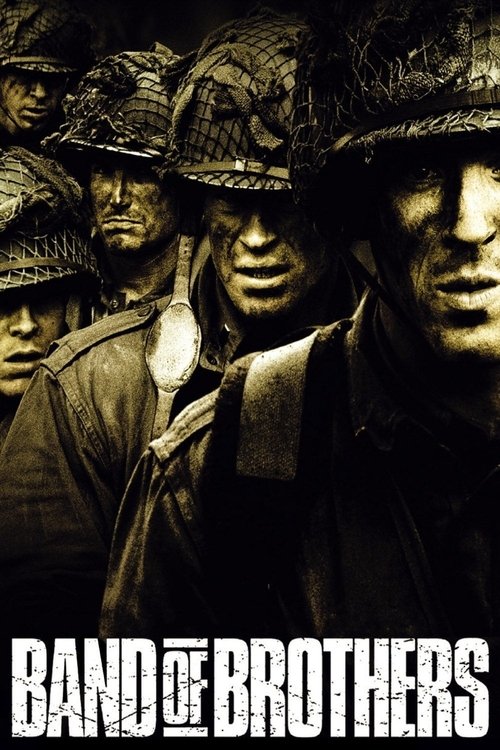
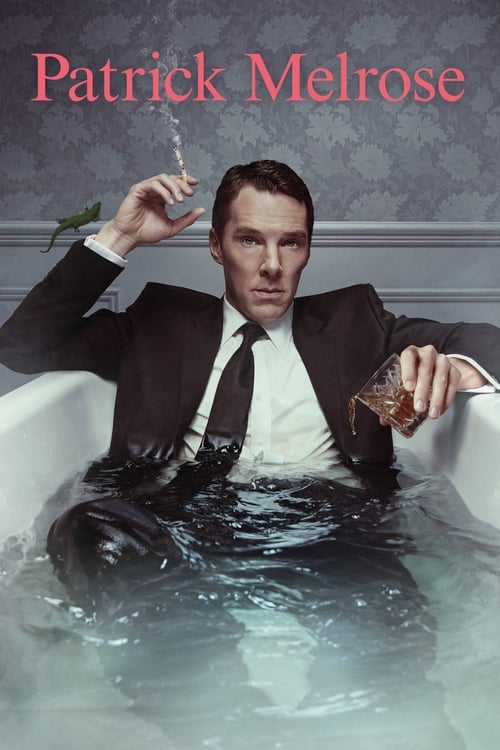

Films That Hold Power Accountable
Cinema about institutions, disasters, and the individuals caught inside them



Games: Survival, Isolation, and the Zone
Games that put you inside irradiated ruins, oppressive systems, or the tension of catastrophe
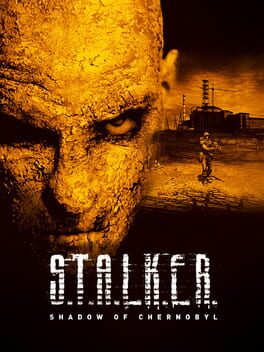
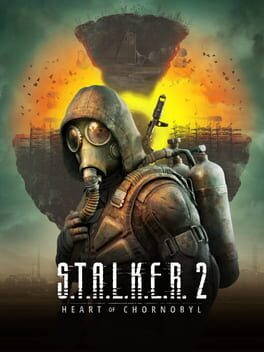
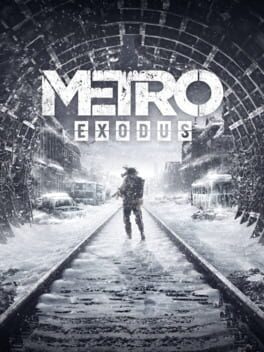


The STALKER Games Are the Closest Thing to Walking Inside the Show
GSC Game World's S.T.A.L.K.E.R. series is set inside a fictional second Chernobyl exclusion zone, and it predates the HBO series by over a decade. What it shares with the miniseries is tonal: the silence, the sense that the environment itself has become hostile to human presence, and the stubborn persistence of people who choose to be there anyway. Shadow of Chernobyl and the 2022 sequel Heart of Chornobyl are as close as interactive fiction gets to the miniseries' atmosphere. Pair them with the Metro trilogy, which begins from the same post-Soviet post-nuclear premise and runs it underground.
Institutional Disaster Films Are Their Own Genre
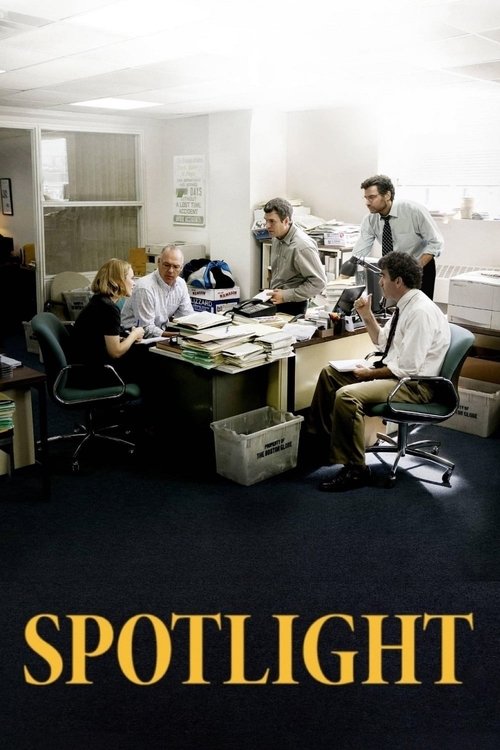
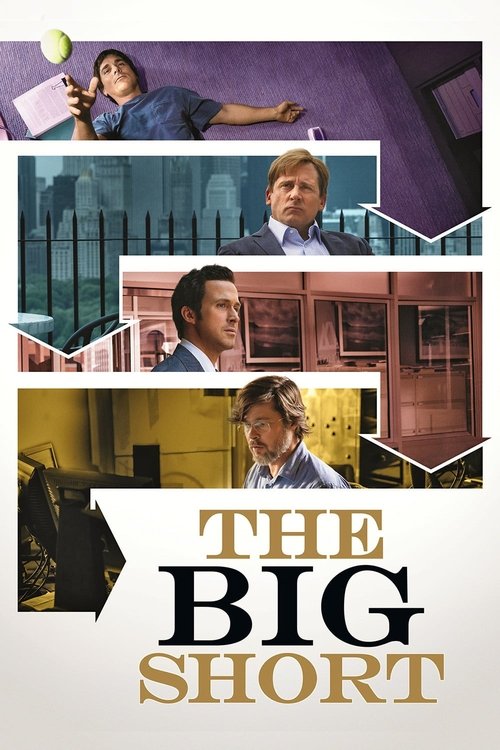
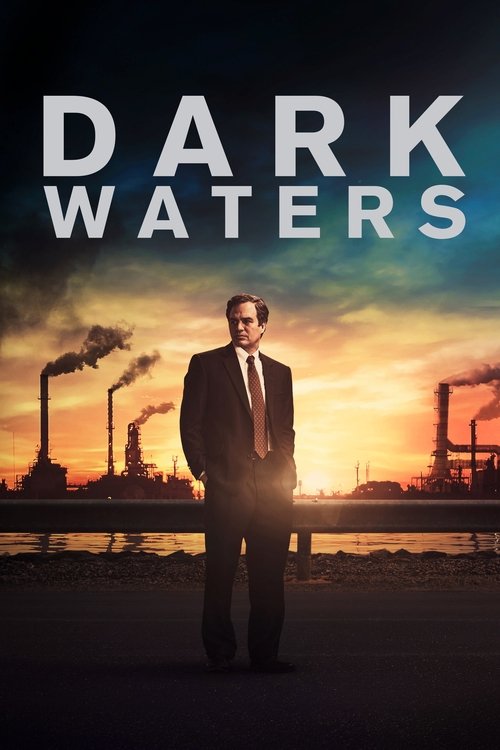
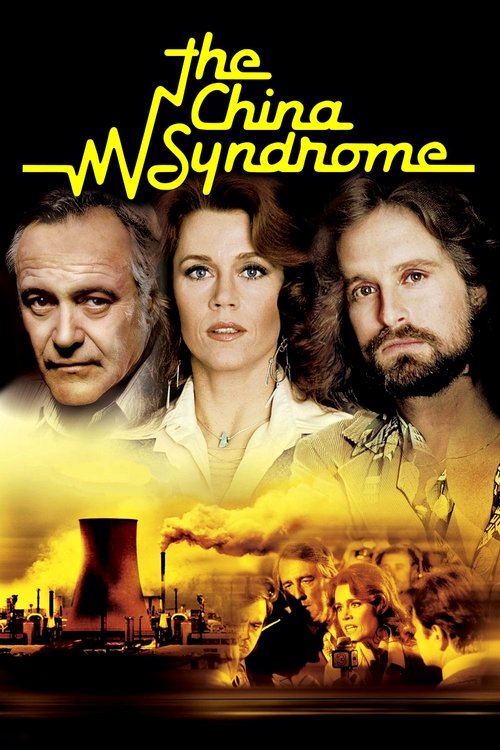
Chernobyl belongs to a distinct subgenre: the film or series where the villain is not a person but a process. Spotlight, Dark Waters, and The Big Short all share this architecture, as does The China Syndrome, made seven years before Three Mile Island. What they have in common is a hero who is also a bureaucrat, a scientist, or a journalist: someone whose power is entirely procedural, working inside the machine that is killing them. The tension comes not from physical danger but from the question of whether the truth can travel fast enough through the chain of command to matter.
The Terror Deserves to Be Mentioned in the Same Breath
AMC's The Terror (2018) is the other prestige historical miniseries that Chernobyl fans consistently discover and love. It follows the doomed Franklin Expedition, locked in Arctic ice in 1845, and it shares Chernobyl's core dynamic: a group of trained professionals confronting a situation their training did not prepare them for, under commanders who cannot admit how badly things have gone. Both series treat their historical source material with unusual care and use landscape and architecture as psychological pressure. The Terror is slower and stranger, but the emotional through-line is identical.
From Reactor Four to the Screen: A Chronology
- 1979The China Syndrome dramatizes a nuclear near-meltdown; Three Mile Island occurs twelve days after its release The China Syndrome
- 1986Reactor No. 4 at the Chernobyl Nuclear Power Plant explodes on 26 April
- 1997Svetlana Alexievich publishes her oral-history account, gathering survivor testimonies
- 2006GSC Game World releases the first S.T.A.L.K.E.R., setting survival horror inside a fictional second Exclusion Zone S.T.A.L.K.E.R.: Shadow of Chernobyl
- 2006Thomas C. Reed and Danny Stillman publish The Nuclear Express; David Hoffman's The Dead Hand (Pulitzer 2010) follows
- 2010Thomas Morton's documentary The Battle of Chernobyl airs; HBO's documentary record fills in the visual archive
- 2019Craig Mazin and Johan Renck's Chernobyl airs on HBO/Sky, earning a 9.4 on IMDb and widespread critical acclaim Chernobyl
- 2022GSC Game World releases S.T.A.L.K.E.R. 2: Heart of Chornobyl, its title reflecting Ukraine's wartime reclaiming of the Ukrainian spelling S.T.A.L.K.E.R. 2: Heart of Chornobyl
Catastrophe and institutional collapse
Nuclear War & Fallout
Explore the Nuclear War & Fallout guide →Every lie we tell incurs a debt to the truth. Sooner or later that debt is paid.Valery Legasov, Chernobyl (2019)