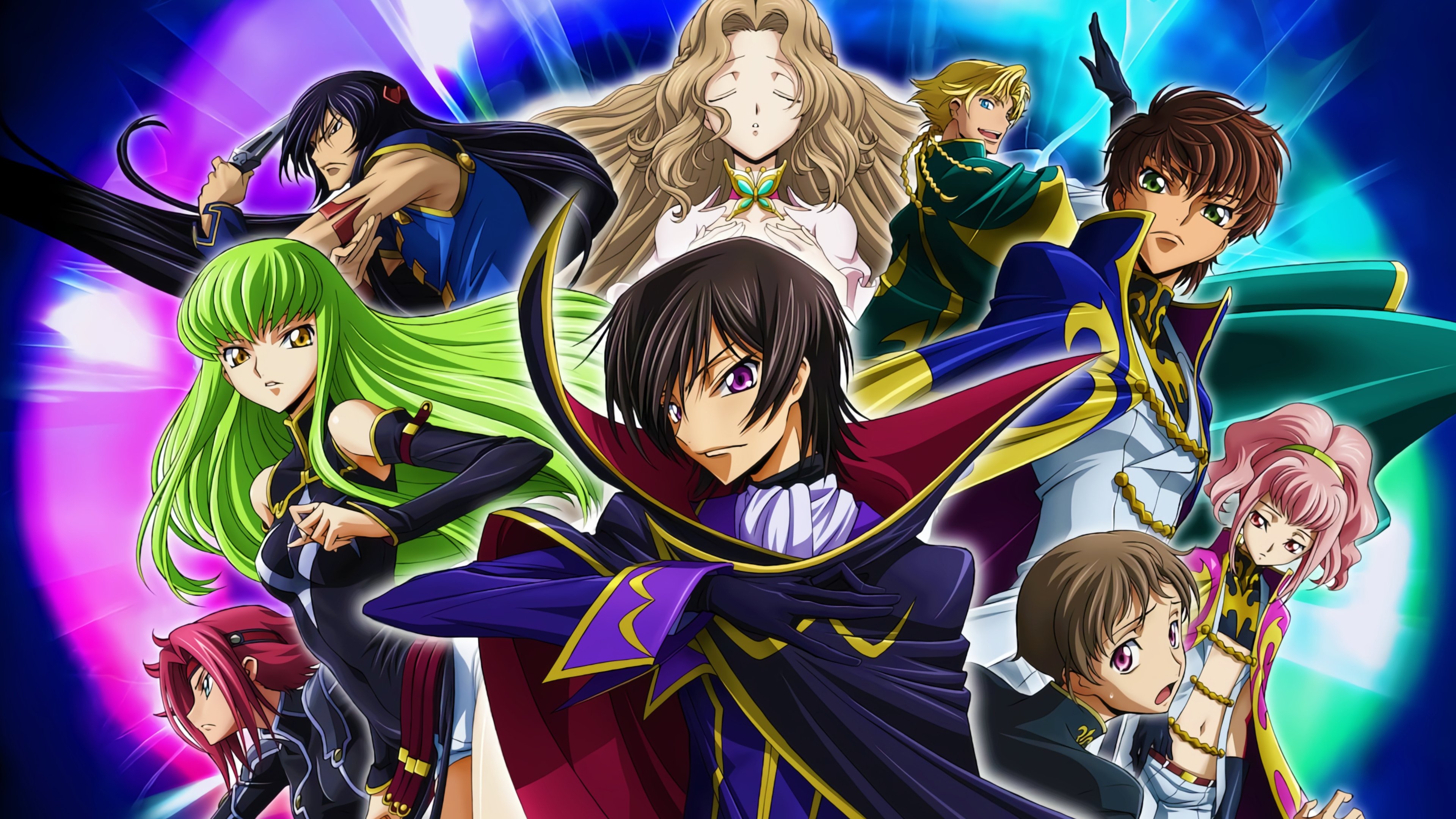

Code Geass: Lelouch of the Rebellion drops you inside a world where the British Empire never fell. Japan has been conquered, renamed Area 11, and its people stripped of citizenship. Into this occupation steps Lelouch vi Britannia, an exiled prince who acquires the Geass, an ability to compel absolute obedience from anyone he locks eyes with. He builds a rebellion from scratch, commanding a ragtag resistance as the masked revolutionary Zero, while attending a prestigious academy by day and conducting war by night. What keeps fans coming back is not the mecha battles, spectacular as they are, but the relentless strategic escalation: every episode feels like a chess match where both players are cheating. Lelouch is neither hero nor villain but a category of his own, and the series refuses to let that ambiguity resolve cheaply.
Essential Code Geass
The core series and its films, in the order that rewards you most


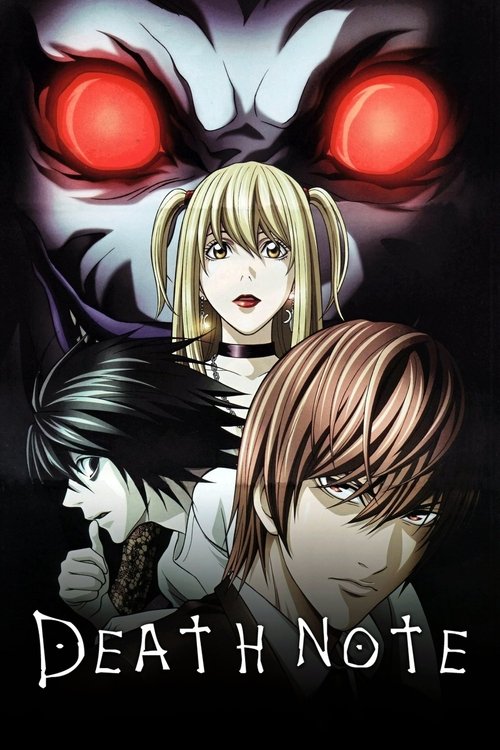
If You Love the Politics and Scheming
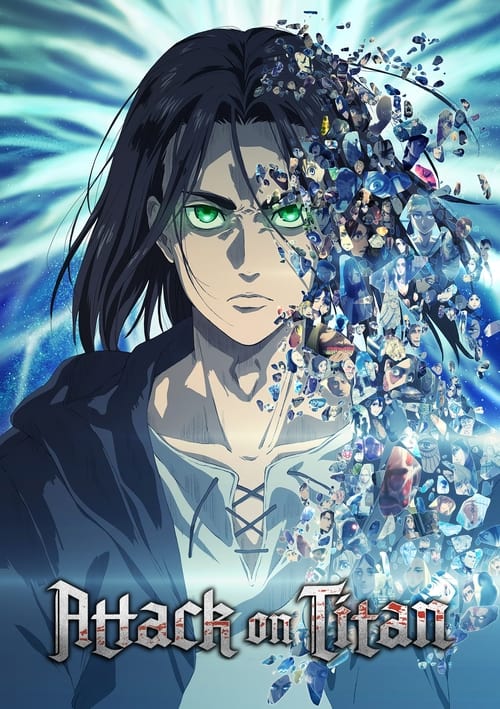
Anime and series that make strategy the center of the story
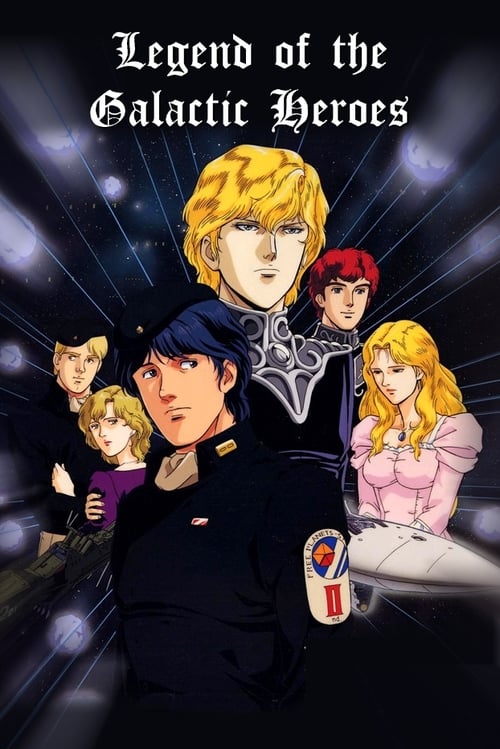


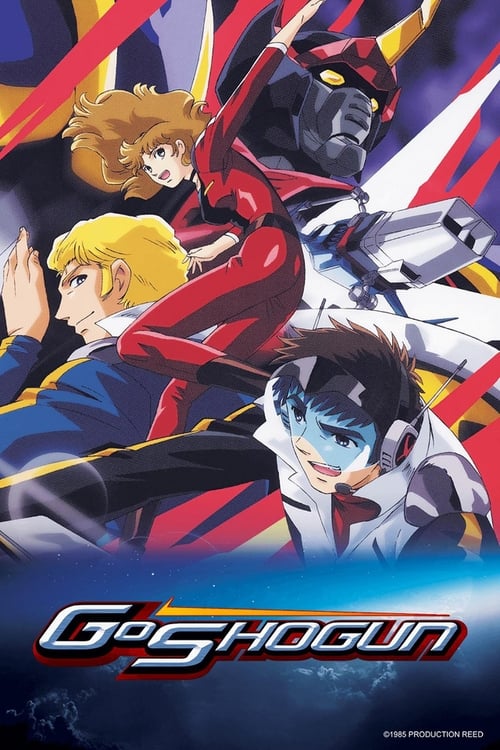
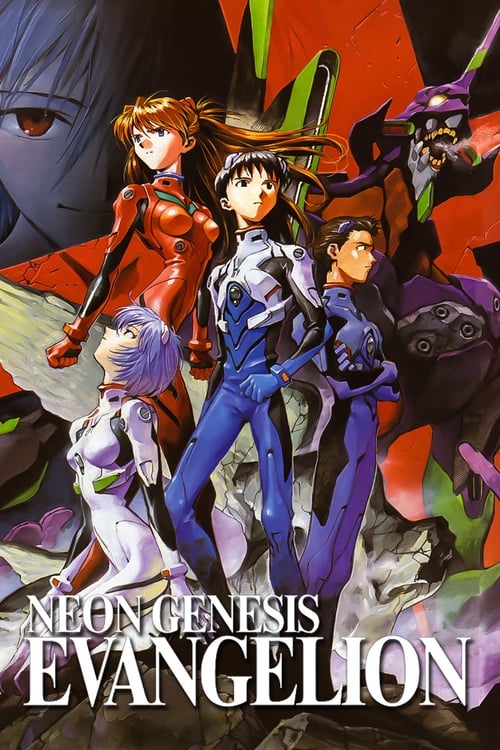
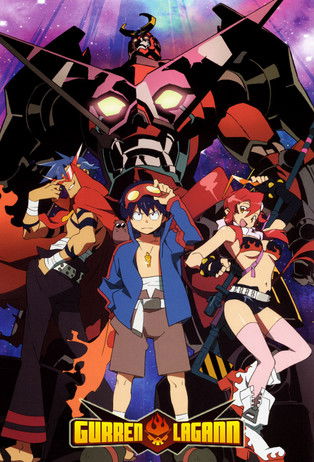
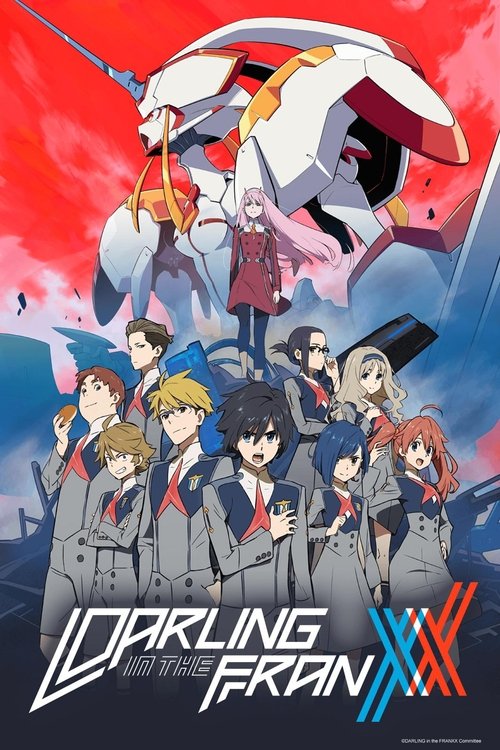
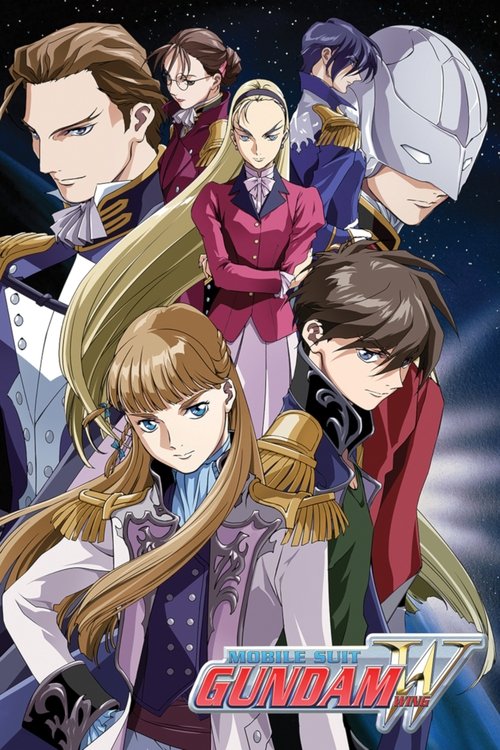
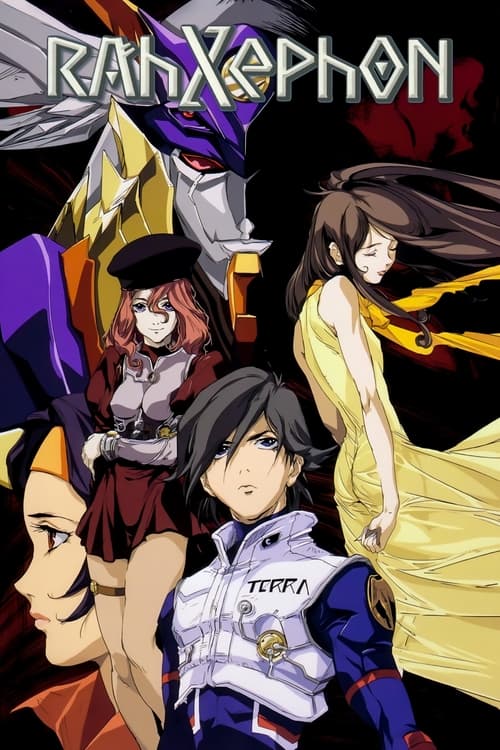
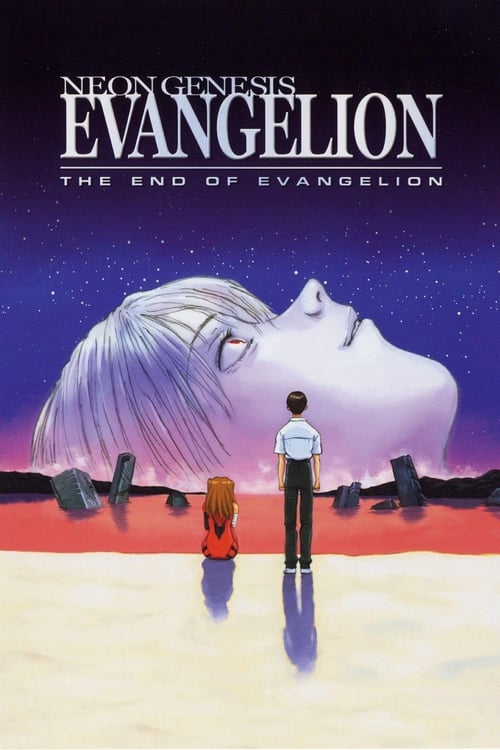
Mecha That Means Something
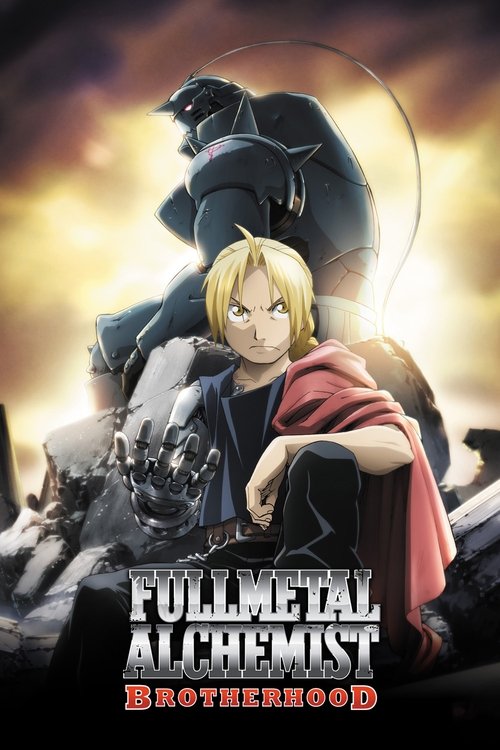
Giant robot anime where the machines are symbols, not just spectacle

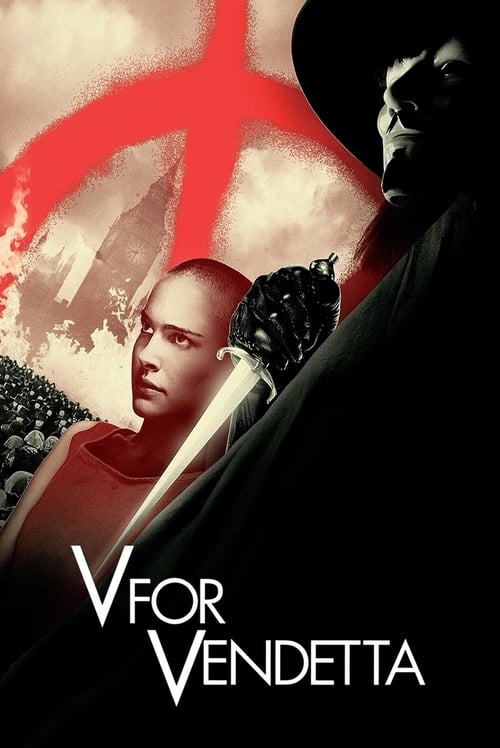
Rebels, Conquerors, and Fallen Empires
Films, series, and books that share the imperial-resistance tension



Games for the Tactical Mind
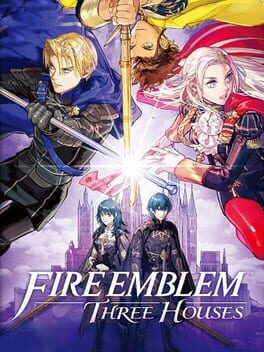
Games that reward cold calculation, grand strategy, and the will to see a plan through




Lelouch Is the Best Villain Protagonist in Anime
Most anti-heroes are bad people who do good things by accident. Lelouch is something rarer: a person with a genuinely righteous goal who chooses catastrophically wrong methods at nearly every turn, and remains self-aware enough to know it. The series does not excuse him. It does not redeem him in the cheap sense. It follows the logic of his choices to their conclusion with unflinching arithmetic. That is what separates Code Geass from a dozen shows that copy its aesthetic without understanding what makes the protagonist compelling.
The Ending Is a Choice, Not a Loophole
Fans have debated for over fifteen years whether Lelouch survived the Zero Requiem. The anime itself is coy. Re;surrection resolves it one way, but the original finale works precisely because the ambiguity is earned, not lazy. The point is that Zero Requiem functions as a plan regardless of whether the planner lives. Code Geass trusts its audience to hold two readings at once, which is more respect than most blockbuster finales offer.
Sunrise Built a World, Not Just a Conflict
Alternate history is easy to get wrong. The Britannian Empire is a fantasy, but it is a coherent one: its class hierarchies, its named territories, its colonial naming conventions (Area 11, Elevens) all do real ideological work. The show never pauses to explain its world at length. It reveals through dialogue, title cards, and background design. That confidence in visual storytelling is why returning viewers notice things they missed the first time.
The Score Is Half the Show
Kotaro Nakagawa and Hitomi Kuroishi composed the Code Geass soundtrack, and it is doing extraordinary narrative heavy lifting in every major scene. The insert songs (particularly 'Colors' by Flow and 'O2' by Orange Range) are tied so tightly to the action that hearing them outside the series still produces a physical response in fans. The music is not background. It is argument.
The Code Geass Timeline
- 2006Original series begins airing on MBS in Japan Code Geass: Lelouch of the Rebellion
- 2007Manga spinoff launches in Newtype magazine
- 2008R2 concludes with the Zero Requiem finale Code Geass: Lelouch of the Rebellion
- 2009Tactical RPG released in Japan
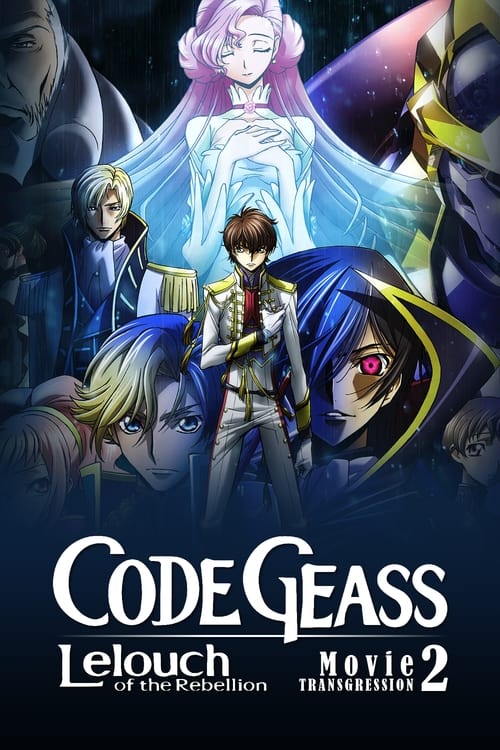
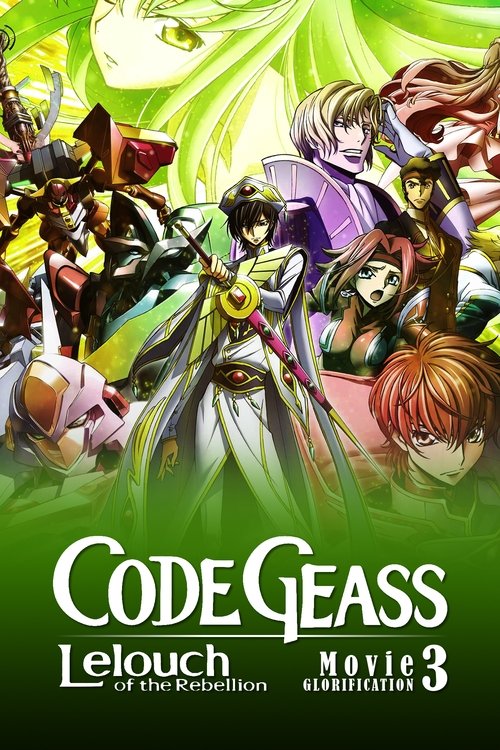
- 2017Recap film trilogy begins theatrical run Code Geass: Lelouch of the Rebellion I - Initiation
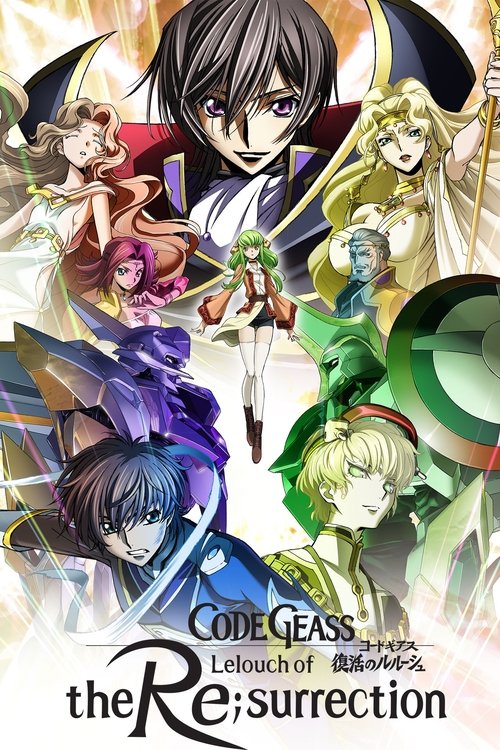
- 2019Sequel film confirms Lelouch's return Code Geass: Lelouch of the Re;surrection
Mecha Warfare and Political Sci-Fi
Mecha & Giant Robots
Explore the Mecha & Giant Robots guide →The only ones who should kill are those who are prepared to be killed.Lelouch vi Britannia, Code Geass