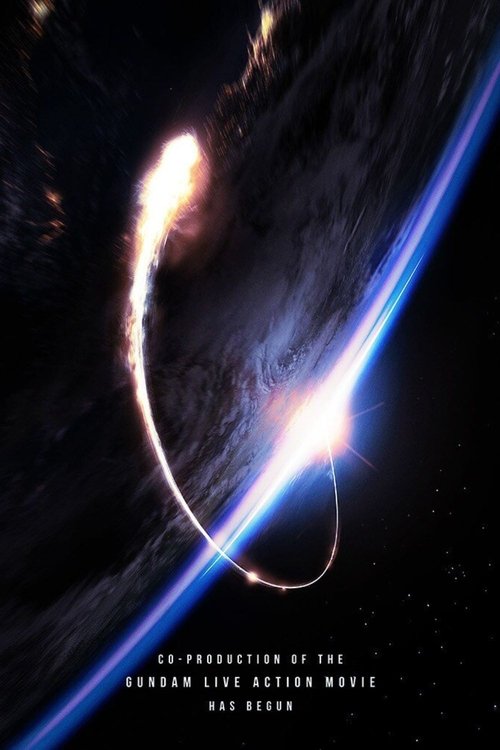

Gundam is the franchise that transformed giant-robot anime from children's toy advertising into serious political drama. Yoshiyuki Tomino's original 1979 series, Mobile Suit Gundam, introduced the One Year War: a conflict between the Earth Federation and the space colony-nation Zeon that felt less like a superhero adventure and more like a World War II retelling filtered through science fiction. The RX-78-2 Gundam was not a magical weapon. It was a prototype that could be destroyed, piloted by a traumatized teenager who killed people and lived with the consequences. That shift, treating mobile suits as vehicles inside a war rather than mythic totems, set the template that every Gundam series since has iterated on. Whether you came through the Universal Century's Char Aznable cycle, the alternate timelines of Wing or SEED or 00, or the recent Witch from Mercury, you keep returning for the same things: youth drafted into ideological violence, the gap between political idealism and battlefield reality, and mechs that carry the weight of the people inside them.
Essential Gundam
The anime series and films that define the saga, from the original One Year War to the latest alternate universes.

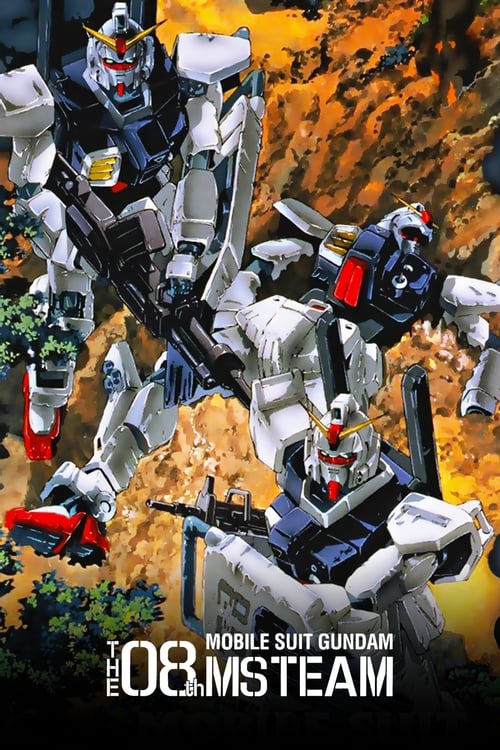
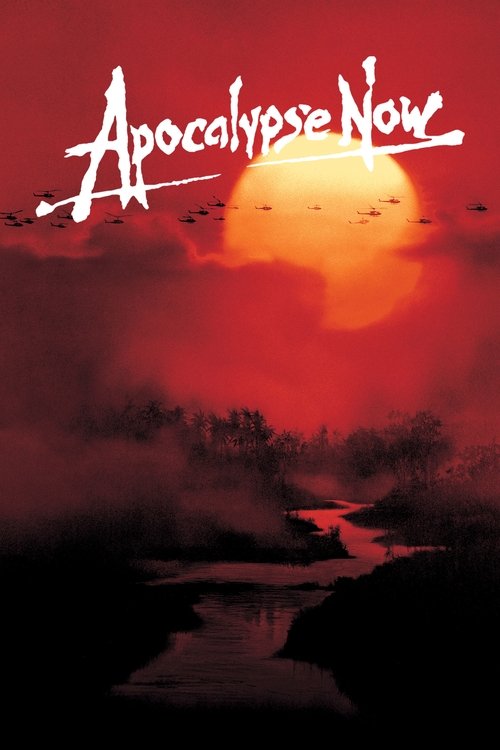
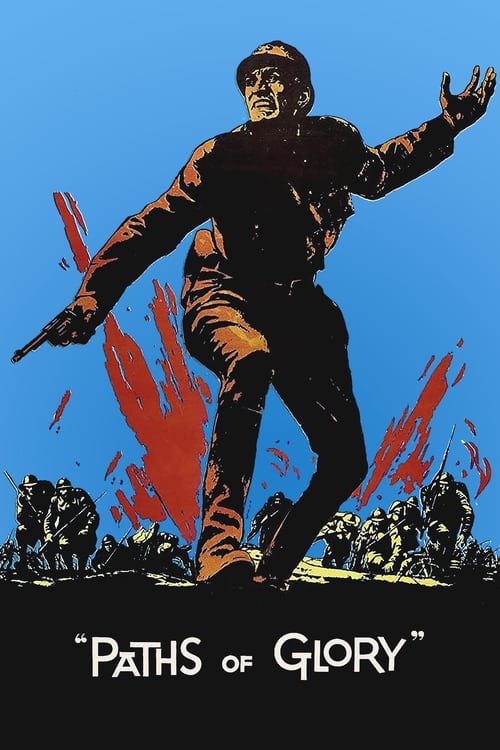
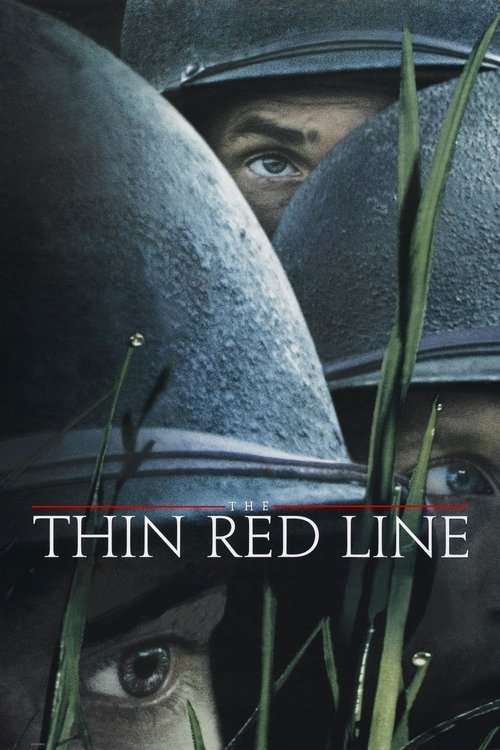
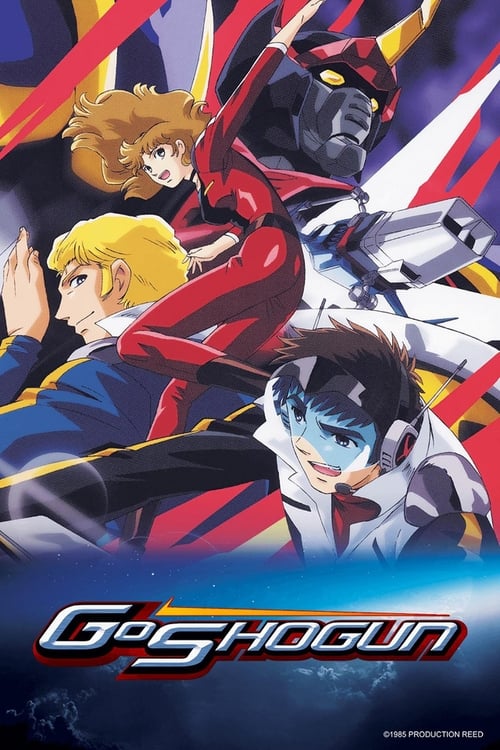
If You Love the Political Drama
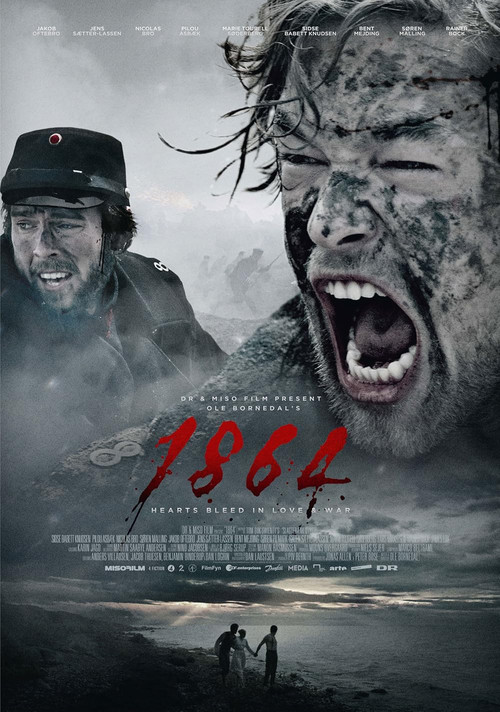
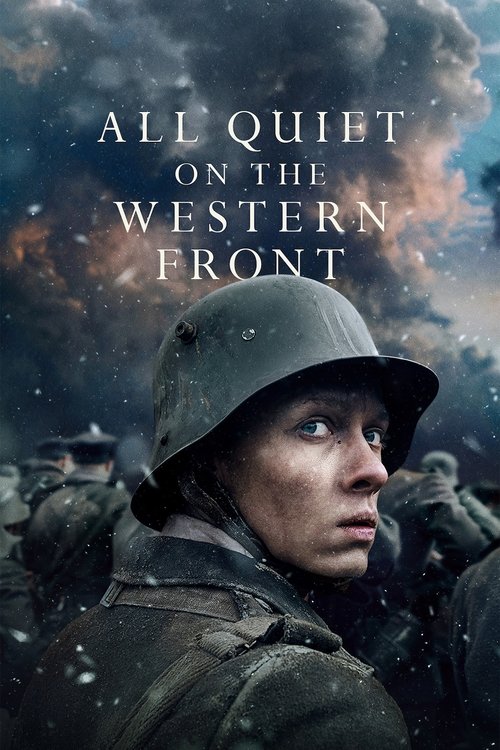
Anime and films that treat war and ideology with the same unsentimental weight Gundam brings to its One Year War.
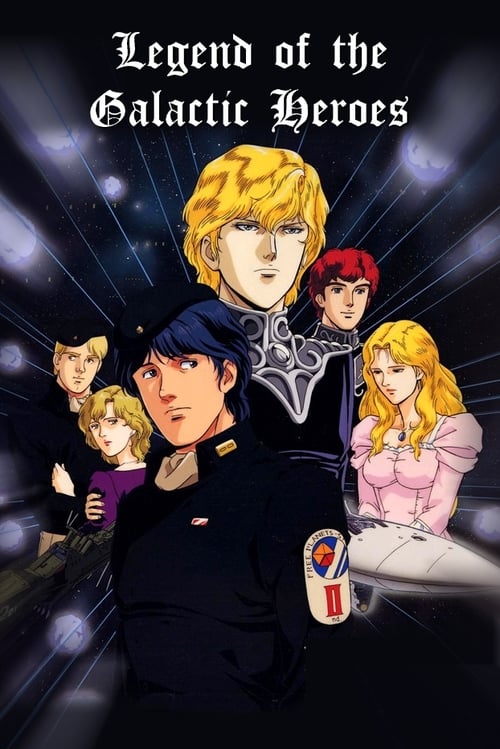

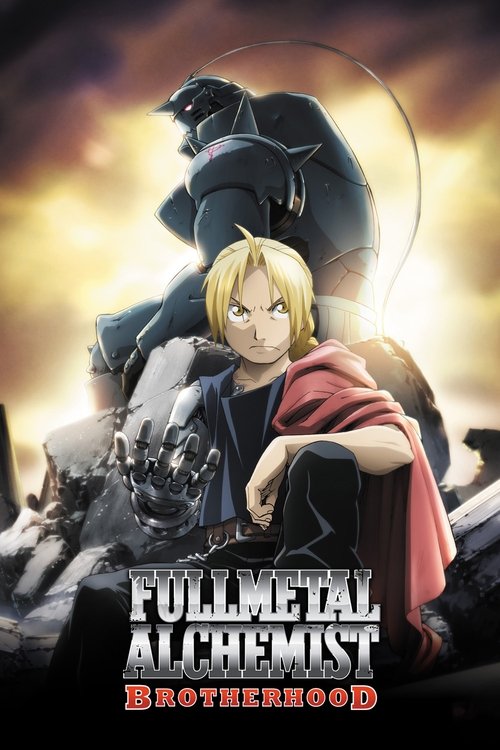

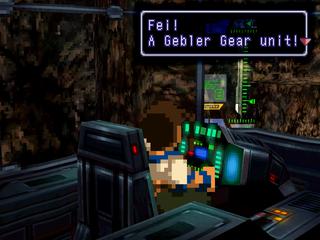
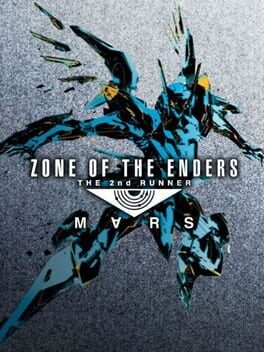
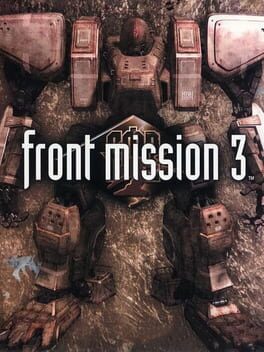
If You Love the Mecha Combat
Giant robots done right in games and anime, from tactical simulation to pure adrenaline.

If You Love the Space Opera Scale
Science fiction books and films that build entire civilizations, then break them apart the same way Gundam does.
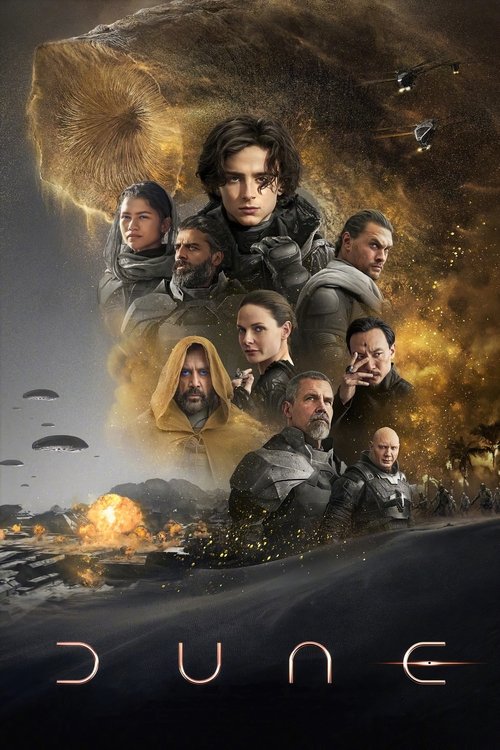


If You Love the Coming-of-Age Under Fire
Stories about young people thrust into roles they did not choose, in worlds that offer no clean exits.



Char Aznable Is the Best Villain in Science Fiction
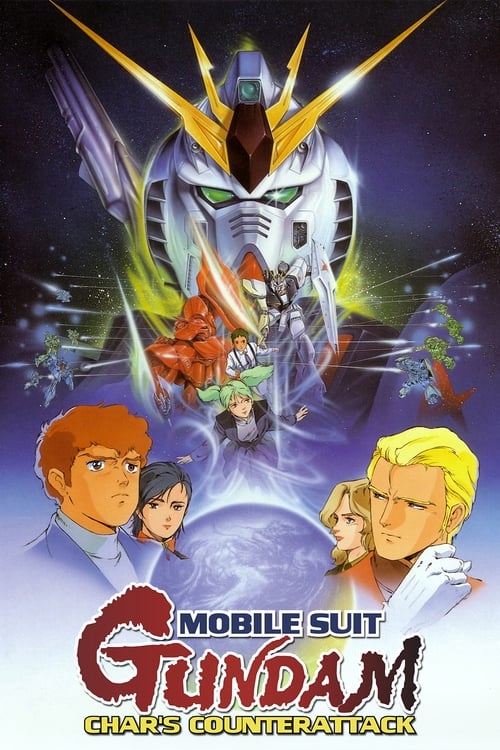
Forty-five years of Gundam sequels, spin-offs, and alternate timelines have failed to produce a character who matches Char Aznable for sheer, corrosive complexity. He is a Zeon ace pilot with a personal vendetta against the Zabi family, a romantic rival to the protagonist, a revolutionary ideologue, and, eventually, a man willing to commit planetary murder to force human evolution. What makes him work is that every position he holds is internally coherent. He does not become a monster because the writing needed a final boss. He becomes one because his logic, followed to its end, always pointed there. Char's Counterattack is not a triumphant finale. It is a tragedy about what happens when a brilliant person chooses ideology over people.
The Witch from Mercury Proved the Formula Still Holds
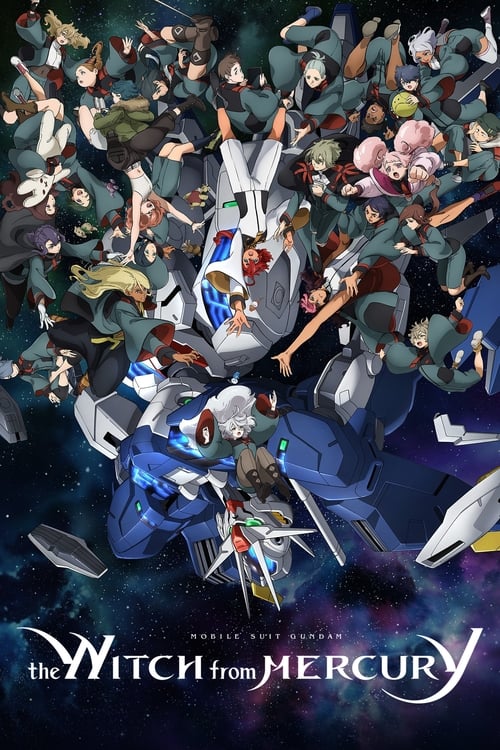
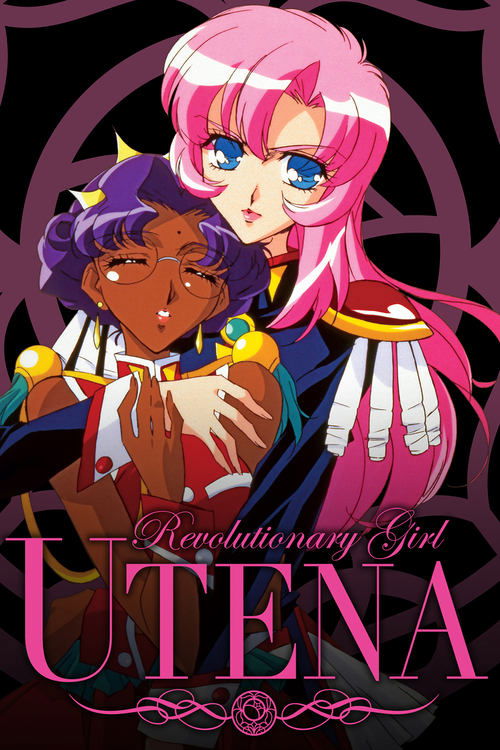
When Sunrise announced a Gundam series set in an academy with a female lead and a central romance that borrowed its structure from Revolutionary Girl Utena, the skepticism was understandable. The result was one of the most confident Gundam entries in twenty years. Suletta Mercury and Aerial proved that the franchise's emotional core, a child-soldier learning what adults have decided she is worth, survives any setting. The academy framing worked precisely because it inverted the usual war-front backdrop while keeping the same corporate violence operating underneath. Season two's turn into full political horror was not a betrayal of the premise. It was the premise arriving on schedule.
Iron-Blooded Orphans Is the Most Uncompromising Entry in the Franchise
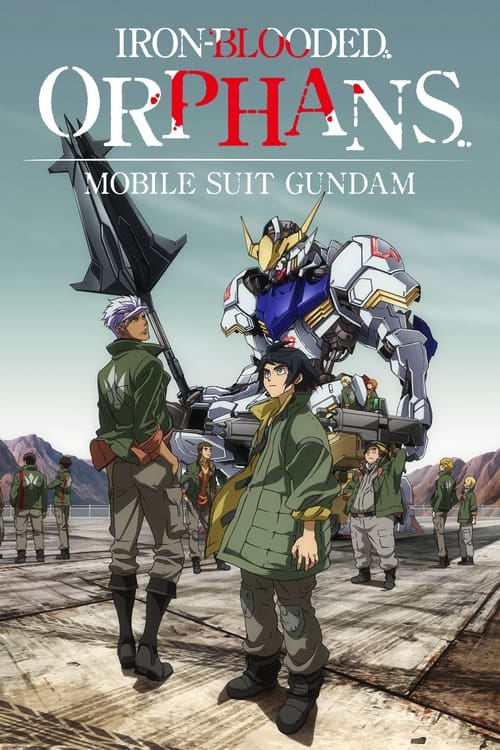
Most Gundam series leave their child soldiers with at least a path toward a future. Iron-Blooded Orphans does not. The Tekkadan crew are orphans operating outside any legal protection, fighting a war of survival in which every institution that could save them has decided they are expendable. The series refuses catharsis. Characters you care about die because the political order wants them dead, and the political order wins. It is not nihilism; it is an argument about who gets to survive history and who gets remembered. For fans who want their Gundam to have consequences that do not resolve, this is the entry.
The Novel Expanded Universe Fills In What the Screen Leaves Out
The Universal Century novels by Yoshiyuki Tomino predate and revise the anime canon, and they are considerably bleaker. Mobile Suit Gundam: The Origin, originally a manga by Yoshikazu Yasuhiko, retells the One Year War with visual density and political texture the 1979 broadcast budget could not support. The novelizations and manga adaptations are not supplementary material for completionists. They are alternate versions of the same story with different emphases, and for fans who want to understand why Tomino built Gundam the way he did, they are essential.
The Gundam Saga: Five Decades of War
- 1979Mobile Suit Gundam premieres on Japanese TV. Low ratings lead to early cancellation, but the theatrical compilation films become a phenomenon and launch the franchise. Mobile Suit Gundam
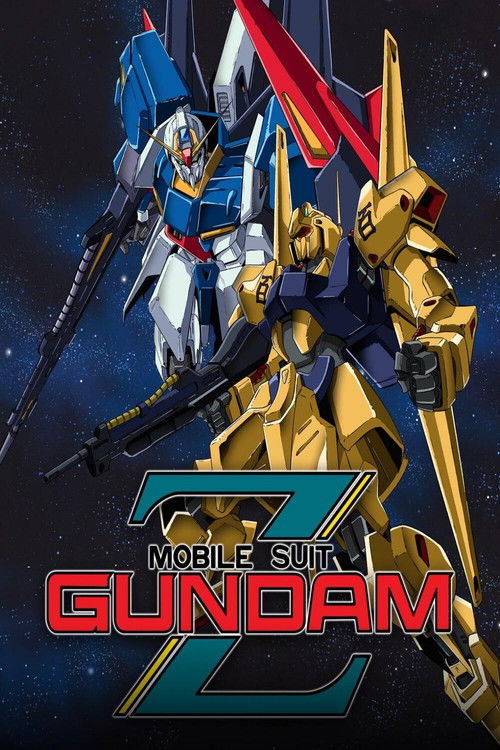
- 1985Zeta Gundam darkens the Universal Century timeline considerably, following a new protagonist through a war between the Earth Federation and its own anti-colonial resistance movement. Mobile Suit Zeta Gundam
- 1988Char's Counterattack closes the Amuro-Char arc definitively. The film is the franchise's first theatrical original story and still its most emotionally complete single work. Mobile Suit Gundam: Char's Counterattack
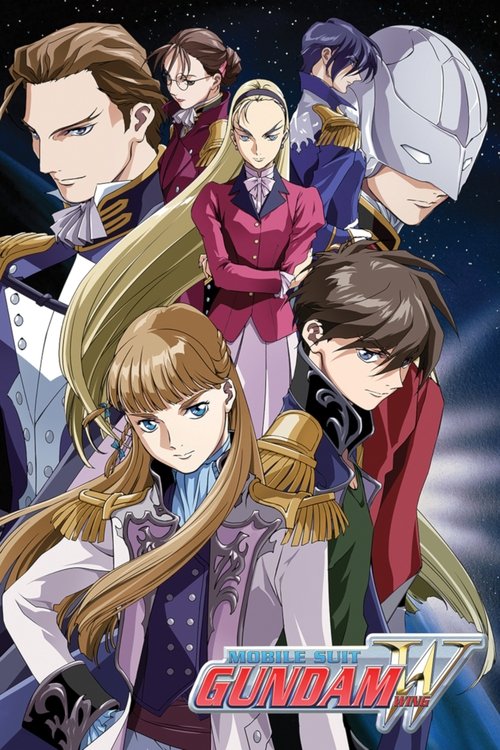
- 1995Gundam Wing introduces the franchise to a global television audience via Cartoon Network's Toonami block and becomes the gateway for an entire generation of Western fans. Mobile Suit Gundam Wing
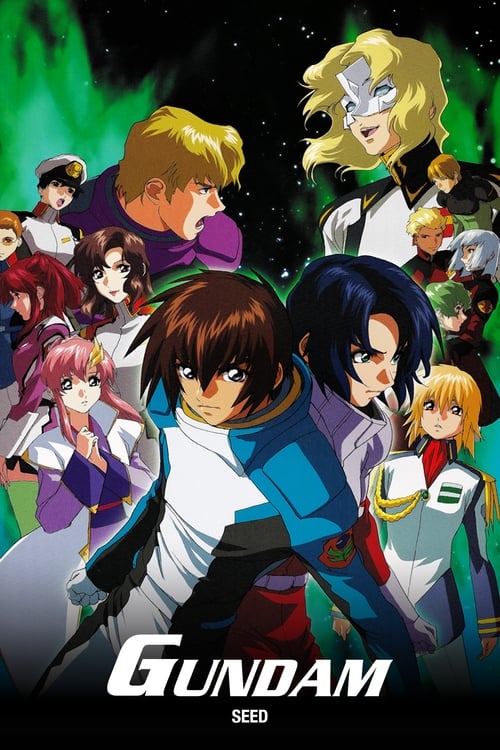
- 2002Gundam SEED relaunches the Universal Century formula as a self-contained alternate timeline and becomes one of the franchise's highest-selling series. Mobile Suit Gundam SEED
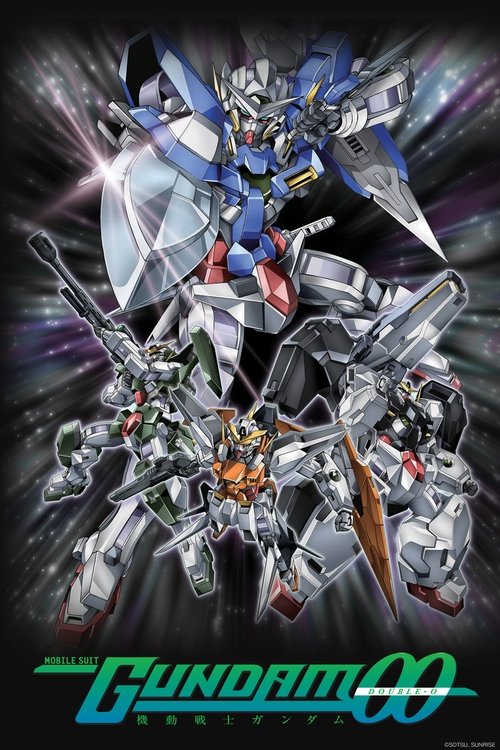
- 2007Gundam 00 sets the franchise in a near-future Earth threatened by energy collapse and introduces a post-9/11 geopolitical framework that made it one of the most widely discussed entries of the decade. Mobile Suit Gundam 00
- 2015Iron-Blooded Orphans removes the franchise's safety nets entirely. No Newtype mysticism, no redemptive endings for the protagonists, and no institutional saviors. Mobile Suit Gundam: Iron-Blooded Orphans
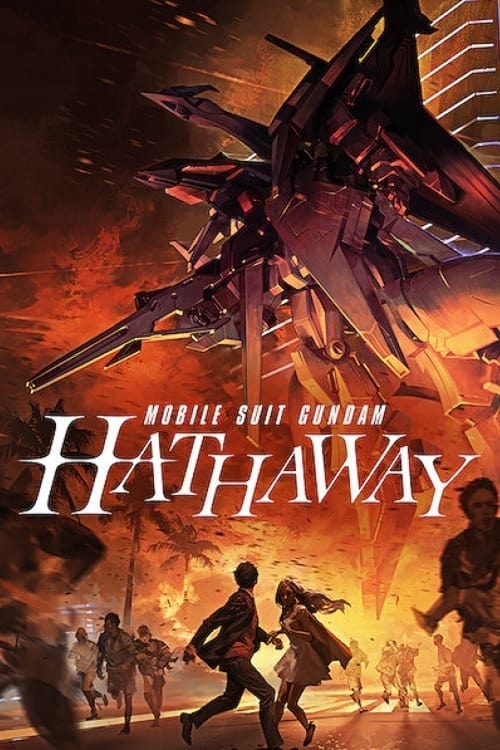
- 2021Hathaway's Flash, adapted from Tomino's 1990 novel, arrives as a cinematic prestige production and sets a new visual standard for Universal Century films. Mobile Suit Gundam Hathaway
- 2022The Witch from Mercury premieres as the franchise's first series with a female lead and delivers one of its most emotionally devastating finales. Mobile Suit Gundam: The Witch from Mercury
Mecha, war, and political betrayal
Mecha & Giant Robots
Explore the Mecha & Giant Robots guide →Gundam has always known that the enemy pilot is also eighteen years old and also afraid. That is what separates it from most robot fiction.CrossBinge