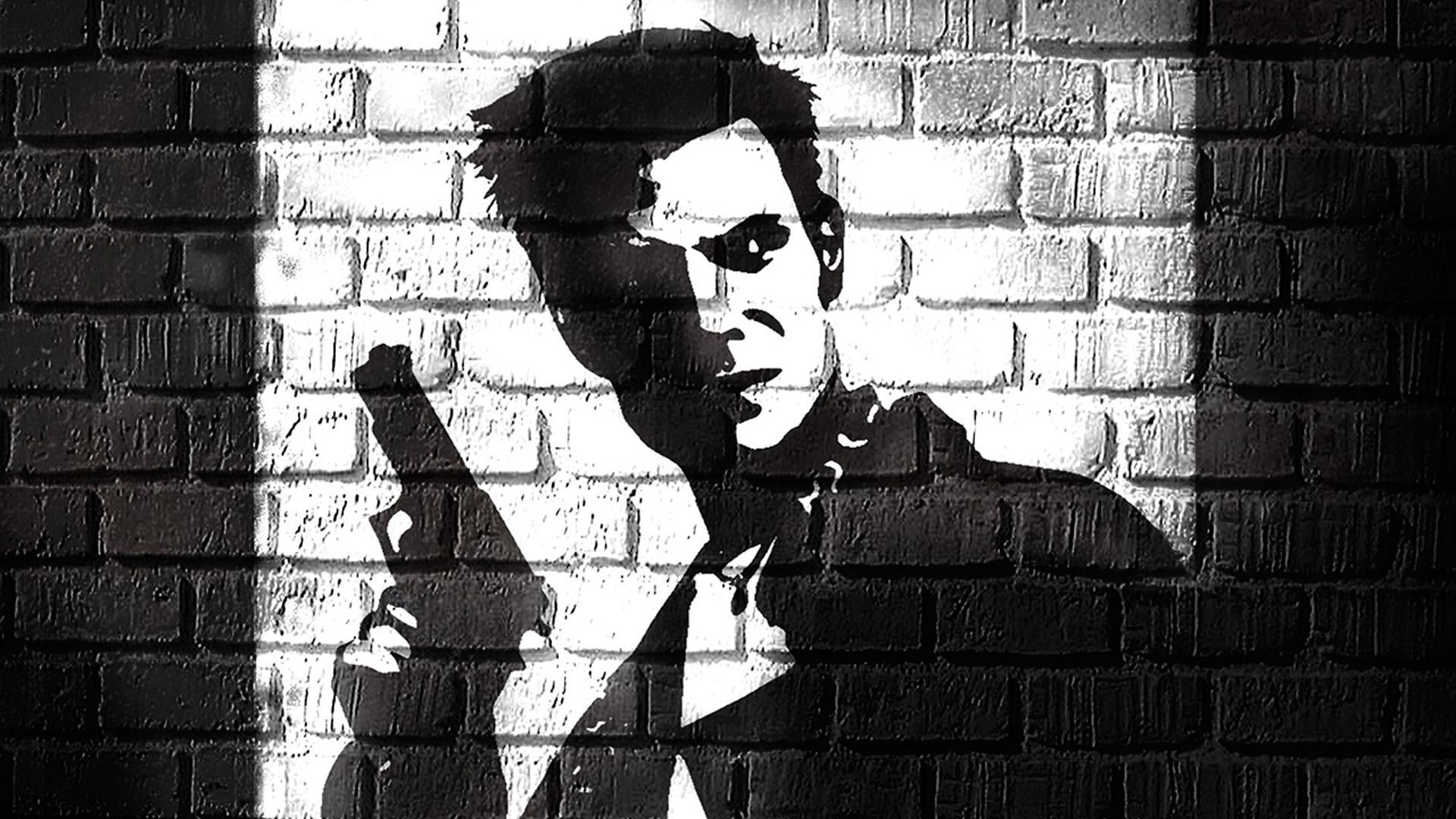

Control dropped in 2019 and immediately became a cult touchstone for players who wanted something stranger than a shooter and smarter than a horror game. Remedy built a Federal Bureau of Control inside a brutalist New York skyscraper called the Oldest House, then filled every filing cabinet and research memo with the logic of a world where everyday objects become portals to other dimensions. Jesse Faden arrives to find her brother, inherits a shape-shifting gun, and ends up wrestling with a building that has a will of its own. The DNA here is specific: New Weird fiction, cold-war paranoia wrapped in municipal paperwork, the uncanny valley of institutional language describing impossible things. If that combination reached you, the works below will feel like they were written for the same part of your brain.
Essential Control
Remedy's catalog, from the Oldest House to Bright Falls

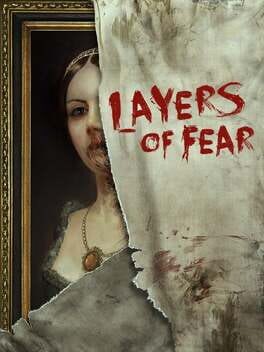
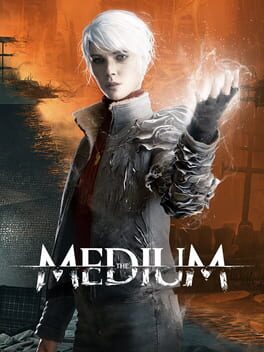
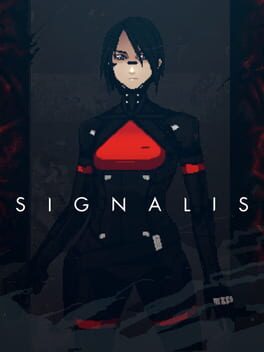
Same DNA: Atmospheric Narrative Games
Games that prize tone, environment, and dread over action-movie spectacle

Weird Fiction and Paranormal Bureaucracy: The Books
Novels and novellas that treat the impossible with the same flat institutional tone as an internal memo


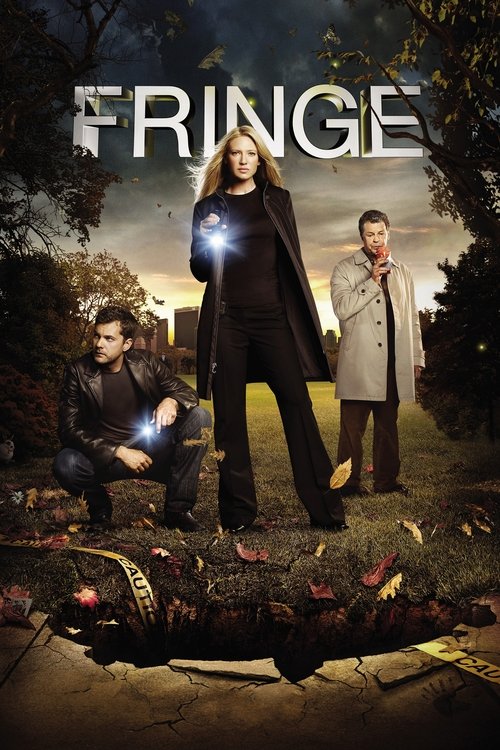
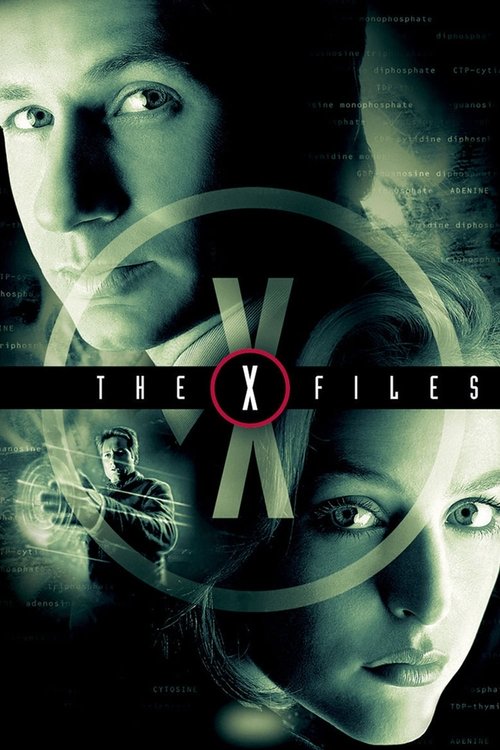
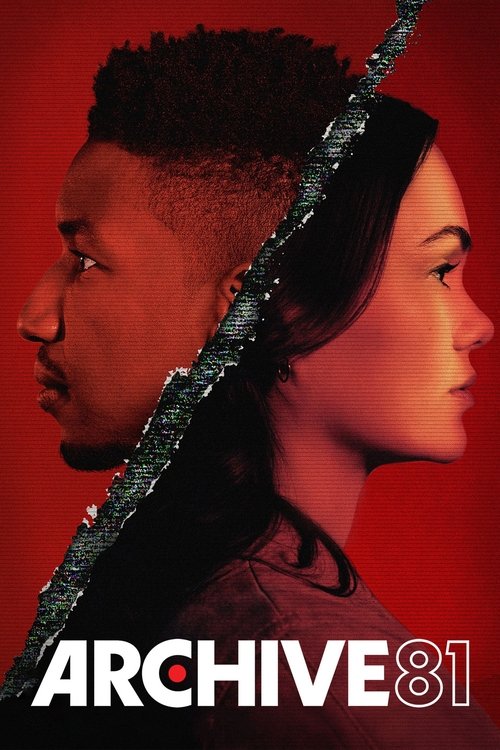
Films and Series with the Same Unease
Screen works that share Control's paranormal-institutional dread and New Weird sensibility

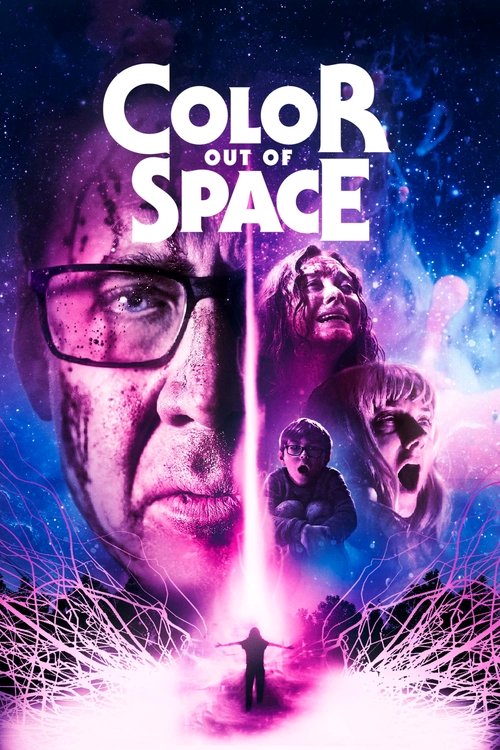
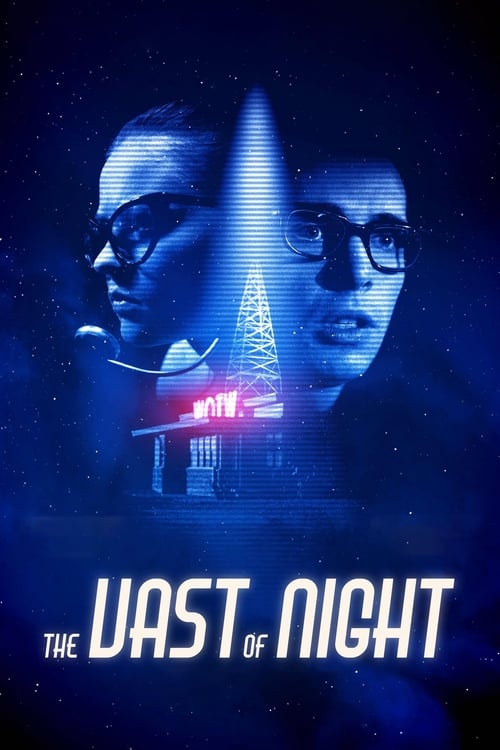
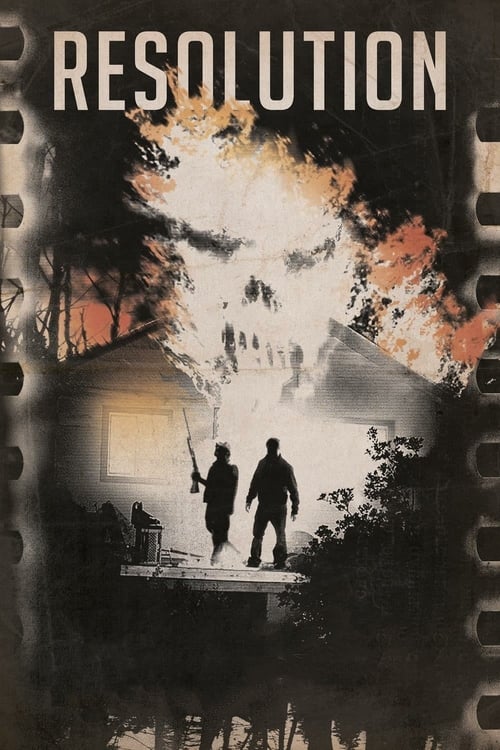
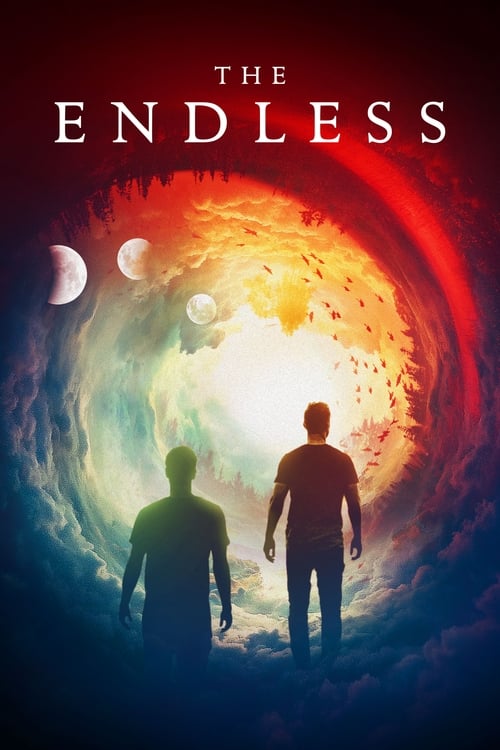




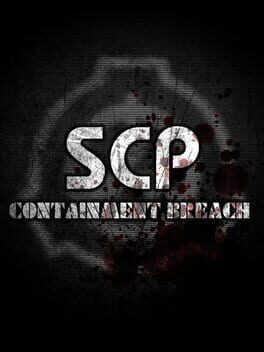
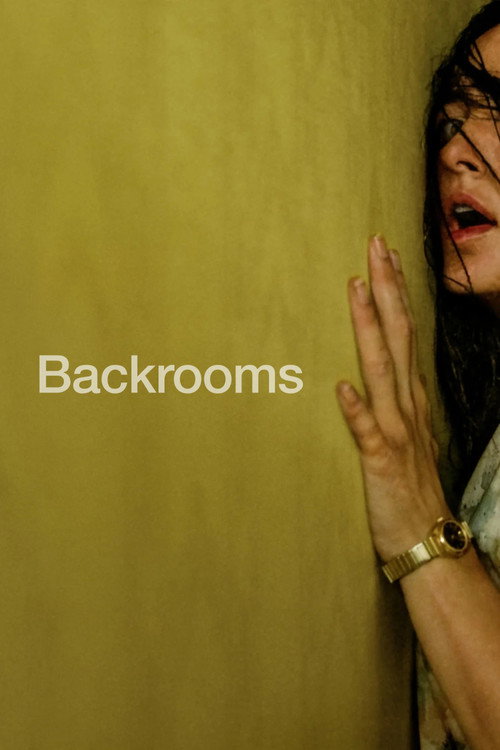
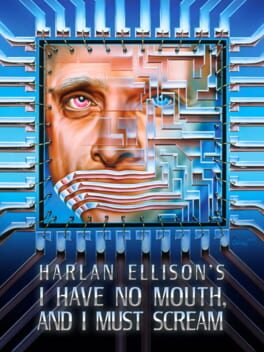
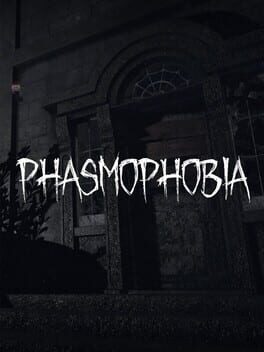
The SCP and Liminal Space Extended Universe
Games and films that share Control's fascination with objects of power, liminal architecture, and reality as a negotiable surface

Jeff VanderMeer Is the Author Remedy Didn't Credit
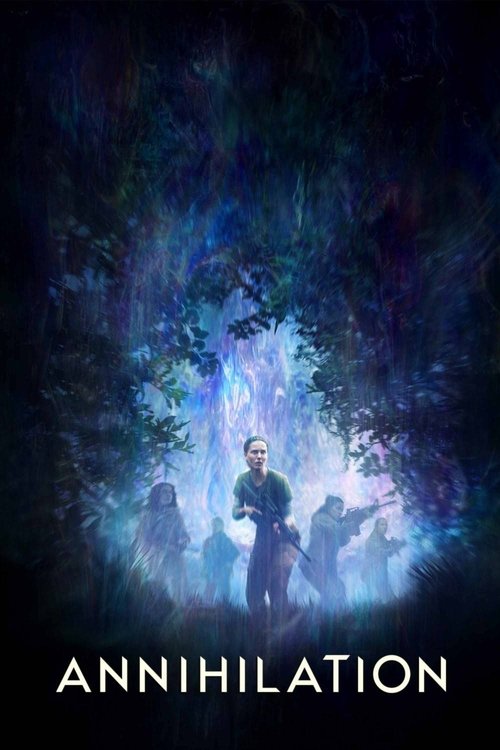
Control and VanderMeer's Southern Reach trilogy share the same organizing principle: the environment is the antagonist, and rational inquiry only deepens the mystery. Area X and the Oldest House both resist human categories. Both works use bureaucratic language, field reports, and redacted documents as a stylistic device to make the impossible feel plausible. Annihilation in particular plays like a direct ancestor of Control's tone, even though the two were created independently and nearly simultaneously. If you finished Control and felt the floor go soft under your assumptions, pick up Annihilation and Authority next.
Remedy Built a Shared Universe Before It Was Cool
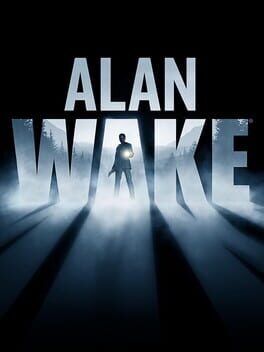
The AWE expansion for Control confirmed what fans suspected: Alan Wake and Control exist in the same fiction. Remedy spent years quietly seeding Easter eggs across Max Payne, Alan Wake, and Control before Alan Wake 2 made the connections explicit and formally launched the Remedy Connected Universe. This is not a cynical franchise move. Each game stands entirely alone, but the connections reward careful players. Alan Wake 2 is one of the most formally ambitious games of the 2020s: a survival horror adventure that interrogates the act of writing itself, and it shares Control's willingness to let the player sit with confusion rather than explain everything.
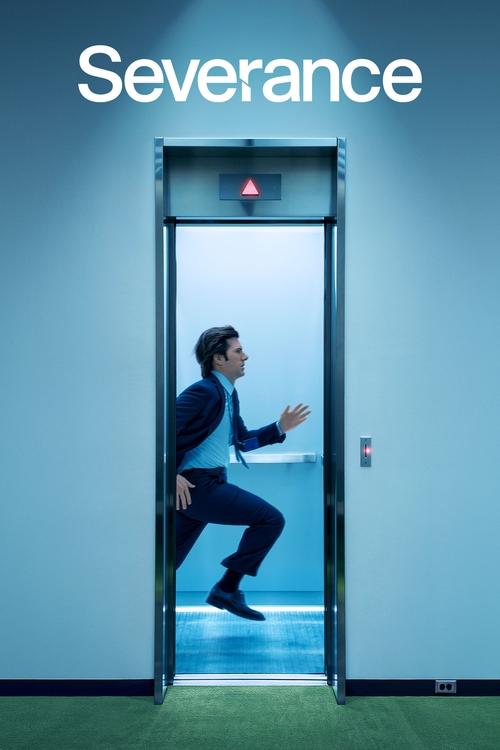
Severance Understood the Psychic Horror of Corporate Space
Severance arrived on Apple TV+ and immediately occupied the same cultural moment as Control: both are about people trapped inside institutional architectures that have a logic of their own, neither fully human nor fully explainable. Where Control goes supernatural, Severance goes bureaucratic-existential, but the dread is the same. You are inside a system. The system has rules. The rules do not care about you. Paired with Control, Severance makes a strong argument that the defining anxiety of the 2020s is the feeling of being administered.
Returnal Is What Control Would Be If the Building Were Trying to Kill You Faster
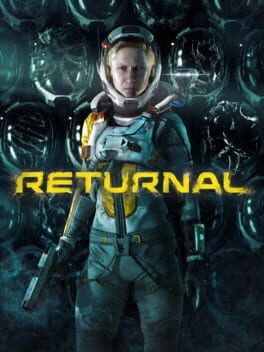
Returnal is a roguelike third-person shooter where a crashed astronaut loops through an alien world, dying and waking back at the beginning each time. On the surface it sounds nothing like Control. Underneath, it is the same game: a protagonist alone inside an impossible space, piecing together personal and cosmic lore through environmental storytelling and fragmented audio logs, using a shape-shifting gun. Housemarque pushed the combat harder and the horror weirder, but fans of the Oldest House will feel immediately at home in Atropos.
Remedy's Road to the Oldest House
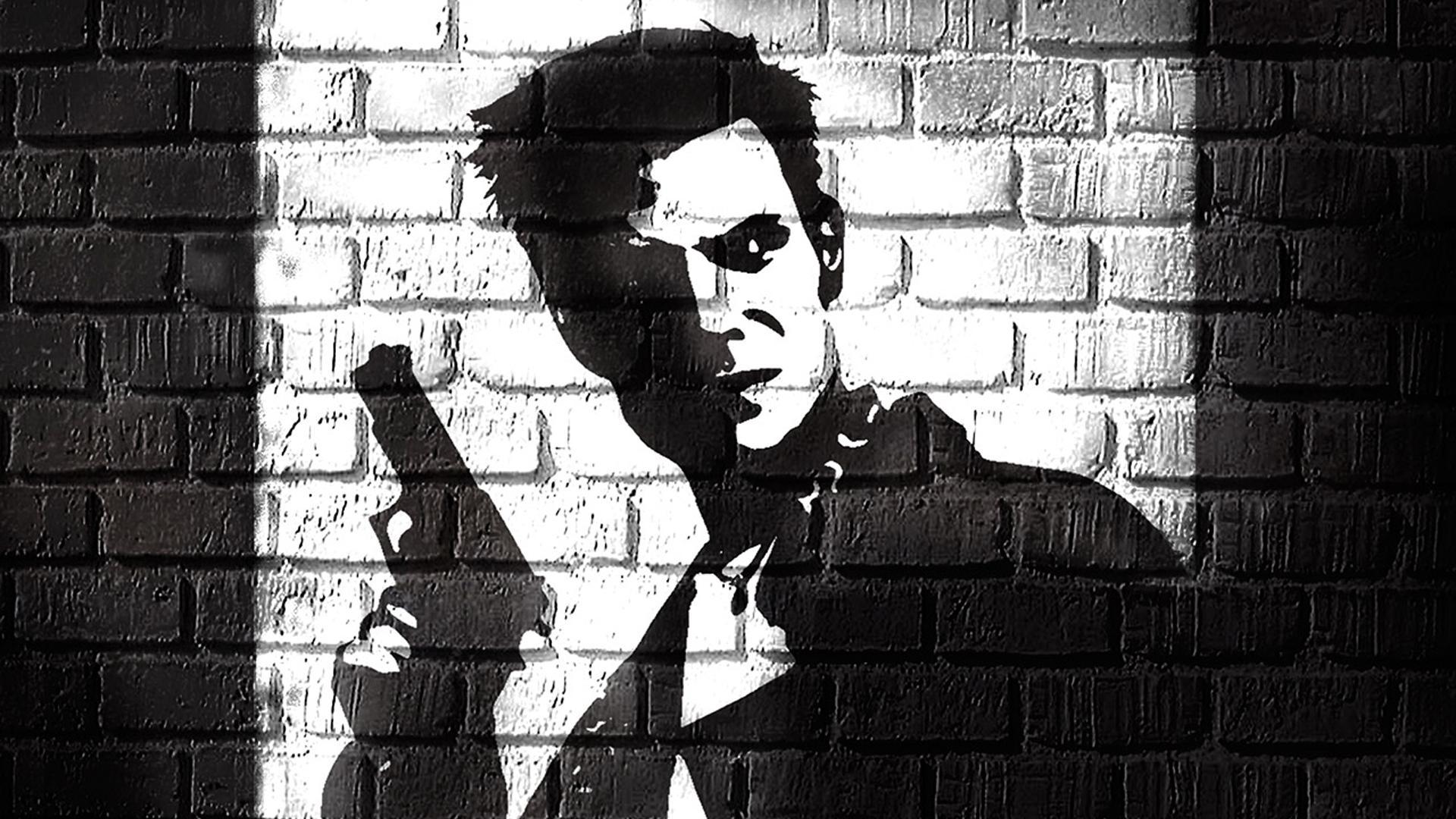
- 2001Max Payne launches Remedy's signature: neo-noir action + literary ambition Max Payne
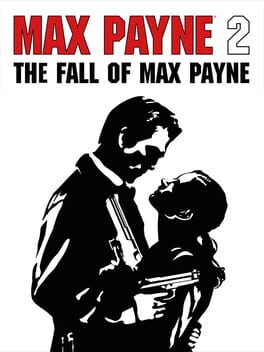
- 2003Max Payne 2 deepens the film-noir tragedy with a stronger story focus Max Payne 2: The Fall of Max Payne
- 2010Alan Wake introduces Bright Falls and Remedy's supernatural thriller voice Alan Wake
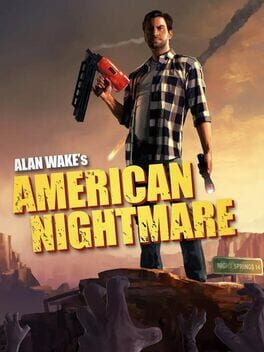
- 2012American Nightmare expands the Dark Place mythology in standalone form Alan Wake's American Nightmare
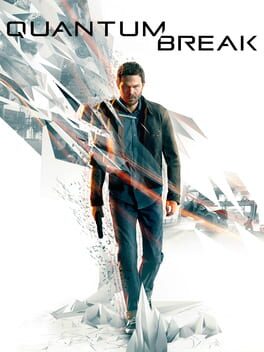
- 2016Quantum Break experiments with live-action TV hybrid storytelling Quantum Break
- 2019Control launches: the Oldest House, the Bureau, and the Remedy Connected Universe begins in earnest
- 2020AWE expansion formally connects Control to the Alan Wake universe Control: AWE
- 2023Alan Wake 2 fuses survival horror and meta-narrative in Remedy's most ambitious work Alan Wake
More eerie paranormal investigations
For Fans of Alan Wake
Explore the For Fans of Alan Wake guide →The Oldest House is a building that remembers. So does the best weird fiction: it accumulates, thickens, refuses to resolve.CrossBinge editors