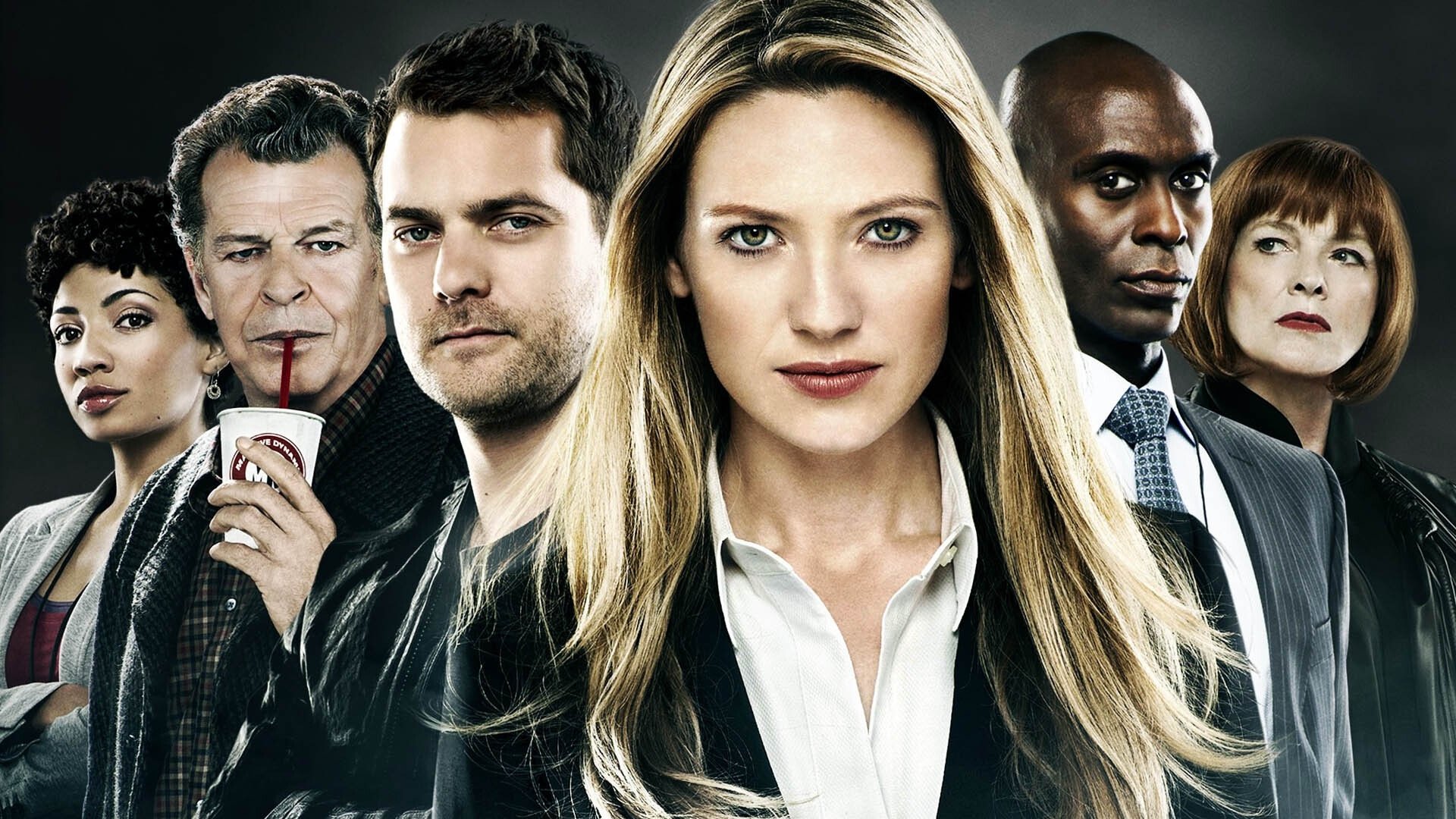

Fringe ran from 2008 to 2013 on Fox and spent five seasons turning fringe science into a mythology about what parents sacrifice for children and what a man does when he tears a hole in reality to save his son. The FBI's Fringe Division (Olivia Dunham, Peter Bishop, Walter Bishop) worked cases that were never just weird: shapeshifters, mind-readers, spontaneous combustion, cortexiphan trials on children. Beneath every case of the week lay a parallel universe, a shadow war, and a father's guilt so enormous it fractured two worlds. Walter Bishop remains one of television's finest performances, a genius who was also a monster, and who spent five seasons earning his way back toward something like redemption. If that combination of rigorous mythology, procedural texture, and genuine emotional devastation is what you chase, the titles below will find it for you.
Same DNA: Mythology-Heavy Genre Series
Shows that balance case-of-the-week texture with a deep, evolving mythology




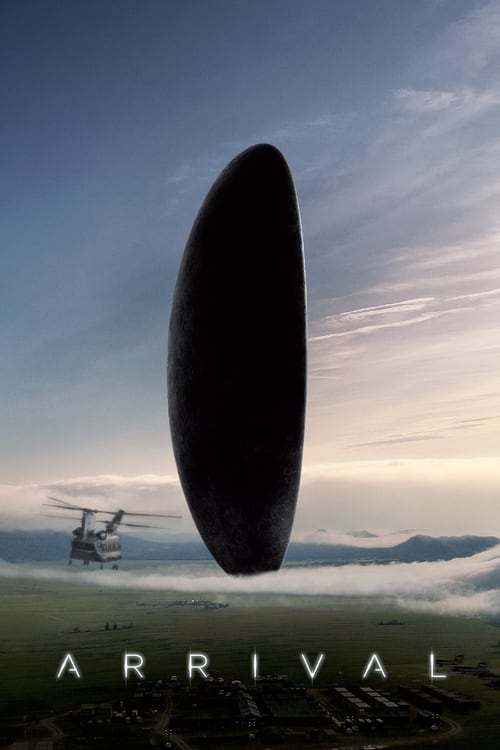
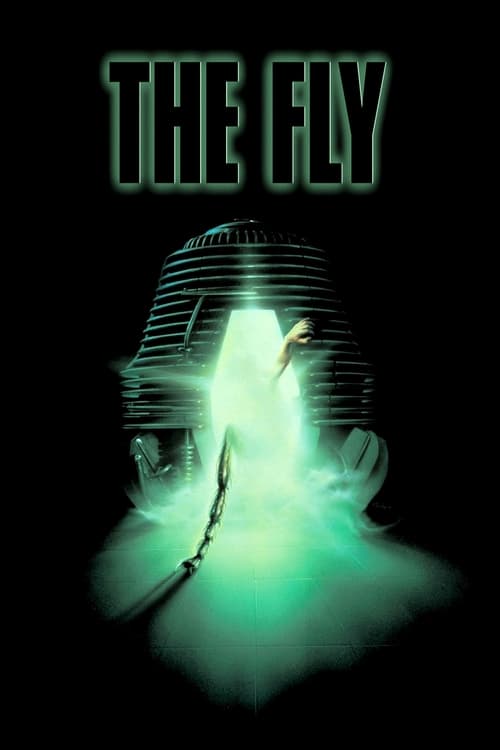
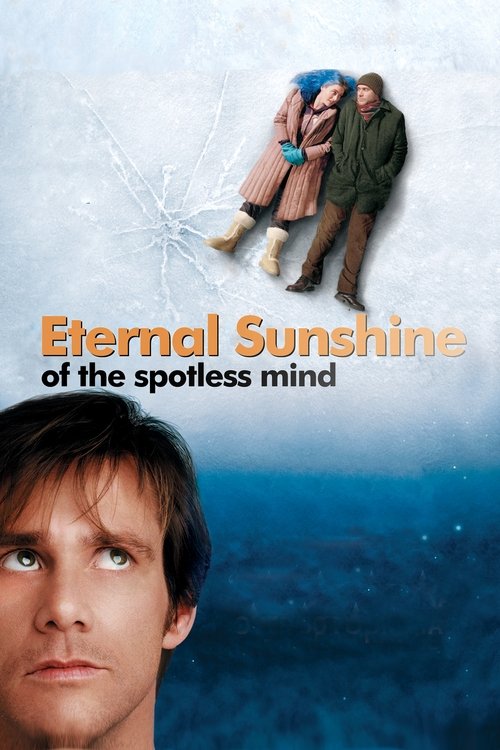
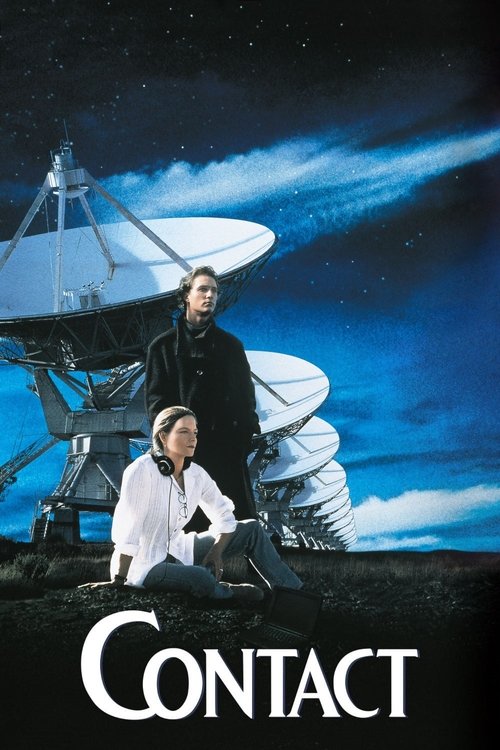
Films in the Same Vein
Sci-fi thrillers where science becomes personal and the stakes are existential





Walter Bishop Is the Best Mad Scientist in Television History
The mad-scientist archetype is one of genre fiction's oldest, and usually its laziest. Fringe upended it by giving Walter Bishop a real origin for his madness: he crossed into a parallel universe, stole a dying child, and broke two worlds to keep him. John Noble played every scene with a specificity that refused to let Walter be comic relief. He was brilliant, broken, funny, and genuinely terrifying in equal measure. The show earned its emotional climax because it spent four seasons building exactly what Walter had destroyed and what it would cost to fix it.
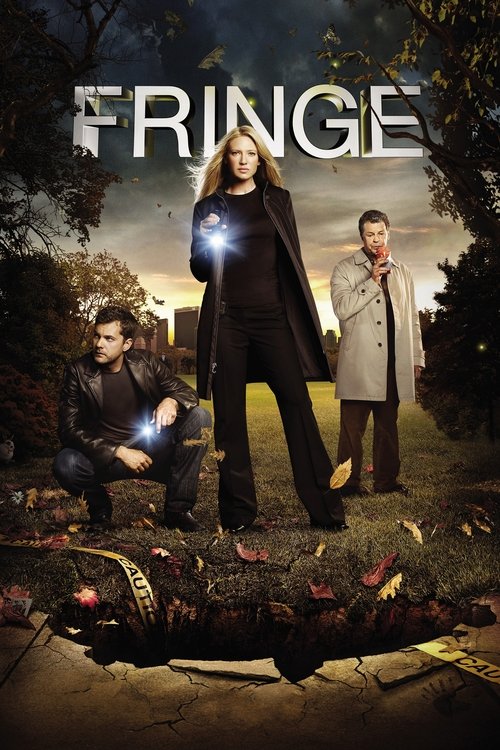
Source and Thematically-Linked Books
The novels and non-fiction behind fringe science, parallel worlds, and government secrecy


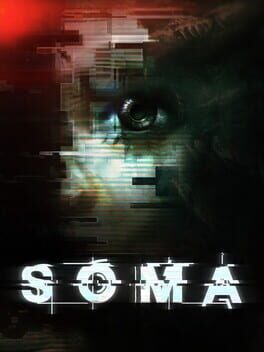
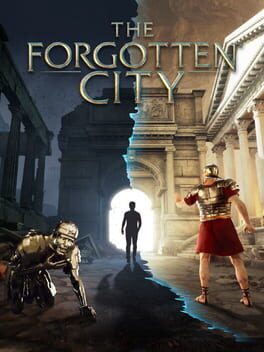
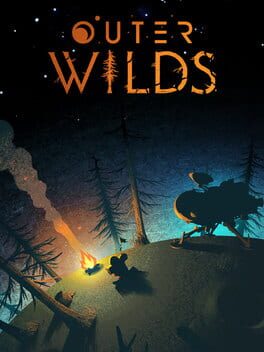
Games Sharing the Same DNA
Games about parallel worlds, unethical science, and conspiracies that go all the way down


The Parallel Universe Wasn't a Gimmick
When Fringe revealed its parallel universe at the end of season one, cynics expected the show to milk an infinite-reset button: die on one side, come back on the other, consequences optional. Instead, the writers made the other universe feel genuinely lived-in, populated it with mirror versions of every main character, and forced both sides into a war neither wanted. Fauxlivia and Walternate were not simple villains. The show's willingness to spend entire episodes on the other side, treating it as equally real, is what separated Fringe from the genre shows that use alternate timelines as cheap drama.
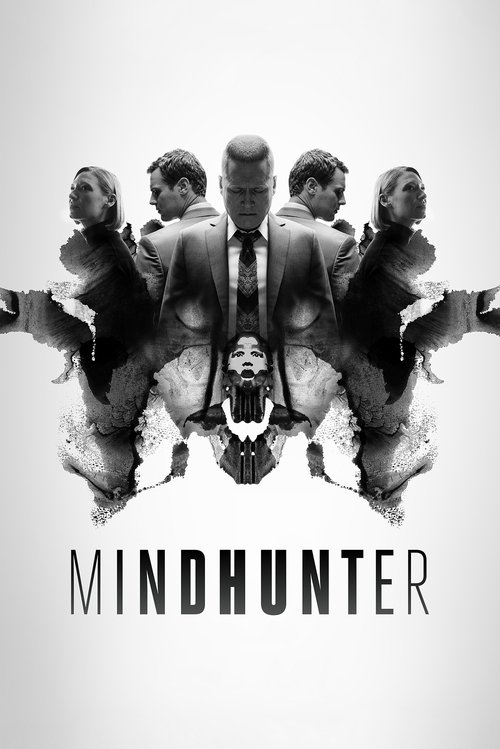
If You Love the Procedural-Mythology Blend
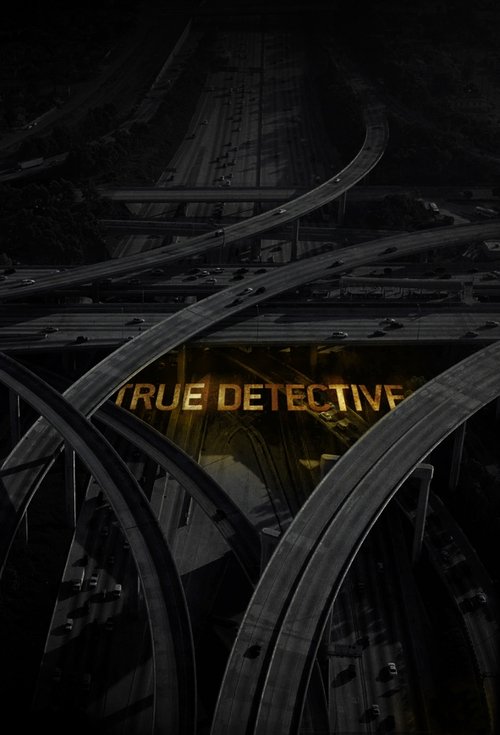
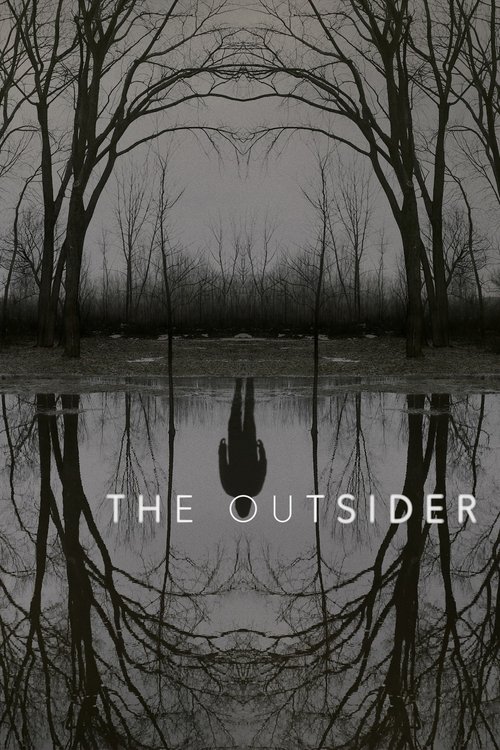
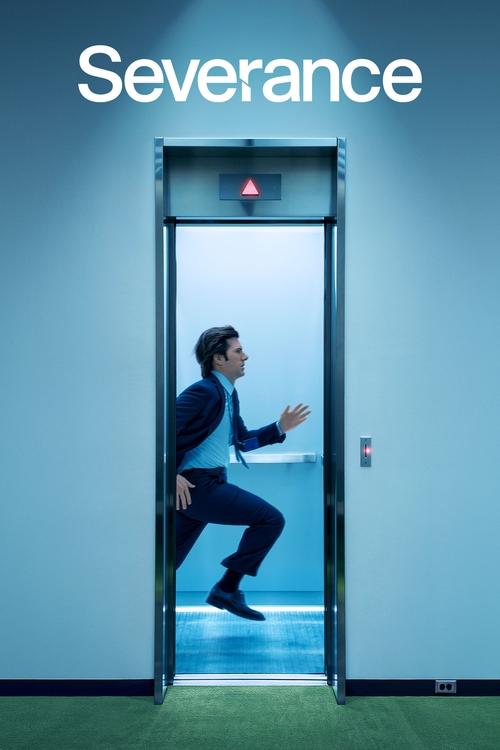
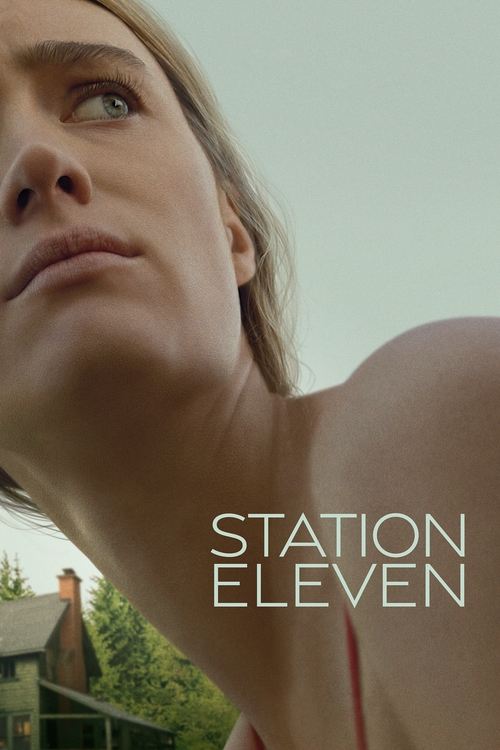
Series that make you feel the weight of every reveal



Fringe Understood That Good Science Fiction Is About the Cost
The best episodes of Fringe were not the ones with the most spectacular premise. They were the ones that showed what fringe science left behind: a woman who could not stop hearing other people's thoughts and was losing her mind, a man who survived spontaneous combustion only to keep igniting, children who were subjected to drug trials and grew up unable to trust their own memories. Fringe took the X-Files template and insisted that every inexplicable thing happened to a specific person with a specific life, and that those people deserved a full hour of attention.
Fringe: Key Moments in Five Seasons
- 2008The pilot introduces Olivia, Peter, and a barely functional Walter, fresh from a mental institution. Fringe
- 2009Season 2 reveals the parallel universe and the catastrophe Walter caused to save Peter. Fringe
- 2010Season 3 splits its run between two universes, giving Fauxlivia and Walternate full arcs. Fringe
- 2011Season 4 resets the timeline and forces every character to rediscover who they are to each other. Fringe
- 2012Season 5 jumps to 2036 and a dystopian Observer occupation, giving the series a final shape. Fringe
- 2013The finale resolves Walter's arc in a way that few genre shows have ever matched for earned emotion. Fringe
Every impossible thing that happens on this show happens to a person. Fringe never forgets that.CrossBinge editors
The Best Entry Point for New Viewers Is Not Episode One
Fringe's first few episodes are solid but somewhat generic: a damaged FBI agent, unusual cases, quirky scientist. The show finds its voice around episode four or five, and by season two it is operating at a completely different level. New viewers who sample one episode and bounce often hit a case-of-the-week early on. The advice that works: watch the pilot, skip to episode five or six, then let the season-two premiere do the rest. The mythology clicks into place and the emotional stakes become clear very fast.