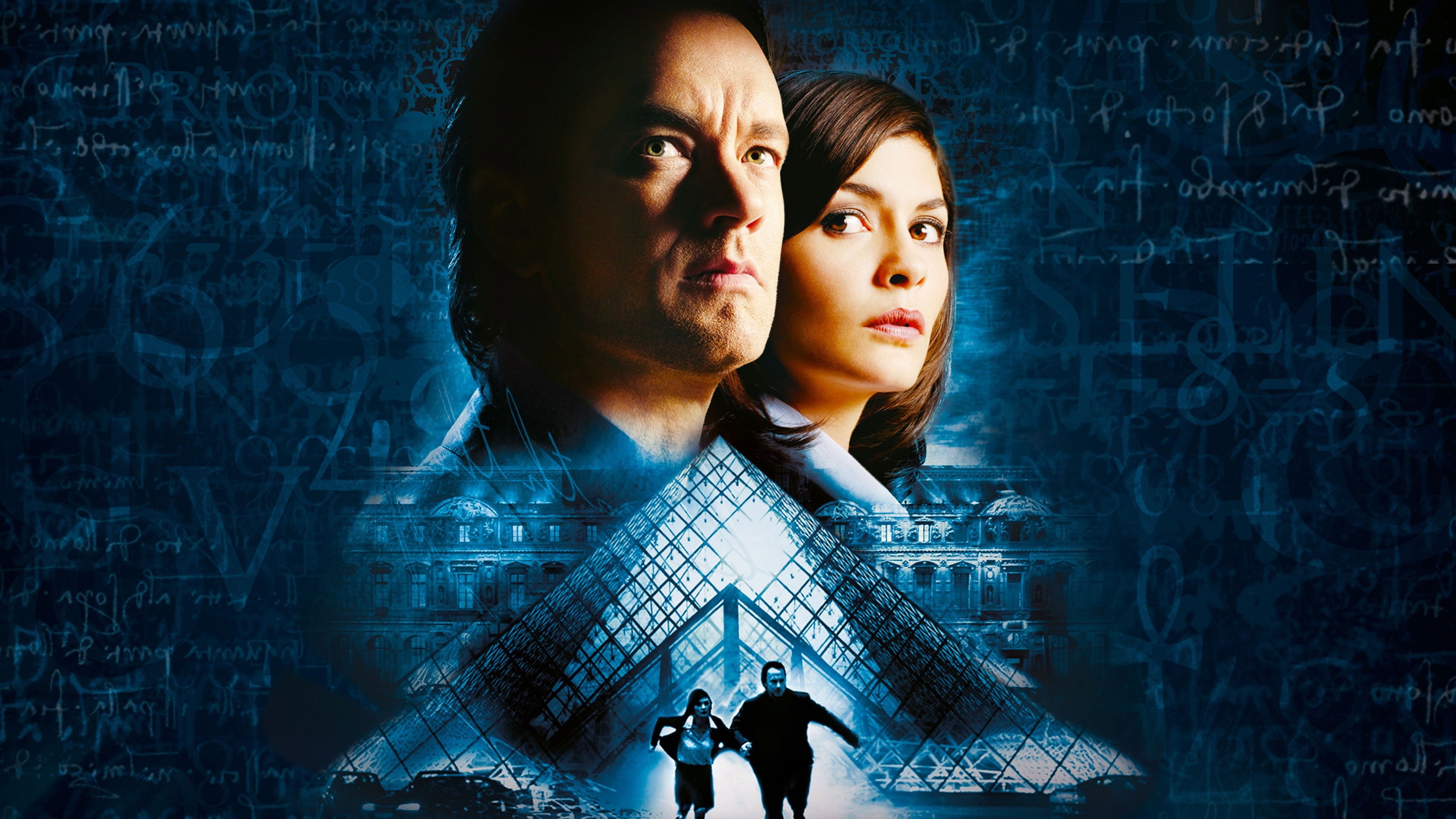

Umberto Eco was a semiotician, philosopher, and novelist who wrote books that treat the reader as a co-conspirator. His fiction is dense with medieval theology, conspiracy culture, bibliographic obsession, and the conviction that signs and symbols are the hidden architecture of reality. Whether you love him for the claustrophobic puzzle of The Name of the Rose, the paranoid sprawl of Foucault's Pendulum, or the breathless island mystery of The Island of the Day Before, the through-line is always the same: knowledge is seductive, dangerous, and often a trap. This is a guide for readers who want that feeling to keep going.
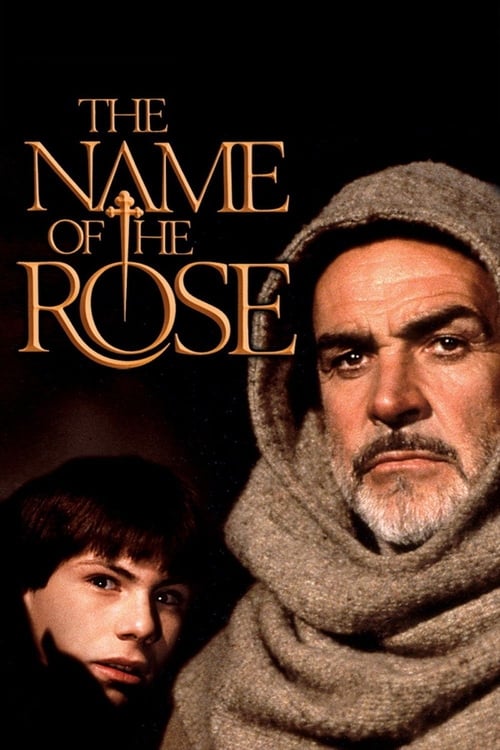
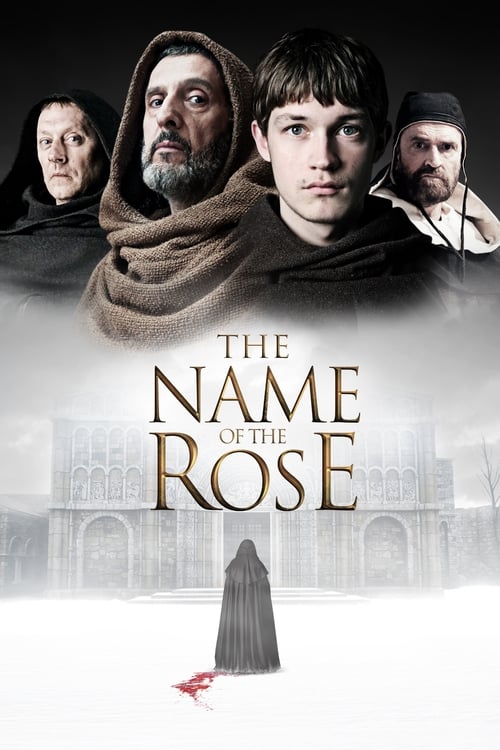
Eco on Screen
Films and series adapted from his work or shaped by the same medieval-conspiracy imagination

Similar Authors: Labyrinthine Fiction
Writers who share Eco's love of erudition, hidden orders, and the uncanny weight of the past


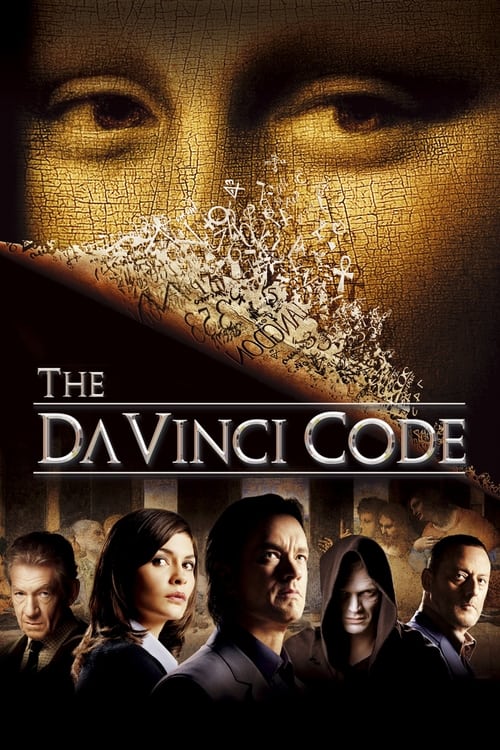
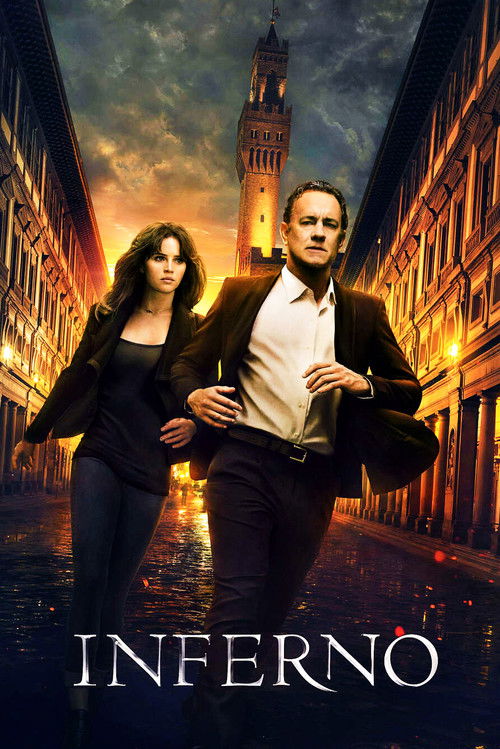
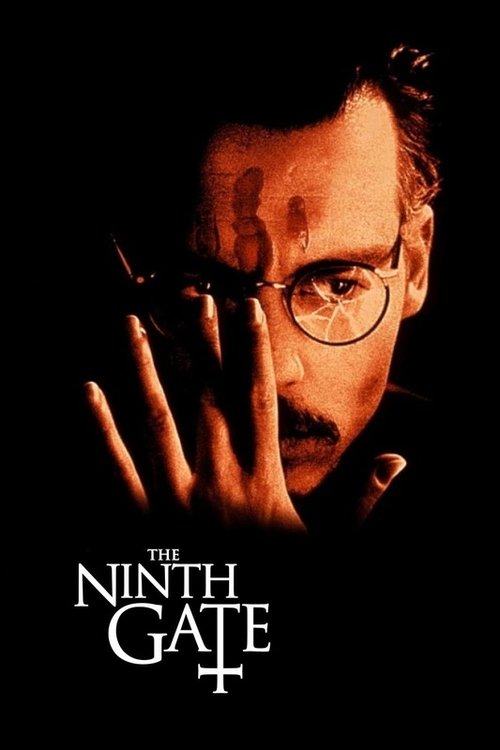
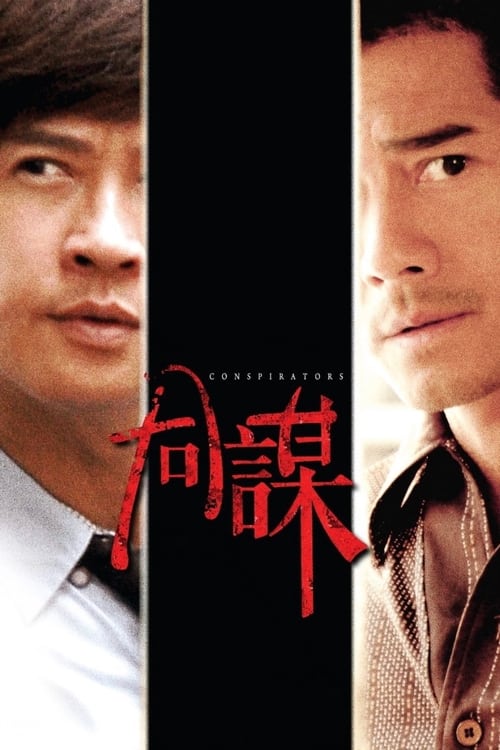
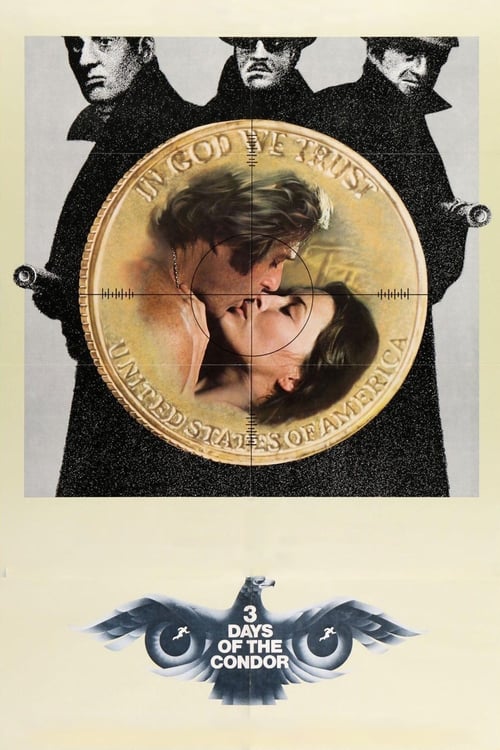
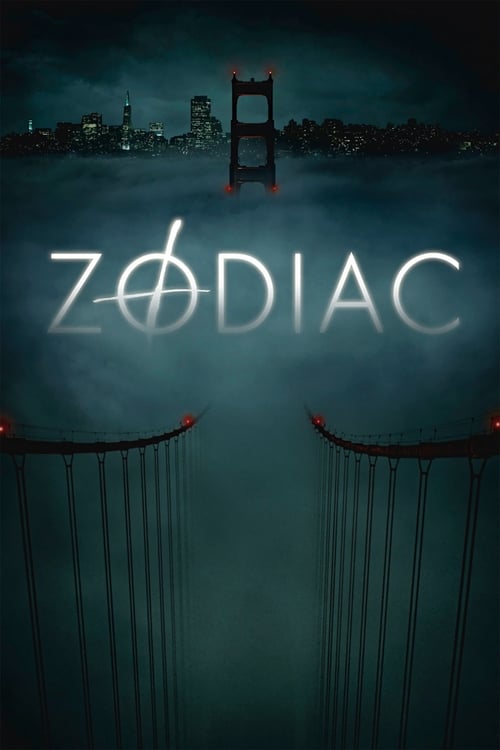
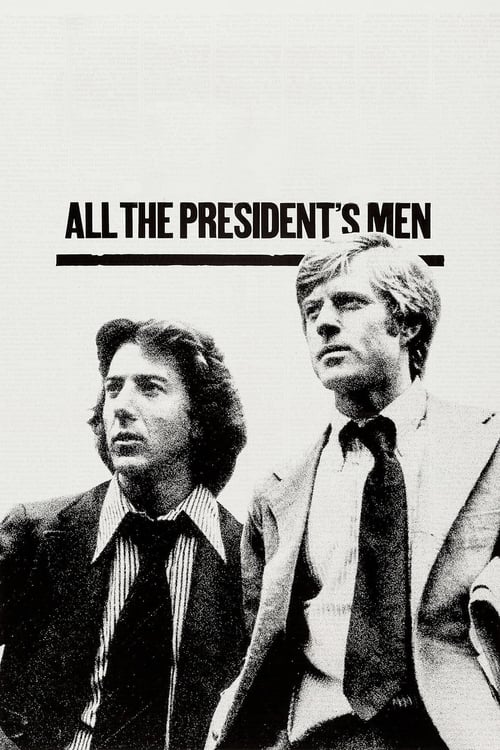
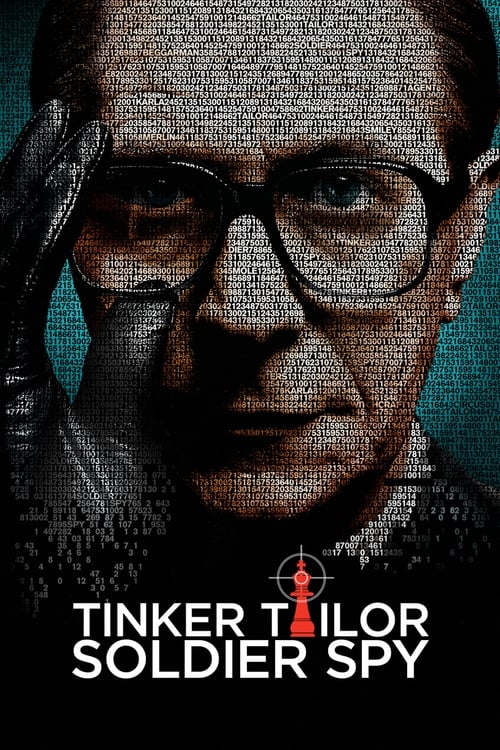
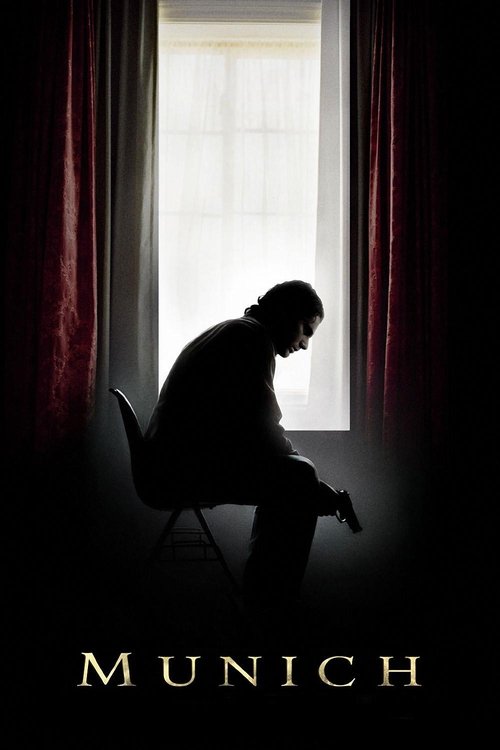
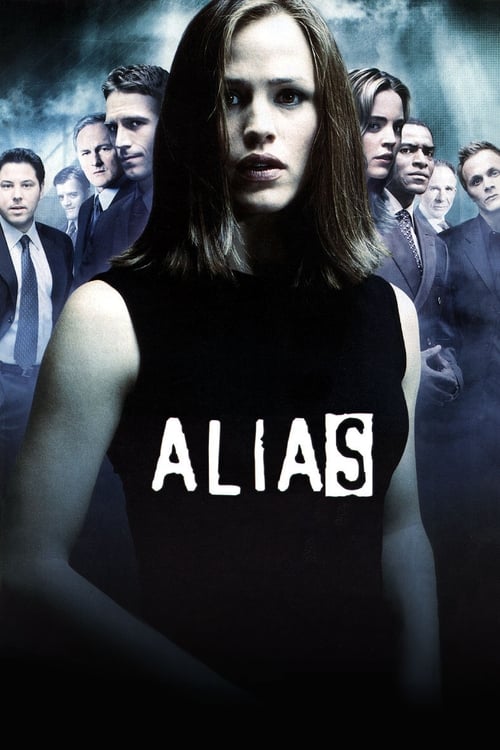
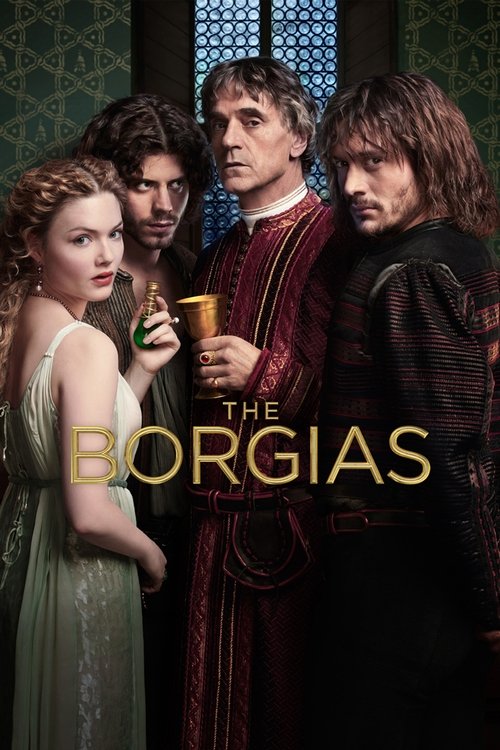
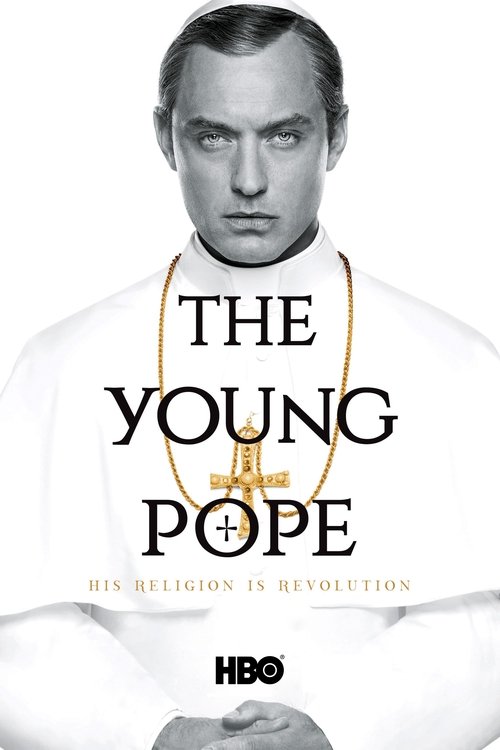
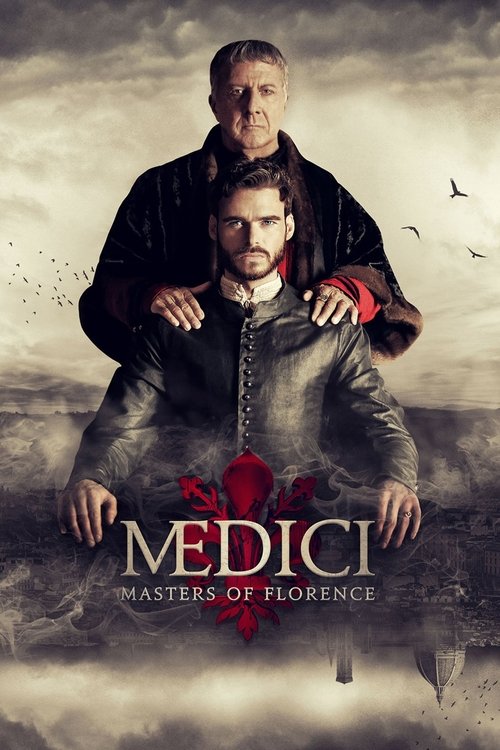
Films and Series for the Conspiratorially Minded
Thrillers and dramas that share Eco's obsession with secret societies, hidden texts, and unreliable knowledge


Games Inspired by the Same Themes
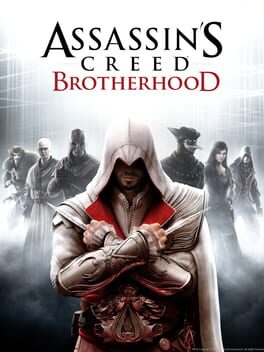
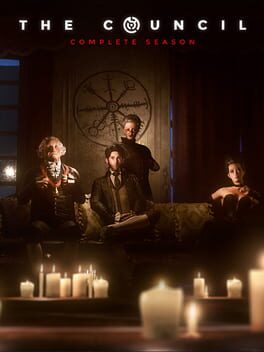
Games built around cryptic manuscripts, occult orders, unreliable narratives, and the seduction of forbidden knowledge
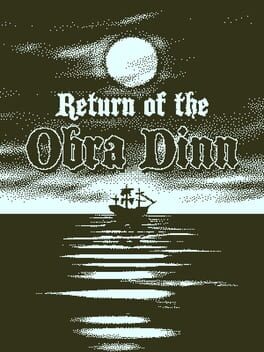

The Name of the Rose works because the detective genre is a theology of reason
Eco knew that a medieval monastery was the perfect setting for a locked-room mystery because both institutions rest on the same faith: that reason applied patiently enough will reveal truth. William of Baskerville is named for Sherlock Holmes and Occam in equal measure. The twist Eco gives the genre is that the detective's method is correct, but the truth itself is murderous. Knowing too much is the crime. The labyrinthine library at the novel's heart is not a location; it is an argument about what happens when knowledge is hoarded rather than shared.
Eco's lesser-known novels reward the patient reader
The Island of the Day Before and Baudolino are less discussed than The Name of the Rose, but they push Eco's project further. The first is about a 17th-century man stranded on a ship and unable to reach the island he can see from the deck, spiralling into memory and temporal obsession. The second gives a peasant boy a talent for lying so convincing he can barely distinguish his own fabrications from history. Both novels treat narrative itself as the mystery. Eco was not interested in plot as destination; he was interested in stories as the medium in which human beings live.

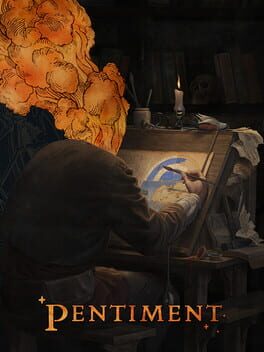
Pentiment is the closest a game has come to Eco's medieval world
Obsidian's Pentiment is set in a Bavarian monastery and surrounding village during the early 16th century and treats its historical world with exactly the seriousness Eco brought to his fictional abbey. The game is about how stories are recorded, who gets to write them, and what gets lost between one telling and the next. Its visual style mimics the illuminated manuscripts its protagonist Andreas Maler studies. For Eco readers, it is less a game in the genre of detective fiction and more a meditation on the same questions The Name of the Rose asked about truth, evidence, and the violence that comes from certainty.
Umberto Eco: A Life in Ideas
- 1932Born in Alessandria, Piedmont, Italy
- 1954Doctoral thesis on Thomas Aquinas; begins career in aesthetics and semiotics
- 1962Publishes Opera aperta (The Open Work), foundational text in semiotics
- 1975A Theory of Semiotics establishes him as a leading international scholar
- 1980The Name of the Rose published; becomes a global bestseller
- 1986The Name of the Rose film adaptation released The Name of the Rose
- 1988Foucault's Pendulum published
- 1994The Island of the Day Before published
- 2000Baudolino published Baudolino
- 2011The Prague Cemetery published
- 2015Numero Zero, his final novel, published Numero zero
- 2016Umberto Eco dies in Milan, aged 84
Codes, Conspiracies, and Hidden Histories
Secret Societies
Explore the Secret Societies guide →The more enlightened our houses are, the more their walls ooze ghosts.Umberto Eco, Travels in Hyperreality