

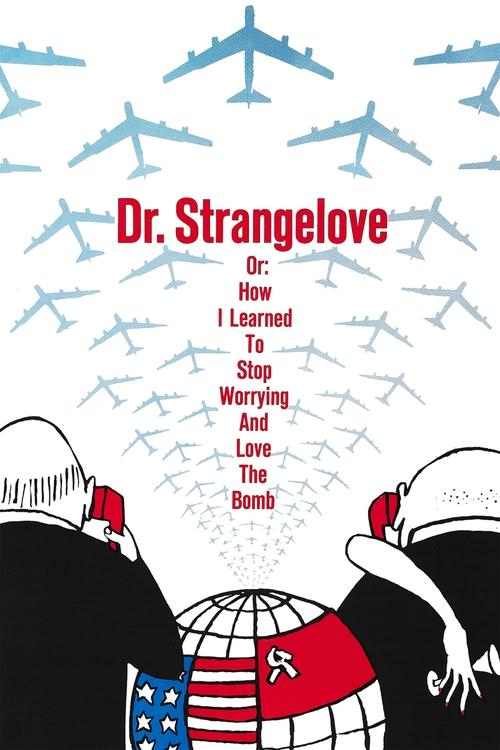
Stanley Kubrick's 1964 masterpiece does one thing that almost no film has matched: it makes institutional insanity funny. Not satirically exaggerated funny, but genuinely, scaldingly funny in a way that only works because everything on screen is played completely straight. The generals believe their own logic. The politicians follow procedure. The machinery of mutual assured destruction grinds forward not because anyone wants it to, but because no one knows how to stop it. What fans of Dr. Strangelove keep chasing is that particular combination: rigorous formal control (every frame is purposeful, every performance calibrated), pitch-black humor with actual teeth, and an underlying dread that the comedy never quite dispels. If you love the film, you love the feeling of laughing at something genuinely terrifying.
Essential Dr. Strangelove
The film itself and Kubrick's closest companions in tone and method



Peter Sellers is three different films in one
Sellers plays Group Captain Lionel Mandrake, President Merkin Muffley, and Dr. Strangelove himself, and each character is a complete, fully inhabited performance. There is no seam between them. The film works in part because Sellers refuses to wink at the audience: every character is sincere in his own derangement, which is exactly why the whole thing is so funny. Kubrick reportedly shot hours of additional Sellers footage and discarded most of it; what remains is among the most precisely timed comic acting in cinema.
Same vein: films of bureaucratic doom and political satire
Movies that treat catastrophe as procedure and power as farce


Series with the same dry institutional absurdity
Television that finds the comedy inside the machine





The novels behind the paranoia
Books that map the same territory: Cold War anxiety, absurdist systems, and the comedy of catastrophe


Games sharing its DNA
Cold War tension, systemic dread, and the dark comedy of powerful systems running out of control


More films that end the world with a straight face
Standalone films that share Strangelove's cold precision, dark wit, or nuclear-age dread
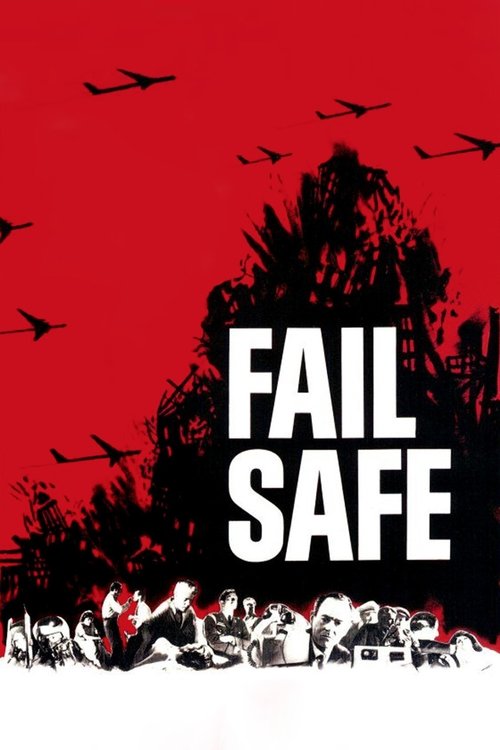
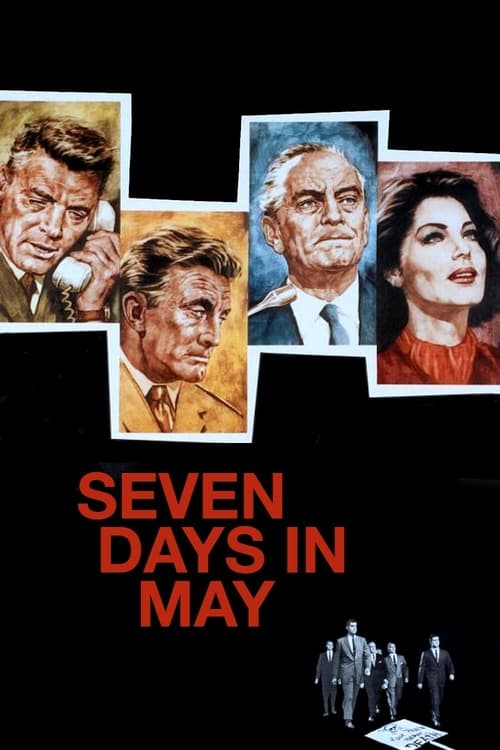


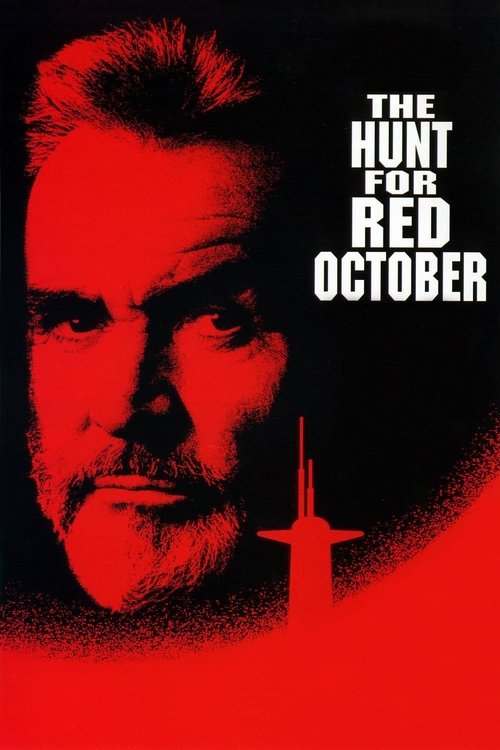


The Cold War on screen: a decade of dread
- 1957Paths of Glory shows Kubrick's institutional critique in its first mature form Paths of Glory
- 1959On the Beach imagines the aftermath of nuclear war with devastating quietness On the Beach
- 1962The Manchurian Candidate fuses Cold War paranoia with political assassination The Manchurian Candidate
- 1964Dr. Strangelove and Fail Safe open within months of each other, treating the same crisis: one as comedy, one as horror Dr. Strangelove or: How I Learned to Stop Worrying and Love the Bomb
- 1983WarGames brings nuclear brinkmanship to a teenage audience via a home computer Games
- 1985Brazil takes Strangelove's bureaucratic nightmare and rebuilds it as a surrealist dystopia Brazil
- 1997Fallout transplants mid-century nuclear aesthetics into an RPG world that never stopped being 1950s Fallout 3
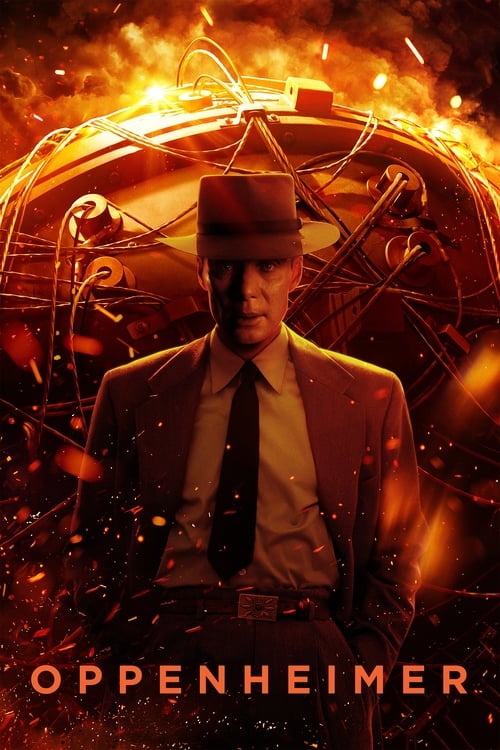
- 2023Oppenheimer returns to the origin of the anxiety with Nolan's IMAX biopic of the bomb's creator Oppenheimer
The War Room set is the real star
Ken Adam's production design for the War Room is one of the most influential sets in film history. The circular table, the green baize, the perimeter screens, the single cone of overhead light creating a pool of civilization surrounded by darkness: it is a set that says everything about how power actually works, a theater-in-the-round where the fate of the world is decided by men in suits following procedure. Ronald Reagan reportedly asked to see it when he became president; he was told it did not exist. That story, whether true or not, captures something real about the film's reach.
More Cold War paranoia and nuclear dread
The Cold War
Explore the The Cold War guide →Gentlemen, you can't fight in here. This is the War Room.President Merkin Muffley, Dr. Strangelove (1964)