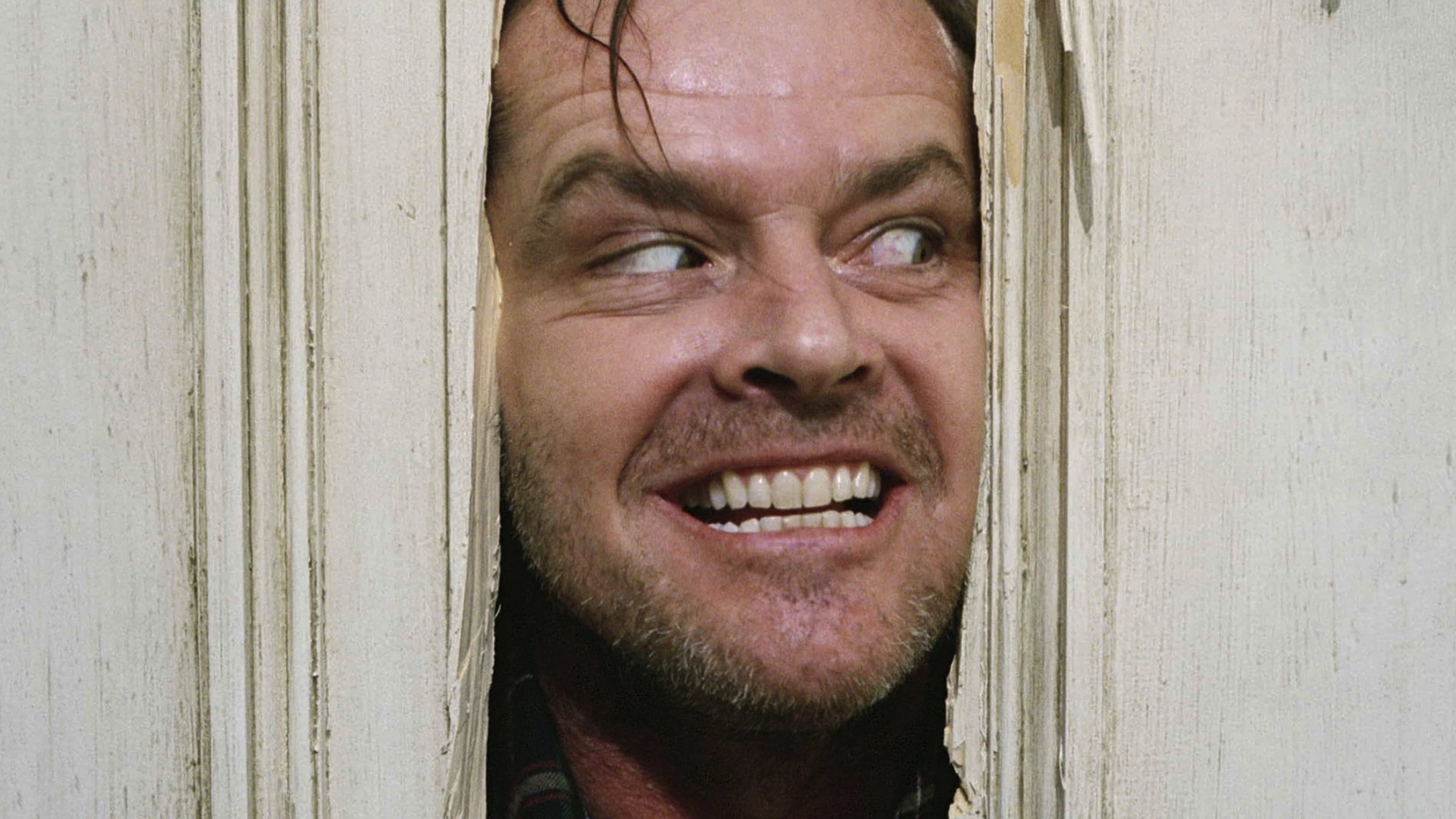

Stanley Kubrick made thirteen features across five decades and reinvented cinema at least four times in the process. What his fans chase is not a genre but a feeling: the slow tightening of a trap, a universe indifferent to human dignity, and a formal command of the screen so complete that every frame looks inevitable. From the trench satire of Paths of Glory to the orbital waltz of 2001, the acid slapstick of Dr. Strangelove to the domestic horror of The Shining, he treated filmmaking as a system to be perfected, and the results outlast every trend. If you love Kubrick, you love cinema as an instrument of controlled unease.
Essential Stanley Kubrick
His films, ranked for the committed newcomer and the returning obsessive
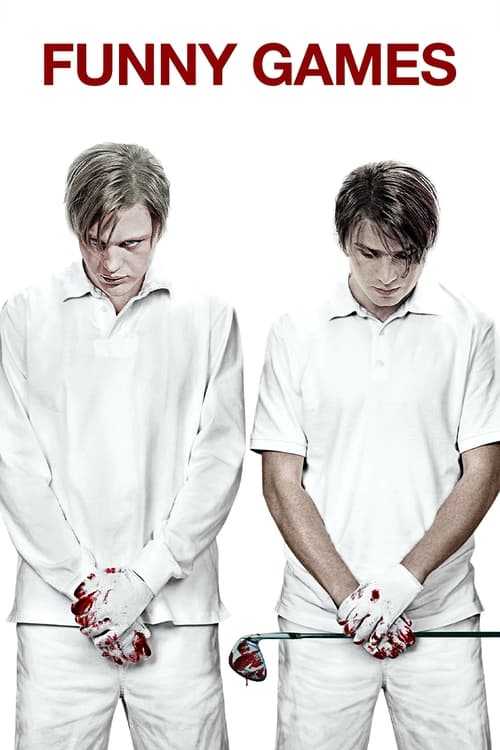
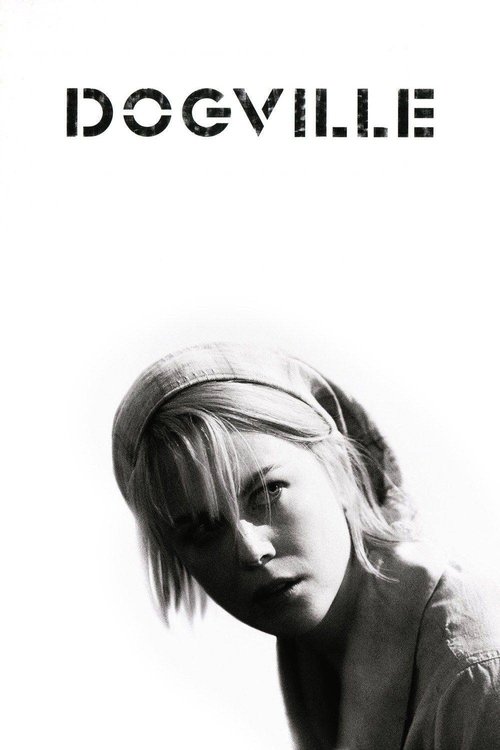
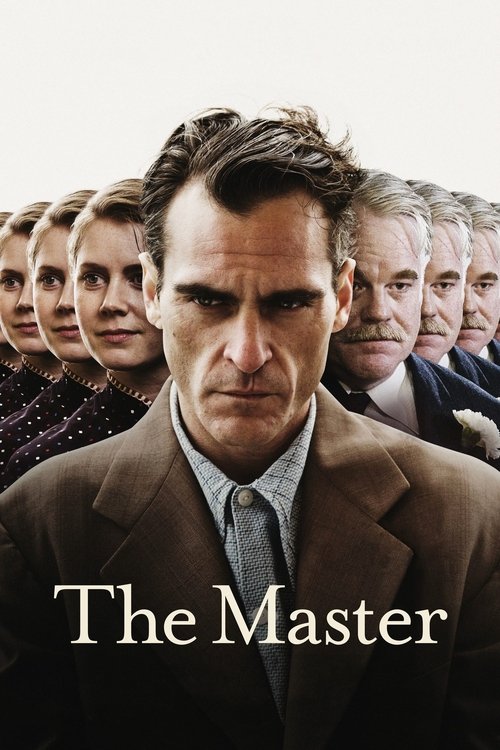
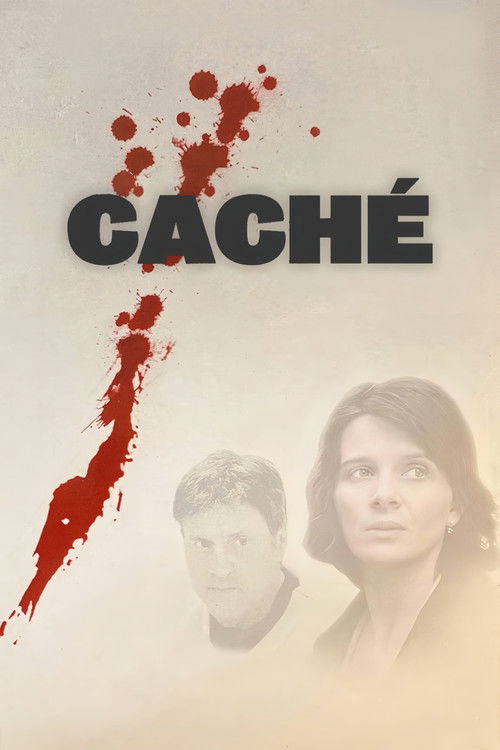
Directors Who Share His Obsessions
Cold geometry, dark irony, and cinema as total control

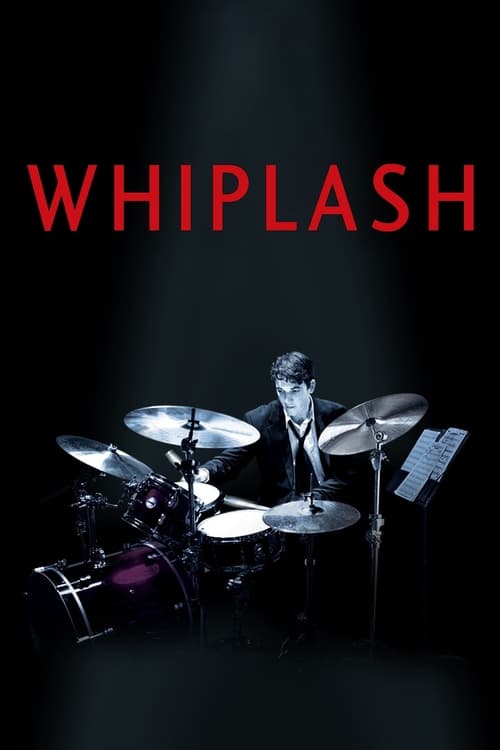
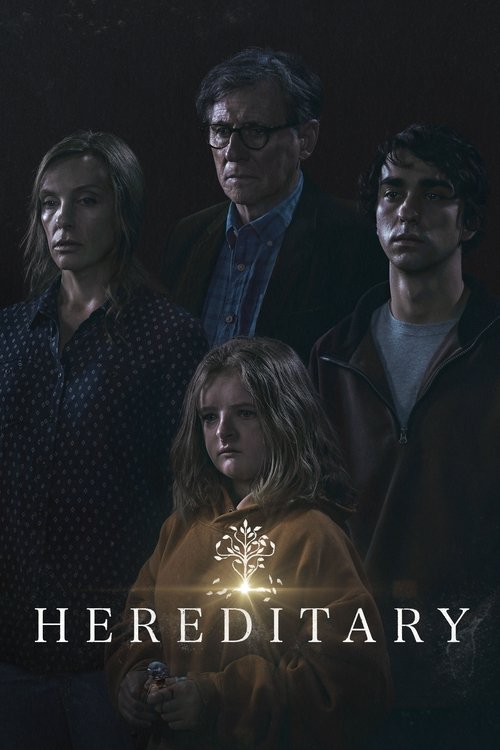
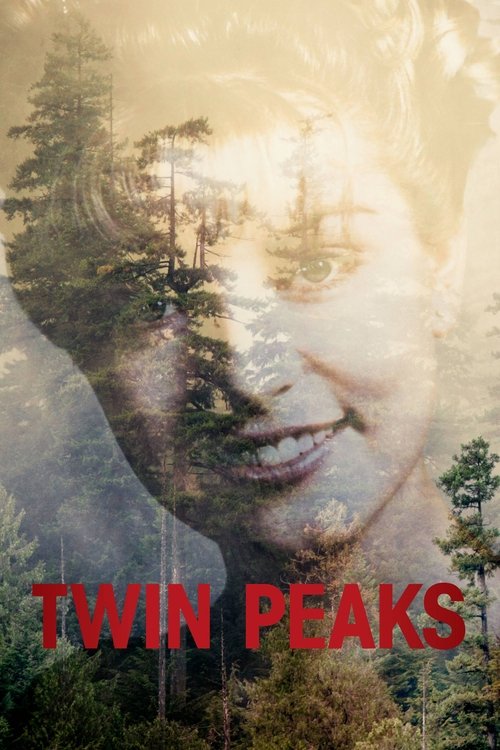
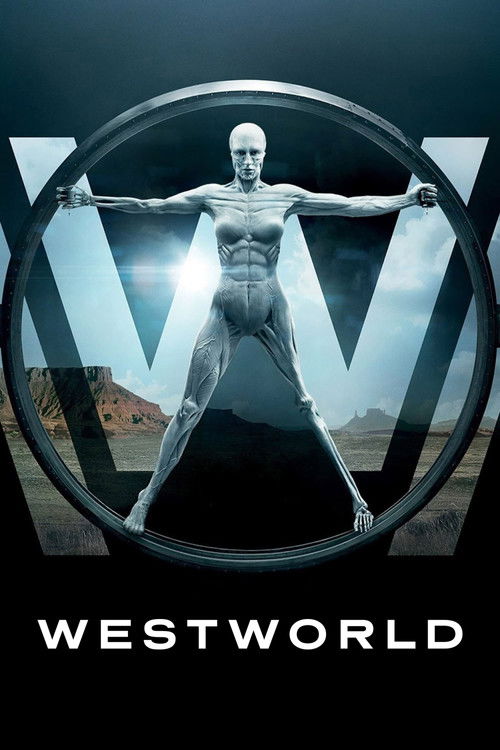
Series That Carry the Dread
Television that earns the slow burn and refuses to look away
The Books Behind the Films
Source novels and thematic companions for the Kubrick library


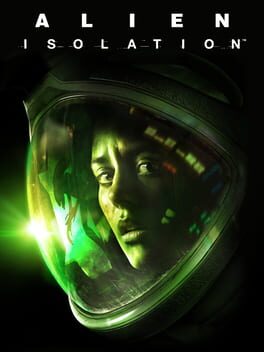
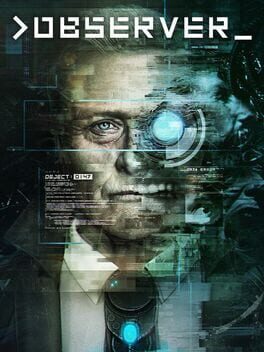
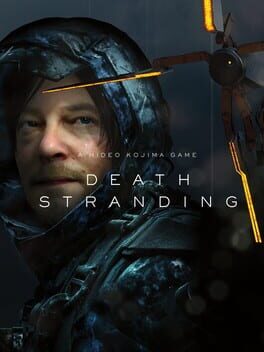
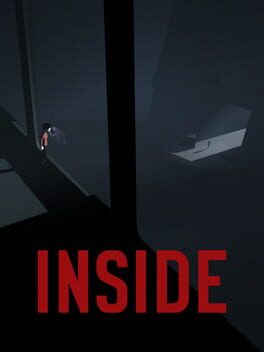
Games That Feel Like Kubrick
Coldly beautiful, cerebrally hostile, designed to make you feel small

Barry Lyndon Is the Most Beautiful Film Ever Made
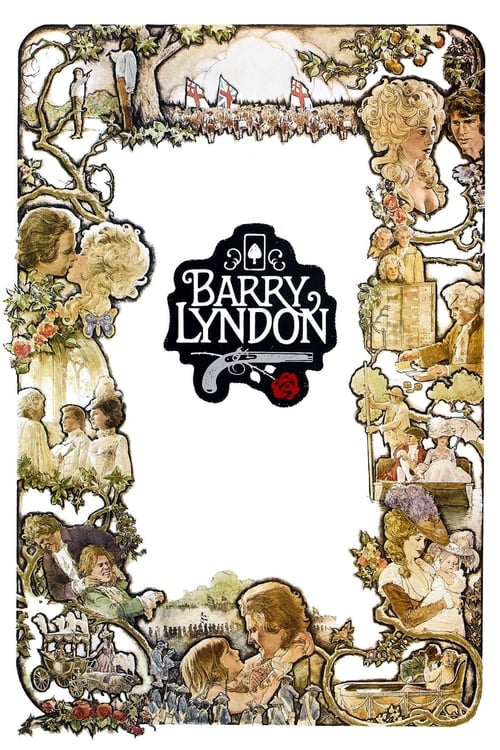
People who cite Barry Lyndon as Kubrick's coldest, most inaccessible film have missed the point. Shot with NASA-designed f/0.7 lenses that captured real candlelight, it achieves something no other movie has: the actual visual texture of the eighteenth century. The emotional distance is the argument. Ryan O'Neal's blank ambition is not a performance flaw; it is the film's thesis about class and desire. Watch it once for the images, twice for the ruthlessness underneath.
Full Metal Jacket Splits in Two, and Both Halves Are Right
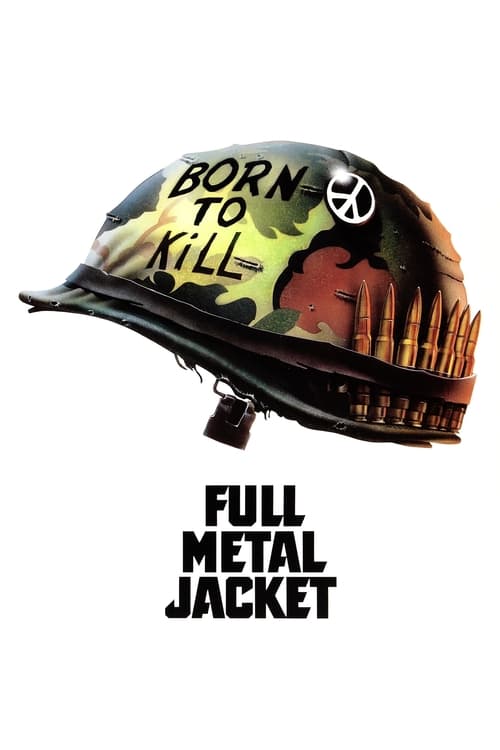
The boot-camp section of Full Metal Jacket (R. Lee Ermey's volcanic performance, the geometric frames of Parris Island) is so complete that the Vietnam half feels like a different film to some viewers. It is, deliberately. The rupture is the point: the training sequence perfects a machine, and the second half shows what that machine does in the actual chaos it was built for. The two halves only make sense together.
Kubrick's Horror Is Never About the Monster
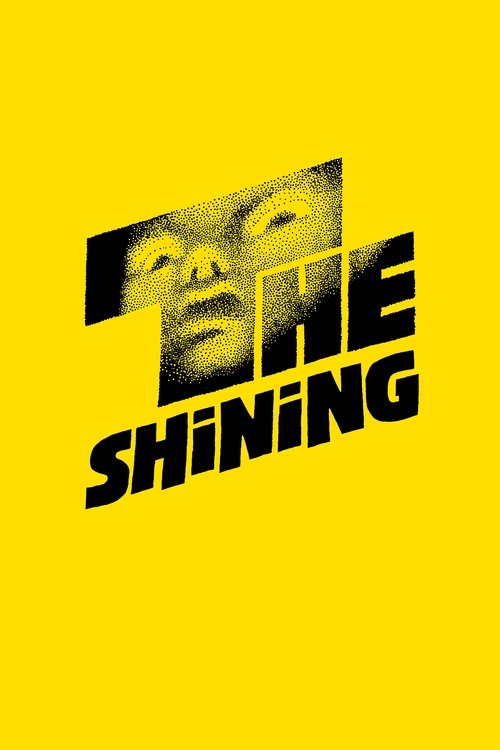
Jack Torrance is not possessed by the Overlook Hotel. He arrives there already broken. Kubrick's adaptation of Stephen King's novel strips out the supernatural explanation and replaces it with something worse: a man who chooses. The maze, the symmetry, the Steadicam that moves too smoothly, the color palette that should be cheerful but is not. The Shining works as horror precisely because it refuses to exonerate its villain with a ghost.
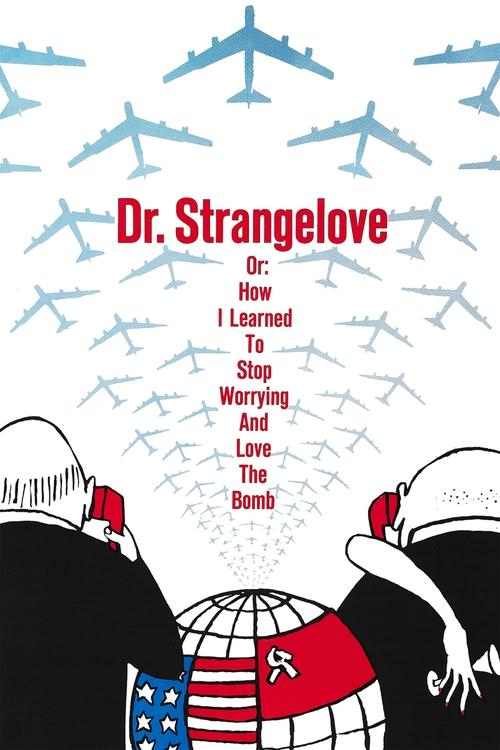
Dr. Strangelove Predicted Every Political Catastrophe Since 1964
The satirical gamble of Dr. Strangelove was that nuclear annihilation could be funny, and that the joke would illuminate the reality more honestly than any earnest thriller. Peter Sellers in three roles, the war-room lighting that looks like a board game, the bomb ridden like a rodeo animal: sixty years later the film has not lost its edge because the bureaucratic logic it mocks has not gone away. It is the rare comedy that functions as a warning.

A Career in Milestones
- 1953Feature debut Fear and Desire
- 1955Noir breakthrough Killer's Kiss
- 1956Heist landmark The Killing
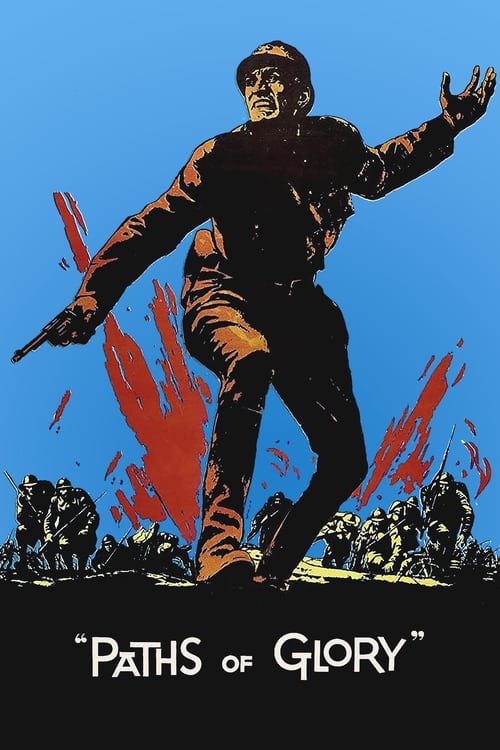
- 1957Anti-war statement Paths of Glory
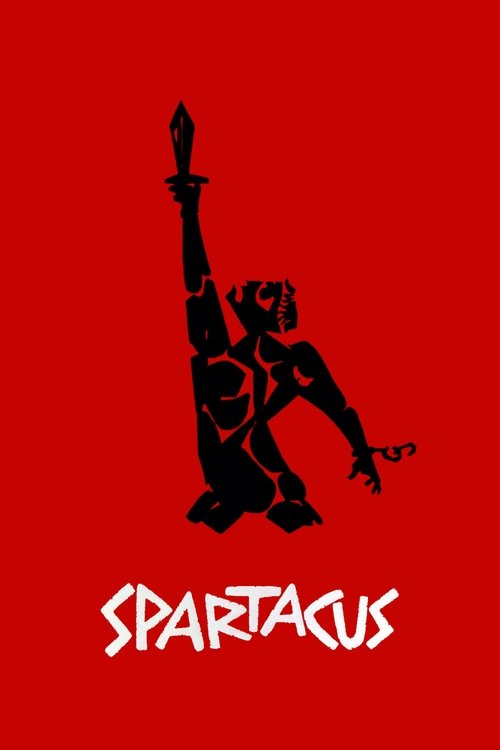
- 1960Epic for hire, later disowned Spartacus
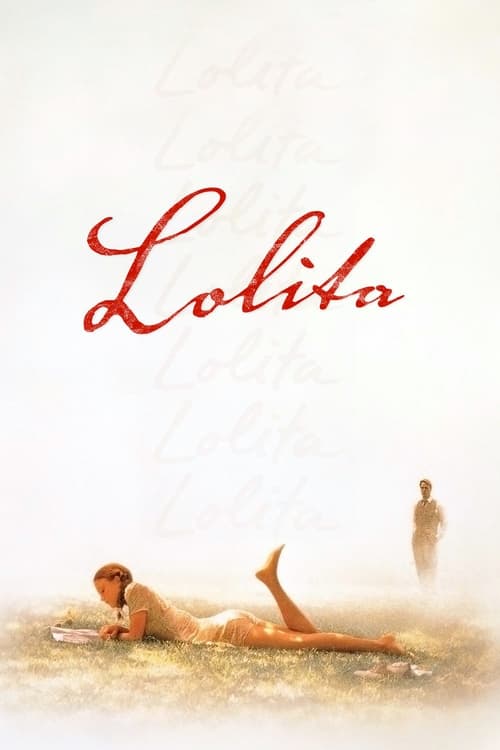
- 1962Nabokov adaptation Lolita
- 1964Cold War satire Dr. Strangelove or: How I Learned to Stop Worrying and Love the Bomb
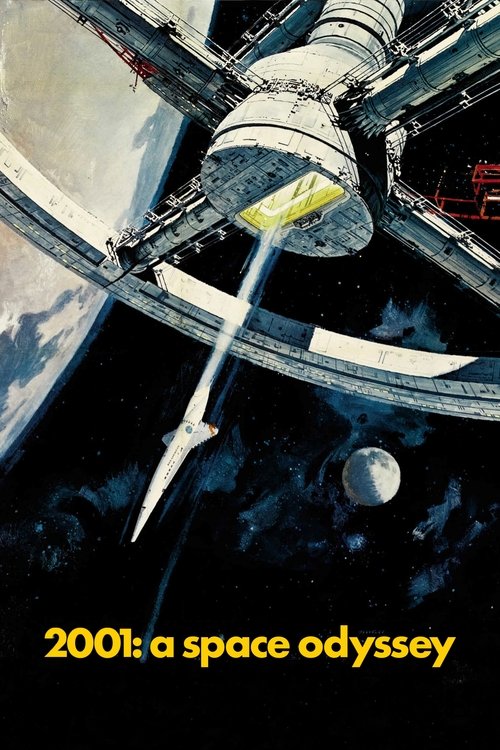
- 1968Reinvents science fiction 2001: A Space Odyssey
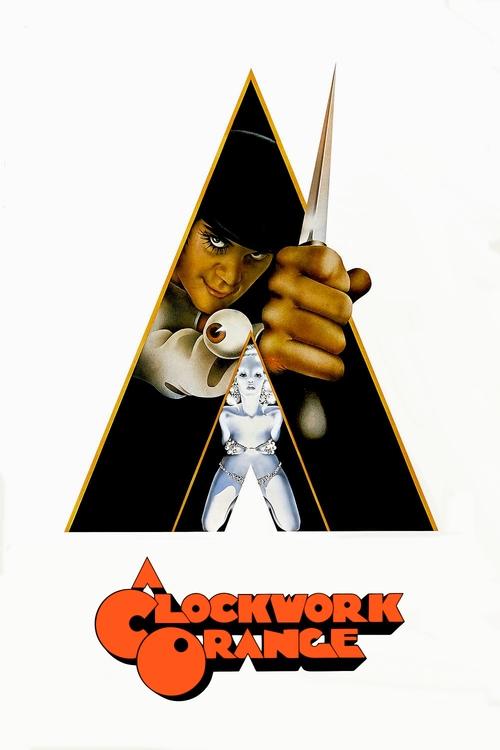
- 1971Controversial dystopia A Clockwork Orange
- 1975Candlelit period epic Barry Lyndon
- 1980Redefines horror The Shining
- 1987Vietnam, bifurcated Full Metal Jacket
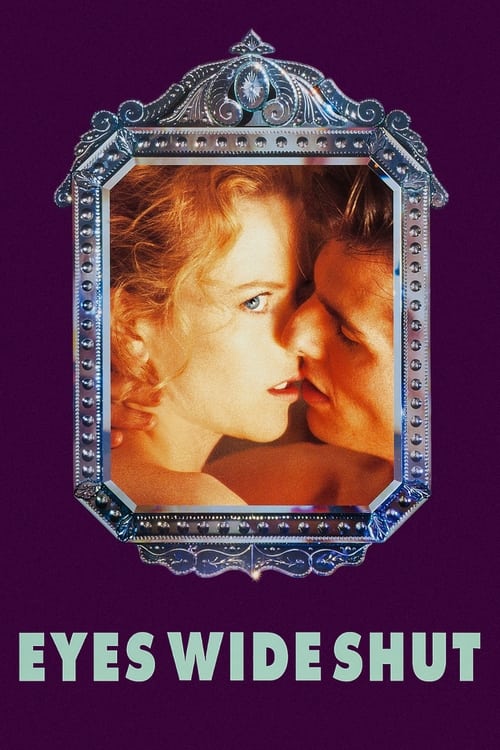
- 1999Final film, released posthumously Eyes Wide Shut
Cold dread, dystopia, and machines
For Fans of A Clockwork Orange
Explore the For Fans of A Clockwork Orange guide →If it can be written, or thought, it can be filmed.Stanley Kubrick